
Understanding Property Video Production
Property video production encompasses the creation of high-quality visual content that showcases real estate listings through compelling videos. This process involves a combination of video shooting, editing, and post-production techniques designed to highlight the unique features of a property while engaging potential buyers. In today’s highly competitive real estate market, the influence of visual media has become a pivotal factor in attracting qualified prospects and accelerating the sales cycle.
The role of property videos extends beyond mere visualization. They serve as a strategic marketing tool that amplifies property visibility across various digital platforms, including real estate websites, social media channels, and email campaigns. With the proliferation of internet use and mobile devices, property videos offer an accessible and dynamic way to experience a property remotely, allowing viewers to get a comprehensive sense of space, layout, and ambiance without physically visiting the site.
Effective property videos are tailored to meet the specific needs of real estate professionals aiming to create a compelling narrative around each listing. Well-produced videos can significantly influence buying decisions by providing immersive views of interiors and exteriors, capturing the essence of the property’s quality, design, and location. This visual storytelling not only attracts more views but also fosters a stronger emotional connection with potential buyers, thereby increasing the likelihood of inquiries and offers.
Creating a property video involves meticulous planning, including storyboarding, selecting the right equipment, and understanding the target audience’s preferences. Professional videographers employ advanced techniques such as drone footage to highlight property surroundings or wide-angle shots to showcase interior spaces, ensuring viewers receive a comprehensive and captivating presentation.
In conclusion, property video production is an indispensable element of modern real estate marketing. By leveraging high-quality visual content, agents and sellers can enhance the online presence of their listings, attract more interest, and ultimately facilitate faster sales. As the market continues to evolve, investing in professional property videos will remain a key factor for success in the highly visual landscape of real estate sales.
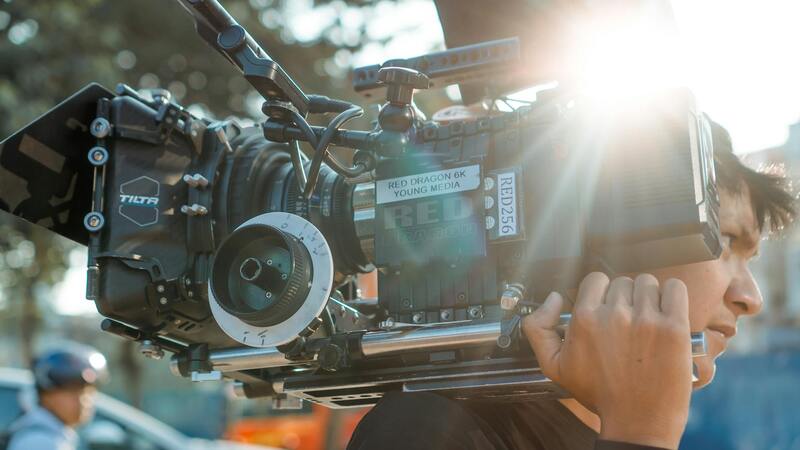
Types of Property Videos
When it comes to showcasing real estate in Miami, utilizing diverse video formats allows agents to highlight different aspects of a property and appeal to varied buyer preferences. Each type of property video offers unique advantages and can be strategically employed to enhance marketing efforts.
- Walkthrough Videos: These videos simulate a virtual tour of the property, guiding viewers through each room with steady camera work and clear narration or background music. They are ideal for providing a detailed sense of layout, space, and flow, allowing potential buyers to experience the property remotely.
- Drone Footage: Aerial videos captured via drones offer stunning views of the property's exterior, surrounding neighborhood, and landscape features. This perspective is particularly valuable for properties with notable outdoor spaces or scenic locations, such as luxury Miami mansions or waterfront estates.
- 3D Virtual Tours: Interactive digital experiences that enable viewers to navigate through a property at their own pace. These immersive tours are especially effective for buyers who wish to examine every detail closely without physically visiting the site, streamlining the decision-making process.
- Lifestyle and Community Videos: These videos focus on the lifestyle benefits associated with a property and its neighborhood, showcasing local amenities, schools, parks, and cultural attractions. Such content helps buyers envision their future life in the area, creating an emotional connection that can accelerate interest.
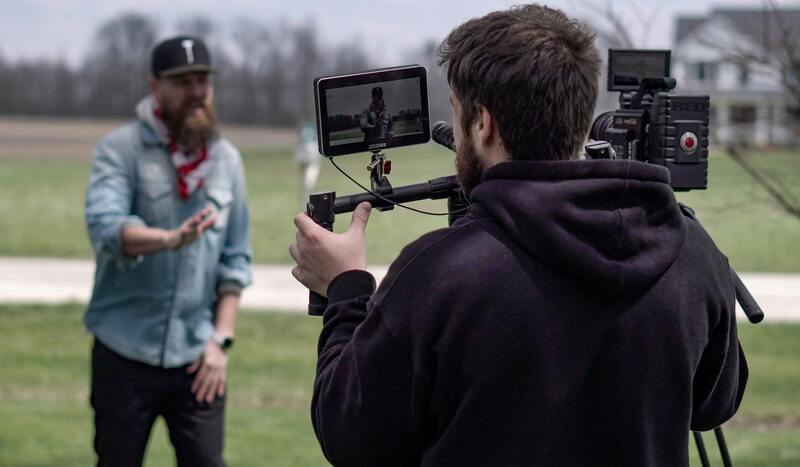
Key Elements of Effective Property Videos
Creating compelling property videos requires attention to several essential components that work together to produce engaging and persuasive content. These elements ensure the final product not only captures the property's features but also resonates with viewers.
- High-Quality Visuals: Crisp, well-lit footage is fundamental. Professional shooting equipment combined with optimal lighting conditions ensures that both interior and exterior features are vividly displayed. Maintaining steady camera movements and avoiding shaky footage enhances the viewing experience.
- Strategic Storytelling: A well-structured narrative guides viewers through the property, highlighting its best aspects while maintaining a logical flow. Emphasizing unique selling points, such as panoramic views, custom finishes, or outdoor entertaining spaces, appeals to emotional and practical considerations.
- Showcase of Space and Functionality: Proper framing, wide-angle shots, and smooth transitions help convey the sense of space and layout accurately. Highlighting functional areas like kitchens, master suites, and outdoor patios aids prospective buyers in visualizing their lifestyle.
- Effective Use of Sound: Clear narration, ambient music, or a combination of both can set the tone of the video. The audio component should complement the visuals without overwhelming them, ensuring clarity and engagement.
- Inclusion of Details and Call-to-Action: Incorporate pertinent property details subtly within the video or its description. Clear contact information and a compelling call-to-action motivate interested viewers to take the next step.
Technical Considerations and Best Practices
Implementing proper technical strategies in property video production directly influences the quality and effectiveness of marketing content. Employing professional standards ensures videos meet industry expectations and resonate with prospective clients.
- Optimal Shooting Conditions: Schedule shoots during the day when natural light enhances the property's features. Avoid harsh shadows or overexposed areas for a balanced view of indoor spaces.
- Use of Stabilization Equipment: Employ gimbals or steadicams to achieve smooth footage, particularly during walkthroughs and dynamic shots. Stability enhances viewer comfort and professionalism.
- Post-Production Editing: Skilled editing refines the raw footage by adjusting brightness, contrast, and color balance. Incorporating subtle transitions, overlays, or text annotations aids clarity and aesthetic appeal.
- Drone and Aerial Capture Regulations: Adhere to local guidelines governing drone flights. Obtaining proper permissions ensures safety and compliance without delays or issues.
- Aspect Ratio and Resolution: Use high-definition formats, such as 4K, to future-proof content and facilitate versatile deployment across platforms.
By combining technical expertise with creativity, property videos can significantly elevate real estate marketing efforts, particularly in a vibrant and competitive Miami market. Professional production not only enhances visual appeal but also instills confidence in potential buyers, ultimately contributing to faster and more successful sales.
Understanding Property Video Production
Creating impactful property videos requires a comprehensive understanding of various technical and creative elements that come together to produce compelling visual content. The foundation of successful property video production lies in meticulous planning and execution, ensuring that each visual component aligns with marketing goals and showcases the property's unique features effectively. From pre-production considerations like scripting, storyboarding, and scheduling, to on-site filming and post-production editing, every stage demands precision and expertise.
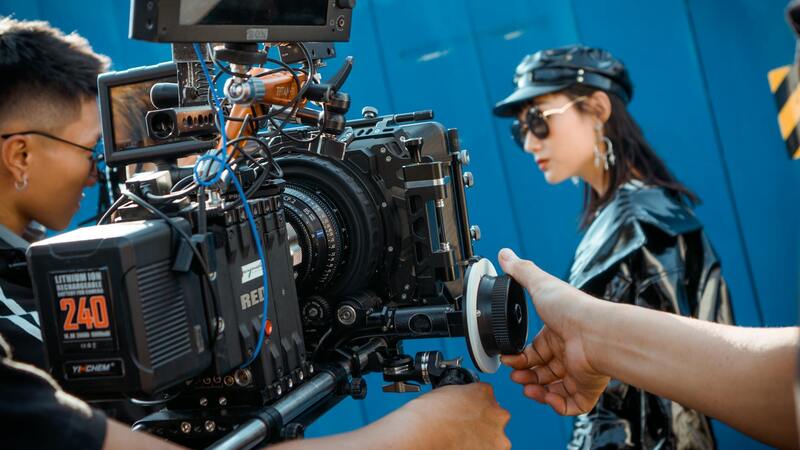
Effective property video production employs a combination of technical skills and creative vision. Essential elements include optimal lighting conditions that highlight the property's best features, and the strategic use of stabilization equipment to maintain smooth footage. During filming, natural light is maximized, and shadows are minimized to present a balanced view that feels inviting and authentic. Stabilization tools such as gimbals or steadicams are vital for capturing steady walkthroughs and dynamic shots that avoid shaky footage, which can detract from the viewer's experience.
Post-production remains a crucial phase where raw footage is refined to enhance visual appeal and viewer engagement. Skilled editing involves adjusting brightness, contrast, and color correction to achieve a vibrant yet natural look. Incorporating subtle transitions, overlays, and branded text helps reinforce key messages while maintaining a seamless flow. These edits are not merely aesthetic choices; they strategically focus on highlighting the property’s best attributes and creating a compelling narrative that resonates with prospective buyers.
Operational compliance is also fundamental in property video production. For instance, drone footage offers breathtaking aerial perspectives that showcase property exteriors and surrounding neighborhoods. Adhering to drone operation guidelines and obtaining necessary permissions ensures that aerial shots are captured legally and safely. This not only prevents delays but also enhances the credibility of the video content. Additionally, the use of high-definition formats such as 4K ensures that the final video maintains its quality across various digital platforms, providing versatility and long-term value.
Technical Considerations and Best Practices
- Maximize natural lighting during filming; avoid harsh shadows and overexposed areas.
- Employ stabilization equipment for smooth tracking shots, especially during walkthroughs.
- Capture high-resolution footage in formats like 4K to ensure clarity across mediums.
- Use professional-grade editing software to refine colors, contrast, and transitions.
- Secure necessary permissions for aerial drone shots, adhering to local regulations.
- Integrate branding elements subtly through overlays or captions for professionalism.
- Ensure audio clarity, especially when including narration or on-site sounds.
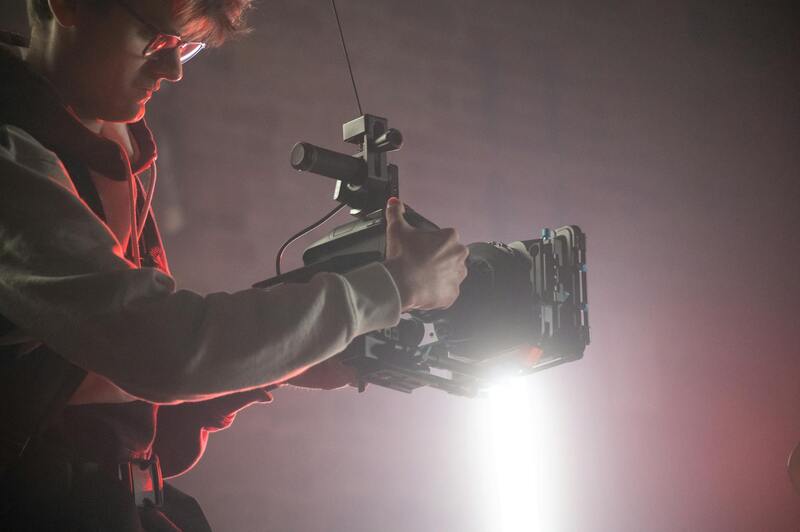
A well-executed property video combines precise technical execution with compelling storytelling. The resultant content not only attracts attention but also fosters confidence in prospective clients, translating visual appeal into tangible sales outcomes. Maintaining best practices throughout the production process is critical in delivering a product that elevates a property’s market presence and appeals to a discerning audience.
Technical Considerations and Best Practices
Achieving a polished, compelling property video hinges on meticulous planning and execution, with a focus on technical excellence. High-quality footage begins with selecting the right camera equipment; professional-grade cameras capable of capturing in 4K resolution or higher are essential for ensuring clarity, detail, and versatility across various digital formats. A stabilized camera setup, such as gimbals or steadicams, contributes significantly to smooth, professional-looking shots, minimizing the distraction of shaky footage. When capturing interior spaces, using wide-angle lenses helps viewers appreciate the full scope of rooms, while appropriate lighting setups, both natural and supplemental, ensure even illumination that highlights architectural features and interior design.
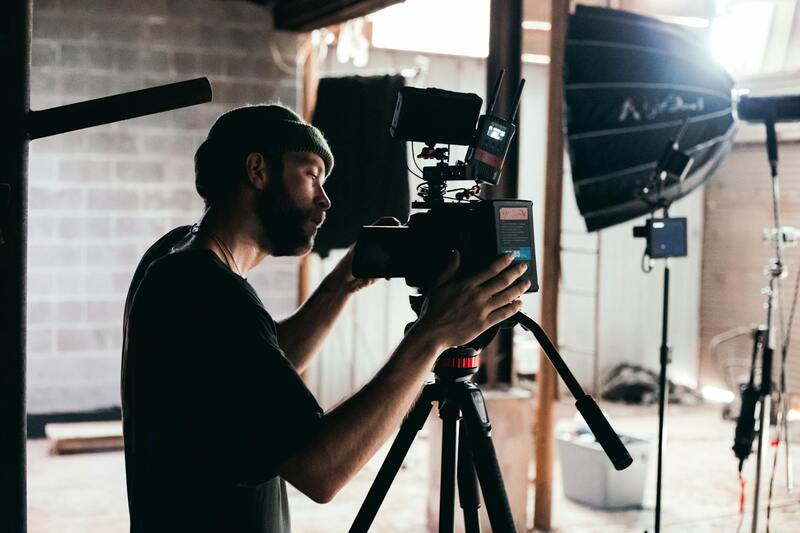
Sound quality plays a crucial role in elevating the professionalism of property videos. Employing directional microphones or lapel mics during narration segments ensures clear, intelligible audio free from background noise. When capturing on-site sounds, such as ambient noise or outdoor environments, using windshields and noise reduction techniques helps maintain audio clarity. Post-production editing is just as vital, with editing software enabling precise color grading, contrast adjustments, and seamless transitions that enhance visual appeal. Integrating subtle branding overlays or captions adds a layer of professionalism and reinforces brand identity without overwhelming the viewer.
Adhering to technical best practices—such as maximizing natural light, avoiding overexposure, and employing stabilization tools—results in a visually cohesive product that draws viewers into the space. Attention to these details ensures the final video not only looks polished but also conveys a sense of authenticity and trustworthiness, crucial for engaging prospective buyers and tenants.

Tailoring Content for Digital and Mobile Consumption
In today’s digital landscape, property videos need to be optimized for various online platforms, including social media and mobile devices. Vertical and square formats are increasingly popular for social media ads and stories, requiring adaptable shooting and editing strategies. Ensuring rapid load times, quick-start videos, and mobile-friendly captions help capture viewers’ attention within seconds. Including engaging call-to-action overlays and ensuring consistent branding throughout the video reinforce marketing messages and improve viewer engagement. Moreover, the video’s thumbnail and first few seconds are critical; they should be compelling enough to encourage viewers to watch the entire tour, increasing the odds of lead conversion.
By combining state-of-the-art filming techniques with platform-specific optimization, property videos can effectively reach targeted audiences and generate measurable results across all digital touchpoints.
Technical Considerations and Best Practices in Property Video Production
When producing high-quality property videos, filmmakers must adhere to a series of meticulous technical practices that elevate the final product. Proper lighting remains paramount; utilizing natural light effectively can highlight a property’s best features, such as spacious rooms, appealing views, and architectural details. Shooting during optimal times of the day, such as early morning or late afternoon, can enhance the visual appeal through soft, warm lighting. Conversely, avoiding harsh midday sun prevents unwanted shadows and overexposure, resulting in more balanced imagery.
Steady footage is crucial for maintaining viewer immersion. Employing stabilization tools such as gimbals, steadicams, or drone stabilization systems minimizes shake and jitter, producing smooth, professional-looking shots. This not only improves visual quality but also directs attention to the property’s design elements without distraction. When capturing interior spaces, careful attention to camera angles and movements ensures that rooms appear spacious and inviting, avoiding distortions that could misrepresent the property’s true proportions.
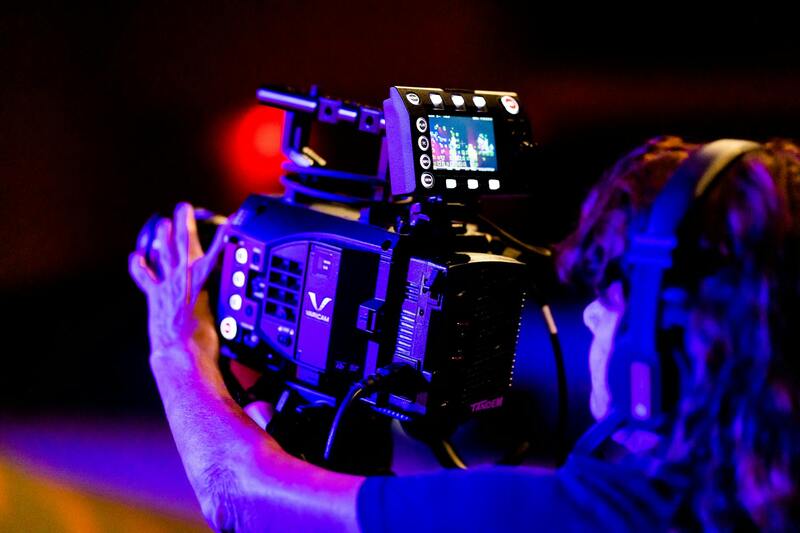
Sound quality is another vital aspect often overlooked. Using directional microphones or lapel mics during on-camera narration, along with eliminating background noise, ensures clarity. Clear audio complements visual elements, creating a cohesive presentation that feels inviting and credible. When incorporating voiceovers, professional narration can guide viewers seamlessly through the property, emphasizing key features and flow.
Post-production editing further refines the video. Color correction ensures consistency across shots, enhancing visual harmony. Strategic use of transitions, overlay graphics, and text annotations can highlight specific amenities, floor plans, or special features. The pace of editing should balance thoroughness with engagement; brisk, yet comprehensive tours keep viewers interested, reducing the likelihood of disengagement or drop-off.
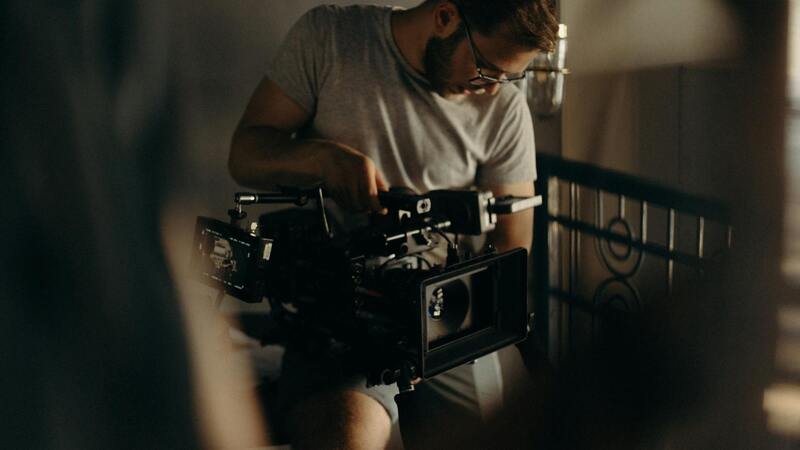
Optimizing videos for various platforms involves strategic formatting choices. Vertical videos are especially suited for social media stories and reels, calling for a different shooting setup that emphasizes height rather than width. Quick-start intros, typically within the first three seconds, are essential for capturing attention. Fast-paced editing, combined with compelling captions and calls-to-action, encourages viewers to take the next step, whether scheduling a viewing or contacting an agent.
Finally, mobile adaptability must be considered throughout production. High-resolution videos should load swiftly without buffering issues, and captions or subtitles should be legible on smaller screens. Thumbnails are the initial impression; therefore, selections should be eye-catching and reflective of the content to entice clicks and views. These technical practices, applied diligently, ensure that property videos are not only visually compelling but also highly effective across digital marketing channels.
Effective Distribution Strategies for Property Videos
Once a high-quality property video is produced, strategic distribution becomes crucial to maximize its reach and impact. Leveraging multiple channels ensures that the video attracts a diverse audience and stimulates engagement across platforms. The most effective distribution approach involves a combination of online and offline tactics tailored to target demographics and the nature of the property.
Online platforms are the primary channels for property video marketing. Embedding videos on official websites, property listing pages, and real estate portals ensures that interested buyers can access detailed visual tours with ease. Additionally, sharing videos across social media platforms such as Facebook, Instagram, LinkedIn, and YouTube helps expand visibility, given their extensive user bases. Paid advertisements on these platforms can further broaden reach by targeting specific audience segments based on location, interests, and income levels.
Utilizing email marketing campaigns to showcase property videos is another effective method. Real estate agents and agencies can include links to videos in newsletters and targeted outreach efforts, encouraging recipients to view virtual tours directly from their inbox. This approach ensures that interested parties receive personalized content that resonates with their preferences.
Offline strategies should not be overlooked. Incorporating QR codes linked to the property video into printed marketing materials, such as brochures, flyers, and signage, provides potential buyers with immediate access to visual content during open houses or in-person visits. This integration of digital and print marketing enhances overall brand credibility and helps bridge the gap between online and offline engagement.
Furthermore, collaborating with local real estate agents and brokers to share videos through their networks can substantially amplify exposure. Partnering with local media outlets, industry blogs, or community forums allows for targeted outreach within specific geographic or demographic groups, aligning distribution efforts with market trends and buyer preferences.
Consistent analytics and tracking of video performance across channels enable ongoing optimization of distribution strategies. Monitoring metrics like view counts, engagement rates, and lead conversions provides insight into what methods resonate most effectively with audiences. Adjustments to content placement, timing, and promotional tactics should be made accordingly to enhance overall effectiveness.
In today’s competitive real estate landscape, a comprehensive distribution plan that utilizes a blend of digital and traditional methods is essential. By ensuring that property videos are accessible through multiple touchpoints, real estate professionals can substantially increase visibility, generate more leads, and ultimately secure quicker sales outcomes.
Understanding Property Video Production
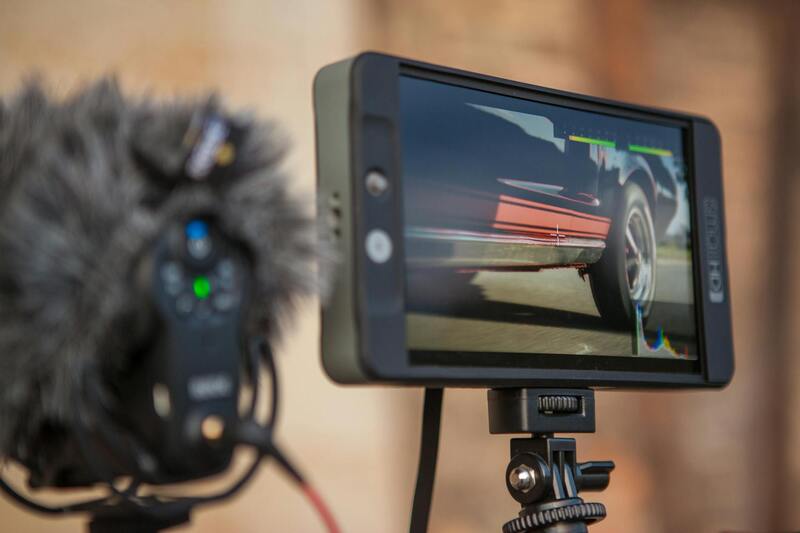
Effective property video production involves capturing the essence and unique features of a property to appeal to prospective buyers. It encompasses various stages, including pre-production planning, filming, editing, and post-production enhancements. The process begins with comprehensive site assessments and storyboarding to ensure that each shot aligns with the property’s attributes and marketing goals. High-quality visuals, synchronized with professionally captured audio and well-planned camera movements, are essential to creating captivating content that stands out in the competitive real estate market. The choice of equipment—such as drones for aerial shots, gimbals for smooth walk-throughs, and high-definition cameras—plays a crucial role in delivering visually compelling results. Post-production editing further refines the footage, adding elements like color correction, text overlays, and background music to enhance viewer engagement and convey a polished, appealing narrative of the property.
Types of Property Videos
There are several distinct formats that property videos can take, each serving different marketing strategies and audience preferences. These include:
- Walk-through Tours: These videos offer a seamless, guided visual journey through the property, emphasizing flow, space, and layout. Ideal for giving viewers an immersive experience of the property's interiors.
- Drone Footage: Aerial shots provide a comprehensive overview of the property's exterior and surroundings, showcasing landscaping, proximity to amenities, and neighborhood appeal.
- Highlight Reels: Short, engaging videos that emphasize the property’s most attractive features—such as kitchens, master bedrooms, or outdoor spaces—designed to quickly capture interest.
- Virtual Reality or 3D Tours: Interactive experiences that allow prospective buyers to explore the property remotely, offering an advanced level of engagement and detail.
Key Elements of Effective Property Videos
To maximize impact, property videos should incorporate several core components:
- Clear Focus: Highlight the property's best features with an engaging narrative and visual emphasis. This helps viewers quickly grasp the property’s unique selling points.
- Professional Filming Techniques: Use steady camera movements, appropriate lighting, and high-resolution footage to create a polished presentation. Proper framing and perspective are essential to showcase spaces effectively.
- Concise Content: Keep videos focused and appropriately timed, typically between 1 to 3 minutes, to maintain viewer interest while providing comprehensive information.
- Compelling Editing: Incorporate smooth transitions, focal points, and balanced pacing. Color grading and sound design further enhance the visual appeal and mood.
- Call to Action: End with contact information or a prompt to encourage viewers to take the next step, such as scheduling a viewing or contacting a real estate agent.
Technical Considerations and Best Practices
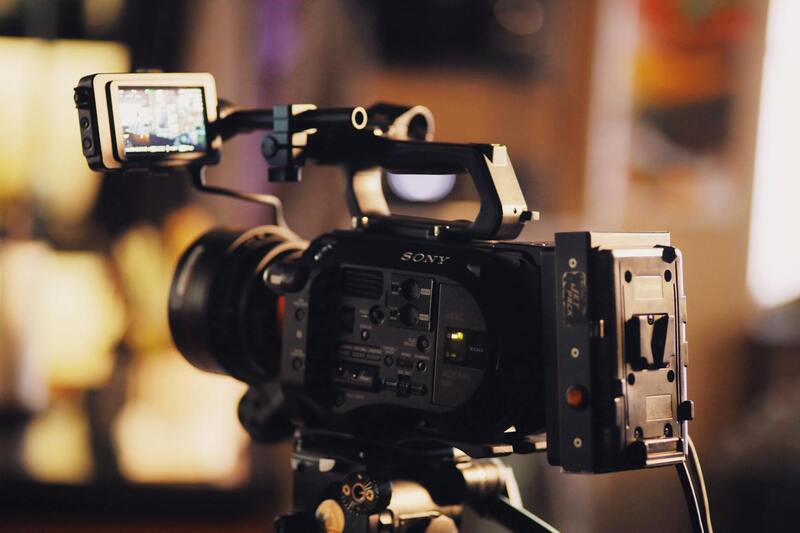
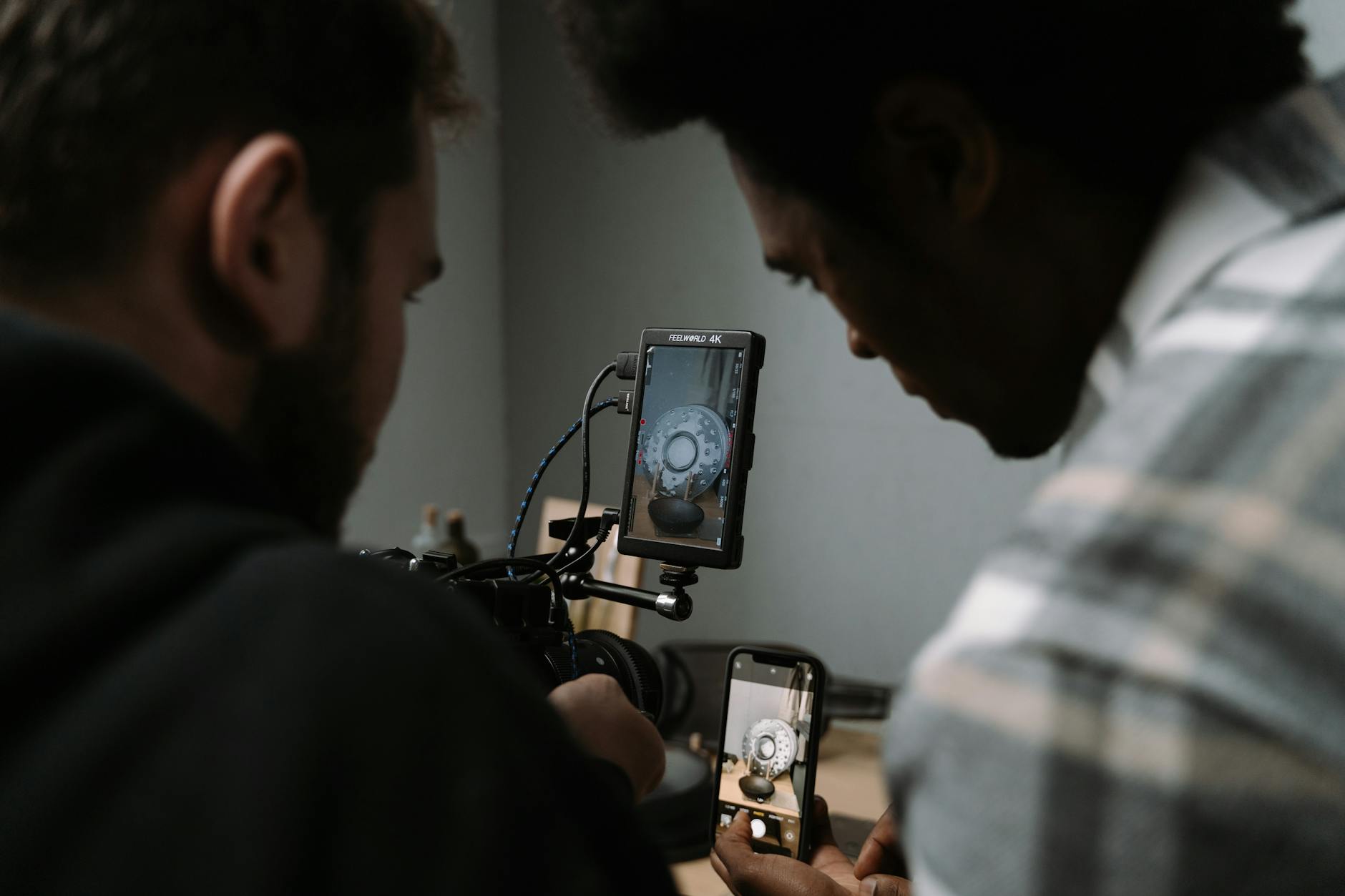
Successful property video production hinges on technical excellence. This includes selecting the right equipment—such as 4K cameras, stabilizers, and drones—to capture the property in its best light. Ensuring optimal lighting conditions minimizes shadows and highlights architectural details. For interior shots, using professional lighting equipment can compensate for suboptimal natural light sources, creating a bright, welcoming environment. When filming exterior spaces or aerial shots, weather conditions and time of day should be carefully planned to achieve optimal lighting and minimal wind interference.
In editing, color correction ensures consistency across scenes and enhances visual appeal, while sound editing removes background noise and integrates clear audio cues. Including captions or text overlays can direct viewers' attention to specific features or property details. Additionally, employing aspect ratios compatible with various digital platforms assures that videos display correctly across websites, social media, and virtual tour platforms.
Adhering to these production standards ensures the resulting videos meet industry expectations, resonate with target audiences, and effectively showcase the property's unique qualities to drive interest and engagement.
Choosing the Right Equipment and Editing Techniques for Property Video Production
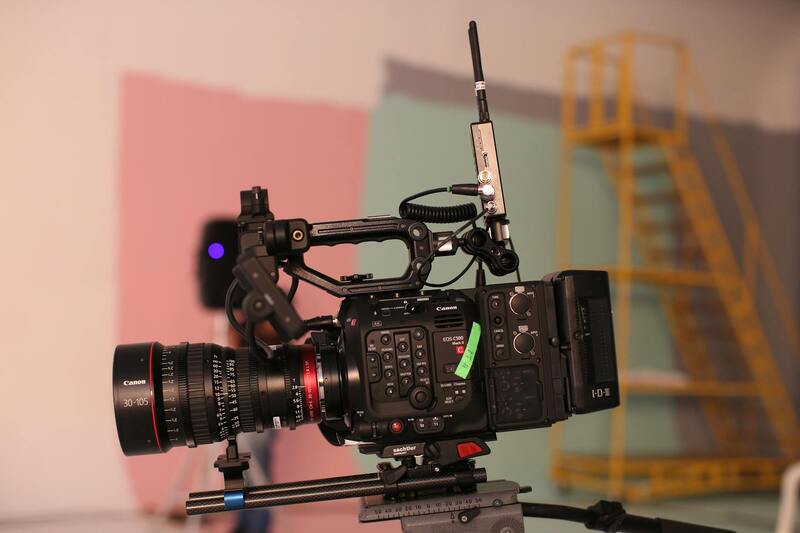
To ensure the delivery of top-tier property videos, attention to equipment and editing processes is paramount. High-quality visuals are fundamental in creating compelling property showcase videos that attract serious buyers and investors. This begins with investing in professional-grade cameras capable of capturing high-resolution footage, ideally 4K or higher, which ensures clarity and allows for detailed visualization of architectural features. Such resolution caters to the modern viewing experience, especially on large screens where pixelation can diminish impression.
Stabilization equipment, such as gimbals and steady cams, are essential for smooth footage and a professional look. Drone technology significantly enhances the scope of property videos by providing breathtaking aerial perspectives, revealing neighborhood layouts, landscaping nuances, and the property's relationship with surrounding infrastructure. Once the filming phase is complete, the editing process plays a critical role in transforming raw footage into a polished product. Color grading helps accentuate the property's best features, balancing exposure and contrast for a visually appealing presentation.
- Lighting: Proper lighting setups, including professional lighting kits for interior scenes, can dramatically improve visual quality by eliminating shadows and illuminating architectural details.
- Sound: Clear audio, whether through external microphones or sound editing, ensures that narration, background music, and ambient sounds do not detract from the viewer's experience.
- Text and graphics overlays: These are strategically added to highlight key features, such as square footage or special amenities, guiding the viewer’s focus effectively.
 igure>
Optimizing Video Format and Platform Compatibility
An often-overlooked aspect of property video production involves formatting videos for compatibility across various digital platforms. Aspect ratios, resolution settings, and file sizes should be optimized to ensure smooth playback on websites, social media channels, and virtual tour platforms. Using standardized video formats like MP4 ensures broad compatibility, reducing playback issues and enhancing user experience. Additionally, integrating subtle branding elements and contact information within the videos can amplify marketing efforts without disrupting visual flow.
Collaborating with Local Real Estate Professionals
Partnering with local real estate agents and agencies in Miami offers insight into what features resonate most with regional buyers. Such collaborations enable the production of targeted videos that highlight neighborhood benefits, proximity to amenities, and lifestyle appeal, all tailored to the Miami market. Professional agencies often possess extensive experience in property presentation, combining technical proficiency with an understanding of regional market dynamics.