
Overview of Property Videography
Property videography has become an essential component in modern real estate marketing. This specialized form of visual storytelling involves creating high-quality video content that showcases a property's unique features, layout, and ambiance. Unlike static images, videos provide a dynamic perspective that allows potential buyers to virtually tour a property from the comfort of their own homes, making it an invaluable tool in competitive markets like Miami.
In essence, property videography transforms a listing into an immersive experience. It captures the property's architectural details, interior design, outdoor spaces, and overall atmosphere with professional precision. High-definition footage combined with skilled editing results in compelling videos that engage viewers and foster emotional connections with potential buyers.

In Miami’s vibrant real estate landscape, where luxury homes and waterfront properties dominate the market, compelling property videos are particularly effective. They allow sellers to stand out in a crowded marketplace and give buyers a realistic, enticing preview of their future home, ultimately impacting their purchasing decision.
The Significance of Property Videography in Real Estate Marketing
- Enhanced Visibility: Videos attract more attention online, increasing the chances of listing exposure.
- Emotional Appeal: Moving images evoke feelings and help buyers envision living in the space.
- Reduced Viewing Time: Virtual tours allow buyers to filter properties efficiently, saving time for both parties.
- Increased Engagement: Listings with videos receive higher interaction rates, including more inquiries and showings.
- Competitive Edge: High-quality videography differentiates listings in an otherwise crowded market.
Understanding the fundamentals of property videography and its strategic implementation ensures real estate professionals can leverage this powerful marketing tool to achieve faster sales and higher property values across Miami's diverse market.
Production Process and Techniques
Developing a polished property video requires a meticulous production process that combines technical expertise with creative vision. The initial stage involves thorough planning, including site assessment and shot listing, to ensure all key features of the property are highlighted effectively. This planning process helps determine the appropriate equipment, lighting, and camera angles needed to produce high-quality footage.
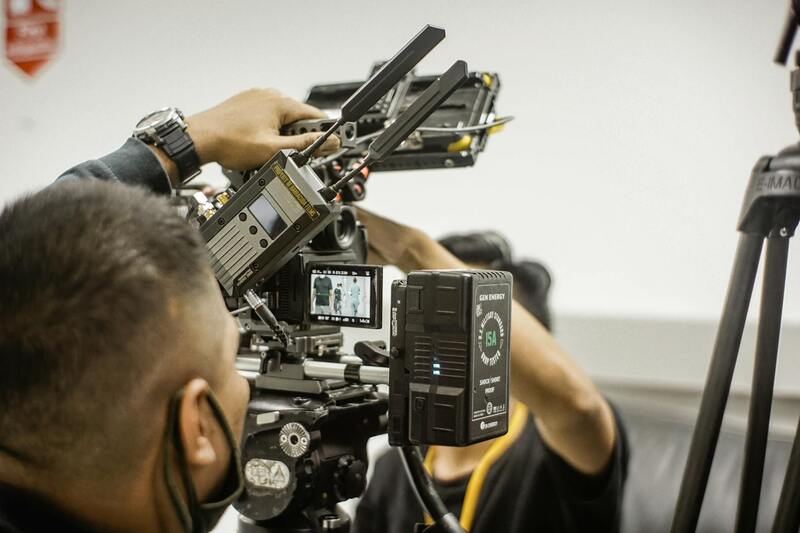
Filming often employs professional-grade cameras capable of capturing in ultra-high definition, ensuring clarity and detail that appeal to discerning buyers. Stabilization tools such as gimbals and drones are extensively used to achieve smooth, dynamic shots, especially for aerial footage that emphasizes the property's surrounding environment and landscaping.
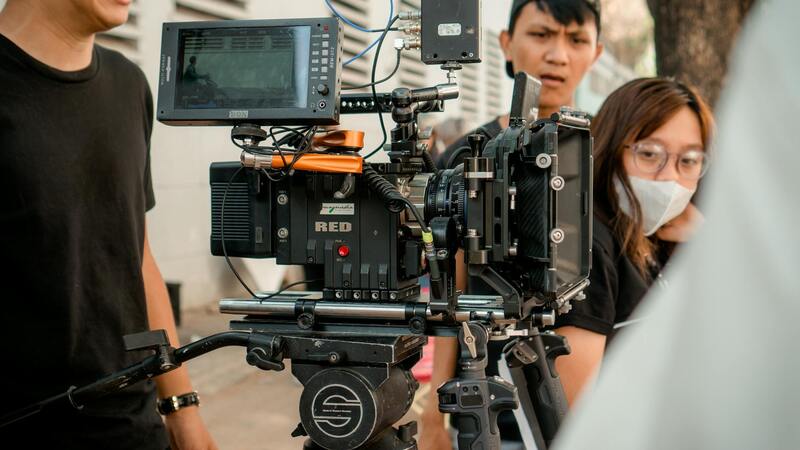
Lighting plays a crucial role in enhancing the aesthetic appeal of interiors. Natural light is maximized when shooting during daylight hours, while additional lighting equipment may be used to eliminate shadows and highlight architectural features. Skillful editing follows filming, incorporating techniques such as color correction, stabilization, and transitions to create a cohesive, engaging narrative.
Benefits of Property Videography for Realtors
Realtors who leverage property videography gain a strategic advantage in the competitive Miami real estate market. Well-produced videos can significantly increase listing visibility, drawing more prospective buyers to view properties online. Beyond attracting attention, videos deepen emotional engagement by providing immersive experiences that help buyers visualize living in the space.
This form of visual storytelling enables potential buyers to explore the property remotely, making initial viewings more focused and productive. As a result, virtual tours often lead to higher quality inquiries and scheduling fewer but more serious in-person visits. The increased engagement can also foster higher offers and quicker sales, making visual content an invaluable asset.
Choosing the Right Equipment and Technology
Successful property videography hinges on the selection of appropriate equipment tailored to the specific needs of each listing. High-resolution cameras capable of capturing 4K or higher video ensure crisp visuals that showcase every detail. Drone technology offers aerial perspectives that are particularly beneficial for waterfront or expansive properties, providing viewers with a comprehensive understanding of the estate’s scale and surroundings.
Gimbals and stabilizers are essential tools to achieve steady shots, especially for walkthroughs and outdoor footage. Additionally, advanced editing software helps enhance the final product, allowing for seamless transitions, color grading, and audio synchronization that elevate the overall quality.
Legal and Ethical Considerations
When producing property videos, adhering to ethical standards and established guidelines ensures the integrity of the marketing process. This includes obtaining necessary permissions to drone flight over private property and ensuring that all footage accurately represents the actual condition of the property without misleading alterations.
Respecting privacy is of utmost importance. This involves notifying neighbors when aerial shots are taken in shared or communal areas and avoiding capturing private spaces that are not part of the listing. Accurate representation builds trust with potential buyers and maintains a professional reputation for the real estate professional.
Cost and Pricing Strategies
The investment in property videography varies depending on the complexity and scope of the project. Basic packages may include interior walkthroughs and exterior shots, whereas comprehensive productions incorporate drone footage and 3D virtual tours. Pricing strategies should account for equipment costs, editing time, and travel expenses, especially when filming in diverse Miami neighborhoods.
Offering tiered pricing options allows realtors to choose the level of production that best aligns with their marketing goals and budget constraints. Additionally, bundling video services with photography or virtual staging can provide additional value and differentiation in a competitive marketplace.
Future Trends in Property Videography
Emerging technologies continue to shape the landscape of property videography, with virtual reality (VR) and augmented reality (AR) gaining prominence. These innovations enable prospective buyers to virtually walk through properties from anywhere in the world, creating immersive experiences that closely mirror in-person visits.
Moreover, advances in drone technology allow for even more cinematic and stable aerial footage, capturing Miami’s scenic waterfronts and luxurious estates more vividly than ever before. As the integration of AI-driven editing tools progresses, real estate professionals can expect faster turnaround times and even more personalized video content tailored to specific buyer preferences.
Production Process and Techniques
Successful property videography requires a structured production process that emphasizes precision, professionalism, and high-quality visuals. The journey from initial planning to final delivery involves multiple carefully executed steps. First, pre-production planning sets the foundation, including a detailed storyboard or shot list that highlights key features of the property and determines the sequence of footage. Communicating with property owners or real estate agents ensures that all essential aspects are addressed, from highlighting unique architectural elements to capturing the property's best angles.
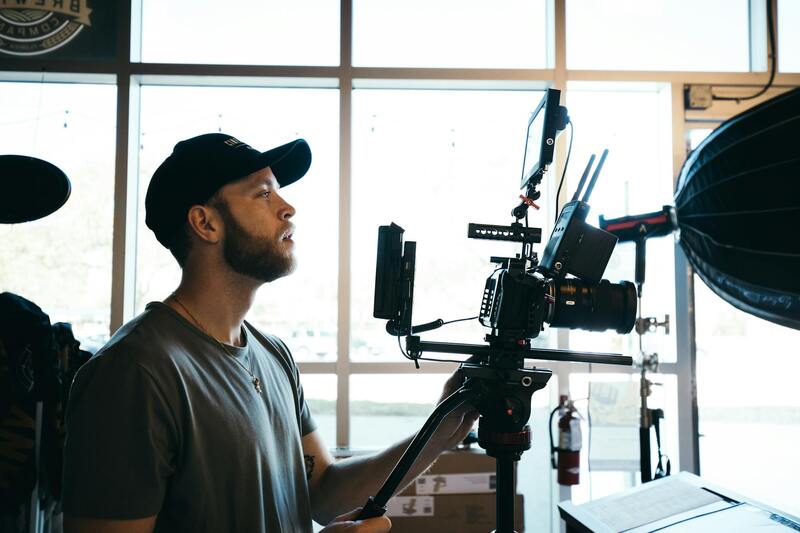
During the filming phase, capturing high-quality visuals is paramount. Utilizing professional-grade equipment such as high-definition cameras, stabilizers, and drone technology allows for cinematic shots that showcase the property's interior and exterior. Proper lighting techniques, including natural light optimization and supplemental lighting equipment, help enhance the visual appeal without distorting the space's true appearance.
Enlisting the expertise of experienced videographers guarantees smooth camera movements, correct framing, and steady shots that make the property stand out in listings. Incorporating drone footage offers sweeping aerial views that reveal the property's surroundings and landscape features, enriching the overall presentation.
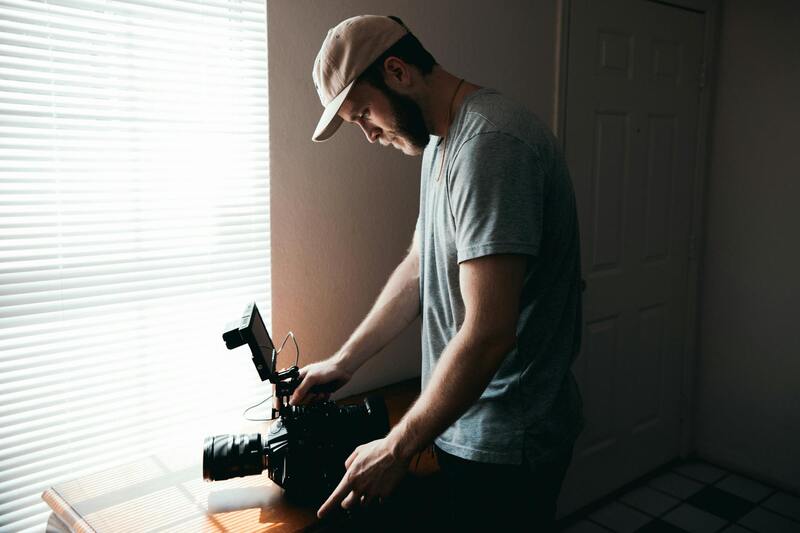
Post-production is the final stage, where raw footage is carefully edited to craft a compelling narrative. Skilled editors refine color correction, adjust lighting, and remove any imperfections—ensuring the visuals align with the property's best features. Incorporating music and text overlays can provide context, highlight unique selling points, and guide viewers through the property’s key aspects.
It is vital to adhere to best practices during editing, such as maintaining a consistent style that represents the property's character. The final videos should have a professional finish, optimized for fast loading and high-quality playback across various platforms, including real estate websites and social media channels.
Legal and Ethical Considerations
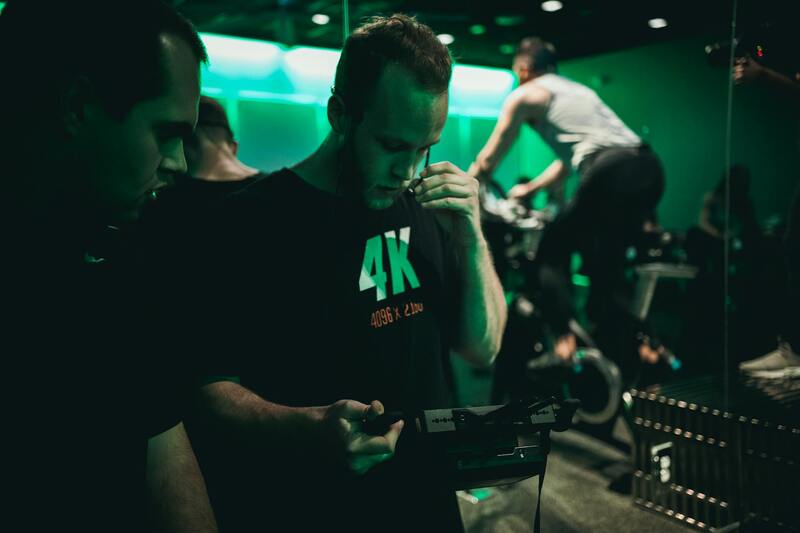
When producing property videos, adhering to legal and ethical standards is essential to maintain professionalism and respect for all involved parties. Secure necessary permissions before filming any private or restricted areas, including outdoor spaces, backyards, or neighboring properties. This prevents potential disputes and ensures that all content is gathered in a respectful manner. Respecting privacy is a paramount concern; avoid capturing images or recordings of individuals without their consent, especially in private settings or during open house events. Clear signage during filming can help inform visitors and avoid misunderstandings. It’s also advisable to coordinate with property owners or managers about the scope of the footage, including the use of aerial drone shots. For drone operations, it is important to follow established protocols concerning altitude, distance from people, and no-fly zones. Compliance with these guidelines ensures safety and smooth execution of aerial shots while avoiding unnecessary disruptions. Maintaining transparency about the purpose of the videography, especially when sharing content online or with prospective buyers, fosters trust and demonstrates integrity. Detailed disclosure about the filming process, intended use, and any limitations adds a layer of professionalism and helps prevent misinterpretations. Furthermore, implementing quality control measures—such as reviewing footage to ensure it accurately represents the property—is vital. Overly dramatized or heavily edited videos should be avoided to provide a genuine and trustworthy portrayal that aligns with the property's true features. In practice, establishing a standard operating procedure for property videography that includes consent forms, safety protocols, and content review processes helps uphold high standards of professionalism and ethical conduct throughout the production cycle.
Legal and Ethical Considerations in Property Videography
Property videography requires adherence to official protocols that prioritize transparency, safety, and respect for property rights. Filmmakers and real estate professionals must familiarize themselves with regulations surrounding the use of recording equipment, especially when employing aerial drones or capturing footage in private spaces. Proper authorization and consent are crucial to avoid misunderstandings or disputes. Clear communication with property owners and stakeholders regarding the scope and use of footage helps establish trust and ensures all parties are aligned.
Utilizing legal right-of-entry procedures means obtaining necessary permissions before commencing filming, particularly in commercial or multi-tenant properties. This step not only demonstrates professionalism but also minimizes potential complications during and after production. When recording publicly accessible areas, services should ensure that their equipment does not infringe on individuals' privacy or tranquility, and they should avoid capturing sensitive moments inadvertently.
Incorporating comprehensive safety guidelines during filming helps prevent accidents and damage. This includes conducting pre-shoot assessments of the property to identify hazards, setting up proper signage, and operating equipment following established safety standards. For drones, operators must adhere to no-fly zones, altitude restrictions, and maintain safe distances from people and structures, in accordance with official airspace regulations.
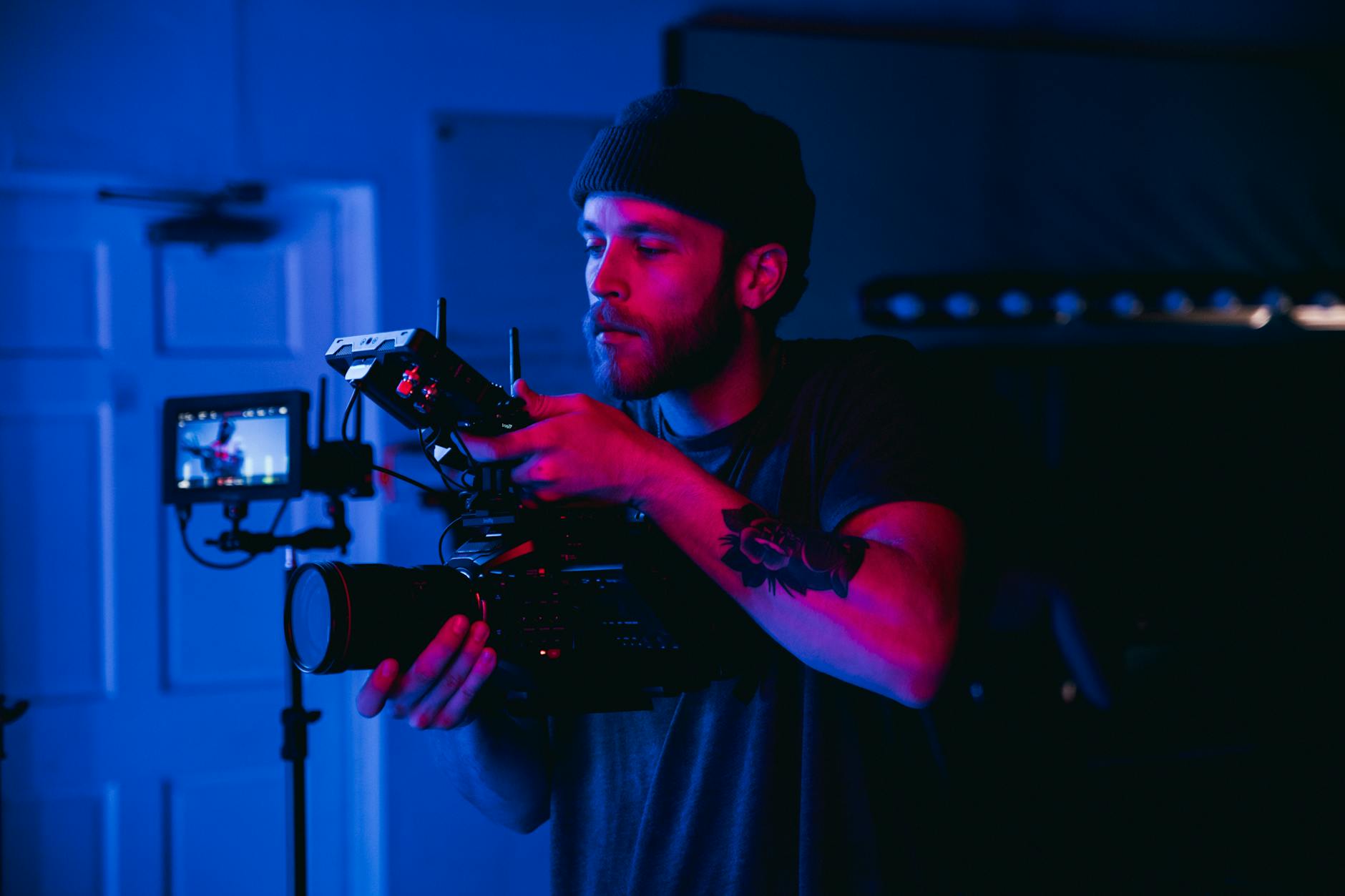
Respecting intellectual property rights and avoiding unauthorized use of copyrighted music, images, or video clips is also fundamental. Using licensed content or royalty-free media helps maintain integrity and prevents legal disputes related to content infringement. Sharing comprehensive disclosures about the purpose of recordings and their intended distribution enhances transparency and fosters trust with clients and viewers alike.
Ultimately, a commitment to professional standards and ethical conduct not only safeguards the interests of all parties involved but also elevates the reputation of property videography as a credible component of modern real estate marketing. By consistently following such guidelines, videographers contribute to a trustworthy property presentation environment that benefits both sellers and prospective buyers.
Legal and Ethical Considerations in Property Videography
Executing property videography with a focus on maintaining integrity and respecting legal boundaries is essential for professionals in the field. Securing proper permits is a fundamental step before conducting any filming activities. Permits help ensure compliance with local regulations regarding drone usage, filming within private properties, and operating in specific zones that may have restrictions. Typically, obtaining these permits involves submitting detailed plans and adhering to prescribed guidelines, which aid in avoiding disruptions or conflicts during the filming process.
Respecting individual privacy is paramount, especially when capturing footage in residential areas. Videographers must be careful to avoid filming inside private spaces or areas clearly marked for restricted access. It is prudent to inform property owners and tenants beforehand, explaining the scope and purpose of the shoot. When filming in public spaces, maintaining a reasonable distance and avoiding intrusive shots uphold respect for people's privacy and comfort.
Best practices also include transparency regarding the use and distribution of recorded footage. Clearly communicating the intent behind the videos and how they will be utilized helps build trust with clients and subjects. In some cases, obtaining written consent from property owners or residents can serve as a safeguard against misunderstandings and ensure a professional relationship grounded in mutual agreement.
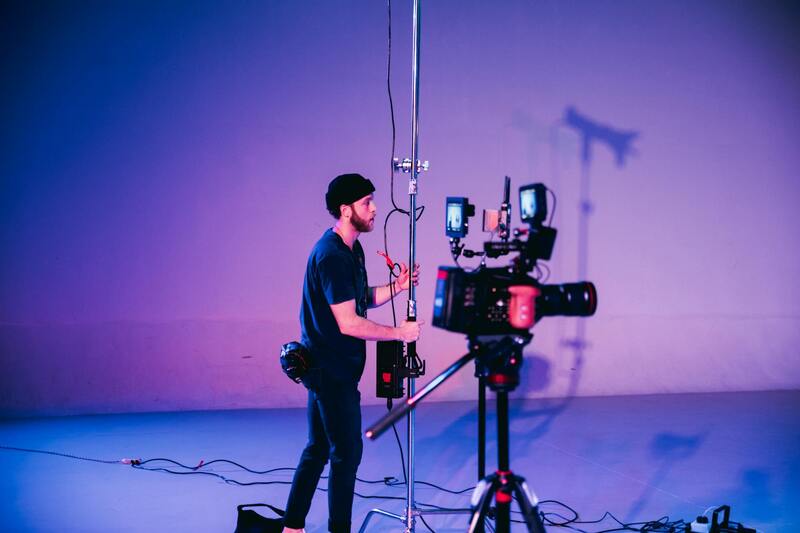
Adherence to established safety protocols is crucial during all stages of the filming process. Conducting a pre-shoot assessment allows videographers to identify potential hazards and plan accordingly. This includes checking for structural weaknesses, environmental risks, and ensuring that equipment setup does not compromise safety. When using drones, operators should follow airspace restrictions, altitude limits, and maintain a safe distance from people and structures. These measures not only protect individuals and properties but also foster a smooth workflow that minimizes delays or incidents.
From an ethical standpoint, respecting intellectual property rights is vital. Using licensed music, images, and footage prevents copyright infringements that could lead to disputes or damage reputations. Leveraging royalty-free media or original content aligns with professional standards and supports the integrity of the marketing material. Transparent disclosure about content sources and the purpose of recordings reinforces trustworthiness among clients and viewers alike.
Maintaining high ethical standards ultimately elevates the perceived professionalism of property videography. Practicing diligence in legal compliance and respecting personal boundaries contributes to a credible, trustworthy reputation that benefits clients, viewers, and the broader real estate industry.
Legal and Ethical Considerations in Property Videography
Executing property videography responsibly involves adherence to a set of established procedures designed to respect privacy, uphold safety standards, and ensure the integrity of all visual content produced. This careful approach guarantees that the process aligns with professional norms and promotes trust among clients and viewers alike.
One of the foundational aspects of compliant property videography involves rigorous assessments prior to filming. A comprehensive pre-shoot inspection determines the environment's safety conditions, identifies structural concerns, and evaluates environmental risks. This foresight not only prevents accidents but also guides equipment setup and shot planning, ensuring that the process proceeds without incident. When employing drones, strict adherence to airspace guidelines, altitude restrictions, and distance parameters from individuals and structures is essential to avoid unintended disturbances or safety hazards.
Respecting privacy is paramount. Videographers should seek explicit consent from property owners and tenants before filming, clearly communicating the intended use of footage. This transparency supports respectful interactions and mitigates potential misunderstandings. Additionally, restrictions on capturing private areas or sensitive information help protect individuals' privacy rights and foster ethical practice.
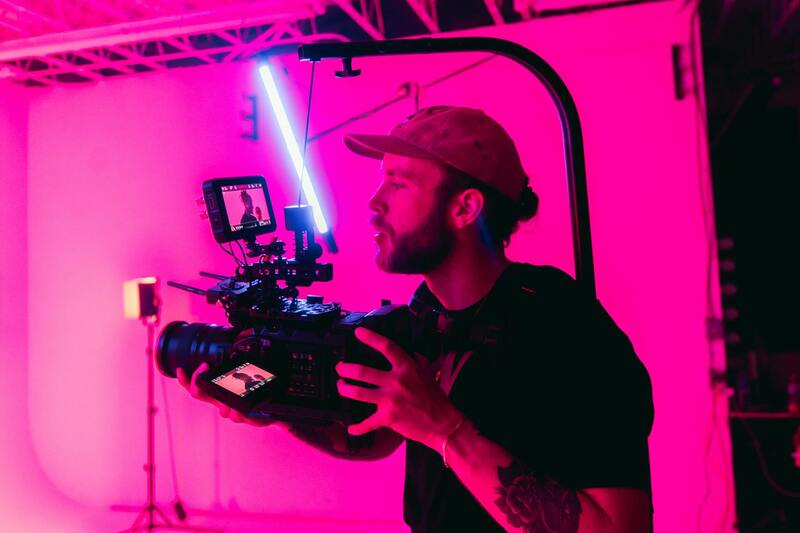
Copyright and intellectual property considerations also form a critical part of responsible production. Using licensed or original music, images, and footage not only aligns with professional standards but also prevents disputes related to unauthorized use. The employment of royalty-free media or original content supports compliance and maintains the authenticity of marketing materials. Clear disclosure about content sources and the intent behind recordings further consolidates trustworthiness and transparency in client relationships.
Practicing diligent legal and ethical standards enhances the overall credibility of property videography. It reinforces a reputation rooted in professionalism, reliability, and ethical integrity, thereby fostering long-term client relationships and promoting a positive image within the real estate sector.
Legal and Ethical Best Practices in Property Videography
Adhering to established legal and ethical standards is essential in producing high-quality property videos that respect individual rights and promote professionalism. Proper procedures involve obtaining explicit permissions from property owners or tenants prior to filming, ensuring that all parties are aware of the scope and purpose of the coverage. Clear communication about the intended use of the footage, whether for marketing, documentation, or other purposes, builds trust and transparency.
Careful planning also includes respecting boundaries within the property, such as avoiding private or sensitive areas unless authorized. This limits intrusion into personal spaces and upholds privacy standards. When filming, candidly informing those present about the process and presence of the camera can help prevent misunderstandings and foster cooperative relationships.
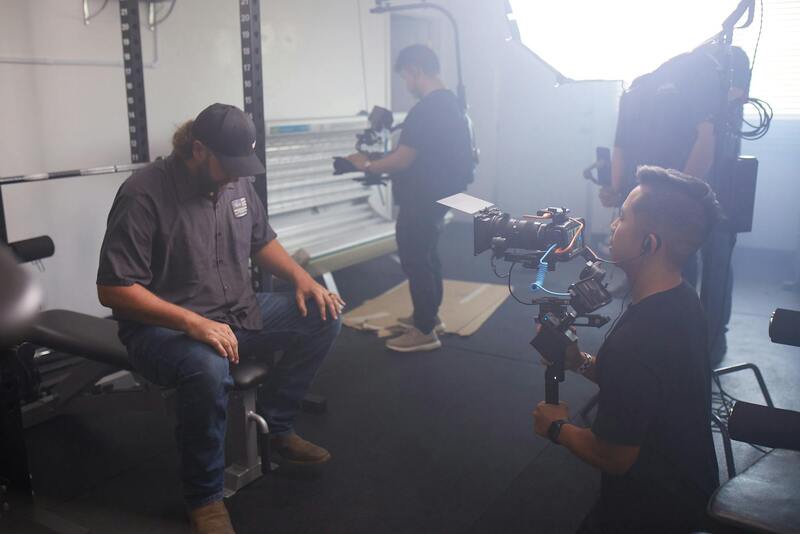
Intellectual property considerations are equally vital. Using materials- such as music, images, or footage- that are licensed or created in-house safeguards against potential disputes. Employing royalty-free or original media not only enhances authenticity but also shows a commitment to lawful production practices. Disclosing the sources of media used and clarifying usage rights to clients further strengthens trust and integrity within professional relationships.
Maintaining high standards of legal and ethical conduct enhances reputation and contributes to sustainable business growth. Clients and audiences alike value transparency, professionalism, and respect for individual rights. Ethical practices also include ensuring that all content is accurately represented, avoiding misleading visuals or information that might distort the property's appeal or reality. This commitment to accuracy and ethics solidifies the videographer's standing as a trustworthy and reliable partner in real estate marketing.
Cost Considerations and Pricing Strategies
Pricing property videography services involves evaluating several factors, including the scope of work, equipment used, and post-production requirements. An effective pricing strategy should balance competitive rates with fair compensation for quality work. Offering tiered packages, such as basic walkthrough videos, premium cinematic productions, or augmented reality integrations, allows clients to select options aligned with their marketing goals and budgets.
Transparency in billing practices fosters client confidence. Detailing what’s included—such as the number of filming hours, edit rounds, or additional services—prevents misunderstandings and builds a professional reputation. Additionally, providing clear estimates upfront helps clients understand value and facilitates smoother project negotiations.
Investing in versatile equipment and skilled personnel influences the final cost structure. While premium gear may increase initial expenses, the resulting footage's quality can justify higher rates. Conversely, understanding client needs and budget constraints enables tailored solutions that maximize value while maintaining high standards.
Effective marketing of videography services also involves showcasing a portfolio that highlights diverse properties and styles, demonstrating versatility and expertise. Transparent pricing combined with an emphasis on quality and professionalism positions a videographer favorably within this niche market.