
Importance of HD Images in Real Estate Marketing
In the competitive landscape of Miami's real estate market, high-definition (HD) images have become an indispensable tool for attracting potential buyers and standing out from the multitude of property listings. When a prospective buyer is browsing online, the quality of images plays a pivotal role in shaping their first impression of a property. Crisp, clear, and detailed visuals not only highlight the property's best features but also foster a sense of professionalism and trustworthiness on the part of the listing agent or property owner.
HD images enable potential buyers to experience a virtual walkthrough, gauging spatial arrangements, natural lighting, and interior design details with exceptional clarity. Such visual fidelity helps to evoke an emotional response, making the property more tangible and compelling even before an in-person visit. In Miami’s dynamic real estate environment, where luxury waterfront mansions coexist with modern condominiums, capturing the property's essence through high-quality images becomes a strategic necessity. These photos serve as the initial touchpoint that can directly influence the decision to schedule a viewing or make an offer.
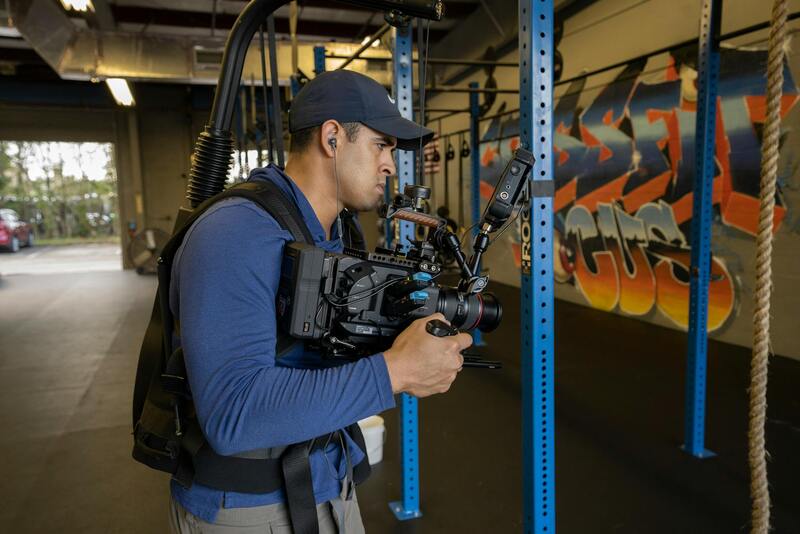
Moreover, HD images are crucial for marketing across multiple channels, from official listing websites to social media platforms. Consistently high-quality visuals convey a professional image, enhance the property's perceived value, and can significantly boost online visibility. Online listings with sharp, detailed images tend to generate higher click-through rates and enable agents to reach a broader audience. In Miami's vibrant real estate market, where international buyers frequently browse listings online, captivating imagery can be the difference between a sold property and a missed opportunity.
Having high-definition images also supports virtual tours and augmented reality applications, increasingly popular tools for remote property viewing. These immersive experiences rely on high-quality visuals to effectively showcase properties to potential buyers who may be geographically distant. Consequently, investing in HD photography is no longer optional but a fundamental component of comprehensive real estate marketing strategy geared toward achieving maximum market exposure and faster sales.
Benefits of Professional Real Estate Photography
Engaging professional photographers to capture high-definition (HD) images of properties offers substantial advantages that directly influence a listing’s success. These experts possess the skills to highlight a property's best features, ensuring each shot emphasizes its unique appeal. Through mastery of lighting, framing, and composition, professional photographers can create compelling visuals that draw potential buyers' attention and foster emotional connections with the property.
Moreover, professional images elevate the overall perception of the listing, reflecting a level of quality and seriousness that can set a property apart in a competitive Miami market. High-quality photos often lead to increased online engagement, with listings receiving more views, inquiries, and scheduled showings. This increased visibility can translate into quicker sales and often at higher asking prices.
Investing in professional photography also reduces the need for multiple photo shoots. Expert photographers understand how to optimize space—using wide-angle lenses and strategic lighting—making rooms appear larger and more inviting. Their post-production skills further enhance the visual appeal, correcting minor imperfections, balancing exposure, and ensuring the images are crisp and vibrant. For property owners and agents aiming to present properties in the best possible light, professional HD photography is an essential tool for attracting serious buyers and maximizing market potential.

Key Elements of Effective Real Estate HD Photos
- Lighting: Natural light enhances colors and creates a welcoming atmosphere, while supplemental lighting adds clarity and depth.
- Composition: Proper framing ensures that key features are highlighted, and clutter is minimized, emphasizing the property's best aspects.
- Angles: Wide-angle shots reveal space and layout, providing a comprehensive view of each room.
- Focus: Sharp, well-focused images showcase details and prevent blurriness, aiding buyers in assessing the property's condition.
- Consistency: A cohesive style across all images maintains professionalism and aids in storytelling, effectively guiding viewers through the property.
Types of Shots to Include in Real Estate Listings
- Exterior Shots: Front and rear views, showcasing landscaping, architecture, and curb appeal.
- Living Spaces: Living rooms, family rooms, and other communal areas that demonstrate space and flow.
- Bedrooms: Main and secondary bedrooms, highlighting size, natural light, and design features.
- Kitchen: Functional areas, appliances, and finishes that appeal to buyers' lifestyles.
- Bathrooms: Clean, bright images emphasizing fixtures and spaciousness.
- Special Features: Pools, patios, views, and unique architectural elements that set the property apart.
Technical Aspects of Shooting HD Real Estate Photos
Capturing high-definition images requires technical precision and appropriate equipment. Employing professional-grade cameras with high-resolution sensors ensures clarity and detail. Wide-angle lenses are essential for capturing entire rooms or exteriors in a single shot, creating an expansive feel. Proper use of tripod stabilization prevents motion blur, especially in low-light settings. Additionally, multiple exposures may be blended to balance interior lighting with outdoor views, ensuring well-lit, balanced shots. Focus stacking and HDR (High Dynamic Range) techniques are frequently utilized to achieve depth and vibrancy, making images more striking and true to life.

Editing and Post-Processing of Real Estate HD Photos
Post-production is a critical stage in delivering polished, captivating images. Adjustments include correcting color balance, enhancing brightness and contrast, and removing minor imperfections such as dust or glare. Cropping for optimal framing and straightening horizons ensures consistency across images. Advanced editing may incorporate subtle retouching to enhance features without misrepresenting the property. Maintaining a balance is essential—photos should appear natural and inviting, not artificially altered, preserving viewer trust and aligning with realistic expectations.
Using HD Photos for Effective Online Listings and Marketing
High-definition images serve as the foundation of compelling online property presentations. They increase click-through rates and generate buzz across listing platforms and social media channels. Strategically selecting images that tell a story of the property in a coherent sequence invites viewers to explore further. Incorporating these visuals into virtual tours, 3D walkthroughs, and augmented reality experiences enhances remote engagement. Optimizing image sizes and formats ensures fast load times, preventing potential visitors from abandoning the listing due to slow speeds. Consistent quality visuals reinforce brand identity and foster trust among prospective buyers, making HD images an indispensable asset in digital real estate marketing.
Local Considerations for Miami Real Estate Photography
Miami’s vibrant climate, distinctive architecture, and diverse neighborhoods influence the approach to real estate photography. Emphasizing outdoor spaces during optimal lighting conditions shows off views, pools, and landscaped gardens. Capturing the unique Art Deco or contemporary styles of Miami properties requires an understanding of architectural details and local aesthetics. Timing shoots during daylight hours maximizes natural light, while consideration of local events, seasons, and weather patterns ensures consistency and weather-appropriate planning. Highlighting Miami-specific features—such as waterfront views, luxury amenities, and vibrant neighborhood atmospheres—creates compelling visuals tailored to target audiences both locally and internationally.
Key Elements of Effective Real Estate HD Photos
Creating compelling real estate images requires a strategic approach centered on specific visual elements that highlight a property’s best features. The primary focus should be on optimal lighting, which can dramatically enhance the natural appeal of interiors and exteriors. Utilizing soft, diffused light minimizes harsh shadows and brings out the true colors and textures of the space. Overexposed or underexposed images can detract from a property’s allure, making correct exposure settings critical in capturing details accurately.
Angles play a crucial role in presenting spaces in the most flattering way. Wide-angle lenses are commonly employed to showcase room dimensions and layout, giving potential buyers a realistic sense of space. The choice of perspective should accentuate key selling points such as spacious living areas, high ceilings, or scenic views. Proper staging also influences the visual impact; a clutter-free, thoughtfully arranged environment helps buyers envision themselves living in the space. Attention to subtle details like decorative accents and furniture placement enhances the overall aesthetic.
Post-processing and editing further refine real estate images. Adjustments to brightness, contrast, and sharpness ensure that photos appear vibrant and inviting. Minor corrections for distortions caused by lens effects help maintain realism. It’s essential that editing maintains authenticity, accurately representing the property to meet buyers’ expectations and foster trust. Over-editing or excessive filtering can distort the true appearance, leading to disappointment during property visits.

Types of Shots to Include in Real Estate Listings
A comprehensive photography portfolio for a property should encompass a variety of shot types to provide a well-rounded view. Exterior shots are vital for showcasing curb appeal, highlighting architectural features, landscaping, and outdoor amenities such as pools, patios, or waterfront views. These images set the tone for first impressions and should be taken during different times of day to capture various lighting conditions.
Interior shots focus on key living spaces, including the living room, kitchen, master bedroom, and bathrooms. Wide-angle shots help convey space and flow, while close-ups can emphasize quality finishes, appliances, and distinctive architectural details. Incorporating panoramic perspectives, where feasible, offers a sweeping view of larger open-plan areas.
Additional shots can include unique selling points such as custom-built features, smart home technology, or scenic outdoor areas. Community amenities like clubhouses, parks, or scenic viewpoints should also be documented if they add value. Structuring the visual narrative in a logical sequence—from exterior to interior, room by room—guides viewers through the property in a way that tells a compelling story.

Technical Aspects of Shooting HD Real Estate Photos
Capturing high-definition images that accurately represent a property requires a mastery of technical elements. Proper camera settings are essential to ensure clarity, correct exposure, and vibrant color portrayal. Photographers often utilize wide-angle lenses to encompass more of each space, creating a sense of openness that appeals to potential buyers. Additionally, maintaining optimal aperture settings allows for a balanced depth of field, ensuring both foreground and background details are sharp and in focus. Stability during shooting is achieved through the use of tripods, which prevent blurriness caused by hand motion and facilitate consistent framing across multiple shots. Careful attention must be paid to lighting; natural light is preferred for its warmth and authenticity, but supplemental artificial lighting may be needed in darker areas to prevent shadows and underexposure. Another important aspect involves meticulous control of reflections and glare, especially in windows, mirrors, and shiny surfaces. Photographers often angle their shots or use polarizing filters to minimize unwanted reflections, thereby maintaining a clean, professional look. The timing of the shoot also impacts image quality. Shooting during optimal lighting conditions—typically early morning or late afternoon—can enhance natural light and shadow play, adding depth and visual interest to the photos. Post-shoot, images should undergo a rigorous review process, selecting photos that best highlight the property’s unique features while maintaining color accuracy and sharpness. Proper color calibration during post-processing ensures that the photos remain true to the actual appearance of the space, establishing trust and transparency with prospective buyers.

Editing and Post-Processing of Real Estate HD Photos
Effective editing enhances the natural appeal of real estate images without misrepresenting the property. Post-processing begins with color correction to ensure that hues are true to life, providing an accurate visual experience. Brightness and contrast adjustments help to balance exposure, especially in spaces with mixed lighting sources, making interiors appear inviting and well-lit. Retouching techniques are employed to eliminate minor imperfections such as dust spots, reflections, or distracting elements that may detract from the image’s overall quality. However, it’s crucial that these edits do not oversell or distort reality, maintaining a consistent and honest portrayal of the property. Sharpening tools enhance details such as architectural features, textures, and finishes, giving prospective buyers a clear view of craftsmanship and materials used. When necessary, panoramic stitching can be used to create sweeping views of large spaces or outdoor areas, providing immersive perspectives. Advanced techniques include HDR (High Dynamic Range) imaging, which combines multiple exposures to reveal detail in both shadows and highlights. This is especially beneficial for scenes with high contrast, like interiors with windows revealing outdoor scenery. Ultimately, the goal of post-processing is to produce compelling images that capture attention, evoke emotion, and encourage viewers to explore further — all while maintaining an honest representation that aligns with the actual property.

Optimizing Image Presentation for Real Estate Listings
Creating compelling real estate listings involves more than just capturing high-quality images; it requires strategic presentation and optimization to attract potential buyers effectively. When incorporating real estate HD pictures into property listings, several key factors enhance their impact and engagement:
- Consistent Image Style: Maintaining a uniform visual style across all photos ensures a cohesive look, which strengthens branding and viewer trust. This consistency involves similar lighting conditions, angles, and editing techniques.
- Strategic Image Sequencing: Organize photos to tell a visual story of the property. Start with exterior shots that highlight curb appeal, followed by main living areas, bedrooms, bathrooms, and unique features. This logical flow guides viewers through the property seamlessly.
- Accurate Color Representation: Use color correction during post-processing to ensure that images reflect the true appearance of the property. Accurate coloring enhances reputation and helps clients make informed decisions.
- High-Resolution, Fast-Loading Files: While HD images are crucial, optimizing file sizes ensures quick loading times on various devices. Balancing resolution with file size prevents slow website performance, which can deter potential buyers.
- Mobile-Responsive Design: Given the prominence of mobile browsing, ensuring that HD pictures display correctly on smartphones and tablets is essential. Properly scaled images maintain clarity and visual appeal across different screen sizes.
Leveraging Visual Media for Targeted Advertising Campaigns
Maximizing the reach of real estate HD pictures involves integrating them into diverse digital marketing channels. Each platform has specific requirements and best practices:
- Dedicated Property Websites: Hosting high-resolution images on dedicated pages allows viewers to appreciate every detail. Incorporating an image gallery or virtual tour enhances user engagement.
- Social Media Campaigns: Platforms such as Instagram, Facebook, and LinkedIn prioritize visually appealing content. Using high-quality images with optimized aspect ratios and engaging captions increases visibility and interaction.
- Online Real Estate Marketplaces: Listing websites favor high-resolution images that meet their specifications. Properly formatted HD photos improve listing prominence and attract more inquiries.
- Targeted Email Marketing: Incorporating crisp, compelling images into email campaigns captures attention and drives traffic to listings. Highlighting key features with HD photos increases click-through rates.
Enhancing Buyer Engagement with Interactive Visuals
Beyond static HD images, integrating interactive visual elements boosts user experience and engagement levels:
- 360-Degree Virtual Tours: These immersive experiences allow prospective buyers to explore the property remotely, and high-resolution images are foundational to creating realistic and detailed virtual environments.
- High-Resolution Floor Plans: Clear, detailed floor plans complemented by HD images help buyers understand space layouts and architectural features effectively.
- HDR Imaging Applications: Utilizing HDR techniques for interior shots provides balanced lighting, highlighting intricate details that might be lost in standard photographs.
Technical Aspects of Shooting HD Real Estate Photos
Achieving high-definition images of real estate properties hinges on mastering various technical elements during the shooting process. Proper camera settings, equipment choice, and shooting techniques are critical to capturing crisp, detailed visuals that resonate with prospective buyers. Cameras capable of capturing at least 20 megapixels or higher ensure that photos retain clarity even when enlarged or viewed on large screens. Tripods are essential for maintaining stability and ensuring sharpness, preventing blurry images caused by hand shakes or movement.
Optimal aperture settings allow for a wider depth of field, keeping both foreground and background elements in sharp focus. Typically, an aperture ranging between f/8 and f/11 provides the necessary clarity for interior shots, ensuring that multiple elements within the frame are in crisp detail. ISO should be kept low—generally between 100 and 400—to minimize digital noise, which can diminish image quality. Adequate shutter speed, especially in interior lighting conditions, ensures well-exposed photographs without underexposure or overexposure.
Lighting plays a crucial role in real estate photography. Natural light, when available, provides the most appealing and authentic appearance of a property. Shooting during the day when sunlight floods through windows can highlight interior features brilliantly. However, relying solely on ambient light may not suffice, especially in poorly lit rooms. Supplementing with professional lighting equipment, such as softboxes or external flashes, ensures evenly distributed illumination, reducing harsh shadows and accentuating details.

Properly adjusting white balance settings ensures accurate color representation, preventing images from appearing overly warm or cold. Custom white balance settings tailored to the shooting environment lead to more natural-looking images. Additionally, shooting in RAW format preserves maximum image data, allowing for extensive post-processing without quality loss, while JPEGs are suitable for immediate use but offer less flexibility.
Incorporating HDR (High Dynamic Range) techniques can further enhance the quality of interior shots. By capturing multiple exposures—underexposed, correctly exposed, and overexposed images—HDR processing blends these to reveal details in both shadows and highlights. This approach is particularly beneficial in rooms with contrasting light conditions, such as bright windows and darker corners, ensuring a balanced, detailed appearance throughout the photo.
Finally, meticulous framing and composition set the foundation for compelling real estate imagery. Use leading lines and symmetrical arrangements to draw viewers' eyes into the space. Paying attention to clutter, aligning vertical lines, and capturing images at optimal angles—typically eye level—produce professional, inviting photographs that effectively showcase the property's best features.
Using HD Photos for Effective Online Listings and Marketing
In today's competitive real estate market, high-definition (HD) images serve as a cornerstone of successful online listings and marketing campaigns. When potential buyers browse online platforms, the first impression often hinges on the quality of the images presented. HD photos captivate viewers by vividly showcasing the property's features, spatial dynamics, and aesthetic appeal, which are less effectively communicated through lower-resolution images.
High-resolution photographs allow for detailed visuals that highlight the fine craftsmanship, unique design elements, and the overall ambiance of a property. This clarity not only attracts more attention but also encourages potential buyers to engage more deeply with the listing, increasing the likelihood of inquiries and visits. When utilized across multiple digital channels—such as property websites, social media, and online marketplaces—HD images significantly boost visibility, ensuring listings stand out amidst a crowded real estate environment.
Furthermore, HD images contribute to a more immersive virtual experience, which is particularly advantageous in remote viewings or initial digital browsing. Clear, sharp visuals enable prospective buyers to explore the property virtually, evaluating spaces and layout with greater confidence and reducing the need for multiple visitations. This seamless online experience fosters trust and professionalism, crucial qualities for fostering buyer interest.
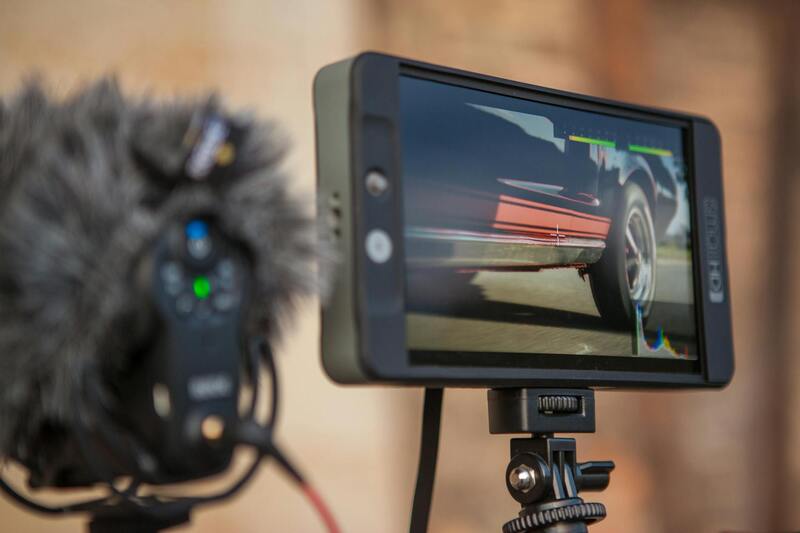
Effective use of HD photography in marketing strategies extends beyond online listings. When integrated into email campaigns, virtual tours, and social media ads, these images enhance engagement rates and sharing potential. Visual content is more likely to be liked, shared, and discussed, which expands the property's reach organically. Moreover, targeted advertising platforms leverage HD images' superior clarity to optimize ad performance and click-through rates.
In addition, professional HD photos serve as a vital component of branding efforts for real estate agents and agencies. Consistent use of high-quality imagery reinforces a reputation for professionalism and attention to detail, fostering trust among clients and prospects alike. Visual consistency across various marketing materials also helps establish a recognizable brand identity that clients associate with reliability and excellence.
Impact on Overall Marketing Strategies
- Enhanced Online Visibility: Higher-quality images improve search engine rankings and visibility on listing portals, attracting more traffic.
- Social Media Engagement: Sharp, compelling images increase the likelihood of interactions, shares, and likes, expanding your reach.
- Faster Sales Cycles: High-definition visuals help filter serious buyers, facilitating quicker decisions and transactions.
- Market Differentiation: Professional images set your listings apart in a saturated market, attracting discerning clients seeking quality.

Effective Strategies for Showcasing Real Estate HD Pictures
Maximizing the impact of high-definition photographs in real estate marketing involves strategic presentation and utilization across multiple platforms. To truly capitalize on the visual appeal of HD images, agents and property marketers should adopt a comprehensive approach that ensures each listing resonates with prospective buyers and stands out amid competition.
Optimized Integration into Online Listings
High-resolution images should be prominently featured in every digital showcase, from dedicated property websites to listing portals. Implementing a consistent visual theme that aligns with the property’s unique features can help create a cohesive narrative that draws viewers in. Due to their superior clarity, HD pictures enhance the perceived value of a property, encouraging longer engagement and deeper exploration of each listing.
Utilization in Virtual Tours and 3D Walkthroughs
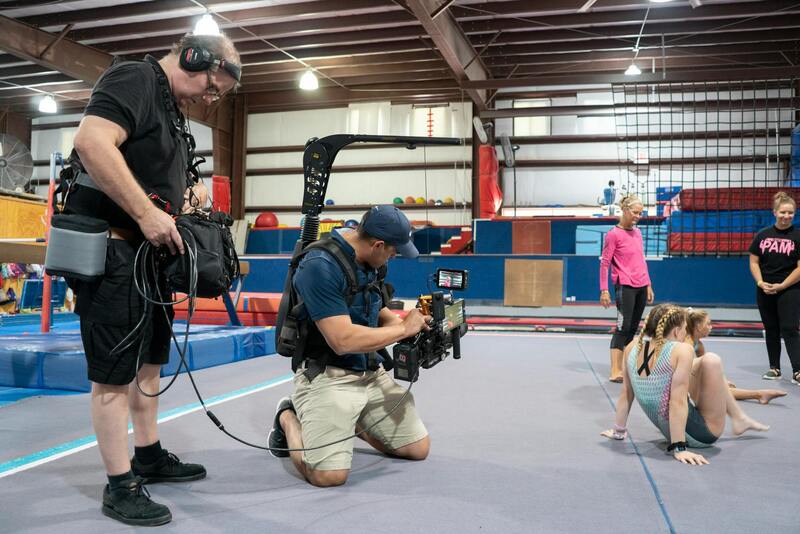
Incorporating high-quality HD photographs into virtual tours and 3D walkthroughs allows for an immersive experience that mimics an in-person visit. This not only broadens the reach to remote or international buyers but also offers a detailed view that highlights the property's finest features. When paired with strategic camera angles and lighting, HD images contribute to a polished, professional virtual environment that inspires confidence.
Leveraging HD Images in Social Media Campaigns
Social media platforms thrive on compelling visual content. By consistently sharing high-resolution photos, agents can boost engagement, foster interactions, and increase shares. Eye-catching HD images create an immediacy that captures attention quickly, making posts more memorable and likely to generate inquiries. Paid advertisements using HD visuals also see improved performance, with higher click-through and conversion rates, due to the clarity and aesthetic appeal of the images.
Supporting Print and Offline Marketing Materials
While digital marketing dominates, printed brochures, postcards, and signage remain valuable tools. High-quality, HD images translate well into print, providing crisp, sharp visuals that communicate professionalism and attention to detail. Well-designed print materials using HD photos reinforce branding efforts and make a lasting impression on potential clients and visitors.
Ensuring Consistent Brand Representation
Consistency in visual quality across all marketing channels establishes a recognizable brand identity for real estate professionals. Uniformly high-quality HD images reflect commitment to excellence and foster trust among clients. Maintaining consistent lighting, style, and editing standards in all images helps create a seamless brand narrative that elevates the agency’s reputation.
Measuring the Impact of High-Definition Images
Tracking performance metrics such as listing views, engagement rates, and inquiry volume helps assess the effectiveness of HD images. When property photos are optimized for visual appeal, measurable improvements in online interaction and lead generation are often observed. Regularly updating images to reflect current property conditions and staging further enhances their appeal and relevance.
Investing in Ongoing Training and Equipment
Achieving high-quality HD images requires proper equipment and professional competency. Investing in advanced cameras, wide-angle lenses, and editing software equips agencies to produce superior visuals consistently. Simultaneously, training staff or partnering with skilled photographers ensures that each shot maximizes lighting, composition, and technical quality, resulting in images that elevate the overall marketing strategy.
Delivering compelling, professional-grade HD pictures is no longer optional in a competitive real estate landscape—it is an essential element that enhances listing visibility, accelerates buyer interest, and reflects a commitment to excellence.