Importance of High-Quality Real Estate Photos
In today’s competitive real estate market, the visual presentation of a property plays a crucial role in attracting prospective buyers. High-quality real estate photos serve as the first impression for online listings, significantly influencing the number of inquiries, viewings, and ultimately, the sale. Clear, sharp, and professionally captured images highlight the property's best features, making it easier for potential buyers to imagine themselves living there. Moreover, visually appealing photos can set a property apart from similar listings, increasing its visibility and engagement on multiple platforms. Excellent property photography also helps build credibility and trust. When photos are well-lit, accurately depict the space, and are free from distractions, buyers perceive the listing as more reliable and appealing. This attention to visual detail not only enhances the perceived value of the property but also reduces the number of unproductive viewings, saving time and resources for both sellers and agents. Furthermore, high-quality images facilitate the online search process, which is increasingly the primary way buyers discover properties. Superior photos attract more clicks, extend the time visitors spend viewing the listing, and improve overall online presence. As a result, quality real estate photos are fundamental in generating leads, encouraging in-person visits, and closing sales efficiently. In essence, investing in professional photography for real estate properties is an indispensable part of modern marketing—empowering listings to reach wider audiences, convey value effectively, and inspire confident purchasing decisions.

Key Elements of Effective Property Photography
Creating impactful real estate photos requires attention to several key elements. These include proper lighting, composition, and showcasing the property's unique features. Well-executed images not only highlight a home's advantages but also evoke an emotional connection with potential buyers. Effective property photography should focus on angles that maximize space and demonstrate flow between rooms. Wide-angle lenses are typically preferred to capture expansive views of interiors and make rooms appear larger. Proper framing ensures all essential aspects of a room are visible, avoiding awkward or distorted perspectives. Lighting plays a vital role in real estate photography. Utilizing natural light when possible, complemented by strategic artificial lighting, enhances the clarity and appeal of images. Consistent color balance and brightness levels across photos create a cohesive look that invites viewers into the space. Highlighting key features—such as modern kitchens, updated bathrooms, scenic views, or outdoor living areas—can greatly influence a buyer’s interest. Including images of outdoor spaces, amenities, and unique architectural details adds depth to the listing, making it more compelling. Ultimately, effective property photos are those that accurately and attractively depict the home, encouraging viewers to take the next step in the buying process.

Choosing the Right Equipment and Techniques
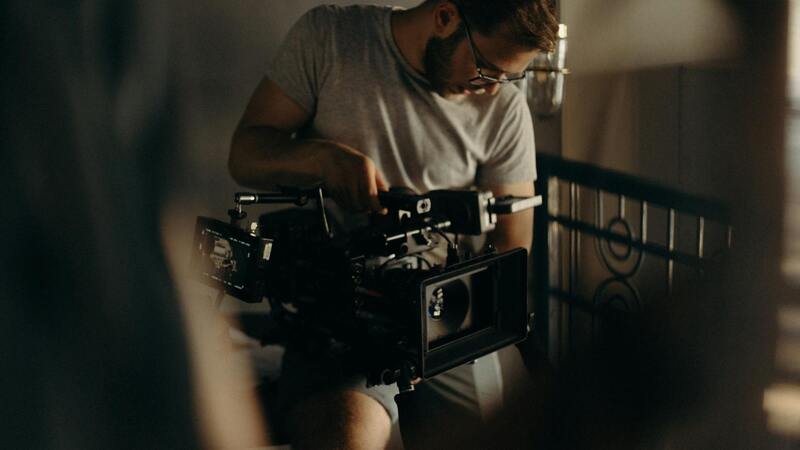
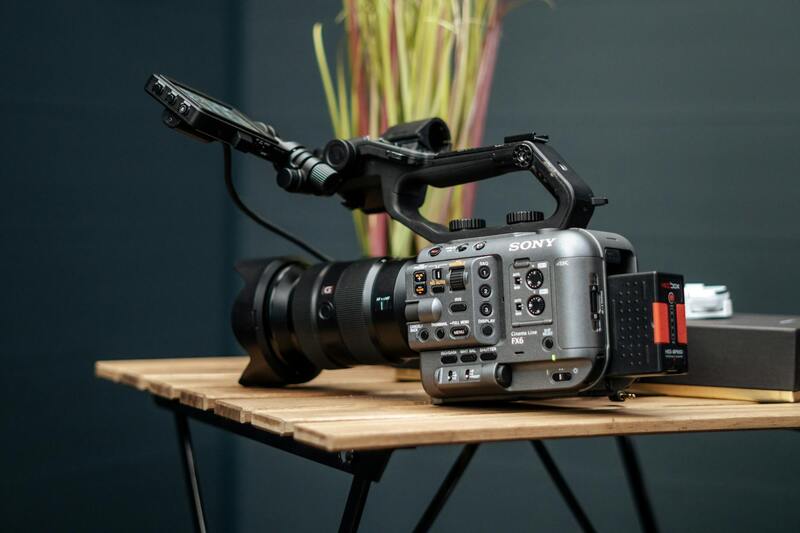
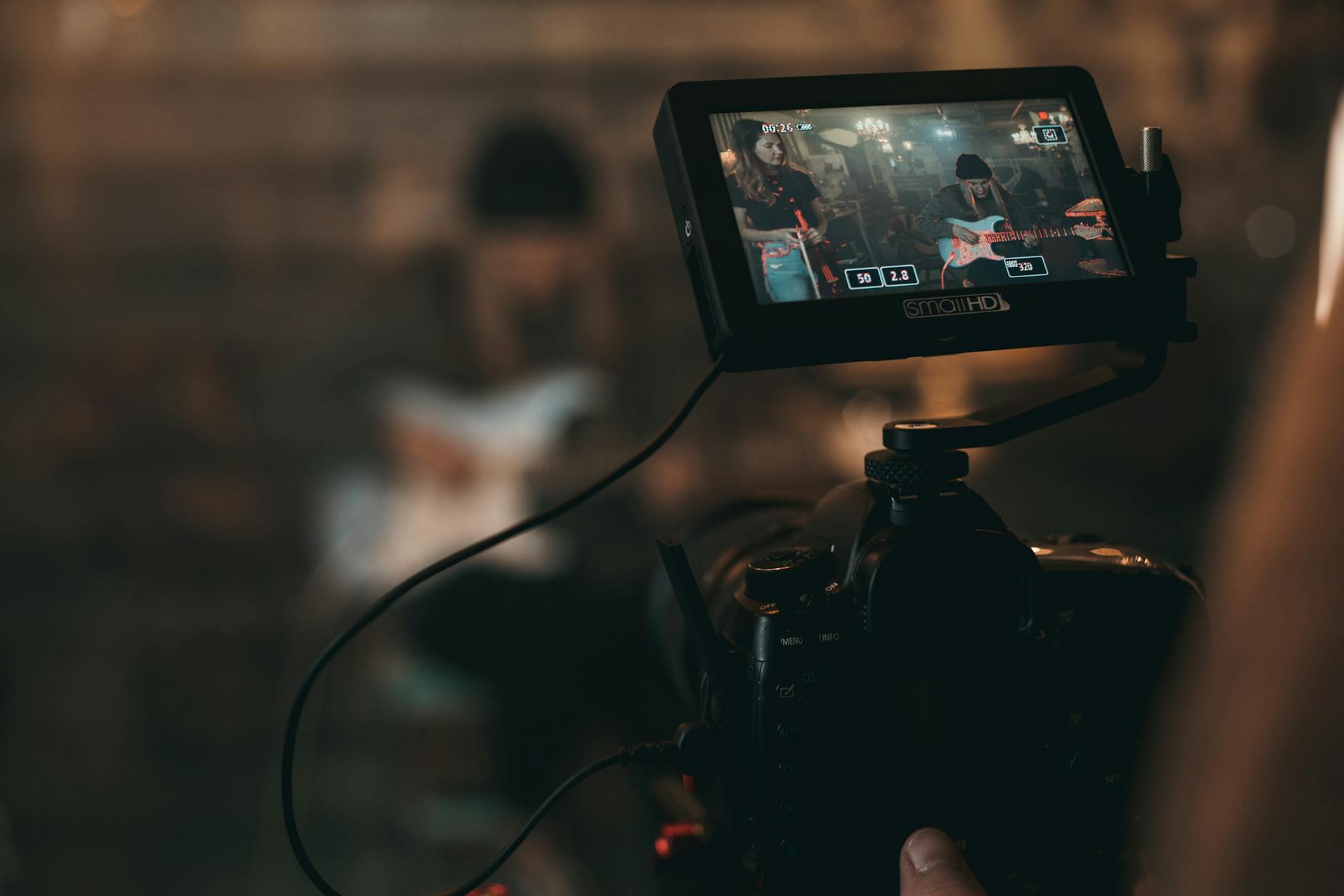
Professional real estate photography hinges significantly on the tools and methods used during shoot preparation and execution. Essential equipment includes high-resolution digital cameras capable of capturing crisp images with accurate color reproduction. DSLR or mirrorless cameras with full-frame sensors are preferred due to their ability to perform well in various lighting conditions and produce high-quality images.
Wide-angle lenses are indispensable for property photography, allowing photographers to capture more of a room in a single shot, which helps convey spaciousness effectively. Typically, lenses with focal lengths ranging from 10mm to 24mm are recommended to enhance interior shots. Tripods are also vital, providing stability for sharp images and enabling precise framing, especially in lower light settings or longer exposures.
Advanced techniques, such as High Dynamic Range (HDR) imaging, are frequently employed to address the challenge of balancing interior and exterior light levels. HDR involves capturing multiple images at different exposures and merging them to produce a balanced, detailed photograph that accurately represents the scene. This is particularly useful in situations where windows or bright lighting contrasts may obscure details of the interior or exterior.
Another critical aspect involves controlling reflections, glare, and shadows through strategic use of lighting equipment, such as portable flash units or continuous LED lighting. Properly executed lighting setups can enhance textures, emphasize architectural features, and create an inviting ambiance that resonates with viewers.

Techniques for Optimizing Property Photos
- Proper Framing and Composition: Align elements Harmoniously to lead viewers’ eyes through the space, including furniture, architectural features, and focal points.
- Consistent Vertical Lines: Maintain straight verticals, especially in interior shots, to prevent distortion and convey professionalism.
- Strategic Angles: Capture multiple perspectives, including eye-level and higher viewpoints, to showcase the property's flow and layout effectively.
- Lighting Balance: Ensure even illumination, avoiding overexposed highlights or underexposed shadows, to produce lively, inviting images.
- Staging and Decluttering: Before shooting, remove personal items and clutter to highlight the property's best features and create a clean, attractive environment.
Adapting Techniques Based on Property Type
Different property types—ranging from modern condominiums to charming Victorian homes—may require tailored approaches. For sleek urban apartments, focus on maximizing natural light and showcasing amenities. Rustic or historic homes benefit from emphasizing architectural details and craftsmanship. Understanding the unique selling points of each property allows photographers to select the most effective techniques that resonate with prospective buyers.
Choosing the Right Equipment and Techniques
Achieving visually compelling real estate property photos begins with selecting the appropriate equipment and employing effective techniques. The foundation lies in utilizing a high-resolution digital camera with capabilities that support wide-angle lenses, allowing photographers to capture expansive views of interior and exterior spaces with minimal distortion. A sturdy tripod is essential to maintain stability during shots, especially in low-light conditions, ensuring sharp, clear images with consistent framing.
Lens selection plays a pivotal role in emphasizing the property's features. Wide-angle lenses (between 14mm and 24mm) facilitate capturing entire rooms or outdoor vistas in a single shot, providing prospective buyers with a comprehensive perspective. Additionally, employing a tilt-shift lens can correct perspective distortions—particularly when photographing tall or elongated structures—ensuring vertical lines remain straight and professional-looking.
Opting for a panoramic or HDR (High Dynamic Range) approach enhances image quality by balancing exposure levels across different areas. HDR photography involves taking multiple shots at varying exposure settings and blending them to produce well-lit interiors with balanced highlights and shadows. This method is especially advantageous in environments with high contrast lighting, such as rooms with large windows or outdoor scenes during sunrise or sunset.

Technical proficiency extends to understanding camera settings—such as aperture, shutter speed, and ISO—to optimize each shot for clarity and realism. A small aperture (f/8 to f/11) increases depth of field, ensuring key features throughout the scene are in focus. Furthermore, in interior photography, natural light should be maximized; therefore, shooting during daylight hours ensures rooms appear bright, airy, and inviting. When natural light is insufficient, supplemental lighting with softboxes or diffusers can reduce harsh shadows and create a warm ambiance.
Posture and precision are equally critical aspects of photography. Adjusting the camera angle to level the horizon and align vertical lines prevents geometrical distortions that could detract from the property's appeal. Moreover, capturing multiple perspectives—including close-ups of architectural details, unique features, and outdoor views—provides comprehensive visual storytelling that appeals to potential buyers.

In addition to technical skills, attention to staging enhances the effectiveness of property photos. Removing clutter, arranging furniture to highlight space, and ensuring walls and surfaces are clean and well-maintained contribute significantly to striking imagery. When combined with the right equipment and techniques, these practices elevate the quality of property photos—making them not only attractive but also informative, facilitating faster and more confident buyer decisions.
Enhancing Visual Appeal Through Effective Post-Processing
Post-processing plays a vital role in transforming good-quality property photos into compelling visual assets that captivate potential buyers. It allows for subtle enhancements that refine the image without misrepresenting the property's true character. Adjustments to brightness, contrast, and saturation help create a balanced and vibrant appearance, ensuring that every detail stands out clearly.
Color correction is particularly important to accurately depict the property's ambiance—whether natural sunlight or interior lighting. Ensuring consistent color tones across all photos maintains a cohesive look in marketing materials. Removing minor imperfections such as dust spots, lens flare, or distracting reflections can further elevate the overall professionalism of the images.
Advanced editing techniques may include straightening crooked lines, correcting perspective distortions, and emphasizing architectural details through selective sharpening. These adjustments help in presenting rooms and features more accurately, aiding potential buyers in visualizing the space's true layout and design.
High-quality property photos should also be optimized for online platforms. This involves resizing images for quicker load times without sacrificing resolution and compressing files to maintain image quality while improving website performance. Properly optimized images contribute to better search engine visibility and an enhanced user experience.

Consistency and Branding in Property Photography
Maintaining a consistent style across all property images reinforces branding and creates a recognizable visual identity for your real estate business. Consistency involves uniform lighting, color tones, and angles, which helps establish trust and professionalism when presenting multiple properties. This approach makes your marketing materials more cohesive and compelling.
Furthermore, using a standardized editing process ensures each photograph aligns with your overall brand aesthetics, making your listings easily distinguishable and appealing to target audiences. Whether you prefer a bright, airy look or a more subdued, sophisticated tone, consistency in editing practices enhances the perception of quality and attention to detail.
Timing and Lighting for Property Photos
Effective real estate property photos hinge significantly on optimal timing and lighting conditions. Scheduling shoots during specific periods of the day enhances the visual appeal of the property, highlighting its best features while minimizing undesirable shadows or overly bright spots. Early mornings or late afternoons, often referred to as the golden hours, provide natural, soft lighting that accentuates rooms and outdoor spaces with a warm, inviting glow.
Natural light plays a crucial role in showcasing a property's true ambiance. For interior shots, it’s advisable to align photography sessions with times when significant natural light filters into rooms through windows. This approach diminishes the need for excessive artificial lighting, which can sometimes distort color accuracy or create unwanted reflections.
Artificial lighting is also strategically employed to supplement natural light when necessary. Using high-quality, consistent light sources such as softboxes or diffused LEDs ensures even illumination without harsh shadows. When artificial lights are used, careful placement and color temperature adjustments help maintain a natural appearance.
Proper timing and lighting not only improve the aesthetic quality of photos but also influence viewers’ perception of the property’s livability and warmth. When prospective buyers see well-lit, appealing images, they are more likely to develop an emotional connection, which can accelerate the decision-making process and foster trust in the listing.
Additionally, consideration of weather conditions and seasonal changes is crucial. Clear, sunny days with minimal cloud cover tend to yield brighter, more vibrant images. Overcast days provide a softer, more diffused light that can reduce the occurrence of harsh shadows, making interiors appear more spacious and inviting.
Planning the shoot during favorable weather conditions and within the optimal time window ensures consistent, high-quality imagery that aligns with viewer preferences. This meticulous attention to timing and lighting ultimately enhances the property's online presentation and boosts engagement from prospective buyers.
Choosing the Right Equipment and Techniques
To produce compelling real estate property photos, selecting appropriate equipment and utilizing effective techniques are essential. High-resolution cameras with wide-angle lenses are fundamental for capturing expansive spaces and providing viewers with a comprehensive view of each room. These lenses allow photographers to include more in their frame, making rooms appear larger and more inviting, which is particularly attractive to potential buyers.
Tripods are equally important in achieving sharp, distortion-free images. Stability during shooting ensures clarity and allows for longer exposure times, which can be necessary in low-light situations or when capturing interior spaces with limited natural light.
Beyond camera gear, essential techniques include proper framing, optimal aperture settings, and maintaining vertical and horizontal alignment to avoid skewed perspectives. Shooting in RAW format enhances post-processing flexibility, enabling precise adjustments to exposure, white balance, and color accuracy without compromising image quality.
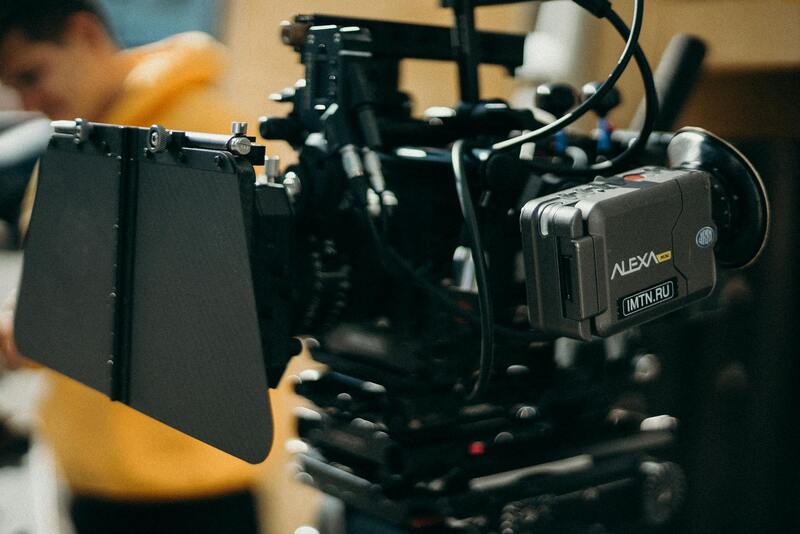
In terms of shooting methods, bracketing multiple exposures and blending them during post-processing can yield images with greater dynamic range, capturing both interior light and exterior details effectively. Employing panoramic shots can also be valuable for showcasing larger properties or expansive outdoor areas, offering a panoramic view that immerses prospective buyers in the property's surroundings.
When implementing techniques, it’s crucial to follow a consistent approach across all images to ensure a cohesive visual story for the listing. This consistency aids in presenting a professional appearance, reinforcing the property's appeal and encouraging viewer engagement.
Innovative Techniques for Enhanced Property Presentation
- Tip: Use HDR (High Dynamic Range) to balance interior shadows and exterior brightness for well-exposed shots.
- Tip: Incorporate drone photography for aerial views of the property and surrounding areas, providing a comprehensive perspective that ground-level images cannot offer.
- Tip: Use tilt-shift lenses sparingly to correct perspective distortions in architectural shots, maintaining straight lines and true proportions.
The combination of the right equipment and tailored techniques can dramatically elevate the quality of real estate images, making listings stand out in a competitive market and attracting serious buyers.
Importance of High-Quality Real Estate Photos
In the competitive Miami real estate market, visually compelling property photographs serve as a critical catalyst for attracting potential buyers. High-quality images not only capture the true essence and unique features of a property but also create an emotional connection that can significantly influence the decision-making process. Well-executed photos enhance online listings, making them more visible and engaging, thus increasing the likelihood of receiving inquiries and scheduling viewings. Quality images also reflect professionalism and credibility, reassuring prospective clients of the property's value and the agent's expertise.
Key Elements of Effective Property Photography
Several essential components contribute to capturing images that resonate with viewers:
- Lighting: Natural light should be harnessed to highlight the property's best features while minimizing shadows. Properly lit rooms appear more inviting and spacious.
- Composition: Framing shots strategically to showcase focal points, and using the rule of thirds, enhances visual interest.
- Clarity and Focus: Sharp, focused images ensure details are crisp, enabling viewers to appreciate the quality of the property.
- Angles and Perspectives: Wide-angle shots can capture entire rooms, but balancing them with eye-level perspectives prevents distortion and maintains authenticity.
- Color Accuracy: True-to-life colors help set realistic expectations and portray the property's genuine appearance.
Choosing the Right Equipment and Techniques
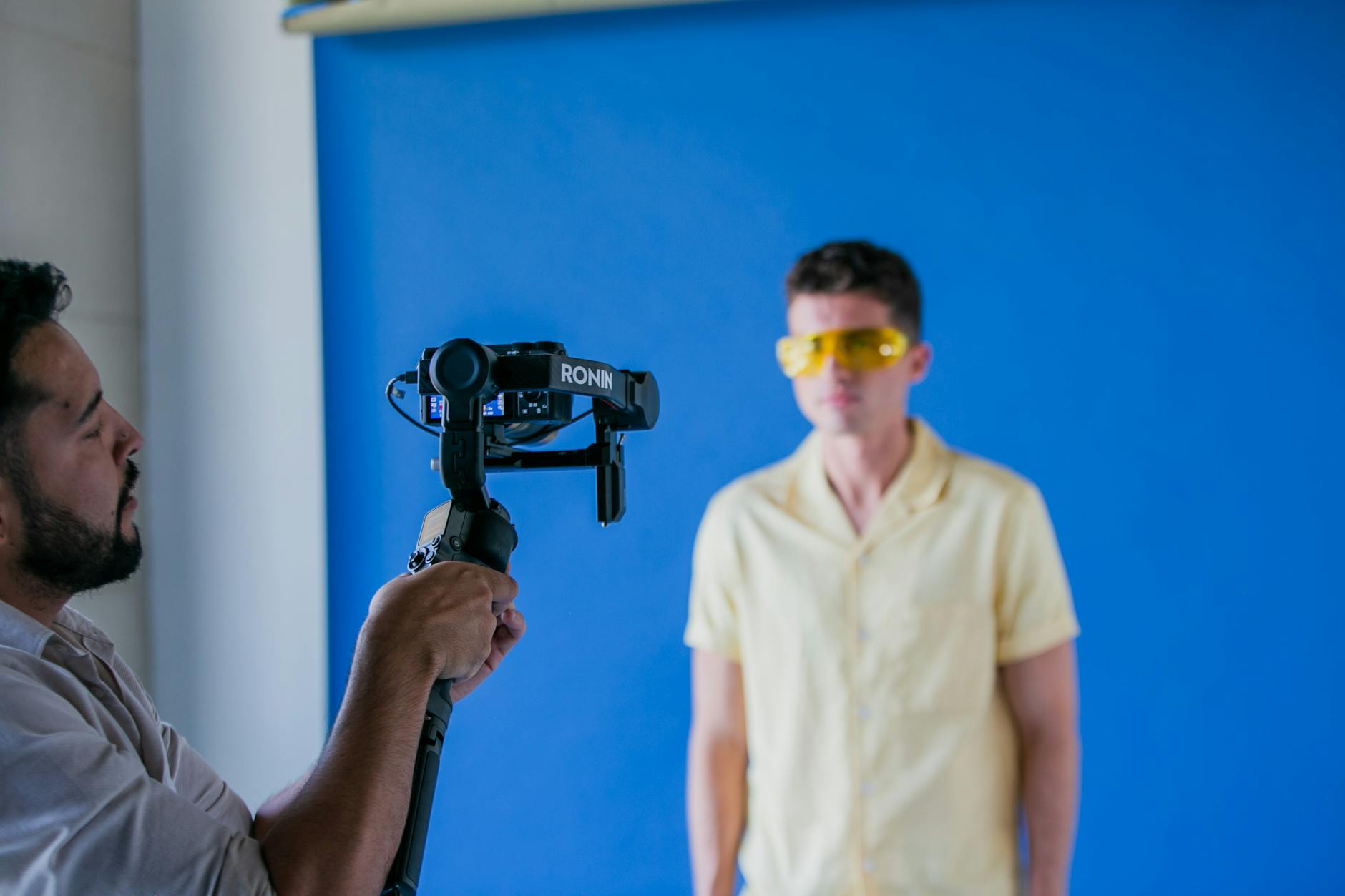
Employing professional-grade equipment is essential to produce polished images. Wide-angle lenses are preferred for interior and exterior shots, providing a comprehensive view that conveys space effectively. Tripods stabilize the camera, especially in low-light conditions, leading to sharper images and better composition. Bracketing multiple exposures, then blending them (HDR processing), captures high dynamic range scenes where interior shadows are balanced with outdoor brightness. Panoramic photography can showcase larger properties or outdoor scenic areas, giving viewers an immersive experience. Consistency in shooting techniques across all images ensures a cohesive visual narrative, reinforcing the property's appeal.
Timing and Lighting for Property Photos
The optimal timing for real estate photography often coincides with natural daylight hours, typically during the golden hour—shortly after sunrise or before sunset—when natural light is warm and soft. Proper lighting accentuates interior features, making spaces appear larger and more inviting. Overcast skies can also be advantageous, providing diffuse light that minimizes harsh shadows. Careful planning around weather conditions ensures consistent, high-quality imagery that highlights the property’s best attributes without unwanted shadows or glare.
Editing and Post-Processing of Property Photos
Post-processing refines images, ensuring they accurately represent the property while enhancing visual appeal. Adjustments should focus on correcting brightness, contrast, and color balance to maintain a natural look. Advanced techniques such as perspective correction prevent distortion, especially in architectural shots. Removing minor imperfections, like dust or reflections, can improve overall clarity. Employing software like Adobe Lightroom or Photoshop allows for precise editing that complements the photographer's initial vision. Consistency in editing style across all images helps create a professional, cohesive image suite that effectively supports marketing efforts.
Local Trends and Best Practices in Miami
Miami’s vibrant market demands a tailored approach to property photography. Utilizing drone imagery to showcase the property's proximity to beaches, parks, or urban amenities provides a competitive edge. Emphasizing outdoor living spaces through wide shots can appeal to buyers seeking lifestyle-oriented amenities. Bright, airy interiors are a hallmark of Miami properties; capturing these with proper lighting and staging techniques elevates their allure. Incorporating local architectural elements and ensuring photos reflect the character of Miami’s diverse neighborhoods can resonate more profoundly with prospective buyers. Staying current with evolving styles, such as minimalistic staging or colorful accents, bolsters the property's visual impact and aligns with market preferences.
Implementing Property Photos in Marketing Strategies
Effectively leveraging high-quality real estate property photos is crucial to maximizing a property's visibility and appeal across various marketing channels. Strategic integration of professional images enhances online listings, social media campaigns, virtual tours, and other promotional efforts, ultimately driving higher engagement and faster sales.
Optimizing Online Listings
When showcasing property photos on real estate portals and agency websites, placement and presentation are vital. Ensure that the most compelling images—such as exterior shots highlighting curb appeal, spacious living areas, and panoramic views—are positioned prominently. High-resolution images should be optimized for fast loading without sacrificing detail, which improves user experience and search engine rankings.
Descriptions accompanying images should be concise yet informative, emphasizing unique features captured in the photos. Use alt text with relevant keywords like Miami luxury condo exterior or modern kitchen in Miami Beach to enhance SEO performance. Consistent branding and a clean visual layout create a professional appearance that encourages potential buyers to explore further.
Enhancing Social Media Campaigns
Social media platforms benefit immensely from striking visuals. Share eye-catching images that highlight the property's best features, leveraging platform-specific formats such as square images for Instagram or landscape shots for Facebook. Incorporate engaging captions with targeted keywords to improve discoverability and foster community interaction.
Stories, reels, and carousel posts allow for dynamic presentation, showcasing multiple angles, virtual walkthroughs, or before-and-after staging images. Regularly updating these posts with fresh photos maintains audience interest and demonstrates ongoing market activity.
Creating Virtual Tours and 3D Visualizations
Property photos serve as foundational elements in immersive virtual tours and 3D walkthroughs. High-quality images enable the crafting of detailed, interactive experiences that appeal to remote buyers or investors. When integrated seamlessly, these tools provide comprehensive views of a property and foster a sense of familiarity that often accelerates decision-making.
Utilize virtual staging in conjunction with professional photos to illustrate potential layouts and design concepts. This approach allows prospective buyers to envision living in the space, making the property more memorable and enticing.
Utilizing Photos in Brochures and Print Materials
Although digital channels dominate real estate marketing, tangible brochures and flyers still hold value, especially during open houses or client meetings. High-resolution images should be carefully selected to represent the property's best assets, presented with cohesive branding and informative text. The physical presentation of professional photos reinforces a sense of quality and attention to detail.
Ensuring Consistency and Cohesion
Across all marketing outlets, consistency in image style, color grading, and overall aesthetic strengthens brand recognition and professional credibility. Standardized editing techniques and a cohesive visual language help to create a recognizable portfolio of property images, making marketing efforts more streamlined and effective.