
Role and Importance of a Residential Real Estate Photographer
In the competitive Miami real estate market, the visual presentation of a property plays a pivotal role in attracting potential buyers. A residential real estate photographer specializes in capturing high-quality images that highlight a property's best features, ensuring it stands out online and in marketing materials. The primary responsibility involves creating compelling, accurate, and aesthetically appealing photographs that resonate with prospective clients.
Professional residential photographers possess an in-depth understanding of lighting, angles, and composition, which allows them to showcase a home's unique attributes effectively. They emphasize natural light, strategic framing, and clean image editing to produce visuals that are both inviting and informative. In a city like Miami, where luxury properties and modern residences dominate the market, professional photography can mean the difference between a quick sale and a property languishing on the market.
The significance of professional imagery extends beyond aesthetics. High-quality photos can significantly reduce the time a property spends on the market by increasing viewer engagement. Well-composed images attract a broader pool of inquiries, often leading to faster offers at optimal prices. As online property listings become the primary method of property search, the visual appeal crafted by a residential real estate photographer serves as the first impression—setting the tone for the entire marketing campaign.
Furthermore, in today’s digital age, prospective buyers often view multiple listings in just a few seconds. They rely heavily on photos to decide whether an in-person visit is warranted. Poor-quality images, inconsistent lighting, or unappealing angles can discourage interest and reduce a property's perceived value. Professional photographers understand how to mitigate these issues, ensuring each property looks its absolute best.
From single-family homes to upscale condominiums, the role of a residential real estate photographer is integral in crafting a visual story that aligns with the property's positioning in Miami's dynamic market. By accurately capturing space, ambiance, and architectural details, these professionals contribute significantly to the success of real estate marketing efforts—helping sellers attract serious buyers and agents close deals efficiently.
Technical Skills and Equipment Essential for Exceptional Residential Photography
Achieving stunning and compelling images of residential properties in Miami requires a mastery of both technical skills and specialized equipment. Professional photographers employ high-resolution digital cameras capable of capturing intricate details and broad dynamic ranges, which are crucial for accurately representing different lighting conditions within a home. DSLR and mirrorless camera models with full-frame sensors are preferred for their superior image quality and versatility.
In addition to camera hardware, lighting plays a pivotal role in residential real estate photography. While natural light is often exploited during daytime shoots, supplementary lighting gadgets such as portable strobes and softboxes are used to fill shadows, highlight interior features, and create a warm, inviting atmosphere. The strategic placement of lights can drastically influence the perception of space and décor.
Staging techniques, including arranging furniture and decluttering spaces, are essential to present the property at its best. Photographers often collaborate with staging specialists to optimize visual appeal before shooting. Furthermore, the use of wide-angle lenses, typically between 14mm to 24mm, allows capturing expansive interior views and emphasizing the spatial dimensions without distortion.
Post-processing is equally vital, with editing software employed to enhance colors, correct perspective issues, and ensure consistent brightness and contrast across all images. Skilled editing ensures that the finished photographs are polished and ready for marketing use, providing homes a professional, attractive presentation that appeals to prospective buyers.
Role and Importance of a Residential Real Estate Photographer
In the competitive Miami real estate market, the visual representation of a property can significantly influence buyer interest and engagement. A skilled residential real estate photographer specializes in capturing properties at their best, highlighting architectural features, interior design, and unique selling points through expertly crafted images. These professionals leverage their understanding of lighting, composition, and staging to create compelling visuals that evoke emotional responses and stimulate desire among potential buyers.
The importance of professional photography extends beyond mere aesthetics. It serves as a vital marketing tool that enhances online property listings, making them stand out amidst numerous competing advertisements. Buyers increasingly initiate their property search online, relying heavily on high-quality images to narrow down choices. Listings with professionally taken photographs tend to attract more views, generate higher click-through rates, and ultimately convert into in-person visits more frequently.
Moreover, a residential real estate photographer's work can influence perceptions of space, cleanliness, and overall property value. Strategic framing and lighting techniques can make rooms appear larger, brighter, and more inviting. In turn, this fosters a positive first impression and encourages prospective buyers to schedule viewings. In fast-paced Miami real estate transactions, where attention spans are limited, showcasing your property through striking imagery can accelerate the sales process and maximize return on investment.
Beyond initial marketing impact, high-caliber images serve as an ongoing asset for property owners and agents. These images can be reused across various advertising channels—from online listings to promotional brochures—maintaining a consistent, polished appearance throughout a property’s sales cycle. This consistency builds trust and establishes a professional standard, reinforcing a property's desirability and increasing its market competitiveness.
Key Skills and Equipment for Residential Photography
To deliver exceptional results, residential real estate photographers in Miami rely on a combination of technical skills and specialized equipment. Mastery over camera settings—such as aperture, shutter speed, and ISO—enables precise control over exposure and image clarity. The use of wide-angle lenses, typically ranging from 14mm to 24mm, is instrumental in capturing expansive interior spaces without distortion, providing viewers with an immersive experience.
In addition, supplemental lighting tools like portable strobes, softboxes, and reflectors allow photographers to manipulate light quality and direction, ensuring each space is uniformly illuminated and visually appealing. The use of drone cameras is gaining popularity, offering aerial perspectives that showcase a property's exterior, landscaping, and surrounding neighborhood features. Twilight photography, capturing homes during the golden hour or sunset, adds a warm, enchanting atmosphere that can elevate a listing’s visual appeal.
Investing in high-quality camera gear and lighting equipment translates into clearer, more vibrant images that attract serious buyers. Maintenance of this equipment and continuous skill enhancement help photographers keep pace with evolving industry standards and technological advancements.
Technical proficiency is complemented by an understanding of staging, color coordination, and space optimization. Photographers often collaborate with real estate agents and staging experts to present the property at its highest potential, ensuring that each photograph aligns with marketing goals and resonates with target audiences.
Technical Aspects of Residential Real Estate Photography
Executing high-quality residential real estate photography requires mastery of various technical elements that contribute to compelling imagery. One of the fundamental tools is the wide-angle lens, usually ranging from 14mm to 24mm, which allows photographers to capture expansive interior scenes without significant distortion. These lenses facilitate the inclusion of more space within a single shot, giving viewers a genuine sense of the property's dimensions. When used correctly, they help create a seamless flow of rooms, making spaces appear larger and more inviting.
Complementing the camera equipment, lighting plays a crucial role in producing vibrant, well-lit images. Portable strobes, softboxes, and reflectors are commonly employed to manipulate natural and artificial light sources. Proper lighting eliminates shadows, highlights architectural features, and emphasizes the best aspects of each room. Achieving proper exposure often involves bracketing — capturing multiple images at different exposures and blending them during post-processing for optimal brightness and detail.
Wide-angle lenses can introduce distortion, especially at the edges of images. To mitigate this, professional photographers use advanced editing software to correct distortion while maintaining natural proportions. Additionally, the use of drone cameras has become increasingly prevalent. Aerial shots provide a comprehensive view of the property, surrounding landscape, and neighborhood, which is particularly appealing for larger or scenic listings. Twilight photography during dawn or dusk captures homes bathed in warm, natural light—adding visual appeal and emotional warmth that resonate with potential buyers.
Synchronization of these technical elements—camera choices, lighting, and post-processing—is vital to producing high-impact images. Photographers focus on clarity, color accuracy, and composition to ensure that each photograph not only represents the property accurately but also entices viewers to schedule viewings and make offers.
Enhancing Visual Appeal Through Staging and Composition
While technical skills form the backbone of professional residential photography, understanding staging and composition significantly elevates the quality of images. Photographers often work closely with staging experts or real estate agents to arrange furniture and decor that highlight each room’s purpose and maximize spatial perception. Proper staging ensures that spaces appear homely, functional, and appealing.
Composition techniques, such as the rule of thirds, leading lines, and framing, direct the viewer’s eye and create visual harmony within images. Strategic positioning of camera angles ensures that architectural features are accentuated, while clutter is minimized. Highlighting natural light sources further enhances the vibrancy and authenticity of the photographs.
Role and Importance of a Residential Real Estate Photographer
In the competitive landscape of real estate transactions, the visual presentation of a property can significantly influence buyer interest and the speed of sale. A dedicated residential real estate photographer specializes in capturing the unique features and spatial qualities of a home, ensuring that every image highlights its best attributes. These professionals understand how to utilize lighting, angles, and composition to create compelling visuals that resonate with prospective buyers.
Effective real estate photography helps listings stand out in crowded marketplaces, turning casual browsers into serious inquiries. High-quality images evoke emotional responses, helping buyers envision themselves living in the space. This visual storytelling fosters a connection that can accelerate decision-making processes, ultimately resulting in quicker sales and potentially higher offers. Moreover, professional photography enhances the overall marketing strategy of real estate agents and property owners by providing consistent, attractive, and shareable content across various platforms.
In Miami, where real estate markets are vibrant and diverse, engaging photography can make all the difference between an unnoticed listing and a sold property. The right images drawn with precision and creativity encapsulate the property's lifestyle appeal, leveraging the city’s unique architectural styles, scenic surroundings, and vibrant neighborhoods. A skilled residential real estate photographer’s role extends beyond mere documentation—they craft visual narratives that elevate a property's perceived value and attract targeted buyers.
Key Skills and Equipment for Residential Photography
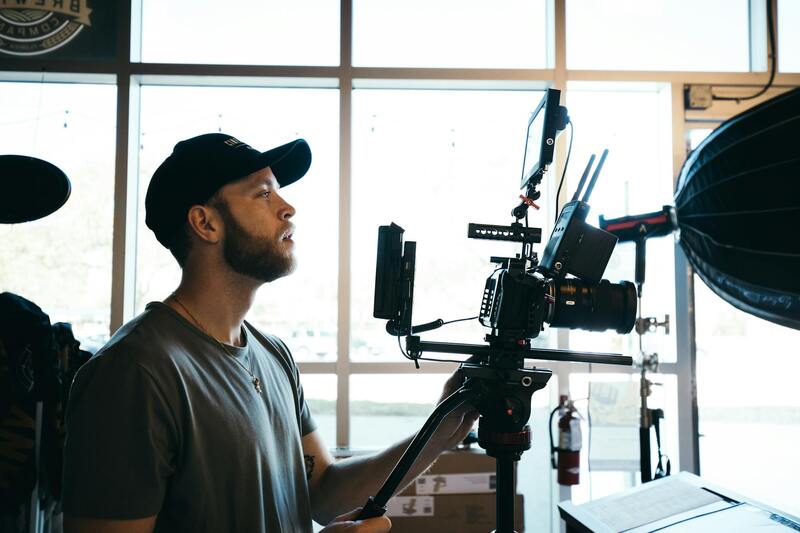
Exceptional residential real estate photography relies on a combination of specific skills and advanced equipment. Photographers must possess a keen eye for detail, understanding how to utilize natural and artificial light to balance interior and exterior shots seamlessly. Mastery of composition techniques, such as symmetry, framing, and perspective, ensures the images are engaging and accurately represent each space.
Equipment investments include high-resolution digital cameras equipped with wide-angle lenses, which help to capture expansive rooms and architectural details. Tripods ensure stability for sharp images, especially in low-light conditions, while professional lighting and flash units help balance interior lighting. Drones are increasingly used to showcase larger properties and aerial views, adding a dynamic perspective to listings.
Post-processing skills are equally vital, as they allow photographers to correct color inaccuracies, enhance brightness, and remove any visual distractions. This meticulous editing preserves the authenticity of the property while maximizing its visual appeal. Combining technical expertise with creative insight, a professional residential real estate photographer transforms ordinary spaces into visually compelling assets.
Popular Photography Styles and Techniques
Several styles and techniques have gained popularity in residential real estate photography, each serving different purposes and aesthetic preferences. Wide-angle photography remains a staple, providing a comprehensive view of interiors and exteriors, making spaces appear larger and more inviting. HDR (High Dynamic Range) imaging combines multiple exposures, balancing bright and dark areas to produce images that closely resemble real-life lighting conditions.
Twilight photography captures homes during dawn or dusk, using natural light to create warm, inviting atmospheres that evoke emotional warmth. This technique emphasizes exterior lighting, showcasing landscaping and architectural features in flattering illumination. Vertical and horizontal panoramas are used to illustrate expansive properties, giving viewers a sense of scale and layout.
Composition techniques like the rule of thirds, leading lines, and framing help guide the viewer’s eye and establish visual harmony within shots. Strategic use of on-camera perspective emphasizes architectural details, while decluttering and staging ensure that each image remains clean and focused. Combining these techniques helps produce a cohesive visual story that appeals to prospective buyers.
Role and Importance of a Residential Real Estate Photographer
In the competitive Miami real estate market, the visual presentation of a property can significantly influence buyer interest and sales outcomes. A professional residential real estate photographer plays a crucial role in capturing the essence of a home through meticulously crafted images that highlight its best features. These photographs serve as the first impression for potential buyers browsing online listings, making high-quality visuals essential in attracting clicks and encouraging viewings.
Beyond aesthetics, a skilled photographer understands how to highlight the spatial dimensions, architectural details, and unique qualities of a property. By utilizing strategic composition, lighting, and editing techniques, they create an aspirational image of the home that aligns with market trends and buyer expectations. Accurate and compelling photography not only enhances the perceived value of a property but also speeds up the sales process by engaging more prospective buyers.
In a region like Miami, where luxury homes, waterfront properties, and modern condos dominate the market, exceptional photography becomes even more critical. It helps properties stand out among numerous listings and establishes a professional tone that assures buyers of quality and attention to detail. Ultimately, a residential real estate photographer is a vital asset for sellers and agents aiming to maximize their property's appeal and achieve the best possible returns.
Key Skills and Equipment for Residential Photography
Successful residential real estate photography hinges on a set of specialized skills and the right equipment. Photographers must possess a keen eye for detail, an understanding of optimal composition, and proficiency in post-processing techniques to ensure the images accurately represent the property's features.
Essential equipment includes wide-angle lenses, which allow for capturing expansive interiors and exteriors within a single shot, making spaces appear larger and more inviting. Tripods stabilize the camera for sharper images, especially in low-light conditions, and drones enable aerial photography to showcase the property's surrounding environment and landscape.
Advanced lighting setup, including portable flashes and reflectors, helps balance interior lighting and reduce shadows, creating a polished look. High-definition cameras with high dynamic range capabilities ensure vibrant colors and accurate exposure, essential for capturing Miami's bright and colorful ambiance.
Post-processing software like Adobe Lightroom and Photoshop is used for color correction, straightening images, and removing any distractions, further enhancing the visual appeal. Staying current with technological advancements and evolving photography techniques is vital for professionals aiming to deliver top-tier results.
Popular Photography Styles and Techniques
Various photographic styles have gained popularity in residential real estate to cater to different property types and market segments. Wide-angle photography remains foundational, offering a comprehensive view of interior and exterior spaces while giving viewers a sense of the home's size and layout.
HDR (High Dynamic Range) imaging is extensively used, merging multiple exposures to balance bright outdoor sunlight with darker interior spaces. This technique ensures that detail is preserved in both highlights and shadows, providing a true-to-life representation of the property’s lighting conditions.
Twilight photography has become increasingly popular in Miami, especially for luxury and waterfront homes. Shooting during the golden hour or twilight enhances the property's ambiance, with natural and exterior artificial lighting creating inviting atmospheres that are emotionally compelling.
Panoramic images, both vertical and horizontal, are effective for showcasing extensive properties or landscaping, providing a cinematic perspective that helps buyers visualize the overall space and scope. Strategic use of composition principles such as the rule of thirds, leading lines, and framing directs attention and creates visual harmony.
Technical techniques like perspective correction, decluttering, and staged interiors ensure each shot is clean, organized, and visually appealing. Combining these styles and techniques offers a cohesive narrative that appeals to contemporary homebuyers in Miami’s dynamic market.
Role and Importance of a Residential Real Estate Photographer
In the competitive Miami housing market, high-quality visuals are crucial for attracting potential buyers and establishing a property’s appeal. A residential real estate photographer specializes in capturing the essence of a home, highlighting its best features through carefully composed images. Their role extends beyond simple photography; they craft a visual narrative that resonates with viewers, conveying the lifestyle and ambiance associated with the property. Effective imagery can make a listing stand out among numerous competitors, significantly influencing a viewer’s decision to explore further.
Professional photographers possess an in-depth understanding of lighting, angles, and staging, enabling them to showcase each room’s unique qualities. They are adept at managing natural and artificial light to produce images that are vibrant, balanced, and true to life. This attention to detail can accentuate the property’s strengths—be it spacious living areas, stunning waterfront views, or architectural nuances—in ways that amateur photos often fail to do.
Moreover, the role of a residential real estate photographer extends into collaboration with real estate agents, property owners, and staging experts. They interpret the marketing goals and adapt their techniques accordingly, ensuring that every shot aligns with the overall branding strategy. In Miami’s vibrant market, where luxury homes and waterfront properties are prevalent, a professional photographer’s expertise is vital for capturing the grandeur, elegance, and unique features that appeal to affluent buyers.

Key Skills and Equipment for Residential Photography
Achieving top-tier results in residential real estate photography requires a combination of technical skills and specialized equipment. A professional photographer invests in high-resolution digital cameras capable of capturing sharp, detailed images across various lighting conditions. Wide-angle lenses, often between 14mm and 24mm, are staples for interiors, allowing the camera to encompass more of a room in a single shot, which helps illustrate space and layout effectively.
Lighting equipment, such as portable flashes and reflectors, aid in balancing interior lighting and compensating for less-than-ideal natural light. Post-processing software like Adobe Lightroom and Photoshop is essential for enhancing images, correcting color balance, and removing distractions. Skilled editing ensures that the final photos are polished, consistent, and optimized for digital platforms.
Additional tools like drone cameras are increasingly used to include aerial shots, especially for large estates or waterfront properties, providing potential buyers with a comprehensive view of the property and its surroundings. Tripods, remote shutter releases, and advanced HDR software facilitate capturing multiple exposures and stitching images together seamlessly.
Popular Photography Styles and Techniques
In Miami’s real estate market, a variety of photography styles and techniques are employed to emphasize the property’s features and ambiance. Wide-angle shots remain foundational, enabling viewers to grasp the full scope of rooms and exteriors. High Dynamic Range (HDR) imaging ensures images are well-exposed, balancing outdoor sunlight with interior lighting to reveal every detail.
Twilight photography has gained popularity, especially for waterfront and luxury homes. Shooting during the golden hour or twilight creates warm, inviting atmospheres that evoke an emotional response from potential buyers. This style highlights exterior lighting, landscape features, and the overall mood of the property.
Panoramic images, both vertical and horizontal, are used to showcase extensive properties or scenic views, providing a cinematic perspective. Composition techniques such as the rule of thirds, leading lines, and framing contributions to visual harmony and narrative flow within the images.
Technical skills such as perspective correction, decluttering, and staging interiors before shooting ensure each photograph remains clean, organized, and visually appealing. Combining these styles and techniques results in a compelling presentation tailored to diverse property types and buyers in Miami's vibrant market.
Role and Importance of a Residential Real Estate Photographer
A residential real estate photographer plays a crucial role in presenting properties to their highest potential. Their primary responsibility is to capture the essence of a home through compelling imagery that resonates with prospective buyers. High-quality photographs serve as the initial point of engagement for online listings, making them essential for attracting interest and encouraging viewing appointments. In a competitive real estate market like Miami, where waterfront views, luxury interiors, and architectural designs are prominent, professional photography becomes even more vital. By highlighting a property's best features and creating an inviting atmosphere, a skilled photographer helps facilitate quicker sales and higher offers, ultimately contributing to a smoother transaction process.
Key Skills and Equipment for Residential Photography
Exceptional residential real estate photography requires a combination of technical expertise and specialized equipment. Photographers must master composition, lighting, and post-processing techniques to produce visually appealing images that accurately reflect the property's appeal.
- Wide-Angle Lenses: These lenses allow capturing expansive room views, giving potential buyers a sense of space within confined interiors.
- Tripods and Stabilizers: Essential for achieving sharp images, especially in low-light conditions or when using HDR techniques.
- High-Resolution Cameras: Critical for producing detailed images that retain quality across various display platforms.
- Lighting Equipment: Including portable flashes, diffusers, and reflectors to ensure consistent and flattering illumination.
- Drone Cameras: For capturing aerial shots of properties, especially spacious estates and waterfront homes.
Technical skills such as HDR processing, perspective correction, and color balancing are integral to creating images that stand out. A professional photographer also possesses good staging and decluttering skills, knowing how to enhance a space's visual appeal without artificially manipulating the scene.
Popular Photography Styles and Techniques
In Miami's dynamic real estate market, diverse photography styles serve different property types and marketing goals. Wide-angle shots are fundamental, providing a comprehensive view of rooms and exteriors. HDR imaging balances light and shadow, revealing intricate details in both bright and dark areas.
Twilight photography has become increasingly sought after for luxury waterfront homes, as shots taken during the golden hour or twilight evoke warmth and elegance, emphasizing exterior lighting, landscape features, and water views. Panoramic photographs add a cinematic effect for large estates or scenic vistas, allowing viewers to immerse themselves in a property's surroundings.
Effective composition techniques such as the rule of thirds, leading lines, and framing help create balanced and engaging images that guide potential buyers through the property visually. Technical mastery in perspective correction and interior staging ensures that each photograph showcases the home in the best possible light, eliminating distractions and emphasizing key features.
Choosing a Residential Real Estate Photographer in Miami
Selecting the right professional involves evaluating their experience, portfolio, and understanding of the local market. An effective photographer in Miami should demonstrate a versatile skill set tailored to the city’s unique properties—from luxury waterfront mansions to modern condos. Reviewing previous work provides insight into their style, consistency, and ability to showcase different property types.
Communication and reliability are critical; a professional photographer must comprehend client goals, deliver within deadlines, and adapt to distinct property features. Additionally, familiarity with Miami's diverse neighborhoods and architectural styles helps in capturing images that resonate with target audiences. Ensuring the photographer uses state-of-the-art equipment and employs the latest techniques guarantees high-quality visual content that elevates property listings.
The Photography Process: From Shooting to Editing
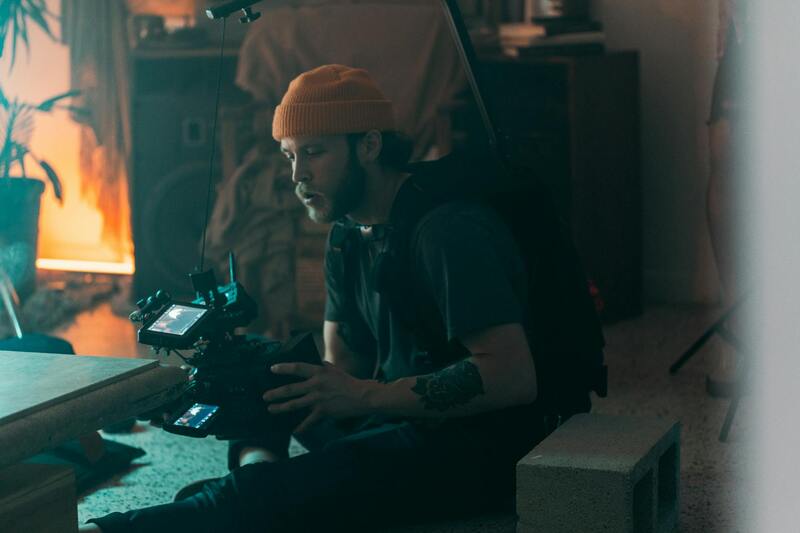
The process begins with a thorough consultation to understand the property’s key features and any specific marketing goals. On shoot day, the photographer employs staged setups, optimal lighting, and strategic angles to enhance each room. Post-shoot, images undergo meticulous editing, including color correction, perspective adjustments, and retouching, to ensure consistency and visual appeal across all photos.
This stage is vital for transforming raw captures into polished visuals that highlight the property's strengths. High-resolution images are then delivered in formats suitable for various marketing channels, such as online listings, brochures, and social media campaigns. The collaborative approach ensures the final images align with the client's vision and effectively attract prospective buyers.
Pricing and Service Packages for Residential Photography
Pricing structures vary based on property size, location, and the scope of services. Typical packages include basic photography, premium options with twilight shots, drone footage, and virtual tours. Many providers offer customizable packages to meet specific marketing strategies, ensuring clients pay for what aligns with their needs.
Photography sessions for smaller properties are often more affordable, whereas luxury homes or extensive estates require comprehensive visual documentation at a higher rate. Transparent pricing coupled with detailed service descriptions helps clients make informed decisions that maximize their investment in marketing assets.
Impact of High-Quality Photos on Property Sales
Professional photography significantly influences a property’s online presence, engagement levels, and overall market performance. Listings featuring high-resolution, well-composed images attract more views, requests for showings, and faster sales. Visual storytelling fosters an emotional connection, allowing potential buyers to envision themselves residing in the space.
In Miami’s competitive real estate scene, properties with superior imagery often stand out in crowded listings, translating into higher offers and reduced time on market. Investing in professional photography is a strategic move that yields tangible returns, establishing properties as desirable options within the targeted demographic.