
Importance of Video Marketing in Real Estate
In today's competitive real estate market, effectively showcasing properties is crucial for attracting potential buyers and closing sales efficiently. Video marketing has emerged as a powerful tool that offers a dynamic and engaging way to present listings. Unlike static images and textual descriptions, videos provide a comprehensive view of a property, allowing viewers to experience the space virtually and gain a clearer sense of flow, layout, and ambiance.
High-quality real estate videos significantly enhance property visibility across various digital platforms, including social media, websites, and listing portals. When agents incorporate videos into their marketing strategies, they increase the likelihood of their listings standing out in a crowded marketplace. This enhanced visibility translates into more inquiries, scheduled viewings, and ultimately, faster sale cycles.
Furthermore, video content enables real estate professionals to target specific audiences more effectively. Customized videos can highlight unique property features, neighborhood benefits, and investment potential, appealing directly to the interests of prospective buyers. As consumers increasingly expect immersive and interactive content, integrating professional videos into your real estate marketing toolkit has become indispensable.
The use of video also fosters trust and credibility among clients. Well-produced videos demonstrate an agent's commitment to professionalism and attention to detail, qualities that are highly valued in buying decisions. This visual storytelling method not only showcases properties but also enhances the overall brand presence of real estate agencies.
Investing in high-quality video production for real estate listings ultimately supports broader marketing and sales objectives. It helps build a compelling online presence, attracts motivated buyers, and drives higher engagement rates. For real estate agents aiming to stay ahead in a rapidly evolving market, leveraging professional video content is not just an option but a strategic necessity.
Key Elements of Effective Real Estate Videos
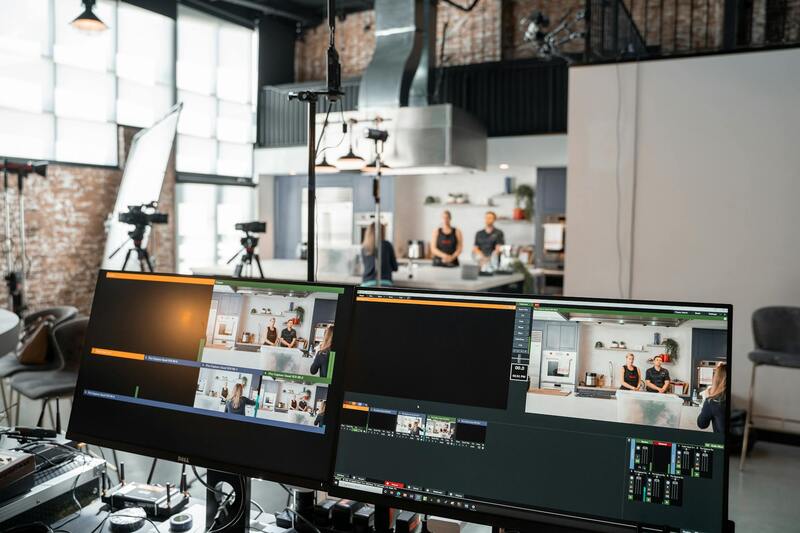
Creating compelling real estate videos necessitates attention to several critical elements that ensure the content resonates with prospective buyers and showcases properties effectively. High-quality visuals are fundamental; utilizing professional-grade cameras and proper lighting enhances the clarity and appeal of each shot. Incorporating stable camera movements and smooth transitions contributes to a polished viewing experience that holds audience interest.
Audio quality also plays a vital role in crafting engaging real estate videos. Clear narration or background music, when used appropriately, can set the tone and highlight key features of a property. Including voice-over commentary that emphasizes unique aspects and provides context helps viewers make informed decisions.
The narrative structure should be thoughtfully planned to tell a compelling story about the property. Starting with an exterior overview, transitioning to interior spaces, and ending with neighborhood highlights creates a cohesive viewing experience. Highlighting standout features such as custom finishes, spacious layouts, or scenic views encourages emotional engagement.
In addition, incorporating branding elements subtly within the video—such as logos or contact information—assists in reinforcing the agent or agency's identity. Calls to action should be clear yet unobtrusive, prompting viewers to schedule a viewing or contact the agent for more details.
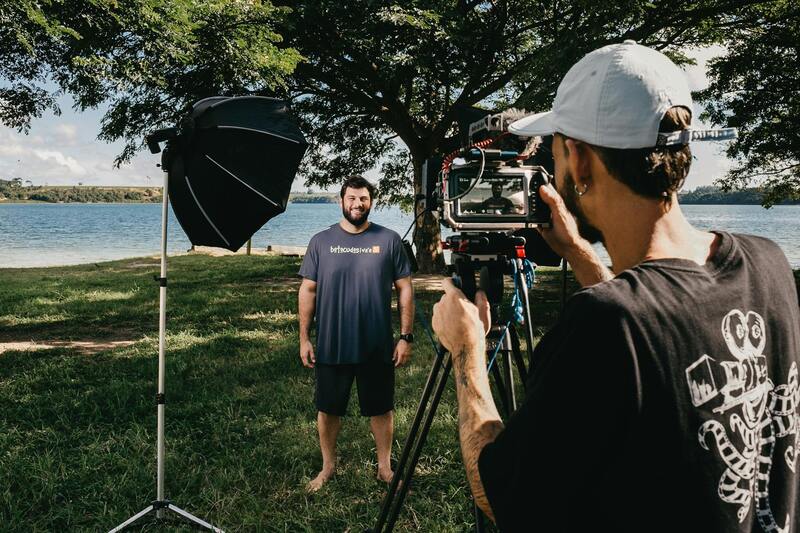
Thorough planning around these elements ensures that every aspect of the video works harmoniously to generate interest, deliver essential information, and ultimately drive engagement from potential buyers.
Best Practices for Shooting Real Estate Videos
Optimal shooting practices revolve around preparing the property, setting the right environment, and capturing footage that aligns with the intended narrative. Prior to filming, agents and videographers should stage the property to appear tidy and inviting, removing personal items or clutter.
Lighting is crucial; utilizing natural light during daytime shoots can produce vibrant, inviting images. Supplementing with professional lighting equipment helps eliminate shadows and highlight interior features, especially in areas with limited daylight.
Camera positioning and angles should be carefully chosen to accentuate space and flow. Wide-angle lenses are commonly employed to make rooms appear larger and more open. Maintaining a steady shooting pace with tripod-mounted cameras or stabilizers avoids shaky footage that can detract from perceived professionalism.
It’s also beneficial to record multiple takes of each scene to ensure the best shot is selected during editing. Consistency in shot composition and smooth camera movements contribute to engaging, immersive walkthroughs.

Adhering to these best practices during filming helps produce high-quality videos that effectively capture a property’s appeal and encourage prospective buyers to seek further engagement.
Key Elements of Effective Real Estate Videos
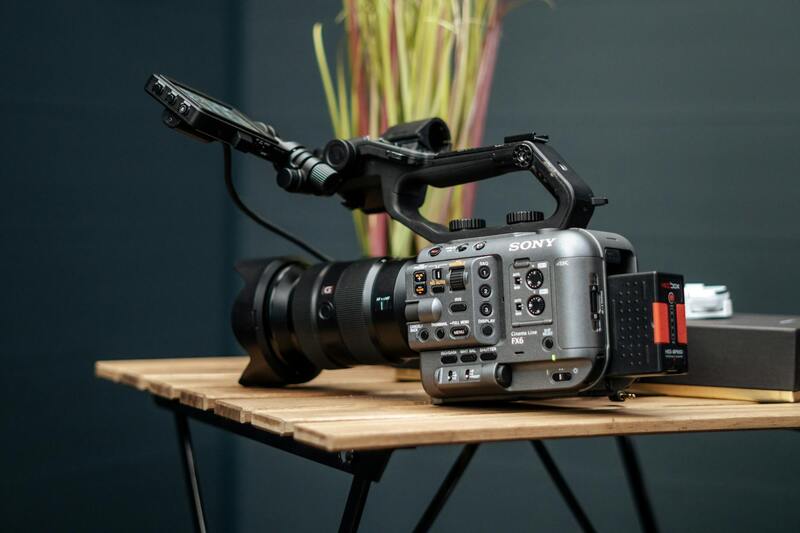
Creating compelling real estate videos requires a strategic focus on several key components that resonate with potential buyers. These elements work together to craft a narrative that not only showcases the property’s features but also evokes an emotional response, encouraging viewers to visualize themselves living in the space. High-quality visuals form the foundation of effective real estate videos, illustrating every room, detail, and outdoor feature with clarity and vibrancy. Using professional-grade equipment ensures sharp images, accurate color representation, and crisp details that highlight the property's best aspects. r>r> Complementing visual excellence is the role of professional narration, which guides viewers through the property, emphasizing key features and benefits. A well-scripted narration offers clarity, maintains viewer interest, and enhances storytelling by providing context that might be overlooked in footage alone. It also helps to establish an aspirational tone, making the property more appealing to prospective buyers. r>r> Storytelling, a crucial aspect of effective real estate videos, involves crafting a narrative that speaks to the target audience. This includes highlighting unique features, describing the lifestyle a buyer can expect, and setting the scene for the potential living experience. Engaging storytelling transforms a simple property tour into an immersive experience, increasing emotional engagement and retention. r>r> Visual consistency is essential, with seamless transitions, cohesive color grading, and synchronized pacing that maintain viewer interest. Incorporating drone shots or cinematic techniques can elevate the production, adding a professional touch that distinguishes the listing from others. Overall, a balanced combination of aesthetics, narrative, and technique ensures the final product resonates with viewers and drives engagement.
Best Practices for Shooting Real Estate Videos
Executing high-impact real estate videos begins with disciplined shooting practices that emphasize property presentation, technical skill, and strategic planning. Preparation holds the key; prior to filming, agents and videographers should stage the property meticulously. Clutter, personal items, or distracting decor should be removed to allow viewers to focus solely on the space.Creating a tidy and inviting environment helps the property appear more appealing, encouraging viewers to imagine themselves living there. r>r> Lighting is the cornerstone of professional footage. Utilizing natural daylight during shoots enhances vibrancy and warmth, making interiors feel welcoming. When natural light is insufficient, supplementary lighting kits can eliminate shadows and bring out interior details. The goal is to achieve evenly lit shots that accurately reflect the property’s ambiance. r>r> Camera positioning and angles significantly influence how spaces are perceived. Wide-angle lenses are favored for their ability to make rooms appear more spacious and open. Thoughtful placement of the camera—such as at eye level or slightly elevated—can facilitate a natural and inviting perspective. Maintaining camera stability is crucial; tripod-mounted shots or gimbal stabilizers prevent unwanted shake and present a polished appearance. r>r> Multiple takes of each scene allow for flexibility during editing, ensuring the best footage is selected. Consistent framing, smooth camera movements, and purposeful transitions help produce a seamless and engaging walkthrough. These best practices collectively optimize the visual storytelling, making the video more attractive and effective in engaging potential buyers.
Legal Considerations and Best Practices
Adherence to Permitted Uses and Privacy Regulations
When producing real estate videos, it is crucial to adhere to established guidelines regarding property footage and individual privacy rights. Officially licensed footage ensures that all elements captured are suitable for public viewing and promotional activities. Avoid including private details or personal belongings that could compromise the privacy of current occupants or neighbors. Proper signage or notices during filming can inform residents and visitors of recording activities, fostering transparency and respect for privacy rights.
In addition to respecting individuals' privacy, compliance with local regulations regarding drone footage, if used, is necessary. Obtaining necessary permits and adhering to airspace restrictions not only safeguards the integrity of the production but also demonstrates professionalism and respect for legal standards.
Consistent Use of Branding and Professional Standards
Maintaining consistent branding throughout the series of property videos helps establish credibility and brand recognition in the competitive real estate market. Using high-quality visuals, clear audio, and professional editing standards reflects well on the realtor's reputation and reinforces trust with potential clients.
Implementing a standardized format for intros, outros, and logos can create a cohesive viewing experience that aligns with the real estate agent’s brand identity. These practices not only enhance the professionalism of individual listings but also contribute to a unified marketing effort across multiple properties.
Best Practices for Content Authenticity and Accuracy
Ensuring that video content truthfully and accurately depicts the property is essential in building trust with prospective buyers. Avoid overly staged or exaggerated visuals that might set unrealistic expectations. Instead, focus on showcasing the property's true features, dimensions, and condition using comprehensive tours and detailed shots.
Changes to the property, such as renovations or repairs, should be reflected accurately in the footage. Providing current and honest visual information aligns with best practices, helping buyers make informed decisions and strengthening the reputation of the real estate professional.
Technical Aspects of Video Production for Real Estate Agents
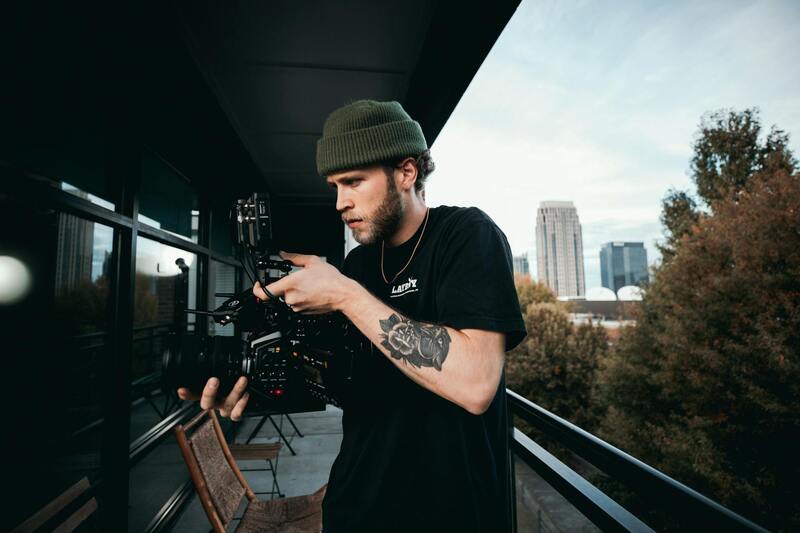
Achieving high-quality real estate videos requires careful attention to technical details that impact the final product. Camera selection is fundamental; professional-grade cameras with high resolution capabilities ensure the property’s features are captured clearly and vividly. DSLR or mirrorless cameras equipped with wide-angle lenses are preferred to showcase more of each room while maintaining image clarity. Proper shutter speed, aperture settings, and frame rates further enhance visual quality and smoothness of footage.
Stabilization is crucial in avoiding shaky footage that diminishes professionalism. Utilizing tripods or gimbals can produce steady shots essential for smooth walkthroughs and panoramic views. Additionally, proper lighting is a key factor, especially when shooting indoors. Employing diffused natural light or professional lighting kits ensures that the property's features are well-lit, colors are true to life, and shadows are minimized.
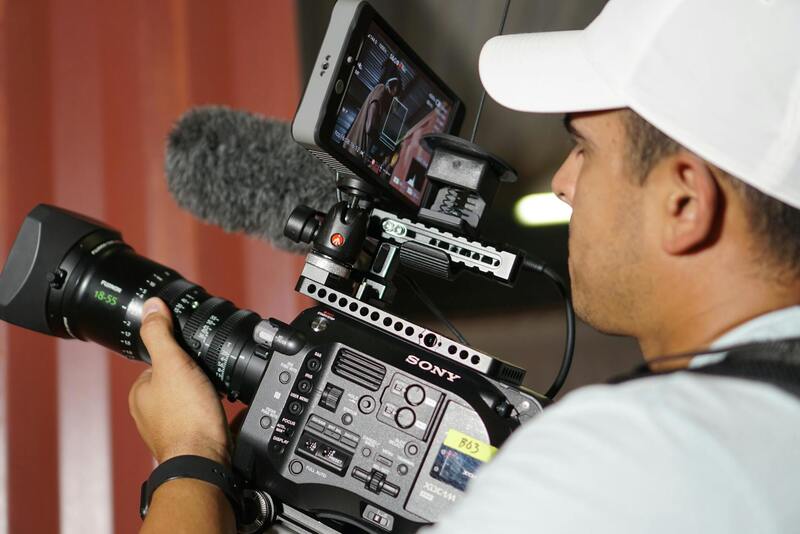
Sound quality also plays a significant role. External microphones, such as lapel or shotgun microphones, can significantly improve audio clarity during narration or interviews, making the video more engaging and informative. Background noise should be minimized, and ambient sounds should be controlled to avoid distractions.
Editing Techniques to Enhance Real Estate Videos
Post-production editing refines raw footage into a compelling visual story. Color correction and grading help achieve a consistent, appealing look that highlights the property’s best features and makes the visuals more vibrant. Using professional editing software, such as Adobe Premiere Pro or Final Cut Pro, allows for precise color adjustments, seamless transitions, and the removal of unwanted elements.
- Branded Intro and Outro: Including a professional logo and contact information at the beginning and end of the video boosts brand visibility and provides clarity on the listing agent’s identity.
- Transitions and Effects: Smooth transitions between shots maintain viewer engagement without overwhelming the visual flow. Keep effects minimal and professional to reinforce the video’s credibility.
- Background Music: Selecting subtle background music can enhance mood and viewer engagement, but it should never overpower narration or focus on the property.
Optimizing Videos for Distribution and Engagement
Once polished, the focus shifts to effective distribution. Hosting videos on a professional website, such as miamivideocompany.us, ensures direct access for potential buyers and helps improve search engine visibility. Optimizing video titles, descriptions, and tags with relevant keywords like "video production for real estate agents" enhances discoverability across online platforms.
Sharing videos across multiple social media channels, including Facebook, Instagram, and YouTube, broadens reach and increases engagement. Embedding videos in property listings and newsletters provides a multimedia experience that appeals to modern homebuyers, making property tours more accessible and compelling.
Effective call-to-actions within videos—such as prompting viewers to contact the agent or schedule a viewing—drive leads and conversions. Regularly updating content with fresh property videos maintains an active online presence and keeps prospective clients engaged.
Legal Considerations and Best Practices
When producing videos for real estate listings, adherence to established legal standards and best practices is essential for maintaining professionalism and safeguarding all parties involved. Ensuring compliance begins with securing permissions for all identifiable individuals and private properties featured in the videos. Property owners and residents should provide explicit approval for filming, especially in private spaces, to prevent potential disputes or misunderstandings.
It's vital to accurately represent the property without exaggeration or misrepresentation. Highlighting the true features, dimensions, and condition of the property fosters trust with viewers and avoids misleading advertising practices. Clear, honest descriptions accompanying the video content reinforce integrity and support a transparent marketing process.
Respecting intellectual property rights is crucial. This means avoiding the unauthorized use of copyrighted music, images, or footage within your videos. When incorporating music or other media, opt for licensed tracks or royalty-free options to prevent copyright infringements that could lead to legal complications.
Another important aspect involves privacy considerations related to surveillance footage or other sensitive content. Avoid including or disclosing private information or behaviors that could infringe on individual privacy rights. Background checks or due diligence can be beneficial before filming, particularly in multifamily or gated communities.
Furthermore, clearly disclose any partnerships or sponsorships associated with the video content. Transparency about affiliations with brands, services, or agents helps build credibility and prevents conflicts that could arise from undisclosed promotional content.
Finally, the use of clear, conspicuous calls-to-action (CTAs) within the videos encourages viewers to proceed with contact or inquiry in a manner that aligns with legal advertising standards. Aligning your video production strategies with these guidelines not only enhances credibility but also contributes to a smooth, professional marketing campaign that respects legal boundaries.
Legal Considerations and Best Practices
Ensuring compliance with established industry standards is vital when producing videos for real estate marketing. One of the core requirements involves securing appropriate permissions for all visual and audio content used within the videos. This includes acquiring licenses for copyrighted music, images, and footage, which helps prevent potential disputes and maintains a professional standing in the marketplace.
Respect for individuals’ privacy rights must be a priority during the filming process. Filming in shared spaces or private properties requires explicit consent from property owners or residents to avoid privacy breaches. It is prudent to conduct thorough background assessments of locations to identify any sensitive or confidential elements that should be excluded from the final cut.
Transparency in advertising is also crucial. Clearly reveal any relationships with sponsors, partners, or agents involved in the production. This transparency reassures viewers of the video's authenticity and builds credibility among prospective clients. Disclosure of such affiliations aligns with ethical marketing standards and helps prevent misunderstandings.
Embedding clear calls-to-action (CTAs) in your videos encourages potential clients to take the next step, whether that involves reaching out, scheduling a viewing, or requesting more information. However, such prompts must be crafted to comply with advertising regulations, ensuring communication remains respectful and transparent.
Additional legal best practices include maintaining accurate representations of properties, avoiding deceptive claims, and presenting a balanced view that accurately reflects the property’s features. This increases consumer trust and aligns with fair marketing practices.
Legal Best Practices for Real Estate Video Production
Ensuring compliance with legal standards during the production of real estate videos is fundamental to maintaining professional integrity and safeguarding all parties involved. This involves meticulous attention to the accuracy of property descriptions, honest representation of features, and adherence to advertising guidelines designed to promote transparency and consumer protection. Accurate depiction of the property prevents misunderstandings and builds long-term trust with prospective clients.
To uphold these standards, real estate agents and video producers should focus on presenting a balanced overview of the property. Highlighting both interior and exterior features without exaggeration helps to establish credibility. For example, accurately showcasing room sizes, renovation statuses, or included fixtures ensures viewers receive a truthful perspective, minimizing potential disputes or dissatisfaction down the line.
Another critical aspect involves respecting the privacy rights of individuals and property owners. Explicit permission must be obtained before filming private residences or shared spaces, especially in cases where personal belongings or confidential areas may inadvertently appear in the footage. This not only prevents privacy infringements but reinforces ethical standards within the industry.
Furthermore, legal considerations extend to the use of music, images, and visual content. All multimedia elements incorporated into videos should be either original, licensed, or sourced from reputable providers. This practice avoids copyright infringement, which could lead to legal disputes and damage the reputation of the responsible parties.
Transparency and Ethical Advertising
Transparency in all aspects of real estate videography enhances credibility and fosters trust. Clear disclosure of any communication between agents, videographers, or sponsors involved in the production process ensures that viewers are aware of the context behind the content. Such openness aligns with best marketing practices and demonstrates professionalism.
When including calls-to-action (CTAs), it is vital to ensure these prompts directly reflect the intentions of the marketing campaign and do not mislead viewers. Whether encouraging scheduling a property tour or requesting additional information, CTAs should be straightforward, respectful, and compliant with applicable advertising standards.
Documenting Property Features Accurately
Maintaining detailed and truthful descriptions of the property within the video and accompanying materials is essential. Inaccurate or exaggerated claims can erode consumer trust and result in legal repercussions. Instead, providing comprehensive visuals paired with factual narration allows potential buyers to make informed decisions based on authentic representations.
This balanced approach not only aligns with responsible marketing principles but also upgrades the overall professionalism of real estate marketing efforts. It sets a standard for ethical conduct, ensuring that potential buyers receive a clear, honest outlook of the property in question.