
Overview of Virtual Real Estate Photography
Virtual real estate photography has emerged as a powerful tool in the real estate industry, transforming how properties are presented and experienced by prospective buyers and investors. This innovative approach involves the creation of highly immersive, high-quality visual content that enables viewers to explore properties through digital platforms without physically visiting the location. Using advanced imaging techniques and cutting-edge technology, virtual real estate photography provides a detailed, accurate representation of a property's interior and exterior features, allowing users to navigate through spaces at their own pace and convenience.
The primary goal of virtual real estate photography is to enhance the online property listing experience by providing visually compelling and informative imagery. These virtual representations often include 3D renderings, panoramic views, and interactive tours that offer a comprehensive understanding of the property layout, spatial dimensions, and overall aesthetic appeal. This method facilitates increased engagement, enabling potential buyers to make more informed decisions based on a detailed visual understanding of the property’s attributes.
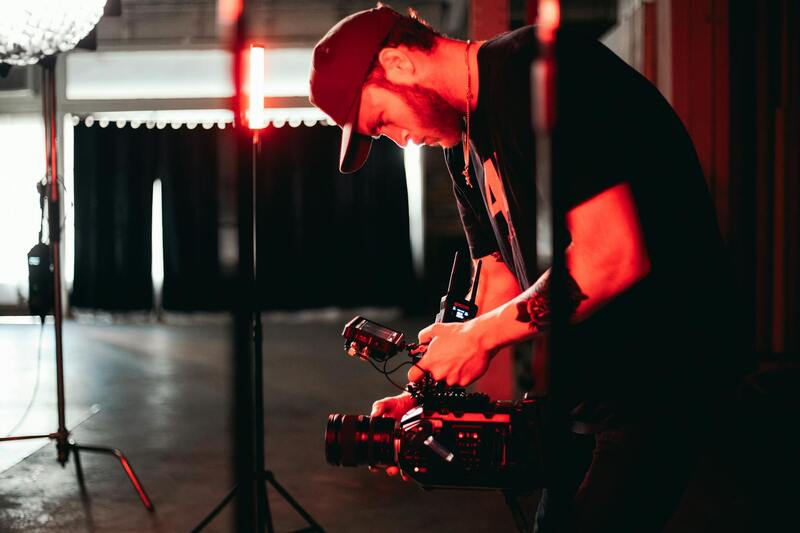
Virtual real estate photography plays a crucial role in the modern property market by addressing the needs of an increasingly digital-savvy audience. It helps real estate professionals expand their reach beyond geographic limitations, attracting a broader audience from various locations. Furthermore, it reduces the need for multiple physical visits, saving time for both agents and prospective buyers, while simultaneously enhancing the overall marketing strategy of property listings.
By leveraging high-resolution imagery, 360-degree panoramic shots, and interactive virtual tours, real estate agents can create engaging multimedia presentations that highlight the unique selling points of each property. These visual tools not only increase listing visibility but also build trust and transparency, showcasing the property as it truly is. As technology continues to evolve, virtual real estate photography remains a vital component in the digital transformation of property marketing, ensuring that property listings are as compelling and accessible as possible.
Tools and Technologies Used in Virtual Real Estate Photography
In the realm of virtual real estate photography, the deployment of advanced tools and technologies is essential for creating accurate, immersive, and compelling property representations. Modern virtual photography relies heavily on high-resolution cameras equipped with panoramic and 360-degree capabilities, allowing for detailed imagery that captures every aspect of a property’s interior and exterior. These cameras often feature features such as HDR imaging, tripod stabilization, and wide-angle lenses to ensure clarity and depth in each shot.
Beyond capturing images, specialized software plays a critical role in stitching and editing visuals to produce seamless virtual tours. This includes panoramic photo stitching software that combines multiple images into cohesive, 360-degree views, along with editing platforms that enhance lighting, remove distortions, and correct color balance for a professional appearance.
Virtual tour platforms and viewing applications serve as the interface through which potential buyers engage with the property remotely. These platforms often feature interactive elements such as clickable hotspots, floor plan integrations, and multimedia overlays that enrich the user experience. Compatibility across various devices—desktops, tablets, and smartphones—is a key consideration for maximizing accessibility.
Moreover, 3D modeling software enables the creation of detailed floor plans and virtual staging, allowing viewers to visualize the space with different furniture arrangements or color schemes. These tools are complemented by cloud storage solutions that facilitate easy sharing and hosting of virtual content, ensuring quick load times and optimal user experience.
Benefits for Real Estate Agents and Buyers
- Enhanced Exposure: Virtually staged and photographed properties reach a wider audience, including international buyers.
- Time Efficiency: Virtual tours reduce the need for physical viewings, enabling agents to focus on qualified prospects and buyers to explore properties at their convenience.
- Increased Trust: Clear, detailed visuals foster transparency, helping potential buyers make well-informed decisions.
- Competitive Edge: A well-curated virtual presentation distinguishes listings in a crowded market, attracting more attention.
- Visual Clarity: High-quality images and interactive features help emphasize a property’s best attributes.
Best Practices for Virtual Real Estate Photography
- Consistent Lighting: Use natural and artificial lighting effectively to highlight key features without creating shadows or overexposure.
- Declutter and Stage: Ensure spaces are tidy and staged to reflect the property’s potential.
- Neutral Perspectives: Capture images from multiple angles and heights to offer comprehensive views.
- Accurate Representation: Avoid over-editing or misrepresenting the space to maintain authenticity and transparency.
- Quality Over Quantity: Focus on capturing the property's strengths with crisp, high-resolution imagery rather than overwhelming viewers with excessive photos.
Legal and Ethical Considerations
Maintaining integrity and transparency in virtual real estate photography is essential to foster trust among clients and ensure a smooth transaction process. When creating virtual images and tours, real estate professionals should prioritize accurate representations of the property’s features, avoiding any form of misrepresentation that could mislead potential buyers.
Proper disclosure of editing techniques and virtual staging methods is integral to this process. Clearly communicating that certain elements have been digitally enhanced or staged helps set correct expectations and promotes honesty in listings. This approach not only complies with industry standards but also reassures buyers about the authenticity of the visual content.
Using official tools and licensed software is crucial for producing compliant virtual visuals. Practices such as obtaining necessary permissions for virtual modifications, respecting intellectual property rights, and ensuring consent from property owners contribute to a professional standard of operation.
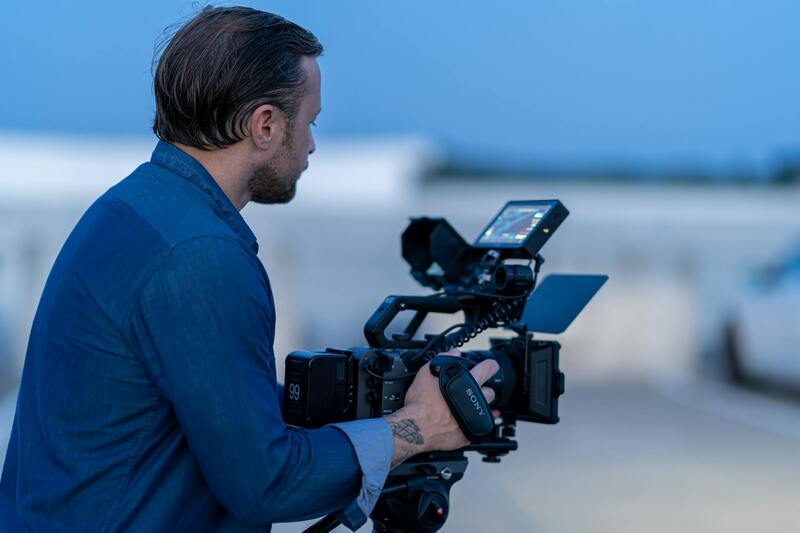
Furthermore, adhering to ethical principles involves providing the most comprehensive view of the property without exaggeration. For instance, avoiding the use of overly wide-angle lenses that distort spaces helps preserve the realistic perspective of the property. This promotes transparency and builds trust among potential buyers and agents.
In the digital age, safeguarding the integrity of virtual property visuals also extends to data protection. Ensuring that property images and associated personal data are stored securely and used responsibly aligns with professional conduct standards.
By respecting these considerations, real estate professionals can leverage virtual photography as a powerful, trustworthy tool that enhances marketing efforts while maintaining high ethical standards.
Tools and Technologies Used
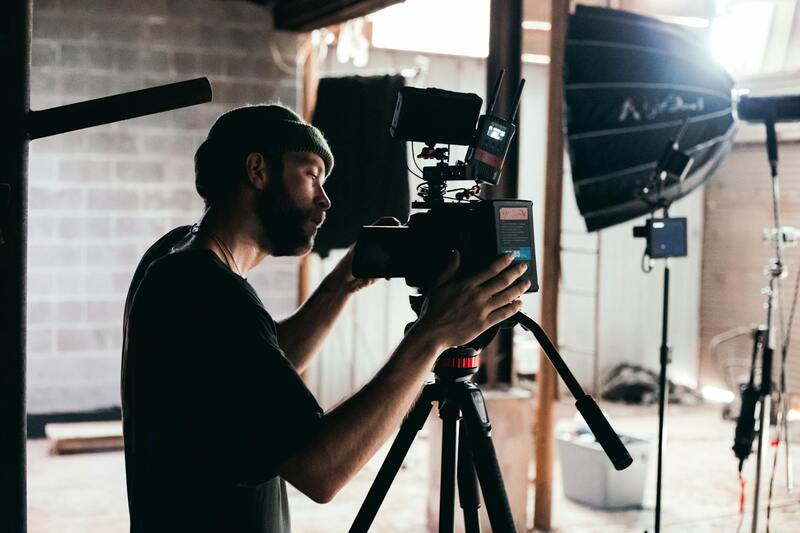
Creating high-quality virtual real estate photography involves an array of sophisticated tools and technologies that allow professionals to produce stunning, accurate representations of properties. The process typically begins with professional-grade digital cameras that capture ultra-high-resolution images capable of highlighting every detail of a property. Wide-angle lenses are often employed to maximize the coverage of interior spaces while maintaining realistic proportions, ensuring viewers receive a comprehensive view without distortion.
Complementing hardware, powerful editing software is essential for assembling, editing, and enhancing virtual tours. Programs such as Autodesk Revit, Adobe Photoshop, and specialized virtual tour platforms enable photo editors to correct lens distortions, adjust lighting, and incorporate virtual staging with precision. These tools facilitate seamless integration of 3D models, panoramic stitching, and virtual walkthroughs, elevating the immersive experience for potential buyers.

Many virtual tour creators utilize 360-degree cameras and LiDAR scanning devices to generate detailed spatial data. These devices capture entire environments quickly, translating into immersive, navigable tours that enable viewers to explore every corner of a property virtually. The combination of hardware innovations and robust software platforms allows for real-time rendering and interactive features, substantially enriching the virtual viewing experience.
Additionally, cloud-based storage solutions and data management systems play critical roles in handling large media files securely and efficiently. These systems ensure that virtual content remains protected, accessible, and easily updatable, supporting real estate professionals in maintaining consistent, high-quality visuals across multiple listings.
As technology continues to evolve, emerging tools such as augmented reality (AR) overlays and artificial intelligence (AI) driven editing are beginning to enhance the scope and realism of virtual real estate photography. Such advancements promise more dynamic and engaging virtual experiences that can adapt to specific buyer preferences and facilitate faster, more informed decision-making processes.
Best Practices for Virtual Real Estate Photography
To maximize the impact of virtual real estate photography, professionals should adhere to established best practices that ensure the highest quality and most accurate representations of properties. High-resolution imaging is essential; using advanced 360-degree cameras and drone photography can capture comprehensive views of both interior and exterior spaces, showcasing the property's full potential. Proper lighting plays a crucial role in virtual photography—bright, natural lighting enhances image clarity and highlights key features, while avoiding shadows that obscure details.
Staging the property before capturing images is equally important. Even for virtual tours, a clean, decluttered environment with neutral tones and strategic furniture placement can make spaces appear more inviting and spacious. Consistency in photographic style across listings helps reinforce branding and provides viewers with a cohesive virtual experience.
Post-production editing should focus on enhancing clarity, correcting color balance, and removing distractions without altering the true appearance of the property. This process ensures the visuals are compelling yet authentic. When creating virtual tours, incorporating smooth transitions, clear navigation cues, and interactive hotspots can significantly improve user engagement.
Finally, attention to technical details such as image file compression—so as to balance quality with loading speed—is vital for providing a seamless digital experience. Optimized multimedia content reduces the risk of slow load times, which can deter potential buyers from engaging further with the virtual tour.
Legal and Ethical Considerations
Creating virtual real estate photography involves adhering to industry standards and ethical practices that maintain the integrity of the property presentation. One primary consideration is obtaining proper authorization before capturing images or creating virtual tours of a property. Ensuring there is clear consent from property owners or authorized representatives not only respects ownership rights but also fosters transparency between real estate professionals and clients.
Accurate representation is critical in virtual real estate photography. This entails capturing images and videos that reflect the property's true condition without misleading potential buyers. Manipulating images through excessive editing or digital enhancements that significantly alter the appearance of the property can lead to misrepresentation. Such practices can erode trust and may result in legal complications if buyers feel misled by unrealistic portrayals.
Another important aspect is the disclosure of virtual enhancements or alterations made during post-production. Transparency about any modifications—such as color adjustments or object removal—helps maintain authenticity and aligns with ethical standards. This transparency informs viewers and ensures they receive an honest preview of the property.
Additionally, respecting privacy laws and regulations concerning the use of image and video content is essential. This includes avoiding the capture of private areas or confidential information unintentionally displayed in the virtual media. Implementing secure storage and distribution protocols for virtual content ensures that sensitive information is not compromised.
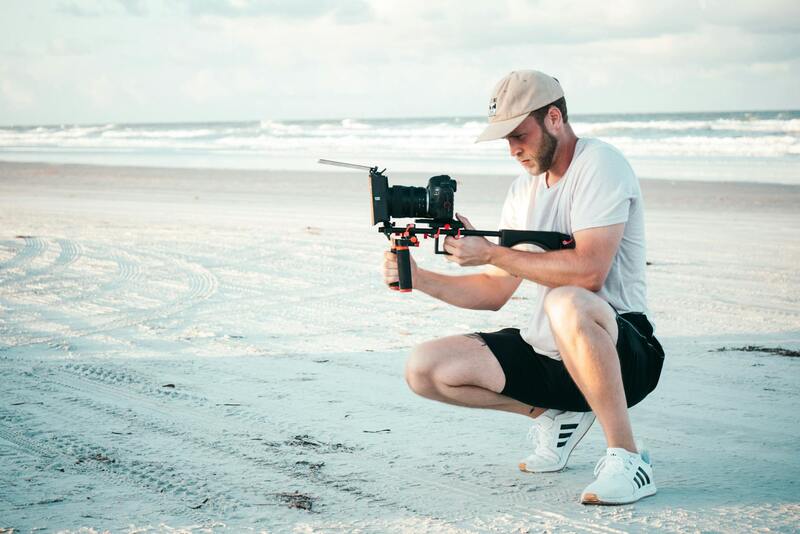
Complying with these guidelines helps create a trustworthy environment where virtual real estate photography serves as an honest and effective marketing tool. When implemented ethically, virtual imagery amplifies a property's appeal and supports the professional reputation of the real estate agency.
Future Trends in Virtual Photography
The landscape of virtual real estate photography is continually evolving, integrating new technologies and innovative approaches. Advances in 3D scanning, augmented reality (AR), and virtual reality (VR) are poised to redefine how properties are presented and experienced. These tools enable immersive virtual walkthroughs that allow prospective buyers to explore properties more interactively from anywhere, anytime.
Artificial intelligence (AI) plays an increasing role in automating aspects of virtual content creation, such as image enhancement, scene reconstruction, and even personalized virtual staging based on user preferences. This automation allows for quicker turnaround times and highly customized viewing experiences, making property marketing more efficient and targeted.
Additionally, the integration of live virtual tours, where agents can guide potential buyers through a property in real-time, is gaining popularity. These sessions combine the benefits of interactive communication with the convenience of virtual viewing, fostering a more engaging and responsive experience.
As these technologies become more sophisticated and accessible, real estate professionals must stay informed and adaptable. Implementing cutting-edge virtual real estate photography techniques will be crucial in standing out in a competitive market, especially in vibrant hubs like Miami where distinctive, high-quality virtual content offers a significant advantage in attracting discerning buyers and tenants.
Legal and Ethical Considerations
In the realm of virtual real estate photography, especially within dynamic markets like Miami, adhering to established standards for content creation and distribution is essential. This ensures transparency, respects individual rights, and maintains the integrity of property marketing efforts.
Transparency begins with clear disclosure about the use of digital enhancements or modifications. When virtual staging or image adjustments are applied, real estate professionals should communicate these updates to potential buyers to provide an honest depiction of the property. This approach fosters trust and helps manage expectations, ensuring clients receive accurate representations of the physical spaces.
Respecting privacy rights is particularly important when capturing images or videos that might inadvertently include personal belongings, private areas, or individuals. Proper techniques involve obtaining permissions if identifiable individuals are featured or if sensitive areas are included in virtual tours, preventing any breach of privacy norms or discomfort for current residents.
Copyright considerations are equally important, with the obligation to use licensed or original media for virtual content. Utilizing copyrighted images or virtual assets without authorization can lead to legal complications, undermining credibility and risking financial penalties. Professional virtual real estate photography relies on legally sourced images, as well as respecting intellectual property rights associated with virtual staging software and digital assets.
Additionally, maintaining up-to-date copies of consent forms, licensing agreements, and disclosures provides a clear record that supports ethical standards throughout the marketing process. As virtual real estate marketing continues to evolve, establishing and following these practices preserves the trust between agents, sellers, and prospective buyers, reinforcing a commitment to responsible and respectful property presentation.
Legal and Ethical Considerations in Virtual Real Estate Photography
Conducting virtual real estate photography involves meticulous adherence to established norms that uphold the integrity of property marketing practices. This includes ensuring that all visual content, whether images or videos, is derived from properly licensed or originally created media. Any use of copyrighted materials without appropriate permissions can result in significant repercussions, including financial penalties and reputational damage.
Furthermore, respecting privacy rights is critical. Virtual tours may inadvertently capture personal belongings, private spaces, or individuals, which necessitates obtaining explicit consent when identifiable persons are featured or when sensitive areas are visible. Clear communication with current residents or property owners about the scope and content of virtual visualizations helps maintain transparency and trust.
Legal compliance extends beyond privacy and copyright to include necessity for documented permissions. Maintaining thorough records with signed consent forms and licensing agreements ensures accountability and facilitates any future reference needs. This diligence demonstrates professionalism and commitment to ethical standards, reinforcing credibility in the competitive real estate market.
Operators should also be aware of virtual assets and software used in creating virtual tours. Using tools that are appropriately licensed or open-source mitigates risks related to copyright infringement. Proper management of digital assets not only preserves compliance but also promotes a transparent process that fosters confidence among clients and prospects alike.
 igure>
Developing a comprehensive understanding of ethical principles in virtual property marketing involves ongoing education and awareness. Establishing internal protocols for consent, licensing, and privacy management ensures consistent application across all virtual marketing efforts. As the industry continues to evolve with advancing technology, maintaining these standards is fundamental to building a reputable presence in the Miami real estate scene and beyond.