
Overview of 3D House Photography
3D house photography has emerged as a vital tool in contemporary real estate marketing, providing immersive visual experiences that enhance traditional property imagery. Unlike standard photographs, which capture a fixed perspective, 3D imaging employs advanced scanning and rendering technologies to create detailed virtual models of properties. This approach allows potential buyers to explore homes interactively, gaining a comprehensive understanding of space, layout, and design elements.
The technology behind 3D house photography involves capturing multiple images or scans of a property from various angles. These data points are then stitched together through specialized software to generate a detailed, navigable three-dimensional model. This process offers a realistic and accurate visual representation of a property’s interior and exterior spaces, bridging the gap between virtual tours and in-person visits. As a result, 3D visualizations have become an indispensable addition to property listings, especially in competitive markets where engaging, high-quality content can influence buyer decisions significantly.

In comparison to conventional photography, 3D house imaging provides several advantages: it eliminates geographical barriers, offers a detailed spatial understanding, and allows for self-guided tours at the convenience of viewers. This is particularly important in today’s fast-paced real estate landscape where buyers seek instant access to property information. Furthermore, 3D images can be integrated into virtual reality platforms, diversifying marketing channels and reaching broader audiences. As a pivotal component of modern property marketing strategies, 3D house photography continues to evolve, offering increasingly sophisticated and user-friendly experiences that improve listing visibility and buyer satisfaction.
Key Technologies and Equipment Used
Creating high-quality 3D house photography requires a combination of advanced hardware and sophisticated software tools. The primary equipment used includes specialized 3D scanners, high-resolution cameras, and infrared sensors. These devices enable precise data collection of interior and exterior spaces, capturing intricate details and spatial dimensions accurately. Lidars and laser scanners are particularly popular, as they can generate dense point clouds that serve as the foundation for detailed 3D models.
In addition to hardware, powerful processing units are essential to compile large datasets efficiently. Software solutions like Matterport, CubiCasa, and Matterport Pro2 assist in processing scan data, stitching images seamlessly, and producing immersive virtual environments. These platforms often come with user-friendly interfaces that allow for quick editing, annotation, and integration of multimedia elements, such as floor plans and labels.
Lighting equipment also plays a pivotal role during the imaging process, especially in low-light environments or interior spaces with complex lighting conditions. Proper lighting ensures that textures and surfaces are captured with clarity, without shadows or reflections that could compromise the accuracy of the final model.

The interplay of these technologies enables real estate professionals to produce precise, detailed, and visually appealing 3D visualizations. The selection of appropriate devices depends on the property size, complexity, and desired level of detail. Ensuring compatibility between hardware and software adds to the efficiency and quality of the final product, making it possible to meet diverse client needs and showcase properties effectively.
Steps Involved in Creating 3D House Content
Developing compelling 3D house images involves several carefully coordinated steps that ensure a seamless and accurate virtual representation:
- Property Preparation: Clearing clutter, optimizing lighting conditions, and setting up the space for scanning or photography reduce artifacts and enhance data quality.
- Data Collection: Using 3D scanners or multiple fixed-angle photographs, technicians capture comprehensive data sets from various viewpoints within the property.
- Data Processing: The collected raw data is imported into processing software, where it is cleaned, aligned, and merged into a cohesive 3D point cloud or mesh.
- Model Refinement: Surface textures, colors, and additional multimedia elements are added to enhance realism. Annotations or hotspots can be embedded to highlight key features.
- Export and Integration: The finalized 3D model is exported in compatible formats for online viewing, virtual tours, or integration into marketing platforms.
Each stage demands meticulous attention to detail to preserve the spatial accuracy and visual fidelity necessary for engaging property presentations.
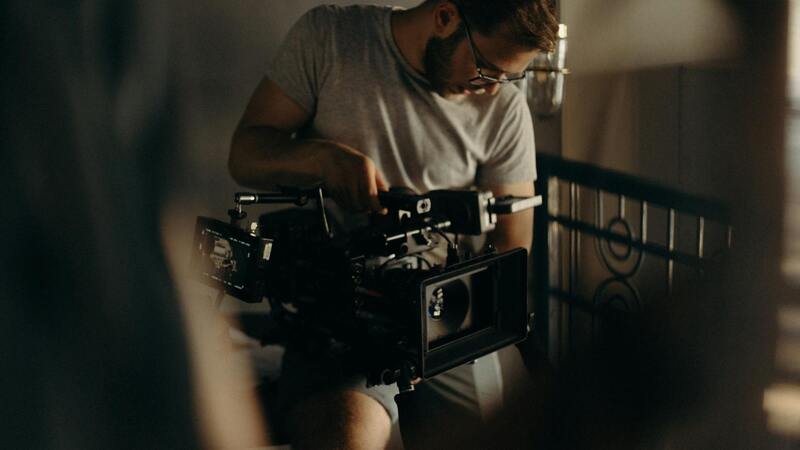
Utilizing the right combination of technologies and adhering to systematic procedures ensures the production of high-caliber 3D visual content. This not only enhances the visual appeal of property listings but also provides prospective buyers with an immersive experience, bridging the gap between virtual exploration and physical inspection. Continuous advancements in imaging technology and processing algorithms further streamline this workflow, delivering ever more realistic and detailed virtual representations of Miami’s unique real estate market.
Key Technologies and Equipment Used
Creating high-quality 3D house photography requires a combination of advanced technologies and specialized equipment. These tools enable the capture of detailed spatial data, realistic textures, and immersive visual experiences that are essential in modern real estate marketing. The core hardware includes 3D laser scanners and high-resolution digital cameras, both of which work in tandem to gather accurate spatial measurements and high-fidelity imagery.
3D laser scanners are pivotal in acquiring precise geometric data of interior and exterior structures. They emit laser beams that reflect off surfaces, generating dense point clouds that map every nook and cranny of the property with millimeter accuracy. These point clouds form the foundational dataset for constructing detailed 3D models. Conversely, high-resolution digital cameras capture extensive photographic data, which, when processed alongside laser scans, enhances the textural detail and realism of the virtual environment.
Software solutions play a crucial role in processing the raw data collected by hardware. Programs such as Matterport, CubiCasa, or Faro Scene facilitate data registration, alignment, and model generation. They allow technicians to merge multiple scans or images into a single, cohesive 3D model. Rendering engines and graphics software like Autodesk ReCap, Blender, or 3ds Max are used for refining these models, adding surface textures, lighting, and accurate color reproduction.

The deployment of these technologies ensures detailed visualization, enabling potential buyers to experience the property remotely with a fidelity that closely mimics actual visits. The integration of virtual reality (VR) hardware, such as VR headsets, further enhances the immersive experience, making visualizations more interactive and engaging.
Cost-effective and efficient scanning techniques, combined with high-performance processing hardware, facilitate quicker project turnaround times without compromising quality. This technological synergy has become indispensable for real estate professionals seeking to showcase Miami’s diverse and vibrant property market with maximum clarity and detail.
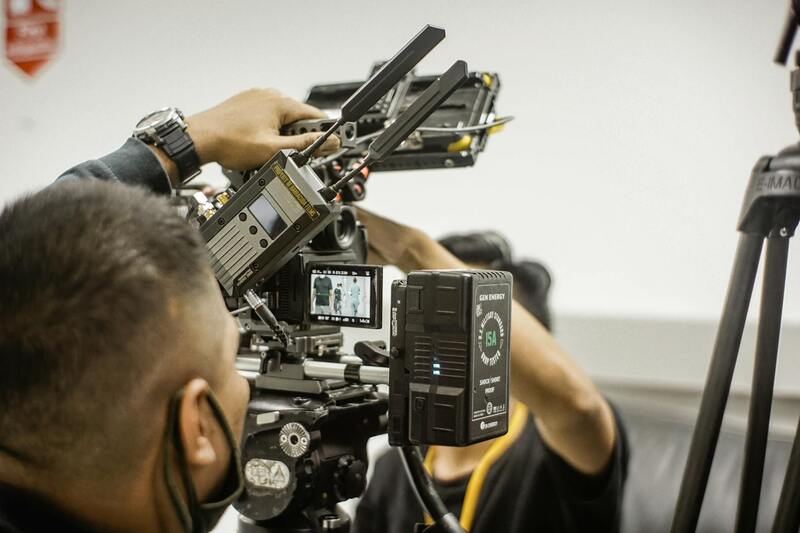
Key Technologies and Equipment Used in 3D House Photography in Miami
Implementing high-quality 3D house photography relies heavily on a suite of advanced technologies and specialized equipment. Laser scanners, such as terrestrial laser scanning (TLS) devices, are prominently used to capture precise spatial data of a property’s interior and exterior. These devices emit laser beams that measure distances by calculating the time it takes for the beam to reflect back, creating highly accurate point clouds representing every detail of the environment.
In addition to laser scanning, panoramic imaging and high-resolution digital cameras play a vital role. Panoramic cameras enable the capture of 360-degree images that, when stitched together, form seamless virtual tours. High-resolution DSLR or mirrorless cameras are used to capture detailed photographs that serve as textures and reference points during the 3D modeling process. These images contribute to realistic surface textures, color fidelity, and lighting accuracy within the virtual environment.
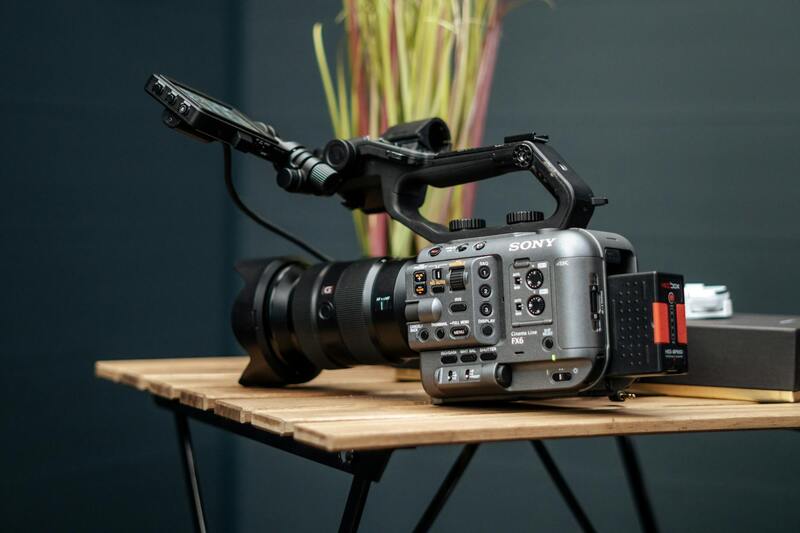
Data processing hardware, including powerful computers with high-performance GPUs, is essential for handling large datasets generated during scans and image captures. Specialized software solutions parse raw data, align multiple scans, and generate cohesive 3D models. Software such as Matterport, Faro Scene, or CubiCasa streamlines these workflows, facilitating efficient model creation and editing.
For rendering and refining 3D models, tools like Autodesk ReCap, Blender, or 3ds Max are employed. These enable professionals to add surface textures, accurate lighting, and realistic color depth, heightening the immersion and authenticity of virtual property tours. Virtual reality hardware can further enhance visualization, enabling potential buyers to explore properties interactively with dedicated headsets, creating a spatial understanding that mimics real-world visits.
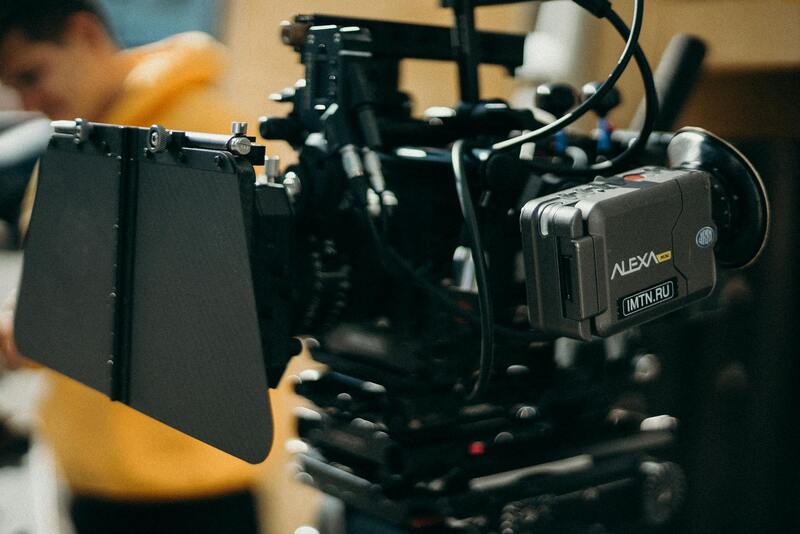
Adopting these cutting-edge technological solutions ensures that property visualizations are not only accurate but also compelling, fostering greater engagement among prospective buyers seeking detailed virtual property experiences. This integration of technologies empowers real estate professionals in Miami to showcase properties more vividly, helping clients make informed decisions even from afar.
Cost and Implementation Considerations
Implementing professional 3D house photography requires an understanding of the associated costs and logistical considerations. The initial investment typically involves acquiring or renting specialized equipment, including high-definition 360-degree cameras, laser scanners, and powerful computing hardware. Clients should also factor in professional services for data processing, model creation, and virtual tour editing, which can vary depending on the complexity and size of the property. Operationally, scheduling multiple scanning and photography sessions can impact timelines, especially for large or multi-story homes. Ensuring proper lighting conditions and staging before capturing images enhances the quality of the final 3D content. Additionally, trained technicians are essential to execute these processes efficiently, ensuring accuracy and high-quality outputs. From a cost perspective, the scope of services selected affects the overall budget. Basic 3D tours focusing on key areas might be less expensive, while comprehensive virtual walkthroughs with detailed textures and interactive features demand higher investment. Real estate professionals should evaluate the potential return on investment, considering how enhanced visualizations can accelerate sales and attract more qualified buyers. Furthermore, integration of 3D content into existing marketing strategies involves considerations related to website infrastructure, VR hardware compatibility, and social media promotion. Proper planning ensures seamless deployment of virtual tours across multiple platforms, maximizing visibility. In the long run, adopting scalable solutions and partnering with experienced providers can streamline implementation, reduce costs, and maintain high standards of presentation.

Cost and Implementation Considerations
Implementing 3D house photography involves careful assessment of both financial investment and strategic integration. The costs associated with these services can vary significantly based on the scope of the project, the size of the property, and the level of detail desired. Typically, basic 3D tours, which highlight primary living spaces and key features, are more budget-friendly and suitable for most residential listings. Conversely, more comprehensive virtual experiences that include detailed textures, interactive floor plans, and immersive walkthroughs necessitate a higher expenditure.
Real estate agents and sellers should consider the potential return on investment when evaluating these costs. Enhanced visual representations of properties tend to attract more interest, reduce time on the market, and often lead to quicker sales at competitive prices. These benefits can offset the initial expenditure, especially in competitive markets like Miami where eye-catching visuals are crucial.
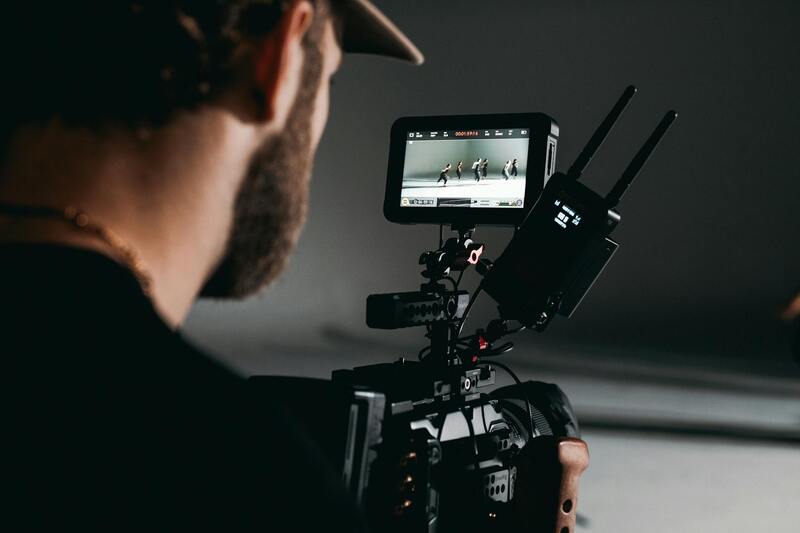
Effective integration of 3D photography into marketing strategies involves several operational considerations. It is essential for real estate professionals to collaborate with experienced service providers who can deliver precise, high-resolution content. Proper planning includes scheduling sufficient time for property preparation—such as staging and lighting—to optimize photo quality.
Additionally, seamless deployment across digital platforms requires compatibility with various website architectures, social media channels, and virtual reality hardware. Ensuring that the virtual tours are mobile-friendly and easily accessible on multiple devices maximizes exposure.
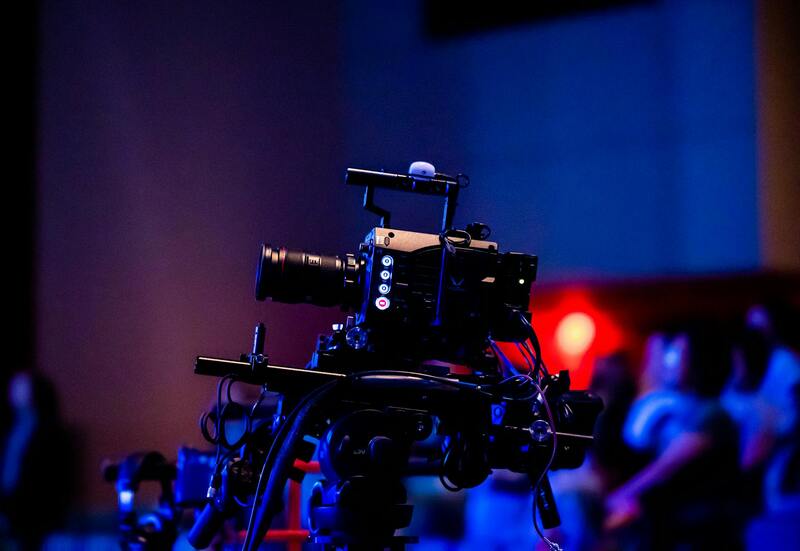
Establishing a consistent workflow and partnering with experienced providers can streamline the process, minimize disruptions, and uphold high production standards. Since technology rapidly advances, staying updated with the latest equipment and software is vital to delivering cutting-edge visualizations. Investing in scalable solutions that accommodate future expansion—such as augmented reality integrations—can provide long-term value.
Development of 3D House Photography Content
Creating compelling 3D house photography involves a structured approach that combines technical expertise with strategic planning. Initially, capturing the property requires high-resolution scanners or cameras capable of producing detailed and precise spatial data. This data is then processed through specialized software to generate immersive virtual models. During this phase, attention to detail is paramount, ensuring that every corner, feature, and architectural element is accurately represented.
Once the initial scans are complete, the process continues with meticulous editing and refinement. This step may involve color correction, lighting adjustments, and setting optimal viewpoints to highlight key features of the property. The goal is to produce a seamless and realistic visualization that accurately reflects the home's appearance and ambiance.
Integration of additional elements, such as furniture or landscaping, can enhance the viewing experience by providing context and scale. Moreover, incorporating interactive features like clickable hotspots or embedded information points allows viewers to access detailed property features or agent contact details seamlessly.

Throughout the production process, collaboration with property owners and real estate professionals is vital. Feedback loops help ensure that the final content aligns with marketing objectives and presents the property in the best possible light. Prioritizing consistency in lighting, perspective, and scale across different rooms and exterior views contributes to the overall realism and professionalism of the presentation.
Technological advancements continue to enhance the capabilities and efficiency of 3D house photography workflows. Cloud-based processing, real-time rendering, and AI-assisted editing are increasingly integrated into the process, reducing turnaround times while maintaining high quality. As these tools evolve, real estate professionals can expect more dynamic and customizable virtual tours that offer enriched user experiences.
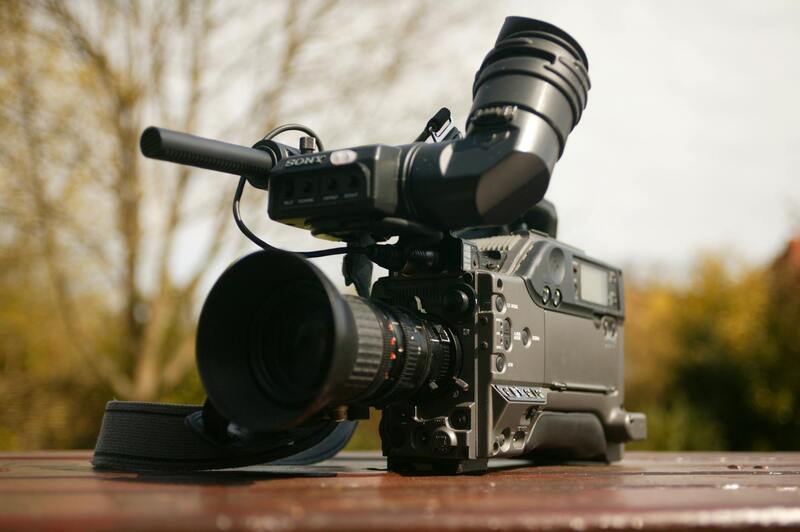
Enhancing 3D House Photography with Additional Technologies and Approaches
Beyond fundamental imaging techniques, integrating supplementary technologies can significantly elevate the quality and effectiveness of 3D house presentations. Techniques such as drone photography, augmented reality (AR), and virtual staging enable a comprehensive visualization of the property that resonates with prospective buyers. These methods not only provide immersive perspectives but also facilitate a more detailed understanding of how a property fits within its surroundings and meets various lifestyle needs.
Integrating Aerial Perspectives Using Drone Technology
Drone photography integrated into 3D models presents an expansive view of the property and its environs. Such aerial imagery offers potential buyers a sense of scale, neighborhood layout, and nearby amenities, which are crucial factors in decision-making. When embedded within interactive 3D tours, aerial shots complement ground-level visuals, creating a layered understanding of the property’s context and landscape.
Application of Augmented Reality for Interactive Engagement
Augmented reality (AR) enhances the viewer’s experience by overlaying digital elements onto real-world views. In real estate, AR can be used to enable clients to virtually furnish rooms, visualize renovation options, or see how outdoor landscaping might look with different plantings. When incorporated into 3D house photography, AR tools empower prospects to explore properties dynamically, making the virtual experience more personalized and engaging.
Utilization of Virtual Staging to Maximize Appeal
Virtual staging involves digitally furnishing and decorating empty rooms within a 3D model. This approach helps buyers envisage the potential of a space without the logistical constraints of physical staging. It allows for customization based on target demographics and current market trends, and the digital nature ensures quick updates and modifications. Virtual staging with 3D photography also tends to be more cost-effective and flexible, providing sellers with attractive visuals that can directly influence buyer interest.
Advancements in Software for Real-Time Rendering and Customization
Emerging software solutions facilitate real-time rendering and interactive customization options. This technology enables real estate professionals to present tailored virtual tours that adapt to the viewer’s preferences and inquiries instantly. For instance, users can adjust lighting conditions, change furniture styles, or explore different color schemes during the virtual walkthrough. These capabilities create a highly personalized experience that can accelerate the decision-making process.
Market Impact and Future Potential
The continual evolution of these advanced technologies influences how properties are marketed and perceived in Miami's vibrant real estate scene. As technology becomes more accessible and sophisticated, real estate professionals can offer increasingly immersive and convincing virtual presentations. The integration of AI and machine learning is expected to play a pivotal role in automating editing processes, optimizing visual quality, and providing predictive analytics to better target prospective buyers.
Ultimately, the strategic application of these tools not only enhances visual appeal but also streamlines marketing efforts, saving time and resources while delivering an engaging shopping experience. As Miami’s real estate market remains highly competitive, leveraging comprehensive, innovative 3D photography solutions will become indispensable for staying ahead and ensuring maximum property exposure.