
Role and Importance of Certification in Real Estate Photography
In the competitive field of real estate marketing, high-quality visuals are essential for attracting potential buyers and tenants. A certified real estate photographer brings more than just camera skills; they uphold a standard of professionalism that enhances credibility and trustworthiness. Certification signifies a photographer’s commitment to excellence, mastery of industry best practices, and knowledge of specialized techniques tailored for real estate presentation. Clients and real estate professionals prioritize certified photographers because they are assured of consistent, professional results that meet industry standards.
Certification acts as a benchmark of expertise, demonstrating that the photographer has invested in their professional development and adheres to recognized standards. This reassurance translates into more impactful property listings, heightened market competitiveness, and ultimately, faster property sales. In a market where visual appeal can make or break a deal, the role of a certified real estate photographer becomes vital in shaping successful marketing campaigns.

Impact on Credibility and Client Trust
When hiring a real estate photographer, clients seek assurance that their property’s visuals will be handled with skill and consistency. Certification provides tangible evidence of a photographer’s expertise, significantly increasing their perceived credibility. It establishes a professional reputation that fosters client confidence, encourages repeat business, and attracts referrals. Well-certified photographers are more likely to stay updated with emerging industry trends and technological advancements, ensuring their clients receive top-tier services.
For real estate agencies and property owners, engaging a certified real estate photographer means lower risk of subpar visuals and delays caused by inadequate photography. This level of professionalism helps align property marketing efforts with the expectations of the modern real estate consumer, who increasingly depends on high-quality visuals to inform their purchasing decisions.
Enhancement of Marketing Strategies
Property marketing today relies heavily on visual content across multiple platforms. Certified real estate photographers understand how to utilize lighting, angles, and post-processing techniques that highlight a property’s best features. They often possess a keen eye for detail, ensuring that each shot resonates with potential buyers, creates emotional appeal, and captures the true essence of a property. Their competence extends to understanding market-specific requirements, ensuring that images conform to platform standards for optimal display.
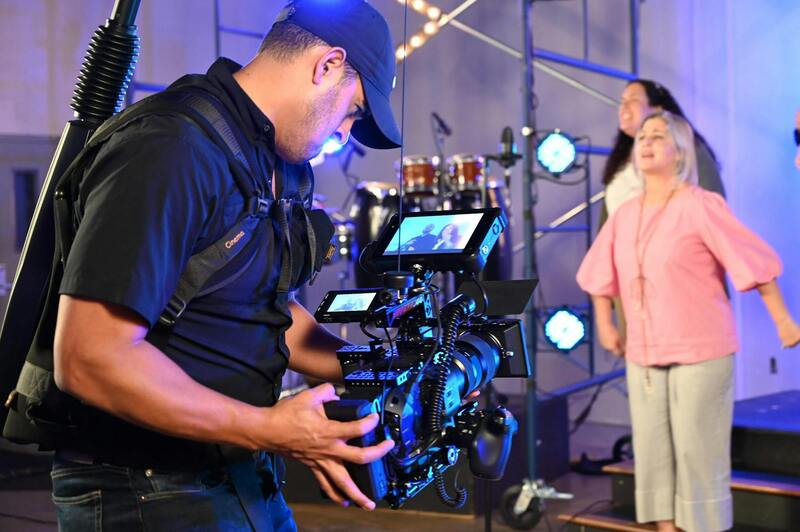
In summary, certification elevates the quality of real estate photography, influences client perceptions, and directly impacts the success of property marketing. It is an essential credential for professionals who aim to deliver reliable, consistent, and visually compelling property visuals in today’s real estate environment.
Qualifications and Requirements for Certification
Becoming a certified real estate photographer necessitates a specific blend of technical expertise, practical experience, and ongoing education. Professionals seeking certification must demonstrate proficiency in photographic fundamentals, such as exposure, composition, and lighting. Mastery of advanced techniques like HDR imaging, drone photography, and virtual staging often forms part of the skill set evaluated during certification processes. r>r> Candidates typically need to possess a robust portfolio showcasing their ability to capture properties in an appealing and accurate manner. This portfolio is critical in assessing their competence in highlighting architectural features, interior spaces, and exteriors. Many certification programs require a certain number of completed projects, verified through client testimonials or portfolio reviews. r>r> In addition to technical skills, applicants should display familiarity with property marketing principles and platform-specific image requirements. Knowledge of different camera equipment and editing software, such as Adobe Photoshop or Lightroom, enhances their capability to produce high-quality visuals. r>r> Educational prerequisites may include completing specialized courses or workshops geared toward real estate marketing and professional photography. Industry-recognized certifications can also involve passing comprehensive exams that evaluate both theoretical knowledge and practical skills. r>r> Ongoing training or recertification is often necessary to stay current with emerging trends, technological advancements, and evolving client expectations. This continuous learning ensures that certified photographers maintain their proficiency and uphold industry standards.

Benefits of Hiring a Certified Real Estate Photographer
Engaging a professional with certification in real estate photography offers numerous advantages that directly influence property presentation and sales success. Certified photographers bring a proven level of expertise, ensuring that images are not only visually appealing but also strategically composed to highlight a property's best features. r>r> Their understanding of lighting techniques ensures that interior and exterior spaces are illuminated accurately, avoiding shadows that can obscure details. These professionals are adept at using advanced equipment and editing tools to optimize each shot, resulting in crisp, vibrant visuals that attract potential buyers. r>r> A certified photographer’s familiarity with platform standards guarantees that images will be well-suited for various digital platforms, from MLS listings to social media channels. This compatibility helps property listings stand out in crowded markets, capturing the attention of a broader audience. r>r> Moreover, the consistency and reliability associated with certified professionals can reduce the need for reshoots and revisions, saving time and resources for property owners and agents. Confidence in the quality of photography translates into expedited sales cycles and increased client satisfaction. r>r> Employing a certified real estate photographer also enhances branding and credibility in the competitive Miami housing market. Properties presented with high-quality visuals often command higher asking prices and sell more swiftly, reflecting the significant impact professional photography has on overall marketing effectiveness.
Role and Importance of Certification in Real Estate Photography
Certification in real estate photography signifies a professional commitment to high standards, ensuring that images of properties are captured, edited, and presented with precision and expertise. In a competitive market like Miami, where visual presentation can dramatically influence buyer interest, having certified real estate photographers enhances credibility and trust. Certified professionals are trained to employ advanced photographic techniques, utilize state-of-the-art equipment, and adhere to industry best practices for capturing the most compelling features of a property.
These photographers understand the nuances of optimal lighting, staging, and composition, enabling them to produce images that not only showcase the property’s aesthetic appeal but also accurately represent its spatial dimensions. The skillful use of lenses, lighting setups, and editing tools ensures high image quality—details that are crucial for attracting potential buyers and standing out online. Moreover, certification often reflects a commitment to ongoing professional development, allowing photographers to stay updated with technological advancements and evolving market trends.

Employing a certified real estate photographer contributes significantly to effective digital marketing strategies. Listings with professionally captured images tend to draw more views, generate increased engagement, and facilitate faster sales cycles. Such visual content aligns seamlessly across different platforms, whether on MLS, social media, or property websites, ensuring clarity, consistency, and maximum impact.
Having certified professionals also mitigates the need for costly reshoots or extensive post-editing, as their expertise minimizes errors and enhances image presentation from the outset. Their familiarity with industry standards ensures compliance with platform-specific requirements, such as aspect ratios and image resolutions, optimizing each photo for maximum visibility and appeal.
Ultimately, certification underscores a photographer’s dedication to quality and professionalism, crucial for building trust with real estate agents, property owners, and prospective buyers. It assures clients that their property is being showcased in the best possible light, thereby boosting market confidence and fostering stronger relationships within the Miami real estate scene.
Role and Importance of Certification in Real Estate Photography
Certification in real estate photography serves as an essential benchmark that distinguishes highly skilled professionals in the industry. It confirms that a photographer possesses not only the technical proficiency required to capture compelling property visuals but also a thorough understanding of industry standards, customer expectations, and marketing strategies. Certified real estate photographers are recognized for their consistent ability to produce images that enhance the appeal of listings, ultimately influencing viewer engagement and investment decisions. The certification process typically encompasses comprehensive training, practical assessments, and ongoing education to ensure photographers remain current with technological innovations and evolving market preferences.

This validation fosters trust among clients, including real estate agents, property owners, and buyers, providing assurance that marketing visuals meet high standards of quality and professionalism. As the real estate market becomes increasingly visual-driven, the role of certified professionals becomes even more vital in differentiating listings and attracting potential buyers more effectively.
Qualifications and Requirements for Certification
Achieving certification in real estate photography involves a combination of technical mastery, industry knowledge, and practical experience. Typically, candidates are expected to demonstrate proficiency in several core areas:
- Technical Skills: Mastery of camera settings, lighting techniques, and post-processing software to produce sharp, vibrant images.
- Knowledge of Architectural Features: Ability to highlight key property details and optimize space perception through strategic framing and angles.
- Understanding of Market Standards: Familiarity with platform-specific image requirements, aspect ratios, and marketing best practices.
- Client Communication Skills: Effective collaboration with clients to understand their objectives and translate them into compelling visuals.
The certification process typically includes a combination of coursework, practical assignments, and a portfolio review. Recertification is usually required every few years, involving refresher courses and updated assessments to ensure that photographers stay aligned with industry advancements and best practices.
Standards and Best Practices in Property Photography
Adherence to established standards ensures that all images meet the expectations of clients and comply with platform requirements. Best practices often involve:
- Utilizing natural and supplemental lighting to achieve bright, inviting images.
- Ensuring the property is clean, well-staged, and accurately represented.
- Employing wide-angle lenses judiciously to depict space without distortion.
- Maintaining consistency in style and quality across all visual content.
- Applying minimal post-editing to enhance realism while preserving the property’s authenticity.

Incorporating these best practices not only elevates visual presentation but also reinforces professional credibility. Property listings complemented by premium imagery tend to attract more attention, generate higher engagement, and reduce time on market. Certification signifies a commitment to maintaining these standards and continuously improving skills in line with the latest industry developments.
Role and Importance of Certification in Real Estate Photography
Certifications serve as a formal acknowledgment of a photographer’s expertise, mastery of industry standards, and commitment to quality in real estate imagery. For property owners and agents, partnering with a certified real estate photographer ensures that visual representations reflect the true essence, space, and appeal of a property. With a certified professional, there is an assurance that images are produced with a consistent methodology, utilizing techniques that meet the rigorous demands of modern property marketing. Certifications often encompass knowledge in lighting, composition, and editing, all tailored specifically to showcase real estate properties effectively.
This formal recognition elevates a photographer’s standing within the industry, distinguishing them from less experienced counterparts. Certifications also encourage adherence to best practices, ensuring that every image meets a set of professional criteria designed to maximize property appeal. Such standards help to eliminate common pitfalls, such as poor lighting, inaccurate staging, or distorted perspectives, which can undermine a listing’s effectiveness. For clients, the choice of a certified real estate photographer translates into increased confidence, better marketing outcomes, and a quicker sale process.
Qualifications and Requirements for Certification
Obtaining certification typically involves a comprehensive assessment of a photographer’s technical skills, understanding of industry-specific standards, and ability to produce compelling visuals. Candidates are often required to demonstrate proficiency in areas such as lighting techniques, composition, and post-processing, which preserve the authenticity of the property while enhancing its visual appeal. Many certification programs involve completing specific coursework, engaging in practical assignments, and submitting a portfolio of diverse real estate images for review.
The evaluation process ensures that aspiring certified photographers have a solid foundation in both technical skills and industry best practices. Recurrent recertification is common, involving updated training modules and testing to ensure continued proficiency and adaptation to evolving trends and technologies within the field. In addition, some programs may require ongoing education or participating in industry seminars that focus on new equipment, software, and marketing strategies.
Benefits of Hiring a Certified Real Estate Photographer
Engaging a certified professional offers tangible advantages in the competitive landscape of real estate marketing. Certified photographers are trained to optimize every aspect of image capture, ensuring that each listing stands out in a crowded marketplace. These professionals are equipped with advanced techniques to manage lighting, perspective, and staging digitally, resulting in vibrant, true-to-life images that attract more potential buyers.
- Consistent quality in all visual content that reinforces brand credibility.
- Higher engagement rates on property listings, leading to faster sales.
- Enhanced ability to highlight unique features and spatial qualities of a property.
- Adherence to platform-specific image requirements, reducing the risk of listing rejection.
- Long-term cost savings through reduced need for re-shoots or extensive post-editing.
Additionally, quality imagery contributed by certified photographers translates into fewer revisions and a more efficient marketing process. This professionalism aligns with the aspirations of real estate firms seeking to establish a reputation for excellence, ensuring that properties are portrayed at their best and maximum interest is generated among prospective buyers.
Key Skills and Techniques for Certified Real Estate Photographers
Certified photographers develop a suite of specialized skills tailored explicitly to real estate marketing. These include mastery of wide-angle lenses to capture expansive spaces without distortion, proficiency in lighting techniques—both natural and supplemental—to produce bright and inviting images, and an understanding of staging to ensure that properties are presented in their best light. Post-processing skills are also crucial, focusing on minimal edits designed to improve clarity, color accuracy, and overall aesthetic without compromising authenticity.
The ability to adapt to various property types and architectural styles is vital, allowing photographers to highlight the most favorable features of each property. Additionally, technical knowledge of camera settings, tripod usage, and image stabilization contributes to capturing sharp, professional-quality photos. Effective composition, to guide the viewer’s eye through a property, combined with attention to detail, ensures that each image communicates a compelling story that resonates with potential buyers.
Role and Importance of Certification in Real Estate Photography
Certification in real estate photography serves as a formal acknowledgment of a photographer’s expertise, adherence to industry standards, and commitment to delivering high-quality visual content. This credential acts as a mark of trust, indicating to clients—be it real estate agents, property managers, or homeowners—that the photographer has met specific benchmarks for technical proficiency and artistic skill. As the real estate market becomes increasingly competitive, the visual presentation of properties plays a pivotal role in attracting prospective buyers and closing sales efficiently. Certified photographers are equipped with the latest techniques, equipment, and industry best practices to produce compelling images that elevate property listings. Such certification often involves rigorous assessments, practical evaluations, and continuous education, ensuring that photographers stay current with evolving technology trends and marketing strategies.

Qualifications and Requirements for Certification
The pathway to certification typically involves a combination of educational prerequisites, practical experience, and adherence to industry standards. Candidates are usually required to demonstrate a portfolio of previous work that showcases proficiency in various property types and lighting conditions. Many certification programs mandate completion of specialized training courses focused on wide-angle photography, lighting techniques, staging, and post-processing to ensure compositional excellence. Additionally, proficiency with professional camera equipment, including DSLR or mirrorless cameras, external lighting, and stabilization tools, is essential. Some programs may also include written assessments and practical exams to evaluate technical knowledge and artistic sensibility. Once certified, photographers often need to participate in recertification processes, which may include ongoing education credits or renewed assessments, to uphold their credentials.
Standards and Best Practices in Property Photography
Adherence to established standards guarantees consistency, quality, and authenticity in property images. Certified real estate photographers follow guidelines related to optimal lighting, composition, and staging to ensure each shot accurately represents the property's true character. These standards emphasize minimizing distortion by using proper lens choices and camera positioning, as well as maintaining color accuracy and image clarity through calibrated equipment and post-processing work. Further, best practices recommend capturing multiple angles, including interior and exterior views, to provide a comprehensive visual story of the property. Ensuring images are free of clutter and distractions, while highlighting architectural features and space flow, contributes significantly to attracting interest from potential buyers. The consistent application of these practices helps real estate listings stand out in online portals and marketing campaigns, ultimately leading to quicker sales and higher property valuations.
Role and Importance of Certification in Real Estate Photography
Certification acts as a benchmark of professional expertise and commitment within the real estate photography industry. It provides reassurance to clients that the photographer possesses a comprehensive understanding of the technical and aesthetic aspects necessary to produce compelling property images. Certified photographers adhere to established standards, ensuring consistency, accuracy, and high-quality presentation of property listings. This professionalism not only helps in attracting potential buyers but also enhances the overall reputation of the real estate marketing process. In competitive markets like Miami, having certified expertise means that the photographer is trained to highlight a property's best features effectively, thereby increasing market appeal and accelerating sale timelines.
Qualifications and Requirements for Certification
The pathway to becoming a certified real estate photographer typically involves fulfilling specific prerequisites. Candidates must demonstrate a proven track record of professional photography experience, often supplemented with a portfolio showcasing their work. Many certification programs require applicants to complete specialized training that covers camera techniques, lighting, composition, and post-processing. Additionally, practical assessments or examinations may be employed to evaluate technical proficiency and artistic ability. Continued education is often encouraged or mandated to keep certification current, ensuring photographers stay updated on emerging trends, tools, and best practices within the industry.
Benefits of Hiring a Certified Real Estate Photographer
Engaging a certified real estate photographer offers numerous advantages in property marketing. Such professionals bring a reliable skill set that ensures each image accurately reflects the property's layout, features, and character. This authenticity attracts serious buyers and minimizes misrepresentation. Certified photographers also possess advanced knowledge of optimal equipment use, including the latest lenses, lighting solutions, and stabilization tools, which translates into high-resolution, visually appealing images. Furthermore, their adherence to industry standards guarantees consistency across listings, fostering brand trust and elevating the overall quality of marketing campaigns. This can result in faster sales and potentially higher market prices, as high-quality visuals command greater attention online and in print media.
Key Skills and Techniques for Certified Real Estate Photographers
- Technical Proficiency: Mastery over DSLR or mirrorless cameras, understanding aperture, shutter speed, ISO, and lens selection to optimize image quality.
- Lighting Expertise: Skill in utilizing natural light and supplemental lighting to illuminate interiors and exteriors evenly and attractively.
- Staging and Composition: Ability to arrange spaces attractively and select framing angles that accentuate the property's best features.
- Post-Processing: Knowledge of editing software to refine images for color accuracy, brightness, and clarity without over-processing.
- Attention to Detail: Ensuring images are free from distractions, clutter, or distortions, maintaining a sharp focus and true-to-life representation.
Standards and Best Practices in Property Photography
Certified real estate photographers consistently adhere to industry best practices that promote the highest quality visuals. They prioritize proper camera settings and equipment calibration to achieve accurate color reproduction and sharpness. Composition guidelines include capturing multiple exterior and interior angles, emphasizing architectural features and spatial flow. To minimize distortions, the use of tilt-shift lenses or perspective correction techniques is common. Effective staging and decluttering of spaces are integral to presenting the property in its best light. Proper lighting, both natural and artificial, ensures that images are well-exposed and inviting. Post-processing is employed meticulously to enhance images while maintaining authenticity, aligning with the standards set forth by certification providers. These practices collectively result in images that stand out in online listings and marketing materials, capturing the attention of prospective buyers.

Role and Importance of Certification in Real Estate Photography
Certification in real estate photography serves as a formal recognition of an individual's expertise, technical skill, and commitment to industry standards. For property owners and real estate agents, hiring a certified professional ensures that their listings will be represented through images that meet specific quality benchmarks, thereby maximizing market appeal and attracting serious buyers. Certification acts as a mark of trust, indicating that the photographer adheres to established procedures for capturing, editing, and presenting property images, which are crucial elements in competitive real estate markets such as Miami.
Such credentials assure clients that the photographer is knowledgeable about the latest gear, techniques, and best practices. They also reflect a dedication to continuous learning and professional growth, which translates into consistently high-quality visual content. The importance of certification extends beyond photographic skill; it encompasses an understanding of the nuances of lighting, composition, and staging specific to real estate. These professional standards help mitigate common pitfalls like poor exposure, skewed perspectives, or over-edited images that can diminish a property’s appeal. Certified professionals are equipped to produce imagery that accurately depicts the property's uniqueness, helping listings stand out online and in print.

Qualifications and Requirements for Certification
Becoming a certified real estate photographer requires meeting specific qualifications and completing structured training programs that encompass technical skills, aesthetic principles, and industry-specific knowledge. Typically, candidates must possess a foundational understanding of photography principles, including exposure, shutter speed, aperture, and white balance. Many certification programs also emphasize proficiency with professional-grade cameras, wide-angle lenses, and editing software.
Additional requirements often include demonstrating a portfolio of real estate images that exhibit competence in capturing both interiors and exteriors, highlighting architectural features, and showcasing the spatial flow of properties. Engagement in ongoing education is encouraged, with recertification processes that reinforce adherence to the latest techniques, technological advancements, and industry standards. Certification bodies usually mandate a practical assessment—comprising realistic photography tasks—to evaluate a candidate’s ability to produce market-ready images under diverse conditions.
Key Skills and Techniques for Certified Real Estate Photographers
- Optimal use of camera equipment and lighting setups to ensure balanced brightness and color accuracy.
- Mastery of composition rules such as the rule of thirds, leading lines, and symmetry to create visually compelling images.
- Utilization of advanced techniques like HDR photography, panorama stitching, and perspective correction to capture detailed, distortion-free visuals.
- Effective staging and decluttering to present spaces attractively and truthfully.
- Meticulous post-processing to enhance images without compromising authenticity, focusing on clarity, contrast, and color fidelity.

Standards and Best Practices in Property Photography
Adhering to industry-recognized standards is fundamental for certified real estate photographers. These practices include calibrated use of camera settings, careful selection of angles to showcase room dimensions, and strategic lighting to create inviting atmospheres. Consistent staging and interior preparation are prioritized to eliminate distractions and highlight architectural features. Perspective correction techniques, such as the use of tilt-shift lenses or software adjustments, help maintain true proportions and prevent distortion.
During post-processing, certified photographers focus on refining images to accentuate their visual appeal while preserving the property's realistic appearance. Emphasis is placed on color accuracy, minimal editing to reduce visual clutter, and ensuring consistent tone across images. This rigorous approach guarantees that digital listings draw attention, evoke positive emotional responses, and accelerate buyer interest.
The Certification Process and Recertification
The journey toward certification typically involves completing specialized training modules, passing practical evaluations, and adhering to industry standards. Many organizations require applicants to submit a portfolio of work for review, demonstrating their ability to produce professional real estate images. Some certifying bodies also include written examinations that cover technical knowledge, safety protocols, and ethical considerations.
Recertification is an ongoing process, often mandated annually or biennially, to ensure professionals keep up with emerging trends, technological innovations, and evolving best practices. Participants may be required to complete continuing education courses, participate in workshops, or submit new work samples. This continual development sustains high standards within the industry and reassures clients of the photographer’s commitment to excellence.
Impact of Certified Photography on Property Marketing
Listings captured by certified real estate photographers typically see a marked difference in engagement metrics. High-quality, compliant images help properties stand out in crowded online marketplaces, increasing click-through rates, viewings, and ultimately, sale prices. The consistency and professionalism associated with certification foster trust among potential buyers and real estate professionals, reinforcing the authenticity of marketing campaigns.
Furthermore, properties portrayed through certified photography benefit from a cohesive visual narrative that effectively communicates space, lighting, and ambiance. This comprehensive representation supports strategic marketing efforts across various platforms, from online listings to social media, and print brochures. As a result, properties gain increased visibility, reduced time on market, and a higher likelihood of attracting suitable buyers who appreciate professional presentation and accurate property depiction.