Understanding the Importance of Creative Real Estate Photography
In the competitive Miami real estate market, standing out is essential for property success. Creative real estate photography plays a pivotal role in capturing the true essence and beauty of a property, transforming standard images into compelling visual stories that resonate with potential buyers. By showcasing homes with artistic flair and innovative techniques, real estate professionals can significantly enhance the property’s appeal, attracting more viewings and fostering quicker sales cycles.
Effective visual presentation is the first impression a prospective buyer will have of a property. When photos highlight unique architectural features, expansive views, and inviting interiors through creative perspectives and lighting, they do more than just depict a space—they evoke emotion and imagination. In Miami’s vibrant real estate landscape, where luxury properties, waterfront homes, and modern condos abound, creative photography becomes essential to differentiate listings in a crowded marketplace.
Furthermore, properties displayed through captivating images tend to encourage higher engagement online. This increased interest translates into a greater number of scheduled viewings, more inquiries, and a higher likelihood of closing deals swiftly. In an area where buyer preferences are ever-evolving, leveraging innovative and visually appealing photography techniques allows real estate agents to stay ahead of trends and meet client expectations effectively.
Beyond aesthetics, creative real estate photography also helps mitigate different challenges, such as dim lighting or awkward room layouts. Skillful use of visual techniques can reframe challenges into opportunities to highlight a property’s strengths. As a result, tailored imagery plays a crucial role in transforming ordinary spaces into extraordinary listings, giving Miami property owners and agents a distinct edge in a dynamic market environment.
Ultimately, well-executed creative photography is not merely an artistic endeavor but a strategic investment. It is instrumental in building trust with clients, establishing professional credibility, and ensuring that listings receive optimal visibility. For real estate professionals in Miami committed to delivering exceptional service, incorporating innovative and artistic visual solutions can markedly influence the speed and success of property transactions.
Types of Creative Photography Techniques
In the realm of innovative real estate imagery, employing diverse photographic techniques is vital to capturing the essence of a property in a compelling manner. Techniques such as drone photography provide breathtaking aerial perspectives that showcase the property and its surroundings from an expansive vantage point. For luxury listings or properties with extensive landscapes, drone shots can highlight outdoor amenities, proximity to notable landmarks, and overall scale.
HDR (High Dynamic Range) imaging offers enhanced detail in both shadows and highlights, ensuring interior shots reflect true lighting conditions, especially in spaces with challenging light balance. This technique brings vibrancy and depth to images, making rooms look more inviting and spacious. Similarly, panoramic photography enables potential buyers to virtually immerse themselves in a space, providing a 360-degree view that captures the entire layout in a single shot.
Unique angles and creative framing can dramatically alter the perception of a space. Shooting from low or high vantage points, incorporating architectural lines, or framing windows and doorways creatively can yield distinctive images that stand out in listings. Twilight or dusk photography can also add a warm, inviting ambiance, emphasizing the property's exterior lighting and landscape features during the magic hour. These techniques, when executed thoughtfully, not only enhance visual interest but also communicate a property’s character and potential.
Preparing Properties for Creative Photography
Preparation is fundamental to maximize the impact of creative imagery. Ensuring the property is clean, clutter-free, and well-staged allows visual elements to shine through. Brightening indoor spaces with additional lighting, removing personal items, and arranging furniture to highlight key features contribute to a polished presentation. Repainting or addressing minor repairs can elevate the overall aesthetic, creating a conducive environment for artistic photography.
Strategically minimizing distractions within the visible frame helps capture a clear and compelling story of the space. When outdoor shots are involved, landscaping should be manicured, and outdoor furniture or decor arranged to complement the property’s architecture. Taking the time to prepare a property thoroughly sets the stage for more dynamic and visually interesting images that resonate with prospective buyers.
Choosing the Right Equipment and Software
Advanced equipment significantly enhances the quality and versatility of creative real estate photography. High-resolution DSLR or mirrorless cameras equipped with wide-angle lenses are standard, allowing photographers to capture expansive interiors and exteriors with clarity. For aerial shots, professional drones with stabilized gimbals provide smooth, high-quality footage from above. Tripods and remote shutter releases ensure sharp images, especially in low-light settings.
Post-processing software like Adobe Photoshop and Lightroom is essential for refining images. These tools allow for adjustments in brightness, contrast, color balance, and perspective correction, ensuring each shot aligns with the intended visual narrative. Editing can further enhance the mood—deepening shadows, enriching colors, or subtly retouching to remove distractions—resulting in polished images that meet high standards of professionalism.
Collaborating with Local Miami Production Agencies
Partnering with local Miami-based production agencies offers advantages such as familiarity with the regional real estate market and access to specialized equipment and technicians. These agencies often have experience in creating visually impactful content that aligns with market trends and audience preferences. Collaboration includes pre-shoot planning, shot list development, and on-site coordination to ensure the creative vision is realized effectively.
Working with seasoned professionals also provides insights into innovative techniques tailored to Miami’s unique architectural styles and outdoor environments. Such local partnerships often lead to faster turnaround times and higher-quality results, positioning listings to attract more attention in the competitive Miami real estate landscape.
Types of Creative Photography Techniques
Harnessing innovative photography techniques enhances the visual storytelling of a property, capturing its unique essence and appeal. Each method offers specific advantages, allowing real estate professionals to craft compelling visuals that resonate with prospective buyers and investors. Key creative techniques include:
- Drone Photography: Elevated aerial shots provide sweeping views of the property and its surroundings, highlighting landscaping, proximity to amenities, and neighborhood appeal. Drones equipped with high-resolution cameras allow for dynamic perspectives that stand out in listings and marketing campaigns.
- Wide-Angle Photography: Utilizing wide-angle lenses creates an expansive view of interiors and exteriors, making spaces appear larger and more inviting. This technique helps incorporate more of a room into a single shot, delivering a comprehensive visual impression.
- Twilight Shots: Capturing images during the twilight hours accentuates ambient lighting, creating a warm and inviting atmosphere. Twilight photography is particularly effective for showcasing properties with attractive outdoor lighting, pools, or scenic views, as it adds a romantic and luxurious feel.
- Virtual Staging: By digitally inserting furniture, artwork, and decor into vacant rooms, virtual staging transforms empty spaces into stylish, market-ready environments. This approach offers a cost-effective way to help potential buyers visualize the potential of a property without physical staging.
 igure>
Beyond these core techniques, emerging trends like 3D virtual tours, augmented reality overlays, and hyperlapse videos are expanding the horizons of real estate imagery. These advanced methods not only enhance engagement but also provide immersive experiences that can influence buying decisions, particularly in a vibrant market like Miami.
Implementing these strategies requires a nuanced understanding of technical elements and artistic sensibilities to ensure that each shot aligns with the property’s unique characteristics. Proper planning, equipment selection, and post-processing are vital to elevate the visuals and effectively communicate the property's story to prospective clients.
Choosing the Right Equipment and Software
Successful creative real estate photography hinges on the selection of appropriate equipment and editing tools. High-quality cameras capable of capturing detailed images with excellent dynamic range are fundamental, especially for highlighting both interior atmospheres and exterior features. A professional-grade DSLR or mirrorless camera equipped with wide-angle lenses allows for capturing expansive views of rooms and outdoor spaces, creating a sense of grandeur that appeals to potential buyers.
Stabilization equipment such as gimbals and tripod systems ensures sharp, distortion-free images and smooth videography, particularly when incorporating dynamic shots like virtual walk-throughs or aerial views. For interior spaces with varying lighting conditions, high Dynamic Range (HDR) imaging techniques can blend multiple exposures, ensuring details are clear in shadows and highlights.

On the editing side, software like Adobe Lightroom and Photoshop are crucial for refining images, adjusting brightness, contrast, and color balance to produce vivid, true-to-life visuals. For virtual staging or digital enhancements, programs such as SketchUp or Photoshop allow for seamless integration of furniture and decor, helping potential buyers visualize living spaces more effectively.
Emerging tools powered by artificial intelligence now facilitate automated enhancements, noise reduction, and image retouching, streamlining post-processing workflows. Mastery of these tools ensures that each image communicates the property’s unique qualities with clarity and aesthetic appeal.
Collaborating with Local Miami Production Agencies
Partnering with seasoned Miami-based production agencies offers access to specialized expertise in creative real estate photography. These collaborations often bring together photographers, drone operators, and videographers experienced in the local market, ensuring that visuals resonate with regional tastes and preferences. Local agencies are also familiar with the nuanced aesthetics that perform well in Miami's competitive real estate scene, from vibrant outdoor shots to captivating twilight imagery.
Such partnerships typically provide comprehensive service packages, incorporating planning, shoot execution, and post-production. The agency's familiarity with local regulations regarding drone operations and property access facilitates smooth project coordination. This local expertise ensures that each visual asset aligns with marketing strategies, helping listings stand out in a crowded market.
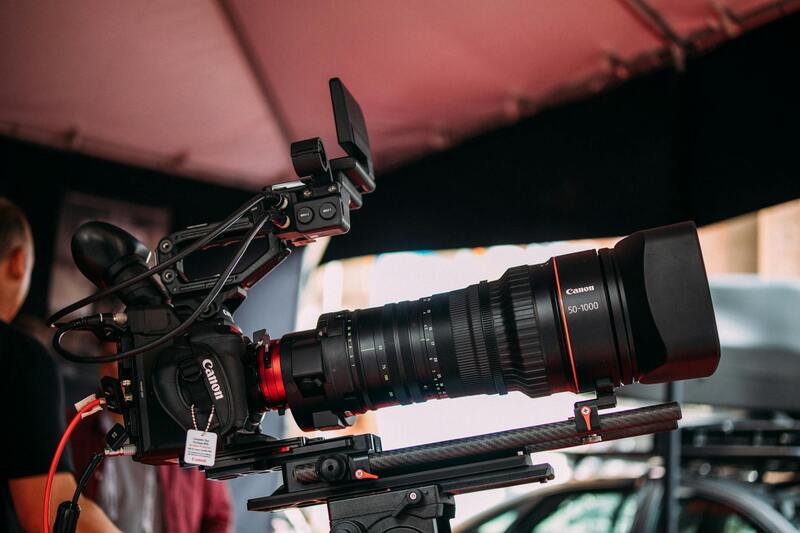
By leveraging local knowledge and technical proficiency, real estate professionals can elevate their visual content, creating striking, memorable imagery that captures the essence of Miami's vibrant lifestyle and diverse properties. These collaborations also support consistent branding and high production standards, essential for attracting discerning buyers and investors in the region.
Understanding the Importance of Creative Real Estate Photography
Creative real estate photography plays a pivotal role in capturing the essence and unique appeal of a property. It goes beyond standard images by emphasizing aesthetic elements, angles, and lighting techniques that showcase the property in its best light. This approach not only attracts potential buyers but also positions the listing as more memorable and desirable in a competitive market. In vibrant regions like Miami, where properties often feature distinctive architecture and lively surroundings, creatively styled images can significantly influence viewer engagement and decision-making.
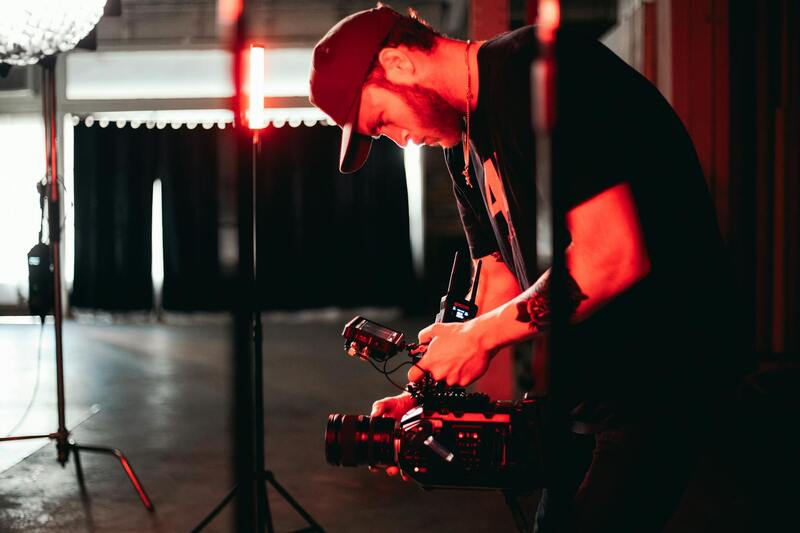
Effective creative photography emphasizes space, light, and ambiance, making potential buyers envision themselves living in the property. It helps to convey the lifestyle associated with the location, whether it’s a beachfront condo, a luxury estate, or a modern urban apartment. Incorporating aesthetic elements such as natural light, vibrant colors, and unique perspectives distinguishes listings from basic photographs, elevating the overall marketing strategy.
Key Elements of Creative Real Estate Photography
- Lighting Techniques: Utilizing natural light and supplemental lighting to highlight architectural features and interior details.
- Unique Angles and Perspectives: Shooting from elevated or unconventional angles to give a fresh view of spaces.
- Composition and Framing: Applying principles such as the rule of thirds, leading lines, and symmetry to create balanced and engaging images.
- Color Enhancement: Using color grading and editing to produce vibrant yet authentic visuals that attract attention.
- Environmental Context: Including external surroundings, nearby amenities, and neighborhood features to add context and appeal.
Types of Creative Photography Techniques
- Night and Twilight Shots: Capturing properties during the evening to highlight lighting features and ambiance.
- Drone Photography: Providing aerial views to showcase property size, landscape, and proximity to local attractions.
- HDR Imaging: Combining multiple exposures to enhance detail in both bright and shadowed areas.
- Panoramic Shots: Creating wide-angle images that display entire rooms or exterior vistas in one frame.
- Virtual Staging: Using software to digitally furnish empty spaces, helping buyers visualize potential.
Preparing Properties for Creative Photography
Preparation is essential to maximize the impact of creative imagery. Thoroughly cleaning and decluttering spaces ensure that the focus remains on the property’s features. Staging rooms with tasteful decor and neutral tones can enhance visual appeal and allow potential buyers to imagine their lifestyle within the property.
Timing the shoot to coincide with optimal lighting conditions—such as during golden hour or early morning—can magnify the property’s aesthetic. Additionally, coordinating with tenants or owners for access and ensuring that outdoor areas are well-maintained contribute to seamless, high-quality results.
Understanding the Importance of Creative Real Estate Photography
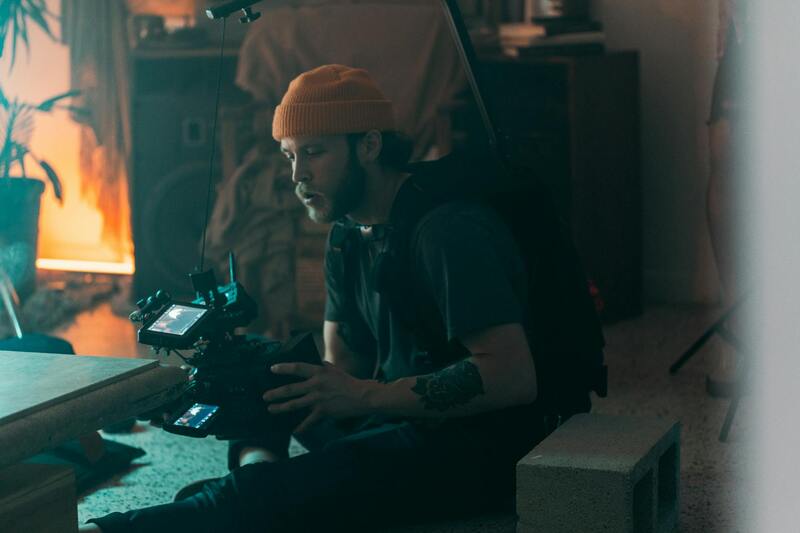
Creative real estate photography elevates property listings to stand out in a competitive market by showcasing homes and commercial spaces through innovative visuals. Properly executed creative techniques can highlight architectural features, expand perceived space, and evoke emotional connections with prospective buyers. This form of photography goes beyond static images; it captures the essence and atmosphere of a property, making it more memorable and engaging. By presenting properties in a compelling way, agents can generate increased interest, attract higher-quality leads, and shorten the selling cycle. Moreover, creative imagery can communicate lifestyle benefits, neighborhood charm, and unique property characteristics that standard photos might not convey effectively. When strategically integrated into marketing campaigns, creative real estate photography becomes a powerful tool to maximize property visibility across digital platforms and print media, ensuring each listing resonates with target audiences and appeals to their aspirations and emotional drivers.
Key Elements of Creative Real Estate Photography
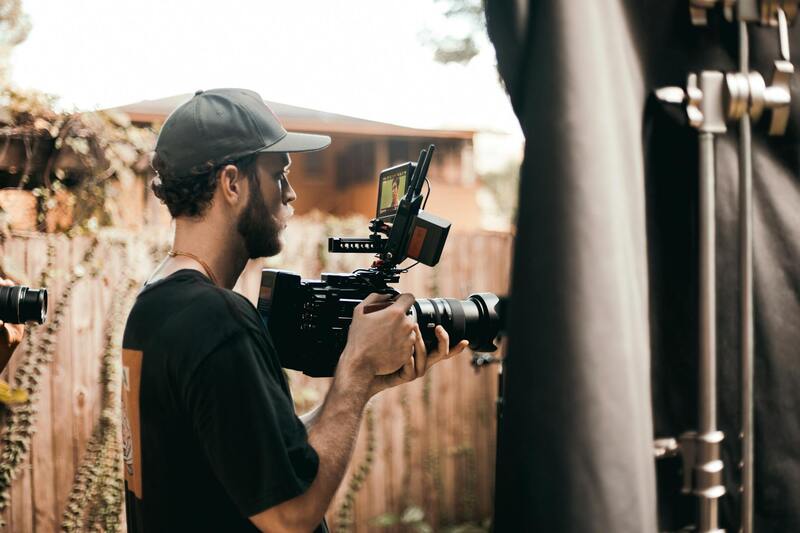
Successful creative real estate photography hinges on several core elements that combine technical skills with artistic vision:
- Lighting: Proper lighting enhances the property’s features, creating warmth or drama as needed. Natural light during golden hour or twilight can add a magical quality to images.
- Composition: Thoughtful framing directs viewers’ attention to key areas, emphasizing both spatial flow and design aesthetics. Symmetry and the rule of thirds are often employed to create balanced and appealing images.
- Color and Tone: Accurate color representation paired with enhanced tones can make spaces feel inviting and vibrant without oversaturation.
- Perspective and Angles: Exploring different vantage points, including low or high angles, can reveal unique architectural details and add depth to the images.
- Environmental Context: Including exterior shots that showcase the property’s surroundings, landscaping, and neighborhood features adds contextual appeal and highlights lifestyle advantages.

Types of Creative Photography Techniques
Implementing diverse techniques allows real estate professionals to craft visually compelling narratives. Common creative photography methods include:
- Night and Twilight Shots: Shooting during evening hours captures exterior lighting effects, creating inviting atmospheres that highlight curb appeal.
- Drone Photography: Aerial images provide expansive views of property size, landscape features, and surrounding amenities, offering a unique perspective not achievable from the ground.
- HDR Imaging: High Dynamic Range processing combines multiple exposures to reveal detail in both shadows and highlights, producing vivid, balanced images.
- Panoramas: Wide-angle shots encompass entire rooms or outdoor vistas, giving viewers a comprehensive feel for space without missing details.
- Virtual Staging: Digital furniture placement helps potential buyers visualize the full potential of empty or minimally furnished spaces, making listings more relatable and appealing.
Preparing Properties for Creative Photography
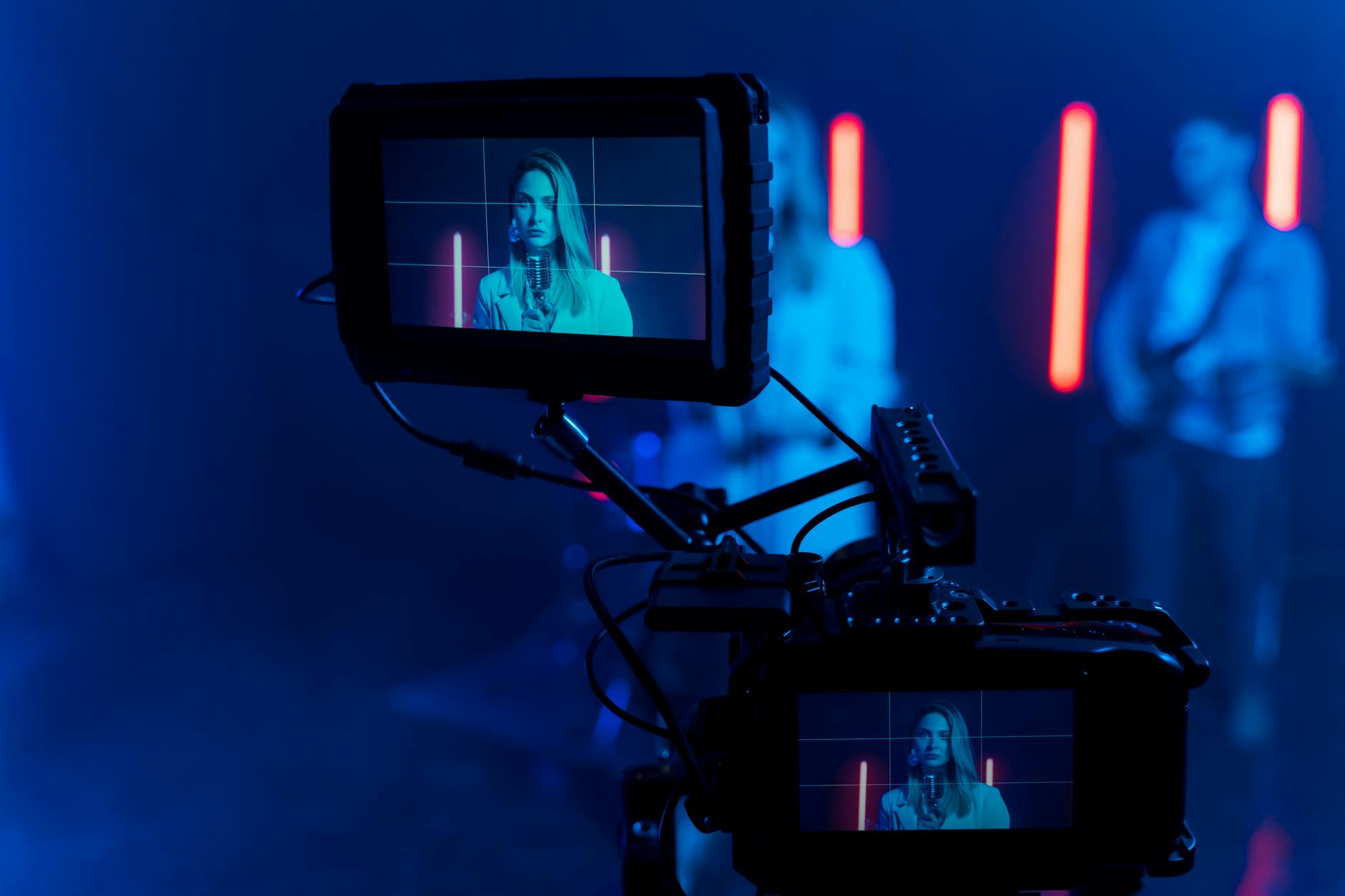
Meticulous preparation is crucial in capturing compelling visual stories. Thorough cleaning, decluttering, and strategic staging ensure that each shot focuses attention on the property’s best features. Neutral tones and attractive decor can transform ordinary spaces into aspirational environments. Timing the shoot during optimal lighting conditions—such as early mornings or late afternoons—can significantly enhance the visual impact. Coordination with tenants or owners is essential to ensure access and community cooperation, while maintaining outdoor landscapes and gardens keeps the property presentation polished. These preparatory steps create an environment that allows the photographer’s creativity to flourish, resulting in images that are both engaging and authentic.
Legal and Ethical Considerations
In the realm of creative real estate photography, adherence to legal norms and ethical standards is fundamental to maintaining integrity and fostering trust with clients and community members. Ensuring proper permissions are obtained before photographing private properties not only respects the privacy of owners and tenants but also aligns with best practices for professional conduct. When planning shoots, it is essential to have thorough agreements in place that outline the scope of work, usage rights, and confidentiality terms, preventing potential misunderstandings or disputes down the line.
Respecting the privacy of neighboring properties is equally important, especially when capturing outdoor scenes or aerial shots. This involves obtaining permissions where necessary, particularly when images include identifiable individuals or private spaces outside the property being marketed. Additionally, clarity about copyright and usage rights for the photographs should be communicated explicitly to clients, ensuring they understand how the images can be used across various marketing channels.
Maintaining transparency with clients regarding editing processes and the extent of digital enhancements supports ethical standards in creative imaging. Overly manipulated images can misrepresent properties’ actual features, so clear boundaries should be set to uphold authenticity. This commitment to truthful representation not only aligns with industry best practices but also builds credibility and trust with prospective buyers and collaborators.

In summary, navigating legal and ethical considerations diligently reinforces the professionalism of real estate photography. It ensures that all creative efforts adhere to necessary standards, facilitating a smooth, responsible process that benefits clients, the community, and the reputation of the photographer.
Legal and Ethical Considerations in Creative Real Estate Photography
In the realm of creative real estate photography, adherence to established standards and respectful practices is essential to maintain integrity and uphold a professional reputation. These considerations serve to safeguard both the interests of clients and the trust of potential buyers, ensuring that visual representations are truthful, respectful, and compliant with industry norms.
Respecting Privacy and Permissions
One of the foundational aspects involves diligently managing permissions when capturing images, especially in areas outside the primary property. This includes obtaining consent from property owners, neighbors, or other involved parties prior to shooting. Such consent is particularly important when images include private outdoor spaces, neighboring properties, or individuals who might be identifiable in the photos.
In cases involving aerial or drone photography, additional permissions are often required to respect airspace regulations and privacy rights. This proactive approach minimizes potential conflicts and demonstrates a commitment to ethical standards.
Clear Communication on Usage Rights and Copyright
Establishing explicit agreements about the rights to use, reproduce, and distribute images protects all parties involved. It is important to specify how images will be used across various marketing channels, such as online listings, social media, and promotional materials. Clear documentation prevents misunderstandings and ensures that clients have a realistic expectation of how their property images will be utilized.

Digital Editing and Authenticity
While creative editing enhances visual appeal, it must be balanced with authenticity. Overly manipulated images can distort the true features of a property, potentially leading to misrepresentation. Establishing boundaries for digital enhancements ensures that marketing visuals accurately reflect the property's real conditions and features.
This ethical commitment to truthful portrayal not only aligns with best practices but also fosters credibility with prospective buyers. Transparency regarding the extent of digital modifications reassures clients and supports informed decision-making.
Maintaining Professional Standards
Adhering to recognized industry standards involves ongoing education and awareness of evolving regulations and best practices. Regular consultation with seasoned professionals and participation in industry workshops can reinforce a photographer’s skills and ethical practices.
By conscientiously managing permissions, rights, and editing practices, photographers contribute to a positive, responsible real estate marketing landscape. Such diligence ensures that creative efforts are both innovative and respectful, ultimately enhancing trust and facilitating smoother transactions.
Summary
Navigating the ethical landscape of creative real estate photography is a vital component of professional practice. Respect for privacy, clear communication, honest representation, and adherence to industry standards cultivate a respectful and trustworthy environment. This approach not only benefits individual clients but also elevates the overall reputation of the real estate marketing industry.