
Importance of Cinematic Video in Real Estate Marketing
In the highly competitive Miami real estate market, showcasing properties through innovative and visually compelling methods has become essential. Cinematic videos hold a unique position in elevating property presentation, providing potential buyers with an immersive experience that traditional photos and lengthy descriptions cannot match. These videos serve as a transformative tool, offering a cinematic perspective that captures the essence and personality of each property, making it more memorable and appealing to prospective clients.
By leveraging cinematic techniques such as dynamic camera movement, high-quality aerial shots, and professional lighting, real estate agents and developers can highlight key features and the overall ambience of a property. This approach not only enhances the perceived value of the property but also broadens its reach by appealing to a wider audience via online platforms, social media, and real estate listings. In Miami’s vibrant, fast-paced market, properties that are presented through high-caliber cinematic videos tend to attract more inquiries, generate quicker sales, and command higher prices.
Furthermore, a cinematic video acts as a captivating virtual open house, allowing viewers to experience the property remotely yet with the richness of real-life visuals. This is especially vital in attracting international buyers, who may rely heavily on visual content when considering investments from afar. As digital property marketing continues to evolve, high-quality cinematic videos stand out as a critical asset for real estate professionals aiming to establish a competitive edge and build a strong reputation in Miami’s dynamic real estate landscape.
Pre-Production Planning for Real Estate Cinematic Videos
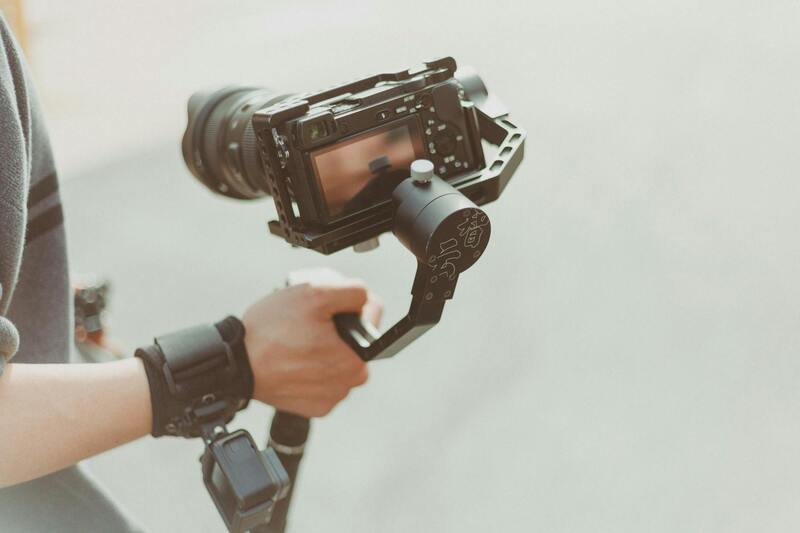
Effective pre-production planning forms the foundation of a compelling real estate cinematic video. This phase involves meticulous preparation to ensure that every shot aligns with the overall vision and marketing goals. It begins with a thorough understanding of the property's unique attributes, target audience, and key selling points. Developers and real estate professionals collaborate with production teams to develop a detailed storyboard or shot list, pinpointing specific angles, features, and scenes that need to be captured. This planning minimizes filming disruptions and ensures that the visual narrative is cohesive and engaging.
Scheduling is another critical aspect, coordinating optimal timing for shoots during periods of ideal lighting and weather conditions. For outdoor scenes, especially aerial shots, consideration of natural lighting and time of day can significantly influence the cinematic quality. Additionally, permits and access rights must be secured in advance, respecting property regulations and local ordinances. Properly planning equipment needs is equally vital—determining whether drone footage, stabilized gimbals, or specialized lighting will be necessary to enhance visual quality.
A detailed plan also involves logistical arrangements such as staging areas, parking, and safety protocols. For properties that are furnished, coordination with homeowners to move or protect belongings can prevent mishaps during filming. Overall, careful pre-production planning ensures a smooth filming process, resulting in a high-quality cinematic video that accurately represents the property's value and appeal.
Production Techniques for Cinematic Real Estate Videos
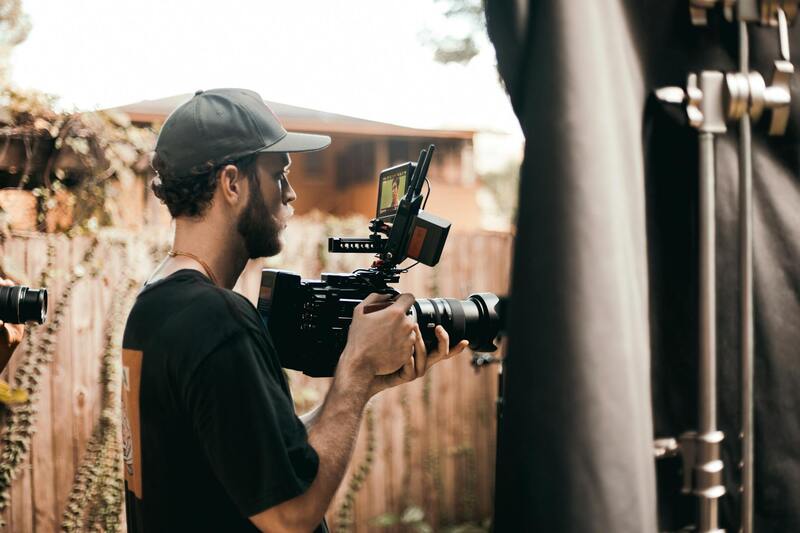
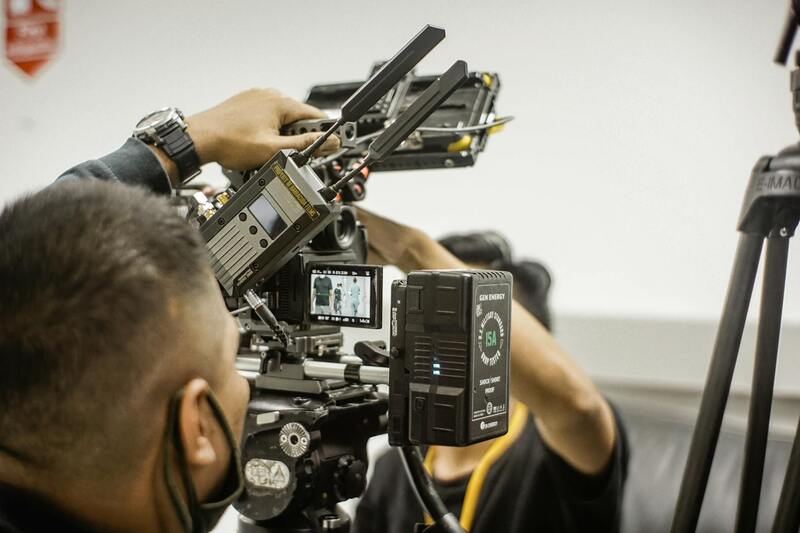
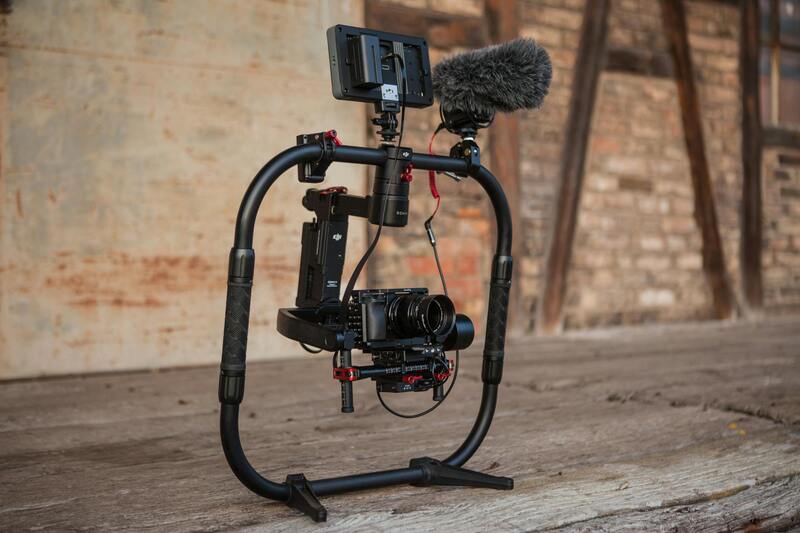
Executing a high-caliber real estate cinematic video requires a blend of advanced filming techniques and meticulous attention to detail. Techniques such as dynamic camera movements, strategic use of lighting, and the integration of aerial shots contribute significantly to visual storytelling. To achieve seamless motion, stabilization tools like gimbals and dollies are employed, ensuring smooth footage that highlights the property's architectural elements and interior features.
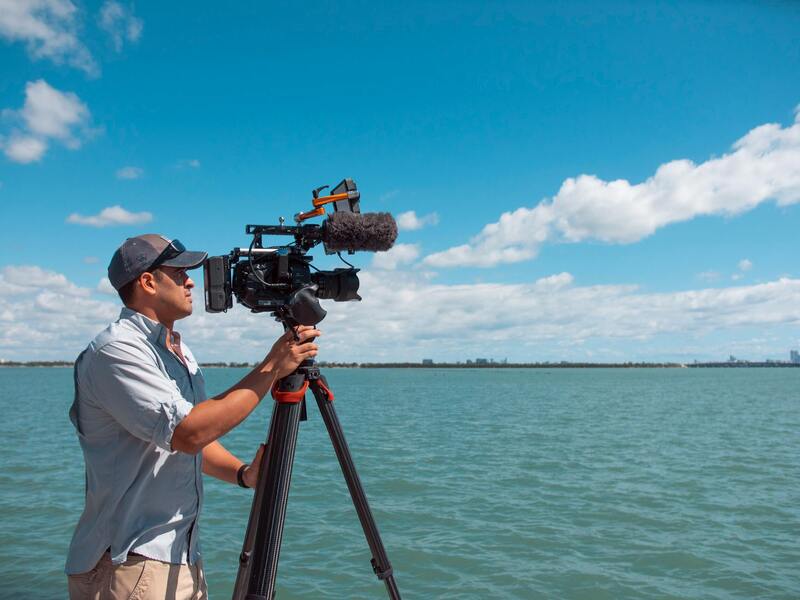
Employing drone technology offers sweeping aerial perspectives that provide a comprehensive view of the property’s exterior and its surrounding neighborhood. Drone shots should be carefully choreographed to capture the property from optimal angles while maintaining safety and regulatory compliance. Interior filming benefits from the use of wide-angle lenses, which can accentuate space and clarity, complemented by strategic lighting setups that enhance mood and ambiance.
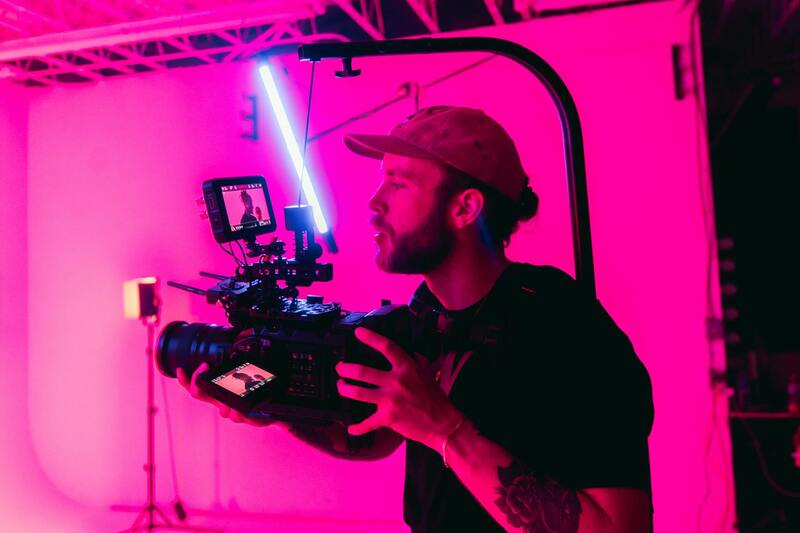
Lighting remains a critical element—natural light should be maximized through shoot scheduling, but supplemental lighting can add warmth or highlight specific features. Additionally, techniques such as slow-motion sequences, time-lapses, and smooth transitions between shots can elevate the cinematic quality, making the property more appealing to prospective buyers or investors.
During filming, attention to detail—like ensuring that windows, fixtures, and landscaping are prominently featured—can greatly influence the overall perception of the property. It’s equally important to utilize proper framing and composition principles to guide viewers’ attention to focal points, creating an engaging and immersive experience.
Post-Production and Editing for Maximum Impact
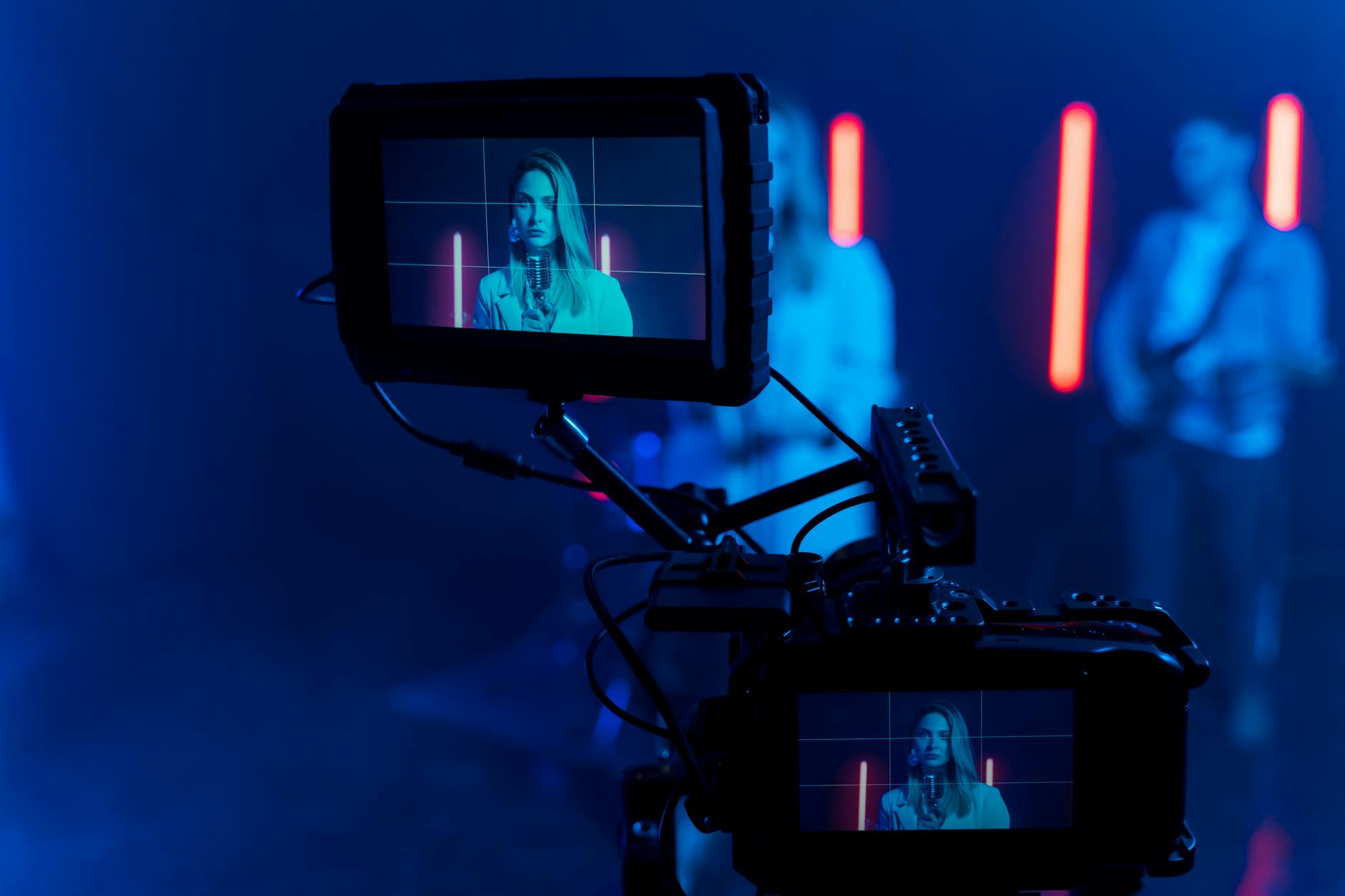
After capturing the necessary footage, the editing phase is crucial for transforming raw clips into a polished cinematic presentation that resonates with viewers. The post-production process involves more than simply assembling shots; it’s about crafting a cohesive visual narrative that highlights the property's unique features and aesthetic appeal. Precise editing techniques, including seamless transitions, color grading, and sound design, create an emotionally engaging experience that captures the viewer’s imagination.
Color grading plays an integral role in establishing the desired mood and style of the real estate cinematic video. For modern, sleek properties, a cooler color palette emphasizes sophistication and cleanliness. Conversely, warmer tones evoke coziness and comfort. Adjusting brightness, contrast, and saturation ensures that every shot complements the overall aesthetic, making the property look both inviting and impressive.
Effective sound design enhances the visual storytelling by adding layer depth and atmosphere. Carefully curated background music can evoke a sense of luxury or tranquility, depending on the property’s character. Subtle ambient sounds or voice-over narration can guide the viewer through the property’s features, emphasizing key selling points while maintaining an immersive experience.
Strategic editing not only enhances visual appeal but also optimizes the video's pacing. Smooth cuts and well-timed sequences keep viewers engaged, encouraging longer viewing durations and fostering a stronger emotional connection. Incorporating branding elements and contact information subtly within the video ensures viewers can easily take action after watching.
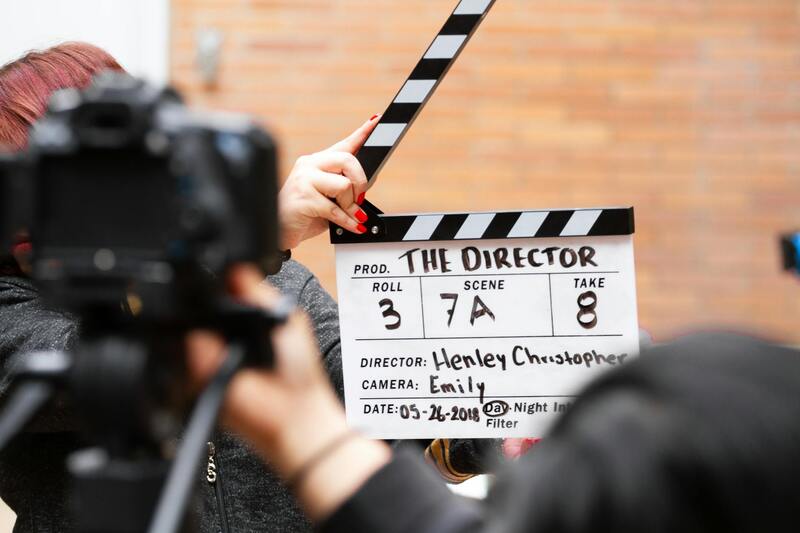
For real estate professionals looking to elevate their property marketing, partnering with experienced editing specialists ensures that every shot contributes to a compelling visual story. A professionally edited cinematic video not only showcases the property at its best but also differentiates listings in a competitive market, ultimately driving interest and accelerating sales or leasing processes.
Post-Production and Editing for Maximum Impact
After capturing the necessary footage, the focus shifts to post-production, where the cinematic quality of a real estate video truly comes to life. This stage involves meticulous editing, color grading, audio refinement, and the addition of visual effects, all tailored to elevate the property’s appeal and ensure the final product resonates with prospective buyers or tenants.
Color Grading and Visual Consistency
Color grading is crucial in establishing mood and aesthetic consistency across the entire video. Subtle adjustments to contrast, saturation, and hue can enhance the visual narrative, highlighting the property’s best features and creating a cohesive look that aligns with the property's style and target audience. For example, warmer tones can evoke a sense of comfort and welcome, while cooler tones might emphasize modernity and sophistication.
Sound Design and Audio Enhancements
Sound plays an integral role in creating an immersive cinematic experience. Professional audio editing involves balancing background music, ambient sounds, and voice-over narrations to ensure clarity and emotional resonance. Carefully selected music can evoke luxury, tranquility, or excitement, depending on the property's attributes. Ambient sounds, such as the gentle hum of city life or natural surroundings, add authenticity and depth, making viewers feel as though they are inside the property.
Pacing and Visual Effects
The pacing of a cinematic real estate video is essential in maintaining viewer engagement. Strategic cuts, smooth transitions, and well-timed sequences can highlight the flow from exterior to interior spaces, ensuring viewers remain interested throughout the presentation. Additionally, visual effects like light flares, lens filters, or slow-motion sequences can enhance certain shots, drawing attention to specific features and adding a touch of elegance.
Incorporating Branding and Call-to-Action Elements
While maintaining an artistic style, subtle branding elements and calls-to-action should be integrated into the video. These might include overlay graphics, logo placements, or contact information that appear at strategic moments, encouraging viewers to reach out without disrupting the visual storytelling. The goal is to create a seamless experience that both showcases the property and facilitates lead generation.
Quality Assurance and Final Review
Before delivery, every aspect of the cinematic video must undergo rigorous review. This process ensures consistency in visual quality, audio clarity, and overall cohesion. Adjustments are made to correct any anomalies, optimize file formats for various distribution channels, and confirm that the final product aligns with marketing objectives and brand standards.
Legal and Ethical Considerations in Filming Real Estate
When creating a captivating real estate cinematic video, it is crucial to adhere to established protocols that respect privacy rights and property regulations. Securing appropriate permissions from property owners and authorized representatives is a fundamental step before filming. This ensures that all parties are informed and agree to the usage of footage for marketing purposes, ultimately fostering transparency and trust.
In addition, it is important to be aware of regulations surrounding the use of public and private spaces. Some properties may have restrictions on drone footage, photography, or filming during certain times of the day. Collaborating with property managers or homeowners’ associations can facilitate smoother filming processes and prevent potential conflicts.
Furthermore, compliance with local laws and regulatory standards related to airspace usage and safety protocols must be maintained. This involves obtaining necessary permits for drone operation, adhering to no-fly zones, and ensuring that insurance coverage is adequate to address any unforeseen incidents. Such diligence not only upholds standards but also safeguards the production team from potential liabilities.
Engaging professional real estate videographers who are well-versed in local filming policies can significantly reduce risks. Experienced crews understand the importance of documenting necessary permissions and following best practices for equipment use and safety.
Equally important is respecting the privacy of individuals within the property or in neighboring areas. Avoiding intrusive shots or disclosing confidential information preserves the integrity of the project and promotes positive client relationships. Employing discreet filming techniques and editing out any unintended footage can further enhance ethical standards.
Overall, adhering to these official and proper methods in filming not only elevates the professionalism of the production but also reinforces trust and credibility among clients and viewers. Such conscientious practices underpin the effective use of cinematic videos as a marketing tool within the real estate industry.
Legal and Ethical Considerations in Filming Real Estate
When producing a cinematic video for real estate, adhering to official protocols and respectful practices is paramount. This ensures the portrayal of properties remains professional and trustworthy. Filmmakers must obtain all necessary permits prior to filming, especially when using drones, that may require approval from relevant authorities. These permissions guarantee that the aerial shots comply with local airspace regulations and prevent disruptions to surrounding properties or public areas.
It is equally important to respect the privacy of residents, neighbors, and other individuals within the vicinity of the property. Filmmakers should avoid intrusive shots that capture private moments or sensitive information. Employing discretion and professionalism during filming helps maintain trust with clients and the community.
Post-filming, editing should be handled responsibly to avoid the disclosure of confidential or misleading information. Highlighting property features without exaggeration or misrepresentation not only aligns with ethical standards but also upholds the company's integrity. Clear labeling and accurate descriptions reinforce transparency, helping to attract genuine interest from potential buyers or renters.
Professionalism extends to the choice of equipment and crew, who should be well-versed in local filming regulations and privacy norms. Working with experienced videographers who understand these frameworks minimizes risk and ensures a seamless production process. Proper documentation of all permissions obtained beforehand demonstrates due diligence, which is crucial for the credibility of the final cinematic presentation.
Engaging in responsible filming practices also involves being mindful of the content shared publicly. Avoid any recordings that could infringe upon personal privacy or create misunderstandings about the property's features. Implementing discreet filming techniques, such as avoiding unnecessary close-ups or sensitive areas, further promotes an ethical approach.
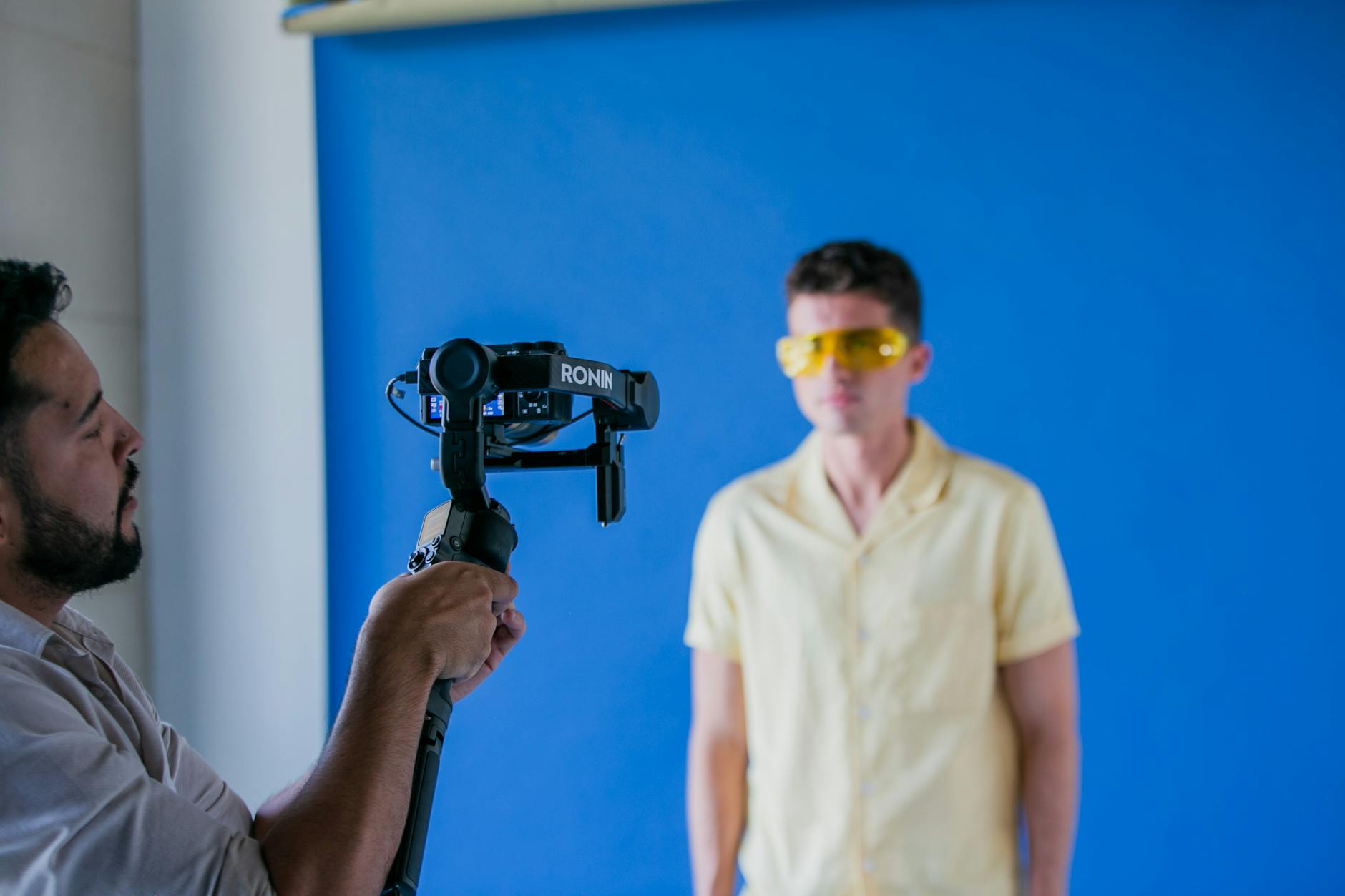
Overall, a strategic combination of official permissions, privacy respect, and truthful representation ensures the cinematic video is both compelling and ethically produced. Such practices reinforce trust among viewers, clients, and stakeholders, ultimately enhancing the effectiveness of real estate marketing campaigns. Maintaining professionalism in every stage of production not only meets industry standards but also contributes to a positive reputation that benefits all parties involved.
Legal and Ethical Considerations in Filming Real Estate
Producing a real estate cinematic video involves adhering to established protocols that respect privacy, property rights, and local filming standards. Prior to filming, it is essential to secure all necessary permissions from property owners and relevant authorities, ensuring that the project aligns with regional regulations governing drone usage, on-site filming, and public safety. Documented consent mitigates potential conflicts and reinforces the credibility of the marketing effort.
Technical accuracy and truthful representation are central to ethical filmmaking. Filmmakers should avoid alterations that could mislead viewers regarding the property's condition or features. This includes refraining from digital enhancements that could distort scale, layout, or aesthetics, thereby maintaining transparency for prospective buyers or tenants.
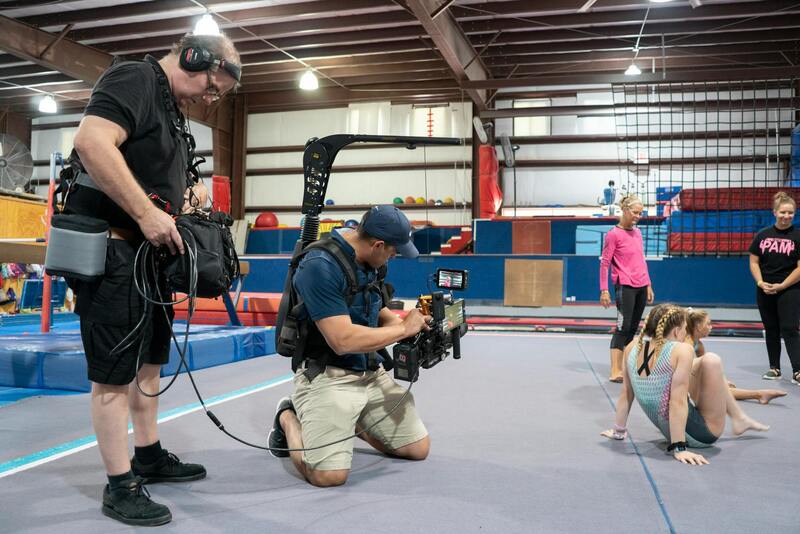
Respecting the privacy rights of neighbors and the surrounding neighborhood is also vital. Cinematic videos should be planned to exclude or discreetly film sensitive areas, avoiding inadvertent exposure of private residences, personal activities, or restricted zones. This approach demonstrates professionalism and consideration for community norms.
Utilizing drones or aerial photography introduces additional considerations. Operators should operate within prescribed airspace regulations and avoid capturing footage in restricted zones. Techniques such as establishing clear flight paths and avoiding overflight of private properties without explicit permission help maintain compliance and uphold ethical standards.
It is equally important to present the property accurately during post-production. This involves selecting shots that truthfully represent the available space, layout, and features, without resorting to deceptive angles or selective inclusion. Such integrity not only aligns with legal expectations but also nurtures trust among potential clients.

By following these guidelines, real estate professionals and videographers can produce cinematic videos that are both compelling and ethically sound. This responsible approach enhances reputation, fosters client confidence, and contributes to more effective and sustainable marketing efforts within the real estate sector.