Importance of High-Quality Real Estate Photography in Miami
In the dynamic Miami real estate market, where properties are often competing in a visually-driven environment, the significance of professional photography cannot be overstated. High-quality real estate photography serves as the first point of visual contact for prospective buyers, creating an impactful initial impression that can greatly influence their interest. Well-composed and expertly captured images highlight the distinct features of a property, showcasing its space, lighting, and architectural details with clarity and style.
Effective real estate photography plays a central role in property marketing strategies, increasing online engagement and attracting a broader pool of potential buyers. In a city like Miami, where vibrant lifestyles and luxurious properties are prevalent, captivating imagery can elevate a property’s appeal and set it apart from the competition. Videos and high-resolution photographs help convey the property’s ambiance and unique characteristics, making virtual tours more immersive and compelling.
Research indicates that listings accompanied by professional photos tend to garner more views, generate higher interest, and lead to quicker sales. The visual storytelling achieved through quality photography not only enhances the property's perceived value but also builds trust with prospective buyers. For real estate professionals and property owners, investing in expert photography is a strategic move that results in tangible benefits—faster sales cycles, higher sale prices, and more satisfied clients.

As Miami continues to grow as a hub for luxury estates, commercial developments, and vacation rentals, the role of professional photography becomes even more critical. It transforms ordinary spaces into captivating showcases that attract serious buyers and investors, ultimately contributing to the success and reputation of real estate professionals in the region.
Beyond marketing, high-quality images can influence buyer perception significantly, fostering confidence and encouraging prompt decision-making. When properties are presented at their best through professional photography, stakeholders gain a clear, attractive view of what is on offer, enabling more effective and efficient transactions.
Equipment and Technology Used in Miami Real Estate Photography
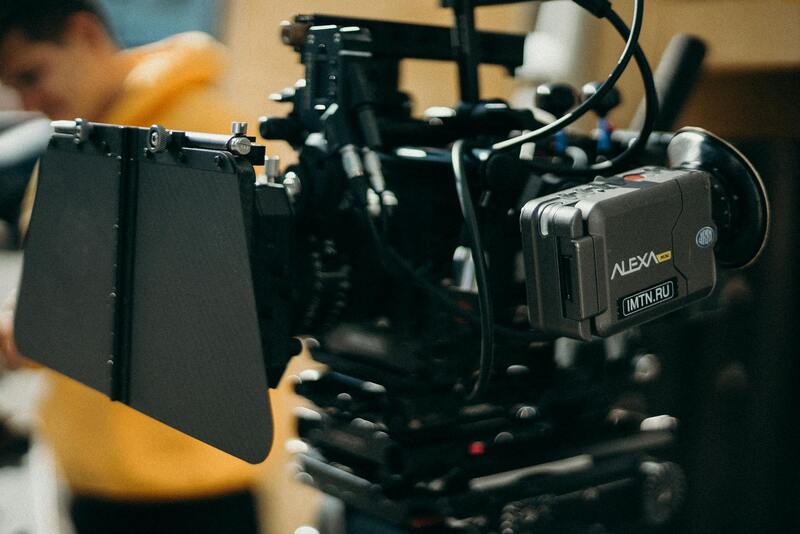
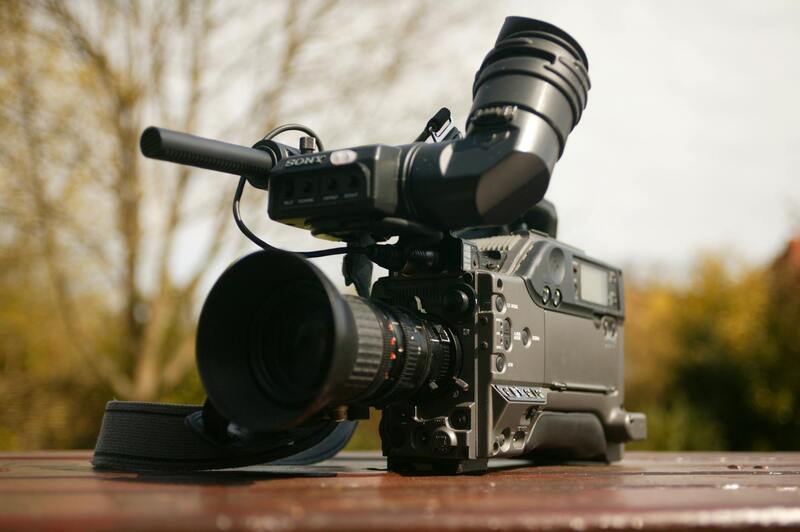
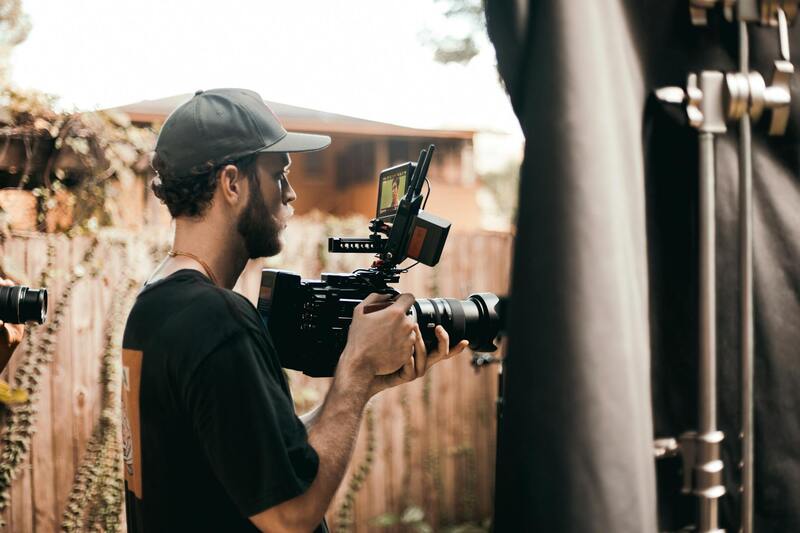
Successful real estate photography in Miami heavily relies on the deployment of advanced equipment and innovative technology. Professional photographers utilize high-resolution digital cameras equipped with full-frame sensors that capture every detail with clarity and sharpness. These cameras often feature wide-angle lenses, which are essential for capturing expansive interior and exterior views, creating immersive images that showcase a property’s spatial layout effectively.
In addition to traditional cameras, drone technology plays a pivotal role, especially in capturing sprawling estates, waterfront properties, and commercial developments from striking aerial perspectives. Drone shots provide potential buyers with a comprehensive view of the property's surroundings, neighborhood amenities, and landscape features, adding a dynamic component to visual marketing campaigns.
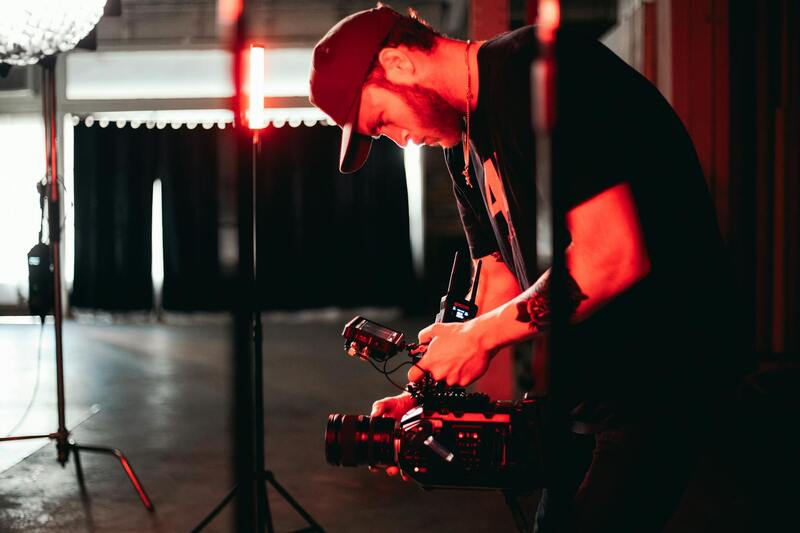
Lighting equipment, such as portable flash units, softboxes, and reflectors, are meticulously used to eliminate shadows and enhance natural light. Proper lighting ensures that interior spaces appear bright, inviting, and true to life, which significantly influences a property's appeal.
Post-processing software, including Adobe Lightroom and Photoshop, are integral to editing and refining images. These tools allow photographers to correct color imbalances, straighten lines, and enhance visual details, resulting in polished, professional-grade photos.
Automation and HDR (High Dynamic Range) imaging techniques are also prevalent, allowing photographers to capture multiple exposures and merge them seamlessly. This process ensures that both interior and exterior elements of a property are exposed correctly, avoiding the common issues of overexposure or underexposure, especially in scenes with contrasting lighting conditions.
The integration of state-of-the-art equipment and technological advances elevates the quality and appeal of real estate images, making property listings stand out in Miami’s competitive market. Such investment in precision tools not only enhances visual storytelling but also facilitates a more efficient shooting process, ensuring timely delivery of high-quality content for marketing campaigns.
Best Practices for Shooting Residential and Commercial Properties
Successfully capturing compelling real estate images in Miami requires adherence to established best practices tailored to both residential and commercial properties. Proper planning and execution are essential to showcase each property’s unique features while maintaining consistency across listings.
For residential properties, it’s crucial to prepare the space ahead of the shoot. This involves decluttering, staging rooms to highlight their potential uses, and ensuring appliances, fixtures, and decor are spotless. During the shoot, optimal lighting plays a pivotal role, with natural light maximized by shooting during daylight hours. Supplementary artificial lighting should be used subtly to fill shadows and balance exposure, ensuring rooms appear inviting and true-to-life. Wide-angle lenses help to capture spaciousness, but care must be taken to avoid distortion and maintain proportions.
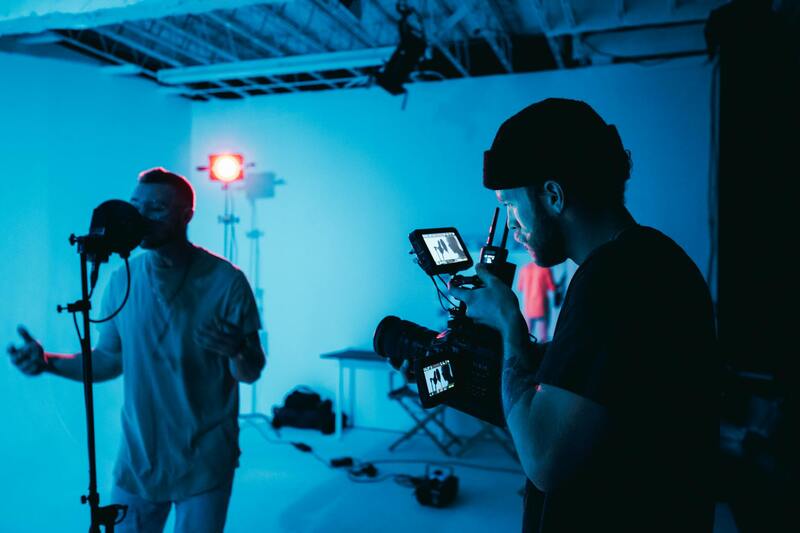
In contrast, commercial property photography involves highlighting the building's architectural features, interior layout, and amenities relevant to prospective tenants or buyers. Here, a focus on clarity and detail is vital to emphasize the property's utility and appeal. Shooting multiple viewpoints from strategic angles allows for comprehensive showcases, especially of key areas such as lobbies, conference rooms, and exterior facades. Utilization of drone imagery can be particularly effective for commercial properties with extensive grounds or impressive exteriors, offering perspectives that ground-based shots cannot achieve.
When photographing both types of properties, consistency in style and quality helps to establish a professional portfolio. Always ensure images are sharp, well-exposed, and free of unwanted elements. Post-shoot reviews and retouching should correct any imperfections while preserving the authenticity of the space.

Effective real estate photography also involves understanding the target audience. For luxury residences, emphasizing high-end features, panoramic views, and interior elegance is essential. For commercial properties, focusing on accessibility, infrastructure, and space versatility can attract the right tenants or buyers. Tailoring the approach based on property type and market trends increases engagement and ultimately accelerates sale or lease processes.
Furthermore, maintaining a consistent shooting schedule, being punctual, and coordinating with clients and agents ensure a seamless process. Clear communication about what areas will be photographed, preferred angles, and specific highlights helps meet expectations and delivers a polished set of visuals in a timely manner.
Post-Processing and Image Optimization
Post-processing plays a vital role in enhancing the visual appeal of real estate photographs, ensuring that each image accurately and attractively represents the property. High-quality editing involves adjusting exposure, contrast, and color balance to produce vibrant, true-to-life images that catch the eye of prospective buyers and tenants. Skilled retouching can also correct minor imperfections such as lighting inconsistencies, reflections, or unwanted elements, without compromising the authenticity of the space.
Image optimization is equally important for digital listings, as it influences webpage loading times and overall user experience. Compressing images without sacrificing quality ensures fast loading speeds, which reduces bounce rates and improves search engine rankings. Specific dimensions and formats, such as JPEG or WebP, are preferred for web use. Additionally, employing proper meta tags and descriptive alt texts not only improves SEO but also makes the images more accessible to users relying on screen readers.
Legal and Ethical Considerations in Miami Real Estate Photography
Maintaining professionalism in real estate photography involves adherence to specific ethical standards, especially regarding permissions and property rights. Photographers should secure written consent from property owners or authorized agents before capturing and publishing images. Respect for privacy—such as avoiding photography of areas not intended for public viewing—upholds integrity and trust within the industry.
Accurate representation is paramount; images must be honest reflections of the property's current state. Alterations that could mislead viewers, such as exaggerated features or misleading angles, undermine credibility and can lead to complications during negotiations. Clear disclosure of any staging or digital enhancements ensures transparency, maintaining a reputable standing within Miami’s competitive market.
Furthermore, compliance with local regulations concerning drone usage or aerial photography should be carefully observed. Familiarity with Miami’s specific guidelines safeguards both the photographer and the client, fostering a safe and professional environment for real estate marketing efforts.
Post-Processing and Image Optimization
Once the initial photography session is complete, the focus shifts to post-processing techniques that elevate the visual appeal of the property images while preserving their authenticity. High-quality editing can correct color inconsistencies, improve lighting, and enhance details that may appear muted or subdued in raw photos. For Miami’s competitive real estate scene, vibrant and well-balanced images are essential to capture the attention of prospective buyers and make listings stand out in digital platforms.

Color correction is particularly important in Miami’s bright and dynamic environment, where the natural sunlight can either overshadow or wash out the property features. Photographers use advanced editing tools to ensure that the images accurately reflect the property’s true colors and details, providing a honest representation that builds trust with viewers.
Furthermore, image optimization involves resizing and compressing files to ensure quick load times without compromising quality. This not only improves user experience on websites but also benefits SEO efforts by reducing page bounce rates. Carefully crafted images should be compatible across various devices and browsers, ensuring consistent presentation whether viewed on desktops, tablets, or smartphones.
Additionally, digital enhancements such as perspective correction, sky replacement, or virtual staging can help highlight the potential of a property while staying within the bounds of transparent representation. When executed professionally, these techniques serve as powerful tools to attract the right buyers and facilitate quicker sales.
Legal and Ethical Considerations in Miami Real Estate Photography
Maintaining high standards of integrity and respect is fundamental in the field of real estate photography. Photographers must obtain proper permissions before photographing private properties, ensuring that owners and stakeholders are fully informed about how their images will be used and displayed. This proactive approach not only fosters trust but also helps avoid potential disputes over image rights and usage.
Copyright issues are another critical aspect of professional real estate photography. Once images are captured, photographers hold the rights to their work, and clarity regarding licensing, usage rights, and distribution must be established from the outset. Licensing agreements should explicitly specify whether images can be used across various platforms, such as MLS listings, websites, social media, or promotional materials. Clear contracts protect both the photographer and the client, ensuring all parties are aligned on expectations and permitted uses.
Adhering to ethical standards extends beyond legal requirements, emphasizing honesty and transparency. Photographers are encouraged to capture authentic representations of properties, avoiding digital manipulation that can mislead potential buyers. While post-processing is essential for enhancing image quality, it should not alter the core features or misrepresent the property's condition or appearance. In Miami, where the real estate market thrives on trust and transparency, photographers should also respect the privacy of residents and avoid including sensitive or personal details in images. This includes being mindful of interior shots that might reveal private spaces or personal belongings. The integrity of the visual content directly influences buyers’ perceptions and decision-making processes. Therefore, maintaining an unwavering commitment to ethical practices supports sustainable growth, fosters good reputation, and aligns with the expectations of clients and consumers in Miami's dynamic property landscape. By conscientiously handling permissions, copyright, and ethical guidelines, Miami real estate photographers reinforce their professionalism and contribute to a trustworthy market environment that benefits all stakeholders involved.
Legal and Ethical Considerations in Miami Real Estate Photography
Adhering to high standards of integrity and professionalism is vital for real estate photographers operating within Miami’s vibrant property market. Respecting property rights and obtaining necessary permissions are fundamental practices that safeguard the interests of homeowners, landlords, and tenants. Clearly outlining the scope of use for the images—such as marketing campaigns, online listings, or promotional materials—ensures transparency and fosters a trusting relationship between photographers and clients.
Maintaining awareness of privacy concerns is especially important when capturing interior spaces. Photographers should be cautious to exclude or appropriately represent areas that contain sensitive or personal information, such as personal belongings, family photos, or confidential documents. Properly managing these aspects not only complies with best practices but also demonstrates respect for the occupants' privacy and the property's integrity.
Image authenticity is a core principle in professional real estate photography. Post-processing techniques should aim to enhance the visual appeal of a property without distorting its true features. Adjustments such as color correction, brightness, or contrast are acceptable, but digital alterations that could mislead potential buyers—like removing existing imperfections or adding elements—are discouraged. Accurate representation helps buyers make informed decisions, reducing the likelihood of disputes or dissatisfaction post-sale.
Photographers must also stay vigilant about copyright issues. Using licensed or original content ensures the images’ validity across different marketing channels. Avoiding the use of stock photos or third-party imagery without proper authorization preserves the photographer’s credibility and aligns with industry standards.
In Miami’s competitive market, exclusive rights to images can provide a distinct advantage. Clients often seek photographers who can deliver unique, high-quality visuals that reflect their property's best features while maintaining ethical standards. Clear contractual agreements should specify image usage rights, distribution limitations, and ownership details to prevent misunderstandings and protect both parties.
Furthermore, photographers are encouraged to stay informed about evolving industry norms and technological developments. Engaging with professional associations and participating in ongoing education can help maintain high ethical standards. These efforts support a reputation for integrity and excellence, ultimately contributing to a resilient and transparent property market in Miami.
Legal and Ethical Considerations in Miami Real Estate Photography
In the vibrant Miami real estate market, adhering to established practices that promote transparency and trust is essential. Photographers must respect privacy rights, property boundaries, and ownership rights when capturing images. This involves obtaining appropriate permissions from property owners or authorized representatives before conducting shoots, ensuring that all images comply with local regulations and property access guidelines.
It is crucial to provide an accurate representation of each property, avoiding any manipulations that could mislead potential buyers. This includes refraining from digitally altering images to hide structural issues, modify property features, or add elements that do not exist. Such practices maintain the integrity of the marketing materials and foster confidence among prospective clients.
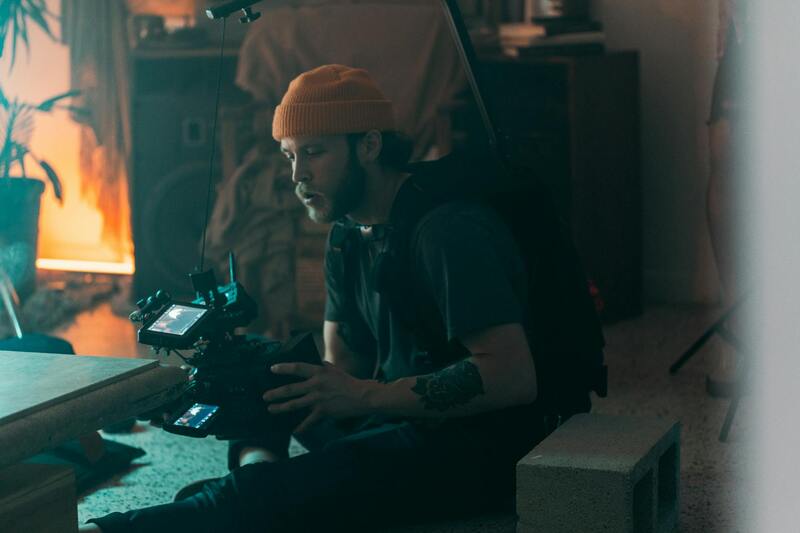
Moreover, proper copyright management is fundamental. Photographers should ensure they hold rights to their work, either through original content creation or licensed usage, preventing unauthorized duplication or distribution. Clearly defining image usage rights in contracts protects intellectual property and clarifies how images can be employed across various platforms, from listing websites to social media marketing.
In professional collaborations with Miami real estate agents and agencies, establishing clear agreements is vital. These should specify ownership rights, permitted uses, and duration of usage. Such transparency helps prevent misunderstandings and ensures both parties benefit from the partnership, maintaining a high standard of ethical practice in the industry.
Engagement with local professional organizations and continued education about evolving industry standards also contribute to maintaining high ethical standards. Staying informed about changes in advertising regulations, copyright laws, and emerging best practices helps photographers uphold their reputation for integrity. This ongoing commitment to ethical conduct supports a trustworthy real estate marketplace in Miami, where clients and buyers alike can have confidence in the visuals representing their future investments.