
Overview of the Photography Scene in Miami
Miami stands out as a major hub for photography, combining cultural diversity, stunning natural landscapes, and a vibrant urban environment that attracts professional photographers and enthusiasts alike. This city’s unique blend of maritime, Art Deco, and modern architecture provides a wide array of backdrops suitable for various photographic styles. From sunset shoots along the iconic Miami Beach to capturing the lively street scenes of Wynwood, the city offers endless opportunities for creating captivating images.
The city's photography industry is characterized by its dynamism and adaptability, with professionals specializing in commercial photography, fashion shoots, fine art, and event coverage. Miami's warm climate and year-round sunshine allow photographers to plan outdoor shoots throughout all seasons, enhancing their creative options. The city's multicultural atmosphere contributes to a diverse range of subjects, styles, and concepts that make Miami a compelling destination for photographic projects of all scales.
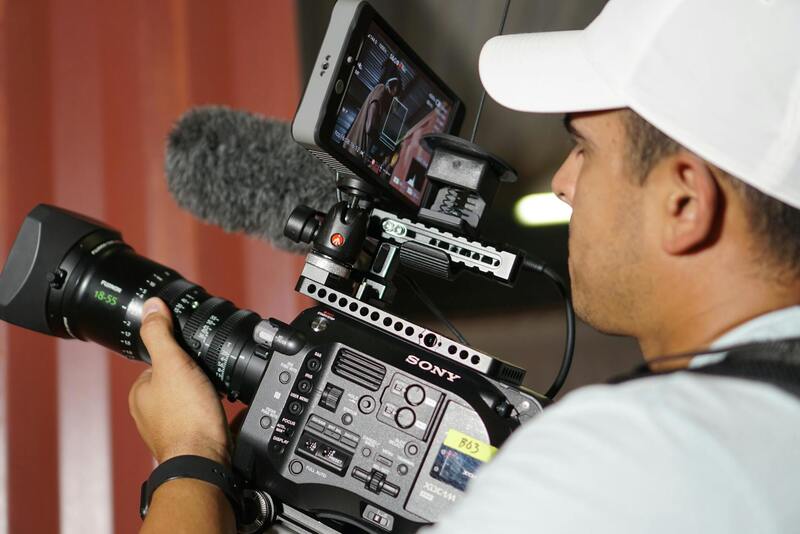
The region's key photography styles include glamour and fashion, due to Miami’s reputation in the entertainment industry; architectural photography, capturing the distinctive skyline and historic districts; and lifestyle and travel photography, emphasized by the city’s picturesque beaches and lively neighborhoods. Miami’s diversity and energy have fostered a rich community of photographers who leverage both traditional and contemporary techniques, showcasing the city’s visual storytelling potential.
As the industry continues to grow, opportunities for collaboration between local creatives, media companies, and tourism boards expand, making Miami a fertile ground for innovative photographic projects. This synergy has helped establish Miami as a global destination for both amateur and professional photographers aiming to create impactful imagery that resonates across various audiences.
Legal and Licensing Requirements for Photographers in Miami
Understanding the framework that governs photographic work in Miami is crucial for professionals operating within the city. Photographers engaging in commercial shoots, event coverage, or any form of visual documentation should be aware of the necessary permits and licenses required to ensure compliance with local regulations. These procedures help streamline operations, mitigate potential disputes, and uphold standards that benefit both the photographer and their clients.
When planning a shoot, especially on public property or in city-controlled spaces, securing the appropriate permits is essential. For instance, commercial photography in parks, beaches, or city landmarks often necessitates applications through Miami's municipal or county offices. The process typically involves submitting detailed plans, obtaining insurance certificates, and paying applicable fees. Early consultation with local authorities can facilitate smoother permit acquisition and help clarify location-specific restrictions.
In addition to location permits, professional photographers may need to register their business with local government agencies. This registration ensures that tax obligations are met and may be a prerequisite for obtaining certain licenses. Miami's vibrant creative environment encourages adherence to licensing standards, which validate the professionalism of practitioners and foster trust with clients and collaborators.
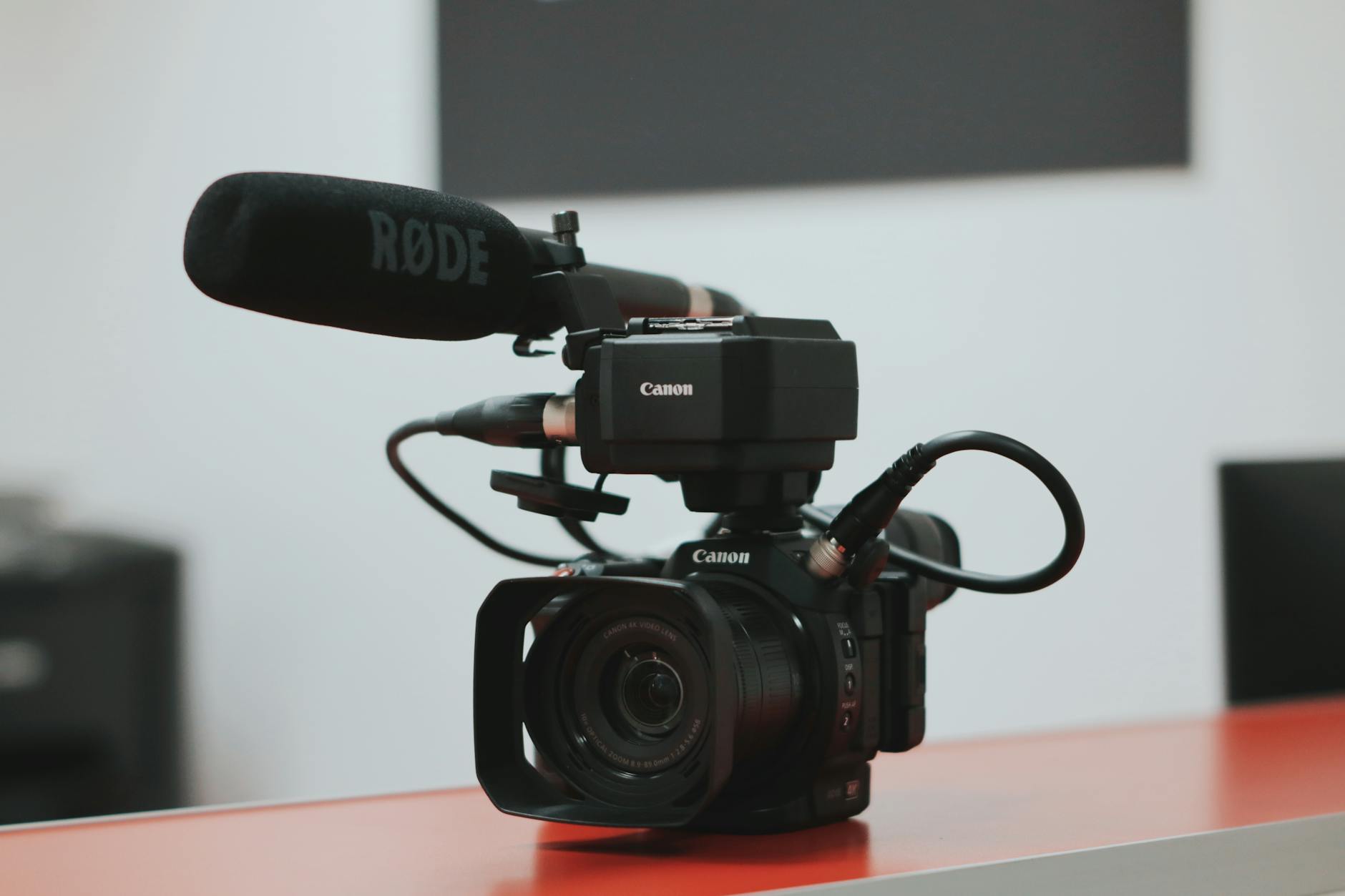
Furthermore, intellectual property rights should be a point of discussion for photographers offering commercial services. Clear agreements regarding image usage, licensing terms, and royalties help protect both parties' interests and ensure ethical practice. For creatives handling large-scale commercial projects, consulting with legal professionals can aid in drafting comprehensive contracts that specify image rights, exclusivity clauses, and usage rights, aligning with industry standards.
For event photographers and those capturing cityscapes or landscapes, understanding drone regulations is also pivotal. Miami has specific guidelines governing the operation of unmanned aerial vehicles, including altitude restrictions, no-fly zones, and registration requirements. Compliance with these rules helps avoid penalties and ensures safe, lawful aerial photography activities.
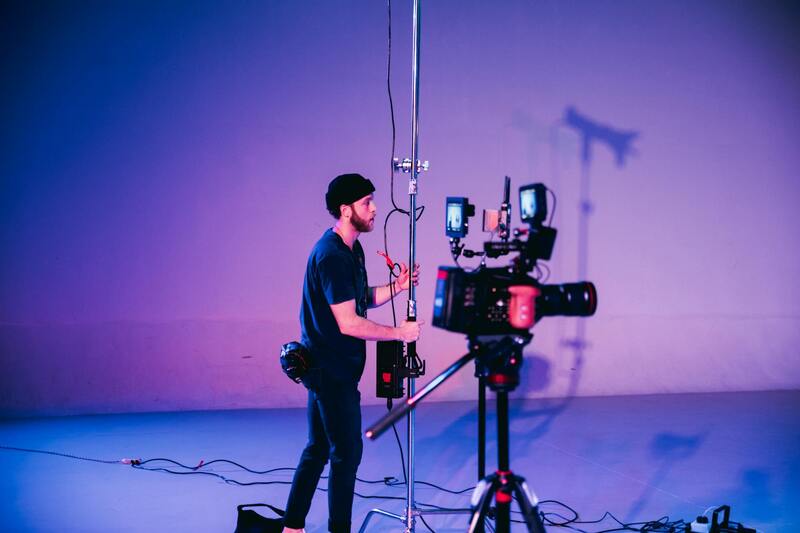
Staying updated on local ordinances and industry guidelines is vital for maintaining professional standards and avoiding legal pitfalls. Joining local photography associations and attending municipal workshops can provide valuable insights into evolving regulations and best practices. Proactively managing licensing and permits not only facilitates smooth project execution but also reinforces a reputation for reliability and integrity within Miami’s vibrant photographic community.
Overview of the Photography Scene in Miami
Miami boasts a vibrant, diverse, and dynamic photography environment that draws professionals and enthusiasts alike. Its picturesque landscapes, iconic cityscapes, lively urban neighborhoods, and scenic beaches make it an ideal location for a multitude of photographic pursuits. The city’s unique blend of art deco architecture, colorful murals, and natural beauty offers endless opportunities for creative expression and commercial work. As a hub for both still photography and videography, Miami’s market attracts a broad range of talents, from established professionals to emerging artists, fostering a collaborative and innovative community that values quality, originality, and compliance with industry standards.
Photographers operating within Miami are encouraged to stay informed about local regulations, especially when engaging in specialized practices such as drone photography or commercial shoots in publicly accessible areas. Miami’s diverse client base and the city’s high-profile events require a keen understanding of licensing, permits, and ethical practices. Ensuring adherence to official procedures not only safeguards the integrity of photographic works but also reinforces the photographer’s reputation for professionalism and reliability in a competitive marketplace. The evolving landscape of Miami’s cultural and commercial sectors continues to provide fertile ground for growth and innovation for photographers committed to adhering to established best practices and industry guidelines.
Types of Photography Popular in Miami
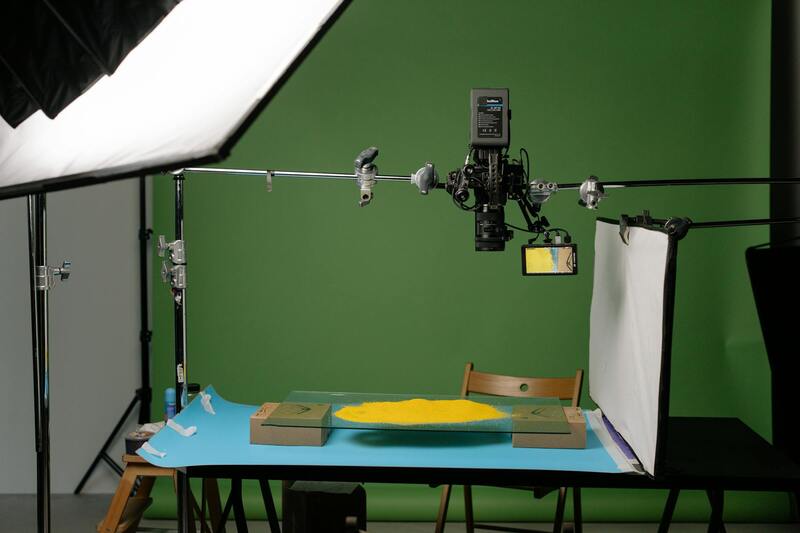
Numerous forms of photography flourish in Miami, each with its own set of best practices, tools, and considerations. Event photography remains a staple, with weddings, festivals, and corporate events providing steady opportunities. Landscape and cityscape photography capitalize on Miami’s stunning beaches, bustling downtown, and colorful neighborhoods. Commercial photography, including advertising shoots and fashion campaigns, often take advantage of the city’s trendy venues and outdoor settings to create compelling visuals. Additionally, aerial photography via drones is increasingly popular, capturing sweeping views of Miami’s skyline and natural scenery, provided operators adhere to the pertinent guidelines. Social media-driven influencer content, lifestyle shoots, and real estate visualizations also form a vital part of Miami’s photography landscape, demanding high-quality images that align with design trends and market expectations.
Collectively, these diverse photographic pursuits require professionals to be well-versed in technical skills, local regulations, and effective client communication. Proper licensing, permissions, and an understanding of specific niche standards ensure that projects are executed smoothly and sustainably. Furthermore, cultivating relationships with local venues, models, and event organizers enhances reliability and facilitates ongoing work within Miami’s bustling creative industry.
Legal and Licensing Requirements for Photographers in Miami
Ensuring compliance with official standards and regulatory protocols is vital for professional photographers operating in Miami. This involves obtaining appropriate permits and licenses that authorize the execution of various types of photography projects, especially those conducted in public or restricted areas. Photographers must be familiar with the city’s specific regulations regarding drone operations, outdoor shoots, and commercial use of certain locations to prevent disruptions or legal complications.
For drone photography, adherence to FAA guidelines and Miami-Dade County regulations is mandatory. Operators should secure proper registrations, carry necessary insurance, and respect no-fly zones around airports, government buildings, and private properties. When planning shoots in public parks, beaches, or city streets, it is essential to acquire permits from local authorities or property managers. These permits often stipulate permissible hours, equipment restrictions, and designated areas to ensure that activities do not infringe on public safety or privacy.
Additionally, Miami-based photographers engaged in commercial endeavors are required to have relevant business licenses issued by city or county agencies. These licenses validate their credentials and authorize them to provide professional services legally. It’s also advisable to secure liability insurance, which provides coverage against potential damages or accidents during shoots, and to obtain model releases when photographing individuals for commercial purposes.
In many cases, photographers consult official resources such as the Miami City Clerk’s Office or the Miami-Dade Aviation Department for comprehensive guidance on licensing procedures and compliance standards. Staying updated with local ordinances and policy changes is fundamental to maintaining operational legitimacy and upholding high industry standards.
By adhering to these official protocols, photographers can confidently execute their projects, foster trust with clients, and contribute positively to Miami’s vibrant creative environment. Proper licensing not only facilitates legal operation but also enhances a professional’s reputation within the community and among prospective clients.
Legal and Licensing Requirements for Photographers in Miami
Photographers operating within Miami must adhere to a comprehensive set of legal and procedural standards to ensure their work is both compliant and protected. A fundamental step involves acquiring the appropriate permits that authorize the use of public or private spaces for photography. These permits are issued by various local agencies, such as the Miami City Clerk’s Office, and they specify the scope, duration, and specific conditions of the permitted activities. Securing these permits often requires submitting detailed project plans and proof of insurance coverage, especially for shoots involving large equipment, extensive setups, or public access areas.
In addition to permits, professional photographers must obtain business licenses issued by Miami-Dade or the city. These licenses serve as official acknowledgment of the photographer’s business operations within Miami’s jurisdiction and often involve registration processes that verify their credentials, liability coverage, and disciplinary records. The licensing process aims to uphold high standards of professionalism, safeguarding clients’ interests and the community’s safety.
Liability insurance is another critical element for photographers in Miami. It offers vital protection against accidents, property damages, or injuries that may occur during a photo shoot. Many commercial clients and venue managers prefer working with insured professionals, as this mitigates potential risks. When photographing individuals, particularly for commercial uses, it is wise to secure model releases. These legal documents confirm consent and clarify usage rights, ensuring that all parties are aware of how images will be used and preventing future disputes.
Photographers should also be familiar with Miami’s specific regulations related to drone photography, street photography, and the use of drones or other specialized equipment. These regulations often involve additional permits or certifications, particularly when operating aerial devices or capturing images on or near sensitive sites like airports, government buildings, or private properties.

To navigate these requirements effectively, many professionals consult official resources such as the Miami Office of Film and Entertainment or city-specific permit offices. Staying current with local ordinance updates is essential, as Miami periodically revises policies related to outdoor shoots, commercial activities, and technological innovations in photography. By adhering to these official protocols, photographers can operate confidently, foster client trust, and contribute to an ethically sound and thriving creative industry in Miami.
Legal and Licensing Requirements for Photographers in Miami
Operating as a professional photographer in Miami involves adhering to specific local regulations designed to ensure compliance with city codes and safety standards. Photographers who wish to conduct commercial shoots, use specialized equipment such as drones, or photograph in public areas must be aware of the proper procedures for obtaining necessary permits and licenses. These protocols help streamline operations and prevent unforeseen interruptions during shoots.
Professional photographers are advised to register their business with Miami's local authorities when engaging in commercial activities. This registration often entails acquiring a business license, which certifies their standing as a legitimate entity authorized to operate within city limits. Additionally, many projects require specific permits, especially when shooting in public parks, beaches, or other city-managed properties.
For aerial photography involving drones, operators must adhere to Miami-Dade County’s specific drone flight regulations. This includes obtaining a drone operation permit if flying in restricted zones or near sensitive infrastructure. Certification or training may be necessary, especially for commercial drone use, to demonstrate competence and safety awareness.
Street photography, while often conducted in public spaces, may still involve certain restrictions related to privacy and property rights. Photographers planning to shoot on private property must secure permission from property owners before proceeding. This ensures their work remains within the bounds of local laws, avoiding potential disputes or operational disruptions.
Miami’s regulatory landscape is dynamic, with periodic updates to policies affecting outdoor shoots, commercial activities, and technological advancements like drone photography. Staying informed through official resources such as the Miami Office of Film and Entertainment, city permit offices, and public notices is essential. These agencies provide comprehensive guidance, application procedures, and updates necessary for lawful conducting of photography projects across Miami.
By following established legal frameworks and securing the necessary documentation, Miami-based photographers can operate with confidence, providing high-quality services to clients while maintaining ethical standards. Proper compliance enhances a photographer’s reputation, ensures smooth project execution, and safeguards both the artist and client from potential legal challenges.
Legal and Licensing Requirements for Photographers in Miami
Navigating the formalities associated with conducting professional photography in Miami involves adhering to a structured framework designed to regulate commercial activities and protect the interests of all parties involved. For photographers looking to operate within the city, understanding the specific licensing procedures and official requirements is an essential aspect of establishing a credible and compliant practice.
First, acquiring the appropriate permits from the Miami Office of Film and Entertainment or the local city permit offices is usually necessary for commercial shoots. These permits ensure that the photographer's activities align with municipal regulations, especially when utilizing large equipment, setting up staging areas, or conducting extensive outdoor shoots. The permit application process often involves submitting detailed project descriptions, proof of liability insurance, and possibly background checks, depending on the scope of work and location.
In addition to permits, adhering to property rights and privacy regulations is fundamental. When a shoot occurs on private property, obtaining written consent from the property owner prevents potential disputes and aligns with legal expectations. For public spaces, some areas may have specific restrictions or require additional permissions, particularly if the project involves the use of drones, large-scale equipment, or intricate staging that could impede public access or safety.
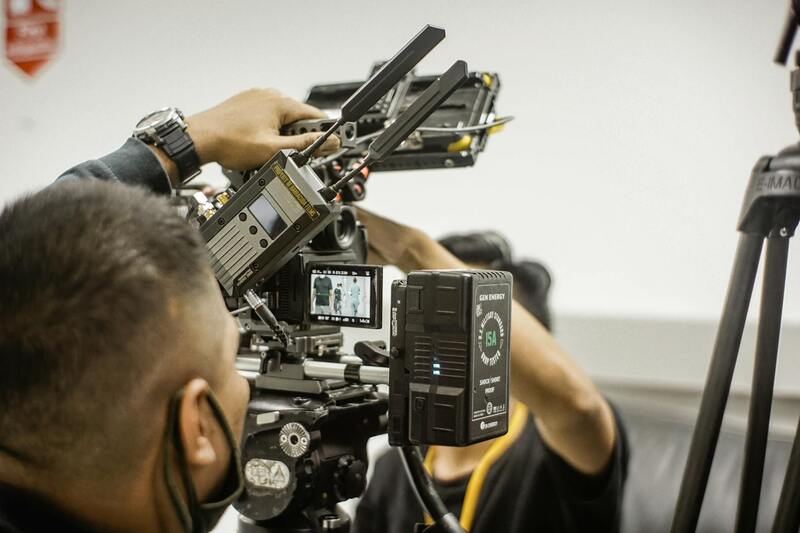
Ensuring compliance with technological standards and safety protocols is equally important. Photographers planning to use drones or other advanced equipment should familiarize themselves with Miami’s regulations regarding airspace and technological use, including necessary certifications or training modules. Devices such as unmanned aerial vehicles (UAVs) often require specific operational licenses, especially when capturing aerial footage in regulated zones or over private property.
Staying current with updates and changes to Miami’s regulatory landscape can be achieved through official resources, including the Miami Office of Film and Entertainment, city permit agencies, and public notices. These resources offer guidance on application procedures, necessary documentation, and ongoing compliance requirements to ensure lawful and efficient operations.
Strategies for Compliance and Best Practices
- Always verify specific zoning laws and restrictions related to the shoot location, whether on restricted public areas or private properties.
- Secure all necessary permits prior to the shoot date, ensuring the documentation reflects accurate project details and scope.
- Obtain written consent from property owners when shooting on private land to avoid future complications.
- Comply with all drone operation rules, including FAA regulations and local airspace restrictions, for aerial photography.
- Maintain comprehensive liability insurance to safeguard against unforeseen incidents or property damage.
- Consult with legal professionals or local regulatory bodies if uncertainties arise during the planning or execution phases.
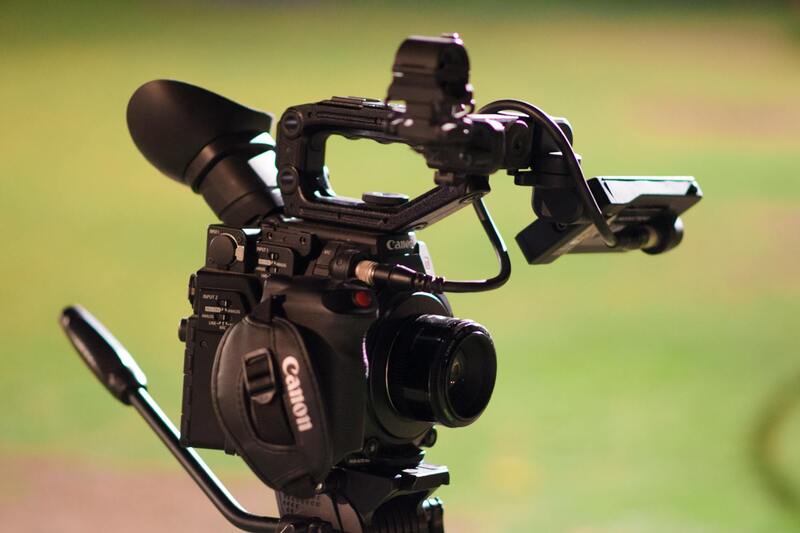
By systematically adhering to these structured legal and licensing protocols, photographers in Miami not only safeguard their projects but also reinforce their reputation for professionalism and reliability. Proper documentation, awareness of regulatory requirements, and proactive communication with local authorities provide a solid foundation for creating compelling visual content without operational interruptions or legal complications.
Legal and Licensing Guidance for Photographers in Miami
Operating a photography business or undertaking a shoot within Miami's vibrant environment involves understanding and adhering to specific procedural requirements that facilitate seamless operations. These requirements encompass perpetual permits, operational licenses, and compliance with city regulations that guarantee lawful and smooth execution of photography projects.
Photographers must proactively obtain the appropriate permits prior to commencing major shoots, particularly when capturing on public property or when using specialized equipment such as drones for aerial photography. This process often necessitates submitting detailed plans of the intended shoot, including location, dates, equipment, and personnel involved, to the city’s licensing department. It is crucial to keep thorough records of all applications and approvals to ensure transparency and accountability throughout the project lifecycle.
Securing permissions from private property owners is equally vital. Written consent documents from land or business owners should be collected well in advance, delineating the scope of work, date(s), and any provisions related to property access or usage restrictions. Such documentation minimizes misunderstandings and streamlines the shoot process.
 igure>
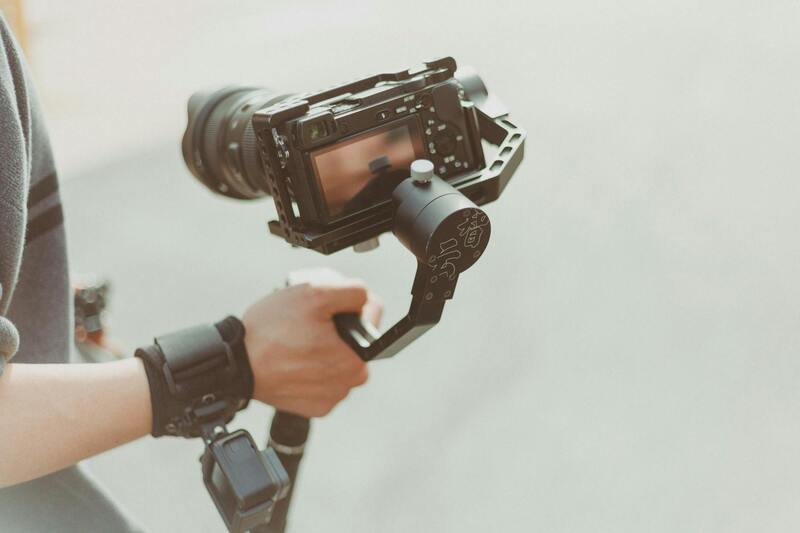
Professional drone operators need to familiarize themselves with specific airspace regulations enforced by the Federal Aviation Administration (FAA) and local authorities. This includes registering drone technology, adhering to altitude restrictions, and avoiding no-fly zones, especially during major events or near sensitive infrastructure. Proper licensing and adherence to operational guidelines are essential for aerial photography endeavors.
Liability insurance plays a key role in safeguarding against potential mishaps, damage, or accidents that could occur during a shoot. Having comprehensive coverage ensures that both the photographer and client are protected, fostering trust and demonstrating professionalism.
Consulting with legal experts or local regulatory bodies can help clarify complex requirements, particularly for large-scale productions or innovative photography techniques. Continuous education on evolving laws and compliance updates ensures the ongoing legitimacy and success of Miami-based photography activities.
 igure>
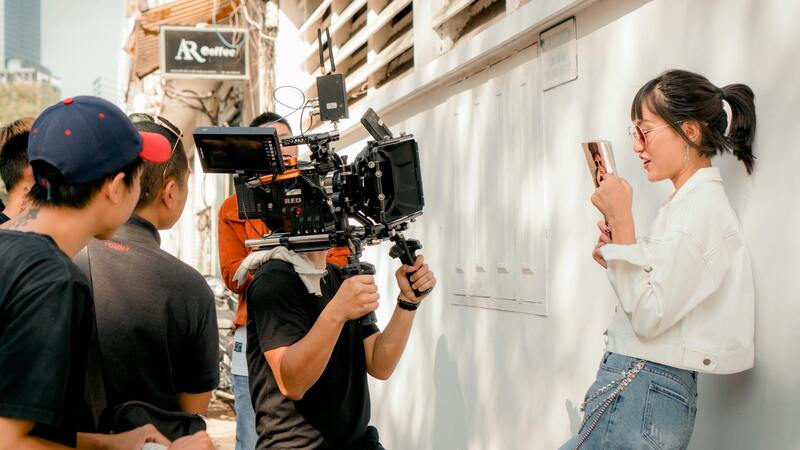
Maintaining clear communication with authorities, securing proper documentation, and understanding regulatory boundaries form the backbone of responsible photography practice within Miami. This rigorous approach not only facilitates operational efficiency but also enhances the reputation and credibility of photographers working in the dynamic Miami environment.