
Overview of Photography Scene in Miami
Miami stands as a dynamic hub for photographers seeking to capture the essence of a vibrant city marked by its stunning coastline, colorful architecture, and diverse cultural influences. The city’s unique environment offers an array of visual opportunities that range from panoramic ocean views to bustling street scenes, making it an ideal location for both amateur and professional photographers. The Miami photography industry thrives on its rich tapestry of styles, which are influenced by the city’s multicultural population, innovative art scene, and the year-round sunny weather that provides optimal lighting conditions throughout all seasons.
Creatives flock to Miami to leverage its picturesque landscapes and energetic urban environments. The city’s landscape allows for a broad spectrum of photographic genres including landscape, portrait, fashion, architecture, and street photography. Architectural photographers are particularly attracted to Miami’s iconic Art Deco District, with its pastel-colored facades and vintage signage, offering a distinctive backdrop that is both historic and visually arresting. Conversely, fashion and commercial photographers capitalize on the city’s modern skyline and vibrant street life to create compelling advertising campaigns and editorial content.
Furthermore, Miami’s cultural diversity fuels a variety of thematic styles that reflect its eclectic population. From vibrant street festivals to high-end nightlife scenes, each facet presents unique photographic opportunities that showcase the city’s lively atmosphere. The city is also home to a burgeoning art and photography community, with numerous galleries, workshops, and annual events that promote skill development and networking among local professionals and enthusiasts alike.
In sum, the Miami photography scene is characterized by its vibrant diversity and its ability to serve as a natural canvas for a wide array of creative expressions. Its favorable climate, iconic scenery, and dynamic cultural landscape continue to attract individuals passionate about capturing the city’s essence, fostering a thriving industry that adapts and evolves with global trends and local innovations.
Legalities and Permits for Photography in Miami
Engaging in professional photography within Miami requires a comprehensive understanding of the permitting process and official guidelines to ensure a smooth shoot. While the city offers a wealth of scenic locations and dynamic urban settings, certain areas and circumstances may necessitate obtaining specific permissions prior to capturing images.
Securing permits is especially important when working in public spaces, historical landmarks, or private properties that are part of city-managed assets. The Miami Department of Cultural Affairs and the local Film Office oversee the application process for various types of photography activities, including commercial shoots, fashion shoots, and large-scale projects. Applicants must provide detailed information about the scope of work, intended use, equipment involved, and logistical requirements.
For photographers aiming to shoot within iconic districts like Miami Beach, Wynwood Walls, or the Coconut Grove, additional permissions might be necessary, particularly if the shoot involves significant equipment, models, or disruptive activity. Each location may have its own rules, and consulting with location managers or property owners beforehand helps prevent delays or legal issues.
In addition, Miami’s regulations specify certain restrictions related to drone photography, which is increasingly popular for capturing coastlines and elevated urban views. Drone operators must adhere to FAA regulations, register their drones if necessary, and secure specific authorization when flying in urban and crowded areas. Violating these can result in fines or project delays, so ensuring compliance is crucial for maintaining professionalism.
Some areas of Miami are designated as protected or environmentally sensitive zones, where permits are mandatory to avoid disturbance to wildlife or local residents. These include certain parks, wetlands, or conservation areas. Failing to obtain appropriate permissions can lead to legal complications and may hamper future opportunities within the city’s unique environments.
It is advisable for photographers to work with local legal consultants or specialized permit services to navigate the application process efficiently. Crafting well-documented permit requests, including details about the nature of the shoot, duration, equipment, and impact mitigation, can expedite approval processes. This proactive approach underscores a professional commitment to respecting local regulations and ensuring project success.
Popular Types of Photography in Miami
Miami’s vibrant culture and diverse landscape open up a wide array of photography genres that professionals and amateurs alike find compelling. Each style capitalizes on the city’s unique features, from its sun-drenched beaches to its colorful street art and modern skyline. Understanding these popular types helps photographers tailor their approach to capture Miami’s essence effectively.
Commercial and Advertising Photography
This genre thrives in Miami due to the city’s status as a global hub for fashion, tourism, and entertainment. Commercial shoots often emphasize the city’s glamorous appeal, capturing products or branding in locations like luxury resorts, high-end boutiques, and vibrant urban settings. Photographers working in this space must familiarize themselves with the marketing objectives, target demographics, and brand identity to deliver images that resonate and generate engagement.
Fashion Photography
Miami’s sunny climate and stunning backdrops make it an ideal location for fashion shoots. The city’s colorful murals, sandy beaches, and chic cityscapes serve as perfect settings for showcasing clothing lines and accessories. Fashion photographers often collaborate with models, designers, and stylists to create visually striking images that reflect current trends while highlighting Miami’s lively ambiance.
Landscape and Fine Art Photography
The natural beauty surrounding Miami inspires landscape photographers to capture its coastlines, wetlands, and urban parks. The vibrant hues of sunrise and sunset over the Atlantic Ocean, along with lush greenery in areas like the Everglades, provide ample opportunities for compelling compositions. Fine art photographers often explore themes of city life, environmental conservation, and cultural diversity through their work, leveraging Miami’s rich visual tapestry.
Event and Lifestyle Photography
Miami hosts a multitude of festivals, concerts, and social gatherings year-round. Capturing these moments requires a keen eye for spontaneous interactions and candid expressions. Lifestyle photographers document daily life, highlighting Miami’s diverse communities, vibrant street life, and the city’s unique cultural festivities. These images help promote the city’s image as a dynamic and inclusive metropolis.
Architectural Photography
From the Art Deco District’s historic buildings to contemporary skyscrapers, Miami’s architecture offers a wealth of visual interest. Photographers specializing in this area focus on capturing the city's structural aesthetics, often incorporating natural light to emphasize textures and forms. Such images are highly sought after for architectural firms, real estate marketing, and editorial publications.
Adapting to Miami’s diverse photography scene involves understanding the nuanced preferences for each genre and respecting the city's distinct environment. Whether working on commercial projects, fine art portfolios, or documentations of local events, photographers should approach each shoot with professionalism and an appreciation for Miami’s unique visual landscape.
Legalities and Permits for Photography in Miami
Successful photography projects in Miami often require a clear understanding of the procedural landscape that governs professional shoots within the city. Securing appropriate permissions ensures that your work respects local regulations, avoids disruptions, and adheres to established standards. While public spaces are accessible for photography, certain locations, particularly those involving commercial use, private property, or commercial filming, necessitate specific permissions or permits.
For instance, shooting in popular public areas such as parks, beaches, or iconic city landmarks generally involves acquiring a permit from relevant municipal authorities. These permits verify the purpose of the shoot, the expected duration, and the necessary safety measures. Applying well in advance is advisable, especially during peak seasons or major events, when application volumes tend to increase.
Private properties, including private beaches, commercial buildings, or exclusive venues, require explicit permission from property owners or managers. Contractual agreements should detail the scope of the shoot, usage rights, and any restrictions that may pertain to photography or videography operations.
Additionally, Miami’s diverse venues might impose restrictions related to drone photography or the use of lighting equipment. Drones, in particular, need to be operated in compliance with Federal Aviation Administration (FAA) regulations, which include registering the drone and possibly obtaining waivers for specific routes or altitudes. Local authorities also enforce rules regarding the privacy of individuals, dictating that consent is paramount when photographing private residents or subjects in identifiable settings.
To streamline the permit acquisition process, photographers and production companies should:
- Identify the exact location and nature of the shoot. Determine if the site is public or private and the scope of activities planned.
- Submit permit applications well in advance. Many permits have processing times, and delays are common during high-demand periods.
- Coordinate with local authorities. Engage with city departments such as the Miami Department of Cultural Affairs or the Miami Beach Office of Special Events for guidance and approvals.
- Follow designated guidelines and restrictions. Respect operational hours, area limitations, and any relevant safety protocols.
Adhering to these procedures not only facilitates a smooth shooting process but also ensures that your work remains compliant with Miami's operational standards, allowing you to focus on capturing the visual essence of this vibrant city.
Legalities and Permits for Photography in Miami
Successfully capturing the vibrant atmosphere of Miami requires an understanding of the formal processes involved in photography projects across the city. When planning professional shoots, especially those involving commercial, portrait, or event photography, obtaining the appropriate permissions ensures smooth operations and respects the city’s regulations.
One of the initial steps involves identifying if the location is public or private property. Public parks, beaches, and streets typically require permits for commercial photography, which are issued by city or county authorities. Private properties, meanwhile, necessitate explicit consent or lease agreements from the property owners. Engaging with Miami’s relevant municipal departments early in the process helps clarify the required documents and procedural steps.
Applying for permits involves submitting detailed documentation that outlines the scope of the shoot, equipment to be used, exact locations, and estimated duration. Photographers should prepare visual plans or storyboards to convey their project’s intent convincingly. Additionally, providing proof of insurance coverage is often necessary to mitigate risks associated with equipment damage or accidents during the shoot.
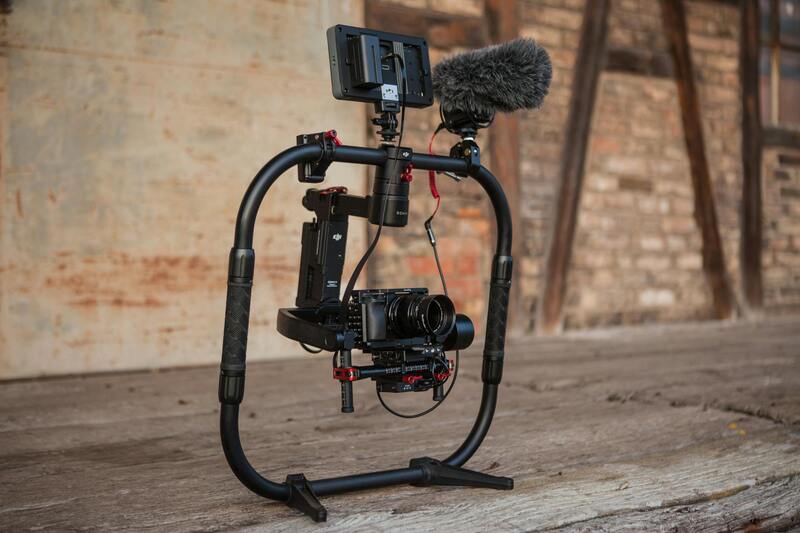
Processing times can vary depending on the location and complexity of the shoot. It is prudent to submit permit requests well in advance to accommodate review periods, especially during high seasons or city events that attract a large volume of applications. Collaborating with local government offices, such as the Miami Department of Cultural Affairs or the Miami Beach Office of Special Events, can assist in navigating specific requirements and avoiding unnecessary delays.
In cases involving aerial drone photography, adhering strictly to the FAA regulations and local ordinances is essential. This includes drone registration, altitude limits, and flight permissions in designated zones. Photographers should also be mindful of privacy laws which protect individuals from unauthorized photography, especially in residential areas or sensitive venues.
Failure to secure proper permits and adhere to established guidelines can lead to fines, project delays, or even the suspension of photography activities. By respecting the official channels and completing the necessary paperwork, photographers contribute to a professional environment that upholds Miami’s vibrant visual culture while minimizing disruptions.
Establishing a reliable relationship with city authorities and local security agencies can be beneficial for future projects. These contacts facilitate smoother permit acquisition, provide updates on regulations, and offer guidance on best practices for filming or photographing in publicly accessible locations.
Legalities and Permits for Photography in Miami
Executing professional photography projects in Miami requires a comprehensive understanding of the relevant permits and regulations that govern the use of various locations within the city. Securing the appropriate permissions is paramount to ensure a smooth shooting process and to respect the city's operational standards. Photographers must familiarize themselves with the specific requirements for each type of location, whether outdoor public spaces, private properties, or protected areas.
For city-managed parks, beaches, and other public venues, obtaining a filming permit from the Miami Department of Cultural Affairs or the Miami Beach Office of Special Events is essential. This process often involves submitting detailed documentation including the scope of the project, dates and times, location specifics, equipment used, and estimated personnel involved. Early application is advised to accommodate review periods, which can vary during peak seasons or city events.
In addition to permittance requests, drone operators must adhere to Federal Aviation Administration (FAA) regulations alongside local ordinances. This includes drone registration, operational altitude limits, and restrictions in certain zones such as airports and sensitive wildlife habitats. Operators should plan their flight paths carefully, utilizing designated drone zones and obtaining any necessary flight permissions.
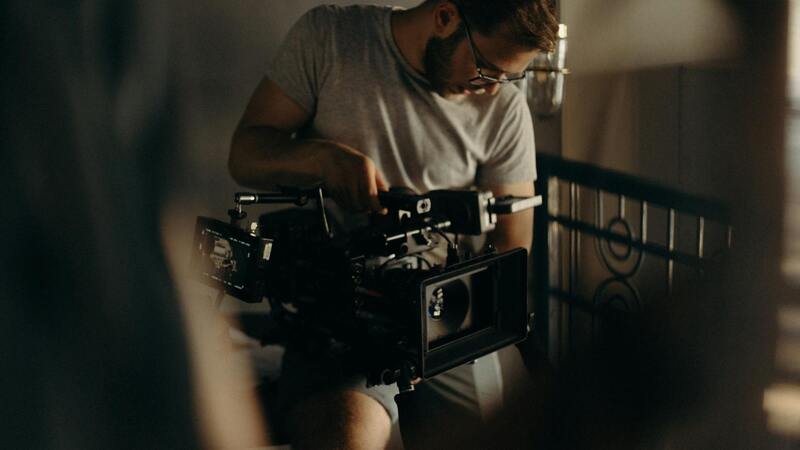
Private property photography also warrants formal permission from property owners. Engaging in pre-shoot negotiations with property managers or owners not only facilitates access but also lays the groundwork for a mutually respectful professional relationship. Clearly outlining the scope of work, equipment used, and potential impact on the property can prevent misunderstandings and legal complications.
Understanding and respecting privacy laws is crucial, especially when photographing individuals or private properties. Photographers should obtain model releases when featuring identifiable persons, and avoid intrusive tactics, such as intrusive drone surveillance or trespassing on restricted areas. These practices help maintain ethical standards and foster positive interactions within the community.
Failure to acquire proper permits or adhere to established guidelines may result in fines, project delays, or temporary suspension of the shoot. Being proactive in communication with relevant authorities and securing the necessary paperwork helps uphold professionalism and ensures compliance with Miami’s vibrant visual culture. Establishing ongoing relationships with city officials and security agencies can also ease future permit processes and provide valuable updates on any regulatory changes.
Legalities and Permits for Photography in Miami
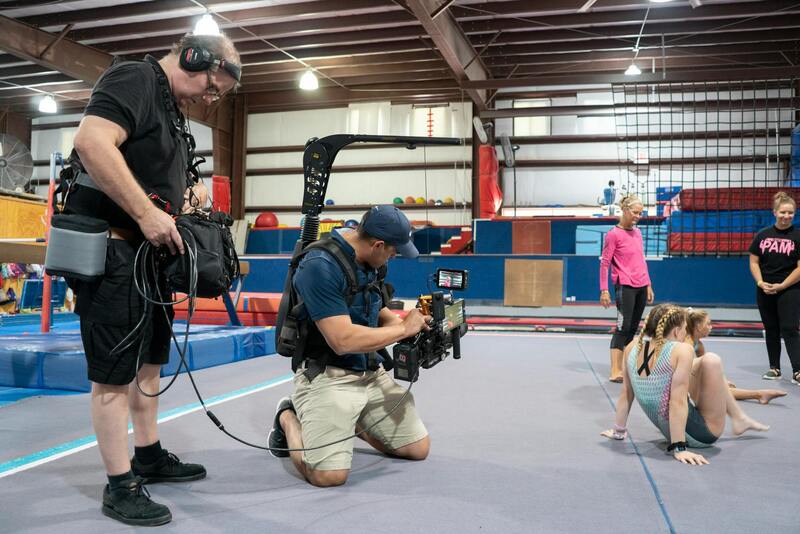
Successfully executing photography projects in Miami involves understanding and adhering to the city's regulations regarding permits and permissions. Obtaining the proper documentation helps ensure that your activities are lawful and aligned with local policies, preventing disruptions or potential legal issues during the shoot.
For downtown areas, beaches, parks, and other popular public locations, acquiring permits typically requires submitting detailed plans of the shoot to city authorities. This may include providing information about the intended dates and times, equipment to be used, expected number of personnel, and the scope of the project. Pre-approval ensures that your activities are coordinated with local authorities and that safety protocols are maintained.
Private property photography also mandates explicit permission from property owners or managers. Initiating communication beforehand enables transparent discussions about access, duration, and any restrictions or guidelines. Drafting a formal agreement that clearly states the responsibilities of each party, equipment details, and liability clauses can help avoid misunderstandings.
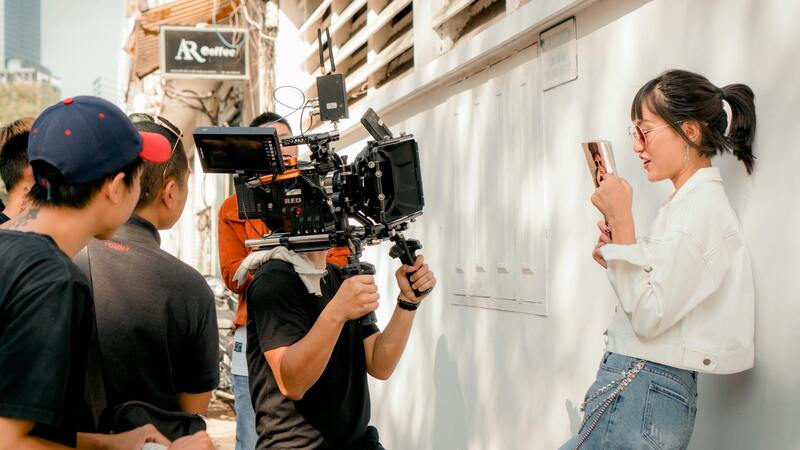
Engaging with local authorities, such as the Miami-Dade County permitting office or city planning agencies, facilitates the acquisition of necessary permits. Building ongoing relationships with city officials, security personnel, and community stakeholders not only streamlines the process but also fosters trust and cooperation for future projects.
Photographers should also be mindful of privacy considerations when capturing images involving individuals or private property. Obtaining model releases when featuring recognizable people guards against potential disputes and respects personal rights. Additionally, respecting restricted zones, avoiding intrusive drone activity, and refraining from trespassing are fundamental to maintaining ethical standards and community goodwill. Such precautions also mitigate delays caused by non-compliance, which could result in fines or project suspensions.
Ultimately, proactive communication with relevant authorities, meticulous planning, and a clear understanding of permit requirements form the backbone of successful photography endeavors in Miami. These steps contribute to a smooth operational flow, protect your creative investments, and uphold the city’s vibrant visual culture.
Overview of Photography Scene in Miami
Miami's vibrant and diverse environment provides an expansive backdrop for professional and amateur photographers alike. The city's unique blend of modern architecture, colorful street art, lush parks, and iconic beaches makes it a prime location for a variety of photographic styles. The dynamic urban energy combined with natural beauty fosters creative opportunities across different genres, from fashion shoots and commercial advertising to fine art and documentary projects. The city's multicultural atmosphere adds additional layers to visual storytelling, emphasizing its role as a hub for innovative photography that captures the essence of South Florida’s vibrant lifestyle and scenic landscapes.
Popular Types of Photography in Miami
- Landscape and Nature Photography: The pristine beaches, vibrant sunsets, and scenic parks such as Matheson Hammock and Bill Baggs Cape Florida State Park serve as ideal spots for capturing Miami’s natural beauty.
- Fashion and Editorial: Miami’s bustling fashion scene, especially during events like Miami Fashion Week, offers numerous opportunities for stylish, high-impact shoots in locations like Wynwood Walls and Ocean Drive.
- Commercial Photography: With a thriving business community and numerous corporate landmarks, commercial photography is essential for branding and marketing campaigns that aim to showcase Miami’s urban sophistication.
- Street and Urban Photography: The eclectic neighborhoods, street murals, and lively markets highlight Miami’s cultural diversity, making streetscapes and candid moments prime subjects for street photographers.
- Event and Wedding Photography: Miami’s year-round warm climate and scenic venues make it a popular destination for weddings and special events requiring professional documentation.
Top Locations for Photography in Miami
The city offers a wide range of visually appealing locations for photography enthusiasts:
- Wynwood Walls: Famous for its colorful murals and street art, this neighborhood provides a vibrant canvas for creative compositions.
- South Beach: Known for its white sandy beaches, crystal-clear waters, and lively boardwalks, ideal for sunset and lifestyle shoots.
- Miami Downtown and Brickell: The skyline and modern high-rise buildings serve as excellent backgrounds for urban and commercial photography.
- Little Havana: Rich in cultural expressions, this area is excellent for capturing authentic street scenes and vibrant life.
- Coral Gables and Coconut Grove: Offers lush greenery, historic architecture, and a peaceful atmosphere for refined and nature-oriented shoots.
Choosing a Photography Style for Miami Shoots
Selecting the right photography style depends on the project’s goals and the location’s characteristics. For fashion and commercial projects, a sleek, high-resolution approach emphasizes clarity, lighting, and branding details. Lifestyle and street photography benefit from candid, natural compositions that capture Miami’s authentic vibe. Fine art and landscape work often emphasize mood and atmosphere, utilizing the city’s natural light and scenic environments. When planning a shoot, consider the intended message, audience, and the visual narrative to align with the most suitable style, ensuring a cohesive and impactful result.
Working with Local Photographers and Studios
Engaging local photography professionals offers distinct advantages. Local photographers are familiar with Miami’s most photogenic spots, permitting efficient planning and access to insider knowledge of the best times to shoot and optimal angles. Many studios provide tailored services, including equipment rental, post-production, and logistical support, contributing to the overall quality and professionalism of the project. Collaborating with local experts also facilitates compliance with city regulations while fostering community connections, which can be beneficial for ongoing or large-scale projects. Building relationships with regional photographers encourages creative synergy and ensures that the project aligns with Miami's vibrant visual culture.
Legalities and Permits for Photography in Miami
Professional photography in Miami requires adherence to specific procedural standards designed to safeguard the interests of property owners, private citizens, and the city itself. Securing permits ensures that shoots in public spaces are officially recognized, minimizing disruptions and legal complications. The application process typically involves providing detailed shoot plans, times, and locations, along with any necessary documentation to demonstrate compliance with city guidelines. Permits can usually be obtained through the Miami-Dade County permitting office or city planning departments. For commercial projects, additional approvals may be required when shooting at landmark sites, private properties, or protected zones. Working with permits not only helps prevent inconveniences but also reinforces a professional image for your brand or organization, demonstrating respect for local regulations and community standards.
Tips for Successful Photography Projects in Miami
- Plan Around Lighting: Miami’s natural sunlight varies throughout the day, with golden hours occurring early morning and late afternoon. Scheduling shoots during these times enhances image quality and mood.
- Scout Locations in Advance: Visiting locations beforehand allows you to identify the best vantage points, lighting conditions, and potential obstacles. This pre-visualization is crucial for efficient shooting sessions.
- Obtain Necessary Permits: As emphasized, permits help avoid operational delays and legal issues, ensuring a smooth workflow from start to finish.
- Engage Local Expertise: Working with regional professionals familiar with Miami’s unique environment maximizes creative potential and logistical efficiency.
- Respect Privacy and Community Spaces: Obtain model releases when capturing recognizable individuals, and always adhere to restrictions in private or sensitive areas.
- Utilize Technological Tools: Drone photography has become increasingly popular for capturing aerial views; ensure proper licensing and permissions to use drones safely and legally.
- Protect Your Equipment: Miami’s humid climate and frequent weather shifts necessitate appropriate gear to safeguard cameras and accessories during shooting sessions.