
Role and Significance of a Yacht Photographer
In the vibrant landscape of Miami's luxury market, the visual portrayal of high-end yachts plays a crucial role in attracting discerning clients and enhancing brand reputation. A yacht photographer specializes in capturing the essence and grandeur of these vessels through expert photography techniques. Their images serve as essential tools for marketing materials, listing platforms, and promotional campaigns, helping yacht owners and brokers stand out in a competitive environment. Through compelling visuals, a yacht photographer not only showcases the vessel's design, craftsmanship, and luxurious features but also evokes an emotional response that resonates with potential buyers and charter clients. The strategic use of professional imagery can significantly influence purchase decisions, making a skilled yacht photographer an invaluable asset for anyone seeking to elevate their presence in the Miami yacht scene. This field demands a keen eye for detail, an understanding of maritime aesthetics, and proficiency in leveraging natural and artificial lighting to highlight each vessel's unique attributes.
Maintaining high standards of image quality and presentation is vital in this niche. High-resolution images that reveal the sleek lines, exquisite interiors, and scenic surroundings help craft a compelling visual story. These images not only serve marketing purposes but also preserve the yacht's visual integrity for future promotional use. As the luxury yacht market in Miami continues to thrive, the importance of professional yacht photography becomes increasingly evident, bridging the gap between visual appeal and successful sales.
Ultimately, a yacht photographer's role extends beyond merely taking pictures. It involves understanding the aspirations of luxury yacht owners, recognizing the unique selling points of each vessel, and translating those qualities into captivating images. In doing so, they help set the tone for effective marketing strategies, foster trust with prospective clients, and enhance the yacht's allure in a competitive marketplace. The significance of professional yacht photography cannot be overstated in establishing a yacht's premium status and achieving sales success in Miami's luxurious maritime landscape.
Types of Yacht Photography Services Offered
Yacht photographers in Miami specialize in a variety of service packages tailored to meet the diverse needs of yacht owners, brokers, and marketing teams. These services are designed to showcase vessels from multiple perspectives and angles, emphasizing their aesthetic appeal and functional features. The primary types include exterior shots, interior photography, drone imaging, 360-degree virtual tours, and event coverage.
Exterior Photography: This involves capturing the yacht's sleek lines, spacious decks, and external features under optimal lighting conditions. It highlights design elements, hull craftsmanship, and overall vessel grandeur, often utilizing wide-angle lenses and aerial perspectives for dramatic effect.
Interior Photography: Specializing in high-end interior shots, photographers use advanced lighting setups to reveal the luxurious interiors, from plush lounges to state-of-the-art galley kitchens. Skilled retouching ensures interior spaces appear inviting and expansive.
Drone Photography and Videography: The use of drone technology extends the visual narrative by capturing dynamic aerial views of the yacht in its natural environment. This service is invaluable for showcasing the yacht's size, the scenic surroundings, and the overall maritime setting, offering prospective clients a comprehensive visual experience.
360-Degree Virtual Tours: Interactive tours allow potential buyers and charter clients to explore the yacht remotely. This immersive experience enhances engagement and provides a realistic understanding of the vessel's layout and ambiance.
Event Photography: Covering yacht parties, fleet launches, or corporate events aboard a yacht, this service emphasizes the vessel's versatility and role as a luxury venue. Candid shots and ambiance photos help convey the vessel's lively atmosphere and opulence.
Tailored Marketing Content
Beyond individual photo sessions, many yacht photographers provide bundled marketing content, including social media-ready images, promotional videos, and detailed vessel portfolios. These assets support commercial efforts across various channels, amplifying the yacht's visibility and appeal in competitive markets.
Each service is meticulously planned and executed to ensure that the final images align with the client's promotional goals. From pre-shoot consultations to post-processing, expert guidance and attention to detail are fundamental to delivering captivating and impactful visual content.
Role and Significance of a Yacht Photographer
A yacht photographer plays a crucial role in the maritime industry by capturing stunning visuals that highlight the vessel’s luxury, craftsmanship, and operational excellence. Their work goes beyond mere documentation; it involves creating compelling imagery capable of evoking emotion, aspiration, and trust among potential clients, brokers, and charter companies. The photographs serve as powerful marketing tools, helping yachts stand out in a competitive marketplace and attracting discerning clients who seek premium experiences.
In addition to aesthetic appeal, a yacht photographer must understand the unique challenges posed by maritime environments. Capturing the glimmering reflections off the water, the intricate details of the yacht's exterior, and the opulent interior spaces require specialized skills. These images are often the first impression prospective buyers or charter guests encounter, making the photographer’s role vital in shaping perception and decision-making.
High-quality yacht photography also supports a vessel’s online presence. It ensures the yacht’s listing on websites, brochures, and social media platforms exudes professionalism, elegance, and authenticity. This visual storytelling is a strategic asset that fosters trust, elevates brand reputation, and can significantly influence inquiry rates and sales conversions.
Key Skills and Techniques for Yacht Photography
To excel in yacht photography, professionals must possess a specialized set of skills that combine technical mastery with artistic sensibility. These include:
- Technical Proficiency: Knowledge of camera operations, lens choices, lighting, and composition is fundamental. Photographers must adapt to varying light conditions, weather patterns, and maritime settings to produce consistent, high-resolution images.
- Understanding of Maritime Environments: Familiarity with yacht features, deck layouts, and interior layouts ensures accurate representation. Anticipating angles that showcase vessel size, design details, and craftsmanship enhances the visual narrative.
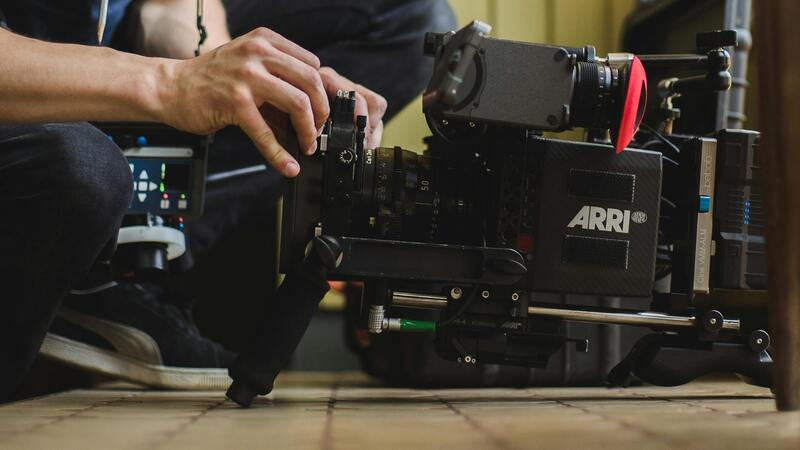
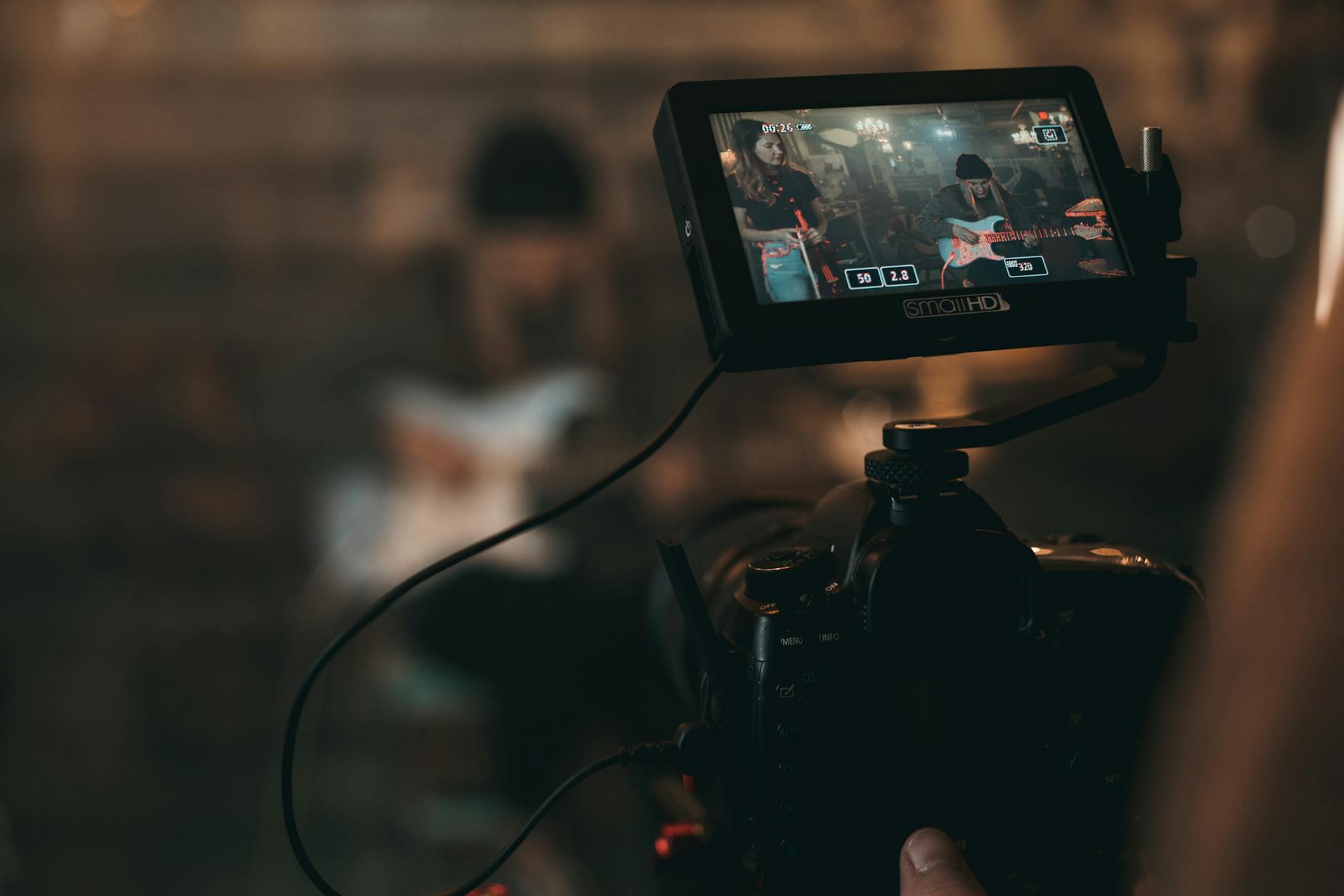
- Use of Advanced Equipment: Employing high-end DSLR or mirrorless cameras, macro lenses for detail shots, and drone technology for aerial imagery adds depth and dynamic perspectives. Proper stabilization and filters optimize image quality in outdoor conditions.
- Lighting Techniques: Natural sunlight, especially during golden hour, is ideal for exterior shots. Skilled photographers utilize reflectors, diffusers, and artificial lighting to highlight interior elements without altering authenticity.
- Post-Processing Skills: Editing programs such as Adobe Lightroom and Photoshop are essential for color correction, retouching, and enhancing details. Proper post-production ensures the final visuals meet professional standards and client expectations.
Mastering these skills allows yacht photographers to create compelling images that resonate with their audience, serving as essential components in marketing campaigns and sales strategies.
Importance of Location and Timing in Yacht Photography
Choosing the right location and timing is pivotal to capturing stunning yacht images that highlight the vessel's features and enhance its visual appeal. Optimal locations provide a captivating backdrop that complements the yacht's aesthetics, showcasing its design against scenic coastlines, open waters, or iconic landmarks. It’s essential to scout potential sites beforehand, considering factors such as accessibility, light conditions, and visual interest.
Timing plays a crucial role in maximizing lighting conditions and setting the mood for the images. The golden hour—shortly after sunrise and before sunset—offers warm, soft light that accentuates the yacht's contours and interior details while reducing harsh shadows. Overcast days can provide diffused light, ideal for interior shots or reducing glare on the water surface. Accurate timing also helps avoid crowds, ensuring unobstructed shots that showcase the vessel's elegance and craftsmanship without distraction.
Strategic planning involves coordinating with local maritime authorities or marina management to secure permits if necessary, understanding tidal schedules that influence access and stability, and considering environmental factors such as weather patterns which can impact lighting and visibility.
Post-Production and Enhancements in Yacht Photography
Post-production plays an integral role in refining yacht images to meet professional standards. Editing tools like Adobe Lightroom and Photoshop allow photographers to adjust color balance, enhance details, and correct any imperfections. Proper retouching ensures the vessel’s exteriors and interiors appear vibrant, true to life, and visually appealing.
Careful enhancement of water reflections, sky colors, and lighting effects can add depth and drama to the images. A balanced approach ensures that photos remain authentic representations of the yacht without appearing overly manipulated. Consistent color grading and exposure adjustments help maintain a cohesive look across a series of images, supporting branding efforts and marketing campaigns.

By integrating meticulous location planning, optimal timing, and skilled post-production techniques, a yacht photographer can produce compelling visuals that convey luxury, craftsmanship, and the vessel’s unique character—elements vital to attracting discerning clients and elevating marketing initiatives.
Effective Techniques for Capturing the Essence of a Yacht
To produce striking images that highlight the grandeur and elegance of a yacht, a photographer must utilize an array of advanced techniques. High-quality equipment, such as wide-angle and telephoto lenses, enables capturing both expansive views and intricate details. Using a wide-angle lens allows for showcasing the yacht in its entirety, emphasizing its size and design, especially when shot from a lower point of view to accentuate height and depth.
Proper lighting is crucial. Shooting during golden hour—shortly after sunrise or before sunset—provides natural, warm illumination that enhances the yacht’s contours and emphasizes reflective surfaces. Overcast conditions can also be beneficial, as diffused light minimizes harsh shadows and provides soft, balanced illumination for detailed shots of the yacht’s exterior and interior spaces.
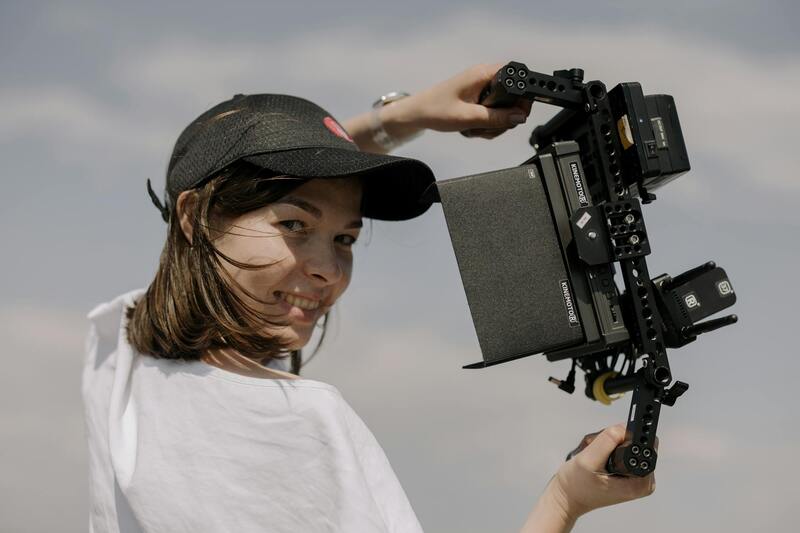
Stability equipment such as tripods and drone stabilization systems help achieve sharp images, particularly in challenging conditions such as wind or when capturing long exposures. Drones have revolutionized yacht photography by providing aerial shots that highlight the vessel’s scale and surroundings from unique vantage points, creating a dynamic narrative for promotional campaigns.
Mastering composition and framing is pivotal. Applying the rule of thirds guides the placement of key features, like the yacht’s bow or luxurious deck, to attract viewer focus. Including scenic backgrounds such as the ocean, marina, or skyline further contextualizes the vessel’s setting and enhances visual storytelling.
Advanced Post-Processing for Enhanced Visual Appeal
After capturing the initial shots, post-processing becomes essential to polish and elevate yacht images. Employing editing software such as Adobe Lightroom and Photoshop enables fine-tuning of color, contrast, and brightness to ensure images faithfully reflect the yacht’s true luxury and craftsmanship. Meticulous retouching corrects minor imperfections like water splashes or reflections, ensuring a pristine presentation.
Enhancing water reflections, sky hues, and lighting effects adds an artistic dimension to the images, creating captivating visuals suitable for high-end marketing. Consistent color grading across a series maintains brand cohesion, while strategic enhancement draws attention to specific yacht features—like custom interiors, sleek exteriors, or state-of-the-art amenities.
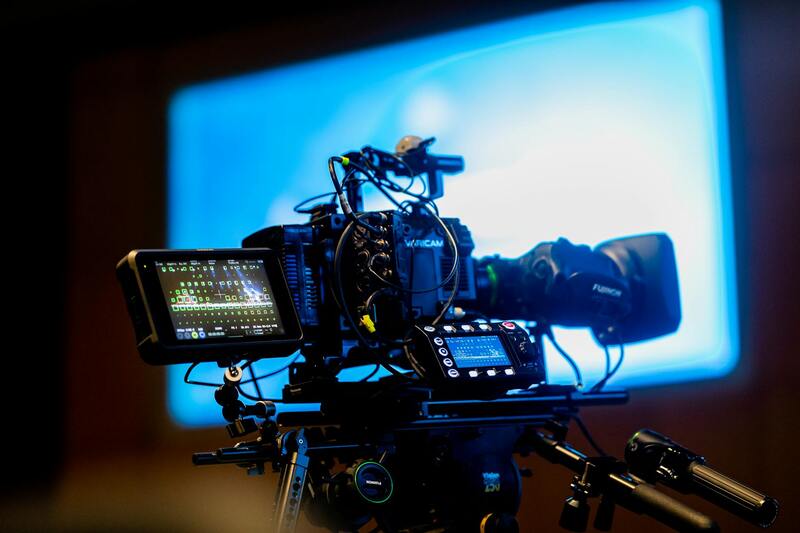
Ultimately, the goal of post-production is to produce images that are both aesthetically compelling and authentic. Achieving this balance helps in creating a visual narrative that resonates with prospective clients, exuding luxury, elegance, and exclusivity. Skilled editing paired with superior shooting techniques can make a significant difference in elevating the yacht’s visual appeal, aligning with marketing objectives and attracting discerning clientele.
Role and Significance of a Yacht Photographer
Yacht photographers play a crucial role in capturing the essence of luxury vessels, translating their intricate designs, lavish interiors, and sleek exteriors into compelling visual stories. These professionals serve as visual ambassadors, showcasing yachts in their best light to attract discerning clients, brokers, and charter companies. Their work not only enhances the yacht’s appeal but also reinforces its market value by highlighting craftsmanship, unique features, and overall aesthetic appeal.
In an industry driven by aesthetics and exclusivity, the skillful eye of a yacht photographer is instrumental in creating images that evoke emotion and desire. Whether highlighting the vessel’s elegance against a sunrise or capturing lively docking scenes with scenic backdrops, their photographs become essential tools in marketing campaigns and sales presentations. High-quality images help to differentiate a yacht in a competitive marketplace, making strategic use of lighting, composition, and perspective to evoke a sense of luxury and adventure.
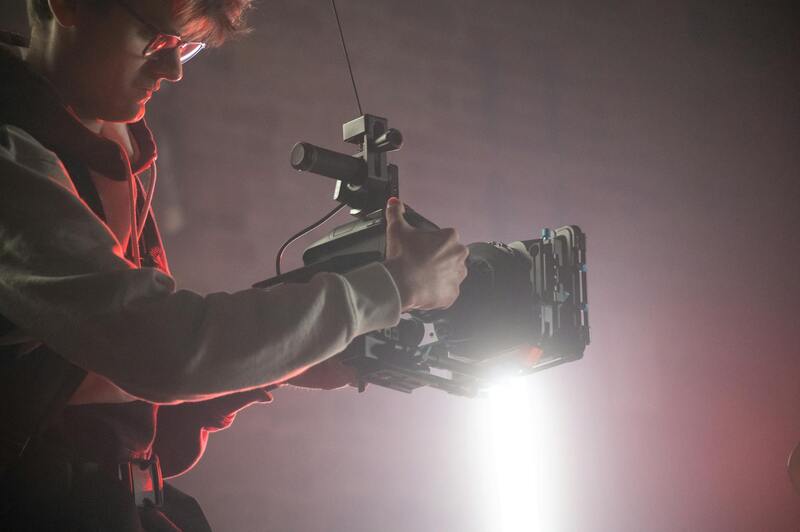
Moreover, a skilled yacht photographer is adept at working in dynamic environments, adapting to weather changes, lighting conditions, and the vessel’s movement, ensuring the capture of perfect shots despite challenging conditions. They understand the importance of conveying the yacht’s personality and style, whether classic, modern, or innovative, tailoring their approach to match the vessel’s identity and the client’s branding strategy.
Key Skills and Techniques for Yacht Photography
- Lighting Mastery: Utilizing natural light to accentuate the yacht’s contours and finishes, while employing diffuse lighting techniques during overcast days or in interior shots to avoid harsh shadows.
- Composition and Perspective: Applying dynamic angles and using both wide and telephoto lenses to create depth and focus on key features.
- Attention to Detail: Capturing intricate elements such as custom furnishings, technological integrations, and fine finishes that highlight the yacht’s uniqueness.
- Post-Processing Skills: Employing editing software for color correction, contrast enhancement, and retouching to produce vibrant and polished images that reflect the yacht’s luxury.
- Environmental Awareness: Working seamlessly around the vessel and environment to minimize disruptions while maximizing visual impact.
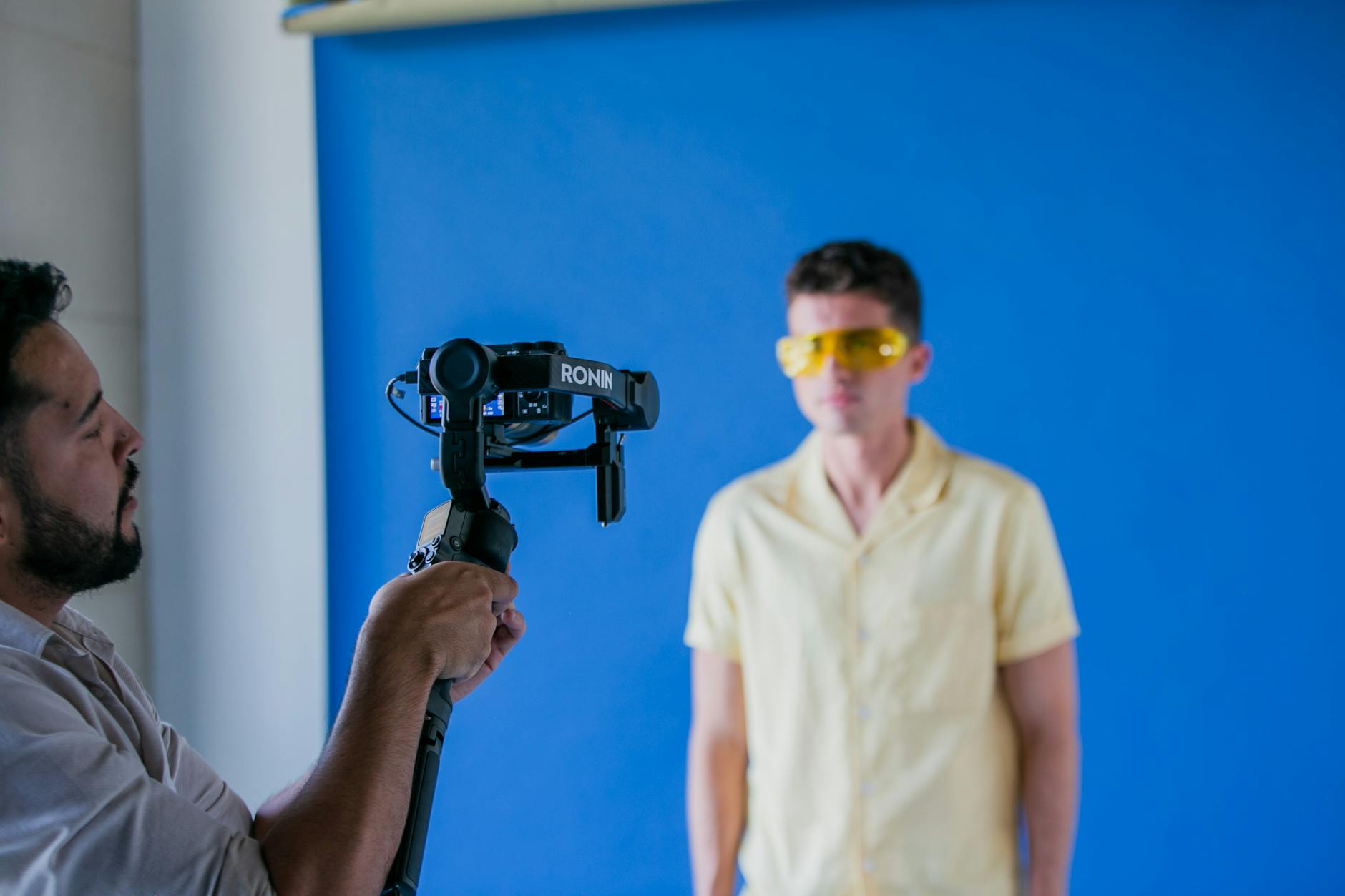
Types of Yacht Photography Services Offered
Yacht photographers offer a spectrum of specialized services tailored to various marketing and documentation needs:
- Exterior Shoots: Highlighting the yacht’s profile, craftsmanship, and scenic surroundings, often for brochures and advertisements.
- Interior Photography: Showcasing luxurious cabins, salons, and amenities, vital for charter listings and sales campaigns.
- 360-Degree Virtual Tours: Creating immersive experiences for prospective clients who wish to explore the yacht remotely.
- Event and Lifestyle Photography: Capturing onboard events, social gatherings, and leisure activities to promote a lifestyle of opulence.
- Underwater and Aerial Shots: Employing drones or underwater cameras to provide a comprehensive view of the vessel and its environment.
These services combine to furnish comprehensive visual content that appeals to buyers, brokers, and marketing agencies, promising an authentic yet aspirational portrayal of the yacht.
The Process of Shooting a Yacht
The process begins with pre-shoot planning, where the photographer reviews vessel details and discusses desired outcomes with the client. Location scouting is vital to select operational angles and scenic backdrops that best complement the vessel’s design. During the shoot, a combination of natural lighting and supplementary equipment, such as reflectors and stabilizers, ensures sharp, well-lit images.
Post-shoot, the images enter a meticulous editing phase, where color grading, retouching, and compositing refine the visuals to enhance their appeal without compromising authenticity. Deliverables might include high-resolution images for print, optimized web images for online listings, and videos or virtual tours for interactive presentations.
Impact of Professional Yacht Photography on Marketing and Sales
High-caliber visual content significantly elevates a yacht's market presence. Professional images evoke luxury and exclusivity, capturing the attention of potential buyers and renters alike. They lend credibility to listings, assist in building compelling branding stories, and serve as the visual cornerstone of digital marketing strategies. Effective yacht photography can shorten sales cycles by providing clear, attractive representations that inspire confidence and desire among prospective clients.
Role and Significance of a Yacht Photographer
A yacht photographer plays a pivotal role in the luxury marine industry by capturing stunning images that showcase the elegance, craftsmanship, and unique features of each vessel. Their work extends beyond simple documentation; it transforms static objects into captivating visual narratives that resonate with high-net-worth individuals, brokers, and marketing agencies. Skilled yacht photographers understand the nuances of lighting, angles, and composition to highlight the design intricacies and luxurious details that set each yacht apart. In the competitive landscape of yacht sales and marketing, the importance of high-quality imagery cannot be overstated. Professional yacht photography enhances the perceived value of a vessel, making it more appealing in online listings, promotional materials, and virtual tours. These images serve as powerful tools that evoke emotion, inspiring prospective buyers to envision themselves aboard the yacht. Furthermore, an experienced yacht photographer possesses a keen eye for detail, ensuring that every shot accurately reflects the vessel’s style, condition, and personality, which is essential for building trust and credibility in the industry. With the increasing influence of digital marketing, the role of the yacht photographer has expanded. They often collaborate closely with brokers, yacht owners, and marketing teams to develop tailored visual content that aligns with branding strategies. Their expertise ensures that each photograph not only captures the vessel authentically but also elevates its market appeal, ultimately driving engagement and inquiries.
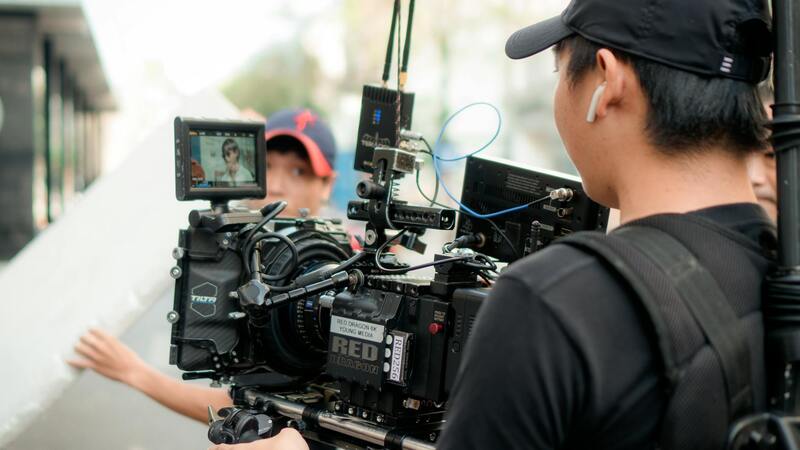
Key Skills and Techniques for Yacht Photography
To excel in yacht photography, professionals must possess a combination of technical skills, artistic vision, and industry knowledge. Mastery over camera settings, composition, lighting, and post-production are foundational competencies that enable photographers to produce high-quality images consistently. Effective yacht photography involves strategic lighting, often leveraging natural sunlight during golden hours to create warm, inviting tones. Supplementary equipment such as reflectors, diffusers, and stabilizers help manage difficult lighting conditions and ensure sharp, well-balanced images. Additionally, understanding the vessel's architectural lines and interior layouts guides the photographer in choosing angles that best emphasize aesthetics and functionality. Post-processing is equally vital. Skilled editors enhance images through color correction, retouching, and occasionally compositing to highlight the yacht’s features while maintaining a sense of authenticity. The use of filters or overlays aimed at elevating visual impact should be subtle and tasteful. A professional yacht photographer also stays updated with the latest industry trends, equipment, and editing software to continually refine their craft.
Types of Yacht Photography Services Offered
- Interior and Exterior Shots: Highlight the vessel’s design, layout, and craftsmanship inside and out.
- Aerial Photography: Utilize drone technology to capture expansive views and the yacht’s relationship to its surroundings.
- 360-Degree Virtual Tours: Offer immersive experiences that allow potential buyers to explore the yacht remotely.
- Event Photography: Document occasions such as yacht shows, private events, or client tours to build a comprehensive visual portfolio.
- Commercial and Lifestyle Shots: Focus on lifestyles associated with the yacht, including docking, leisure activities, and scenic backdrops that evoke aspirational living.
The Process of Shooting a Yacht
The process begins with detailed planning, including reviewing the vessel’s specifications and objectives. An on-site walkthrough helps identify ideal angles, lighting conditions, and scenic elements that complement the yacht’s architecture. When scheduling the shoot, weather considerations are paramount; clear skies and calm waters often yield the most striking images. During the shoot, a combination of natural sunlight and auxiliary lighting creates depth and vibrancy. Photographers often employ drone footage for panoramic perspectives, capturing the yacht’s grandeur from above. Inside the vessel, attention to detail ensures that luxurious finishes and functional spaces are showcased in their best light. Post-shoot, images undergo rigorous editing. Color grading enhances the vessel’s true colors, while retouching removes minor imperfections. The final selection of images is optimized for various applications, including high-resolution prints, online listings, and multimedia presentations.
Importance of Location and Timing in Yacht Photography
Location and timing are critical factors that influence the quality and impact of yacht images. Strategic selection of shoot locations enhances visual storytelling by providing picturesque backdrops that accentuate the vessel’s elegance. Dockside shots can emphasize the yacht’s design and pristine condition in a controlled environment, while seaside or open water settings often evoke a sense of freedom and adventure. Timing the shoot during optimal lighting conditions, such as dawn or dusk, known as the golden hour, produces warm, soft light that flattens shadows and emphasizes natural beauty. Overcast days can also be beneficial by diffusing sunlight and reducing glare, resulting in evenly lit images. Additionally, understanding weather patterns and sea conditions helps in planning shoots that avoid rough waters or adverse weather, which can detract from the vessel’s appearance. Complementing the physical environment with the right timing ensures that each photograph conveys a sense of luxury, peace, and exclusivity—attributes highly valued in yacht marketing. Skilled yacht photographers are adept at adapting their plans to maximize the visual potential of each location and moment.
Editing and Post-Production in Yacht Photography
Post-production is a crucial phase that transforms raw images into compelling marketing assets. It involves meticulous editing to enhance clarity, color accuracy, and visual appeal, all while preserving the authenticity of the scene. Image retouching is performed to correct minor imperfections such as reflections, lighting inconsistencies, or background distractions. Color grading plays a vital role, ensuring that the images evoke the intended mood—be it the vibrant energy of midday or the tranquil warmth of sunset. Advanced techniques, including high-dynamic-range (HDR) imaging, may be utilized to balance exposure levels and recover details from shadows and highlights. For virtual tours and online listings, images are optimized for various platforms, ensuring swift loading times without sacrificing resolution or detail. Additionally, all edits follow a consistent style that aligns with the yacht’s branding, ensuring a cohesive visual identity. Effective post-production elevates the quality of yacht imagery, making it a powerful tool in marketing campaigns. It allows for the creation of visually stunning content that attracts attention, fosters emotional engagement, and ultimately leads to increased inquiries and sales.
Role and Significance of a Yacht Photographer
A yacht photographer plays a vital role in capturing the unique elegance and grandeur of luxury vessels. Their work extends beyond simple image capturing; they craft visual stories that highlight the yacht’s design, interior aesthetics, exterior lines, and the ambiance it embodies. The intricacies involved in yacht photography demand an understanding of maritime architecture, lighting nuances, and the environment to produce images that resonate with prospective buyers and clients.
In the competitive luxury market, high-caliber yacht imagery significantly influences decision-making, appealing to clients’ emotions and aspirations. Skilled yacht photographers are adept at showcasing the vessel’s features in various lighting conditions, ensuring that each shot emphasizes the yacht’s exclusivity and craftsmanship.
This role also involves a strategic approach to composition, framing, and timing. It requires an expert eye to select angles that accentuate the yacht’s best features while maintaining authentic representations. The importance of these images extends into marketing campaigns, online listings, and promotional materials, where they serve as the first impression for potential buyers or charter clients.
Furthermore, a yacht photographer ensures that images stand out amidst the high-volume competition prevalent in premium markets like Miami. They utilize advanced techniques and equipment to deliver high-resolution, vibrant images that not only attract attention but also build trust in the quality of the vessel and the services associated with it.
Key Skills and Techniques for Yacht Photography
Successful yacht photographers combine technical proficiency with artistic sensibility. Essential skills include a mastery of camera settings, understanding natural and artificial light, and the ability to adapt quickly to changing conditions at sea or dockside. Techniques such as HDR imaging, panoramic stitching, and drone photography are frequently employed to capture comprehensive views of the yacht and its surroundings.
- Lighting mastery: Optimizing natural light during different times of the day to highlight the yacht’s features.
- Perspective and composition: Selecting angles that showcase the vessel's elegance and craftsmanship.
- Use of drones: Capturing aerial views that provide a sense of scale and context for the yacht’s location.
- Post-processing expertise: Refining images to enhance clarity, color accuracy, and overall impact without compromising authenticity.
Types of Yacht Photography Services Offered
The scope of yacht photography varies to meet different marketing and branding needs. Common service offerings include:
- Exterior Photography: Showcasing the yacht's hull, deck, and surrounding environment to highlight its overall design and setting.
- Interior Photography: Capturing luxurious interior spaces, including salons, cabins, kitchens, and recreational areas, emphasizing comfort and craftsmanship.
- Aerial Photography: Utilizing drones to provide stunning bird’s-eye views, emphasizing the yacht’s size and position relative to scenic backdrops.
- Virtual Tours and 360-Degree Imaging: Creating immersive experiences for online viewers that facilitate virtual inspections.
- Event Photography: Covering special occasions onboard to portray the yacht's versatility and appeal for charter services.
Each service aims to produce compelling visual content tailored to specific marketing channels—be it online listings, brochures, social media, or personal branding.
The Process of Shooting a Yacht
The process begins with a detailed planning phase, including pre-shoot consultations to understand marketing goals, preferred aesthetics, and specific features to emphasize. The photographer conducts site reconnaissance, assessing lighting conditions and potential angles, often coordinating with the yacht’s crew or owners.
On the shooting day, optimal timing is crucial. Early morning and late afternoon—during the golden hour—offer softer, more flattering natural light. Coordinating with crew members ensures access to all areas of the vessel, and drone operators execute aerial shots from strategic positions.
During the shoot, multiple takes and angles are recorded, focusing on both the vessel's grandeur and intricate details. Variations in weather, sea conditions, and lighting are considered to capture the yacht in its best light under diverse circumstances.
Importance of Location and Timing in Yacht Photography
Choosing the right location for yacht photography is pivotal. Locations that complement the yacht’s design, such as scenic coastlines, pristine beaches, or vibrant marinas, dramatically elevate the imagery’s appeal. The surroundings should reflect luxury, tranquility, and exclusivity to align with the target audience’s aspirations.
Timing also influences the image quality significantly. Shooting during optimal weather conditions, particularly during the golden or blue hour, yields warm, inviting tones that enhance the yacht’s aesthetic. Cloud cover, tide levels, and the angle of sunlight all impact the final outcome, requiring meticulous planning and real-time adjustments.
Editing and Post-Production in Yacht Photography
Post-production transforms raw captures into polished marketing assets. The process involves color correction, exposure adjustments, and minor retouching to eliminate distractions like reflections or background clutter. Enhancing color vibrancy ensures that the yacht’s material and finish details are vividly represented.
Techniques such as HDR imaging help balance highlights and shadows, especially when shooting scenes with high contrast. Stitching multiple images creates panoramic views, providing comprehensive perspectives of the yacht and its environment. Consistency in style and tone across all images develops a cohesive visual narrative aligned with branding strategies.

Choosing the Right Yacht Photographer in Miami
Miami’s vibrant yacht scene demands a photographer with proven experience and a keen eye for luxury aesthetics. The ideal professional possesses a strong portfolio demonstrating versatility across various yacht types, scenic locations, and lighting conditions. Local knowledge of Miami’s marinas, coastlines, and scenic spots is essential for optimizing shoot locations.
It is important to consider a photographer’s technical skills, understanding of maritime environments, and ability to work seamlessly with yacht crews. They should also be able to deliver a broad range of services, from high-resolution images for print marketing to dynamic virtual tours for online listings.
Reviewing previous work, client testimonials, and understanding their approach to post-processing can provide additional insights. An experienced yacht photographer ensures that every shot contributes meaningfully to marketing initiatives, elevating the vessel’s appeal and accelerating sales or charter bookings.