
Overview of Marine Video Production in Miami
Miami stands out as a premier hub for marine video production, offering unparalleled opportunities to showcase the vibrant marine environment, bustling ports, luxury yachts, and the diverse aquatic life that define the region. This specialized form of video production is instrumental in several key industries including tourism, where captivating visuals attract visitors; real estate, highlighting waterfront properties through immersive footage; and marine research, documenting scientific endeavors in dynamic aquatic settings. The unique geographic and climatic conditions of Miami, combined with its advanced infrastructure and experienced production crews, make it an ideal location for high-quality marine video projects. By leveraging the region's natural beauty and technical expertise, Miami-based production companies craft engaging content that meets the evolving needs of clients looking to promote maritime destinations, products, and initiatives.
Throughout the city, professionals utilize a combination of cutting-edge equipment and innovative filming techniques to navigate the complexities of marine environments. From sweeping drone shots of the coastline to underwater cinematography of marine ecosystems, content creators develop visually stunning narratives that resonate with targeted audiences. As Miami continues to grow as a global maritime center, the demand for specialized marine video production services increases, supporting industries that rely heavily on high-quality visual media for marketing, education, and scientific research.
These endeavors require meticulous planning, advanced technology, and adherence to esteemed industry standards, ensuring each project not only captures the beauty of Miami’s aquatic surroundings but also aligns with the overarching goals of the client. Whether promoting luxury yacht charters, documenting marine conservation efforts, or creating educational content for aquatic research, marine video production in Miami plays a vital role in communicating stories that highlight the city’s maritime richness and technological prowess.
Key Equipment and Technology for Marine Video Production
Producing compelling marine videos in Miami requires state-of-the-art equipment tailored to withstand the unique challenges posed by aquatic environments. Paramount to this is the deployment of specialized camera systems designed for durability and clarity under water and in turbulent sea conditions. High-definition and 4K cameras with advanced waterproof housings ensure crisp images while safeguarding the equipment during prolonged exposure to water and salt spray.
Stabilization equipment such as gimbals and drone-mounted stabilization rigs is essential to achieving smooth, professional footage, especially when navigating the constantly moving marine setting. Underwater camera systems, including remotely operated vehicles (ROVs) and diver-held rigs, allow for close-up shots of marine flora and fauna, enhancing the storytelling with captivating detail.
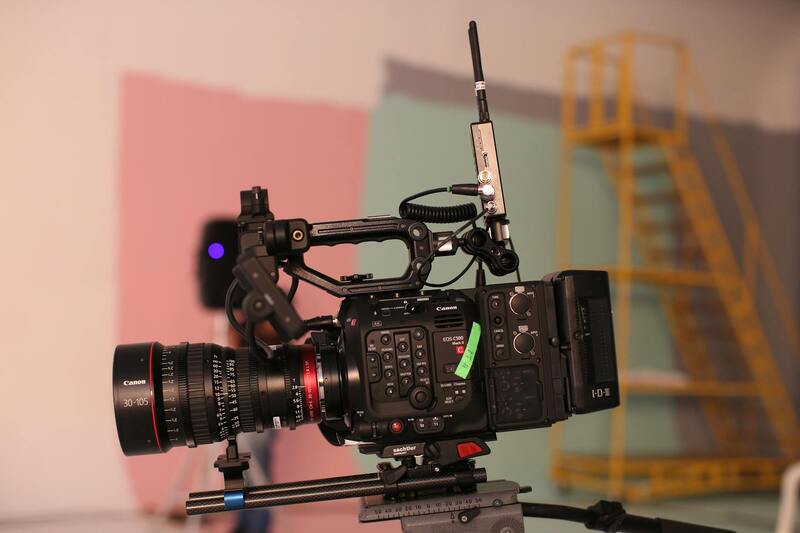
Wireless transmission systems facilitate real-time monitoring and control of drones and underwater cameras, providing cinematographers with immediate feedback and precise framing despite challenging conditions. Equally important are waterproof lighting and sound recording devices that optimize audio-visual quality even in low-light underwater scenes.
From remotely operated submersibles to handheld rigs capable of enduring high-pressure conditions, the combination of robust, specialized technology and strategic planning ensures the production of high-quality footage that captures the vibrancy and complexity of Miami’s marine ecosystems. These tools, alongside sophisticated editing suites, enable post-production specialists to refine raw footage into immersive visual narratives, heightening the impact of each project.
Planning and Pre-production for Marine Shoots
Effective marine video production in Miami begins with thorough pre-production strategies. This involves meticulous site assessments to understand environmental conditions, water currents, and lighting scenarios. A well-structured storyboard and shot list are essential to capitalize on optimal times of day and weather conditions, aligning production schedules with natural marine behaviors and lighting conditions.
Pre-visiting locations and securing necessary permits form vital parts of this phase, ensuring the crew can operate smoothly and without interruptions. Collaborating with marine experts and local navigators can help anticipate unpredictable elements such as tides or marine traffic, allowing for contingency planning. This detailed groundwork not only streamlines on-site operations but also ensures safety, compliance, and the achievement of creative goals.
Techniques for Filming in Marine Environments
Capturing high-impact marine videos involves specialized filming techniques that adapt to underwater and open-water conditions. Using wide-angle lenses facilitates expansive shots of the coastline or marine schools, emphasizing the vastness and diversity of aquatic life. For underwater footage, neutral buoyancy control is critical to maintain stability and achieve smooth motion, often aided by underwater stabilizers and motorized rigs.
Filmmakers employ drone technology for aerial shots of Miami’s waterfront and harbors, providing sweeping vistas and establishing shots that contextualize the marine environment. When filming in the water, slow-motion techniques highlight intricate interactions among marine organisms or highlight the movement of boats and ships. High-speed cameras are also employed to capture fast-moving aquatic activity, adding excitement and detail to the final product.
In dynamic marine conditions, camera operators must adapt quickly—adjusting focal lengths, exposure settings, and focus points—using remote controls and real-time monitoring systems to ensure optimal footage capture despite movement or environmental challenges.
Post-production Processes for Marine Videos
The post-production phase is integral to transforming raw footage into engaging visual stories. Color grading is often emphasized to enhance the vibrant colors of coral reefs, marine life, and Miami’s waterfront scenery. Noise reduction and stabilization filters correct for camera shake caused by water turbulence or drone movement, providing a polished and professional look.
Advanced editing software enables seamless integration of underwater shots with aerial and on-deck footage, creating comprehensive narratives that effectively communicate the intended message. Sound design also plays a crucial role—using underwater sound recordings or marine-specific audio effects enhances immersion, bringing viewers closer to the marine environment.
Furthermore, visual effects may be incorporated to illustrate scientific data or augment real-world scenes, helping to communicate complex ideas clearly. Finalization involves ensuring that the video meets technical standards for various distribution channels, whether for cinematic release, online marketing, or educational outreach.
Legal and Safety Considerations
Adhering to safety protocols while filming in marine environments is essential. This includes comprehensive risk assessments, safety briefings for all crew members, and the use of personal protective equipment. Continuous monitoring of weather conditions and water safety guidelines ensures a secure filming process.
Navigation permissions and adherence to maritime regulations support smooth operations and avoid conflicts with local vessels or protected Marine areas. Insurance coverage for equipment and personnel is also a critical component of planning, providing financial security against unforeseen incidents. Proper training in underwater safety protocols and emergency response procedures further enhances crew safety and project efficiency.
Applications and Industry Uses of Marine Videos
Marine videos created in Miami serve diverse purposes across industries. They are invaluable for marketing luxury yachts, showcasing marine tourism opportunities, and promoting waterfront real estate. Conservation organizations utilize these visuals to educate the public about marine ecosystems and the importance of sustainability initiatives.
Research institutions rely on marine videos to document ecological changes, assist in scientific studies, and support environmental assessments. Additionally, marine videos are increasingly used in virtual reality applications, offering immersive experiences that foster greater awareness and appreciation of Miami’s aquatic environments.
Choosing a Marine Video Production Partner in Miami
Selecting the right partner entails evaluating experience with marine environments, technological capabilities, and a portfolio demonstrating successful project execution. A competent production company should possess specialized equipment, local knowledge, and a proven track record in delivering high-quality content that aligns with specific industry standards.
Effective communication, a clear understanding of project goals, and comprehensive pre-production planning are also fundamental to ensuring the final product captures the essence of Miami’s marine landscape. When partnering with professionals skilled in marine video production, clients gain access to innovative techniques, reliable operational practices, and creative storytelling that elevates their brand visibility and educational initiatives in the aquatic sector.
Techniques for Filming in Marine Environments
Capturing high-quality footage in marine settings demands specialized filming techniques tailored to the unique challenges presented by water and aquatic conditions. Underwater filming requires advanced waterproof equipment, lighting solutions capable of functioning in low visibility conditions, and stabilization tools to ensure smooth shots despite movements caused by current and waves. Camera rigs such as underwater housings and drone-mounted platforms enable versatile filming angles—providing both immersive underwater perspectives and aerial views of the marine landscape, crucial for comprehensive storytelling.
Utilizing high-definition cameras with advanced stabilization technology ensures sharp, crisp visuals that convey the vibrancy and dynamism of marine life and environments. Wide-angle lenses help capture vast underwater scenery, while macro lenses focus on intricate details like coral textures or schooling fish. For surface filming, balanced stabilization platforms and waterproof housings prevent camera shake, delivering professional results even in turbulent waters.
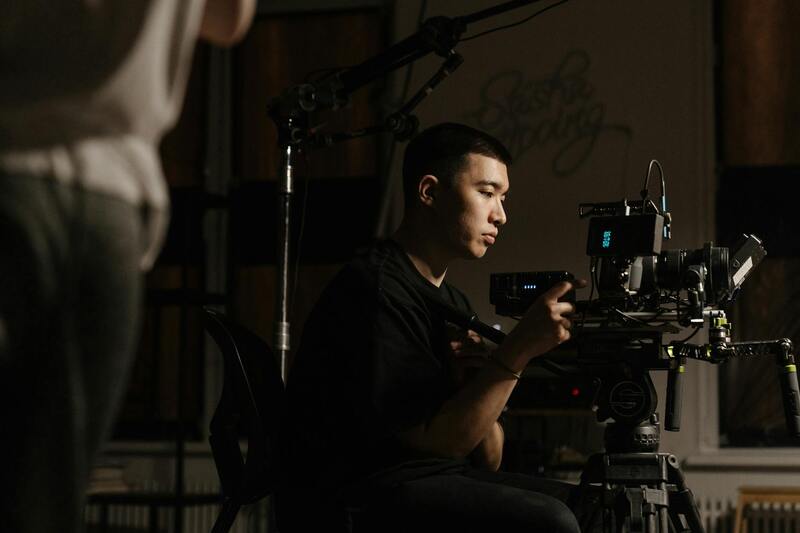
Another critical technique involves the strategic use of lighting. Marine environments often have limited natural light, especially at depth, necessitating waterproof LED lights that illuminate subjects without disturbing wildlife or water clarity. Techniques such as backscatter reduction and color correction help produce vibrant, true-to-life images, ensuring the visual content accurately reflects the marine ecosystem.
In addition, meticulous planning around tides, currents, and weather conditions is vital to maximize footage quality. Filmmakers often coordinate with local maritime authorities to ensure adherence to navigation rules and safety protocols. Employing remote-controlled cameras or autonomous underwater vehicles (AUVs) can extend the reach of filming efforts, capturing shots in areas that are difficult or unsafe for human divers.
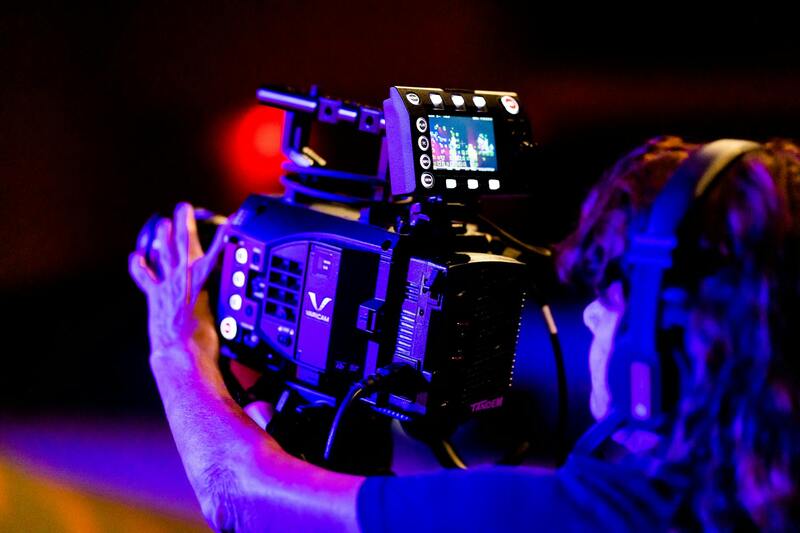
Overall, the integration of these advanced filming techniques enables the creation of compelling marine videos that accurately showcase the beauty, complexity, and fragility of Miami’s aquatic environments, making them effective tools for education, promotion, and scientific documentation.
Techniques for Filming in Marine Environments
Capturing high-quality footage in marine environments requires a precise understanding of the unique challenges posed by water dynamics, lighting conditions, and pressure variations. To achieve crisp, vibrant images, filmmakers leverage specialized camera setups designed for underwater and open-water filming. This includes waterproof housings that protect equipment from water ingress while maintaining functionality, and adjustable focus and exposure settings to adapt to fluctuating light conditions beneath the surface.
Stabilization is a crucial element when filming over water, where movement caused by waves, currents, and vessel motion can jeopardize shot clarity. Advanced stabilization rigs, such as gimbals and gyroscopic stabilizers, are essential to counteract unwanted shake, especially during handheld or drone operations. For extended shots, remotely operated and autonomous underwater vehicles (AUVs) equipped with high-definition cameras allow filmmakers to explore areas inaccessible to divers, capturing expansive seascapes and intricate habitats with minimal disturbance.
Handling movement challenges involves a combination of tactical camera positioning, including the use of mooring points, water-mounted rigs, and remote-controlled devices. These tools facilitate smooth tracking shots and cinematic pans, even amidst the constant motion of the maritime environment. Lighting plays a pivotal role—water absorbs light differently depending on depth and clarity. Waterproof LED lighting systems, coupled with filters and color correction techniques, help restore natural hues and enhance visibility in low-light conditions.
Furthermore, effective marine videography incorporates meticulous planning to account for changing environmental factors. Filmmakers must monitor tides, weather patterns, and water currents to optimize shoot timing, ensuring safety and maximizing footage quality. Employing high-capacity batteries and durable equipment ensures operational continuity during extended shoots, while precise navigation and communication protocols safeguard personnel and gear.
Incorporating these specialized techniques results in engaging and authentic marine videos that highlight the diversity and fragility of aquatic ecosystems. These visuals serve as powerful tools for educational outreach, conservation advocacy, and industry promotion, enabling viewers to experience the ocean’s richness firsthand, even from a distance.
Legal and Safety Considerations
Producing high-quality marine videos demands careful attention to legal and safety protocols to ensure seamless operations and protect all involved parties. Clear understanding and compliance with regulations governing maritime activities, environmental protection, and filming rights are fundamental to the success of any marine video project. This includes securing appropriate permits for drone flights over water, capturing marine life, and utilizing specialized equipment in sensitive ecosystems.
Safety measures are paramount during marine shoots due to the unpredictable nature of water environments. Comprehensive risk assessments should be conducted beforehand, focusing on weather conditions, water currents, and the stability of filming platforms. Personnel must be trained in maritime safety procedures, including the use of life jackets, emergency evacuation protocols, and communication systems. Regular drills ensure readiness for potential emergencies such as sudden weather shifts or equipment failure.
Proper equipment handling and maintenance significantly reduce operational risks. Waterproof and corrosion-resistant gear, along with backup power supplies, guarantee consistent performance despite harsh conditions. Implementing strict safety checklists throughout the production process minimizes hazards, safeguarding both crew members and the integrity of the footage.
In addition, adherence to maritime navigation laws and environmental guidelines helps prevent conflicts or disturbances to marine habitats. Respect for protected species and ecosystems not only avoids regulatory issues but also upholds the ethical standards of marine videography.
Post-production Processes for Marine Videos
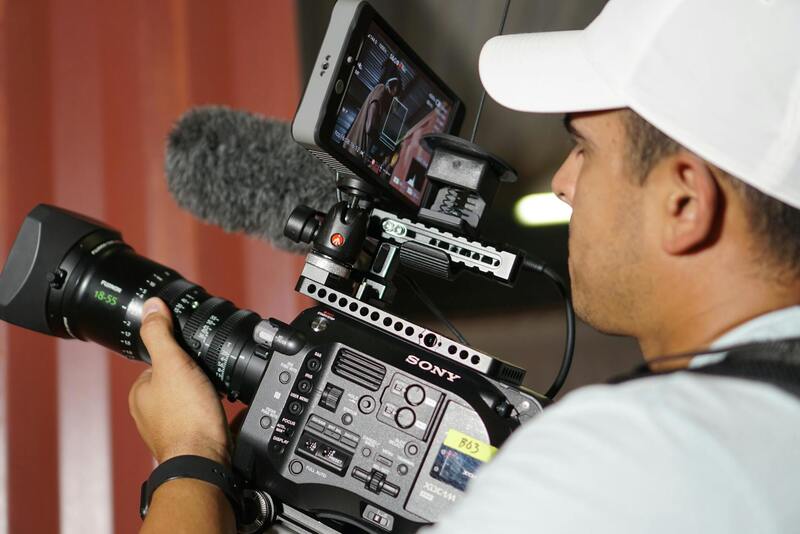
Effective post-production is essential to translating raw marine footage into compelling visual stories that resonate with viewers. This phase involves several critical steps designed to enhance image quality, ensure accuracy, and produce a polished final product suitable for various applications.
Color correction and grading are fundamental to achieving the desired aesthetic, especially when dealing with the unique lighting conditions found in marine environments. Water reflections, variable sunlight, and dynamic colors of marine life demand meticulous adjustments to highlight details and maintain color consistency throughout the video.
Sound editing is another crucial aspect. Marine recordings often include ambient noises such as water splashes, marine life sounds, and potentially undesirable environmental sounds. Skilled audio editing helps amplify important audio cues while filtering out background noise, resulting in a clearer, more immersive experience for viewers.
Editing marine footage also involves stabilization to counteract the inevitable camera shakes during vessel movements. Advanced stabilization algorithms are employed to produce smooth, professional-looking footage, critical for capturing underwater scenes or aerial views from drones or helicopters.
Special effects and visual enhancements can add depth and drama to marine videos. These include overlays such as informational graphics, subtle animations, or time-lapse sequences of marine phenomena. Proper integration of these elements enhances storytelling without distracting from the core visuals.
 igure>
One of the final steps involves quality review. Every frame is scrutinized to confirm the footage reflects the intended narrative and adheres to technical standards. This process often includes multiple iterations between editors and producers to refine the presentation.
For projects destined for broadcast, commercial use, or online platforms, encoding and formatting are carefully managed. Optimal resolution and file formats are selected to match distribution specifications, ensuring the videos deliver maximum impact across different viewing environments.
Finally, metadata tagging and documentation facilitate easy management, future updates, and licensing. Proper documentation helps maintain the integrity of the marine content, especially when dealing with large libraries or multimedia campaigns.
Legal and Safety Considerations
Executing marine video production in Miami demands adherence to a comprehensive set of procedures aimed at ensuring safety and operational efficiency. While navigating the complexities of filming in marine environments, it is crucial to utilize official methods that promote accountability and guarantee smooth execution of projects.
One primary aspect involves careful planning around the use of licensed vessels. All boats and ships involved in filming operations should be registered and maintained according to maritime regulations. This helps prevent potential disruptions caused by equipment failure or regulatory violations, ultimately contributing to a seamless production process.
Operators and crew members must be thoroughly trained in maritime safety protocols, including navigation rules and emergency response procedures. Proper certification ensures everyone on board understands the responsibilities and can react swiftly to unforeseen events such as inclement weather or equipment malfunctions.
Environmental considerations are integral to maintaining compliance with maritime standards. Adhering to specific guidelines related to protected marine species and environmentally sensitive zones preserves the integrity of the natural habitat while allowing for high-quality footage collection.
Utilizing certified safety equipment, including life jackets, communication devices, and emergency beacons, is mandatory. Routine inspections and maintenance of this gear not only uphold safety standards but also reduce the likelihood of technical interruptions during filming.
Operational Best Practices
- Conduct detailed risk assessments prior to every shoot to identify potential hazards.
- Establish clear communication channels among crew, vessel operators, and onshore coordinators.
- Implement contingency plans covering adverse weather conditions or operational failures.
- Ensure all personnel are trained in maritime safety and familiar with emergency procedures.
- Maintain meticulous documentation of safety protocols and incident reports for accountability and review.
Involving certified marine safety consultants early in project planning can streamline compliance processes and elevate the standard of safety during production. Such partnerships also serve as valuable resources for navigating complex permits and navigating environmental restrictions, ensuring that all official guidelines are thoroughly respected.
By aligning with established maritime safety and operational standards, production teams in Miami can achieve high-quality results while maintaining a responsible approach toward environmental stewardship and crew safety. This disciplined methodology not only supports the integrity of the project but also affirms a commitment to best practices in marine media production.
Marine Video Production in Miami: Final Insights and Best Practices
Effective marine video production requires a comprehensive understanding of the environment, advanced technological integration, meticulous planning, and strict adherence to protocols that ensure safety and quality. As Miami stands out as a premier location for maritime content, leveraging local expertise and state-of-the-art equipment can significantly enhance the success of marine filming projects.
Maximizing Efficiency with Professional Marine Equipment
Utilizing specialized vessels equipped with stabilized camera rigs and underwater housing allows filmmakers to capture pristine footage in dynamic marine conditions. High-resolution drones designed for maritime operations provide aerial perspectives that add depth to storytelling, while remotely operated vehicles (ROVs) extend filming capabilities in areas that are difficult or hazardous for personnel to access directly. Moreover, hydrophone systems enable immersive underwater audio recording, which is essential for creating authentic and engaging marine content.
Strategic Planning for Marine Shoots
From a logistical standpoint, pre-production involves detailed site surveys, weather assessments, and synchronization with vessel schedules to ensure that all elements align seamlessly. Shot lists and storyboards are customized for the unique challenges presented by marine settings, such as unpredictable weather, shifting currents, and sensitive ecosystems. Coordinating with maritime authorities and securing all necessary permits ahead of time maintain project momentum and minimize delays.
Advanced Filming Techniques in Marine Environments
Capturing compelling ocean footage demands proficiency in stabilizing camera systems amid a moving vessel. Techniques such as gimbal stabilization, volumetric scanning, and the use of polarized filters help achieve clear, distortion-free images even under turbulent conditions. Employing slow-motion techniques can highlight the intricate movements of marine life, while time-lapse sequences reveal expansive vistas and changing marine landscapes over extended periods. Nighttime filming, with appropriate lighting and safety measures, opens opportunities for unique nocturnal perspectives of aquatic life.
Refining Marine Videos through Post-Production
The editing process involves a rigorous selection of footage, color correction suited to underwater and surface conditions, and sound design that integrates marine acoustics effectively. Incorporating 3D animation or visual effects can emphasize data-driven content, such as tracking the migration patterns of marine species or illustrating environmental changes. Sound editing enhances the immersive experience, blending underwater sounds with narration to create a cohesive narrative. Professional grading and mastering ensure that the final product meets high industry standards and resonates with target audiences.
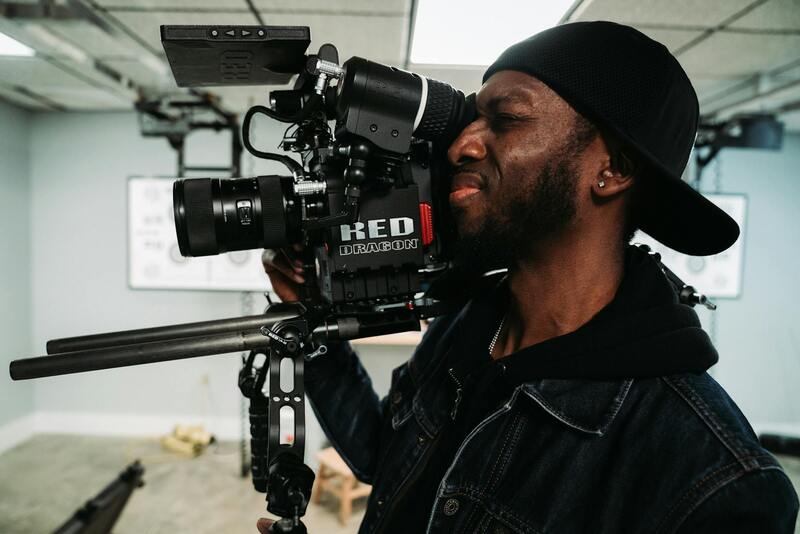
Maintaining Safety and Compliance During Marine Filming
Adhering to strict safety practices is fundamental in marine environments. This includes conducting thorough risk assessments, establishing clear communication protocols, and ensuring that all personnel are trained in maritime safety and emergency procedures. Utilizing certified safety consultants and marine coordinators helps navigate complex environmental guidelines and permits. Implementing precise safety measures not only protects personnel but also preserves the aquatic ecosystems involved in filming.
Typical Industry Applications for Marine Video Content
Marine videos serve multiple sectors, including environmental conservation campaigns, tourism promotion, scientific research, and underwater infrastructure inspections. For instance, documentaries highlighting coral reef health necessitate detailed underwater footage, while commercial campaigns showcase luxury yachts or beachfront developments. Scientific visualizations utilized for research or educational purposes benefit from high-fidelity, accurate marine imagery, often integrating data overlays and interactive elements. Each application demands a tailored approach, with a focus on authenticity, clarity, and storytelling effectiveness.