
Role and Responsibilities of a Superyacht Photographer
A superyacht photographer plays a crucial role in capturing the allure, sophistication, and craftsmanship of luxury vessels. Their primary responsibility is to produce high-quality images that showcase the yacht's exterior, interior, and distinctive features. These images serve multiple purposes, including marketing, documentation, and promotional activities for yacht owners, brokers, and charter companies.
The core duties involve planning detailed shoots that highlight the yacht’s unique design elements, luxurious amenities, and scenic surroundings. Superyacht photographers often collaborate closely with yacht owners and their teams to understand their specific marketing goals and desired aesthetics. They are also tasked with working under various lighting conditions and in dynamic environments, which require adaptability and technical finesse.
In addition to capturing visually stunning images, they document vessel maintenance, refits, and events onboard, creating comprehensive visual records. Their work is instrumental in developing brochures, online listings, and promotional campaigns that attract high-end clientele worldwide. An eye for detail and the ability to manage complex logistical arrangements are vital, especially when shooting in remote or challenging locations.
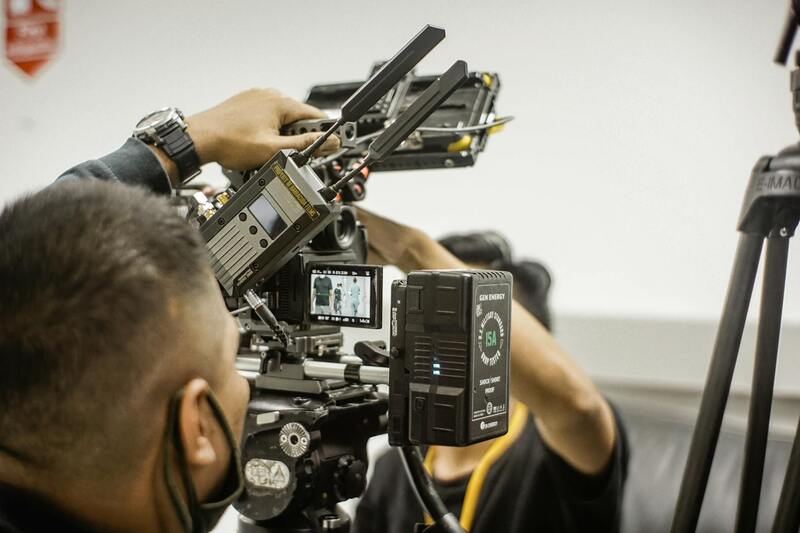
Given the competitive nature of the industry, superyacht photographers also maintain a steady awareness of current visual trends and technological advancements. They leverage their skills in framing, composition, and editing to produce images that stand out. Overall, their role is integral to elevating a superyacht’s market presence through compelling, professionally crafted visuals that appeal to affluent clients and industry stakeholders.
Role and Responsibilities of a Superyacht Photographer
A superyacht photographer assumes a pivotal role within the luxury vessel industry, combining artistic vision with technical expertise to produce imagery that accentuates the vessel’s grandeur and exclusivity. Their responsibilities extend beyond mere photography; they serve as visual storytellers, capturing moments that resonate with high-net-worth individuals and industry professionals seeking to showcase the yacht’s opulence.
One of the primary tasks involves meticulous planning of each shoot. This entails understanding the specific objectives of the client—whether it is to highlight an interior renovation or promote a charter experience—and strategizing accordingly. The photographer must evaluate factors such as lighting conditions, weather, and the yacht’s location to optimize each shot. This often involves coordinating schedules to coincide with sunrise or sunset, when natural light adds a warm, inviting ambiance that enhances the vessel’s features.
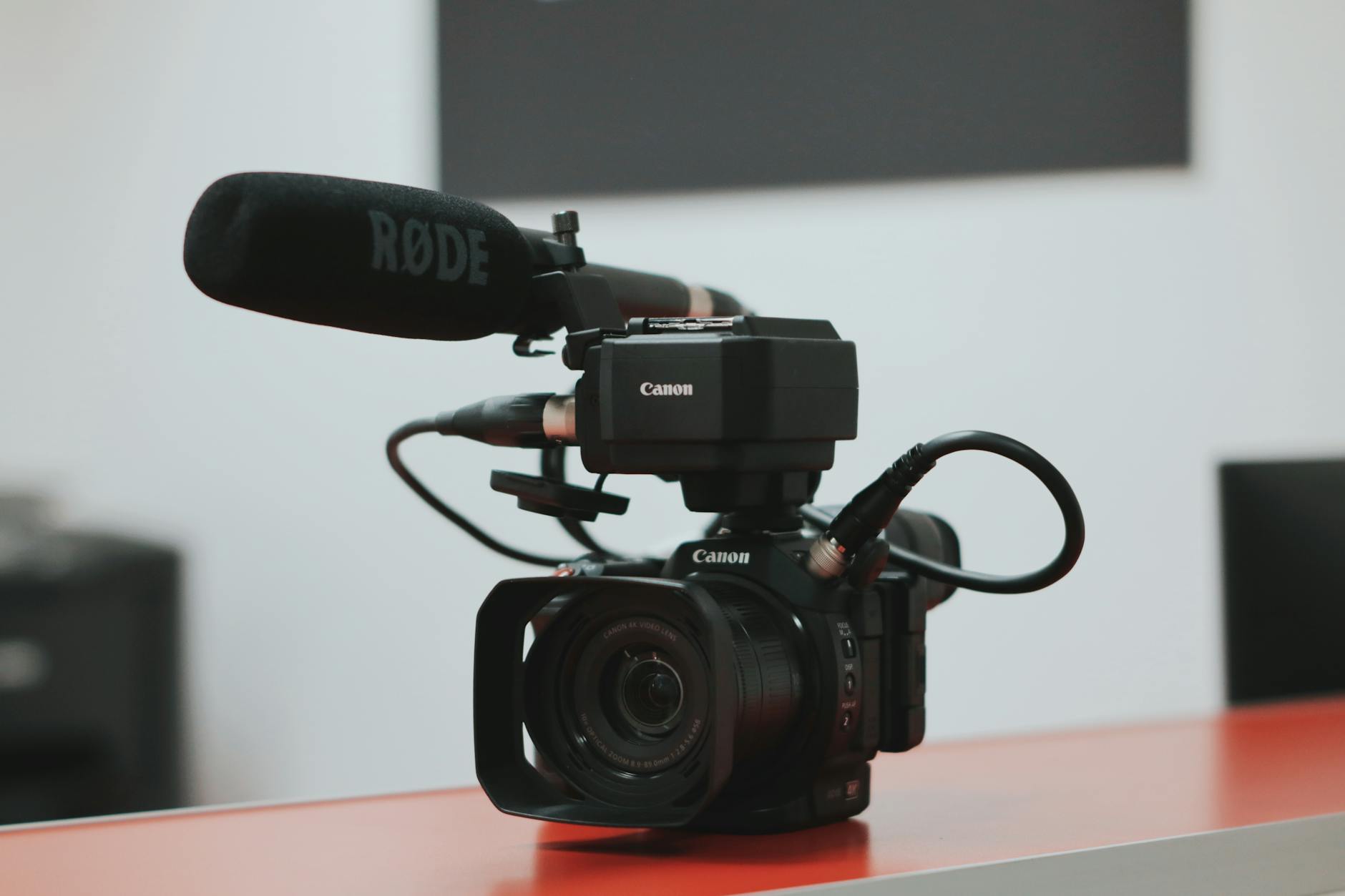
Collaboration with yacht owners, brokers, and crew is essential to understand their branding, style preferences, and target audience. This relationship-building ensures that the visual content aligns seamlessly with marketing strategies across platforms such as websites, brochures, and social media. Superyacht photographers are adept at working in complex environments—often aboard the vessel itself, sometimes in remote or challenging locations. They must demonstrate adaptability, quick thinking, and a keen eye for detail to manage unpredictable lighting, movement, and space constraints effectively.
Furthermore, superyacht photographers don’t limit their documentation to just promotional images. They often capture behind-the-scenes shots, including maintenance work, refit progress, and onboard events like galas or crew activities. These comprehensive visual records offer potential clients a full picture of the vessel’s condition and lifestyle experience, enhancing its market appeal.
In addition to capturing static images, they frequently utilize drone photography and videography to provide sweeping views of the yacht in its environment. This approach offers a dynamic perspective that highlights the vessel’s exterior design, location, and the surrounding scenery—all critical components for marketing in a competitive landscape.
Given the competitive nature of the superyacht market, staying abreast of current visual trends and technological innovations is vital. This might include utilizing 4K video equipment, high-dynamic-range imaging, or panoramic shots to create captivating content that stands out. The ultimate goal of a superyacht photographer is to craft images that evoke luxury, exclusivity, and craftsmanship, thereby elevating the vessel’s perceived value and attracting discerning clientele.
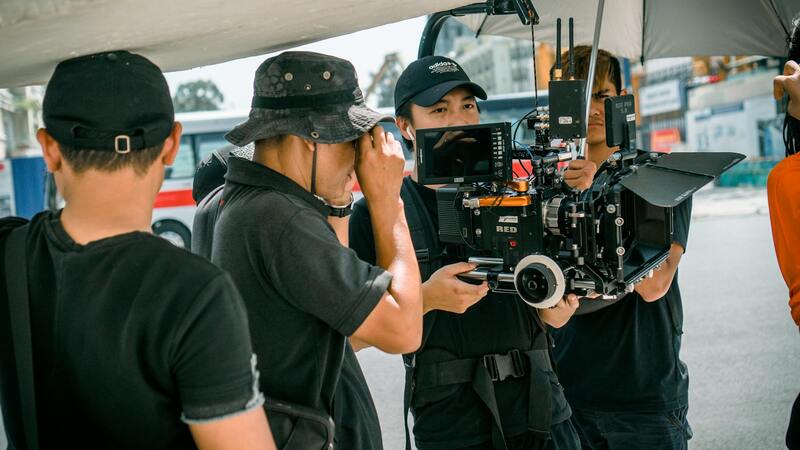
Legal and Safety Considerations for Superyacht Photography
Engaging in superyacht photography involves adherence to established protocols that ensure both safety and respect for private property. Photographers must familiarize themselves with maritime safety standards and yacht-specific regulations to operate effectively onboard. This includes understanding navigation zones, restricted areas, and safety procedures to prevent accidents during shoots.
It is vital for photographers to coordinate closely with the yacht's crew and management teams prior to any photo session. Proper planning involves reviewing the vessel's layout, access points, and potential hazards, as well as acquiring permission for specific shots that may require equipment or setup adjustments. This thorough preparation reduces risks and ensures a seamless shooting process.
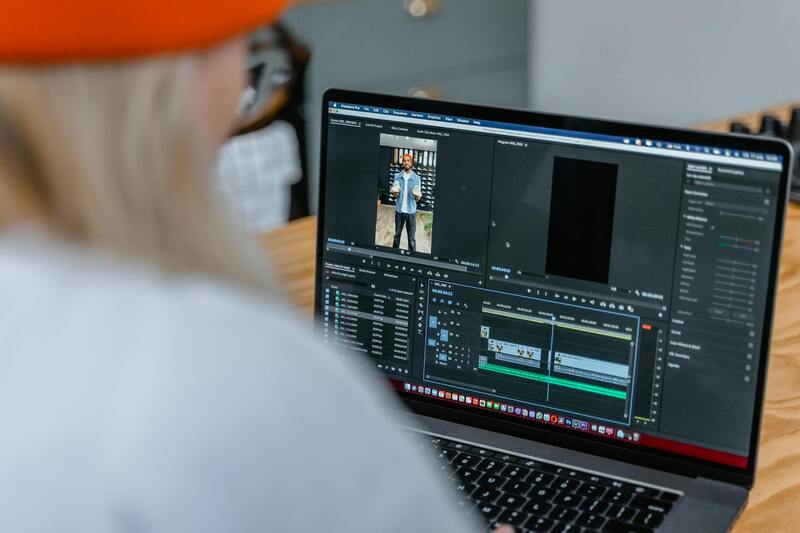
Technique-wise, photographers should employ non-intrusive methods to minimize disruption to the vessel's operations and onboard activities. Use of lightweight equipment, avoiding excessive flash, and maintaining unobtrusive presence are key practices. Additionally, being aware of environmental factors such as sea conditions, weather, and lighting helps prevent accidents and protects valuable equipment.
In terms of legal considerations, working with official documentation such as permits or authorizations—when necessary—ensures compliance with local maritime and aerial photography regulations. Respect for privacy is critical, especially when capturing images of crew or guests, requiring clear communication and consent when appropriate.
Environmental responsibility is also a significant aspect of superyacht photography. Photographers should aim to avoid disturbance to marine life and sensitive ecosystems during shoots, especially when utilizing drones or other aerial tools. Following best practices and adhering to eco-conscious guidelines contribute to sustainable operations and professional integrity.
Ultimately, maintaining a focus on safety and proper authorization not only protects the photographer and crew but also enhances professional reputation, fostering ongoing trust with clients and industry stakeholders in Miami's competitive yachting scene.
Best Practices for Shooting Superyachts
Capturing the grandeur and elegance of a superyacht requires adherence to advanced best practices that ensure high-quality images while respecting the vessel's operation and privacy. Approach each shoot with thorough planning to optimize lighting conditions, angles, and timing, often leveraging early mornings and late afternoons when natural light best complements the yacht’s aesthetic and minimizes harsh shadows. Employ drone technology judiciously, following safe operational guidelines to achieve stunning aerial shots that showcase the yacht’s full scale and environmental context, all without disturbing the vessel or its surroundings.
Effective communication with yacht crew and owners is fundamental for a smooth shooting process. Establish clear expectations regarding shoot timings, permissible areas, and areas to avoid, ensuring cooperation and understanding. When working onboard, photographers should use lightweight, versatile equipment to maneuver easily around confined spaces and delicate surfaces, reducing the risk of damage or accidents. A balanced approach using subtle lighting techniques, such as bounce flash or natural light supplementation, can highlight intricate design features without overwhelming the scene.
Environmental factors such as weather, sea conditions, and ambient light play a crucial role in the shoot's success. Adapting camera settings—like ISO, shutter speed, and aperture—to these conditions ensures sharp images with rich color fidelity. Photographers should also prioritize safety by assessing sea conditions for drone flights and footwork within wet or unstable areas, always being alert to sudden changes that could compromise equipment or personnel safety.
Post-shoot, meticulous organization of images is key. Curate shots that best illustrate the yacht’s features, interior luxury, and exterior design, providing clients with a comprehensive visual portfolio. Employ professional editing workflows to enhance color balance, correct distortions, and retouch minor imperfections while maintaining the authenticity of the scene. Deliver images through secure, industry-standard channels, adhering to agreed timelines and specifications to uphold client satisfaction.
Role and Responsibilities of a Superyacht Photographer
Superyacht photographers play a critical role in capturing the luxurious essence, intricate design features, and operational grandeur of some of the world's most impressive vessels. Their primary responsibility is to produce high-quality images that effectively showcase the yacht’s exterior, interior, and unique amenities, tailored to meet the specific needs of yacht builders, brokers, and private owners. A superyacht photographer must understand the nuances of maritime aesthetics and the technical aspects that bring out the vessel’s elegance in various lighting conditions.
Beyond artistic vision, a superyacht photographer is tasked with meticulous planning before a shoot, which includes detailed reconnaissance of the vessel, understanding the client’s objectives, and aligning with the yacht’s operational schedule to ensure minimal disruption. During the shoot, they are responsible for managing a wide array of equipment, often under challenging conditions, such as confined spaces within the yacht or outdoor locations with changing weather. Ensuring each shot conveys a sense of lifestyle, luxury, and craftsmanship requires both technical precision and creative insight.
Post-shoot, the responsibility extends to selecting the most compelling images, editing with consistency, and delivering final photographs that meet or exceed client expectations. Maintaining a professional portfolio, understanding market trends, and continuously refining their skills are essential practices for photographers aiming to secure ongoing opportunities within the superyacht industry. The role often involves working closely with yacht owners, brokers, interior designers, and marketing teams to develop visual content that enhances the vessel’s appeal in various promotional channels.
Essential Skills and Equipment for Superyacht Photography
Success in superyacht photography demands a combination of technical proficiency, artistic vision, and adaptability. Professionals should possess an in-depth understanding of camera operations, lighting techniques, and composition principles to produce striking images that accentuate the yacht’s design features and ambiance.
- Technical Skills: Mastery of DSLR or mirrorless cameras, along with an extensive knowledge of settings such as aperture, shutter speed, ISO, and white balance, is essential to handle diverse lighting situations onboard.
- Lighting Equipment: Portable lighting gear, such as flash units, reflectors, and diffusers, allows photographers to manipulate ambient light, especially within interior spaces that may lack natural illumination.
- Lenses: Wide-angle lenses are crucial for capturing expansive exterior shots and enclosed interior areas, while zoom lenses help achieve detailed close-up images of decorative elements and fixtures.
- Stabilization Tools: Tripods, monopods, and gimbals enable sharp images during low-light conditions or long exposure shots, ensuring professional quality for both static and motion captures.
Equipment weight and size should be balanced with mobility needs, as working onboard often means maneuvering through narrow corridors, tight cabins, and unstable platforms. Consideration of weather-resistant gear and backup systems is also vital to mitigate disruptions caused by environmental factors.
Best Practices for Shooting Superyachts
Shooting superyachts effectively involves strategic planning, technical precision, and creative execution. Prior to the shoot, a detailed walkthrough facilitates understanding of key features and identifies areas that will highlight the vessel's unique character. Scout the best angles and plan the lighting setup to complement the yacht’s architecture and design.
During the shoot, professional photographers prioritize environment awareness, adjusting camera settings to adapt to changing light conditions and weather. For exterior shots, the golden hour often provides optimal natural lighting, accentuating textures, and colors. Inside, subtle lighting techniques help emphasize spaciousness without overwhelming the refined interior aesthetics.
It is equally important to respect the vessel's operations and safety procedures, especially when working near water or in confined spaces. Employing a systematic, patient approach ensures comprehensive coverage of the yacht's features while maintaining a high standard of safety and efficiency.
Post-Production and Image Delivery
The post-production phase involves meticulous organization of captured images, ensuring high-resolution files are correctly labeled and stored for easy retrieval. The editing process focuses on enhancing key elements such as color balance, contrast, and sharpness, while preserving the authenticity of the scene. Minor retouching may be employed to correct lens distortions or minor imperfections, but the goal remains to depict the yacht as realistically and attractively as possible.
When finalizing images, professional superyacht photographers utilize industry-standard software to maintain consistency across portfolios and marketing materials. Techniques such as HDR (High Dynamic Range) imaging may be used to balance lighting extremes, especially in scenes with both interior and exterior views.
Delivering images involves secure digital channels that uphold confidentiality and quality standards. Clients typically require access to high-resolution images suitable for print, online marketing, and promotional use. Clear communication about timelines and specifications is essential to ensure satisfaction and maintain reputation within this exclusive sector.
Role and Responsibilities of a Superyacht Photographer
A superyacht photographer bears the crucial responsibility of capturing the vessel’s grandeur, elegance, and unique features to appeal to potential clients, brokers, and luxury brands. Their role extends beyond merely taking pictures; it involves understanding the intricacies of yacht design, interior aesthetics, and exterior architecture to highlight what makes each vessel distinctive.
Superyacht photographers are tasked with planning and executing shoots that showcase the yacht's most compelling aspects. This includes exterior shots that emphasize sleek lines and luxurious finishes, as well as interior photography that highlights spaciousness, opulence, and fine craftsmanship. A keen eye for detail ensures that every shot aligns with marketing goals, whether for sales brochures, online listings, or promotional campaigns.
The responsibilities also encompass comprehensive planning, such as coordinating with the yacht's crew and owners to schedule shoots that do not interfere with operations or privacy. They must consider the best times of day for natural lighting, weather conditions, and the yacht's location, often traveling to different ports or exclusive destinations. During shoots, photographers must adapt to dynamic environments, maintaining professionalism while ensuring safety near water and confined spaces.
Post-shoot, their role continues through meticulous editing and retouching, where images are refined to accentuate the yacht’s features without compromising authenticity. Final images need to meet specific client requirements, fitting seamlessly into a larger marketing strategy aimed at attracting high-net-worth individuals and corporate clients.
Essential Skills and Equipment for Superyacht Photography
A superyacht photographer must possess a combination of technical expertise, artistic sensibility, and logistical acumen. Strong knowledge of camera systems, lighting, and composition principles is fundamental. The ability to work effectively in challenging environments, such as confined spaces, high altitudes, or low-light conditions, is equally important.
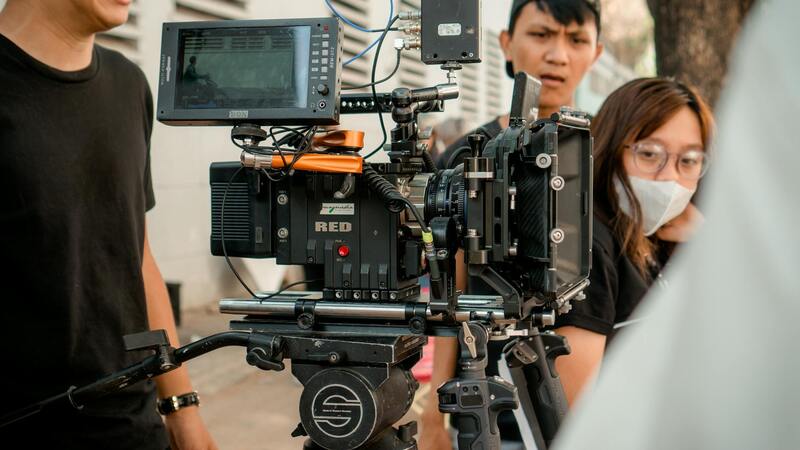
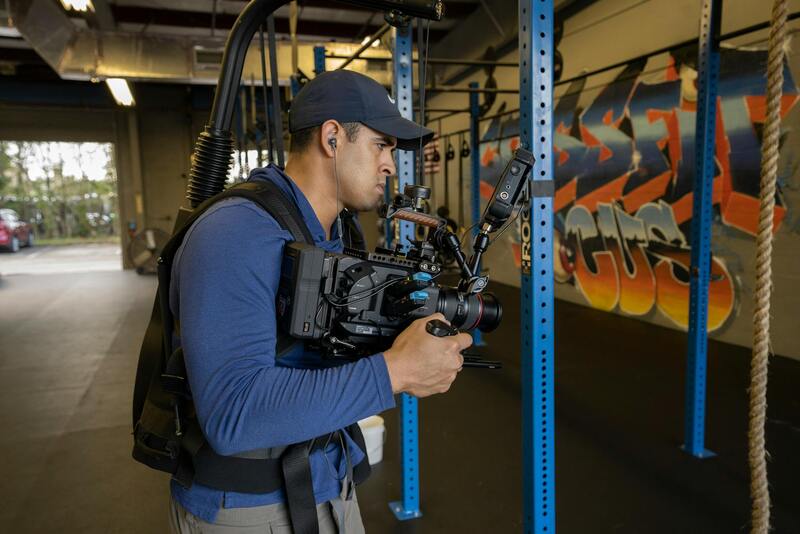
High-quality, specialized equipment is vital for producing stunning images. This includes professional-grade DSLR or mirrorless cameras capable of capturing high-resolution images, wide-angle lenses to encompass sweeping vistas and interior spaces, and stabilization gear such as gimbals or tripods for steadiness in motion or unstable settings. Drone photography is increasingly used to supplement traditional shots, providing aerial perspectives that highlight the yacht’s size and location.
Lighting equipment, including portable flash units and reflectors, can aid in balancing interior and exterior lighting. Protective gear like waterproof covers for cameras and safety harnesses during elevated shots ensures safety and equipment preservation during variable conditions.
Best Practices for Shooting Superyachts
Executing effective superyacht photography requires strategic planning and execution. Photographers should conduct site surveys ahead of the shoot day to identify optimal angles, sunrise or sunset lighting, and privacy considerations. It’s essential to respect the yacht’s delicate surfaces and interior spaces, ensuring minimal disruption and damage.
During the shoot, employing a systematic approach helps maximize efficiency. Starting with exterior shots at the best natural light, then moving interior to capture the yacht’s craftsmanship and design, creates a well-rounded portfolio. Using HDR techniques can manage lighting disparities between interior and exterior views, resulting in balanced and vibrant images.
Angles and perspectives matter profoundly; low and high vantage points can add drama and scale, while symmetrical compositions emphasize the yacht’s engineering prowess. Attention to detail, such as capturing luxurious amenities, intricate joinery, or innovative features, enhances appeal.
Post-Production and Image Delivery
After completing the shoot, professional superyacht photographers focus on post-production to refine the raw images. This process involves high-resolution organizational workflows, where images are carefully labeled and stored for easy access and review. Editing software enables adjustments to color balance, contrast, and sharpness, ensuring that the images align with brand standards and client expectations.
Utilizing advanced techniques like High Dynamic Range (HDR) imaging is common to improve detail in scenes with contrasting light levels, such as interior spaces against bright outdoor scenery. Minor retouching corrects lens distortions, cleans up blemishes, and enhances key features without compromising authenticity.
In terms of delivery, secure digital channels ensure high-resolution files reach clients in a timely manner. It is crucial to communicate clearly regarding deadlines, file specifications, and intended uses to foster satisfaction and uphold the photographer’s reputation within this exclusive market segment.
Role and Responsibilities of a Superyacht Photographer
The role of a superyacht photographer extends beyond capturing aesthetically pleasing images; it involves a strategic understanding of the luxury yacht industry, meticulous attention to detail, and a professional approach to client relations. These photographers are tasked with showcasing a yacht’s elegance, technological innovations, and luxurious amenities in a manner that appeals to potential buyers, charter clients, and media outlets. Their responsibility includes effectively managing various shooting conditions, from interior scenes illuminated by natural and artificial light to exterior shots that highlight the yacht’s sleek lines and spacious decks.
A superyacht photographer must also coordinate closely with yacht owners, brokers, and marketing teams to ensure that images align with branding goals and marketing strategies. This necessitates clear communication, adaptability, and a comprehensive grasp of the specific features customers value most. During the shoot, they are responsible for setting up the appropriate lighting, selecting optimal angles, and capturing high-quality images that tell a compelling story about the vessel’s uniqueness and luxury.
In addition to technical proficiency, superyacht photographers often assist in planning the shoot, including scouting locations on the vessel and scheduling sessions to make the most of natural lighting conditions. Their work influences marketing materials, including sales brochures, online listings, and media campaigns, making their role pivotal in positioning yachts in a highly competitive market.
Essential Skills and Equipment for Superyacht Photography
To excel in this specialized field, a superyacht photographer must possess a combination of technical skills, artistic sensibility, and industry knowledge. Mastery of high-resolution digital cameras, wide-angle and telephoto lenses, and stabilization equipment is fundamental. The ability to adapt to varying lighting conditions—ranging from bright sunlight on open decks to dim interior spaces—is essential for capturing well-exposed imagery.
Specialized equipment further supports high-quality work, such as drone cameras for aerial shots that showcase the yacht’s scale and surroundings, and underwater cameras for unique marine perspectives. Additionally, photographers employ advanced lighting tools, including portable strobes and reflectors, to fill in shadows or highlight interior design features.
- High-end DSLR or mirrorless cameras with full-frame sensors
- Wide-angle and telephoto lenses
- Unmanned aerial vehicles (drones) equipped with high-resolution cameras
- Portable lighting and reflectors
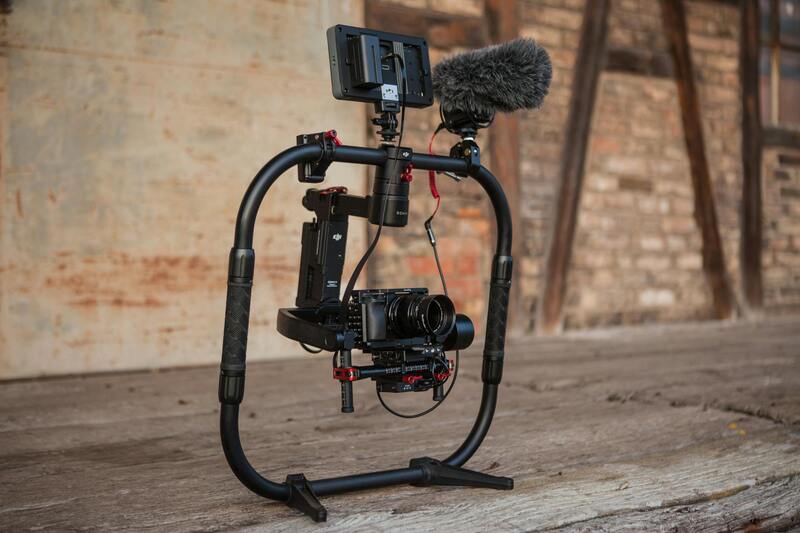
- Tripods and stabilization gimbals
- Underwater camera systems for marine shots
Best Practices for Shooting Superyachts
Effective superyacht photography involves a combination of planning, technical competence, and creative vision. Before the shoot begins, a detailed plan is essential. This includes understanding the yacht’s highlights, preferred angles, and any client-specific requests. Additionally, weather conditions, lighting, and the vessel’s movement should be considered to optimize shot quality.
On the day of the shoot, meticulous preparation ensures efficiency. This involves setting up equipment, testing camera settings, and arranging the yacht’s interior and exterior spaces to maximize visual appeal. Employing natural light during the golden hours—early morning and late afternoon—can enhance textures, colors, and overall atmosphere.
Innovative composition techniques, such as using reflections, framing through architectural elements, or creating dynamic perspectives from drones, allow photographers to craft compelling images. Symmetry and clean lines should be emphasized, especially in exterior shots, to portray luxury and attention to detail.
Post-Production and Image Delivery
After capturing images, a critical phase involves careful post-production work. This process begins with organizing and cataloging large volumes of high-resolution images. Using professional editing software, adjustments are made to the color balance, contrast, and sharpness to ensure the visuals accurately represent the yacht’s luxury features and aesthetic appeal.
Techniques such as High Dynamic Range (HDR) imaging are often applied to balance shadows and highlights in complex scenes, either interior or exterior. Minor retouching helps correct lens distortions, remove blemishes, and optimize the key elements without compromising authenticity. Creating a consistent visual style aligned with the client’s branding is also a priority during editing.
Once edited, delivering high-resolution images through secure digital channels is vital. Clear communication about deadlines, file formats, and intended usage ensures client satisfaction and maintains professional standards within the industry. High-quality images serve as invaluable assets for marketing strategies, sales presentations, and online portfolios.
Role and Responsibilities of a Superyacht Photographer
A superyacht photographer holds a pivotal role in capturing the essence of luxury vessels, blending artistic vision with technical precision. Their responsibilities extend beyond merely taking pictures; they serve as visual storytellers who highlight the grandeur, sophistication, and unique features of each yacht. These professionals must understand the specifications and design elements of each vessel to showcase its best angles and distinctive features effectively.
Moreover, a superyacht photographer must coordinate closely with yacht owners, brokers, interior designers, and marketing teams to ensure images align with the intended narrative and branding. Attention to detail is paramount, as minute elements like polished surfaces, bespoke interiors, and panoramic vistas need to be presented flawlessly. Their work often involves planning shoots meticulously, considering lighting conditions, location logistics, and the yacht’s operational schedule to maximize photo quality and efficiency.
The responsibilities also encompass managing the technical aspects, including selecting suitable equipment, adjusting camera settings for different lighting scenarios, and ensuring drone operations are conducted safely and precisely when aerial shots are required. Post-shoot, the photographer's role shifts to editing and delivering images that meet the highest standards of quality and aesthetic appeal. Their overarching goal is to produce compelling visuals that elevate the yacht’s desirability and support sales or promotional goals.
Essential Skills and Equipment for Superyacht Photography
Success in superyacht photography hinges on specialized skills and equipment tailored to the unique demands of luxury vessel captures. Photographers need a solid foundation in technical photography skills, including mastery over camera angles, exposure settings, and depth of field. Additionally, expertise in lighting techniques is crucial, especially when working with natural light and reflective surfaces commonly found on yachts.
Proficiency with drone photography has become increasingly valuable, allowing for breathtaking aerial shots that showcase the vessel’s size and surroundings from unique perspectives. For drone operations, a good understanding of navigation, safety protocols, and airspace regulations ensures smooth and legal deployment during shoots.
Equipment selection plays a vital role in achieving professional results. High-resolution DSLR or mirrorless cameras with wide-angle and telephoto lenses enable detailed interior shots and expansive exterior vistas. Tripods and stabilizers help prevent camera shake during long exposures, especially in low-light conditions. For interior photography, tilt-shift lenses are beneficial for correcting distortions caused by wide-angle perspectives.
Accessorizing with appropriate lighting tools, such as portable strobes, reflectors, and diffusers, allows photographers to manipulate lighting conditions effectively. Waterproof and rugged cases ensure equipment is protected during outdoor or maritime environments. All these elements, combined with technical expertise, empower superyacht photographers to produce images that resonate with luxury, quality, and exclusivity.
Best Practices for Shooting Superyachts
Achieving stunning images requires meticulous planning and adherence to best practices that elevate the visual narrative of each vessel. One fundamental aspect is the timing of shoots, often scheduled during the golden hour—shortly after sunrise or before sunset—to harness soft, warm natural light that enhances the yacht’s appearance without harsh shadows or glare.
Composition techniques such as symmetry, leading lines, and framing are essential in conveying elegance and sophistication. Exterior shots benefit from wide-angle lenses that capture the yacht’s full profile against the backdrop of water or cityscapes, emphasizing its size and luxury features.
Interior photography demands careful control of lighting and perspective. Shooting with natural light, supplemented by carefully placed artificial lights, helps highlight interior details while maintaining a sense of realism. Using wide-angle and tilt-shift lenses can correct perspective distortions and emphasize spaciousness.
Utilizing drone footage provides dynamic, sweeping views and contextual shots that display the yacht within its environment. When deploying drones, strict adherence to safety protocols and operational guidelines guarantees smooth flights and high-quality footage.
Additionally, professionals should always respect privacy and security considerations, particularly when capturing images in sensitive areas or during private events, ensuring that all activities are coordinated with the yacht’s crew and management. This disciplined approach results in cohesive, compelling imagery that elevates the vessel’s market presence.
Post-Production and Image Delivery
Post-production elevates the initial captures, transforming good images into masterpieces that truly represent the yacht's opulence. The process begins with organizing files and selecting the best shots for editing; this step is crucial for maintaining workflow efficiency and clarity.
Professional editing software enables adjustments to color balance, contrast, and sharpness, ensuring that the image’s aesthetic aligns with the yacht’s branding and marketing goals. Techniques such as High Dynamic Range (HDR) imaging are employed to balance highlights and shadows, especially in scenes with complex lighting conditions.
Retouching may be used sparingly to correct lens distortions, remove blemishes, or enhance specific details without compromising the authenticity of the vessel’s appearance. Maintaining consistent color grading across all images helps create a cohesive visual story that resonates with target audiences.
Once editing is complete, delivering images involves secure digital channels tailored to the client’s specifications. High-resolution files are essential for large-format prints, online portfolios, and marketing materials. Clear communication about deadlines and file formats ensures client satisfaction and seamless integration into promotional campaigns.
Working with Clients and Yacht Owners
Building strong relationships with clients and yacht owners is integral to sustained success in superyacht photography. Clear communication from the outset sets expectations regarding shoot logistics, image style, and turnaround timelines, creating a professional and collaborative environment.
Understanding client priorities—whether emphasizing interior elegance, exterior grandeur, or unique features—allows photographers to tailor their approach accordingly. Demonstrating flexibility and responsiveness to client feedback helps foster trust and encourages ongoing partnerships.
Confidentiality and discretion are essential, as many yacht owners value privacy regarding their vessels and activities. Respecting these boundaries while delivering exceptional imagery solidifies the reputation of the photographer as a trustworthy professional.
Providing detailed explanations of shooting plans and maintaining transparency about processes reassures clients and promotes a positive experience. This collaborative approach results in images that truly align with the client’s vision and marketing objectives.