
Understanding Yacht Photography
Yacht photography is a specialized form of visual art that aims to encapsulate the elegance, craftsmanship, and luxurious lifestyle associated with sailing vessels. This discipline involves more than just snapping photos of yachts; it requires a keen eye for detail, understanding of lighting conditions, and mastery of both technical and creative photography skills. The goal is to generate compelling images that highlight the vessel's design features, showcase the surrounding environment, and evoke a sense of sophistication and adventure.
Distinct from general maritime photography, yacht photography emphasizes the unique aspects of each vessel, including its exterior architecture, interior amenities, and the lifestyle it offers. Capturing the sleek lines, polished finishes, and bespoke details of high-end yachts demands precision and an artistic touch. Simultaneously, it involves environmental awareness—recognizing how natural lighting, weather conditions, and the surrounding scenery influence the final image.
In addition to showcasing the vessel’s visual appeal, yacht photography often incorporates lifestyle elements to appeal to prospective buyers, charter clients, or luxury brands. Lifestyle shots highlight people enjoying the yacht, engaging in activities like sailing, sunbathing, or socializing, thus creating an aspirational narrative. This blend of technical mastery and storytelling elevates yacht photography from mere documentation to an art form that communicates the experience and exclusivity associated with yachting.
Professional yacht photographers must also understand the importance of composition, perspective, and timing. Effective images often depict the yacht in optimal light conditions—either during the golden hour for warm, flattering tones or in dramatic weather for mood-enhancing effects. They also consider the choice of viewpoints—whether capturing the vessel from afar to emphasize its scale or taking close-up shots to spotlight craftsmanship.
Overall, yacht photography is a meticulous craft that balances technical proficiency with artistic sensibility. It serves as a crucial marketing tool for yacht owners, brokers, and luxury brands, enabling them to showcase their vessels in the most appealing and impactful manner. By mastering the core principles of yacht photography, professionals can produce images that not only attract attention but also convey the exceptional quality and lifestyle associated with these magnificent vessels.
Techniques for Capturing Exterior Yacht Shots
Achieving stunning exterior yacht images involves a combination of strategic positioning and technical skill. Photographers often employ a variety of techniques to highlight the vessel’s structure and surroundings, capturing its grandeur against the backdrop of the open sea or marina. Utilization of wide-angle lenses allows for expansive views that emphasize the yacht’s size and sleek design, while telephoto lenses can isolate specific design elements or features, providing detailed close-ups that convey craftsmanship and luxury. Optimal angles are crucial. Shooting from a low or eye-level position can accentuate the yacht’s profile, making it appear more imposing and elegant. Elevated drone photography is increasingly popular as it offers a compelling bird’s-eye view of the yacht’s layout and setting, providing potential clients with a comprehensive perspective. Golden hour lighting is ideal for exterior shots, offering warm, diffuse light that produces flattering shadows and highlights. When conditions permit, capturing images during this time can transform ordinary scenes into captivating visuals. Additionally, weather conditions such as cloudy skies can add drama and mood, emphasizing the vessel’s contours and details. Consistency in lens selection, aperture settings, and focus points ensures clarity and sharpness, particularly when highlighting intricate features like rigging or hardware. Properly managing depth of field allows photographers to draw attention to specific areas while keeping the surrounding environment slightly blurred, adding depth and dimension. Finally, incorporating natural elements such as reflections on the water or surrounding scenery enriches the composition. Synchronizing these elements with precise timing—especially during dynamic conditions like sunrise or sunset—further elevates the impact of exterior yacht photographs.
Capturing Interior and Lifestyle Images
Interior yacht photography demands meticulous attention to detail to accurately portray the vessel’s luxurious ambiance and craftsmanship. Precise lighting is essential—natural light filtering through windows and skylights can produce soft, welcoming atmospheres, while controlled artificial lighting enhances specific features such as plush upholstery, elegant furnishings, or ambient zones. Photographers employ a combination of wide-angle and standard lenses to showcase spacious interiors without distortion. Techniques such as HDR (High Dynamic Range) imaging are valuable in capturing the full extent of ambient and artificial lighting—to balance shadowed areas with brightly lit sections, providing a true-to-life image. Lifestyle photography adds narrative depth by illustrating how the yacht is enjoyed. This involves capturing moments of relaxation, socializing, and water activities. Styled shoots with models engaging in sunbathing on the deck, dining at the salon, or preparing for water sports emphasize the vessel’s versatility and appeal. Careful staging of interior spaces, including arranging tasteful decor and selecting the right props, enhances visual storytelling. Use of reflectors and diffusers helps in softening shadows and ensuring even lighting across surfaces. From a technical standpoint, capturing interior scenes requires attention to lens distortion and perspective, especially when shooting through doorways or narrow corridors. Consistent color grading and post-processing techniques help maintain a cohesive aesthetic that aligns with the luxury branding. Overall, interior and lifestyle yacht photography combines technical expertise with an understanding of lifestyle aspirations, creating compelling images that resonate with prospective buyers or charter clients.
Understanding Yacht Photography
Yacht photography demands a meticulous approach to capturing the vessel's elegance, engineering, and lifestyle appeal. The goal is to produce imagery that highlights the yacht’s architectural details, luxurious interiors, and the vibrant experiences they facilitate. A comprehensive understanding of composition, lighting, and technical capabilities ensures that each shot reflects the true essence of the yacht and appeals to discerning clients.
A successful yacht photography session begins with precise planning. This involves studying the yacht’s layout, considering its unique features, and selecting optimal angles that emphasize its size, design, and craftsmanship. Photographers aim to balance wide shots that encompass the yacht's grandeur with close-ups that showcase intricate details and high-end finishes. Equally important is capturing the vessel in a way that evokes a sense of adventure, relaxation, and exclusivity.
Color accuracy and tonal fidelity are fundamental in yacht photography, particularly with the varying materials and finishes found on luxury yachts. The goal is to portray the yacht in natural, vibrant colors that reflect real conditions, enhancing its allure without exaggeration. To achieve this, photographers often employ techniques such as bracketing exposures and high dynamic range (HDR) imaging to ensure that the full range of environmental light levels is captured clearly.
Equally vital is understanding the yacht's environment to optimize shot composition. This includes positioning to minimize distortions caused by wide-angle lenses, ensuring symmetry in architectural features, and highlighting the yacht’s key selling points. Photographers also pay close attention to reflections and surfaces, ensuring they enhance rather than distract from the overall image.
Advanced yacht photographers often incorporate lifestyle elements by showcasing people enjoying the yacht’s amenities. These scenes communicate the vessel’s functionality and the lifestyle it offers, thus adding aspirational value to the images. Proper staging involves collaborating with talent, selecting appropriate props, and controlling the environment to generate authentic, compelling narratives about the yachting experience.
Essential Equipment for Yacht Photography
To deliver high-quality images that meet the industry’s standards, professional yacht photographers rely on a selection of specialized equipment. The foundation consists of high-resolution digital cameras capable of capturing fine details and dynamic scenes in various lighting conditions. Full-frame DSLR or mirrorless cameras with robust sensor sensitivity are preferred to ensure crisp, clear images, even in challenging environments.
Lens selection is critical for versatility. Wide-angle lenses are essential for capturing expansive exterior shots and interior spaces, providing a sense of grandeur and spatial relationships. Telephoto lenses enable close-up details of luxury finishes or distant scenic backgrounds without distortion. Standard zoom lenses serve as all-purpose tools for spontaneous shots and detailed compositions.
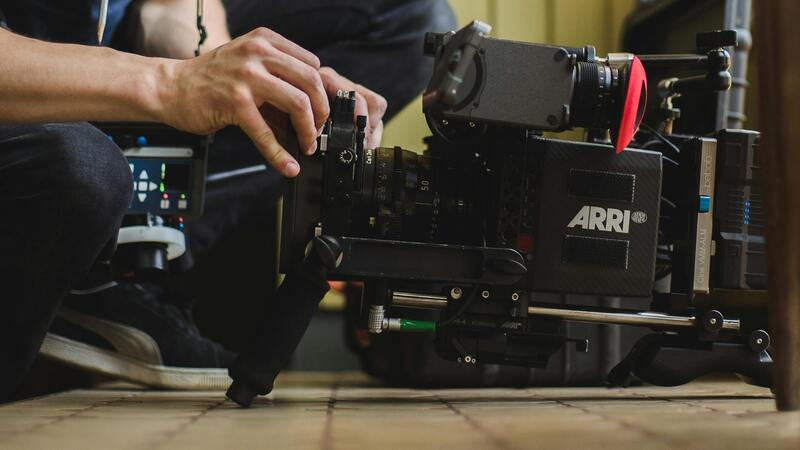
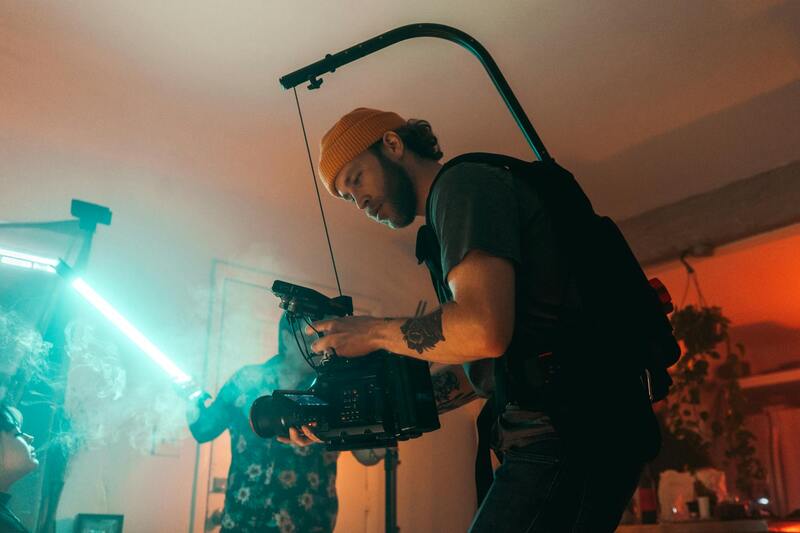
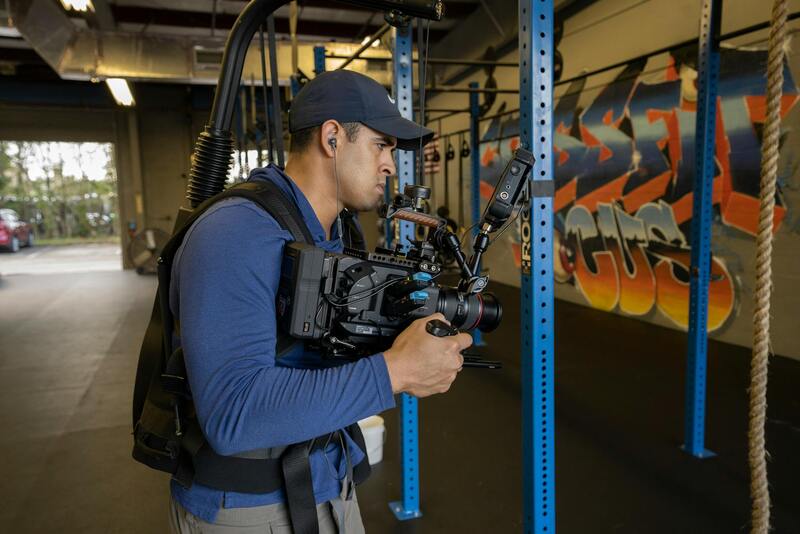
Stabilization equipment such as gimbals and monopods helps ensure sharp images during handheld shooting, especially in motion or windy conditions. Drone photography has become increasingly popular, offering aerial perspectives that capture the yacht in its environment, showcasing its size against scenic backdrops. When employing drones, it’s crucial to use models with high-resolution cameras, GPS stabilization, and obstacle avoidance features.
Lighting equipment, including portable flashes, reflectors, and diffusers, plays a pivotal role in interior shots or exterior scenes with challenging light. Natural lighting is invariably preferred, but supplemental lighting is useful for balancing harsh shadows or illuminating shaded areas. Filters such as polarizers can reduce glare and reflections, essential for exterior shots where surfaces like water and polished decks dominate.
Capturing the Yacht in Motion
To produce dynamic images, photographers often utilize shutter speeds that either freeze movement or create artistic motion blur. Panning techniques capture the yacht sailing through water, emphasizing speed and sleekness. Ensuring the correct camera settings, including aperture and ISO, alongside steady support, guarantees the desired effect while maintaining image quality.
In addition, capturing environmental elements like water splashes or wakes enhances the narrative quality of exterior shots, offering a vivid sense of the yachting experience. Proper timing—such as during golden hours—maximizes the impact of natural light, creating warm, appealing visuals that evoke emotion and aspiration.
Techniques for Capturing Exterior Yacht Shots
Achieving striking exterior images of yachts requires meticulous attention to framing, angle selection, and composition. The goal is to highlight the yacht’s design features while imparting a sense of grandeur and elegance. When photographing from water, use wide-angle lenses to encompass the yacht’s full profile, emphasizing its size and sophistication. Lower angles from the water surface can create a dramatic effect, making the yacht appear more imposing and dynamic.
Dockside shots benefit from zoomed-in perspectives that showcase intricate details of the yacht’s exterior, including polished hulls, stylish deck layouts, and crafted fittings. Positioning oneself to capture reflections in the water can add a layer of visual interest, enhancing the premium feel of the images. Ensure that the sun is at an angle that minimizes glare and unwanted reflections—early mornings or late afternoons often provide softer, more flattering light.
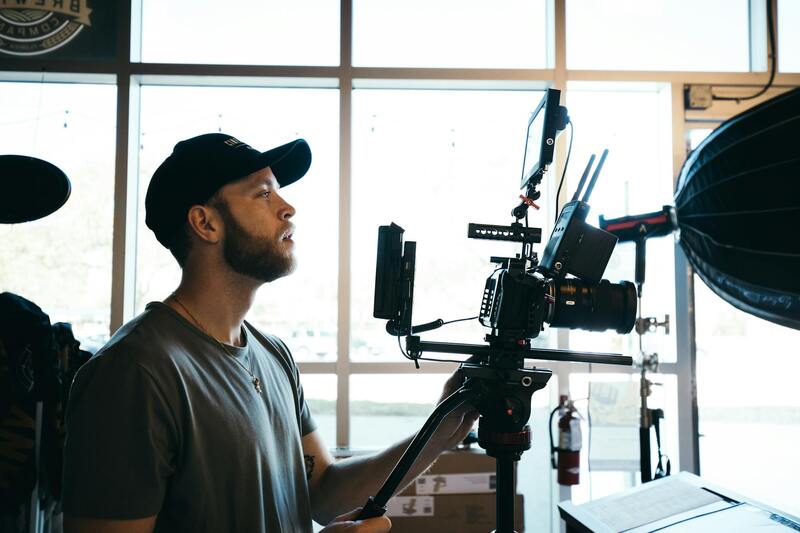
Aerial photography introduces a compelling perspective, illustrating the yacht’s size relative to its surroundings. Utilizing drones equipped with high-resolution cameras allows for sweeping shots from above, which reveal the layout of decks, swimming pools, and leisure areas. When operating a drone, carefully consider the flight path and elevation to avoid obstructed views and to capture the yacht at its most picturesque moment against scenic backdrops such as marinas, open sea, or coastal landscapes.
From a technical standpoint, maintain proper camera settings to ensure clarity and detail—adjust aperture for depth of field, shutter speed to freeze or blur motion, and ISO to manage lighting conditions. Employing leading lines—such as the yacht’s lines or dock structures—guides the viewer’s focus toward the vessel, while symmetry and balance in framing accentuate sophistication. Looking for unique vantage points, including shooting from water level or from nearby boats, can produce compelling images that stand out in promotional material.
In situations with challenging light, use polarizing filters to eliminate unwanted reflections from water and shiny surfaces. This enhances color saturation and contrast, resulting in images with vivid, crisp visuals. Additionally, shooting during the golden hour—shortly after sunrise or before sunset—provides warm, diffused natural light that enriches the yacht’s appearance and highlights its contours in a flattering manner. Combining careful timing with skillful framing yields exterior images that convey luxury, craftsmanship, and adventure, appealing to high-end clientele and maritime enthusiasts alike.
Techniques for Capturing Exterior Yacht Shots
Mastering exterior yacht photography requires a combination of technical skill, strategic planning, and creative vision. To emphasize the yacht’s design, position yourself at optimal vantage points that showcase its length, lines, and distinctive features. Consider shooting from water level using a low-angle perspective to accentuate the vessel's grandeur or from elevated positions like docks or nearby structures to capture the yacht within its scenic surroundings.
Utilizing different lenses can profoundly impact the visual storytelling. Wide-angle lenses are effective for capturing the entire yacht along with its environment, creating a sense of scale and context. Telephoto lenses allow for close-up details of intricate design elements or decorative features that might be overlooked in wide shots.
Lighting plays a crucial role in exterior shots. Shooting during the golden hour—shortly after sunrise or before sunset—provides soft, warm light that beautifully highlights the yacht's curves and textures while minimizing harsh shadows. Overcast days are also suitable, as diffuse light reduces glare and enhances color richness without creating stark contrasts.
Implementing dynamic angles can convey a sense of movement and adventure. For instance, shooting from the stern with the yacht heading toward the horizon or capturing reflections on the water can add depth and visual interest. Consider incorporating elements like the shoreline, marina infrastructure, or surrounding nature to frame the yacht naturally, emphasizing its integration within a luxurious maritime environment.
Technical Camera Settings and Equipment
- Aperture: Use a narrow aperture (f/8 to f/16) for sharpness across the entire vessel and its surroundings.
- Shutter Speed: Adjust based on lighting conditions to capture crisp images. Use a tripod for stability during longer exposures.
- ISO: Keep ISO low (100-200) to prevent noise, especially when shooting in bright daylight.
- Filters: Polarizing filters are invaluable for reducing water reflections and enhancing color saturation.
The choice of equipment, including stabilizers and drones, can also expand creative options. Drones offer aerial perspectives that highlight the yacht’s size and its relationship with the surrounding environment, creating stunning promotional material that stands out in competitive markets.
Continually experimenting with composition and perspective, alongside precise camera settings, will refine your ability to produce captivating yacht images that appeal to high-end clients, charter companies, and luxury brands. The key is to balance technical mastery with artistic intuition, ensuring that each shot narrates a story of elegance, performance, and exclusivity.
Understanding Yacht Photography
Mastering yacht photography involves a comprehensive understanding of both the technical aspects and artistic elements that make a vessel stand out in highly competitive luxury markets. This specialized form of photography demands an eye for detail, a keen sense of composition, and the ability to utilize natural light effectively. Capturing the grandeur and sleekness of a yacht requires strategic planning and execution, emphasizing the importance of selecting optimum angles, utilizing appropriate focal lengths, and considering the vessel’s architectural features. The goal is to produce images that not only showcase the yacht’s aesthetic appeal but also evoke feelings of aspiration and exclusivity that appeal to high-net-worth individuals, luxury charter services, and yacht manufacturers.
Essential Equipment for Yacht Photography
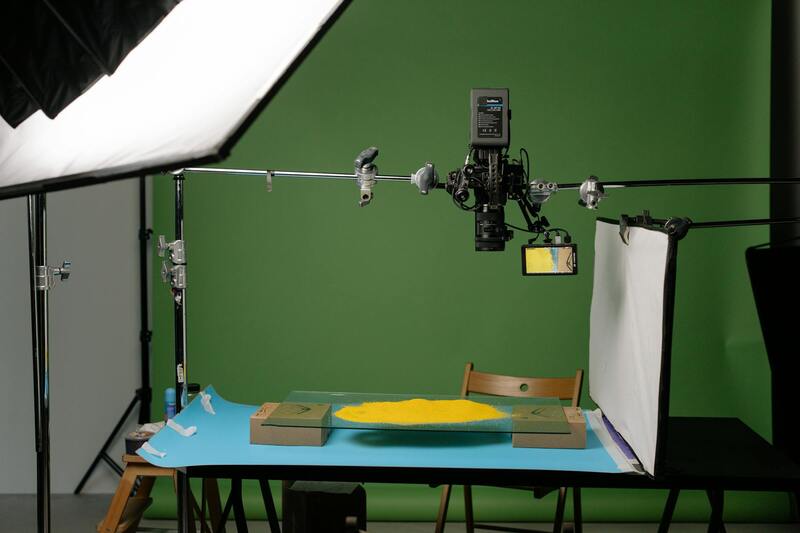
To achieve professional results in yacht photography, having the right equipment is fundamental. High-resolution digital cameras with full-frame sensors are preferred for their superior image quality and ability to handle wide dynamic ranges. Lenses should include wide-angle options (such as 16-35mm) for capturing expansive exterior shots, alongside telephoto lenses (70-200mm) for detailed interior and distant exterior perspectives.
- Tripods and stabilizers ensure steady shots, essential during long exposures or in low-light conditions.
- Polarizing filters help reduce water reflections and boost color saturation, making the yacht’s hues pop vividly.
- Drones provide aerial views that highlight the yacht’s size and its context within scenic maritime environments, adding a dynamic dimension to promotional portfolios.
- Remote shutter releases or cable releases minimize camera shake, especially during high-resolution captures.
Optimal Shooting Conditions and Timing
Timing is critical in yacht photography to capture the vessel in its most flattering light. The golden hours—the first hour after sunrise and the last hour before sunset—offer soft, warm lighting that enhances colors and reduces harsh shadows. Overcast days are also advantageous as the diffused light minimizes reflections and glare, providing more even illumination for both exterior and interior shots.
Weather conditions directly impact photographic outcomes. Calm waters reflect the yacht beautifully, especially during early mornings when wind activity is minimal. Conversely, winds and choppy waters may introduce challenging reflections but can also add a sense of motion and energy when captured correctly.
Techniques for Capturing Exterior Yacht Shots
Effective exterior yacht photography hinges on strategic composition and perspective. Shooting from low angles can emphasize the yacht’s size and sleekness, while elevated vantage points, often achieved through drone photography, showcase the yacht’s relationship with the surrounding maritime landscape.
- Utilize the rule of thirds to position the yacht optimally within the frame, balancing the vessel with the surrounding environment.
- Incorporate elements like the shoreline, marina infrastructure, or natural features to create contextual interest and a sense of place.
- Experiment with reflections and water interactions, capturing the yacht’s reflection on calm water to produce symmetrical and aesthetically pleasing images.
- Adjust camera settings for sharpness—using smaller apertures (f/8–f/16) to maintain clarity across the entire vessel and its background.
Understanding Yacht Photography
Yacht photography is a specialized discipline within the broader realm of maritime and luxury vessel imaging. It requires a keen eye for detail, an understanding of the yacht's design elements, and the ability to capture its essence under various conditions. The primary goal is to produce compelling images that highlight the yacht's luxury, craftsmanship, and exclusivity, appealing to prospective buyers, charter clients, and enthusiasts. Effective yacht photography involves a combination of technical skill, artistic vision, and an ability to adapt to diverse environments, from tranquil harbors to dynamic open waters.
Essential Equipment for Yacht Photography
To achieve high-quality results, professionals rely on a suite of specialized equipment that caters to the unique challenges of yacht photography. Key items include:
- High-Resolution DSLR or Mirrorless Camera: Offers the image quality and flexibility needed for detailed vessel shots.
- Wide-Angle Lens: Captures expansive shots of the yacht, particularly useful for interior and exterior scenes.
- Telephoto Lens: Useful for capturing distant details or shooting from a safe distance during dockside or aerial photography.
- Gimbal Stabilizer or Tripod: Ensures stability and sharp images, especially in low-light conditions or during long exposures.
- Drone Equipment: Provides aerial perspectives that emphasize scale and scenic context, often essential for showcasing larger yachts.
- Filters and Lenses: Polarizing filters reduce reflections on water and glass, while ND filters allow for creative control over exposure in bright conditions.
- Waterproof and Weather-Resistant Gear: Ensures safety and functionality in maritime environments, protecting sensitive equipment from moisture and salt spray.
igurecaption> Professional yacht photography often involves a combination of ground-based and aerial imaging techniques to showcase vessel grandeur from multiple perspectives.Optimal Shooting Conditions and Timing
The success of yacht photography heavily relies on environmental and timing factors. Photographers typically aim to shoot during the golden hours—early morning or late afternoon—when natural light is soft and warm, emphasizing the yacht’s sleek lines and luxurious finishes. Overcast days, with their diffused lighting, are advantageous for reducing harsh shadows and glare on reflective surfaces.
Weather conditions and water state significantly influence photo quality. Calm waters in the early morning produce mirror-like reflections that can elevate the visual appeal of exterior shots. Windy conditions introduce movement and energy, which, if captured well, can add dynamism to the images. Conversely, choppy waters can obscure reflections but may contribute to a mood of adventure and power.
Techniques for Capturing Exterior Yacht Shots
Exterior shots focus on highlighting a yacht's size, design details, and environmental context. Strategic composition involves using low angles to accentuate the vessel’s grandeur and sleek profile, while elevated drone perspectives provide comprehensive views of the yacht against natural backdrops or marina infrastructure. Employing the rule of thirds helps in balancing the yacht within the scene and creating aesthetically pleasing compositions.
Reflections on calm water surfaces are particularly compelling, often producing symmetrical images that draw viewers' eyes. Incorporating surrounding elements such as the shoreline, docks, or distant landscapes adds depth and interest to the images. Adjusting camera settings to a smaller aperture (f/8 to f/16) enhances sharpness and depth of field, ensuring all vessel features remain in focus from prow to stern. Lighting angles are crucial; shooting during the golden hour enhances the yacht’s details with warm, diffuse light, while mid-day sun may require polarizing filters to manage glare.
Capturing Interior and Lifestyle Images
Interior shots demand attention to detail and lighting. Natural light streaming through large windows enhances the yacht’s luxurious interiors while maintaining a welcoming ambiance. Strategic use of additional lighting, such as portable LEDs, can highlight key features without creating harsh shadows or reflections. When photographing lifestyle scenes, capturing guests engaging in leisure activities, elegant dining, or relaxing on outdoor decks conveys the yacht’s functionality and exclusiveness.
For authentic space depiction, wide-angle lenses are ideal for interiors, allowing viewers to immerse themselves in the yacht’s ambiance. Including elements like plush furnishings, polished woodwork, and nautical decor provides context and enhances storytelling. Lifestyle images should aim to evoke emotions of comfort, adventure, and sophistication, inevitably resonating with potential clients.
Post-Processing and Editing Tips
Post-processing plays a vital role in delivering polished yacht images that capture the vessel’s true allure. Basic adjustments include color correction to ensure accurate hues, and contrast enhancement to add depth and highlight details. Careful sharpening ensures the yacht’s features are crisp, particularly in exterior shots. Managing reflections and glare during editing can further emphasize the yacht’s design elements without appearing unnatural.
Utilizing graduated filters during post-processing helps balance exposure, especially when dealing with scenes that include bright water reflections or interiors with varying light levels. Removing minor distractions, such as water spots or reflections that detract from key features, enhances overall image quality. Maintaining a natural appearance ensures the images accurately represent the yacht while appealing to prospective buyers or charter clients.
Legal and Ethical Considerations in Yacht Photography
Engaging in yacht photography requires adherence to established protocols that uphold respect for privacy, property rights, and operational procedures. Securing proper authorization from yacht owners or management is fundamental before scheduling a shoot. This ensures that all parties involved are aligned regarding the scope and nature of the photographic session, preventing conflicts or misunderstandings.
When planning yacht photography, it is essential to verify permissions related to access areas, especially interior spaces that are not public. Some vessels may have restricted zones or sensitive equipment that necessitate special clearance. Respect the privacy of guests and crew by avoiding photographing individuals without their consent, and refrain from revealing any confidential or proprietary information visible on the yacht.
In addition to permissions, employing best practices for ethical shooting enhances reputation and professionalism in the industry. Maintain transparency about the purpose of the images, especially when they are intended for marketing or sales. Clearly communicate how the photos will be used, ensuring all involved understand and agree to the terms.
Furthermore, responsible yacht photography involves safeguarding the vessel against potential damage. Use appropriate equipment to prevent scratches or other harm, and avoid leaning on or placing equipment on delicate surfaces. Ensuring safety protocols are followed during the shoot minimizes risks to both the vessel and the crew.
In terms of environmental considerations, photographers should be mindful of the surrounding marine environment. Avoid disturbing marine life or contributing to pollution during shoots. Practicing eco-friendly habits reinforces a sustainable approach within the yacht photography industry.
Finally, document all permissions and agreements in writing to create a clear record of approvals and scope. This documentation can serve as a reference in case of disputes or future reference, ensuring a smooth process from planning through to delivery of the final images.