
Understanding the Role of a Yacht Videographer
A yacht videographer specializes in capturing high-quality visual content aboard luxury vessels, emphasizing the elegance, capabilities, and unique atmosphere of each yacht. Their primary responsibility is to produce visually compelling footage that highlights the exclusivity and sophistication associated with yacht sailing, whether for promotional, event, or personal purposes. These professionals employ their technical expertise and artistic eye to document the panoramic decks, lavish interiors, scenic surroundings, and the dynamic motion of yachts traversing pristine waters.
In the realm of high-end maritime experiences, a yacht videographer plays a pivotal role in translating the tangible luxury of yacht ownership into captivating visual narratives. Their work enables yacht owners, brokers, and charter companies to showcase vessels in a way that appeals to discerning clients seeking elegance and adventure. Whether capturing the serene beauty of a sunset cruise or an action-packed water sports session, these videographers expertly adapt their approach to fit the context and desired outcome.
Furthermore, a yacht videographer’s role extends beyond mere filming; it encompasses strategic planning, understanding maritime logistics, and employing specialized techniques tailored to the unique environment of the water. This holistic approach ensures each project achieves a high standard of professionalism, authenticity, and aesthetic appeal. As a result, the footage not only serves marketing needs but also becomes a treasured record of memorable journeys on the water.
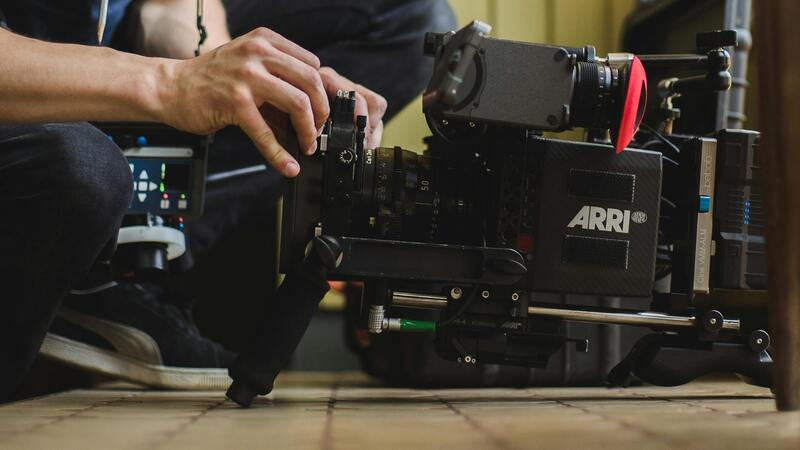
In today’s digital age, a yacht videographer’s contribution is crucial for creating engaging content that resonates with a global audience. Through expertly crafted videos, they help yacht brands and owners elevate their presence in competitive markets, ensuring that every visual element accurately reflects the prestige and quality associated with their vessels and experiences.
Distinct Challenges of Shooting on Yachts
Capturing high-quality footage on a yacht involves numerous challenges that require specialized skills and equipment. The unique environment of the water, coupled with the dynamic movements of a vessel, demands a high level of adaptability and precision from a yacht videographer. One of the primary obstacles is the constant motion of the yacht itself, which can cause stability issues and motion blur in footage if not properly managed. To counteract this, professional videographers utilize gimbals, steadicams, and drone stabilization systems that ensure smooth, steady shots despite the vessel's movement.
Additionally, the confined space onboard can limit movement and camera angles, forcing videographers to be creative with their framing and equipment. They often employ compact, versatile camera gear that can operate effectively in tight quarters without compromising image quality. The limited space also means managing lighting carefully, especially when filming during daylight hours or in low-light conditions below deck. Using appropriate filters, LED lights, and reflectors can help achieve the desired visual atmosphere.
Weather conditions pose further complications, as sudden changes can impact both safety and footage quality. Wind can cause instability and noise, while rain or rough seas may delay filming schedules. Vigilant planning and flexible scheduling are essential to mitigate these challenges. Techniques such as waterproof housings for cameras and employing drones with weather-resistant features expand the creative possibilities whilst maintaining professionalism under varying maritime conditions.
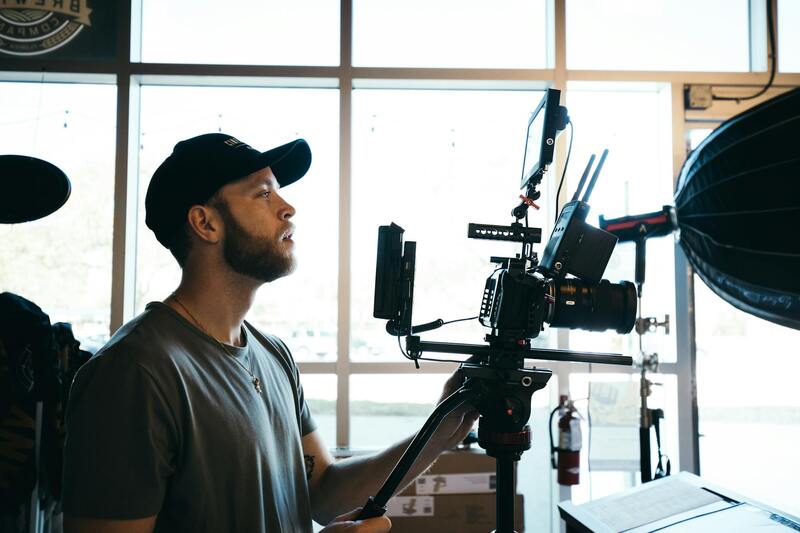
The unpredictable nature of outdoor filming necessitates thorough planning and contingency strategies. For example, a professional yacht videographer conducts pre-shoot surveys of the vessel and environment, optimizing shot lists to make the most of favorable conditions. They also coordinate with the crew to ensure safety protocols are followed, especially when operating aerial drones or moving rapidly through water-based scenes. In this environment, patience and adaptability are as vital as technical expertise, enabling the production of compelling visual stories despite the inherent challenges of maritime filming.
From managing vibration to balancing natural lighting and dealing with turbulent weather, a yacht videographer’s skill set is finely tuned to overcome these hurdles. Their extensive experience ensures that the final footage not only captures the essence of luxury and adventure but does so with a high standard of quality thatstands out in digital and marketing platforms.
Challenges of Shooting on Yachts
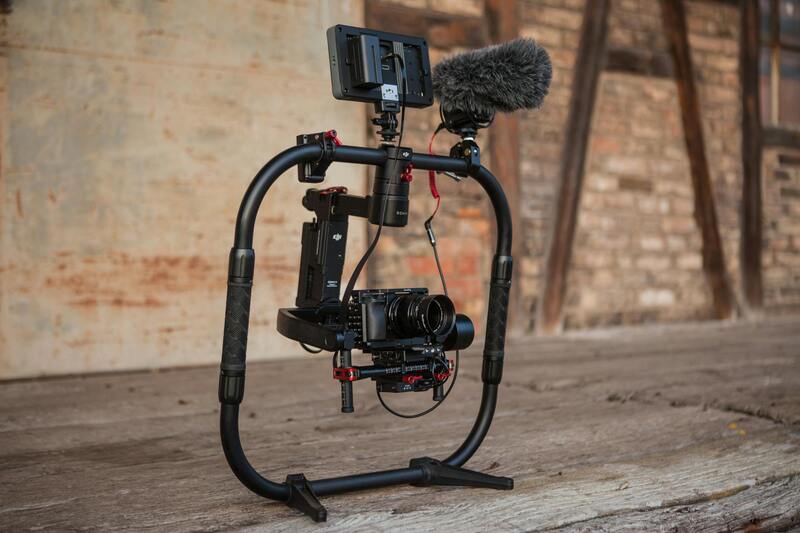
Filming on yachts presents a unique set of obstacles that demand careful attention and tailored solutions. Space constraints on vessels limit camera setups and movement, requiring creative composition and the use of compact, versatile equipment. The confined environment often restricts maneuverability, making the use of stabilizers and gimbal systems vital for achieving smooth shots. Additionally, the motion of the vessel due to waves introduces rolling and vibrations, which can diminish footage clarity and steadiness. To counteract these effects, professionals utilize specialized stabilization rigs and employ post-production stabilization techniques, ensuring the final product maintains visual coherence.
Lighting conditions at sea are inherently challenging, with natural light constantly changing and sometimes being insufficient due to weather or sunset timings. This variability requires the use of portable lighting solutions and reflectors that can be easily adjusted to match the natural environment. Moreover, the reflective surfaces of water and glass windows can cause glare and unwanted reflections, complicating cinematography. Techniques such as polarizing filters and careful positioning help manage these issues, ensuring the craft’s luxurious appeal is captured vividly.
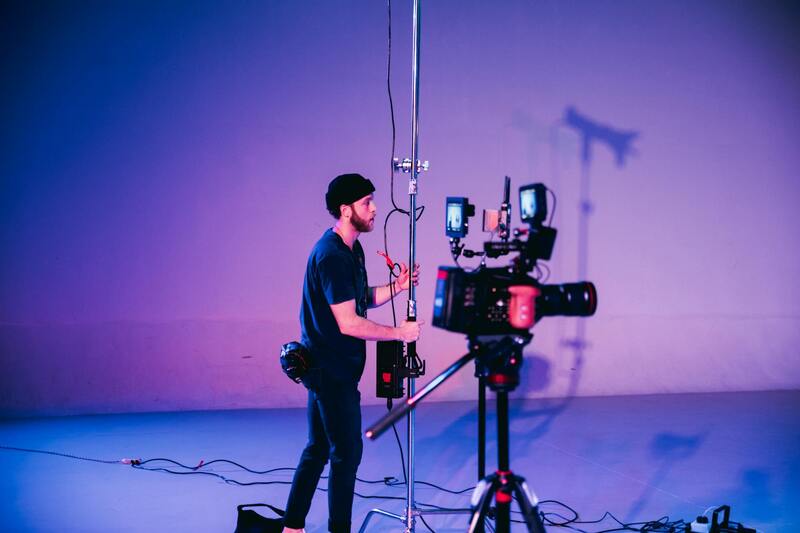
Space limitations also restrict movement and camera angles, compelling videographers to employ multi-functional equipment and innovative shooting perspectives. Utilizing drones for aerial shots can provide dramatic views without cluttering the deck, but this introduces additional considerations regarding safety and stability. Coordinating drone flight paths with crew and ensuring precise control in variable wind conditions is critical for seamless footage. Furthermore, understanding the vessel’s interior layouts allows videographers to plan shots that showcase both the exterior splendor and interior elegance efficiently, even within tight quarters.
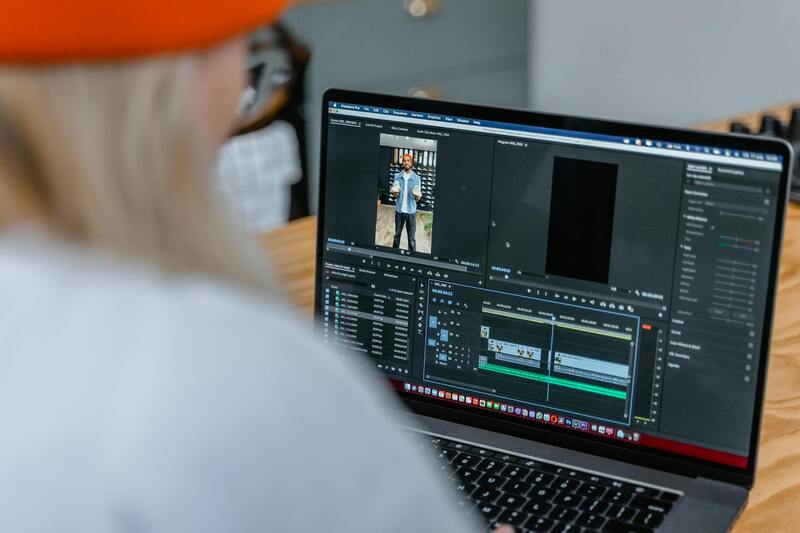
Overall, addressing these challenges relies heavily on a combination of highly skilled personnel, advanced equipment, and meticulous planning. Experienced yacht videographers harness their extensive knowledge to adapt swiftly to unforeseen issues, maintaining the highest standards of visual storytelling regardless of physical constraints or environmental unpredictability. Their ability to turn these obstacles into opportunities for creative expression plays a crucial role in producing captivating, high-quality maritime videos that resonate with luxury clients and marketing audiences alike.
Utilizing Professional Techniques and Methodologies
Achieving high-quality yacht videography requires more than just cutting-edge equipment; it demands a strategic approach rooted in professionalism and industry-standard practices. Expert yacht videographers prioritize pre-production planning to ensure every shot aligns with the client’s vision and the vessel’s unique features. This involves detailed storyboarding, assessing lighting conditions, and studying the yacht’s layout to optimize camera placements and movements. Preparedness extends to selecting appropriate lenses and stabilization tools that cater to the dynamic environment aboard a moving vessel. During filming, adherence to meticulous techniques guarantees smooth footage and compelling visuals. Techniques such as gimbal stabilization, steadycam operation, and careful aperture and focus control are vital. When capturing exterior shots, especially from aerial perspectives, maintaining a secure drone flight path while avoiding interference with crew and equipment is paramount. Carefully controlling camera angles and movement enhances the vessel’s elegant design and captures its grandeur without distraction. Furthermore, employing multi-camera setups allows for varied perspectives, highlighting both the yacht’s exterior splendor and interior luxury. Skilled videographers often utilize track shots, slow motion, and time-lapse sequences to add dynamism and depth to the footage. These methods, combined with expert color grading and post-processing, elevate the visual narrative, making the final product appealing for promotional campaigns or event documentation. Engaging in an iterative editing process, where footage is carefully reviewed and refined, ensures clarity, color consistency, and a seamless viewing experience. Attention to detail at every phase—from shooting to editing—reflects a commitment to delivering content that meets the highest standards of craftsmanship and storytelling. Ultimately, the pursuit of excellence in yacht videography hinges on an adherence to proven methodologies, professional discipline, and innovative techniques. These elements allow videographers to transform challenging conditions into opportunities for creative expression, resulting in captivating videos that showcase the vessel’s beauty and luxury in every frame.
Advanced Techniques and Creative Approaches in Yacht Videography
To produce visually compelling yacht videos, a seasoned videographer employs a range of advanced techniques that highlight the vessel’s unique features and the luxurious environment surrounding it. One such method is aerial cinematography using drones, which offers sweeping vistas of the yacht against Miami’s stunning coastline or open oceanbackdrops. These shots provide viewers with a sense of scale and grandeur that ground-level footage cannot achieve. Drone pilots must have a keen understanding of flight regulations and environmental conditions to ensure smooth, stable shots that showcase the yacht’s sleek design and the surrounding scenery.
Complementing aerial shots, ground-based camera work often involves stabilized gimbals that allow for smooth, fluid motion along the deck or dockside environments. These techniques enable capturing dynamic angles and close-up details, such as intricate craftsmanship or luxury amenities onboard. Employing cinematic camera movements like tracking, dolly, and crane shots can infuse energy into the footage, emphasizing the yacht’s performance and elegance.
Capturing interior spaces requires careful planning, utilizing wide-angle lenses to reveal spaciousness and detail. Lighting conditions can significantly influence visual quality, so videographers often adapt with portable lighting gear or rely on natural light during optimal times of the day. Using depth of field to focus attention on specific design elements further enhances the storytelling aspect of yacht videos.
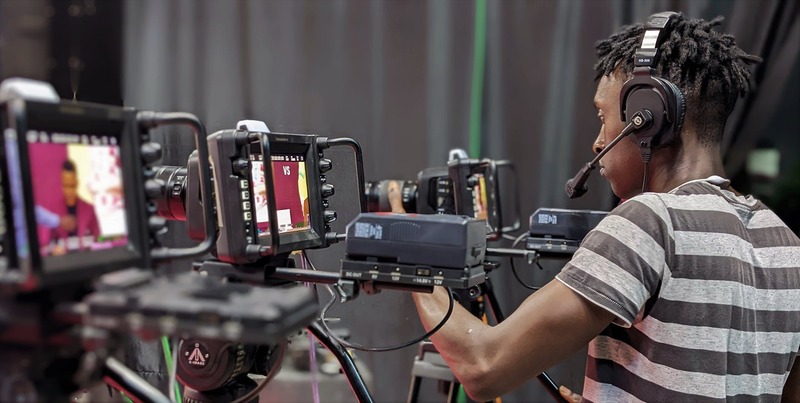
Incorporating Creative Elements to Elevate Video Content
To set yacht videos apart from standard visuals, professionals integrate creative elements such as time-lapse sequences to depict the passage of time during sunset cruises or vibrant daytime activities. Slow-motion footage can highlight intricate details or energetic onboard moments, adding a cinematic touch that resonates with viewers. Color grading plays a pivotal role in establishing mood and emphasizing the yacht’s opulence; designers often enhance colors to reflect a warm, inviting atmosphere or the crispness of oceanic surroundings.
Graphics and animated overlays are sometimes incorporated to present key information or branding elements subtly, enhancing promotional material’s professionalism. Sound design is equally important; capturing high-quality ambient sounds or adding a curated soundtrack can evoke emotions and deepen viewer engagement.
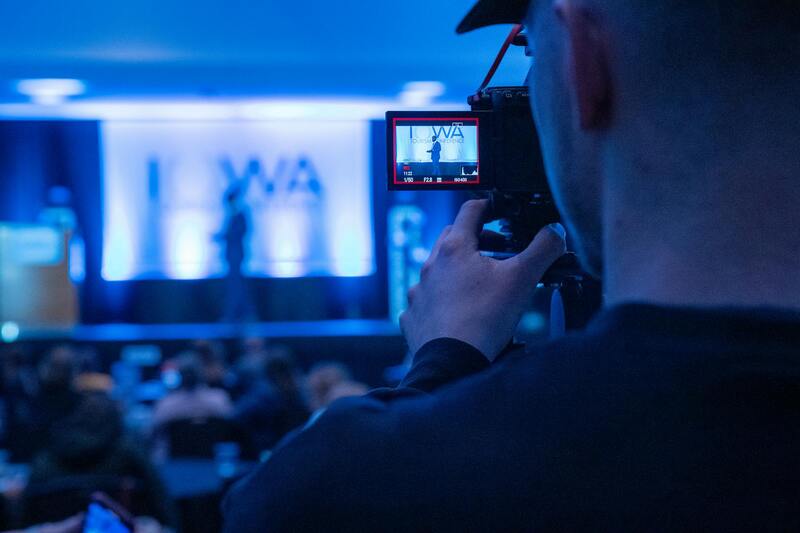
Achieving Consistent Quality in Yacht Videography
Maintaining high standards throughout the production process involves meticulous planning, from pre-shoot consultations to final editing. Skilful videographers prepare shot lists tailored to the yacht’s features and the project's objectives. During filming, attention to detail ensures capturing a diverse range of footage angles and sequences, providing ample material for editing.
Post-production is critical for refining the visual narrative. Color correction and grading are used to achieve uniform tones, while editing sequences are carefully curated to ensure smooth transitions and pacing that reflect the vessel’s elegance and the luxury lifestyle it represents. Sound design and music selection are synchronized with visuals to evoke desired emotional responses.
Final deliverables are often provided in multiple formats optimized for different platforms, whether for online marketing, social media, or client presentations. Detailed review processes guarantee that each video meets the highest standards of visual storytelling and technical quality, showcasing the yacht in its best light and captivating audiences effectively.
Understanding the Role of a Yacht Videographer
A yacht videographer specializes in capturing high-quality visual content that highlights the luxury, elegance, and unique features of yachts. Their primary goal is to create compelling videos that resonate with potential clients, emphasizing the yacht's design, interior spaces, exterior views, and the overall lifestyle associated with owning or chartering a yacht. These professionals combine artistic vision with technical expertise to produce footage that not only showcases the vessel’s specifications but also evokes the emotions connected to luxury and adventure.
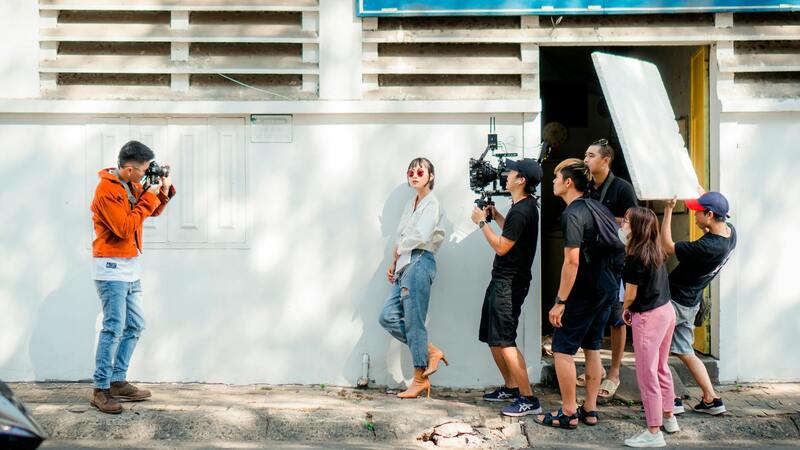
In addition to capturing stunning footage, a yacht videographer often collaborates closely with marketing teams, brokers, or yacht owners to align the video content with branding strategies. They understand the importance of storytelling, using visuals to evoke a sense of exclusivity, adventure, or tranquility, depending on the desired message. Their work involves meticulous planning and execution, ensuring every shot complements the narrative and showcases every angle of the vessel.
Furthermore, a yacht videographer uses their extensive knowledge of camera angles, lighting, and movement to emphasize the yacht’s most appealing features. This includes capturing panoramic shots from the bow or stern, dynamic interior walkthroughs, and sunset or twilight scenes that enhance the yacht’s ambiance. With a keen eye for detail and an understanding of luxury aesthetics, they produce content that elevates the vessel’s appeal across various platforms, from websites to social media channels.
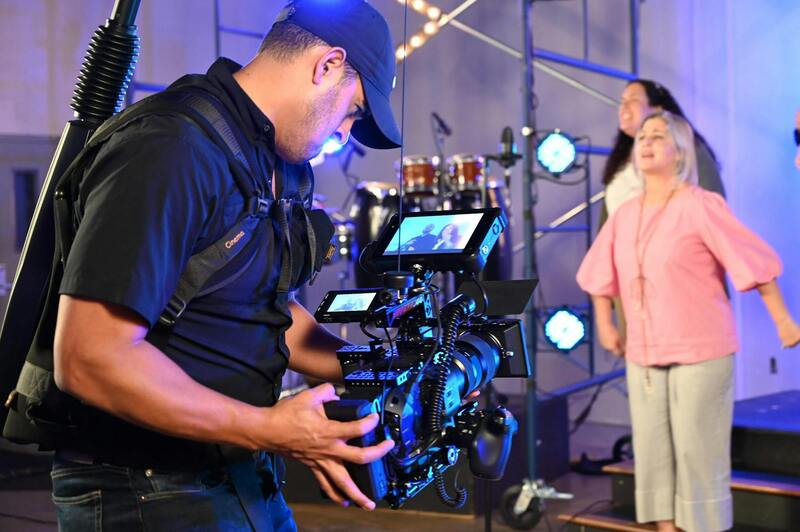
Attention to detail extends beyond videography skills. A yacht videographer must also be familiar with maritime environments, understanding how to operate equipment safely on a moving vessel and adapt to changing weather conditions. Their proficiency ensures that footage remains stable and clear, preserving the yacht’s luxurious aesthetic even amidst challenging shooting conditions. This comprehensive approach guarantees that the resulting videos are polished, professional, and capable of capturing the essence of high-end yachting experiences.
Understanding the Role of a Yacht Videographer
A yacht videographer specializes in capturing the essence and elegance of luxury yachts through high-quality visual content. Their primary responsibility involves creating compelling videos that highlight the vessel's design, features, and the premium lifestyle associated with yachting. This role requires an expert understanding of both videography techniques and maritime environments, ensuring that each shot not only looks aesthetically pleasing but also effectively communicates the yacht’s unique qualities. A seasoned yacht videographer meticulously plans each frame, considering angles, lighting, and movement to produce engaging footage that resonates with prospective clients or audiences.
Beyond technical skill, a yacht videographer serves as a storyteller, weaving a narrative that conveys the lifestyle and exclusivity associated with owning or chartering a yacht. Their work often involves navigation in challenging conditions, managing equipment on a moving vessel, and maintaining safety protocols—all while ensuring the quality and stability of the footage. This combination of artistic vision and operational proficiency results in videos that are not only visually stunning but also authentic representations of the yachting experience.
Key Skills and Equipment for Yacht Videography
Effective yacht videography demands a blend of technical expertise and specialized equipment. Essential skills include mastery in camera operation, understanding of lighting conditions, and proficiency in stabilizing footage. The unique challenges posed by maritime environments require videographers to be adept at managing variable weather, motion, and limited space. They often utilize high-definition cameras, gimbals, drone technology, and waterproof gear to capture diverse perspectives from panoramic exterior shots to detailed interior views.
- Advanced camera stabilization systems to reduce motion blur
- Drones for aerial footage that showcases the yacht in its environment
- Waterproof and weather-resistant equipment for durability in marine settings
- High-quality audio recording devices for interior and exterior sounds
- Professional lighting setups for evening or low-light scenes
Proficiency with editing software also plays a vital role in delivering polished videos. Skilled post-production involves color grading to enhance visual impact, seamless editing to maintain narrative flow, and incorporating motion graphics or text overlay when necessary. A comprehensive understanding of these tools enables a yacht videographer to craft content that aligns with the client’s branding and marketing objectives.
Distinct Challenges of Shooting on Yachts
Shooting aboard a yacht introduces specific hurdles that require careful planning and adaptability. The constant movement of the vessel can cause shaky footage, demanding the use of stabilization equipment and techniques to maintain clarity. Limited space in interior cabins challenges framing and camera placement, often necessitating creative angles and compact gear solutions. Additionally, variable weather conditions—such as wind, rain, or harsh sunlight—impact lighting and safety considerations.
Another challenge involves capturing the yacht's dynamic environment without disrupting onboard activities or compromising safety. This requires coordination with crew members and an understanding of maritime protocols. The presence of reflective surfaces, glass, and polished finishes also calls for precise lighting control to prevent unwanted glare and reflections that could diminish the quality of the visuals.
Services Offered by a Yacht Videographer
A yacht videographer offers a suite of services tailored to the luxury yachting sector. These include promotional videos, virtual tours, event coverage, and lifestyle footage. Many professionals also provide drone cinematography for stunning aerial shots and 360-degree videos for immersive experiences. Custom services might encompass interior walkthroughs, sunset or twilight captures, and branding content designed specifically for social media distribution.
- Full-length promotional and advertising videos
- Interior and exterior yacht walkthroughs
- Aerial drone footage showcasing the vessel’s surroundings
- Event and charter coverage for special occasions
- Client testimonial and lifestyle segments
- Post-production editing, including color grading and sound design
These offerings help yacht owners and charter companies elevate their marketing strategies, attract high-net-worth clients, and create engaging content that highlights the yacht’s exclusivity and appeal. The collaboration between the client and videographer involves careful planning to align footage with branding goals and showcase the vessel’s most attractive features.
Importance of Location and Timing in Yacht Videography
The selection of shooting locations and timing plays a crucial role in the overall impact of yacht videos. Optimal lighting conditions—such as during golden hour—enhance the yacht’s appearance and accentuate its contours and finishes. Choosing scenic backdrops, like coastal coves, marina skylines, or open sea vistas, amplifies the visual allure of the vessel.
Weather forecasts, tidal conditions, and yacht itineraries influence scheduling. Shooting during calm weather ensures smoother footage, while operational considerations require coordination with crew to avoid interference with yacht activities. Location-specific elements help craft a narrative that situates the vessel within an aspirational setting, reinforcing the sense of luxury and adventure associated with the yachting experience.
Balancing technical needs with aesthetic considerations, the right timing and location ensure the creation of captivating content that resonates with target audiences and enhances the yacht’s marketing presence.
Comprehensive Post-Production and Delivery of Yacht Video Content
Post-production is a vital phase that transforms raw footage into a polished, compelling visual story that captures the essence of the yacht and appeals to prospective clients. Skilled yacht videographers employ advanced editing techniques, color grading, and sound design to enhance the footage, ensuring that each clip highlights the yacht’s luxurious features and idyllic surroundings.
During editing, special attention is given to maintaining a balance between cinematic quality and authenticity, providing a genuine reflection of the vessel's appeal. Incorporating dynamic transitions, cinematic effects, and optimized audio further elevates the viewing experience, making the content more engaging and memorable.
Once the editing process reaches completion, the focus shifts to delivery. High-resolution digital files are provided in various formats suitable for multiple platforms, including social media, websites, and promotional events. Many yacht videographers also offer tailored packages that include versions optimized for different screens, such as 4K editions for large displays and compressed versions for online streaming, ensuring seamless compatibility and maximum impact across all marketing channels.
Additionally, metadata such as tags, descriptions, and watermarks are often incorporated to protect the content and improve searchability. Some providers include supplementary materials like teaser clips or shorter highlight reels, which are effective for social media promotions and targeted advertising campaigns.
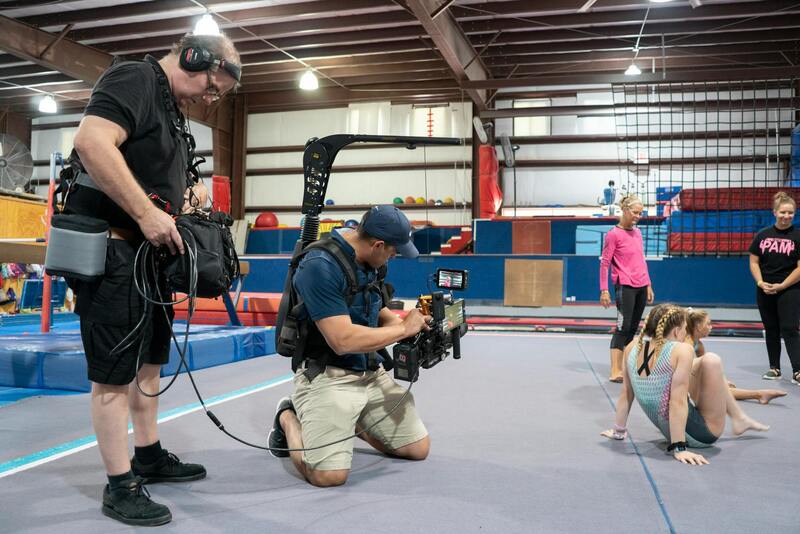
Effective distribution strategies are essential to maximize the reach of the finished videos. For instance, hosting videos on a company’s website with embedded SEO practices, sharing on professional social media profiles, and utilizing targeted advertising help attract high-net-worth clients. Engaging visuals paired with strategic dissemination bolster brand positioning and elevate the yacht’s profile within the luxury market.
Understanding the technical and aesthetic nuances of post-production ensures that each piece of video content aligns with the client’s vision and branding objectives. Clear communication regarding revisions and expectations can significantly influence the final product’s quality, making collaboration with a professional yacht videographer a crucial component of successful visual storytelling.