
Understanding Yacht Videography
Yacht videography serves as a specialized branch within the broader field of videography, focusing on capturing the opulence, elegance, and grandeur of luxury vessels on the water. Its primary goal is to produce compelling visual narratives that showcase yachts in their best light, whether for promotional, commercial, or private purposes. This discipline demands a unique combination of technical skills, artistic insight, and strategic planning to highlight the vessel’s design, craftsmanship, and the surrounding environment.
Unlike other types of videography that may focus on event coverage, documentary storytelling, or corporate videos, yacht videography emphasizes the seamless integration of an aquatic setting with the yacht’s features. It involves capturing the vessel in motion, often with a focus on both wide-angle panoramic shots and detail-oriented close-ups. This type of videography provides an immersive experience for viewers, allowing them to feel as if they are aboard the yacht, experiencing the luxury firsthand.
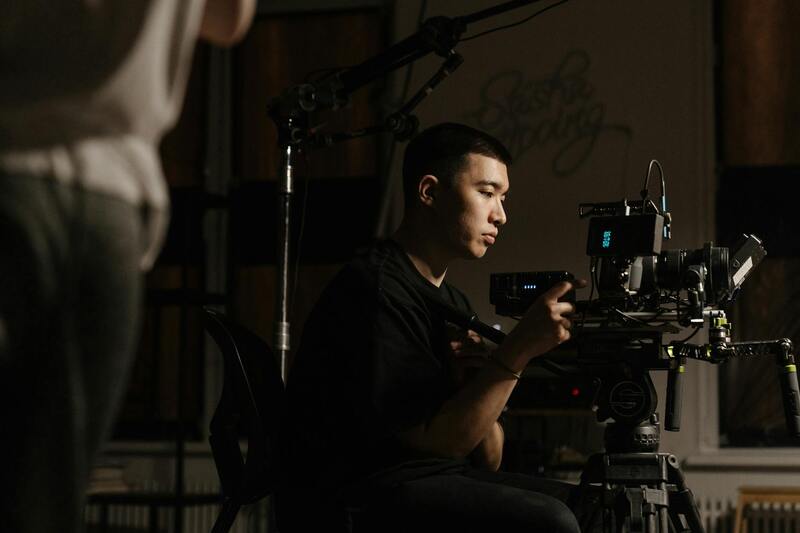
The purpose of yacht videography extends beyond mere documentation. It plays a crucial role in marketing and sales, enabling yacht brokers and owners to showcase their vessels to potential buyers worldwide. It is also vital for branding, event coverage, and creating promotional content for yacht manufacturing companies. The visual appeal achieved through high-quality yacht videography can significantly influence viewer perception, making the vessel more desirable and increasing engagement.
This specialized form of videography sets itself apart through its technical and creative demands. Filming on a yacht often involves challenges such as constant movement, unpredictable weather conditions, and limited space for equipment setup. Consequently, videographers must be adaptable, utilizing stabilization tools, drone footage, and specialized lenses to produce smooth, cinematic visuals.
Differences from Other Videography Types
- Setting: Focuses exclusively on marine and waterfront environments, requiring knowledge of water-based filming conditions.
- Equipment: Utilizes waterproof and stabilized gear to handle movement at sea.
- Visual Style: Prioritizes dynamic, flowing shots that highlight the yacht’s elegance amidst natural scenery.
- Purpose: Often used for high-end marketing, private showcases, and luxury lifestyle promotion.
Understanding these core aspects of yacht videography underscores its importance as a specialized skill. It combines artistic vision with technical proficiency to produce captivating content that resonates with discerning clientele and industry professionals. As the luxury yachting market continues to grow, expert yacht videographers will remain vital for creating compelling narratives that celebrate the beauty and sophistication of these marine masterpieces.
Understanding Yacht Videography
Yacht videography represents a unique intersection of technical expertise and artistic expression, crafted specifically to highlight the elegance, motion, and environment of luxury vessels. It demands a deep understanding of maritime conditions, narrative storytelling, and advanced filming techniques to produce visuals that captivate high-end audiences and industry stakeholders alike. Capturing the grace and splendor of a yacht at sea requires more than just imagination; it involves strategic planning, precise equipment, and adaptive methods suited to the marine environment.
One of the defining features of yacht videography is its dependence on specialized gear designed to withstand and perform in water-based conditions. This includes waterproof cameras, gimbals with stabilization capabilities, and drones equipped with waterproof casings or safety features to ensure steady aerial shots over the water. Filmmakers often employ high-resolution cameras with telephoto lenses that allow for detailed close-ups and sweeping panoramic shots, illustrating the vessel’s exterior and surrounding scenery. These tools enable the production of cinematic visuals that emphasize the yacht's lines, design intricacies, and the fluidity of its movements across the water.
Filming on a yacht involves navigating through unpredictable weather, fluctuating lighting conditions, and the constant motion of the sea. This environment challenges videographers to adapt quickly, employing different stabilization methods and camera rigs to maintain visual consistency and clarity. Drones, in particular, have revolutionized yacht videography by offering dynamic aerial footage that showcases the vessel in its natural environment, providing perspectives that are otherwise difficult to capture from the deck.
Moreover, yacht videography often integrates a variety of shooting techniques to craft a compelling story. These include slow-motion captures during moments of yacht operation to highlight the craftsmanship and engineering, as well as time-lapse sequences to illustrate scenic transitions or bustling dockside activity. Creative use of natural lighting, especially during sunrise or sunset, enhances the visual appeal, adding a warm, luxurious aura to each shot. Advanced editing techniques further refine these visuals, emphasizing fluid motion, color grading, and seamless transitions to produce a polished cinematic product.
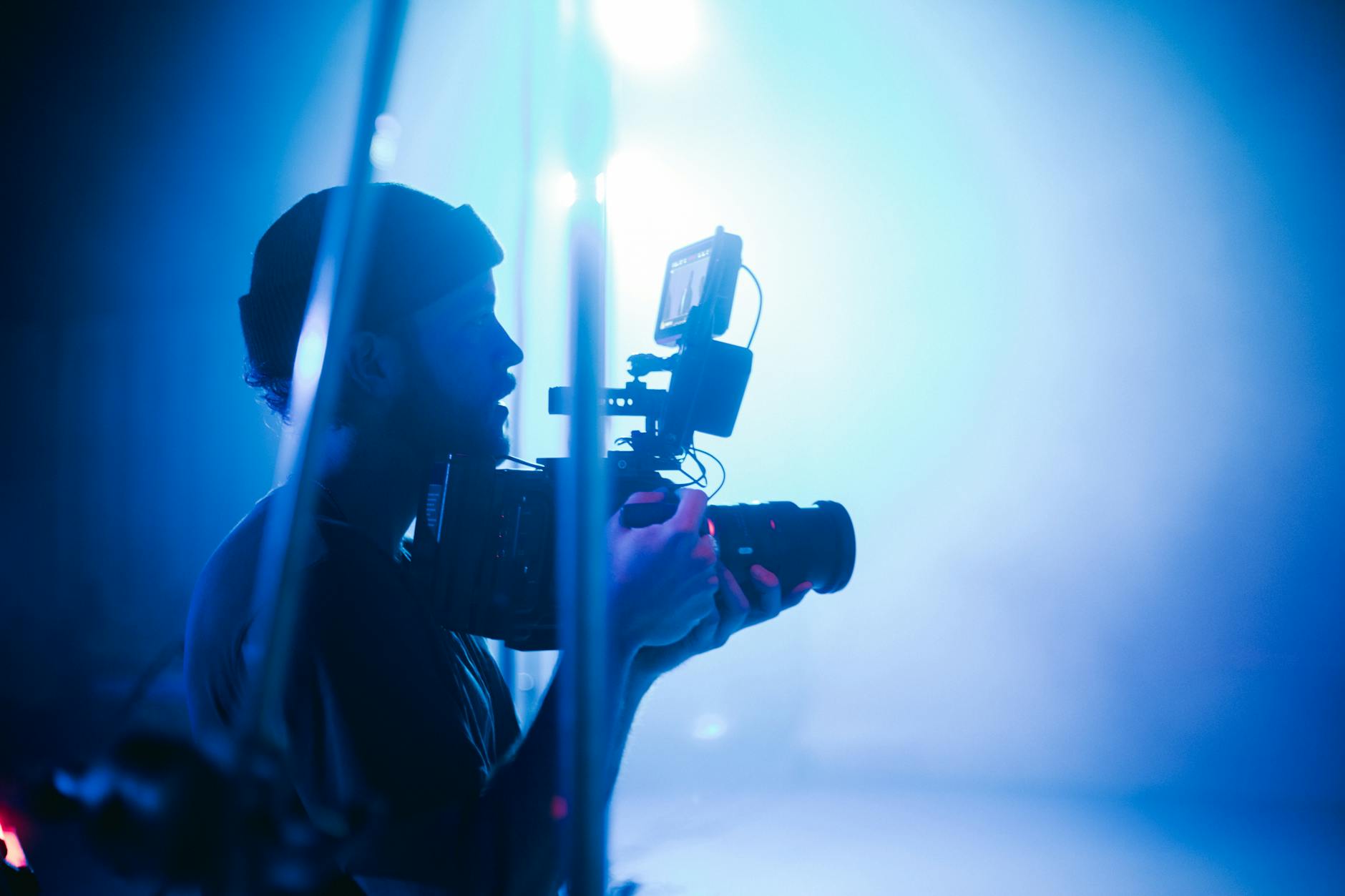
In the competitive landscape of luxury marketing, yacht videography serves a pivotal role by elevating branding efforts, showcasing vessels at their best, and inspiring potential clients with immersive visual stories. This discipline continuously evolves, integrating new technologies and innovative methods to capture the evolving sophistication of yachting lifestyles. Through understanding its core principles and leveraging advanced equipment, professionals can craft engaging, high-quality content that resonates with discerning audiences seeking exclusivity and elegance.
Techniques for Shooting on Yachts
Achieving high-quality footage on a yacht demands meticulous attention to strategic shooting techniques that maximize the vessel's aesthetic and operational features. One of the fundamental approaches is utilizing stabilization equipment to counteract vessel movement caused by waves or wind. Gimbals and steadicams are essential tools that ensure smooth, cinematic shots whether filming from deck, onboard interior spaces, or aerial perspectives.
Lighting plays a pivotal role in capturing the yacht’s elegance and surroundings. Filming during golden hour—early morning or late afternoon—provides a natural warmth that enhances the vessel's tones and reflects beautiful natural light off the water’s surface. For times outside this window, artificial lighting setups are carefully planned to complement natural light, avoiding harsh shadows or overexposure.
Different camera angles and shot compositions contribute significantly to narrative storytelling. Low-angle shots from the water level emphasize the yacht’s grandeur, while wide-angle lenses capture the full scope of the vessel against scenic backdrops. For interior shots, wide or lens-corrected zooms reveal intricate details, showcasing craftsmanship and design finesse.
In addition, employing drone videography introduces dynamic aerial shots that reveal the yacht’s environment, docking activities, or scenic coastlines—perspectives that are challenging to capture from the yacht itself. Ensuring drone operators are well-versed in maneuvering in maritime settings guarantees safety and stability, resulting in breathtaking footage that immerses viewers.
Creative capture techniques such as slow-motion sequences highlight key moments, like the yacht cutting through water or crew activities, adding a layer of sophistication to the visual narrative. Time-lapse sequences can depict transitions from dock to open sea or sunrise to sunset, framing the yacht within its natural environment. Combining these methods with precise timing and shot planning results in a compelling, high-production-quality video.
Legal and Safety Considerations in Yacht Videography
When producing high-quality yacht videos, adherence to established protocols ensures seamless shoots and preserves the integrity of the visuals. Securing proper permissions and clearances before filming begins is essential to respect privacy and property rights, especially when capturing private vessels or restricted areas. Working closely with yacht owners, operators, and relevant maritime authorities helps streamline the process and mitigate potential disruptions.
Prior to filming, comprehensive risk assessments should be conducted to identify hazards related to water conditions, vessel stability, and crew activities. Implementing safety protocols, such as designated safe zones and emergency procedures, ensures that all team members are prepared for unforeseen situations. For example, crew members must be equipped with life jackets, harnesses, and other safety gear, especially during aerial drone operations or when filming near the vessel's edge.
Clear communication between the production team and vessel personnel is vital. Establishing a safety briefing ensures everyone understands operational limits and emergency procedures. Additionally, routine checks of all equipment, including cameras, drones, and stabilization gear, minimize technical failures during critical moments.
In terms of legal formalities, obtaining appropriate permits for drone flights and remote filming can prevent regulatory issues. These permits often require submitting detailed flight plans and respecting maritime zones, especially in protected or sensitive areas. Utilizing geofencing technology and maintaining a safe distance from other vessels or private property are crucial practices that support responsible filming.
Furthermore, respecting the privacy of individuals onboard or in the vicinity maintains professional relationships and fosters a positive experience. Ensuring that all footage collected complies with set guidelines avoids complications during the post-production phase. Staying informed about local regulations, maritime safety guidelines, and privacy policies enhances the professionalism of yacht videography projects.
By integrating meticulous planning, safety measures, and compliance with pertinent standards, videographers can deliver breathtaking content that captures the luxury and elegance of yachts while safeguarding all participants involved in the process.
Techniques for Shooting on Yachts
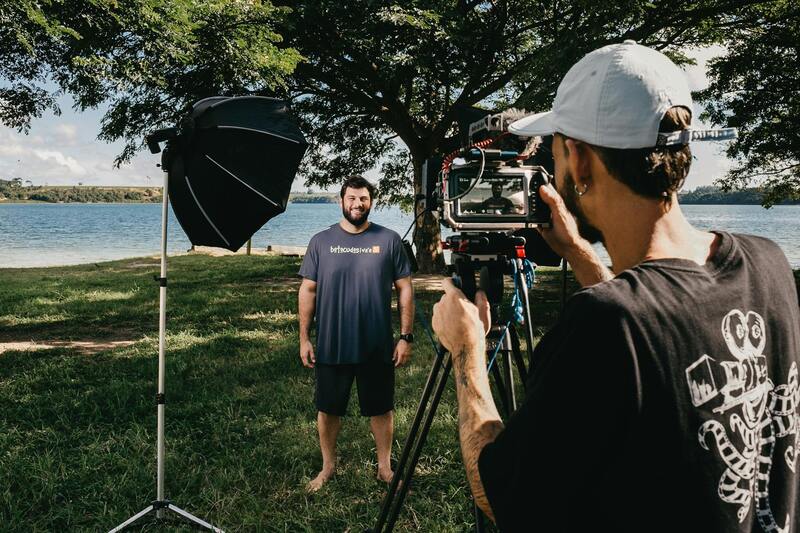
Achieving stunning yacht videography requires a mastery of specialized shooting techniques that account for the unique environment of the open water and the vessel's motion. Stabilization is a core aspect; handheld shots need to be complemented with professional stabilization equipment, such as gimbals and steadicams, to deliver smooth footage despite the vessel's movement. When utilizing drones, pilots must adapt flying techniques to account for maritime conditions, including strong winds and fluctuating weather patterns, ensuring drone stability and safety. High-quality remote gimbals mounted on boats can also facilitate dynamic tracking shots, capturing the yacht's interior and exterior with fluidity.
Capturing the yacht's exterior involves a range of strategic camera angles. Low-angle shots from the water showcase the vessel's grandeur and design intricacies, while aerial shots positioned behind or above the yacht provide context and scale within its environment. For interior shots, wide-angle lenses effectively communicate the luxury of onboard spaces, such as lounges, cabins, and panoramic decks, giving viewers an immersive experience. Lighting considerations are critical; natural sunlight plays a crucial role in highlighting the yacht’s features, but supplementary lighting may be necessary during interior shoots or in shaded areas to ensure clarity and vibrancy.
To enhance visual storytelling, incorporating slow-motion sequences can emphasize the yacht’s smooth sailing or water splashes, adding a dynamic element to the footage. Panoramic shots combined with drone footage can showcase the vessel within its scenic surroundings, emphasizing the exclusivity and beauty of the location. When filming moving boats or jetskis nearby, maintaining a safe distance while capturing action sequences ensures safety and cinematic quality.
Another crucial technique involves synchronizing camera movements with the yacht’s motion. Using remote control rigs or robotic camera systems enables precise, controlled movements that follow the vessel seamlessly. Combining multiple camera angles through multi-camera setups allows for versatile editing options, matching the flow of the footage with music or narration to craft a compelling narrative. Overall, these techniques ensure each shot captures the essence of luxury, elegance, and the adventurous spirit of yacht life.
Legal and Safety Considerations
When conducting yacht videography, adhering to specified regulations, obtaining relevant permits, and ensuring comprehensive safety protocols are integral to a successful shoot. Securing necessary permissions from vessel owners or operators is fundamental to avoid interruptions or complications during production. These permits often involve approvals related to the maritime environment, adherence to local regulations, and coordination with authorities if filming in restricted or protected zones.
Insurance coverage tailored for maritime activities offers protection against unforeseen incidents, including equipment damage, personal injury, or property loss. Collaborating with insurance providers experienced in marine operations helps mitigate potential risks associated with filming at sea.
Privacy considerations are vital, particularly when capturing footage near residential or private yacht marinas. Respecting personal privacy and securing consent from individuals or entities present during filming prevents conflicts and ensures ethical standards are maintained.
Safety measures encompass thorough planning of the shoot to accommodate maritime and environmental conditions. Crew members should be equipped with appropriate safety gear, and all participants should be briefed on safety protocols. Employing safety harnesses, secure rigging, and ensuring proper stable footing on moving vessels reduce the risk of accidents. Additionally, having emergency procedures in place, including immediate access to first aid and communication tools, is essential for addressing potential hazards.
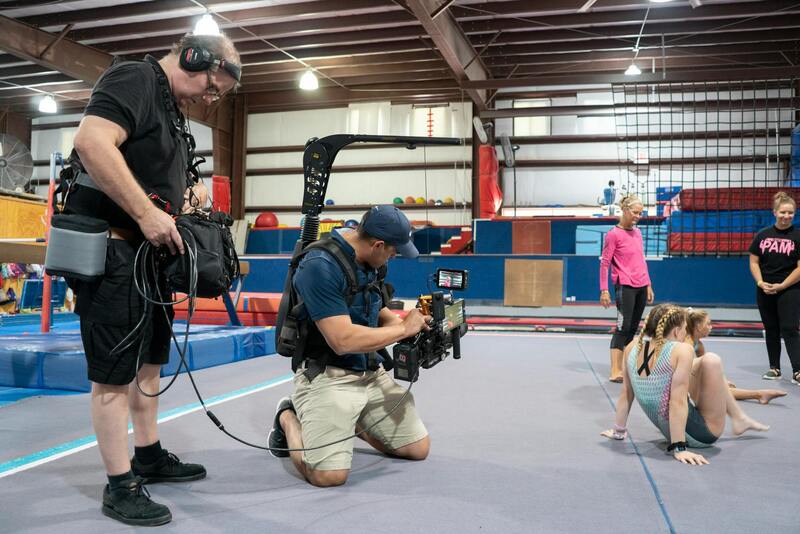
Another key aspect involves coordination with maritime authorities and the vessel’s crew to confirm operational limitations, such as speed restrictions, protected zones, and restricted areas that might impact shooting schedules or shot selection. Maintaining clear, continuous communication with all parties involved ensures seamless execution and adherence to safety standards.
Understanding Yacht Videography
Yacht videography involves capturing the luxurious and dynamic environment of yachts through professional filming techniques. This specialized form of filming requires not only an understanding of advanced camera equipment but also a keen awareness of marine conditions and the unique challenges of working on moving vessels. Successful yacht videography aims to showcase the elegance, speed, and lifestyle associated with yacht ownership, often creating content that appeals to affluent clientele, marine enthusiasts, and promotional channels.
Core Elements of Yacht Videography
- Stability and Smoothness: Achieving steady footage aboard a vessel in motion demands sophisticated stabilization tools, such as gimbals and steadicams, to minimize shake and jitter caused by sea vibrations and vessel movement.
- Lighting Optimization: Utilizing natural sunlight effectively, along with portable lighting setups, ensures vibrant visuals whether shooting during the day or at dusk.
- Marine Environment Adaptation: Filming in challenging weather conditions or turbulent waters requires flexible planning and equipment suited to harsh environments, including waterproof gear and corrosion-resistant accessories.
- Composition and Framing: Capturing the yacht’s design features, interior spaces, and surrounding marine scenery involves strategic framing to highlight the vessel’s luxury and performance capabilities.
Advanced Techniques
Incorporating cinematic techniques such as slow-motion sequences, dynamic drone shots, and aerial perspectives can elevate the visual storytelling aspect of yacht videography. These methods provide a comprehensive view of the yacht’s exterior and marine environment, creating immersive experiences for viewers. Multi-angle captures, combined with drone footage, help narrate the vessel’s features in a compelling manner.
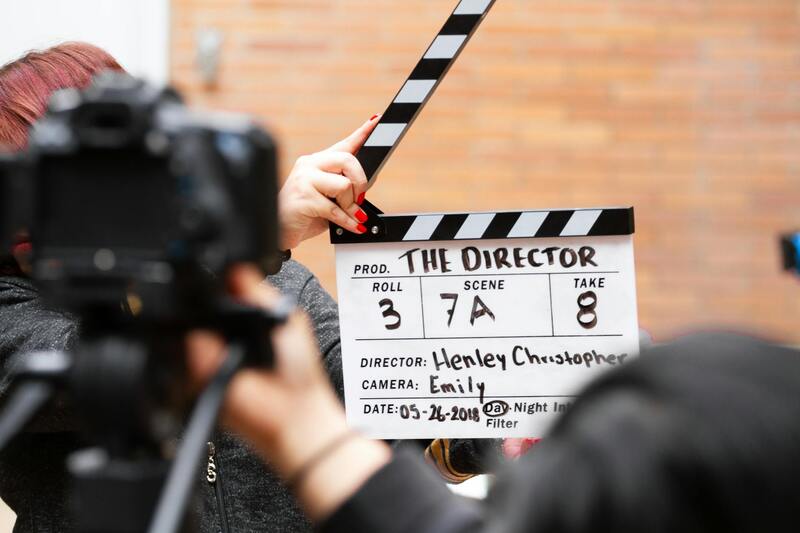
Pre-visualization tools like storyboards and shot lists enhance production efficiency, ensuring all desired scenes are covered without unnecessary delays. When working with clients or production teams, establishing clear communication and a shared vision is crucial for aligning expectations and delivering high-quality results.
Challenges and Solutions
One of the primary hurdles in yacht videography is managing the motion of the vessel. To counteract this, professional operators utilize stabilization systems and adaptive shooting techniques. Environmental factors such as wind, wave activity, and lighting conditions require flexibility and rapid adjustment to maintain shot quality. Moreover, logistical considerations like securing permits, coordinating with marina authorities, and scheduling during optimal conditions help streamline production.
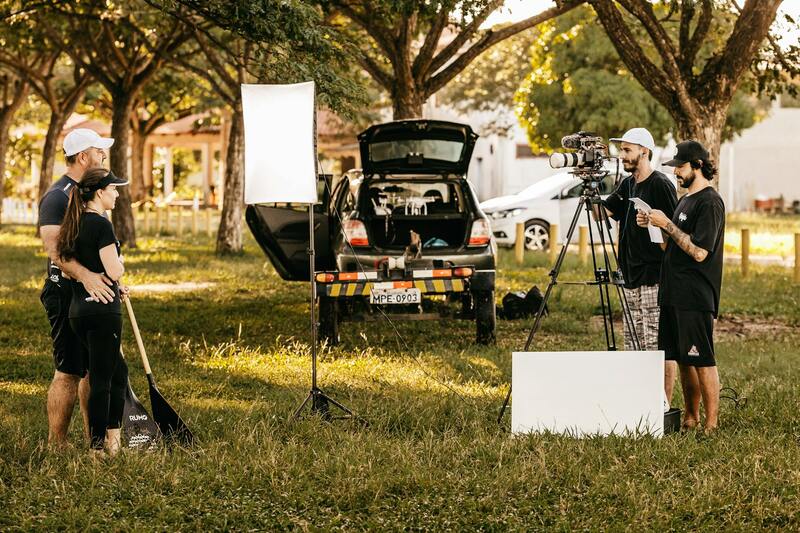
Effective planning and the deployment of specialized equipment are essential for overcoming these challenges. Regular equipment checks, crew training in marine safety protocols, and contingency plans for adverse weather ensure safety and productivity during shoots.
Legal and Safety Considerations in Yacht Videography
Executing high-quality yacht videography necessitates careful attention to a range of safety protocols and operational standards that ensure both the crew's and equipment's security during shoots. Safety measures begin with a comprehensive risk assessment of the filming environment, considering factors such as sea conditions, weather forecasts, and vessel stability. This proactive approach allows the videography team to prepare adequately, minimizing potential hazards.
Onboard safety protocols are integral, including mandatory safety briefings for all crew members and cast, clear emergency procedures, and the proper use of safety gear like life jackets and harnesses when operating in or near open decks. Ensuring the vessel's safety equipment—fire extinguishers, first aid kits, and communication devices—is accessible and functioning is critical before starting any shoot.
Coordination with maritime authorities and adherence to regional regulations is vital for a seamless production process. This involves obtaining necessary permits, informing relevant authorities of the filming schedule, and complying with maritime navigation rules to prevent interference with maritime traffic and other vessels. Regular communication with marina officials and local agencies helps navigate logistical aspects and ensures smooth operations.
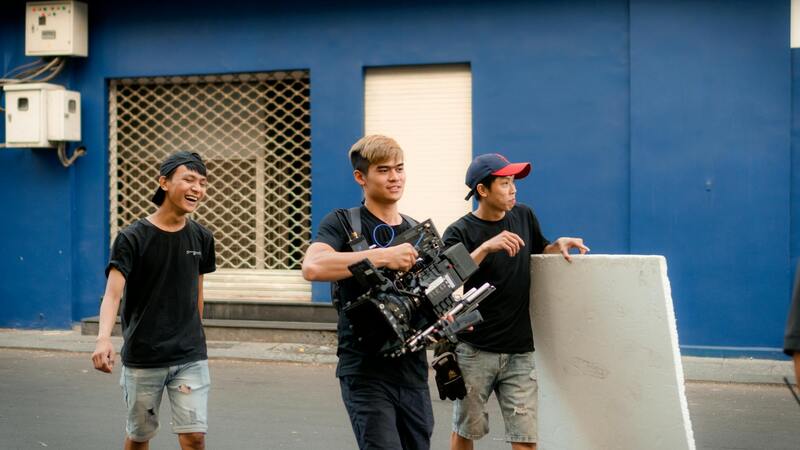
Regarding equipment safety, grounding and securing all gear properly prevents accidental damage or loss overboard. Water-resistant cases, secure mounting systems, and careful handling of sensitive electronics minimize risks associated with a marine environment. Operators should also inspect all equipment before each session, confirming functionality and stability.
In addition, environmental considerations play a role in safety and operational planning. Protecting marine life and avoiding environmentally sensitive zones during shoots align with responsible filming practices. Proper planning ensures that filming activities do not disturb local ecosystems or violate regional conservation efforts.
Adopting a meticulous approach to safety and legal compliance in yacht videography not only safeguards everyone involved but also enhances the credibility and professionalism of the production. When all safety measures are observed, creative vision can be fully realized without compromising standards or security.