
Understanding Superyacht Photography
Superyacht photography is a specialized segment within the broader field of luxury and professional photography, dedicated to capturing the elegance, grandeur, and intricate details of some of the world’s most magnificent vessels. This form of photography goes beyond mere documentation; it aims to evoke a sense of awe and admiration by showcasing the yacht’s design, craftsmanship, and the luxurious lifestyle it represents. High-quality superyacht images are essential for marketing, sales, and promotional activities within the yachting industry, serving as powerful visual assets to attract discerning clients and elevate the vessel's allure.
Superyacht photography typically encompasses a diverse range of images, including exterior shots that highlight the yacht’s sleek lines and imposing presence on the water, interior images that reveal the sumptuous interiors and amenities, and lifestyle photos capturing the experience of cruising or relaxing onboard. These images often emphasize the yacht’s bespoke features, state-of-the-art technology, and scenic surroundings, creating an aspirational narrative that appeals to potential buyers or charter clients.
The significance of superyacht photography within the luxury yachting sector cannot be overstated. Well-crafted images serve as key marketing tools in catalogs, websites, advertising campaigns, and social media platforms. They help yacht owners and brokers stand out in a competitive marketplace by presenting the vessel in the best possible light. Furthermore, high-quality visual content supports the storytelling aspect of branding, allowing viewers to envision the exclusivity and opulence associated with superyachting.
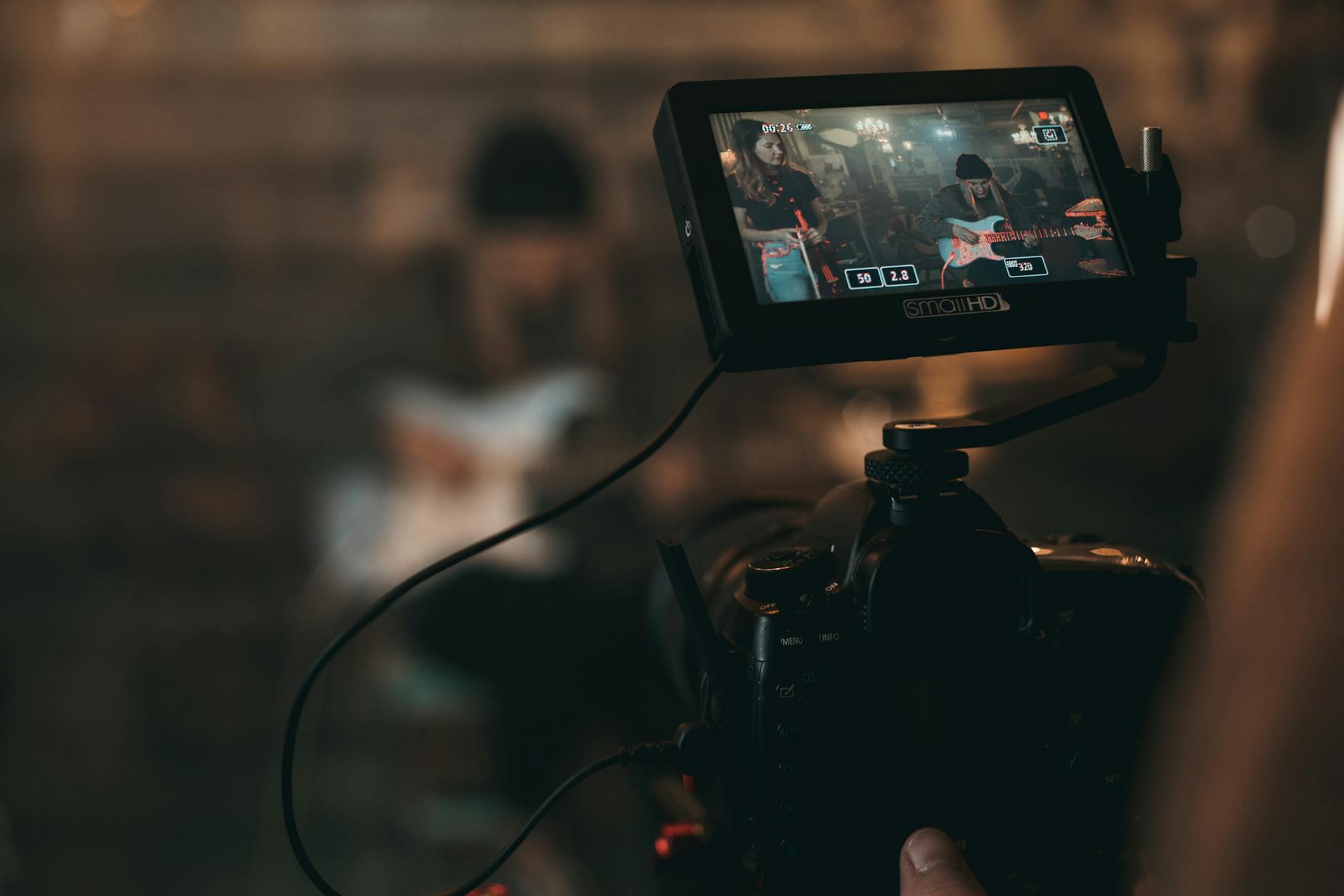
Key Equipment and Photography Gear
Executing professional superyacht photography requires specialized equipment designed to handle the unique challenges of maritime environments while delivering exceptional image quality. Photographers in this niche rely heavily on high-resolution cameras capable of capturing fine details, vibrant colors, and dynamic range.
- Digital Single-Lens Reflex (DSLR) and Mirrorless Cameras: These models form the core of most superyacht photography setups, offering excellent image quality, interchangeable lenses, and robust performance in various lighting conditions.
- Wide-Angle and Tilt-Shift Lenses: Essential for capturing expansive exterior shots and architectural details, these lenses enable photographers to create striking images with minimal distortion.
- Gimbals and Stabilizers: Used to achieve smooth, steady shots, especially when filming or photographing from moving vessels or platforms.
- Drone Cameras: Aerial photography adds a dramatic perspective, showcasing the yacht’s layout and location in scenic settings. High-end drone models with stabilized gimbals and obstacle avoidance are preferred.
- Lighting Equipment: Portable flash units, LED panels, and reflectors aid in illuminating interior spaces and highlighting specific features.
Nature of the marine environment makes protective gear such as waterproof housings and weather-resistant bags crucial, ensuring equipment safety against salt, moisture, and wind.
Ultimately, choosing high-caliber gear and maintaining technical proficiency are fundamental to producing the stunning imagery characteristic of superyacht photography.
Key Equipment and Photography Gear
Achieving exceptional superyacht imagery necessitates a comprehensive selection of specialized equipment tailored to maritime photography environments. The foundation begins with high-resolution digital cameras, predominantly professional-grade DSLR and mirrorless models. These cameras provide the detailed capture and flexibility essential for showcasing both the yacht’s exterior grandeur and intricate interior details. The choice of lenses significantly impacts the quality of shots; wide-angle and tilt-shift lenses are indispensable for capturing the yacht’s expansive decks, sleek architecture, and scenic surroundings with minimal distortion.
For dynamic shots, particularly in motion or challenging lighting conditions, photographers rely on stabilization tools such as gimbals and steadicams. These devices facilitate smooth footage and sharp images even when shooting from moving vessels or unstable platforms. In addition, drone cameras equipped with stabilized gimbals and obstacle avoidance sensors play a transformative role in aerial superyacht photography, offering sweeping views of the vessel’s layout, the surrounding landscape, and scenic vistas that ground photography cannot achieve.
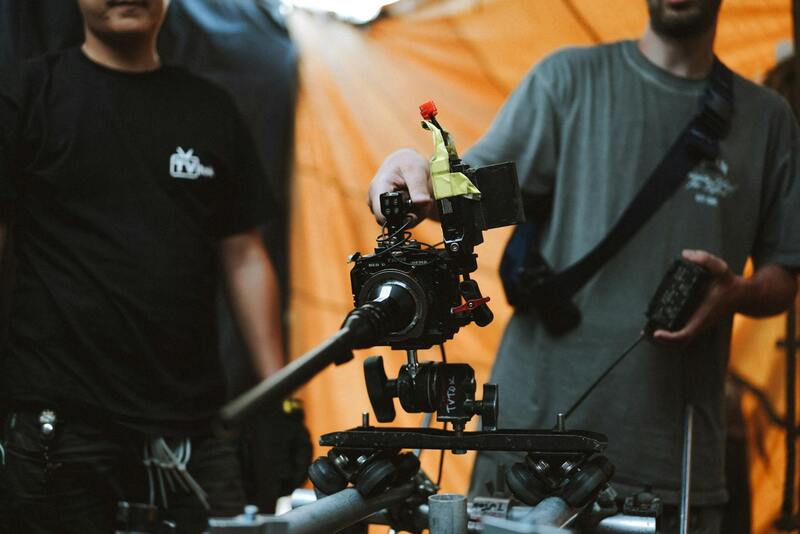
Lighting equipment, including portable LED panels, reflectors, and flash units, empower photographers to illuminate interior spaces effectively and emphasize key design features. The marine environment’s demanding nature requires protective gear such as waterproof housings, weather-resistant bags, and sealed covers to safeguard cameras and accessories against salt spray, moisture, and wind. This protective infrastructure ensures reliable performance during prolonged shoots and in adverse conditions.
Battery packs, spare memory cards, and power sources form an essential part of a superyacht photographer’s kit, ensuring uninterrupted workflow during extended sessions on the vessel. The careful selection and maintenance of this equipment, combined with technical expertise in its operation, are vital in capturing the vivid, high-quality imagery that highlights a superyacht’s elegance, power, and exclusivity.
Understanding Superyacht Photography
Superyacht photography demands a mastery of specific visual techniques and an understanding of how to portray luxury, power, and elegance through the lens. The unique environment of a superyacht, often set against striking coastal backdrops or open ocean vistas, requires photographers to adapt their approach to harness the natural light, weather conditions, and movement of the vessel itself. The goal is to craft images that not only showcase the vessel’s architectural beauty and opulence but also evoke a sense of adventure and exclusivity that appeals to discerning clientele.
To achieve this, professionals often rely on a combination of advanced technical skills and creative vision. Composition plays a pivotal role, emphasizing the yacht’s contours, lines, and distinctive features while maintaining a balanced perspective that highlights both the vessel and its environment. Light management is equally crucial; photographers frequently capitalize on the golden hour to produce warm, inviting images, although their expertise allows them to work effectively under various lighting conditions, including overcast skies or dynamic sunset scenarios.
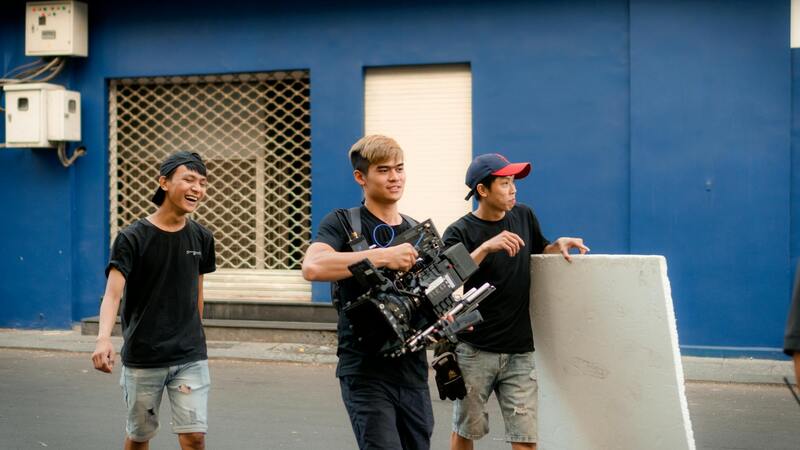
Capturing the movements of a superyacht—whether it’s cruising through calm waters or moored in a luxurious harbor—requires a nuanced approach. Fast shutter speeds are employed to freeze motion and crisp details, while longer exposures can introduce a sense of motion in dynamic scenes. Skilled photographers utilize diverse angles and perspectives, from dramatic wide shots that encompass the entire vessel and landscape, to detail shots focusing on intricate design elements or inviting interior spaces. Such versatility ensures that each image effectively communicates the yacht’s story of sophistication and refinement.
Key Equipment and Photography Gear
Successful superyacht photography relies heavily on specialized equipment tailored to the demands of marine environments and high-end imagery standards. At the core are high-resolution digital cameras with full-frame sensors, capable of capturing sharp, detailed images in various lighting conditions. This is complemented by versatile lenses—wide-angle lenses for capturing expansive views, telephoto lenses for detailed shots from a distance, and macro lenses for intricate design details.
Stabilization tools are essential for ensuring clarity and sharpness, especially when shooting aboard a moving vessel. Gimbals and steadicams enable smooth footage and steady handheld shots, while drone cameras furnish aerial perspectives that elevate the visual storytelling of the superyacht. These aerial shots often reveal the yacht’s positioning within scenic settings, emphasizing its size and elegance against the backdrop of a marina, cliffside, or open sea.
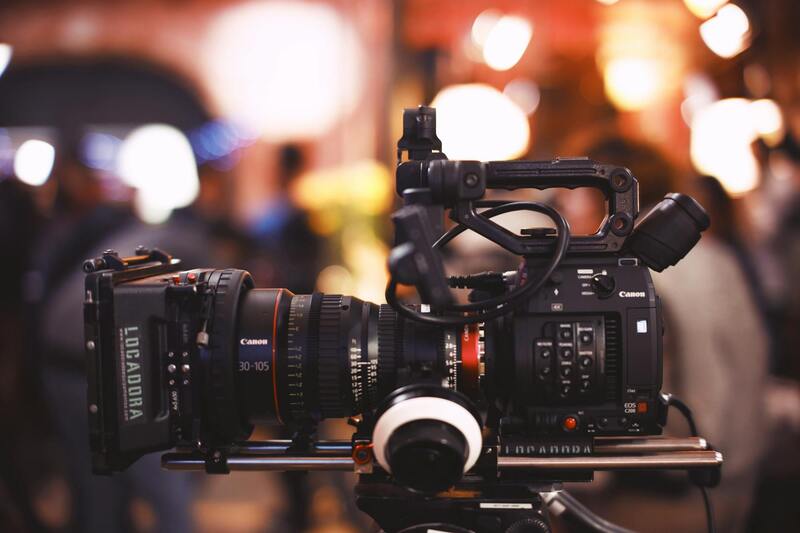
Lighting gear is equally vital. Portable LED panels, reflectors, and flash units are commonly used to illuminate interiors or highlight specific features of the yacht, especially during indoor shoots or under challenging natural light conditions. To withstand the marine environment’s harsh elements, equipment is housed in waterproof and weather-resistant cases. Such protective measures ensure reliable performance despite exposure to salt spray, moisture, and wind.
Complementing the core gear are practical accessories like spare batteries, high-capacity memory cards, and portable power sources, which support prolonged sessions aboard the yacht. Proper maintenance, including cleaning lenses and inspecting protective casings, helps maintain equipment optimal condition and ensures consistency in capturing high-quality images throughout the shoot.
Preparing for a Superyacht Photography Session
Preparation forms the foundation of successful superyacht photography. It begins with comprehensive planning, including consultations with yacht owners and crew to understand the vessel’s key features, personal preferences, and designated focal points. It’s essential to establish a detailed shoot itinerary, considering the best lighting conditions, optimal times of day, and the vessel’s operational schedule to avoid disruptions.
Preliminary site scouting—either virtually through photographs or physically—enables photographers to identify the most photogenic angles, key interior areas, and exterior vantage points. This step also involves assessing weather conditions and tide schedules, which can significantly influence the quality and safety of equipment handling on the water.
Equally important is logistical coordination: ensuring proper access to various parts of the yacht, arranging for transport of gear, and confirming all necessary permits and permissions. Photographers should verify their equipment functionality and pack backups to address unforeseen technical issues. Planning for safety protocols, especially when working near water or in variable weather, is crucial to protect both personnel and expensive gear.
Engaging with the crew prior to the shoot provides invaluable insights into operational routines and allows photographers to synchronize their schedules with vessel activities. This collaborative approach ensures minimal interference with the yacht’s daily functions and maximizes the opportunity to capture authentic, candid moments alongside staged shots.
Understanding Superyacht Photography
Superyacht photography demands an exceptional level of precision and expertise to effectively showcase the grandeur and intricate details of these luxury vessels. It involves thoroughly understanding the vessel’s unique aesthetic, structural features, and the desired visual narrative, often tailored to meet high-end marketing or personal documentation standards. These images serve as a vital marketing tool for brokers, yacht builders, and owners, making their quality and authenticity paramount. Skilled superyacht photographers are adept at capturing the vessel’s scale, elegance, and operational environment while maintaining a keen eye for composition, lighting, and environmental conditions. This genre of photography also emphasizes the importance of capturing the vessel in its best light—both literally and figuratively—highlighting features that set each superyacht apart, from sleek exterior lines to luxurious interior finishes.
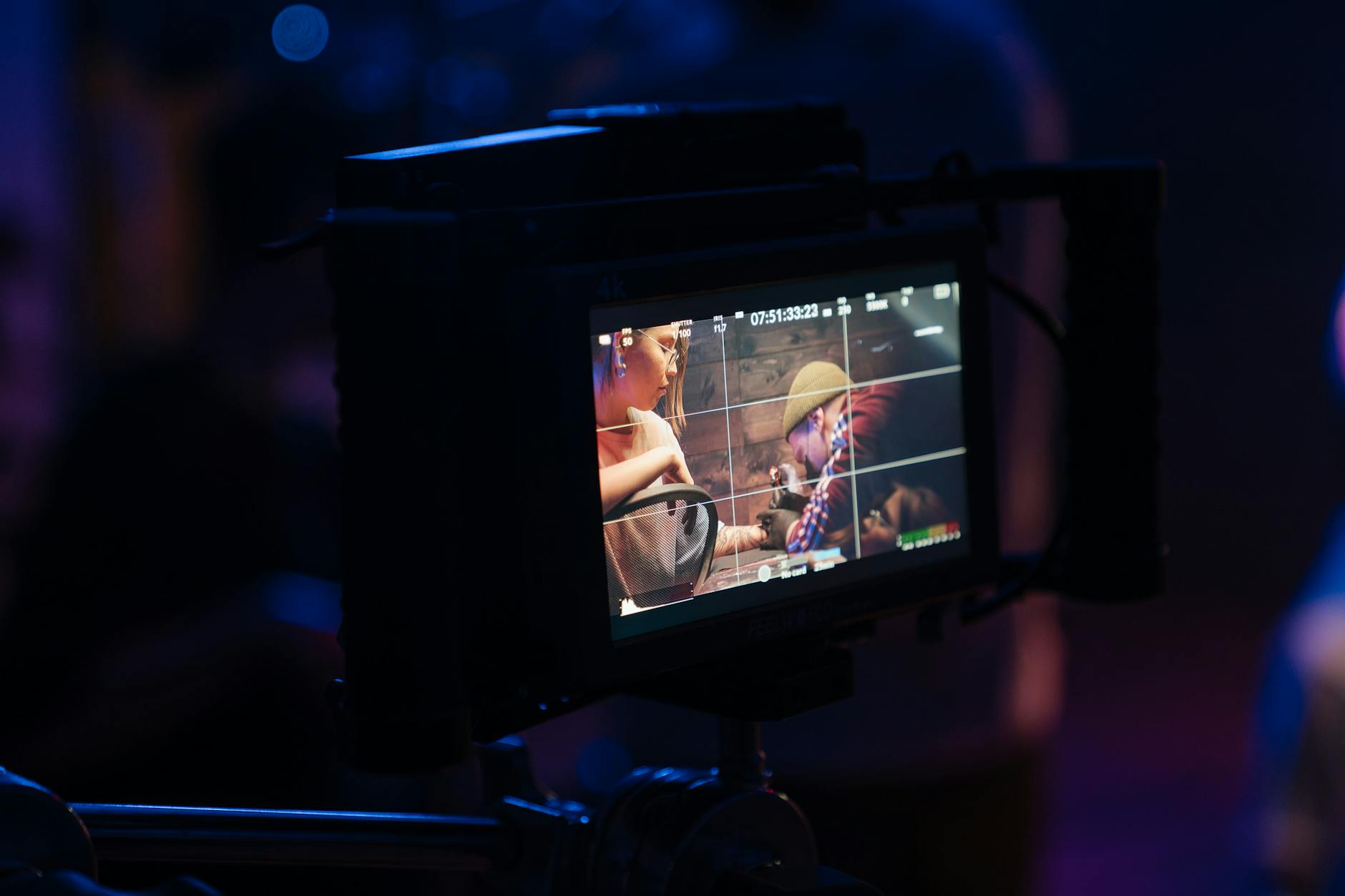
In superyacht photography, authenticity and attention to detail are critical. Photographers must have a deep understanding of the vessel’s architecture and interior design, as well as the ability to translate that knowledge into compelling visual narratives. This involves using specific techniques to accentuate the yacht's key features—whether it's the expansive decks, state-of-the-art facilities, or panoramic views. Moreover, superyacht photography must ensure that images resonate with prospective clients or stakeholders by accurately representing the vessel’s size, style, and luxury offerings. To achieve top-tier results, a comprehensive understanding of maritime environments, water safety, and weather considerations also plays a significant role, enabling photographers to adapt and optimize their approach under various conditions.
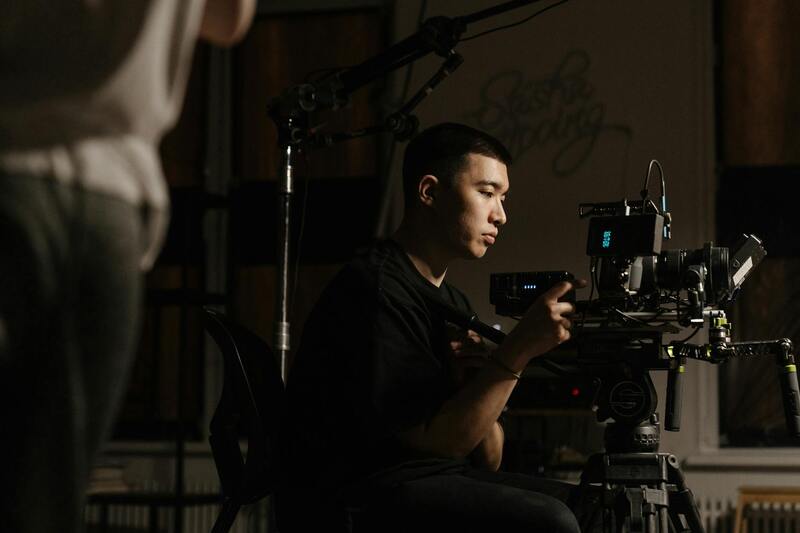
Given the competitive landscape of luxury vessel marketing, official superyacht photography often involves a combination of aerial drone imagery, traditional ground-based shots, and detailed interior captures. These methods, when executed correctly, help build a comprehensive visual portfolio that highlights every aspect of the yacht. It’s essential that such images are produced through legitimate channels, utilizing certified equipment and professional techniques to ensure safety, quality, and compliance with industry standards. As the yacht market evolves, so does the necessity for images that are not only visually stunning but also reliably depict the vessel's true features, facilitating an authentic connection with potential buyers or charter clients. High-resolution, well-composed images captured via reputable methods serve as the backbone of effective marketing campaigns in the superyacht industry.
Legal and Ethical Considerations
Ensuring the integrity and professionalism of superyacht photography involves adhering to established practices that respect privacy, ownership rights, and industry standards. Official photography methods emphasize transparency in equipment and techniques, confirming that all images are captured with authorized access and appropriate permissions. This approach safeguards the interests of yacht owners and charter companies, reinforcing trust and reputation within the luxury maritime community.
Utilizing certified drones, professional-grade cameras, and industry-approved editing software ensures high-quality visuals that accurately represent the vessel's features and ambiance. Photographers committed to legitimate methods also prioritize safety protocols, especially during aerial shoots or when working in challenging maritime environments, to uphold the safety of all personnel involved. Such practices not only produce consistent, reliable images but also align with the expectations of clients who seek genuine depictions of their investment.
Transparency about the techniques and tools employed during the photography process is crucial. This involves documenting the use of authorized equipment, secure handling of images, and adherence to industry standards for image resolution and editing quality. Such ethical practices bolster credibility and provide clients with confidence that the promotional materials reflect the true essence and condition of their superyacht.
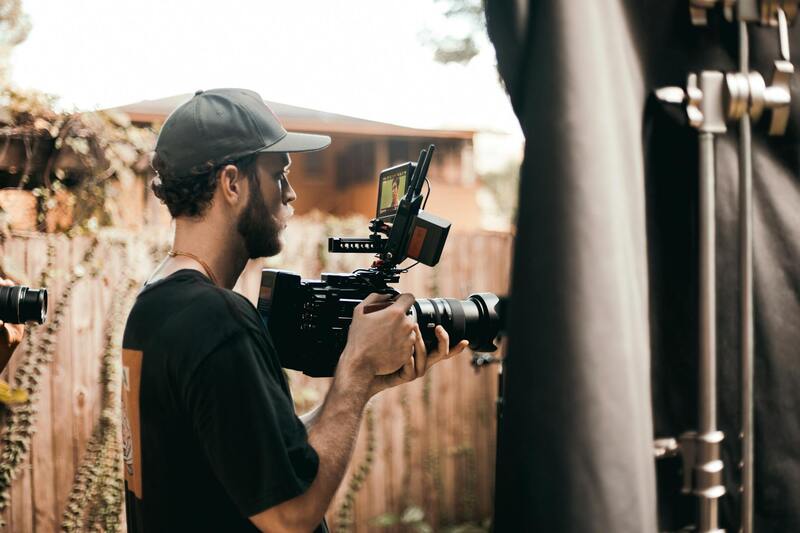
Furthermore, clear communication regarding the scope of photography sessions, intended usage rights, and post-processing procedures is vital. When photographers operate within these legitimate frameworks, they protect both their reputation and that of their clients, fostering a professional industry environment where high standards are consistently maintained.
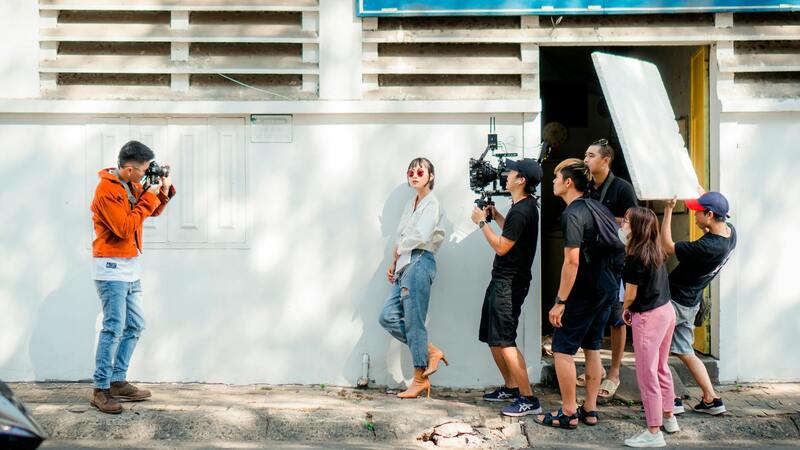
Understanding Superyacht Photography
Superyacht photography is a specialized discipline that requires a strategic combination of technical skill, artistic vision, and industry knowledge. Capturing the grandeur and intricate details of these luxurious vessels involves a deep understanding of the unique aspects that distinguish superyacht visuals from standard maritime photography. Each shot aims to evoke a sense of elegance, power, and exclusivity, making it essential for photographers to deliver images that resonate with high-net-worth clients and industry stakeholders.
Key Elements of Effective Superyacht Photography
- High-Resolution Clarity: Using equipment that produces sharp, high-quality images ensures that every technical detail, from the gleam of polished metal to the intricate design of the yacht's interior, is vividly captured.
- Optimal Lighting: Mastering natural light, along with supplementary lighting techniques, maximizes the visual appeal and highlights the yacht’s features during different times of day and various weather conditions.
- Strategic Composition: Employing compositional techniques that emphasize the yacht’s size, sleek lines, and distinctive design features helps create compelling imagery that commands attention and presents the vessel in its best light.
- Environmental Integration: Incorporating the surrounding environment, including water reflections or marina backdrops, enhances the overall aesthetic and contextual appeal of the photographs.
Importance of Authentic Presentation
Authenticity in superyacht photography is paramount. True-to-life images build trust with clients by accurately showcasing their vessels’ features, size, and condition. This authenticity is critical when marketing these vessels for brokerage, charter, or promotional purposes. By employing legitimate methods and transparently documenting the techniques used, photographers uphold industry standards and reinforce their credibility. This approach ensures that clients receive representations that not only meet aesthetic standards but also reflect the true essence of their investment.
Capturing the Vessel from Multiple Perspectives
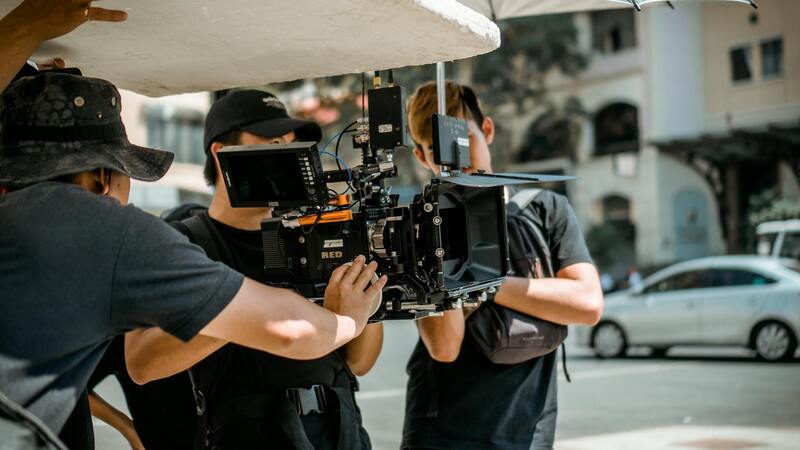
Effective superyacht photography involves capturing a variety of angles and perspectives. From close-up details and interior shots to expansive wide-angle images that encompass the vessel and its surroundings, a comprehensive portfolio provides a rich visual story. Using drone photography or stabilized camera equipment allows for dynamic aerial views and smooth, high-altitude shots that showcase the yacht’s grandeur from above. Each perspective plays a vital role in portraying the vessel’s size, craftsmanship, and luxurious features.
 igure>
Ultimately, superyacht photography is about more than just capturing an image; it’s about storytelling. Through carefully crafted visuals, photographers communicate the yacht’s character and appeal, making potential clients envision themselves onboard. Maintaining raw authenticity and integrity throughout the process strengthens the connection between the vessel and its prospects, ensuring that marketing efforts successfully translate into tangible interest and transactions.
Choosing the Right Lighting and Composition Techniques
Mastering lighting is fundamental to capturing the sleek lines and luxurious finishes of a superyacht. Natural light during the golden hours—shortly after sunrise and before sunset—provides warm, soft illumination that enhances the yacht’s details and creates inviting reflections on the water. Photographers should plan their shoots around these times for optimal lighting conditions. In addition, using reflectors and diffusers can help control shadows and balance light across different surfaces of the vessel.
Composition plays a significant role in showcasing a superyacht’s grandeur. Employing the rule of thirds ensures key features are emphasized, while leading lines draw viewers’ eyes toward focal points such as the yacht’s bow, deck areas, or luxurious interiors. Framing shots to include the surrounding environment—like the ocean or skyline—establishes context and adds depth to images. Incorporating foreground elements such as yacht accessories or crew members can also add narrative interest without detracting from the vessel’s main features.

Utilizing Drone Technology for Aerial Shots
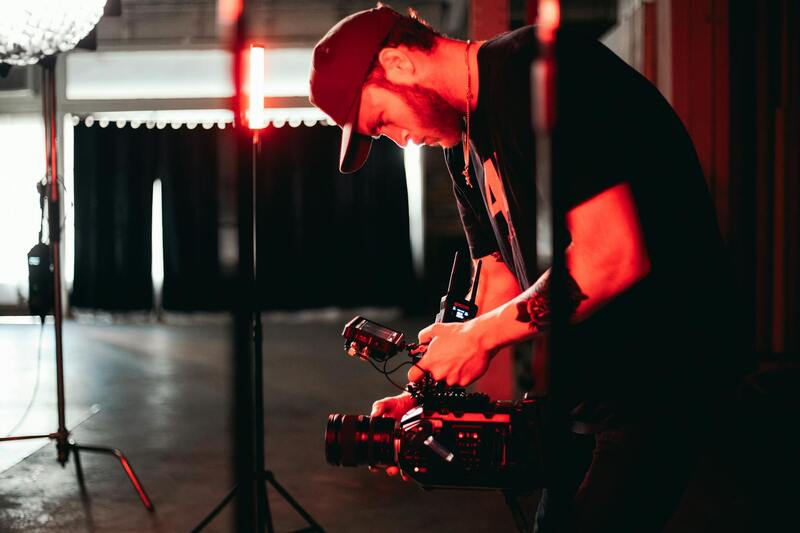
In superyacht photography, aerial perspectives offer unmatched views of the vessel’s size, shape, and elegant design. High-quality drones equipped with stabilized camera systems provide the ability to capture striking overhead images and videos with smooth motion. These shots can reveal the yacht’s layout, portside views, and surrounding scenery, enhancing marketing materials with a dynamic, comprehensive perspective.
When deploying drone technology, it is essential to adhere to safety standards and maintain awareness of local airspace regulations. Planning flight paths in advance, considering weather conditions, and working with experienced pilots or operators ensure smooth, high-quality footage. Integrating aerial imagery seamlessly with ground-level shots creates a cinematic experience that vividly portrays the yacht’s luxury and splendor.
Effective Use of Interiors and Detail Shots
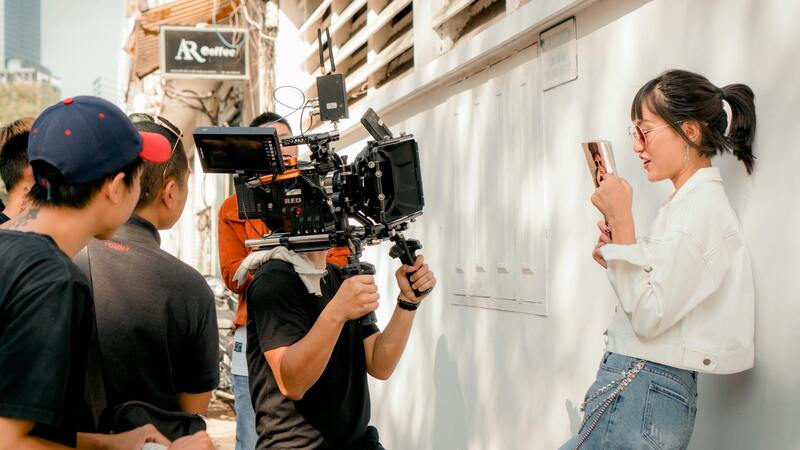
Highlighting the interior opulence and craftsmanship of a superyacht is vital for attracting high-end clientele. Focused interior shots should showcase spacious salons, plush cabins, state-of-the-art amenities, and bespoke design elements. Using wide-angle lenses allows for capturing an entire space, creating a sense of openness and luxury.
Close-up detail shots emphasize the craftsmanship—finest textiles, custom woodwork, unique decor items—that differentiate the yacht. Proper lighting inside the vessel ensures these details are highlighted without distortion or glare. Incorporating natural light through windows and artificial lighting setup can help balance shadows, bringing out the textures and colors faithfully.
Using Post-Processing to Enhance Visual Appeal
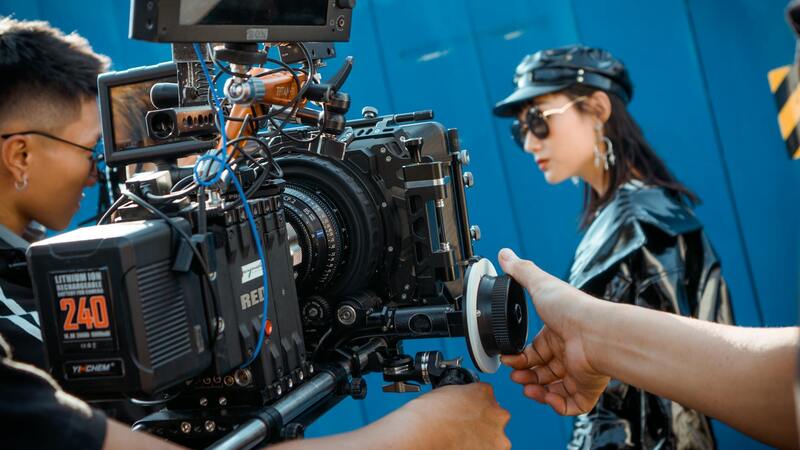
Post-processing is an integral step in superyacht photography, allowing photographers to refine images while maintaining authenticity. Techniques such as color correction, contrast adjustment, and sharpening help enhance the vessel’s features and the surrounding environment.
Image retouching should be subtle, emphasizing the yacht’s true appearance without over-editing. Enhancing reflections, balancing sunlight and shade, and removing minor distractions can significantly improve overall presentation. Consistent editing styles across a portfolio establish a recognizable brand identity, helping to attract discerning clients seeking premium visuals.
Legal and Ethical Considerations in Superyacht Photography
Engaging in superyacht photography requires adherence to established protocols that ensure respectful and responsible image capturing, especially given the private nature of these vessels. Photographers should always seek explicit permission from yacht owners or managing companies prior to conducting shoots, avoiding any unannounced or intrusive photography that could infringe upon privacy expectations.
Clear communication regarding the scope of the shoot, intended usage, and specific areas to be photographed is essential. This helps foster trust and ensures that all parties are aligned on expectations, reducing potential misunderstandings. It is equally important to respect no-photography zones onboard, which are often designated for crew, owner-exclusive areas, or sensitive equipment.
Maintaining confidentiality about the yacht’s location, itinerary, and interior details is crucial in preserving the privacy and security of the vessel and its occupants. Photographers should also ensure that they do not inadvertently capture images of other clients or confidential areas, which might compromise privacy or client trust.
Moreover, photographers should abide by established industry standards and avoid using manipulative or deceitful tactics in obtaining images. Presentation of the yacht should be honest and true to what the vessel offers—overstating features or editing images excessively can mislead potential clients and damage professional reputation.

Finally, a responsible photographer respects the environment, opting for sustainable practices where possible—such as eco-friendly equipment, minimizing disturbance to marine life and using natural light effectively—to align with the values of sustainable luxury travel.