
Understanding Marine Photo Production
Marine photo production encompasses a specialized segment of the broader photographic industry, focusing on capturing compelling visuals within aquatic environments. It involves orchestrating complex shoots on boats, ships, docks, and or in open water, often requiring meticulous planning and expertise. Within the vibrant Miami production industry, marine photo production plays a vital role in creating stunning visual content that highlights maritime lifestyles, luxury yachts, marine technology, and coastal scenery. These projects include a wide array of formats such as commercials promoting boating brands, editorial spreads for marine-related publications, and promotional campaigns for tourism and real estate facing the sea. r>r> High-quality marine photography demands an understanding of specialized techniques to manage lighting, water reflections, and movement. It also requires the coordination of crews, models, and marine vessels to ensure the desired imagery aligns with the client’s branding goals. The dynamic ocean environment presents unique challenges, yet it offers unparalleled scenic backdrops that are essential for marketing and storytelling purposes. The significance of marine photo production in Miami stems from its strategic location, abundant marine resources, and a robust industry ecosystem that supports innovative and impactful visual projects.
Key Components of Marine Photo Production
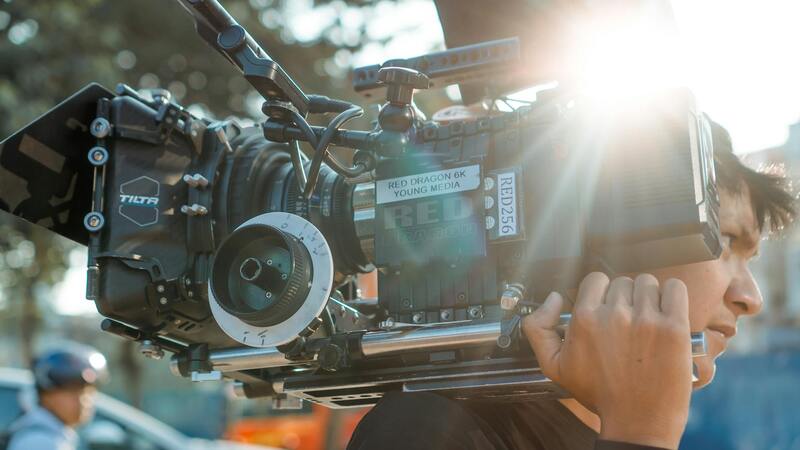
Successfully executing marine photo projects involves several critical components, including specialized equipment, skilled personnel, and in-depth project management. These elements work in tandem to realize creative visions in maritime contexts, ensuring safety and efficiency.
- Specialized Equipment: Professional water-proof cameras, stabilization gear, aerial drones, and marine-focused lighting equipment are essential for capturing high-quality images in challenging conditions.
- Skilled Personnel: Experienced marine photographers, boat captains, safety officers, and stylists ensure the shoot proceeds smoothly while adhering to safety standards.
- Project Management: Effective planning, permits, scheduling, and coordination with marine vessels and local authorities are crucial for seamless execution.
Pre-Production Planning and Logistics
Thorough pre-production planning lays the foundation for a successful marine photo shoot. This phase includes definitive conceptual development, securing permits for water-based activities, casting talent or models, and selecting suitable marine vessels or locations. An understanding of local maritime regulations, weather patterns, and tides guides logistical arrangements and timing, minimizing disruptions and maximizing optimal lighting conditions. Additionally, detailed storyboarding and shot lists ensure clarity among team members, aligning expectations and technical requirements for the shoot. r>r> Coordination with marine crews and availability of necessary equipment involve intricate logistics, demanding precise scheduling to capitalize on favorable weather and environmental conditions. The planning process also involves risk assessment to prepare for unforeseen circumstances, ensuring safety measures are rigorously implemented.
Equipment and Techniques for Marine Photography
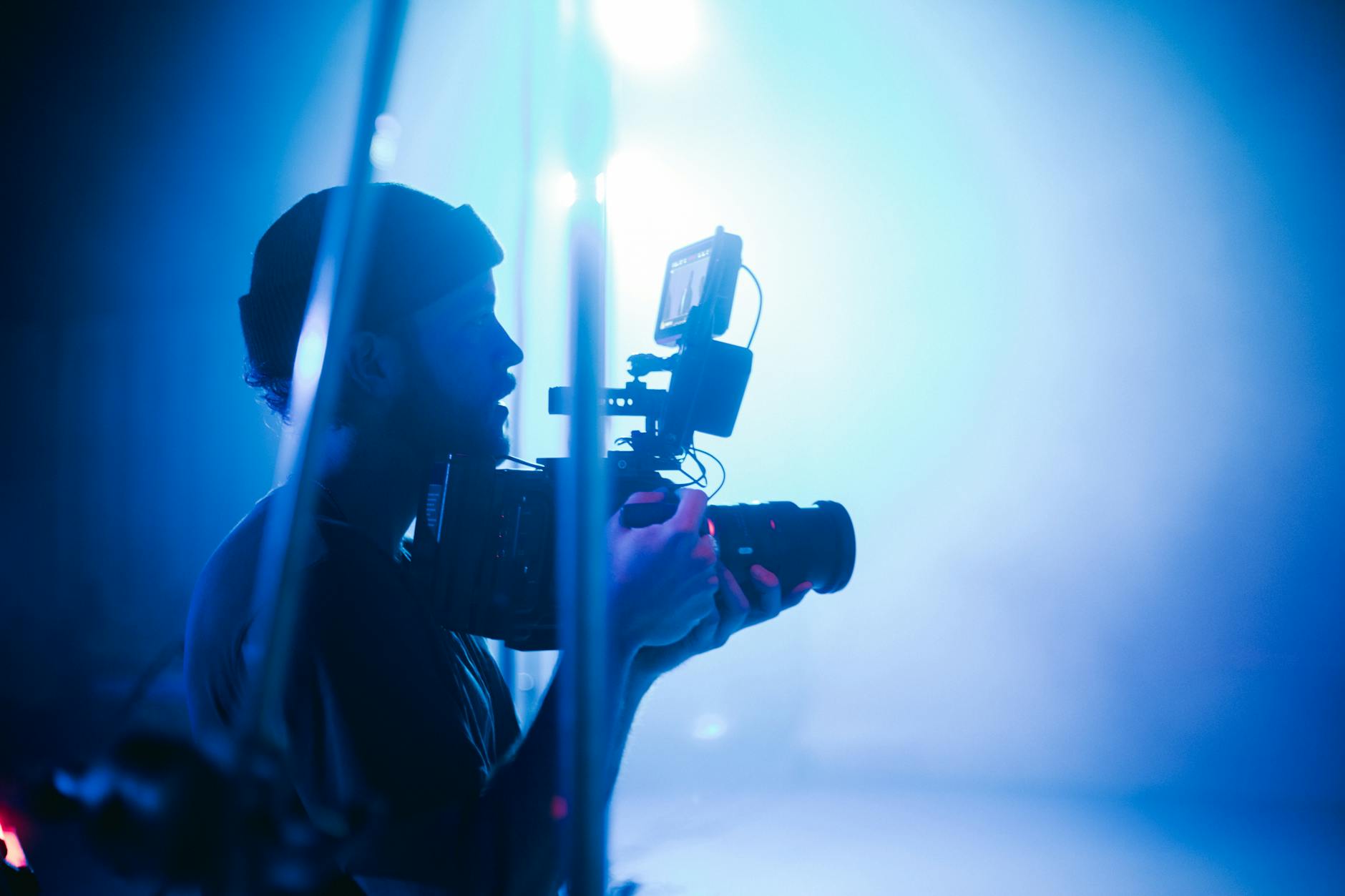
Achieving exceptional marine imagery requires a comprehensive understanding of specialized equipment and advanced photographic techniques tailored to the unique challenges of aquatic environments. High-quality underwater housings, waterproof camera rigs, and stabilized stabilizers are indispensable in safeguarding equipment while capturing steady, sharp images beneath the water’s surface or in turbulent conditions.
Utilizing drones equipped with high-resolution cameras can expand creative angles, offering aerial perspectives that highlight vast marine vistas or specific marine life interactions. These drones must be compatible with water resistance standards and often come with additional stabilization features to counteract the effects of wind and motion over water.
Lighting techniques play a crucial role in marine photography, particularly in deep or murky waters where natural light diminishes rapidly. The deployment of waterproof flash units, LED panels, or specialized filters enhances color accuracy and highlights the details of marine flora and fauna. Techniques such as high-dynamic-range (HDR) imaging and focus stacking are employed to achieve sharpness across different depths, capturing the intricate textures of underwater scenes or the shimmering surfaces of calm water bodies.

Stabilization methods, including gimbal mounts and gyroscopic stabilizers, mitigate movement caused by wind, waves, or platform vibrations. Photographers often leverage timed shots, burst modes, and remote triggers to capture fleeting marine activities, such as marine mammals breaching, schools of fish, or dynamic water interactions.
Post-capture, color correction and contrast adjustments are vital because water absorbs certain wavelengths of light, especially reds and oranges, which can distort true colors. Advanced editing software enables precise restoration of these hues, bringing marine scenes to life with vivid authenticity.
In addition to camera gear, protective measures such as waterproof clothing, safety harnesses, and navigation equipment ensure personnel safety and operational efficiency in unpredictable marine conditions. Synchronizing the use of these tools with environmental assessments enables production teams to optimize their shooting windows and secure compelling images that resonate with audiences seeking authentic oceanic visuals.
Key Components of Marine Photo Production
Effective marine photo production hinges on a comprehensive understanding of the specialized equipment, techniques, and logistical planning integral to capturing authentic underwater and surface marine scenes. The process begins with selecting the appropriate camera systems capable of withstanding the demanding marine environment. High-resolution digital cameras equipped with underwater housings are essential to preserve image quality while protecting sensitive gear from water ingress and pressure.
Specialized lenses, such as wide-angle and macro, facilitate a range of shot types, from expansive coral reef vistas to detailed close-ups of marine life. The use of filters, particularly ultraviolet and polarizing filters, reduces reflections on water surfaces and enhances color fidelity, which is crucial given water’s tendency to absorb and scatter light at different wavelengths. This results in clearer, more vibrant images that depict the true essence of marine ecosystems.
Techniques like high-dynamic-range (HDR) imaging are employed to capture scenes with challenging lighting conditions—ranging from shallow, sunlit waters to darker, deeper environments—ensuring that details are preserved across shadows and highlights. Focus stacking is another valuable method, especially when photographing intricate textures of coral formations or tiny marine creatures, by combining multiple images taken at different focus points into a single, sharp composite.
Stabilization remains a pivotal element, as even minor movements can blur images during underwater shoots. Stabilization devices such as gimbal mounts and gyroscopic stabilizers are mounted onto underwater rigs or surface platforms to counteract motion caused by currents and waves. Photographers often utilize remote triggers and burst modes to seize fleeting oceanic phenomena, including marine mammals breaching or schools of fish darting through the water.
Post-production work is equally vital in marine photo production. Water’s natural absorption of specific wavelengths, especially reds and oranges, often leads to color distortions. Advanced editing software allows professionals to perform color correction and contrast adjustment, restoring the scene’s authentic vibrancy. This meticulous process ensures marine images resonate with viewers, accurately reflecting the marine environment’s richness.
Proper protective gear and safety equipment enhance operational efficiency. Waterproof clothing, safety harnesses, and navigation tools enable crews to work confidently in unpredictable conditions. Synchronizing the technical aspects of equipment use with environmental assessments helps optimize shooting windows, safeguarding personnel and maximizing the quality of the images procured.
Understanding Marine Photo Production
Marine photo production is a sophisticated process that involves capturing compelling images of marine environments, aquatic life, and related activities with precision and artistry. Unlike terrestrial photography, marine photography demands specialized knowledge of underwater and surface conditions, mastery of advanced equipment, and an understanding of marine ecosystems. This process extends beyond mere image capture, encompassing meticulous planning, technical execution, and post-processing to ensure visual authenticity and clarity. Successful marine photo production serves various purposes, from scientific documentation and environmental conservation to commercial advertising and media storytelling, requiring a blend of technical skill and creative vision to produce images that resonate with viewers and convey accurate representations of marine life and habitats.
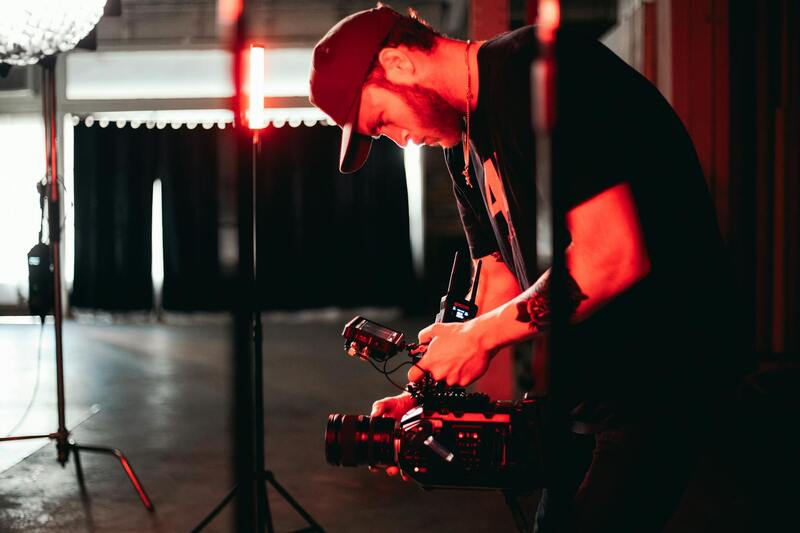
Given the complexities inherent in shooting in marine environments, professionals in this field must adapt to fluctuating conditions such as water clarity, light penetration, and marine animal behavior. The integration of various imaging techniques, including macro photography for detailed close-ups and wide-angle shots for expansive seascapes, enables producers to create comprehensive visual narratives. Achieving these high standards consistently requires rigorous adherence to best practices, specialized equipment, and a deep understanding of marine environments, ensuring that each shot contributes meaningfully to the intended purpose.
Key Components of Marine Photo Production
- Advanced Equipment: Utilizing waterproof cameras, underwater housings, and stabilized rigs tailored for marine environments helps achieve sharp, well-exposed images. Light sources such as underwater strobes and LED panels are essential for illuminating subjects in low-light conditions.
- Technical Precision: Proper focus control, aperture settings, and shutter speeds are crucial for capturing moving marine life and dynamic scenes. Remote triggers and burst modes assist in documenting fleeting behaviors or rapid interactions underwater.
- Environmental Adaptation: Understanding water conditions, such as turbidity and currents, enables photographers to adjust their approach and equipment for optimal results. Timing efforts around specific marine behaviors and light conditions maximizes the quality of imagery.
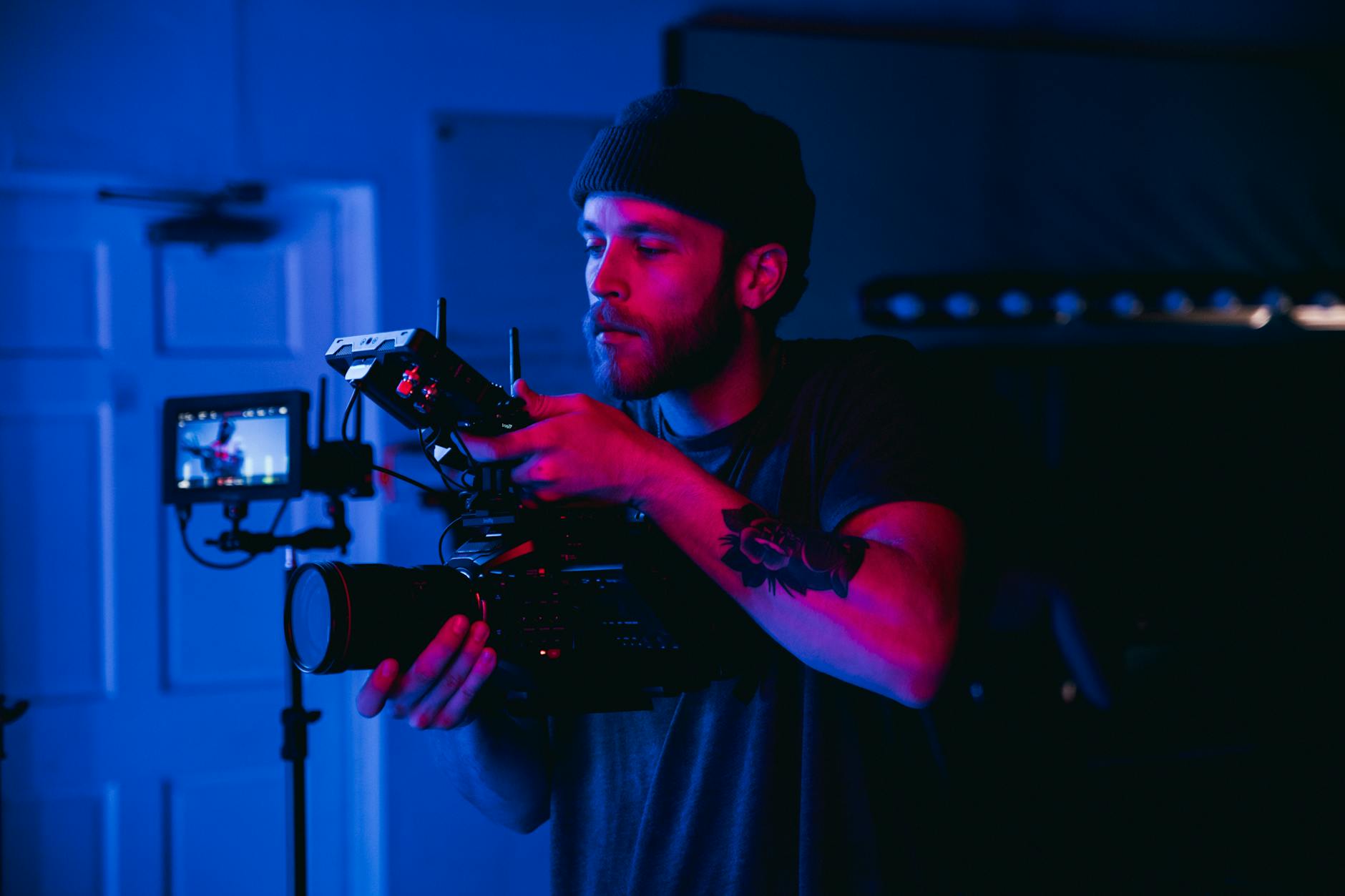
Pre-Production Planning and Logistics
Effective marine photo production begins long before the camera is submerged. Detailed planning encompasses route scouting, weather assessment, and securing necessary permits. Equipment checks and transportation logistics are meticulously organized to ensure all gear is ready and accessible. Collaboration with local experts and marine biologists can provide valuable insights into animal behaviors and optimal shooting periods, enhancing the likelihood of capturing impactful images.
Securing permits and coordinating with regulatory authorities safeguards compliance with local policies and ensures access to protected areas. Detailed site surveys help identify hazards, water depth considerations, and access points, facilitating safe and efficient operations. In addition, contingency plans for adverse weather conditions or equipment failures are integrated into the logistical framework, ensuring flexibility and operational continuity.
Conclusion
Mastering marine photo production requires a comprehensive understanding of both the marine environment and advanced photographic techniques. Every stage, from meticulous planning through technical execution to thorough post-production, plays a critical role in creating compelling, authentic marine imagery. Skilled professionals leverage specialized equipment, rigorous environmental awareness, and detailed logistical arrangements to capture images that not only meet high aesthetic standards but also contribute meaningfully to scientific, environmental, and commercial initiatives. The importance of precision, safety, and environmental respect in marine photography underscores its importance as a specialized discipline within the broader field of visual media production.
Post-Production and Editing for Marine Photos
Once the raw marine images are successfully captured, the process of post-production begins, transforming these visuals into polished, impactful representations of the marine environment. This stage involves a careful balance of enhancement and preservation to maintain authenticity while elevating visual clarity and appeal. Color correction is paramount, as underwater scenes often suffer from color cast issues caused by water absorption and scattering. Adjusting white balance, contrast, and saturation ensures that the images accurately reflect the vibrant and diverse marine life, while also revealing intricate details that might not be immediately apparent in the original shots.
Advanced editing techniques include noise reduction, sharpening, and removal of distracting elements such as floating debris or stray particles that can detract from the core subject. Specialized software allows for meticulous masking, enabling editors to enhance specific areas without affecting the entire image. The goal is to produce images that correctly illustrate the physical features and behaviors of marine creatures, serving both aesthetic and educational purposes.
In the realm of marine photo production, nondestructive editing practices are essential to preserve data integrity. This approach supports future re-edits and ensures that the original file remains unaltered, allowing for consistent quality over time. Furthermore, color grading can be employed to create a specific mood or narrative, aligning with the intended message of the project, whether for scientific documentation, commercial use, or environmental advocacy.
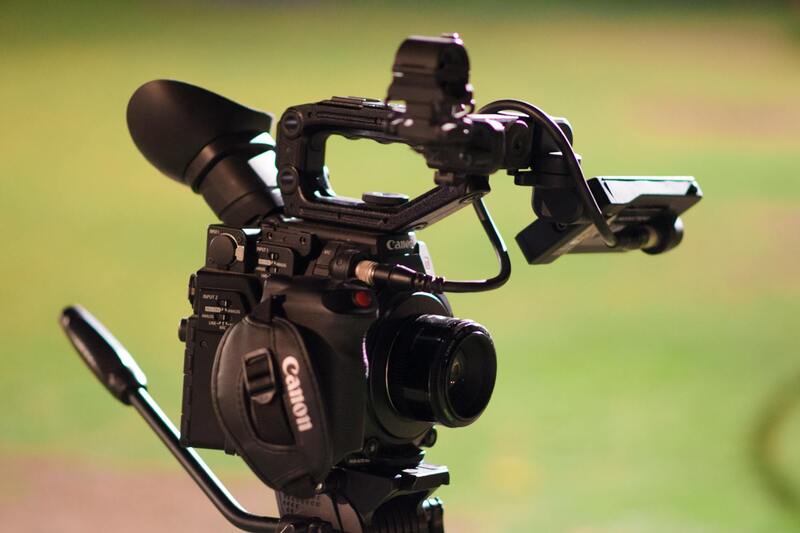
Additionally, metadata tagging and keyword optimization are crucial for efficient image cataloging and retrieval, especially for extensive collections used in scientific research or multimedia campaigns. Properly edited marine photos significantly enhance the storytelling aspect, making complex ecosystems accessible and engaging for broader audiences, from scientists and educators to commercial clients.
Implementing standardized workflows and quality checks ensures consistency and professionalism in every project. This includes reviewing images for color accuracy, composition, and overall visual impact. Collaborating with marine experts during editing can further verify that the imagery aligns with scientific and environmental realities, thereby strengthening credibility and value in the finished product.
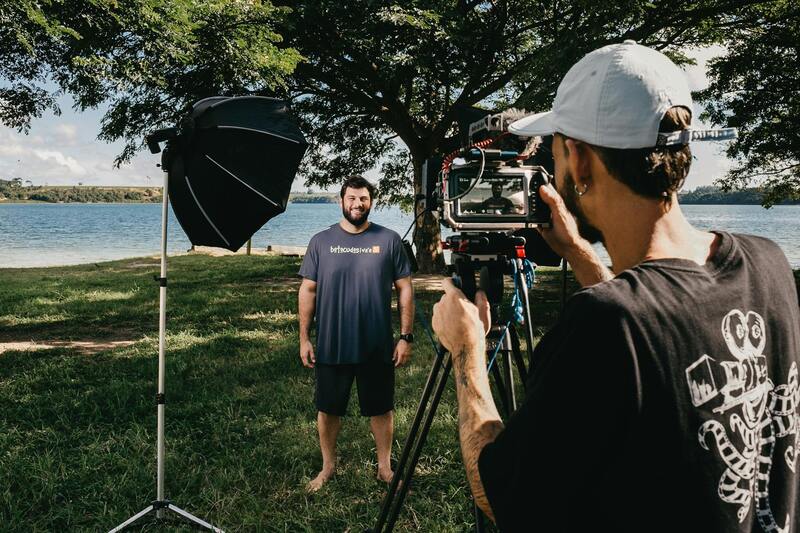
Location Scouting and Marine Environments in Miami
Miami’s diverse marine environments offer a unique backdrop for marine photo production, making thorough location scouting an essential part of the planning process. The city is home to a variety of coastal landscapes, including bustling docks, serene bays, coral reefs, and vibrant marine ecosystems. Each setting provides distinct opportunities for capturing compelling imagery that highlights the beauty and complexity of aquatic life and maritime activities.
Effective location scouting involves conducting detailed assessments of potential filming sites, considering factors such as accessibility, lighting conditions, water clarity, and safety considerations. Consulting with local marine authorities or experts can provide insights into environmental conditions and licensing requirements, ensuring that the production adheres to established protocols. It is also important to identify any seasonal variations that may impact visibility or marine life activity, allowing for optimal timing of the shoot.
Miami’s proximity to internationally renowned reefs and aquasports destinations makes it a hotspot for underwater photography, but it also necessitates careful planning to protect both equipment and personnel. Utilizing boats and specialized diving gear enables journalists and videographers to access pristine underwater environments for capturing vibrant coral scenes, marine fauna, and dynamic underwater action. Strategic planning can maximize the natural lighting conditions during the golden hours of early morning and late afternoon, when sunlight penetrates the water more effectively, yielding clearer and more vivid images.
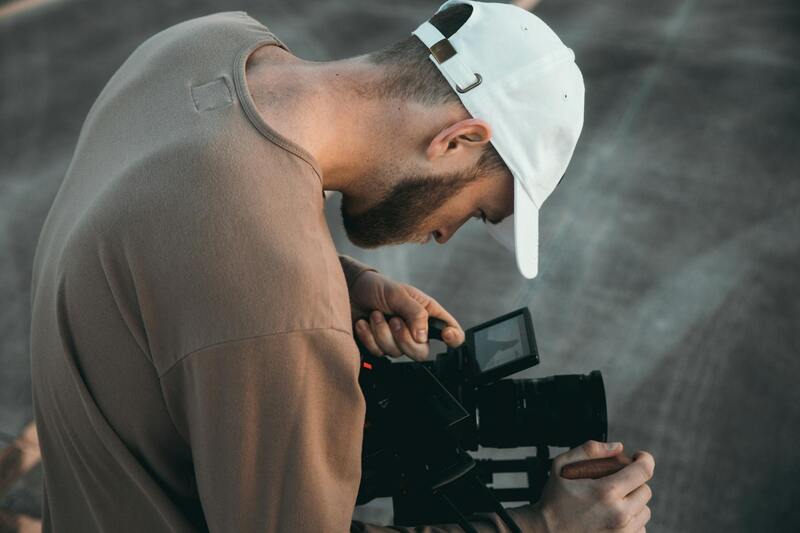
Effective location management also involves understanding marine traffic patterns to prevent interference during shoots. Coordination with local authorities ensures that production activities do not disrupt commercial or recreational marine operations. Using detailed maps and digital tools can streamline the logistics, track environmental restrictions, and facilitate timely access to the best vantage points for capturing compelling visuals.
Employing drone technology is increasingly popular for aerial shots of Miami’s coastline and seascape, providing expansive views that enhance storytelling elements. When deploying drones, operators must be familiar with local airspace regulations and maritime safety zones. This ensures that aerial imagery can be obtained safely while complying with regulatory standards, which is crucial for maintaining a professional reputation and avoiding operational delays.
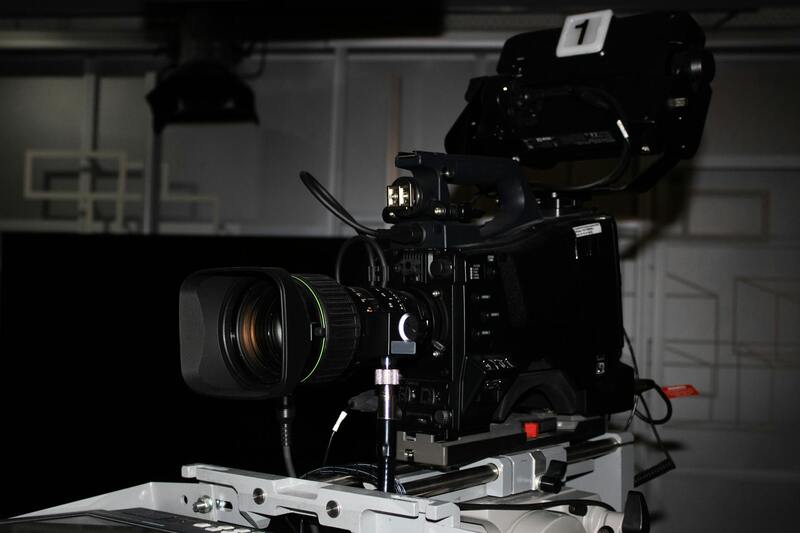
A comprehensive understanding of Miami’s marine environments combined with meticulous location scouting enhances the overall success of marine photo projects. By balancing logistical considerations with environmental sensitivities, production teams can produce authentic, captivating imagery that showcases the allure and diversity of Miami’s waters, satisfying the needs of scientific, commercial, or artistic projects.
Understanding Marine Photo Production
Marine photo production involves capturing high-quality images that showcase the unique aspects of aquatic environments, nautical activities, and coastal landscapes. This specialized branch of photography requires an understanding of both photographic techniques and the complex marine ecosystem. It demands careful planning to navigate environmental conditions, secure suitable locations, and utilize appropriate equipment that can withstand challenging outdoor settings. Professionals engaged in marine photo production must possess not only artistic vision but also technical expertise and logistical coordination to ensure that each shot accurately reflects the vibrant life and dynamic scenes of Miami’s marine surroundings.
Key Components of Marine Photo Production
- Professional Equipment: High-resolution cameras, waterproof housings, stabilization gear, and aerial drones are fundamental for capturing diverse marine scenes. These tools enable photographers to adapt to varying conditions and achieve sharp, vibrant images.
- Specialized Techniques: Techniques such as polarizing filters, long exposures, and drone photography are integral in reducing glare, capturing movement, and gaining broad perspectives of the marine environment.
- Permitting and Compliance: Securing the necessary permissions and adhering to local regulations safeguard the smooth progression of projects, preventing delays and ensuring access to prime locations.
- Environmental Awareness: An in-depth knowledge of marine life cycles, water conditions, and ecological sensitivities guides the photographer’s approach, minimizing ecological disturbance while maximizing visual impact.
Pre-Production Planning and Logistics
Preparing for marine photo shoots in Miami involves a comprehensive assessment of potential sites, weather patterns, and environmental restrictions. Effective planning includes detailed location scouting to identify optimal vantage points that highlight Miami’s stunning coastlines and vibrant marine life. Coordinating with local maritime authorities and securing permits well in advance ensures unobstructed access to filming locations, while understanding tide schedules and weather forecasts helps optimize shooting times.
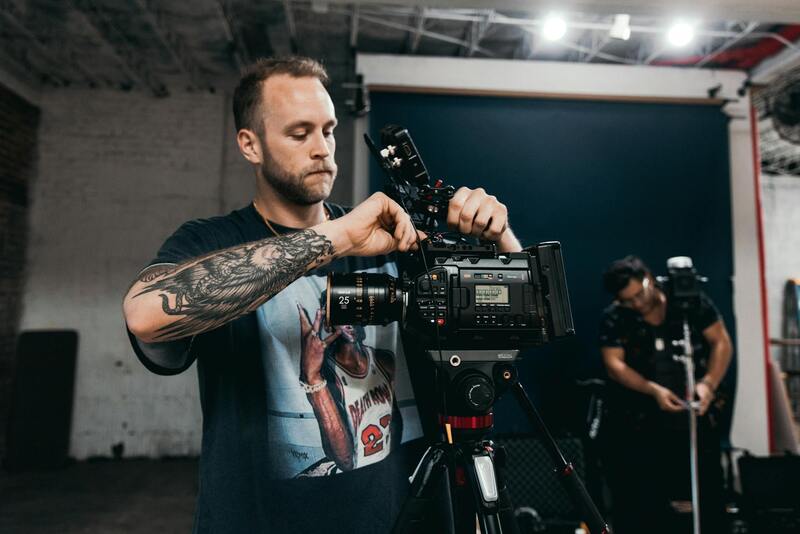
Utilizing modern digital tools such as GIS mapping and weather forecasting applications enables production teams to streamline logistics, mitigate risks posed by adverse weather, and adapt quickly to changing circumstances. Detailed planning is equally crucial for managing transportation logistics — whether arranging boats, drones, or other specialized equipment — and ensuring safety protocols are in place for all personnel involved.
Equipment and Techniques for Marine Photography
Capturing compelling marine imagery hinges on deploying the right equipment and employing advanced techniques suited to the aquatic environment. Waterproof camera housings protect sensitive gear from water ingress during underwater or splash-prone shoots. Stabilization devices such as gimbals and tripods ensure steady shots amid boat movement or turbulent conditions. Drones equipped with cameras offer expansive aerial perspectives, revealing Miami’s coastline and marine habitats from stunning angles.
In addition to hardware, mastering photographic techniques like HDR (High Dynamic Range) imaging enhances detail in scenes with high contrast, while focus stacking ensures clarity across foreground and background elements. Polarizing filters are valuable for reducing surface glare, especially when capturing reflective water surfaces or photographing underwater scenes. Employing these tools and methods allows photographers to produce vibrant, detailed, and technically precise images that truly reflect the marine environment’s beauty and complexity.
Location Scouting and Marine Environments in Miami
Miami is renowned for its diverse marine environments, including bustling ports, tranquil bays, coral reefs, and barrier islands. Effective location scouting involves not only selecting sites that align with the project’s artistic or documentary goals but also understanding the navigational and environmental sensitivities of each site. Guides and digital maps help identify accessible areas that offer the best views and minimal disturbance to marine life.
Particularly in Miami, proximity to popular leisure spots such as South Beach or Key Biscayne provides excellent opportunities to capture vibrant cityscapes juxtaposed with natural water bodies. Scouting also entails assessing lighting conditions throughout the day, considering how sunlight plays on the water surface and affects visibility underwater or from aerial vantage points. Seasonal variations and tidal flows further influence the timing and composition of shots, making meticulous planning essential to maximize visual impact.
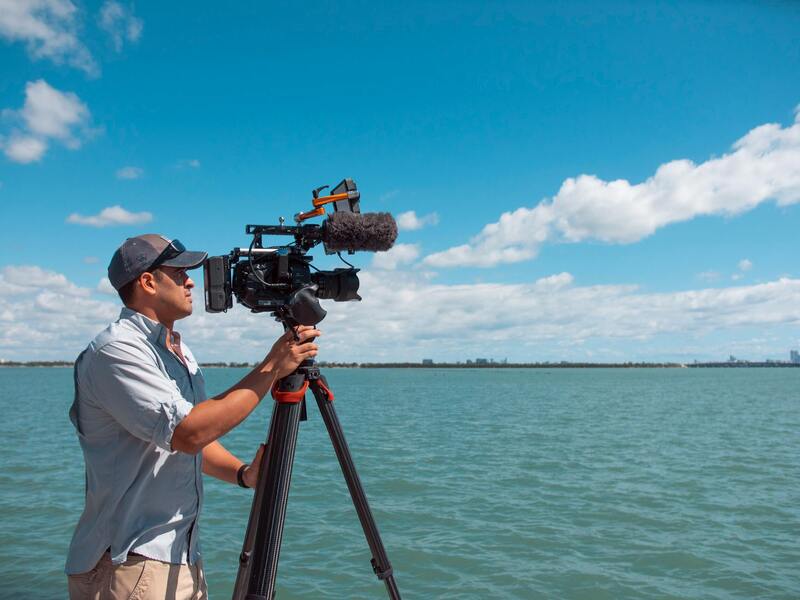
Collaborating with local experts or marine biologists can also enhance understanding of marine ecosystems, ensuring that the photography process respects ecological sensitivities while capturing authentic imagery. This approach supports creating visuals that are both striking and contextually accurate, providing a valuable asset for scientific, commercial, or artistic projects.
Advanced Post-Production Techniques for Marine Photography
Refining marine images through sophisticated post-production methods is essential to bring out the vividness and detail characteristic of high-quality marine photo production. This stage involves comprehensive color correction to accurately depict underwater hues, surface reflections, and ambient lighting conditions, ensuring the final images sustain the vibrancy of the original scene. Utilizing advanced software allows editors to adjust contrast, brightness, and saturation precisely, highlighting the dynamic interplay between water, marine life, and environmental elements.
Utilizing Image Stabilization and Noise Reduction
Underwater and aerial marine imagery often encounter challenges related to motion blur or digital noise, especially in low-light conditions. Applying stabilization algorithms and noise reduction tools enhances clarity without sacrificing image integrity. This process is particularly vital when working with high-resolution outputs intended for professional publications or large-format prints, as it preserves fine details and prevents distraction caused by visual imperfections.
Composite and HDR Techniques
In complex marine environments, capturing the full dynamic range of lighting and color often necessitates techniques such as High Dynamic Range (HDR) imaging. By merging multiple exposures, photographers can portray both shadowed and illuminated areas with balanced detail. Composite images may also be crafted to juxtapose marine features, such as integrating wide-angle shots with close-up macro shots of marine fauna for a comprehensive visual narrative. These methods require meticulous alignment and blending to produce seamless, aesthetically compelling visuals.
Color Grading to Match Artistic Vision and Realism
Color grading is crucial for establishing the mood and aesthetic of marine photos. Whether aiming for a realistic portrayal of a coral reef or an artistic interpretation of a stormy sea, adjusting color tones enhances storytelling impact. Subtle shifts in hue and saturation can evoke feelings of tranquility or drama, adding depth to the narrative conveyed by the image. Skilled post-production ensures that the color palette aligns with the project’s overall theme without distorting true environmental features.
Archiving and Managing Large Files
High-resolution marine photography generates substantial data, requiring efficient archiving strategies. Digital asset management involves organizing files with comprehensive metadata to facilitate easy retrieval and reuse. Proper cataloging supports long-term access to project assets and enables seamless updates or additional editing in future campaigns. Maintaining high standards for data integrity during storage and transfer safeguards the quality of the images, ensuring they remain pristine for various applications.
Overcoming Challenges and Ensuring Safety in Marine Photo Production
Marine photo production presents distinct obstacles, from unpredictable weather conditions to complex operational logistics. Preparing for these challenges involves detailed risk assessments, appropriate planning, and the implementation of safety protocols tailored to marine environments. Utilizing safety gear such as life vests, harnesses, and communication devices safeguards crew members during shoots on boats or near water bodies.
Managing Environmental and Ecological Responsibilities
Respecting marine ecosystems is paramount during production activities. This entails minimal disturbance to wildlife, adherence to local regulations, and employing non-invasive filming techniques. Collaboration with marine biologists and environmental consultants ensures project activities align with ecological preservation efforts, enabling the creation of authentic images that do not compromise marine health.
Weather Monitoring and Contingency Plans
Effective scheduling relies heavily on real-time weather analysis. Sudden storms, high winds, or poor visibility can jeopardize safety and quality. Establishing contingency plans, such as alternate shoot dates or backup locations, minimizes disruptions. Continuous communication with local maritime authorities ensures swift response to changing conditions, maintaining safety and project integrity throughout the production process.