
Understanding Timelapse Videos
Timelapse videos have become an influential visual storytelling technique that condenses extended periods of time into concise, engaging footage. Unlike traditional video recording, which captures motion at real-time speed, a timelapse accelerates the sequence, allowing viewers to observe processes that typically unfold over hours, days, or even months within a few seconds or minutes. This method emphasizes change, growth, and progression, making it highly effective for showcasing environments in transition.
Fundamentally, a timelapse is created by capturing a series of sequential photographs at set intervals. When these images are played back at normal video speed, rapid motion is observed—such as the movement of the sun across the sky, the bustling activity of urban streets, or the development of construction projects. This technique differs from stop-motion animation, which usually involves deliberate frame-by-frame manipulation, although both rely on sequential imagery.
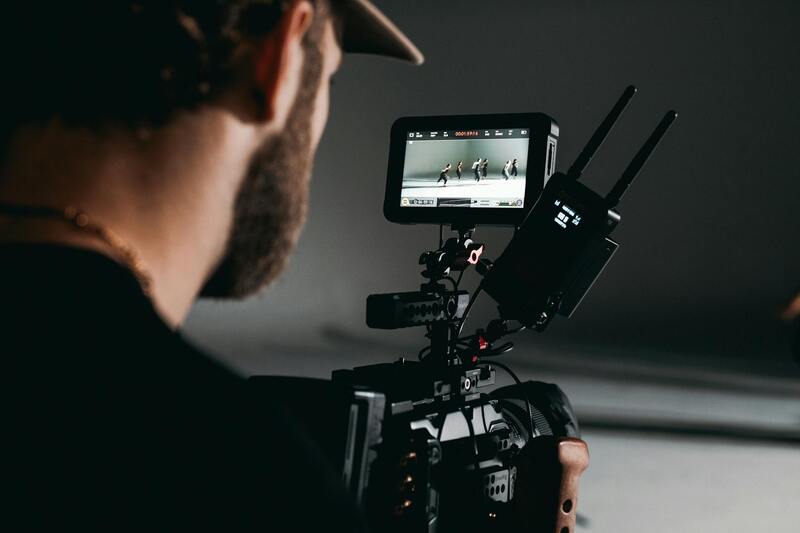
Timelapse videos serve a wide range of purposes across industries. Film and media productions leverage them to depict long-term changes dynamically and captivatingly. Architects and real estate developers use timelapses to showcase construction progress. City planners and municipalities employ this technique to illustrate urban development and infrastructural changes over time. In the tourism sector, timelapses vividly display scenic vistas, attracting visitors by highlighting the beauty and vibrancy of locations. Moreover, environmentalists and researchers utilize timelapse footage to monitor ecological transformations or wildlife behaviors, providing deeper insights beyond what can be observed in real-time footage.
The distinctive visual appeal and ability to narrate transformative stories succinctly make timelapse videos a versatile and powerful tool within various professional domains. Mastering the fundamentals of creating effective timelapse footage ensures that each project achieves its intended impact, capturing not just motion, but the essence of change itself.
Planning a Timelapse Video
Meticulous planning is the cornerstone of producing compelling timelapse videos that accurately capture the intended story. Before starting the shoot, it is essential to define the purpose of the project and identify key moments or changes that need to be highlighted. This strategic approach helps determine the optimal location, timing, and duration of the shoot. For instance, if the goal is to showcase a construction site's progression, selecting a vantage point with minimal obstructions and consistent lighting conditions is crucial. Additionally, understanding the natural lighting cycles throughout the day informs optimal shooting hours, ensuring images are consistent and visually appealing. Another critical element involves scheduling the capture intervals. These intervals depend on the speed of the change being documented. For rapid transformations, shorter intervals—such as a frame every few seconds—are necessary, whereas slower developments might require longer pauses, like one frame every several minutes. Accurate scheduling ensures the final timelapse effectively depicts the evolution over time without unnecessary gaps or redundancies. Furthermore, acquiring all necessary permissions and coordinating with relevant stakeholders, especially for public or private sites, guarantees smooth operations throughout the shoot. This forethought minimizes disruptions and avoids potential legal or logistical issues. A detailed shot list and storyboard is invaluable, acting as a blueprint during the shoot. It guides the frequency of shots, camera angles, and potential adjustments needed as the project progresses. Regularly revisiting this plan during filming ensures consistency and quality control, ultimately contributing to a seamless time-lapse narrative. In essence, comprehensive planning not only enhances the quality and clarity of the timelapse footage but also maximizes efficiency, reducing the need for extensive reshoots or extensive editing later on. By investing time in thoughtful preparation, creators set a solid foundation for a visually engaging and impactful timelapse presentation.
Equipment and Camera Settings
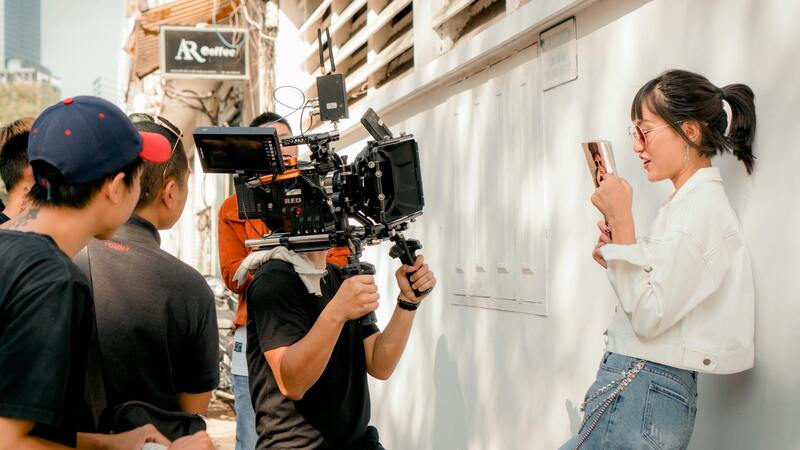
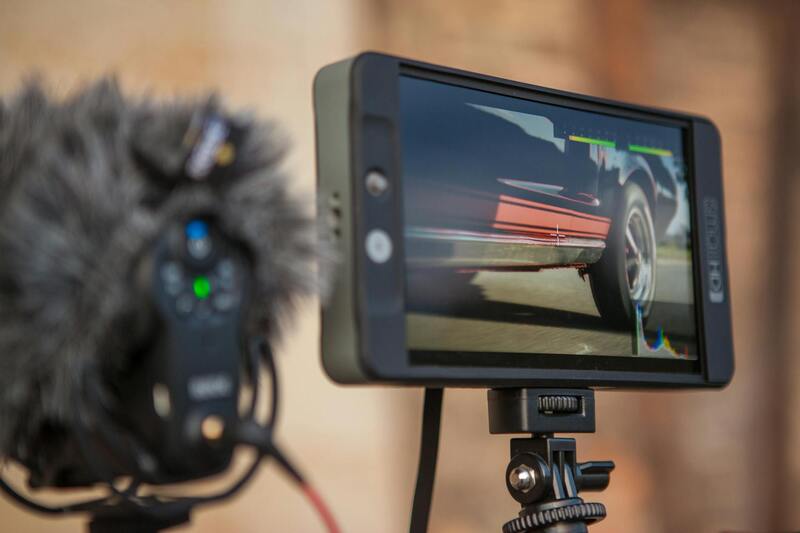
Selecting proper equipment and fine-tuning camera settings are fundamental steps in capturing high-quality timelapse footage. The choice of camera greatly influences the resolution, image quality, and overall clarity of the final video. While professional DSLRs and mirrorless cameras equipped with manual controls are preferred for their versatility and image fidelity, advanced compact cameras and high-end smartphones with timelapse capabilities can also produce excellent results. For stability, a sturdy tripod is indispensable. It prevents unwanted camera shake and maintains a consistent frame throughout the shoot, which is vital for creating a smooth viewing experience. In cases where dynamic angles are required, additional accessories like pan-and-tilt heads or motion control systems can add cinematic elements. Camera settings should be optimized based on environmental conditions and the specific scene. Manual focus ensures sharpness, avoiding focus shifts that can distract viewers. Adjusting aperture and ISO settings helps manage exposure and noise levels, especially in changing lighting scenarios. One key setting is the interval between shots. This must be carefully calibrated to balance motion depiction with scene duration. For example, capturing city traffic flow might require images every 1-3 seconds, whereas a landscape transformation over months might only necessitate one shot per day. White balance should be fixed to avoid color shifts that occur with auto settings. Additionally, utilizing intervalometers or camera-specific apps facilitates precise timing control, automating the shooting process and reducing the need for manual intervention. Battery life and storage capacity are often overlooked but are critical; long-duration shoots demand high-capacity batteries and ample memory cards. Moreover, weather protection measures, such as waterproof covers, safeguard equipment during outdoor shoots. Integrating these technical considerations ensures consistent, high-quality imagery, laying the groundwork for a professional-level timelapse video that vividly communicates change and progress.
Planning a Timelapse Video
Effective planning is crucial for producing compelling timelapse videos that accurately narrate the story of your Miami project. Begin by defining clear objectives: Determine whether the focus is on capturing the vibrancy of street life, the transformation of a construction site, or the changing landscape during different times of the day. With a well-defined goal, you can tailor your approach to suit the subject and desired outcome.
Next, select the most suitable locations that highlight the subject's features and contribute to the narrative. In Miami, iconic spots like South Beach, Downtown skyline, or urban construction zones offer dynamic backdrops. Consider factors such as accessibility, lighting conditions, and safety. Securing necessary permits permits ensures smooth shoot execution without legal hindrance, especially in high-traffic or protected areas.
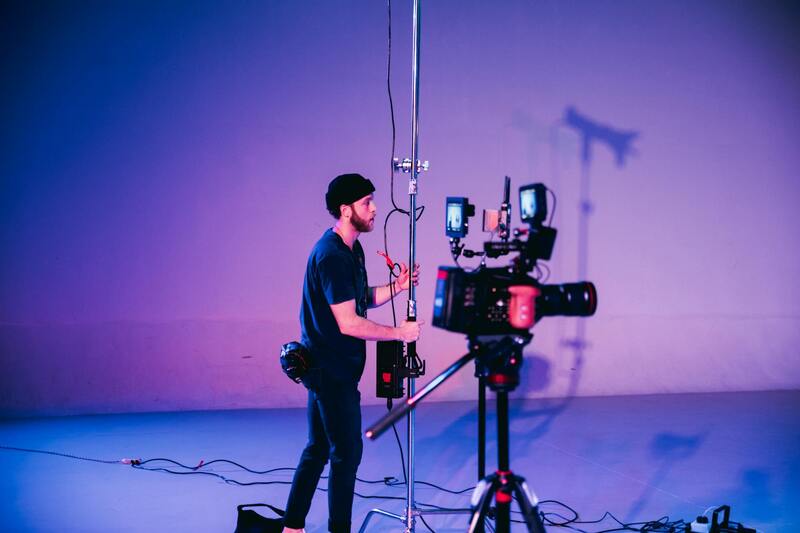
Timing plays a significant role in capturing the essence of Miami’s vibrant atmosphere. Planning shoots during specific times, like sunrise, sunset, or during special events, can dramatically enhance the visual impact. For ongoing projects, establishing a consistent schedule—for example, capturing images at the same times daily or weekly—creates cohesive sequences that clearly illustrate change over time.
It's equally important to prepare for unpredictable challenges such as weather conditions. Prioritize weather forecasting and have contingency plans in place, including protective covers for equipment and flexible shooting schedules. Equipment logistics, including securing power sources or portable chargers, ensure uninterrupted shooting sessions.
Understanding and adhering to local regulations is vital; obtaining permits when necessary not only prevents disruptions but also aligns your project with community standards. Collaborating with local authorities or community stakeholders can facilitate access and provide additional insights regarding the area. This preparatory phase, marked by meticulous planning, sets the foundation for a professional-quality timelapse that authentically captures Miami’s lively and diverse environment.
Technical Considerations for High-Quality Timelapse Creation
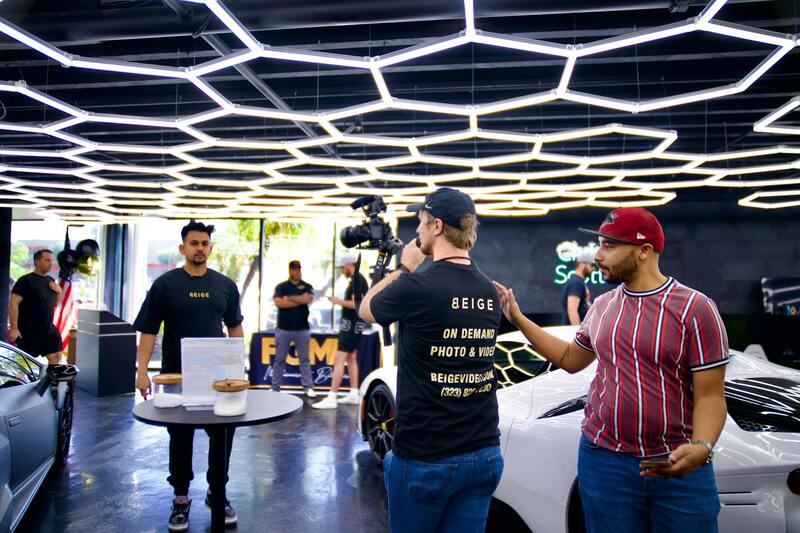
Achieving compelling timelapse footage requires meticulous attention to camera setup, settings, and stabilization techniques. Selecting the appropriate equipment is fundamental. DSLR and mirrorless cameras with intervalometers or built-in timelapse modes are popular choices due to their high resolution and manual control options. For dynamic scenes like Miami's bustling streets or natural landscapes, using cameras capable of capturing high dynamic range (HDR) can significantly enhance visual quality. Additionally, weatherproof housing and rugged tripods are indispensable when shooting in outdoor environments, protecting gear against Miami’s occasional rain or high humidity.
Optimal camera settings are essential to maintain consistency throughout the shoot. Shooting in RAW format allows for greater flexibility during post-production, especially when adjusting exposure, contrast, and color balance. Setting a fixed ISO minimizes noise, while aperture selection should balance depth of field and sharpness for the scene. Shutter speed might be adjusted based on light conditions; during sunrise or sunset, slower shutter speeds help capture the vibrant hues characteristic of Miami’s sky.
Stabilization is critical for smooth, professional-looking timelapse videos. Using a high-quality tripod or motorized gimbal ensures the camera remains steady over extended periods. For longer projects, employing a motorized motion control system can add dynamic camera movements, such as panning or tilting, creating more engaging visual narratives.
Maximizing Image Quality and Temporal Resolution
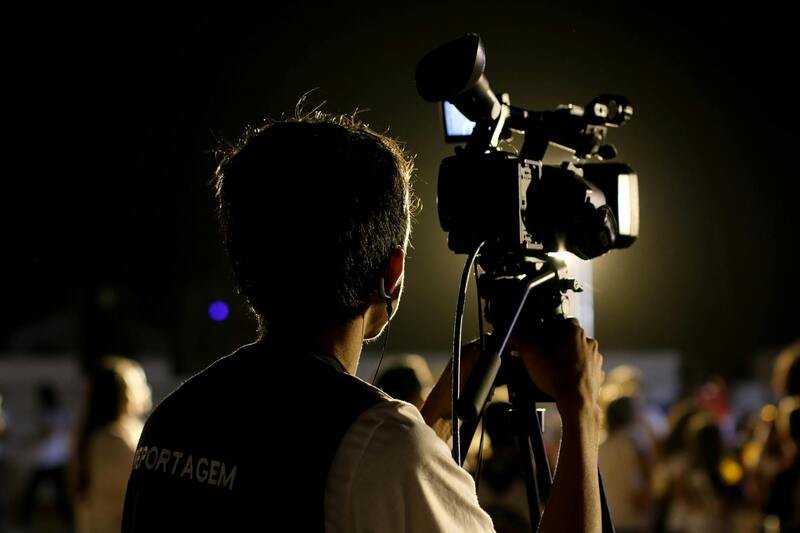
To elevate the visual appeal of your timelapse, fine-tuning the interval between shots is crucial. Shorter intervals, such as one to two seconds, capture rapid changes like bustling Miami streets or traffic flows, creating a kinetic, lively sequence. Longer intervals, like five or ten seconds, suit scenes with slower transformations, including sunrise or sunset transitions over Miami's skyline. Establishing a consistent shooting schedule with fixed intervals ensures seamless sequencing and prevents flickering or jump cuts in the final video.
The duration of the timelapse also impacts narrative. Longer sequences, spanning multiple hours or days, can reveal significant shifts, such as construction projects, plant growth, or the ebb and flow of daylight across Miami’s iconic neighborhoods. Incorporating key moments—like fireworks during festivities or sunset over the Miami High-Rise Skyline—adds emphasis to the story your footage tells.
Additionally, adjacent considerations such as battery life and data storage are vital. Using high-capacity memory cards and portable power sources ensures continuous operation during extended shoots. For multi-day projects, planning access to power and safeguarding equipment against Miami’s weather elements prevents interruptions and preserves footage integrity.
Capturing Timelapse Footage
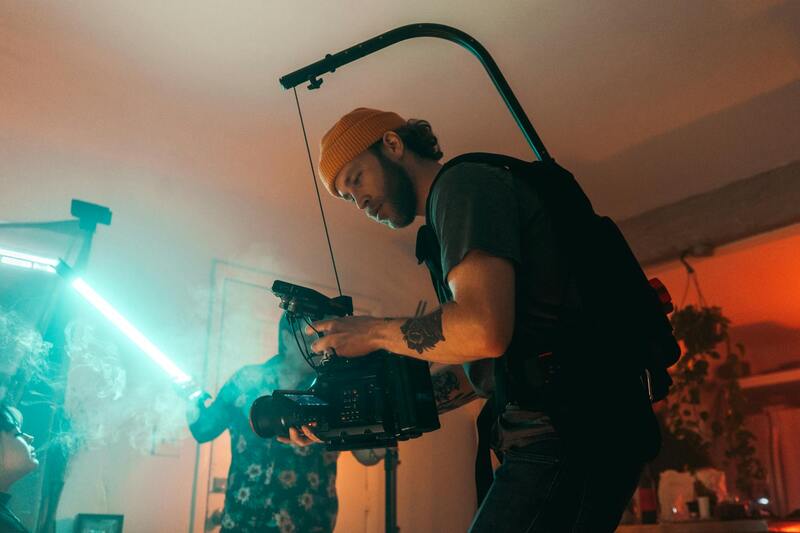
To produce compelling timelapse videos that showcase Miami’s vibrant cityscape and dynamic environment, meticulous execution during recording is essential. The process begins with selecting the appropriate camera setup tailored to the specific scene and desired outcome. Modern digital cameras and professional-grade DSLRs equipped with intervalometers or built-in interval shooting functions provide precise control over shot intervals, ensuring consistency across the sequence.
When setting up for the shoot, consider stabilizing the camera on a tripod or a drone gimbal if capturing aerial perspectives. Stability is paramount to prevent unwanted shifts that can disrupt the fluidity of the timelapse. For scenes involving camera movement, such as parallax motion or pans across Miami’s diverse neighborhoods, plan smooth, gradual movements that complement the interval timing and avoid jarring transitions.
Environmental factors within Miami’s climate also influence shooting strategies. Bright daylight requires filters or adjustments to manage dynamic range and prevent overexposure, especially with reflective surfaces like water or glass skyscrapers. During twilight or night shoots, utilize high ISO settings carefully paired with noise reduction techniques in post-production to retain image clarity. Weather conditions, including sudden rain or high winds, might necessitate weatherproofing accessories or protective enclosures for camera gear.
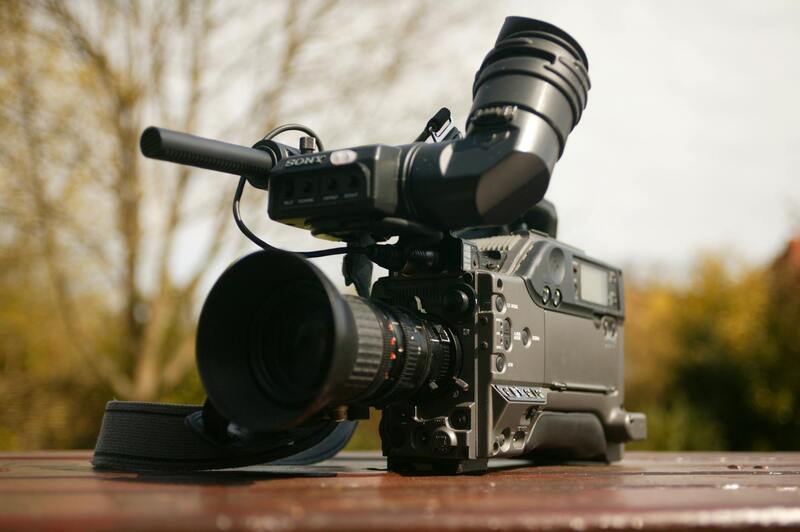
Camera movement can be incorporated during the shoot to add dynamism, such as tilt, pan, or dolly shots synchronized with the interval shooting. However, maintaining consistent motion speed and angle ensures the final sequence remains smooth and visually appealing. For static shots, framing the subject carefully is crucial—whether focusing on Miami’s skyline, busy streets, or natural landscapes—so that the composition remains engaging throughout the duration.
Environmental conditions like sunlight intensity, shadows, and passing clouds will influence the appearance of your footage. Shooting at different times of day or under various weather conditions can create diverse visual moods, each offering unique storytelling potential. Regularly reviewing captured images on-site allows for adjustments to camera settings or shot parameters, ensuring optimal results before proceeding with extended shooting sessions.
Understanding Timelapse Videos
Timelapse videos are a compelling visual technique that condenses extended periods into brief footage, revealing changes and movements that are usually imperceptible to the human eye. By photographing the same scene at set intervals over a period, then sequencing these images into a rapid sequence, creators can portray phenomena such as bustling city streets, natural landscapes, or ongoing construction projects with a unique sense of motion and progression.
This method requires meticulous planning, consistent camera settings, and a firm grasp of timing to achieve the desired effect. The resulting footage can highlight growth, transformation, or phenomena like weather changes, creating a captivating narrative that engages viewers through visual storytelling. Understanding the intricacies of capturing and editing timelapse shots ensures the final product not only showcases the scene’s dynamism but also aligns with professional standards for clarity and aesthetic appeal.
Key Technical Considerations in Timelapse Creation
- Interval Selection: The duration between shots significantly influences the perceived speed of the final video. Shorter intervals render a more detailed and smoother sequence, ideal for fast-moving scenes or detailed natural changes. Longer intervals can emphasize gradual transformations, such as sunrise or sunset, creating a poetic and immersive effect.
- Exposure Control: Consistent exposure settings prevent flickering and maintain visual continuity. Adjustments for changing light conditions, especially in outdoor settings, may involve using manual exposure controls or bracketing techniques.
- Focus and Depth of Field: Locking focus ensures sharpness across all frames, avoiding distracting shifts in focus during playback. A narrow aperture enhances depth of field, keeping more of the scene in sharp focus which is particularly useful when capturing expansive landscapes or cityscapes.
- Stability and Mounting: Securing the camera on a stable tripod minimizes unwanted motion, which can detract from viewer experience. For dynamic shots, purpose-built camera rigs or motion control systems may be employed to introduce deliberate camera movements such as tilt, pan, or tracking.
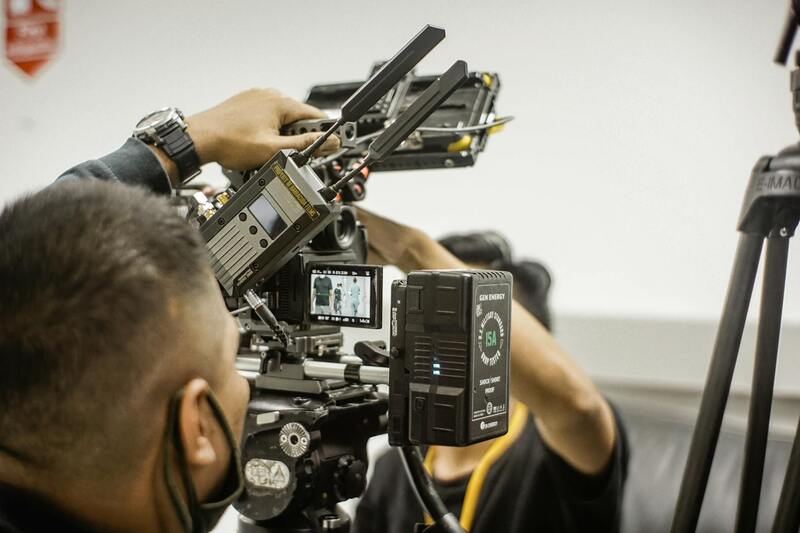
Equipment choices and camera settings must align with the scene's requirements, ambient lighting, and artistic vision. Modern mirrorless and DSLR cameras offer intervalometer functions, allowing precise control over capture intervals and durations, streamlining the process for producing professional-grade timelapse videos.
Leveraging Lighting and Environmental Conditions
Lighting plays a pivotal role in the overall impact of a timelapse. Shooting during golden hour, twilight, or night can evoke different moods and highlight cityscapes or natural elements uniquely. Controlling exposure and aperture settings helps balance highlights and shadows, especially in scenes with high contrast or reflective surfaces common in Miami’s skyline.
Weather considerations—such as rain, wind, or rapidly changing cloud cover—may influence the timing of the shoot. Utilizing weather-resistant gear and protective enclosures ensures equipment safety and consistent image quality. On-site review of preliminary footage allows adjustments, helping to fine-tune camera settings and capture parameters for the most compelling results.
Advanced Techniques for Capturing Stunning Timelapse Shots in Miami
Once the basic setup and initial filming are complete, applying advanced techniques can elevate the quality and artistic value of your Miami timelapse footage. These methods demand a thorough understanding of both the technical aspects and artistic vision, ensuring that the final product captures Miami’s vibrant atmosphere with clarity and dynamic appeal.
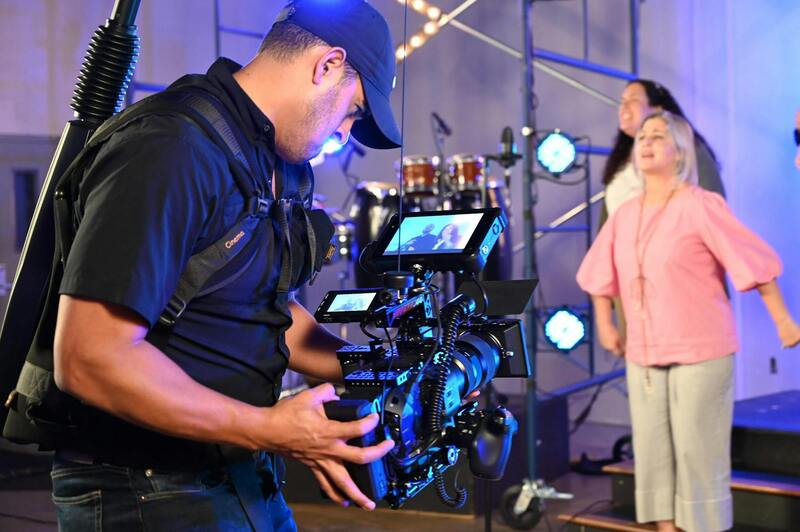
One of the most effective techniques is implementing motion control systems. These programmable devices enable precision camera movements during the timelapse sequence, such as smooth pans, tilts, or dolly shots. For instance, capturing a sunset over Miami Beach with a slow, deliberate pan can unveil different architectural details and the lively street activity. Using motion control ensures these movements are consistent and fluid, avoiding jerks or abrupt transitions that can distract viewers.
Another method involves dynamic exposure adjustments. This technique is particularly beneficial in scenes where lighting conditions change progressively, such as transitioning from sunset to dusk in Miami. By manually setting or programming exposure changes, you can prevent overexposure during bright periods and retain detail in darker scenes, thereby maintaining a balanced and visually appealing sequence.
In addition, employing high-dynamic-range (HDR) timelapse techniques can amplify the visual impact of scenes with contrasting lighting. This approach involves capturing multiple images at different exposures within each interval and blending them during post-production. HDR timelapse is especially effective when filming Miami’s skyline during twilight, where bright city lights contrast with the fading natural ambient light.
Ensuring Consistent Shooting Conditions for Optimal Results
Achieving high-quality timelapse footage requires meticulous attention to environmental factors and consistency during filming sessions. Miami's ever-changing weather patterns, from sunny days to sudden rain showers, can influence the clarity and stability of your footage. Monitoring weather forecasts and choosing optimal times for shooting can minimize disruptions and ensure steady image capture.
When planning outdoor shoots, consider using weatherproof enclosures and protective gear for your camera equipment. This safeguard shields your gear from moisture, dust, and wind, which are common in Miami’s coastal climate. Maintaining a consistent camera position and settings throughout the shoot also helps prevent flickering or exposure discrepancies between frames.
Furthermore, pre-scouting locations during different times of the day can provide insights into lighting conditions and activity levels. For urban scenes, shooting during off-peak hours may reduce crowd interference, while capturing during busy times can accentuate Miami’s vibrant city life. Documenting these variables allows for better planning and adjustments during the actual shoot.
Post-Production Strategies to Enhance Your Miami Timelapse
The post-production phase offers opportunities to refine your timelapse footage, add artistic effects, and ensure seamless visual flow. High-quality editing not only enhances the aesthetic appeal but also reinforces the storytelling aspect of your project. Begin by importing your sequence into specialized editing software capable of handling large image sequences or video files.
Color grading is an essential step. Adjusting contrast, saturation, and color balance can bring out the vibrancy of Miami’s cityscape, beaches, and natural elements. For instance, emphasizing the warm hues of a sunset or the neon lights at night can evoke specific moods and attract viewer engagement. Balancing brightness and shadows ensures details are preserved across different lighting conditions recorded during filming.
Flicker removal and stabilization are next priorities. Flickering often occurs due to slight variations in exposure settings across frames, which can be mitigated through software tools designed for timelapse optimization. Image stabilization tools can correct minor camera movements, particularly when shooting handheld or in dynamic environments.
Finally, consider adding smooth transitions, music, or narrative overlays to contextualize the scenes. Enhancing your timelapse with soundtracks or voiceovers can amplify emotional impact, making your Miami showcases more engaging across social media and presentation formats.
Advanced Techniques for Creating Stunning Timelapse Videos in Miami
Once the foundational filming and editing processes are complete, leveraging advanced techniques can transform a basic timelapse into a captivating visual narrative of Miami’s vibrant atmosphere. For professionals and enthusiasts alike, mastering these approaches ensures your footage stands out and effectively captures the essence of Miami’s dynamic environment.
Incorporating Motion Blur and Dynamic Transitions
Applying motion blur in post-production can enhance the realism and smoothness of moving objects within your timelapse scenes. Particularly in urban environments like Miami, where traffic, crowds, and moving lights are prevalent, subtle motion blur can create a more natural and aesthetically pleasing effect. Transition effects, such as seamless fades, wipes, or creative overlays, help connect scenes smoothly, maintaining viewer engagement through fluid storytelling.
Layering Multiple Exposures and HDR Techniques
Advanced timelapse projects benefit from blending multiple exposures through high dynamic range (HDR) methods. This process captures a broader spectrum of light, balancing shadows and highlights that shift dramatically during sunrise, sunset, or nighttime scenes. Using HDR blending during post-production can highlight Miami’s iconic skyline or natural landscapes with incredible detail and vibrancy. Additionally, layering different exposure sequences enriches the visual complexity and depth of your footage.
Employing Motion Control for Precision Shots
For those aiming for exceptional control over camera movements, integrating motion control rigs allows for programmable motion paths and consistent framing. This technique is particularly useful for capturing intricate sequences like sweeping cityscape shots or smooth sliding transitions along Miami’s beaches. By combining motion control with time-lapse photography, creators can produce cinematic sequences that align perfectly with their narrative vision.
Enhancing Visual Appeal with Light Painting and Long Exposure
Light painting involves intentionally moving a light source during a long exposure to create vibrant streaks and patterns within your timelapse. Miami’s nightlife or fireworks displays provide excellent opportunities for this technique. Long exposures can also intensify scenes with low light, capturing the ambient glow of city lights, neon signs, and natural elements like stars or reflections on water surfaces.
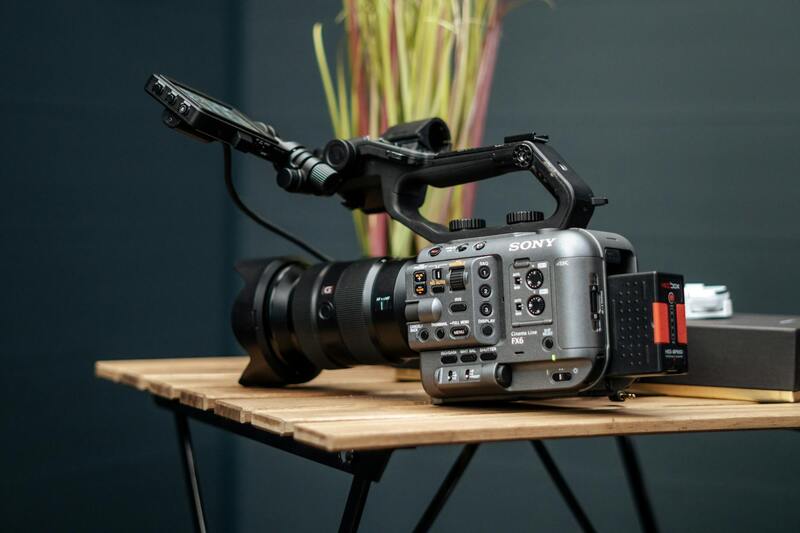
By integrating these sophisticated methods into your timelapse projects, you elevate the visual storytelling, emphasizing Miami’s unique character and lively spirit. Each technique requires meticulous planning and precision execution, but the resulting footage offers an immersive experience that resonates deeply with viewers.
Optimizing for Different Platforms and Presentation Contexts
Adapting your timelapse videos for various platforms includes adjusting resolution, aspect ratio, and format. For social media, square or vertical formats might be more engaging, while cinematic presentations demand widescreen formats with high resolution. Ensuring your footage is optimized for the target platform maximizes impact, engagement, and visibility. Utilizing 4K or higher resolutions preserves detail, allowing for cropping or zooming during edits without sacrificing image quality.
Consider adding subtitles, descriptive overlays, or branding elements when presenting your videos professionally. These enhancements ensure your narrative remains clear and your brand identity is reinforced across diverse distribution channels.