
Understanding Time Lapse Video Production
Time lapse video production is a dynamic filmmaking technique that condenses lengthy periods of real-time footage into a shorter, visually compelling sequence. This process involves capturing a series of individual frames at set intervals over an extended duration, which are subsequently combined during editing to create the illusion of rapid movement or change. By doing so, producers can showcase processes and transformations that occur gradually but are of significant interest due to their visual impact or informational value.
In essence, time lapse videos are employed to depict various phenomena such as the progression of construction projects, the changing seasons, cityscapes at night, or the transformation of natural landscapes. These videos are characterized by their ability to reveal detailed developments that are often invisible to the naked eye during real-time observation. Key features include meticulous scheduling of shot intervals, control over exposure and lighting conditions, and precise camera positioning to ensure consistency throughout the shoot.
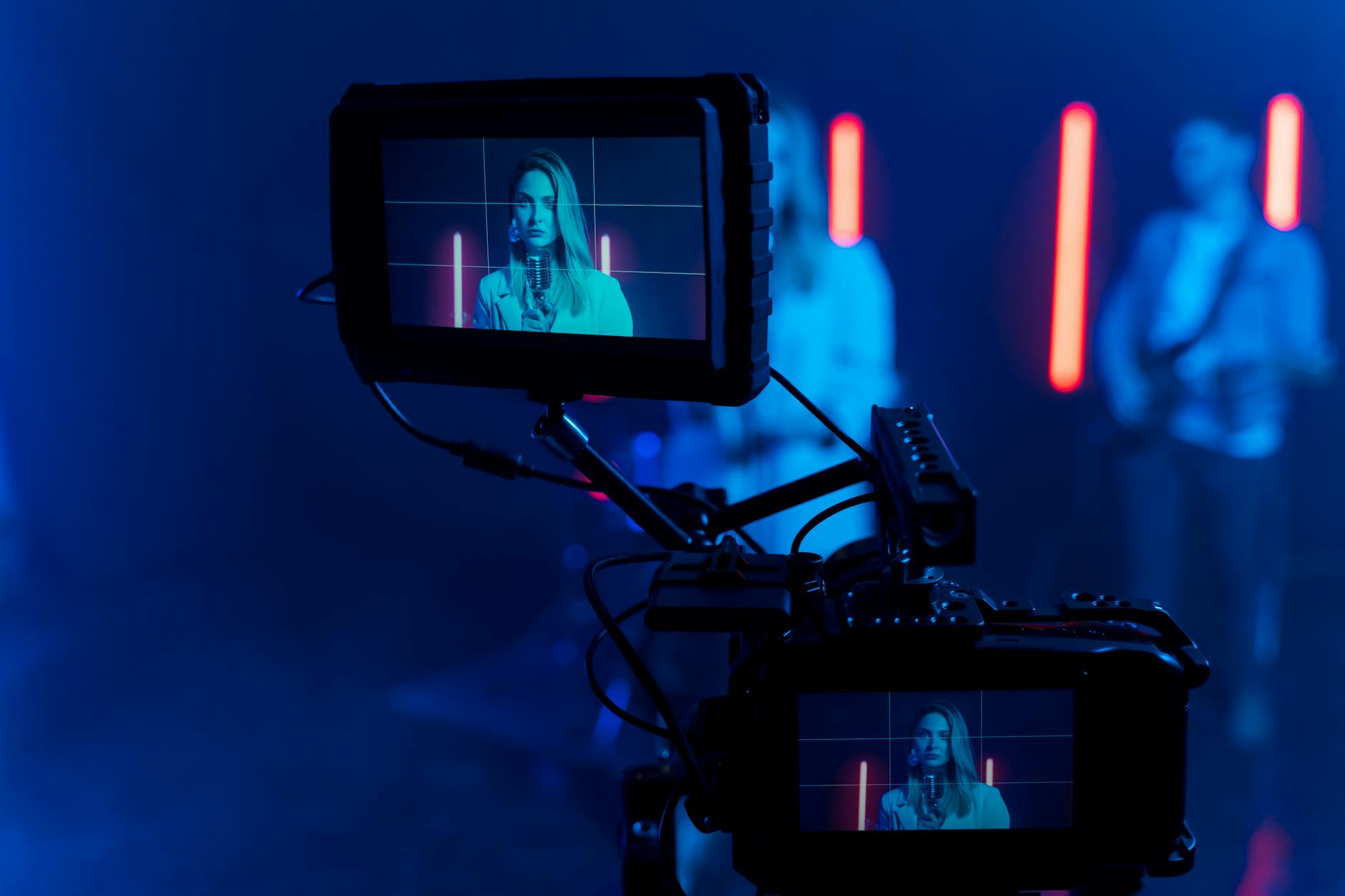
This technique finds extensive applications across many industries, including construction, real estate, environmental monitoring, tourism promotion, and corporate marketing. For construction firms, time lapse videos document project milestones from groundbreaking to completion, offering stakeholders a comprehensive visual record. Real estate agencies utilize these videos to showcase properties or developments, helping clients visualize progress or the environment. Environmental agencies employ time lapse footage to monitor ecological changes, such as erosion or plant growth, providing valuable data for research and policymaking. Moreover, in tourism and hospitality, time lapse videos highlight scenic locations, cultural festivals, or hotel developments, enticing potential visitors with captivating visuals.
Implementing successful time lapse video production requires careful planning and a thorough understanding of the project's objectives. From selecting suitable locations and equipment to determining appropriate shot intervals, each step plays a critical role in achieving high-quality results. When executed effectively, time lapse videos serve as powerful tools for visual storytelling, documentation, and marketing, making them indispensable assets in diverse professional contexts.
Planning and Pre-Production for Time Lapse Projects
Effective planning and pre-production are crucial stages in ensuring that a time lapse video achieves its desired impact and quality. During this phase, professionals meticulously define project objectives, determine shot compositions, and select optimal locations. Clear articulation of what the video aims to demonstrate—whether it's construction progress, urban development, or environmental changes—guides all subsequent steps.
Location scouting plays an essential role. The selected sites must provide consistent visual elements over the desired period, considering factors like accessibility, lighting conditions, and minimal interference from external disruptions. Detailed site assessments help identify potential challenges and design strategies to mitigate issues such as weather fluctuations, security concerns, or logistical constraints.
Pre-visualization is another key component. Creating detailed storyboards or shot lists ensures that each frame captures the necessary details while maintaining consistency throughout the shoot. This plan includes camera angles, framing, and intervals between shots. Precise timing is vital; establishing regular intervals—be it minutes, hours, or days—depends on project duration and the story to be told. For longer-term projects, scheduling considerations such as seasonal changes and varying lighting conditions must be accounted for to avoid inconsistent results.
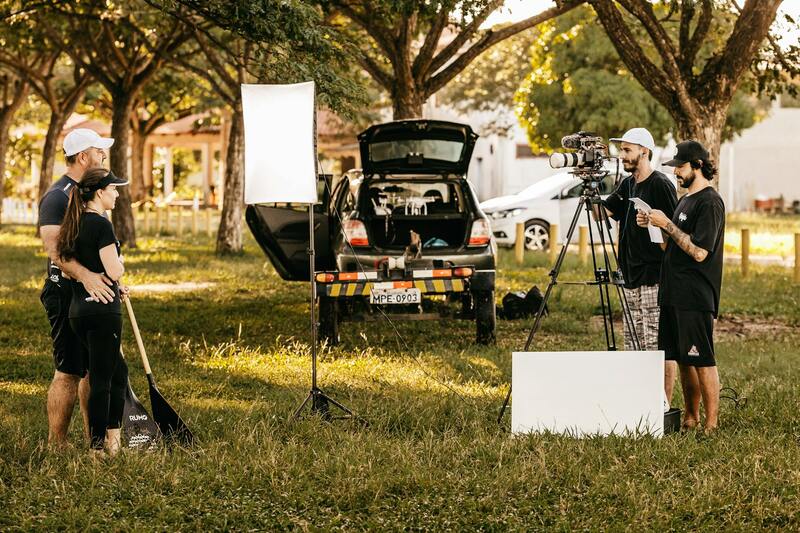
Equipment choice is integral to pre-production, requiring participants to select parameters that suit project goals. High-quality cameras with manual controls, time lapse functionalities, and weatherproofing capabilities are often preferred. Once the camera setup is determined, it’s important to plan for power sources—be it portable batteries or reliable mains connections—as well as protective housing for outdoor shoots. Additional accessories such as intervalometers, remote controls, and stabilization mounts further enhance shot consistency and quality.
Understanding environmental factors is vital. Analyzing access to the site, potential permit requirements, and safety measures ensures a smooth shooting process. Developing backup plans for equipment failures or unforeseen delays guarantees the project stays on schedule. Lastly, liaising with stakeholders and obtaining necessary permissions safeguards the operation and aligns all involved parties on project objectives, ensuring a seamless execution phase.
Equipment and Techniques Used in Time Lapse Video Production
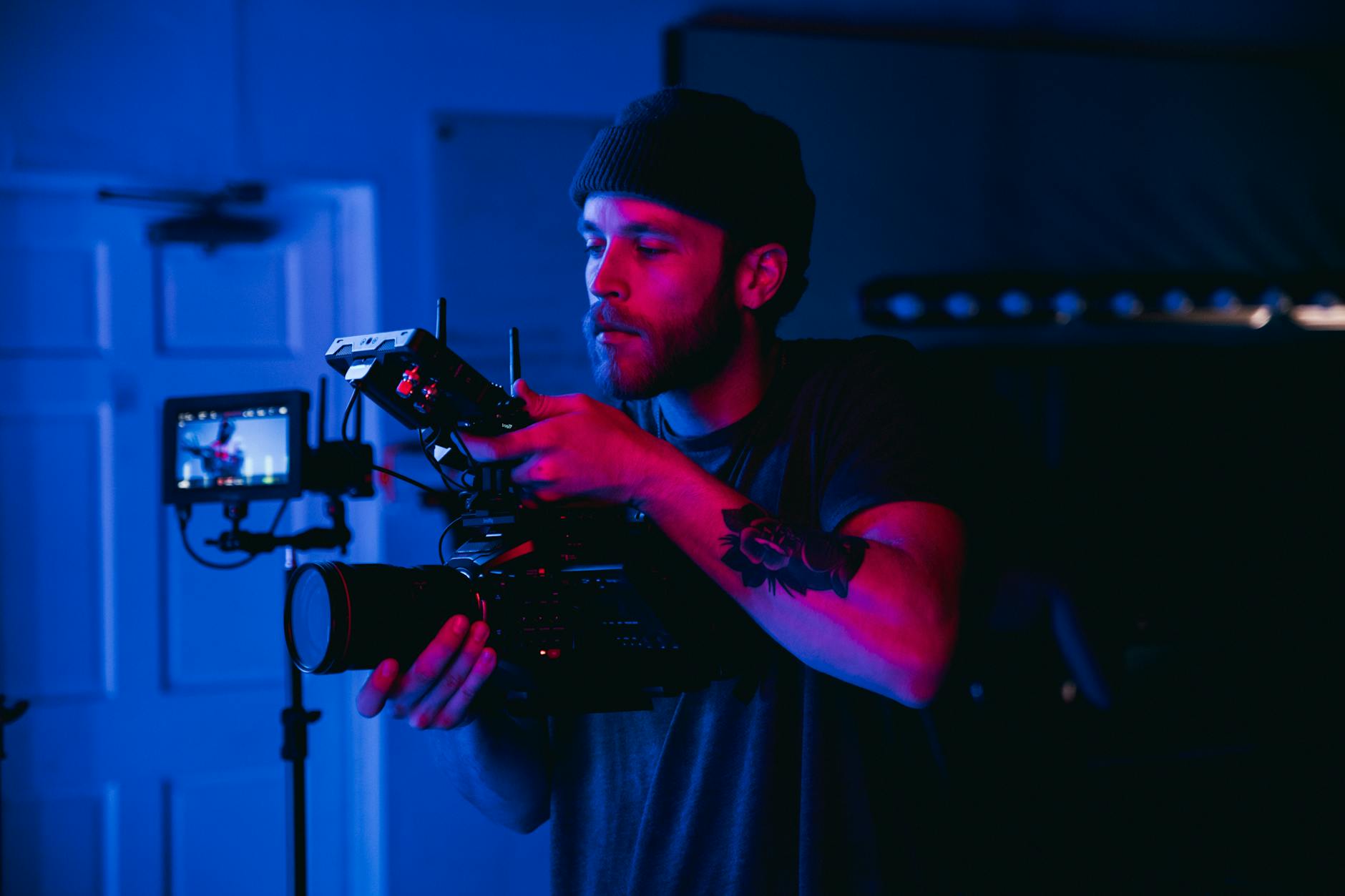
Executing a high-quality time lapse video demands a careful selection of specialized equipment and robust techniques. The core component of this process is a camera capable of consistent interval shooting, equipped with manual controls to maintain exposure, focus, and white balance. Professional-grade DSLR and mirrorless cameras are commonly preferred due to their versatility and image quality, though high-end surveillance or dedicated time lapse cameras can also deliver exceptional results.
Intervalometers are critical accessories that automate the撮画像キャプチャ間隔, ensuring precise timing between each shot. Depending on project requirements, intervals can range from a fraction of a second to several minutes, influencing both the final footage’s smoothness and duration. These devices are often incorporated into the camera or used as separate remote controls, allowing for fine-tuned adjustments without disturbing the setup.
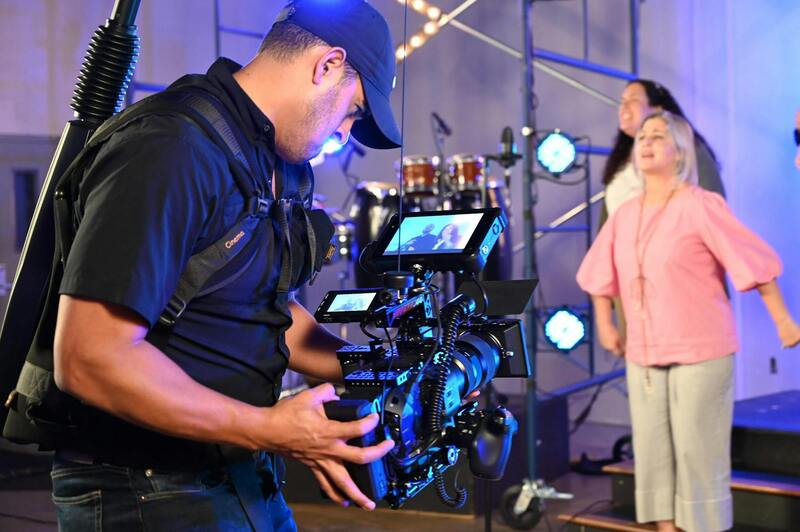
Weatherproofing is essential for outdoor shoots, demanding durable camera housings or protective enclosures that shield equipment from environmental elements such as rain, dust, and wind. Stabilization mounts, including tripods, gimbals, or drone attachments, help secure the camera and eliminate unwanted vibrations, resulting in sharper images and smoother sequences. Additionally, remote monitoring and control capabilities enable adjustments during the shoot, minimizing the need to access hard-to-reach sites.
Capturing effective time lapse footage incorporates more than just equipment; techniques such as proper exposure settings, adaptive focus, and consistent framing contribute to visual coherence. Utilizing manually set parameters prevents fluctuations caused by automatic adjustments, delivering uniform image quality throughout lengthy captures. Moreover, planning shot composition with considerations for the scene’s movement, lighting, and perspective helps craft compelling narratives over extended periods.
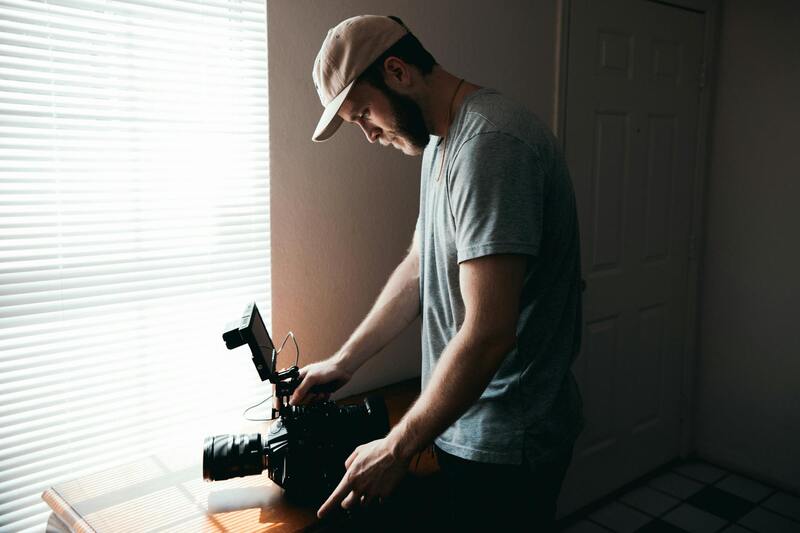
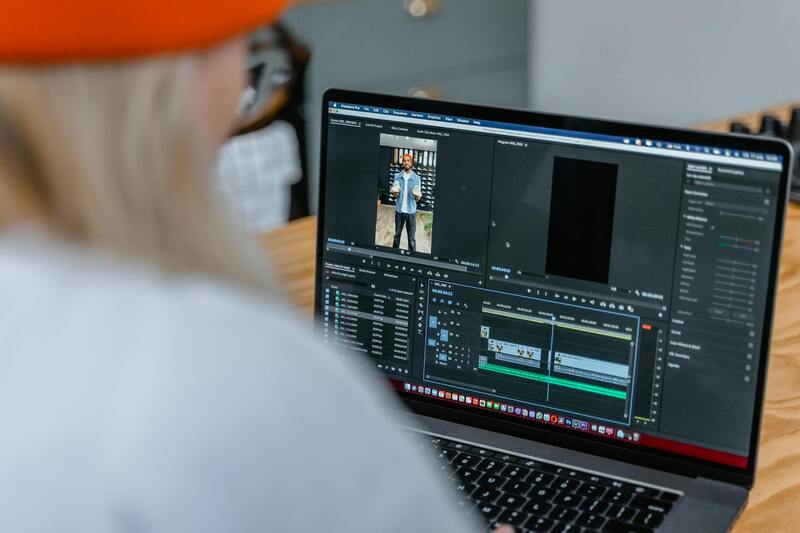
Post-capture, the images or video segments undergo detailed editing processes. Techniques include color correction to match lighting changes, blending frames for smoother transitions, and stabilizing shaky shots. The final editing phase involves sequencing images or video clips, adding transitions, and applying music or voiceovers to enhance storytelling. Advanced software solutions provide tools for seamless frame-by-frame adjustments, ensuring the time lapse presentation aligns with the project’s artistic and informational objectives.
Key Techniques for Optimal Time Lapse Video Capture in Miami
Achieving professional-quality time lapse videos requires meticulous attention to camera settings and capturing methods. In the dynamic and diverse Miami environment, understanding the impact of exposure, frame interval, and stabilization is crucial for producing compelling visuals that effectively showcase the city’s vibrant life and evolving landscapes.
Setting the right interval is fundamental. For scenes with rapid changes such as bustling streets or sunrise over the Miami skyline, shorter intervals—ranging from 1 to 3 seconds—are advisable. For longer-term projects like construction progress or natural scenery development, intervals might extend from 10 seconds to several minutes, depending on the desired final speed and duration. Consistent interval settings ensure smooth acceleration in the final footage while capturing sufficient details without excessive data accumulation.
Proper exposure management is essential, especially given Miami’s bright sunlight and variable weather. Manual exposure settings prevent automatic adjustments that could cause flickering or inconsistent brightness. For outdoor scenes, utilizing ND filters can help manage overexposure during daytime shoots, allowing for longer shutter speeds that create more cinematic motion blur. Focusing techniques, such as manual focus, ensure consistent sharpness throughout the sequence, preventing focus shifts that can distract viewers.
Utilizing Stabilization and Motion Techniques in Miami Time Lapse Projects
Stability is a cornerstone of professional time lapse production. Equipment such as tripods, gimbals, and motorized sliders are commonly used to keep the camera steady, particularly when capturing scenes that involve significant movement or long exposure times. In Miami’s varied topography—from high-rise rooftops to waterfront locations—secure mounting options ensure sharp imagery regardless of environmental conditions.
For dynamic scenes involving camera movement, drone-based time lapses add a multidimensional perspective that captures Miami’s iconic skyline and natural landscapes from unique vantage points. Drones equipped with stabilizing gimbals enable smooth, sweeping shots that would be impractical with stationary setups. However, it’s important to adhere to best practices in drone operation, including maintaining optimal altitude, smooth acceleration, and planned flight paths to achieve seamless, cinematic results.
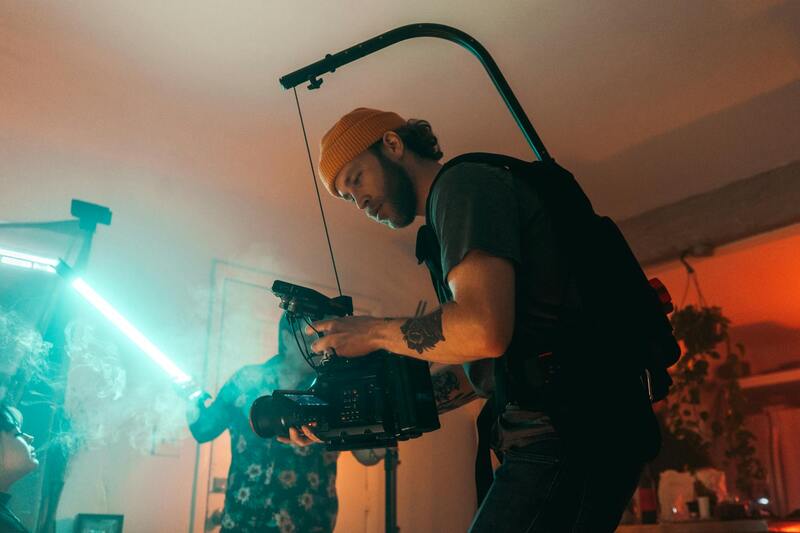
Advanced Shooting Techniques for Miami’s Environment
Incorporating creative techniques enhances the storytelling aspect of time lapse videos. Nighttime or low-light scenes in Miami benefit from longer exposure times and lens openings that gather more light, creating striking visuals of city lights and reflections. Planning the shoot during the blue hour or after sunset can add dramatic mood and contrast to the footage.
Including foreground elements with high contrast, such as palm trees or traffic lights, adds depth and perspective, making the scene more immersive. Motion control rigs can be used for complex shots combining movement and time lapse, allowing precise control over camera direction and speed. Combining multiple techniques, such as hyper-lapse for fast-moving sequences and regular time lapse for gradual transitions, can produce a dynamic narrative that captures the city’s rhythm and energy.
Weather considerations are critical when planning outdoor shoots. Overcast days or rainy weather can introduce different visual effects, like reflections on wet surfaces or a softer, diffused light that adds atmosphere. Using weather-resistant equipment and protective covers ensures uninterrupted shooting sessions regardless of Miami’s shifting weather patterns.
Post-Production and Editing of Time Lapse Footage
Once the raw footage has been captured, the post-production phase begins, which is essential in transforming basic sequences into captivating cinematic pieces that effectively showcase Miami’s vibrant environment. This stage involves meticulous editing processes including synchronization, color correction, stabilization, and speed manipulation, all of which contribute to the final polished product.
Organizing and Selecting Footage
Effective editing starts with organizing the captured clips. Categorizing footage based on scenes, lighting conditions, or focal points helps streamline the editing workflow. Selecting the best segments that align with the project’s narrative or visual goals ensures the final video maintains a consistent flow and high quality.
Stabilization and Frame Adjustment
Time lapse footage, especially when shot handheld or with less advanced equipment, can exhibit unwanted jitters or shake. Advanced editing software offers stabilization tools to smooth out these imperfections, ensuring a seamless viewing experience. Additionally, frame rates are adjusted; typically, a higher frame rate results in a smoother playback, while reducing the speed emphasizes specific moments or transitions.
Color Grading and Visual Enhancement
The aesthetic impact of a time lapse can be dramatically amplified through color grading. Adjusting contrast, highlights, shadows, and color saturation enhances the mood, whether aiming for vibrant, energetic visuals or a more subdued, atmospheric tone. Miami’s colorful skyline, lively streets, and glittering waterfronts benefit from strategic color enhancements to bring out the city’s dynamic character.
Speed and Transition Effects
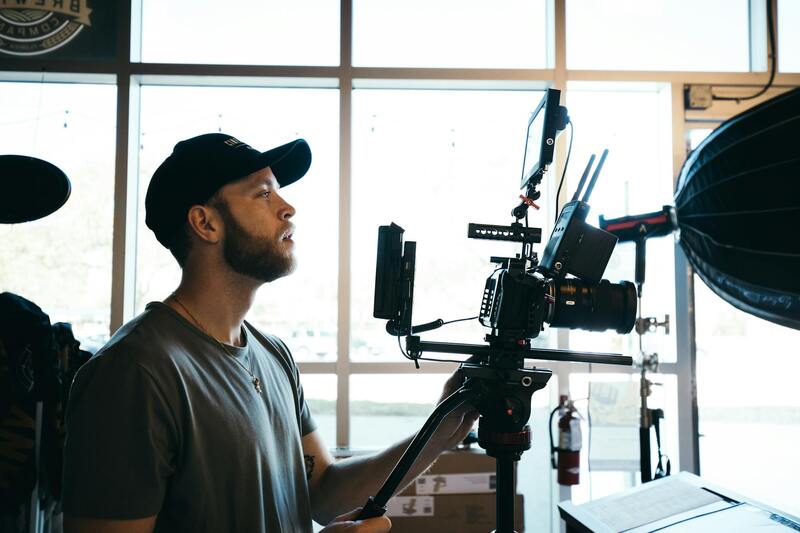
Adjusting playback speed is fundamental in time lapse editing. Techniques like hyper-lapse—a rapid progression over long distances—can portray the hustle of Miami’s streets or construction projects. Smooth transitions, fade-ins, or overlay effects further improve visual storytelling, creating a cohesive narrative flow.
Incorporating Sound Design and Final Touches
Although often overlooked, adding synchronized sound or contrasting ambient audio can significantly elevate the viewer’s experience. Once visual editing is complete, rendering the footage into a high-resolution format ensures optimal quality for various platforms. Including titles, credits, or branding during this stage can also enhance the professional presentation of the final product.
Elevation and Stabilization Techniques in Time Lapse Video Production
To ensure the highest quality in time lapse videos, employing advanced elevation and stabilization methods is essential. Elevated viewpoints—using drones or elevated platforms—offer unique perspectives that can capture expansive cityscapes or sprawling construction sites, providing viewers with a comprehensive visual narrative. Drone footage, in particular, has become a transformative tool in Miami’s vibrant urban and waterfront environments, allowing for smooth, sweeping shots that highlight the city’s architectural landmarks and scenic coastlines.
Achieving stability during shooting is equally critical, especially in outdoor settings where wind, vibrations, and movement can compromise footage clarity. Gimbal stabilizers and monopods are commonplace for handheld shots, effectively reducing unwanted motion. For longer shoots, tripod systems with fluid heads facilitate smooth camera panning and tilting, maintaining consistency in framing over extended periods.
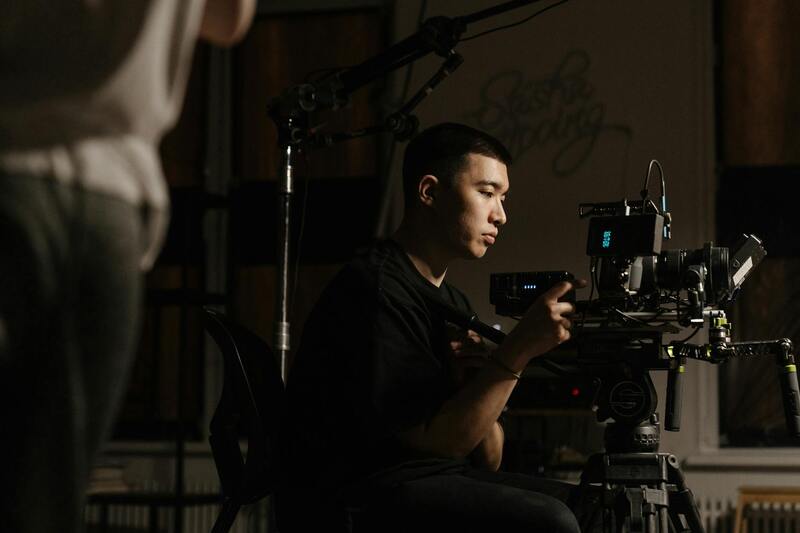
Incorporating remote camera controls or robotic systems can also enhance precision, enabling operators to adjust framing or focus without interrupting the time lapse sequence. These automated systems, combined with high-quality stabilization gear, help produce visually compelling footage that captures the essence of Miami’s lively environment without disruptions or jitter.
Optimizing Lighting and Exposure Settings
Proper lighting and exposure management are foundational to effective time lapse videos. Since time lapse photography often spans several hours or days, understanding how to adapt to changing light conditions—from sunrise to sunset, or cloudy to bright days—is vital.
- Manual Exposure Settings: Manual control over aperture, shutter speed, and ISO ensures consistent brightness and color balance throughout the shoot, especially critical for scenes with high contrast or rapidly changing light conditions.
- ND Filters: Neutral Density (ND) filters reduce light intake, allowing for optimal shutter speeds during daylight shoots. This results in smooth motion blur, which is especially important when capturing moving vehicles or water reflections in Miami’s busy streets and scenic waterfronts.
- Interval Timing: Adjusting the interval between shots depending on the scene’s movement speed and desired final speed helps in achieving seamless motion. For example, animated clouds over the Miami skyline might require shorter intervals, while a construction project's progress over weeks may need longer gaps.
Effective planning of these technical elements ensures the resulting footage is smooth, vibrant, and engaging. Combined with creative camera angles and strategic shot sequencing, these practices contribute significantly to the production of compelling time lapse videos that showcase Miami’s dynamic atmosphere.
Methods for Effective Time Lapse Video Production in Miami
When undertaking a time lapse project in the vibrant urban and scenic environments of Miami, selecting the right techniques and methods is essential to capture the essence of the scene accurately and attractively. A systematic approach involves meticulous planning, technical precision, and creative execution, all tailored to the unique conditions of Miami's diverse landscapes.
One primary method is establishing a consistent shooting schedule that aligns with the natural lighting conditions. This involves deciding on the interval between shots, which directly impacts the final video's speed and fluidity. In Miami, where daylight varies significantly and weather patterns change quickly, it is crucial to adapt intervals to maintain visual continuity. Shorter intervals are suitable for scenes involving rapid movement, such as traffic or bustling markets, while longer intervals can effectively document slow changes like building construction or plant growth.
Another technique involves controlling exposure meticulously. Given Miami’s bright daylight and reflective surfaces such as water bodies, manual exposure settings and neutral density filters help prevent overexposure and maintain consistent brightness across the footage. Advanced shooters often employ bracketing methods, capturing multiple exposures and merging them later to enhance dynamic range, especially when transitioning from day to night scenes.
Camera stability is another critical factor. Using high-quality tripods or motorized sliders provides steady shots, minimizing jitter and ensuring smooth playback. For long-term projects, motorized rigs with programmable interval settings can automate the shooting process, reducing manual intervention and ensuring consistent image capture.
In some cases, employing drone technology can add a compelling perspective to Miami's time lapse videos. Drones equipped with stabilized gimbals and high-resolution cameras allow for aerial shots that highlight cityscapes or natural features from angles that are impossible to achieve from the ground. Such footage is especially impactful in showcasing urban expansion, waterfront developments, and scenic vistas.
Lighting conditions must also be carefully managed. Scene scenes with varying light levels—such as sunset over Biscayne Bay or the night skyline—require advanced techniques like HDR (High Dynamic Range) imaging or applying graduated filters to achieve balanced exposures and vibrant colors throughout the sequence.
Finally, post-shoot review and re-shoots can significantly improve the quality of the final product. Ensuring all images are properly aligned, free of motion blur, and correctly exposed is fundamental for seamless editing and optimal playback speed. Consistent frame quality facilitates the rendering process and results in a polished, professional time lapse video that captures Miami’s energetic atmosphere effectively.
Ensuring Seamless and Professionally Polished Final Products
After capturing the necessary footage for a time lapse video, the editing process plays a vital role in transforming raw images into a compelling visual story. Meticulous attention to detail during post-production ensures that the final product not only meets client expectations but also adheres to professional standards of quality and visual coherence.
Rigorous Review and Quality Checks
Start the editing workflow by thoroughly reviewing the entire sequence of images or footage. Look for inconsistencies such as slight shifts in framing, exposure discrepancies, or motion blur that may disrupt the smoothness of the time lapse. Utilize software capable of aligning images precisely to maintain a stable sequence, which is especially crucial when using handheld or moving camera setups.
Optimizing Frame Rate and Playback Speed
The chosen frame rate significantly influences the perception of motion and tempo within the video. Typical rates for cinematic quality are 24 or 30 frames per second (fps), but the specific project goals may call for adjustments. For instance, increasing the playback speed can emphasize the progression of construction projects or natural phenomena, making changes appear more dramatic and engaging.
Color Grading and Exposure Adjustments
Consistency in color and exposure across all frames enhances visual fluency. Employ advanced color grading techniques to adjust hues, contrast, and saturation, ensuring a cohesive look. Gradient filters or HDR processing can reinforce the vibrancy of Miami's diverse environments, whether highlighting the city skyline at sunset or the lush greenery of parks.
Adding Motion Effects and Transitions
In some cases, introducing subtle motion effects or transitions between frames can create a more dynamic viewing experience. Techniques such as zooms or pans can simulate camera movement, adding depth and perspective. However, these effects should be used judiciously to maintain the natural flow of time and avoid distracting the viewer.
Incorporating Sound and Music
While the core of a time lapse video is visual, integrating suitable background music or ambient sounds enhances emotional impact and viewer engagement. When selecting audio, consider the mood you wish to evoke—whether energetic, serene, or innovative—and ensure sound levels complement the visuals without overpowering them.
Final Export and Delivery
Choose the appropriate format and resolution based on the intended platform or medium. High-definition formats such as 4K provide crisp detail, ideal for promotional content or presentations. Ensure that the export settings preserve color fidelity and motion quality, avoiding compression artifacts that diminish visual appeal.