
Understanding Time Lapse Video Recording
Time lapse video recording is a distinctive filmmaking technique that captures a sequence of images at set intervals over an extended period. When these images are played back at standard frame rates, time appears to accelerate, revealing dynamic processes that unfold gradually. This approach transforms hours, days, or even months of real-time activity into a concise, engaging visual narrative, making complex changes more perceptible or highlighting phenomena such as sunsets, traffic flows, or construction projects.
Unlike traditional video recordings that capture motion in real-time, time lapse involves intentional interval selection between shots. The frequency at which these images are taken significantly influences the final playback speed and overall impact. When compiled, the sequence results in a video that compresses time, offering viewers a perspective that is both informative and visually compelling.
This technique is distinguished from other video methods by its focus on temporal compression. While standard videos aim to present events as they occur, time lapse sequences emphasize the progression of slow-changing environments or scenarios, bringing to life scenes that might otherwise seem static or sluggish. Moreover, advances in digital imaging and editing have made time lapse more accessible, enabling videographers and filmmakers to showcase phenomena such as natural landscapes, urban developments, and scientific processes with remarkable clarity and emphasis.
Creating a successful time lapse project involves understanding its fundamental principles and choosing the right methods for one's specific goals. When executed with precision, it offers a powerful storytelling tool capable of depicting phenomena across various scales and environments. Whether used in documentary filmmaking, event coverage, or corporate presentations, time lapse recordings serve as a compelling means to visualize the passage of time efficiently and artfully.
Equipment Needed for Time Lapse Recording
Achieving high-quality time lapse videos requires selecting the right equipment that can reliably capture images over extended periods. The core of this equipment set includes specialized cameras capable of interval shooting, which automatically take photos at predetermined intervals. Mirrorless and DSLR cameras are often preferred due to their customizable settings, sensor quality, and compatibility with various lenses. These cameras allow videographers to optimize image quality and control exposure, which are essential for creating visually appealing time lapse footage.
In addition to cameras, lenses play a critical role. Wide-angle lenses are favored for capturing expansive landscapes and cityscapes, while macro or telephoto lenses are suitable for more detailed or distant subjects. Accessories such as intervalometers or interval timers are indispensable for setting exact intervals between shots, especially for cameras that do not have built-in interval shooting capabilities. These devices can be wired or wireless, offering flexibility depending on shooting conditions.
Stability is paramount to produce smooth, professional-looking videos. Tripods or stabilizers should be used to prevent camera shake and movement during extended shooting sessions. For dynamic scenes or scenes with a lot of movement, motorized camera sliders or gimbals can be employed to add movement or stabilize shots, respectively. Additionally, protective filters like UV or ND filters can help control exposure in varying lighting conditions, ensuring consistent image quality throughout the shoot.
Power management is another critical aspect. Long-duration shoots demand reliable power sources such as high-capacity batteries, portable chargers, or external power adapters. Using multiple batteries or external power options allows prolonged recording sessions without interruption. Storage capacity should also be sufficient; high-capacity SD cards or external drives enable the capture of hundreds or thousands of images without risking data loss.
Moreover, considering environmental conditions and scene-specific requirements is essential. Waterproof housings or weather-resistant equipment protect gear in adverse weather, allowing time lapse footage to be captured regardless of outdoor conditions. With the right combination of camera, lenses, accessories, and stability solutions, videographers can create compelling time lapse videos that vividly depict the passage of time with clarity and precision, elevating the storytelling potential of their projects.
Technical Settings and Tips for Capturing High-Quality Time Lapse Videos
Achieving impressive time lapse footage relies heavily on precise technical configurations. Optimal camera settings and methodical planning ensure the final product is smooth, clear, and visually compelling. Starting with camera resolution, selecting the appropriate frame size is fundamental; higher resolutions like 4K offer enhanced detail but require more storage and processing power. For most professional projects, operating at 1080p strikes a balance between quality and manageability, especially when capturing extended sequences.
Frame rate selection is another critical aspect. Unlike standard video, which typically runs at 24 or 30 frames per second, time lapse videos are created by compiling still images. The interval between shots directly influences the perceived passage of time. Short intervals, such as one to five seconds, are suitable for capturing rapid changes like busy streets or movement in nature. Longer intervals, ranging from ten seconds to several minutes, are ideal for slow phenomena like cloud movement, plant growth, or star trails. Properly setting the interval ensures the motion appears smooth without gaps or choppiness.
Exposure settings demand meticulous attention, especially under changing lighting conditions. Manual exposure mode allows consistent control over aperture, shutter speed, and ISO, preventing flickering caused by automated adjustments. Using a narrow aperture (higher f-number) increases depth of field, ensuring elements remain in sharp focus throughout the sequence. Additionally, employing ND filters can help manage exposure in bright environments, maintaining consistent exposure levels during prolonged shooting sessions.
Focus control is equally vital. Autofocus can cause shifting focus points or fluctuations, disrupting visual continuity. Switching to manual focus pre-sets the lens to a predetermined sharp point, preventing unintended focus shifts. For scenes with significant depth variation, focus stacking or incremental focus adjustments may be necessary.
Stability remains paramount. Using rigid tripods or motorized sliders minimizes unwanted movement. Some videographers incorporate vibration-dampening mounts or gimbal stabilizers to counteract environmental vibrations, particularly in outdoor settings. Maintaining a steady horizon and consistent framing enhances the professional quality of the final video.
Power management strategies are essential for uninterrupted recording. High-capacity batteries or external power sources like portable power banks extend shooting durations, especially for sessions spanning several hours or days. Adequate storage is equally crucial; using large-capacity SD cards, SSD drives, or networked storage solutions enables ample space for high volumes of images without frequent interruptions or data loss. Regularly checking and replacing batteries and storage devices during long shoots ensures a seamless process.
In sum, the combination of precise camera settings, environmental preparedness, and reliable equipment forms the foundation of successful time lapse video creation. Mastering these technical elements allows videographers to harness the full potential of time lapse storytelling, capturing the passage of time with clarity and cinematic appeal.
Technical Settings and Tips
Achieving high-quality time lapse footage hinges on meticulous configuration of camera settings and capturing techniques that guarantee smooth, visually appealing results. Selection of appropriate exposure parameters is critical; manual exposure settings, such as aperture, shutter speed, and ISO, should be carefully calibrated to match the lighting conditions of the scene. Consistent exposure across all frames prevents flickering, which is a common challenge in time lapse videos. For scenes with variable lighting, use of exposure bracketing or auto-exposure lock can help maintain uniformity.
Focus stability is equally vital. Setting the focus to manual mode prior to shooting ensures the focal point remains fixed throughout the sequence, eliminating focus shifts during capture that could distract viewers. In scenes with significant depth variation, focus stacking or incremental focus adjustments may be necessary to preserve sharpness at all distances. Employing a lens with a wide depth of field can also help maintain clarity in complex scenes.
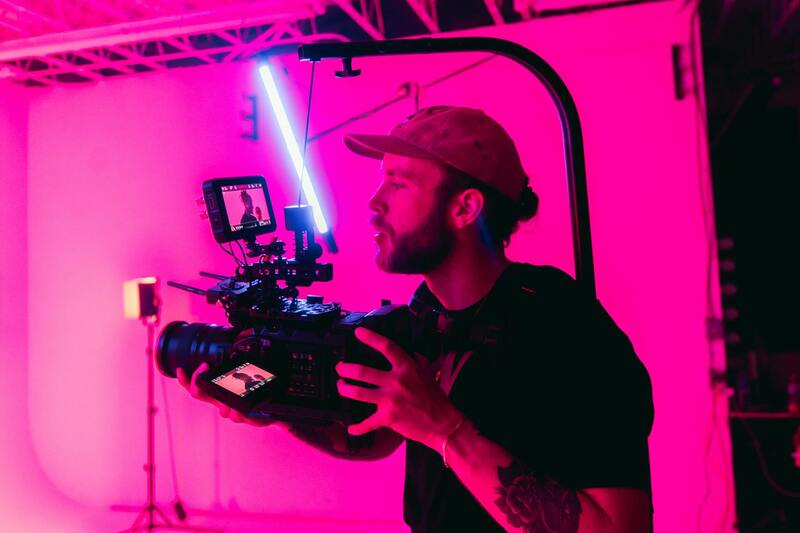
Interval duration, or the time between consecutive shots, must be tailored to the subject’s movement or change rate. Faster intervals suit scenes with rapid activity, such as bustling cityscapes or clouds moving swiftly across the sky, while longer intervals are ideal for capturing slow transformations like plant growth or building construction. Adjusting interval times allows filmmakers to craft a narrative flow that maximizes visual impact.
To maintain image quality, resolution and compression settings should be optimized. Shooting in RAW or high-quality JPEG formats preserves details and color fidelity, providing greater flexibility during post-production. Compatibility with high-capacity storage devices, such as SD cards with large storage capacity or solid-state drives, ensures uninterrupted shooting sessions. Regularly checking and maintaining equipment—including batteries and memory cards—prevents data loss or power interruptions that could compromise the sequence.
Maintaining environmental stability involves using high-quality tripods or motorized sliders that provide a steady platform for the camera. Vibrations and unintended movements diminish the professionalism of the final product, so employing vibration dampening mounts or stabilizers enhances the overall quality. Additionally, consistent framing throughout the shoot creates a seamless visual narrative, making post-production editing more straightforward.
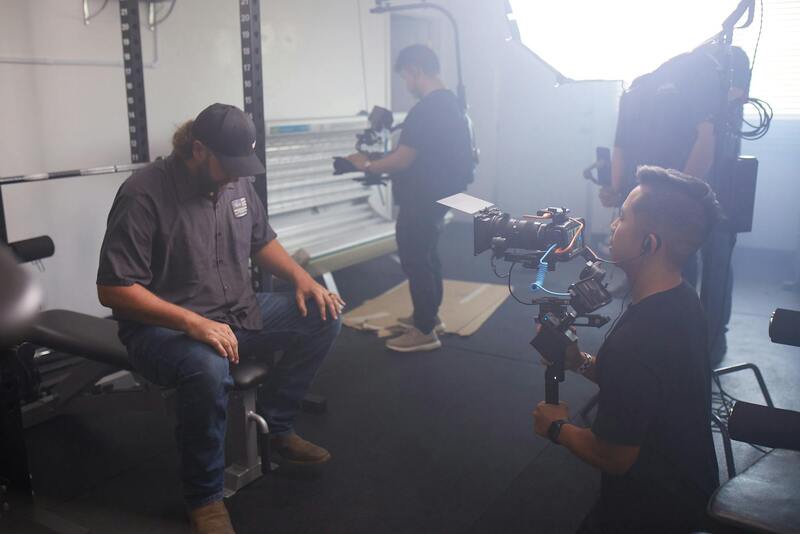
In summary, precise camera settings, environmental control, and quality equipment are the cornerstones of successful time lapse recording. By dedicating attention to these technical elements, videographers can produce captivating sequences that vividly portray the passage of time with clarity and cinematic finesse, aligning with the artistic vision and professional standards required for impactful storytelling.
Advanced Techniques for Enhancing Your Time Lapse Recordings
To elevate the quality of your time lapse videos, employing advanced techniques can significantly enhance visual impact and storytelling. One such method involves using intervalometers with programmable features, allowing precise control over shot intervals tailored to specific scene dynamics. This flexibility ensures capturing faster or slower processes without missing crucial moments.
Implementing exposure ramping or HDR (High Dynamic Range) techniques can help manage scenes with challenging lighting conditions. For instance, shooting during sunrise or sunset often results in scenes with stark contrasts. Automated exposure adjustments or combining multiple exposures in post-production improve detail retention across shadows and highlights, ensuring a balanced and aesthetically pleasing final product.
Incorporating motion control systems, such as motorized sliders or robotic camera rigs, offers precise camera movement along predefined paths. This enables capturing complex shot sequences, including dolly moves or panoramic sweeps, which add depth and cinematic quality to your time lapse projects.
Utilizing high-quality filters, like ND (Neutral Density) filters, allows for better exposure management during bright conditions. ND filters reduce the amount of light reaching the camera sensor, enabling longer exposure times to achieve motion blur effects or smooth transitions, especially in outdoor environments with strong sunlight.
Another technique involves adjusting the frame rate during shooting or post-production. Increasing the number of frames per second can result in smoother playback, which is especially useful for footage depicting fast-moving scenes or dynamic weather patterns.
Understanding and applying these advanced methods require a blend of technical knowledge and creative vision. Experimenting with different intervals, exposure settings, and stabilization tools ensures that each project can reach its full cinematic potential, capturing the passage of time with clarity and artistic expression.
Technical Settings and Tips for Capturing Stunning Time Lapse Videos
Achieving professional-grade time lapse recordings hinges on understanding and optimizing several key camera parameters. Proper management of shutter speed, aperture, ISO, and interval settings can significantly influence the quality and visual appeal of your footage.
- Shutter Speed: Maintaining a shutter speed roughly double the frame rate, known as the 180-degree rule, helps produce natural motion blur. For instance, shooting at 1/50s shutter speed when recording at 25 fps ensures smooth, cinematic results.
- Aperture: Controlling depth of field and exposure through aperture settings is essential. To keep the entire scene in focus, especially during outdoor shoots with varying distances, opt for narrower apertures like f/8 or f/11.
- ISO: Keep ISO as low as possible to minimize grain and noise. Since long exposures and rapid shooting sequences demand stable exposure, using a low ISO setting ensures cleaner footage.
- Interval Settings: The interval between shots determines the perceived speed of the motion. Shorter intervals (e.g., 1-2 seconds) capture fast dynamics, such as moving clouds, while longer intervals (e.g., 10-30 seconds) are suited for slow changes, like building construction progress.
To facilitate seamless shooting over extended periods, employing intervalometers or camera accessories like external remote controls can improve consistency and reduce disturbances. Transitioning between scenes with varying light conditions may require dynamic adjustment of exposure settings or use of graduated ND filters to prevent overexposure or underexposure.
igure>
When shooting in bright sunlight or high-contrast environments, using neutral density (ND) filters enables longer exposures without overexposing the sensor. These filters allow for more creative control, such as achieving motion blur effects of moving water or clouds, which impart a professional touch to the final video.
Stabilization is another critical aspect of time lapse shooting. Employing sturdy tripods or camera rigs ensures frame consistency, preventing unwanted jitters or shifts that can distract viewers. Advanced stabilization gear and rigging systems help maintain position and orientation throughout lengthy shoots.
Additional Tips for Enhancing Time Lapse Footage
- Battery Management: Prepare for extended shooting sessions by utilizing multiple batteries or portable power sources, especially when working outdoors in Miami where power outlets may not be readily accessible.
- Weather Considerations: Be mindful of changing weather conditions. Protect equipment with weather-resistant covers, and plan shoot times around favorable weather to avoid disruptions or compromised footage.
- Lens Selection: Wide-angle lenses capture expansive scenes, ideal for cityscapes or landscapes, while telephoto lenses can focus on specific details or motion within a larger scene.
- Focus Settings: Use manual focus to prevent autofocus adjustments during prolonged shoots, which could cause shifts in focus points. Focus carefully before recording begins, locking in sharpness for consistency.
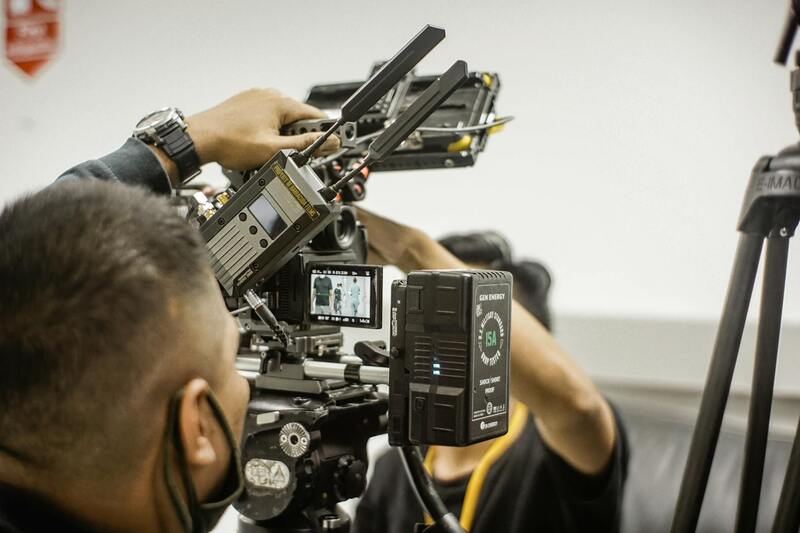 igure>
Technical Settings and Tips for Capturing Stunning Time Lapse Videos
Achieving high-quality time lapse footage hinges on meticulous technical setup and disciplined execution. Understanding the right camera configurations, interval settings, and additional gear ensures your project captures the essence of passage of time with clarity and visual appeal.
Camera Settings for Optimal Results
- Resolution and Frame Rate: Use the highest resolution available to preserve detail, especially when producing large or detailed scenes such as Miami skyline vistas or bustling street views. Set your camera to shoot in RAW or high-quality JPEG formats to maximize editing flexibility. For playback, a consistent frame rate of 24 or 30 fps makes the final video smooth and professional.
- Manual Focus and Exposure: Lock focus manually to prevent shifts during the shoot, especially when using autofocus which can cause shifting focus points. Adjust exposure settings manually to accommodate changing lighting conditions, ensuring overexposure or underexposure does not occur as weather or light changes. Use a neutral density filter if shooting in bright daylight to maintain correct shutter speed.
- White Balance: Set a fixed white balance to prevent color shifts throughout the sequence. This consistency guarantees that the color tone remains uniform in the final video, maintaining visual coherence.
Interval and Duration Settings
The interval determines the time between each shot, influencing the speed of the final time lapse. For cityscapes or busy streets, intervals of 1 to 3 seconds usually suffice, capturing motion without overly long gaps. For slower scenes, such as sunset transitions or cloud movements, longer intervals of 5–10 seconds may be appropriate. Extended shoots, often spanning several hours or even days, require planning to balance interval duration and total recording time, ensuring the final sequence adequately reflects the passage of time.
Using Proper Equipment and Accessories
- Sturdy Tripod or Rig: Stability is key. Use a professional-grade tripod or a dedicated time lapse rig to keep the camera steady over long periods. Consider motorized sliders or intervalometers for precise control over shot timing.
- Intervalometers and Remote Triggers: Employ intervalometers or wired/wireless remote controls to automate shooting sessions, reducing camera shake and enabling unattended operation. These devices also allow manual adjustments mid-shoot if necessary.
- Power Management: For extended shoots, use external power sources or high-capacity batteries to avoid interruptions. Verify battery life regularly and have spares on hand for shoots that last multiple hours or days.
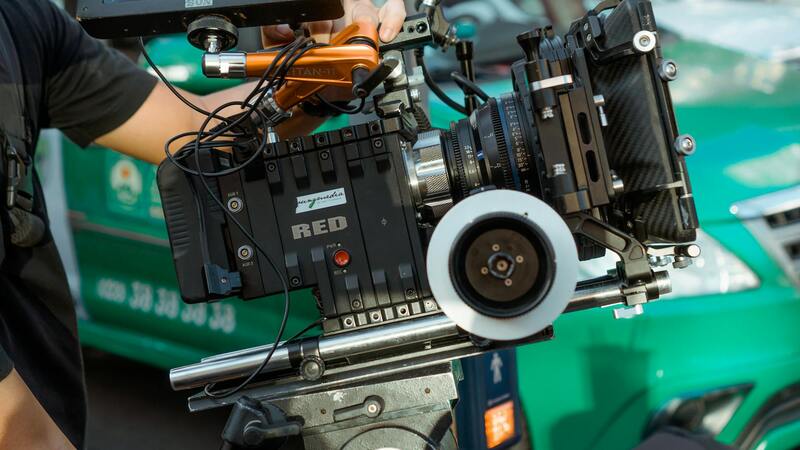
Monitoring During Recording
Continuous monitoring ensures your settings remain consistent, and the equipment functions properly throughout the session. Use a remote monitor or smartphone app when available, especially in challenging environments or when capturing intricate scenes where minor adjustments may be necessary.
Additional Technical Tips
- Temperature and Weather Precautions: Protect your gear against Miami’s diverse weather conditions, such as sudden rain or strong sunlight. Use weather-resistant covers when needed.
- Lens Choice: For expansive cityscapes, wide-angle lenses broaden the scene, emphasizing movement and atmospheric effects. Telephoto lenses are better suited for capturing specific details or distant motion, such as boats in Miami harbor or distant clouds.
- Consistency and Framing: Establish a solid composition before shooting. Mark the tripod position if possible, to ensure that framing remains identical throughout long captures.
Enhancing Your Time Lapse Video Recording with Professional Techniques
Creating stunning time lapse videos involves more than just capturing a series of images over a period. It requires meticulous attention to detail, technical proficiency, and efficient post-production processes to produce a polished, captivating final product. Here are some advanced strategies and practices to elevate your time lapse projects, ensuring they meet industry standards and showcase your vision effectively.
Optimizing Camera Settings for Seamless Playback
One of the key factors influencing the quality of your time lapse footage is the choice of camera settings. To achieve smooth, fluid motion, consider the following parameters:
- Frame Rate: Typically, 24 or 30 frames per second (fps) delivers cinematic quality. Adjust according to the desired final look; lower fps can give a more staccato effect, while higher fps results in super-smooth motion.
- Exposure: Maintain consistent exposure throughout the shoot to prevent flickering. Use manual exposure mode and consider bracketing techniques to manage dynamic lighting conditions.
- ISO Settings: Keep ISO as low as possible to minimize noise, especially in low-light scenarios. Use your camera’s native ISO or manually set it for consistency.
- Focus: Use manual focus to prevent the camera from refocusing automatically between shots, which can cause instability in your footage.
Implementing Advanced Shooting Techniques
Beyond basic setup, professional time lapse shooters adopt specific techniques to enhance their videos:
- Motion Control: Incorporate motorized sliders or robotic rigs to add controlled camera movement, creating dynamic and engaging scenes.
- Delta Shots: Combine time lapse with hyper-lapse or movement sequences for more dramatic storytelling.
- Exposure Blending: Capture multiple images at different exposures to handle high contrast scenes, then blend them in post-production for balanced brightness and detail.
Ensuring Consistency During Extensive Shoots
For any long-duration project, maintaining visual consistency is paramount. This involves:
- Stable Mounting: Use high-quality tripods or mounting rigs to eliminate camera shake.
- Weather Protection: Deploy weather-resistant casings or covers, especially in changing atmospheric conditions typical of Miami.
- Regular Checks: Periodically review captured images remotely when possible to verify settings and scene composition, allowing minor corrections without disrupting the flow.
Post-Production Techniques for Polished Results
After capturing the necessary footage, the editing phase is crucial for transforming raw images into a captivating video:
- Frame Rate Adjustment: Confirm that your sequence settings match the intended playback frame rate for smooth motion.
- Image Stabilization: Apply stabilization tools to reduce any residual camera shake, especially if hardware stability was compromised.
- Color Correction and Grading: Enhance visual appeal by adjusting color balance, contrast, and saturation to highlight Miami’s iconic cityscapes and natural landscapes.
- Flicker Reduction: Use dedicated plugins or software features to eliminate flickering caused by inconsistent exposure or lighting conditions.
- Speed Variations: Incorporate speed ramps or variable intervals to accentuate specific moments, such as sunsets or bustling city life.
Final Delivery and Sharing Strategies
Once the editing is complete, consider the optimal formats for distribution. High-resolution MP4 or MOV files are standard for online sharing, allowing viewers to appreciate the dynamic scenes of Miami. For professional presentations, ensure your video is color-calibrated and processed for the intended display environment, whether large screens or digital billboards.