
Understanding Timelapse Production
Timelapse production is a captivating filmmaking technique that involves capturing a series of photographs at set intervals over a period and then playing them back at a faster speed to create the illusion of time moving quickly. This method is widely used to illustrate processes that evolve slowly over hours, days, or even months, such as cityscape growth, natural phenomena, or construction progress. The core benefit of timelapse lies in its ability to compress extensive periods into a short, engaging visual experience, offering viewers a unique perspective on change and development.
In professional settings, timelapse is an invaluable tool for visual storytelling across various industries. Real estate developers use it to showcase the progress of large-scale building projects, while event organizers employ it to capture the energy and scope of festivals or concerts. In environmental projects, timelapse sequences highlight landscape transformations and ecological impacts. Its versatility extends further to marketing campaigns, documentary filmmaking, and infrastructure monitoring, making it an essential component of modern video production.
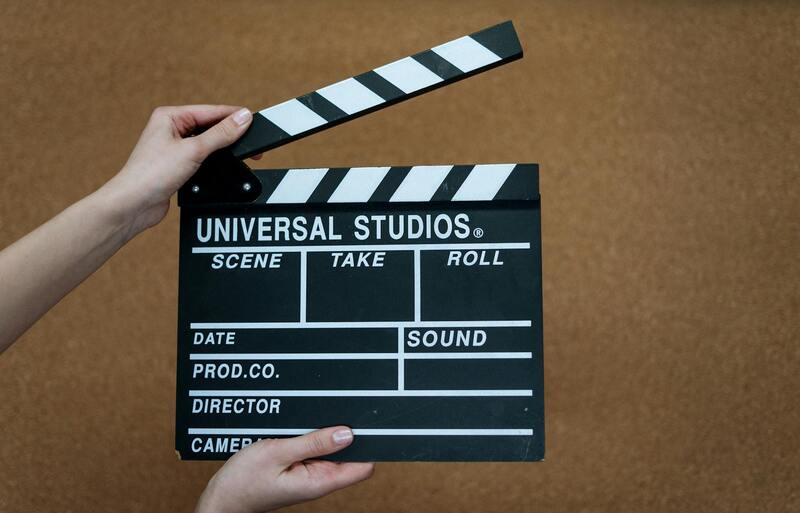
Producing a compelling timelapse requires meticulous attention to detail during each phase of the process, from planning and equipment selection to shooting and post-production. Successful projects often depend on understanding the technical and creative nuances involved, which ensures the final product effectively communicates the intended story or message. Professionals in Miami, well-versed in diverse environments and urban landscapes, leverage timelapse as a powerful visual tool, enhancing the impact of their multimedia projects.
The technique’s ability to condense complex, lengthy processes into digestible visual narratives not only increases viewer engagement but also provides valuable insights for clients and stakeholders. Whether documenting a construction site or capturing natural phenomena, timelapse production offers a dynamic method to visualize progress and change over time with clarity and aesthetic appeal. As an integral part of the toolkit for modern video content creators, understanding the fundamentals of timelapse production lays the foundation for achieving outstanding results in diverse professional contexts.
Pre-Production Planning for Timelapse
Effective timelapse production begins long before the camera starts rolling. A comprehensive pre-production plan ensures that every shot aligns with the project's goals and technical requirements. This phase involves detailed shot selection, where the narrative or visual objective dictates specific scenes or sequences to capture. Location scouting plays a crucial role, requiring thorough assessment of potential sites to identify optimal viewpoints, lighting conditions, and accessibility. Scout multiple locations and consider factors such as weather patterns and natural lighting cycles, as these elements will influence the timing and framing of shots.
Scheduling is another vital component. Timelapses often span hours, days, or even weeks, necessitating careful planning to synchronize with natural light conditions or specific environmental changes. It’s important to account for the time of day, seasonality, and any logistical constraints. Creating a shot list or storyboard allows the production team to visualize each frame's purpose, ensuring consistency and clarity throughout the project.
Equipment logistics must also be addressed during this stage. Determine the necessary camera gear, power sources, and stabilization tools. Securing permits or permissions for public or private locations is essential to proceed smoothly. This planning phase ultimately minimizes unforeseen challenges during shooting and sets a clear direction for the production process, facilitating efficient use of resources and time.
Choosing the Right Equipment for Timelapse
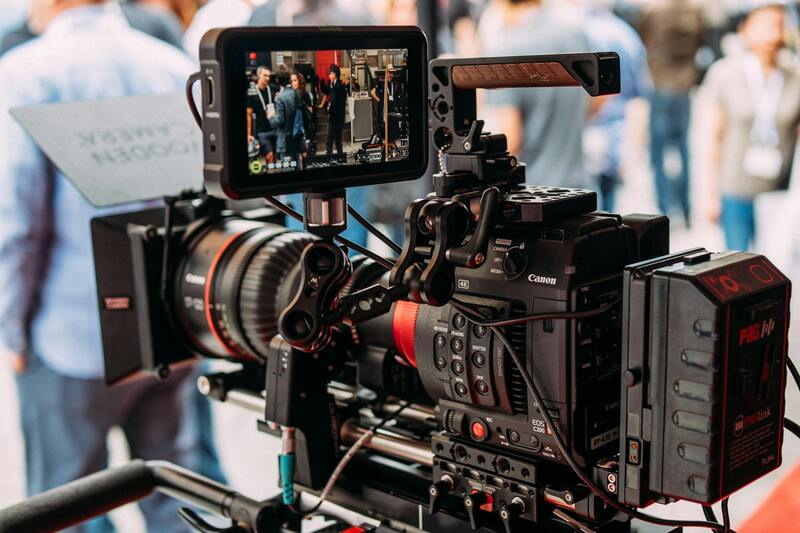
Selecting appropriate equipment is fundamental to capturing high-quality timelapse footage. Cameras used should offer manual control over settings like shutter speed, aperture, ISO, and focus to maintain consistency across frames. A reliable intervalometer or built-in interval shooting capabilities are essential for automatic frame capture at defined intervals. High-resolution cameras with good low-light performance afford greater flexibility for shoots in varied lighting conditions.
Tripods and stabilization equipment ensure steady shots, preventing jitter that can detract from the final video. For long-duration timelapses, weather-resistant gear is beneficial to withstand outdoor environments. Additional accessories such as ND filters can manage exposure during bright conditions, while extra batteries or portable power sources extend shooting durations.
Remote monitoring tools allow operators to oversee footage remotely, minimizing disturbance at sensitive locations. When selecting equipment, consider the specific requirements of the scene—whether it involves fast-moving objects, changing light, or intricate details—and choose tools that maximize image quality and operational reliability.
Best Practices for Shooting Timelapse
To achieve smooth, visually appealing timelapses, adherence to best shooting practices is crucial. Consistency in camera settings is vital—maintain the same exposure, focus, and white balance throughout the sequence to prevent flickering or shifting exposure. Using manual focus prevents focus shifts caused by auto-focus adjustments over time.
Frame intervals should be chosen based on the subject and motion speed. For slower changes, a longer interval captures the transformation effectively, whereas rapid movements may require shorter intervals. Pre-visualize the shot to establish the ideal framing and test intervals during initial captures.
Securing the camera firmly, with a stable tripod or mount, minimizes vibrations and accidental shifts. Protect equipment from environmental elements, especially in outdoor shoots, by using weatherproof cases or covers. Regularly monitoring the shot during lengthy sessions ensures consistent quality and allows adjustments if conditions change.
Applying these techniques results in fluid, captivating sequences that convey the intended story or process with clarity and aesthetic finesse.
Post-Production Processes for Timelapse
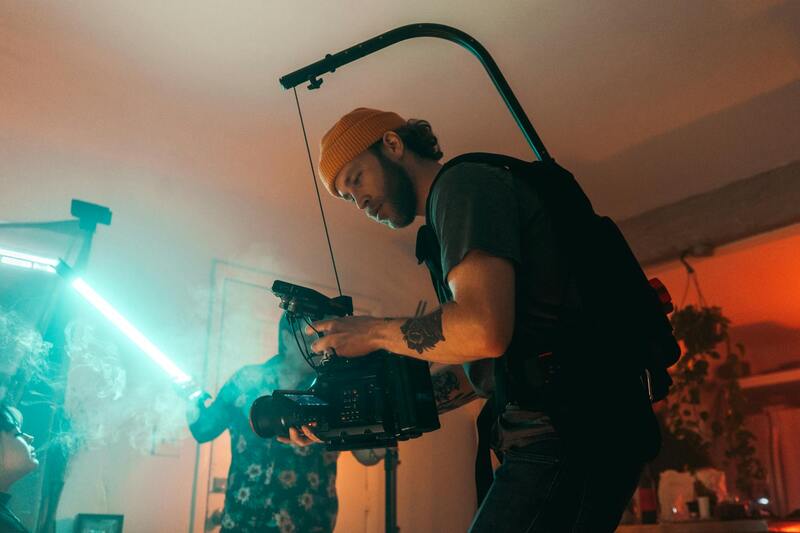
The post-production phase transforms a series of still images into a cohesive, engaging video. Initial steps involve selecting the best frames and assembling them into a sequence using professional editing software. Consistency in exposure and color grading across frames enhances visual coherence.
Stabilization tools may be applied to correct minor shakes or jitters that escaped during shooting. Frame rates are adjusted to match the desired motion fluidity; standard frame rates are typically 24 or 30 frames per second. Timing adjustments, such as changing the speed of playback, can emphasize particular aspects of the process or transition effects.
Color correction and grading further refine the aesthetic, enhancing contrast, vibrancy, and mood. Sound design or background music, when added, complements the visual narrative. Export formats should be optimized for the intended platform, whether for web, broadcast, or large-format display.
The meticulous editing process is essential for delivering a polished, professional-quality timelapse that effectively communicates the intended message or story.
Choosing the Right Equipment for Timelapse
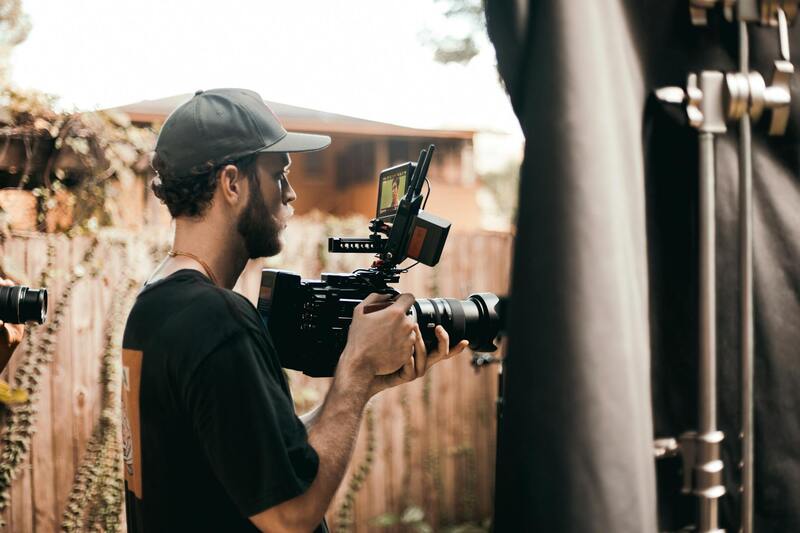
Securing the appropriate equipment is a pivotal step to achieve stunning timelapse footage that captures the dynamic essence of the subject over time. The cornerstone of a successful timelapse shoot is a reliable camera capable of manual control over exposure, focus, and white balance, allowing for consistent image quality throughout the sequence.
Intervalometers play a crucial role by automating shot intervals, enabling the camera to capture images at predetermined times without manual intervention. High-quality intervalometers not only facilitate precise timing but also support advanced functions such as power management and interval adjustment, which are essential for long-duration shoots.
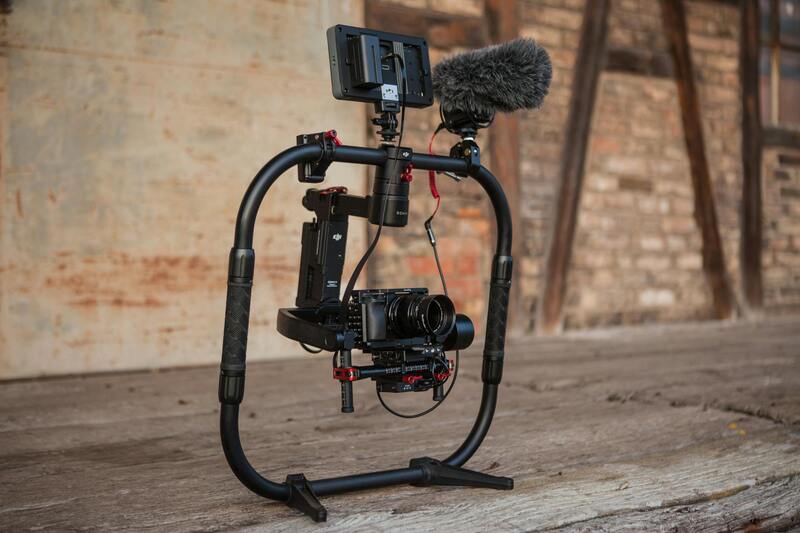
Stabilization equipment is fundamental to ensure sharp, shake-free images. Tripods are standard, but for more complex scenes or on uneven terrain, gimbals, monopods, and drone stabilization systems expand creative possibilities and improve overall footage quality. Additionally, motorized sliders or track systems can add dynamic movement to timelapse sequences, creating engaging visual effects.
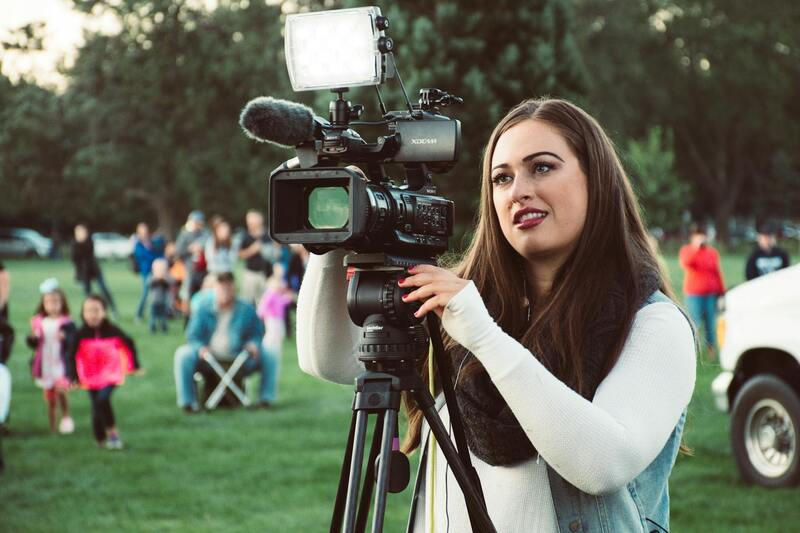
Accessories such as multiple lens options, ND filters, and external power sources further enhance the flexibility and duration of shooting sessions. Wide-angle lenses are particularly favored for capturing expansive landscapes or cityscapes, providing a comprehensive view and emphasizing scale.
Best Practices for Shooting Timelapse
Establishing optimal shooting parameters begins with meticulous planning. Selecting the appropriate interval is contingent upon the subject’s rate of change; faster scenes like traffic flow require shorter intervals, while slower processes such as star trails benefit from longer ones. Consistent camera placement is vital to maintain framing and perspective, especially for multi-session shoots or time-lapse sequences involving camera movement.
Environmental considerations also influence shooting strategies. Protecting equipment from weather elements with weatherproof housings or covers ensures uninterrupted recordings. Monitoring ambient light conditions helps to adjust camera settings proactively, preventing overexposure during bright periods or underexposure in low-light scenarios. Using manual focus and disabling automatic settings avoid fluctuations that could detract from visual consistency.
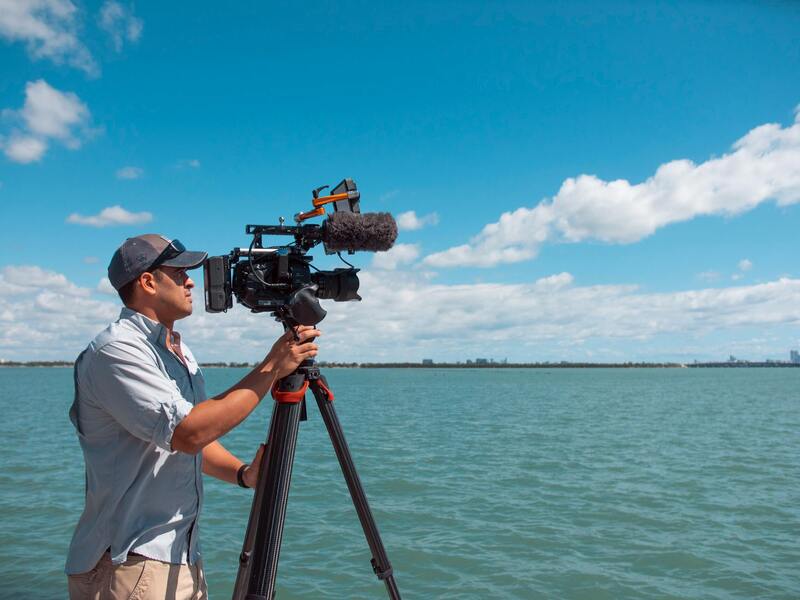
Timing and patience are the backbone of successful timelapse production. Frequent checks, especially during multi-hour or multi-day shoots, can help identify and correct potential issues early. Employing remote monitoring tools allows for adjustments without disturbing the scene, preserving the shot’s integrity.
With strategic planning, precise equipment setup, and attentive field practices, timelapse creators can capture visually compelling narratives that showcase transformation over time, whether it involves urban development, natural phenomena, or artistic installations. These efforts set the foundation for post-production and ensure the final output is of professional caliber and engaging storytelling quality.
Equipment Maintenance and Troubleshooting in Timelapse Production
Maintaining optimal equipment performance is fundamental to achieving high-quality timelapse footage. Regular inspection of camera gear, including lenses, mounts, and power sources, ensures reliability throughout extended shooting sessions. Dirt, dust, or debris can compromise image clarity or cause mechanical issues; thus, routine cleaning and care are essential.
Troubleshooting common issues such as camera overheating, battery drainage, or connectivity problems involves understanding the specific demands of timelapse shooting. Implementing redundant power sources, such as extra batteries or portable power banks, mitigates power loss during prolonged shoots. Likewise, using reliable, high-capacity memory cards minimizes data transfer interruptions or storage failures.
Technical glitches such as misfiring intervals, focus drift, or exposure inconsistencies can be addressed with meticulous pre-shoot testing. Conducting trial runs allows operators to identify potential problems early, adjusting camera settings or mount stability before the actual recording begins.
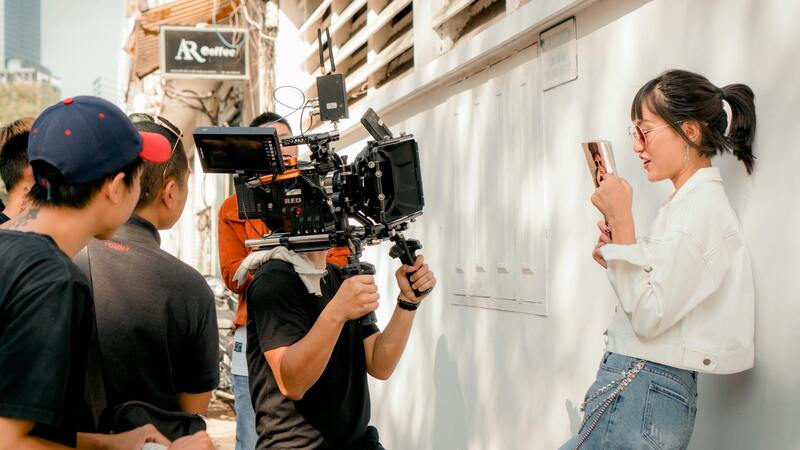
Key Considerations for a Successful Timelapse Workflow
- Pre-visualize the final sequence to guide equipment choices and shot planning.
- Calibrate camera settings meticulously to maintain consistency across all frames.
- Schedule periodic equipment checks during shoots, especially for multi-day projects.
- Implement data management protocols to organize and preserve captured sequences.
- Use stabilization tools such as gimbals or monopods to reduce unwanted camera movement.
By adhering to rigorous maintenance routines and troubleshooting systematically, creators can minimize the risk of disruptions, ensuring a smooth production process from initial setup through to the final render.
Techniques for Seamless Editing and Finalizing Your Timelapse
Post-production plays a crucial role in transforming a series of still images into a captivating timelapse video. The editing process requires meticulous attention to detail to ensure the final sequence is smooth, visually compelling, and true to the envisioned concept. Advanced editing workflows incorporate several key stages, including stabilization, color correction, and frame assembly, each contributing to the overall quality of the final product.
Initially, stabilizing your captured footage is essential, especially if the shooting involved handheld setups or unstable mounts. Professional video editing software offers sophisticated stabilization tools that correct subtle camera shakes and jitters, resulting in a polished look. After stabilization, color grading enhances the mood and visual appeal, allowing editors to adjust contrast, saturation, and luminance levels for consistency across the sequence. Proper color correction ensures that the timelapse maintains visual coherence, even when shot over varying lighting conditions.
The core of the editing process involves assembling the images into a fluid video. This step requires precise timing and sequencing to create a seamless flow that reflects the intended passage of time. Modern software solutions provide options for adjusting frame rates, adding transitions, or applying motion effects to improve continuity. For multiday shoots or complex scenes, blending techniques may be employed to mask abrupt lighting changes, creating a unified and immersive experience.
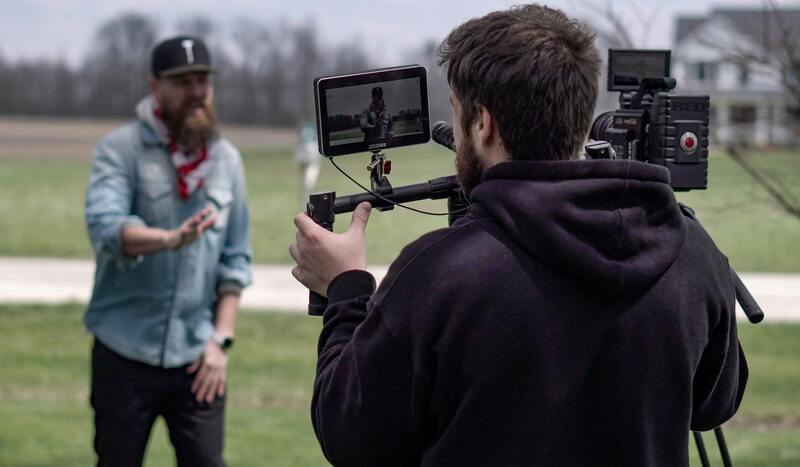
Efficient data management during post-production is vital; organizing images into labeled folders, backing up project files, and maintaining version control streamline the workflow and prevent loss of valuable data. Assembling a high-quality timelapse requires patience and precision, but leveraging advanced editing tools and techniques ensures the final output meets professional standards and achieves the desired storytelling impact.
Advanced Techniques in Timelapse Production
Mastering timelapse production involves adopting sophisticated techniques that elevate the quality and storytelling potential of the footage. One such method is interval control, where adjusting the shooting intervals allows filmmakers to tailor the perceived speed of the scene. For instance, longer intervals can dramatize slow-moving phenomena such as clouds drifting or construction projects progressing gradually, while shorter intervals are suitable for capturing rapid transformations like bustling city streets or setting sunrises.
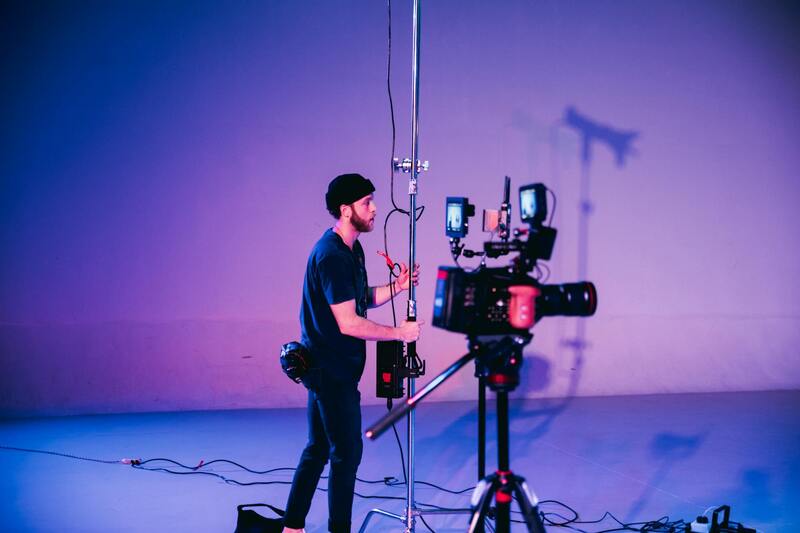
Another essential technique is motion control. Utilizing motorized sliders, cranes, or dollies equipped with programmable motion systems enables the creation of dynamic camera movements within timelapse sequences. This adds depth and cinematic flair, making static scenes more engaging and visually compelling. Moreover, implementing hybrid timelapses—combining still images with video footage—can enhance narrative storytelling by providing smoother transitions and more flexibility during editing.
Careful attention to exposure and focus settings is critical during shooting. Maintaining consistent exposure prevents flickering and visual disruptions, while focus stacking or manual focus adjustments ensure sharpness throughout extended shoots. Additionally, employing ND filters (neutral density filters) helps regulate light intake in bright conditions, enabling proper exposure without sacrificing image quality.
Managing Data During Post-Production
Handling the substantial data generated during timelapse shoots calls for rigorous organization and backup procedures. High-resolution images and video files should be stored in clearly labeled directories according to date, scene, or camera. Employing dedicated external drives and cloud storage options ensures secure data preservation and facilitates easy access during editing. Version control through systematic naming conventions allows editors to track modifications, experiment with different effects, and recover previous iterations if needed.
Following effective data management, the editing process involves assembling images into a seamless sequence, which requires meticulous frame-by-frame review to identify and remove any anomalies or inconsistencies. Software platforms with timeline-based editing capabilities enable precise frame alignment, color correction, and stabilization. Incorporating smooth transitions and motion effects further refines the visual flow, while audio can be added to enhance the storytelling dimension.
Enhancing the Final Output
Color grading plays a pivotal role in setting the tone and mood of a timelapse. Adjustments to contrast, saturation, and luminance should be applied consistently across all frames to maintain visual harmony. For scenes taken over various lighting conditions, advanced tools like masking and selective color correction are invaluable for achieving a cohesive look.
When the assembly and color enhancement are finalized, exporting in the proper resolution and format ensures the footage’s compatibility with various platforms and display settings. High bit-rate encoding preserves image quality, especially for large displays or cinematic presentations. Additionally, adding subtle visual effects such as lens flare or simulated camera movement can further enhance the immersive experience of the finished timelapse.
Legal and Permitting Considerations in Miami
Successfully executing a timelapse production within Miami requires thorough understanding of the city's regulations concerning aerial and on-site filming. Securing appropriate permits and adhering to local ordinances ensures that your project proceeds smoothly without legal interruptions. Engaging with Miami's city authorities or relevant agencies early in the planning process can facilitate the acquisition of necessary permissions, whether for drone flights, public location filming, or industrial site access.
When planning to shoot in public spaces, such as parks, beaches, or downtown areas, it's essential to notify authorities and adhere to specific guidelines concerning safety and privacy. For drone-based timelapses, operators must often obtain special flight authorizations and adhere to FAA regulations, particularly in urban environments where airspace restrictions may be in place.
In addition to permits, understanding Miami's zoning laws and restrictions related to filming times can help prevent delays. Certain areas might have restrictions on filming hours or require additional insurance coverage. Working with experienced local production companies can streamline this process, as they are familiar with city-specific protocols and can navigate bureaucratic procedures efficiently.
Securing permits not only prevents unforeseen disruptions but also demonstrates professionalism, reassuring clients and stakeholders that the project is managed responsibly. Additionally, adherence to environmental guidelines, such as avoiding sensitive habitats or respecting private property boundaries, is crucial for maintaining good community relationships and upholding ethical standards in production.
Consulting local legal advisors or production specialists can provide tailored guidance aligning with Miami’s specific filming regulations. This proactive approach ensures that the creative vision is realized within the framework of local policies, preserving the integrity and efficiency of the timelapse project.
Finalizing the Timelapse Production Process Through Expert Post-Production Techniques
Post-production stands as a pivotal phase in transforming raw timelapse footage into visually compelling narratives that resonate with audiences and clients alike. This stage involves meticulous editing, color grading, stabilization, and enhancement techniques that elevate the quality of the final product while ensuring it aligns perfectly with the project’s objectives. Mastery over these processes not only refines the aesthetic appeal but also contributes significantly to the overall storytelling effectiveness of the timelapse.
During post-production, editors begin with organizing and reviewing the extensive collection of images or footage captured during filming. This step is crucial to identify the best sequences and ensure consistency in visual quality across all frames. The selection process is often guided by the intended message of the project, whether it aims to highlight architectural changes, natural phenomena, or urban transformations in Miami.
Color grading plays a vital role in establishing mood and atmosphere. Adjustments to exposure, contrast, saturation, and color balance help to create a cohesive visual flow that enhances the footage's clarity and impact. For timelapse videos, maintaining natural transitions while emphasizing specific visual elements can significantly improve viewer engagement. Detailed attention to color harmony ensures the footage accurately represents the subject matter, whether it’s a vibrant cityscape or a serene natural landscape.
Stabilization is often a critical component, especially if shots were captured using handheld cameras or in challenging conditions. Advanced stabilization tools and software can smooth out unwanted jitter, providing a polished, professional appearance that maintains viewer immersion. Additionally, noise reduction and sharpening techniques improve image clarity, which is essential for high-quality, large-scale presentations.
Editing software such as Adobe Premiere Pro, Final Cut Pro, or DaVinci Resolve offers a comprehensive suite of tools tailored for timelapse projects. These tools allow precise control over speed variations, transition effects, and overlay integration, enabling creators to craft a seamless narrative flow. Incorporating motion effects and overlays can further accentuate visual storytelling, providing context or highlighting specific moments within the timeline.
Sound design, though sometimes overlooked, plays an important role when syncing audio with visual footage. Ambient sounds, background music, or narration can significantly enhance the emotional impact of the timelapse, making it more immersive and memorable. Proper synchronization and sound mixing are vital to achieving a cohesive final product that appeals to diverse audiences.
Beyond visual and audio editing, exporting the finished timelapse in various formats and resolutions ensures compatibility across multiple platforms, from social media to large-scale presentations. Maintaining high resolution and appropriate compression settings preserves image quality while optimizing file sizes for efficient distribution.
Incorporating feedback loops during post-production allows for refinements based on client or stakeholder input. This collaborative process guarantees that the final product aligns with the intended visual narrative and meets specific project requirements.
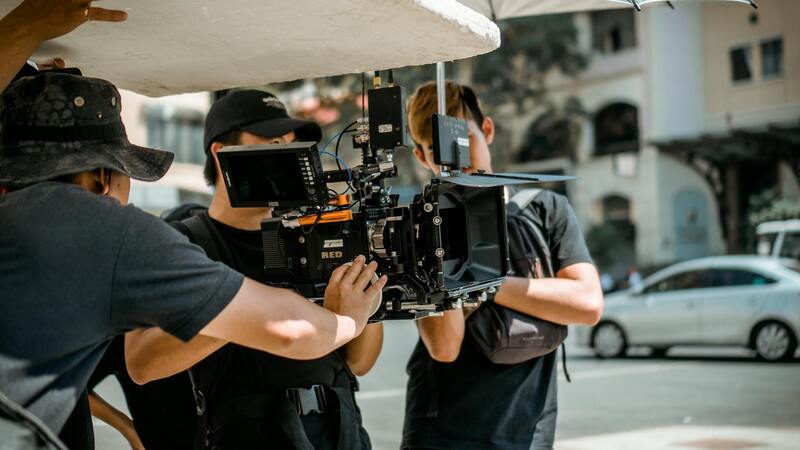
Executing comprehensive post-production processes with precision ensures timelapse footage not only captures the essence of Miami's vibrant transformation but also stands out as a professional, engaging visual asset. The investment in advanced editing techniques and tools affords ultimate control over the final presentation, reinforcing the overall impact and effectiveness of the project.