
Understanding Timelapse Recording
Timelapse recording is a specialized technique in videography that involves capturing a sequence of images at set intervals over an extended period, then playing these images back at a standard frame rate to create a fast-paced summary of a scene or process. This method effectively condenses hours, days, or even months into a few minutes of compelling footage, allowing viewers to observe changes and progress that are often imperceptible in real-time.
The primary purpose of timelapse recording is to showcase dynamic transformations within a setting, such as urban development, natural phenomena, or industrial projects. It is widely used across various industries for promotional content, project documentation, or artistic expression. Unlike standard video filming, which captures each moment in real time, timelapse emphasizes the passage of time, highlighting movement and change in a visually engaging manner.
Techniques involved in timelapse creation include choosing appropriate intervals between shots, setting stable camera mounts to prevent shaking, and controlling exposure to adapt to lighting conditions over long periods. These techniques demand meticulous planning and equipment capable of operating reliably over lengthy shooting sessions. The resulting footage can reveal patterns, growth, and transitions that may go unnoticed without such an accelerated perspective.

Understanding the fundamental principles of timelapse recording establishes a foundation for professionals in Miami and beyond to produce high-quality content that effectively communicates changes in their projects. Whether documenting construction, natural events, or cityscapes, mastering this technique enriches a videographer's portfolio and provides clients with powerful visual narratives that stand out in a competitive market.
Understanding Timelapse Recording
Timelapse recording involves capturing a series of still images at preset intervals over a designated period. These images are then compiled into a sequence that, when played back at normal speed, creates a compelling visualization of change and movement. Skilled videographers and production teams leverage this technique to document ongoing processes with striking clarity and artistic impact.
One of the central elements of effective timelapse recording is the selection of appropriate shot intervals, which must be calibrated to match the speed of the subject's change. For example, a slow cloud movement might require a longer interval between shots, whereas a bustling construction site might benefit from shorter pauses to capture rapid activity. Setting these intervals meticulously ensures the final footage remains both smooth and expressive.
Stability of the camera setup is critical; any unintended movement or shake can detract from the professional quality of the footage. Typically, a tripod or a motorized slider equipped with a reliable stabilization system is used to maintain a steady framing throughout the shoot.
Control over exposure settings is equally important. Since lighting conditions can change dramatically during long recording sessions—especially for outdoor projects—using manual exposure settings helps maintain uniformity. This approach prevents flickering and ensures a harmonious appearance across the compiled frames.
The choice of equipment directly influences the quality and durability of the timelapse project. Cameras with intervalometers or built-in timelapse modes are preferred, as they allow for precise control over shot timing. Additionally, high-capacity memory cards and power sources such as external batteries or solar panels enable extended shooting sessions, decreasing the need for frequent intervention.
Preparing for a timelapse recording extends beyond equipment considerations. Environmental factors—including weather conditions, lighting changes, and potential obstructions—must also be planned for to avoid disruptions. Advanced planning ensures that the process proceeds smoothly and the resulting footage aligns with the intended storytelling or documentation goals.
Setting Up for a Timelapse Shoot
Effective setup begins with a clear understanding of the subject and the desired visual outcome. Location scouting allows videographers to determine the optimal vantage point, considering factors such as lighting, movement, and potential obstacles that could interfere with the shot. Once the ideal spot is identified, stabilizing the camera environment becomes a top priority.
Choosing the right camera mount is essential. Tripods are the most common choice, offering stability and flexibility for most environments. For more complex or long-duration shoots, motorized sliders or robotic motion control systems can introduce dynamic movement and precise timing adjustments. These systems help achieve complex effects like camera pans, tilts, or zooms over extended periods.
Lighting considerations include planning for natural shifts in light throughout the day. Techniques such as bracketing exposure or using neutral density filters can mitigate issues arising from high contrast, ensuring the footage remains evenly exposed and visually consistent.
The environment itself can pose challenges. Weatherproofing equipment or selecting sheltered locations prevents weather-induced disruptions. Similarly, ensuring power sources are replenished—through portable batteries or solar power—can extend recording times, especially in remote or outdoor settings.
Best Practices for Timelapse Photography
- Previsualize the final sequence to determine appropriate interval settings and duration.
- Secure the camera to prevent accidental movements during long recordings.
- Regularly monitor the equipment to check for potential issues without disturbing the setup.
- Use manual focus to maintain consistent sharpness throughout the session.
- Adjust exposure settings dynamically if necessary, using techniques like exposure ramping or graduated filters.
- Plan for adequate storage and power solutions to support prolonged shoots.
- Test the setup with shorter trial runs to fine-tune camera settings and intervals before the main recording.
- Ensure the environment remains uncontaminated by dust, water, or other elements that could damage gear during the shoot.
Editing and Enhancing Timelapse Footage
After capturing the images, consistent workflow involves importing the frames into editing software capable of assembling high-resolution sequences. Color correction and contrast adjustments are often necessary to enhance visual coherence, especially if lighting conditions varied during the shoot.
De-flickering techniques can be applied to remove any inconsistencies caused by exposure variations, ensuring the sequence plays smoothly. Additionally, adding music, titles, or overlays can elevate the final piece, making it more engaging or suited for professional presentations.
For prolonged projects, segmenting the sequence into chapters or themes allows for better storytelling and easier navigation in the final output. Exporting in high-quality formats preserves detail and ensures the footage effectively communicates the transformation over time.
Leveraging advanced editing features, such as speed ramps or motion effects, can add a dynamic dimension to the timelapse, highlighting particular moments or emphasizing rapid changes in the scene. These enhancements should adhere to best practices to maintain a polished and realistic appearance.
Understanding Timelapse Recording
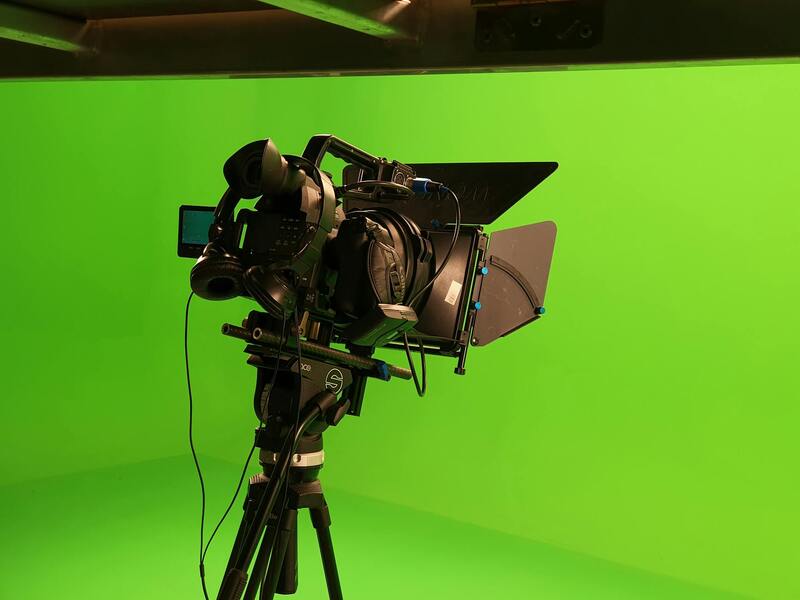
Timelapse recording is a specialized technique that involves capturing a series of images at predetermined intervals over an extended period. When these images are played back at a standard frame rate, they create a video that compresses hours, days, or even months into a matter of minutes, revealing processes and transformations that are otherwise imperceptible in real-time. The core principle of timelapse recording is the precise control of the interval between shots. Choosing the appropriate interval depends largely on the subject and the desired speed of the final sequence. For instance, capturing a sunrise may require intervals of one to five seconds, while documenting construction progress over several months might necessitate shots every few hours. Consistency in timing is crucial to maintain a smooth and coherent visual flow. To achieve high-quality results, the filming environment must be managed carefully. This includes ensuring stable camera positioning, stabilizing the shot against vibrations, and maintaining consistent exposure and focus settings throughout the sequence. Modern timelapse workflows leverage advanced cameras with built-in intervalometers or external intervalometers that automate the capture process, reducing manual intervention and ensuring uniformity. A critical aspect involves managing data storage and power supply. Long-duration recordings generate significant amounts of data, requiring ample storage solutions, such as high-capacity SD cards or external drives, along with backup strategies. Power management, through AC adapters, portable batteries, or solar solutions, ensures uninterrupted operation over extended periods. Additionally, environmental factors like weather conditions, dust, water exposure, and temperature variations can impact gear performance. Protective enclosures or atmospheric shields are often employed to safeguard equipment. Proper calibration of camera settings, including white balance, ISO, and shutter speed, is vital, especially when lighting conditions fluctuate. Professional timelapse recording also benefits from synchronization of multiple cameras to cover wide areas or different angles simultaneously. This setup is particularly advantageous for capturing expansive construction sites, cityscape transformations, or large-scale events. Post-shoot, the collected frames undergo a meticulous editing process, where they are imported into specialized software for assembly, color grading, and effects enhancement. By adhering to stringent technical standards and meticulous planning, timelapse recording can produce compelling visual narratives that highlight dynamic changes, architectural developments, environmental shifts, or event progressions with clarity and artistic quality, making it a valuable tool across various industries and creative projects.
Understanding Timelapse Recording
Timelapse recording involves capturing a sequence of images at set intervals over an extended period and then assembling them into a fast-paced video. This technique effectively visualizes processes that occur slowly or over long durations, transforming them into engaging visual stories. For professionals in Miami aiming to document transformations, construction projects, or city life, mastering proper techniques ensures the footage is both technically sound and visually captivating.
Key to successful timelapse creation is the precise control of camera settings. This includes determining appropriate frame intervals, which are crucial for balancing the duration of the recording and the speed of the final video. For instance, capturing a sunrise transition might require shots every few seconds, whereas documenting the construction of a building over several months might necessitate images taken once daily or even weekly. Consistency in camera positioning and exposure settings is essential to produce seamless sequences without flickering or abrupt changes.
Another critical aspect is understanding environmental factors. Miami's varying weather conditions, from intense sun to sudden thunderstorms, can influence image quality. Protective gear such as weatherproof enclosures or atmospheric shields help maintain equipment integrity. Furthermore, reliable power sources must be secured; portable batteries, solar panels, or continuous power through AC adapters enable uninterrupted operation, especially for long-term projects.
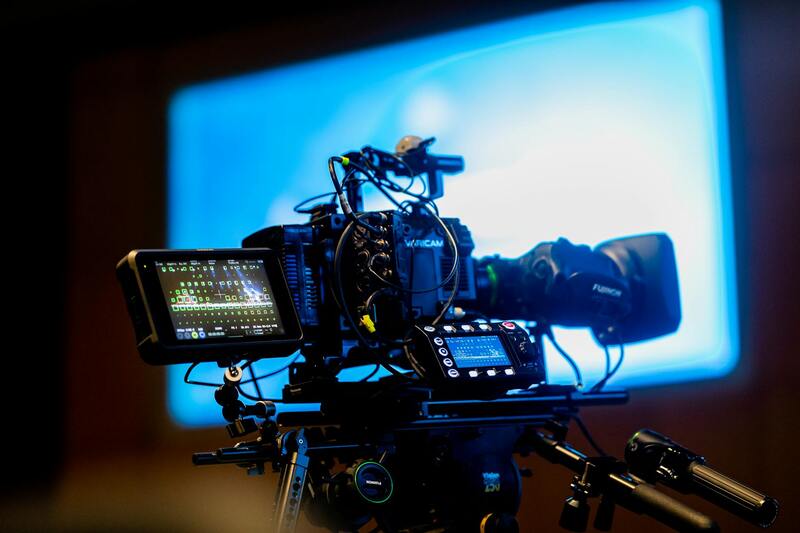
An often-overlooked element is data management. The substantial file sizes generated during prolonged shoots require organized storage solutions—high-capacity SD cards, external drives, or network-attached storage systems. Regular backups are vital to prevent data loss and to safeguard the integrity of the project. Post-shoot, the collected frames are imported into editing software where they are aligned, color corrected, and sometimes stabilized to enhance the final output.
Achieving a professional look in timelapse recordings not only depends on the equipment but also on meticulous planning. This encompasses selecting optimal locations, considering lighting conditions, and ensuring camera stability throughout the shoot. Camera mounts or tripods with vibration reduction capabilities can prevent unintended movement, preserving the sequence's visual coherence. Understanding the progression of natural light within Miami's unique environment helps in setting exposure parameters that account for midday brightness as well as twilight softness.
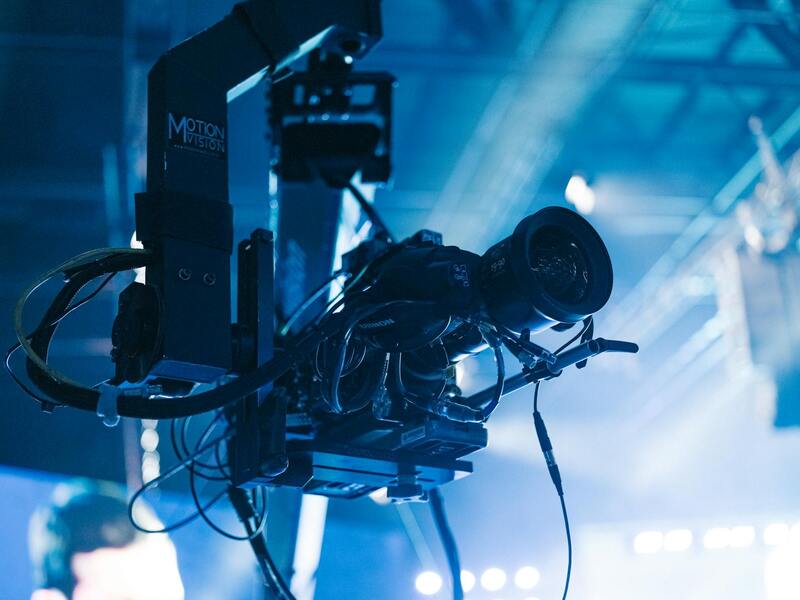
Advanced setups may include multiple synchronized cameras capturing different angles or wide-area panoramic shots, providing multidimensional perspectives of large-scale projects or cityscapes. These complex arrangements demand synchronization hardware and software, ensuring all devices operate seamlessly to produce cohesive footage. Post-processing then involves stitching multiple sequences into a comprehensive narrative, highlighting the evolution of urban development or environmental changes with clarity and aesthetic appeal.
In summary, technical precision, environmental resilience, effective data management, and strategic planning are fundamental to creating high-quality timelapse recordings in Miami. When executed properly, these projects vividly showcase the city's dynamic growth, vibrant life, and natural transformations, serving as powerful visual documents across multiple industries and creative domains.
Choosing the Right Camera Equipment for Timelapse Recording in Miami
Opting for suitable camera gear is fundamental to capturing high-quality timelapse footage in Miami's diverse environments. The selection process involves evaluating camera capabilities, lens options, and auxiliary equipment tailored to the specific project requirements. Hybrid DSLR or mirrorless cameras with manual controls and high-resolution sensors are preferred for their adaptability and detailed image capture. These cameras should support interval shooting modes, enabling precise control over shooting intervals, which directly impacts the smoothness and pacing of the final timelapse.
Lens selection plays a crucial role in framing the scene effectively. Wide-angle lenses are typically used for cityscapes, capturing expansive skylines and the vibrancy of Miami's urban life. For closer, detailed shots such as construction progress or natural features, telephoto lenses can be employed to focus on specific subjects while compressing perspective.
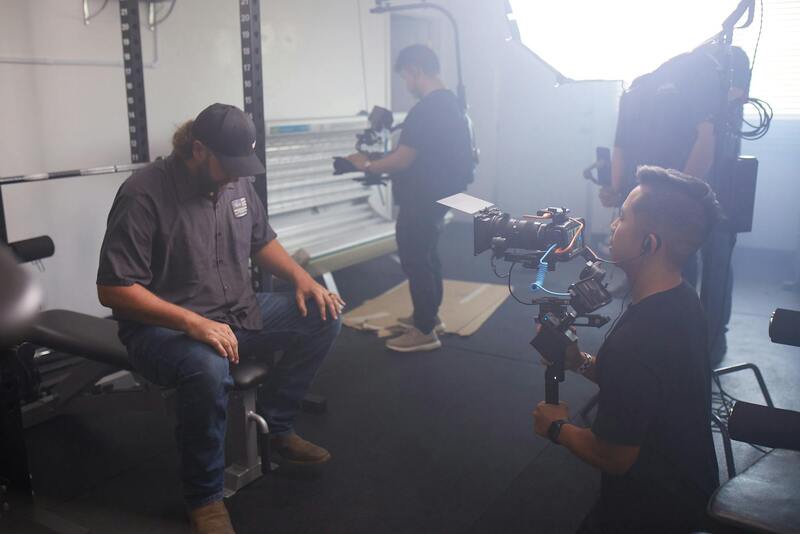
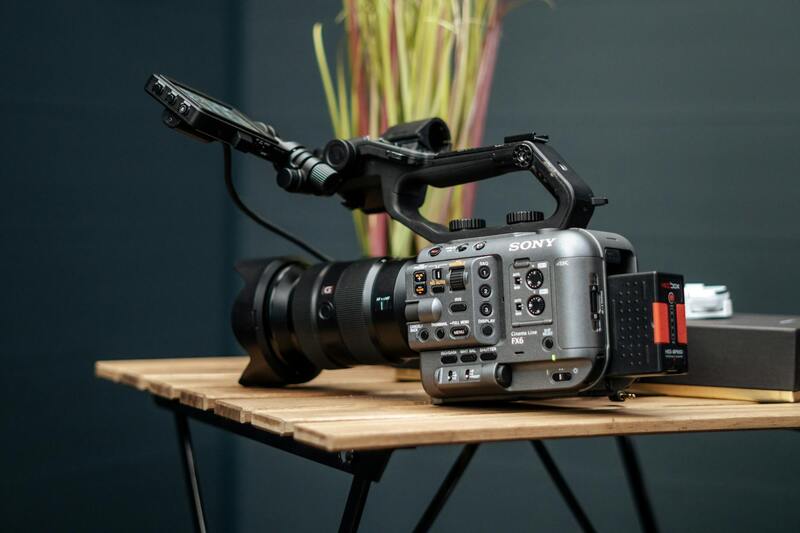
Additional equipment enhances the timelapse process. Sturdy tripods or motorized camera mounts ensure stability, especially during extended shoots where minor vibrations can affect the footage's clarity. Intervalometers, either built-in or external, facilitate precise timing between shots, allowing customization of intervals based on the scene's activity level and the desired speed of the final sequence. For low-light conditions, such as dawn or twilight, cameras with high ISO performance and good noise reduction capabilities are essential.
Implementing Proper Camera Settings for Miami Timelapses
Achieving optimal results demands careful calibration of camera settings before beginning the recording sequence. Proper exposure settings depend on the lighting conditions: utilizing manual mode allows precise control over aperture, shutter speed, and ISO. During periods of changing light, such as sunrise or sunset, employing bracketing techniques and HDR processing can help maintain consistent exposure and preserve scene details.
Focusing is equally important. Manual focus is recommended to prevent autofocus adjustments that could introduce inconsistencies. Focus should typically be set on a point at the scene's hyperfocal distance, ensuring both foreground and background remain sharp throughout the shoot. For scenes with minimal movement, such as cityscapes, locking focus reduces the risk of focus shifts.
Environmental Considerations in Miami
Miami's weather variability, including humidity and sudden storms, necessitates protective measures for camera equipment. Using weatherproof housings or barriers can shield gear from moisture and dust. Additionally, planning around Miami's lighting conditions—ranging from intense midday sun to softer twilight—helps in setting accurate exposure and white balance settings, resulting in footage that accurately portrays the city's vibrant life.
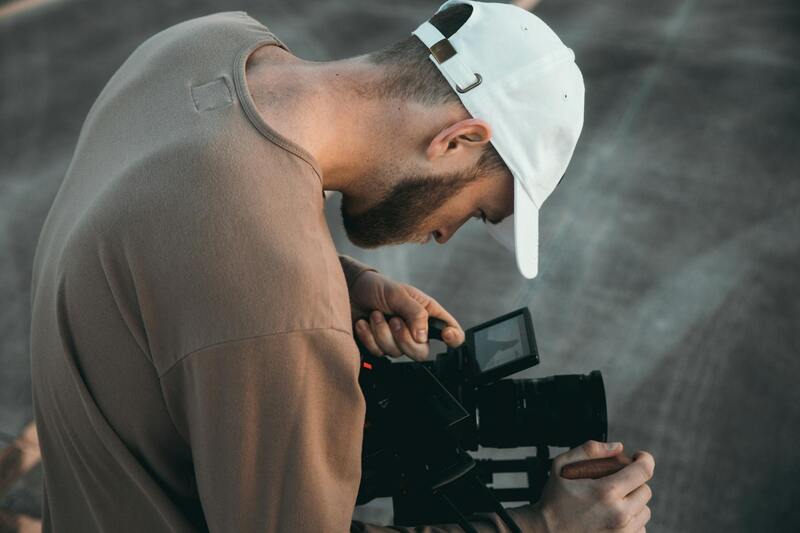
Incorporating these considerations ensures your timelapse projects reflect the dynamic energy of Miami while maintaining technical excellence. Whether documenting urban development, natural phenomena, or cultural events, choosing the appropriate equipment and settings forms the foundation for compelling visual storytelling.
Advanced Techniques for Timelapse Recording
Achieving high-quality timelapse recordings requires precise control over camera settings and meticulous planning. Once the basic setup is complete, employing advanced techniques can elevate your footage, capturing Miami's vibrant scenes with cinematic quality. Key to this is maintaining consistent exposure throughout the shoot. Using manual exposure settings allows for unwavering control over aperture, shutter speed, and ISO, preventing flickering caused by automatic adjustments. In situations with changing light levels, such as transitioning from daylight to dusk, employing exposure ramping or deflickering software can ensure smooth transitions and a cohesive viewing experience.
Another crucial consideration is the interval between shots. The interval determines the speed of the final video, and it should be chosen based on the subject's movement and the desired playback speed. For example, capturing slow-moving cloud formations over Miami’s skyline might require an interval of 2-5 seconds, while fast-moving city traffic could benefit from shorter intervals of 1-2 seconds. Using intervalometers or camera timers facilitates precise control over shot frequency, reducing the risk of misalignment or gaps in the sequence.
 igure>
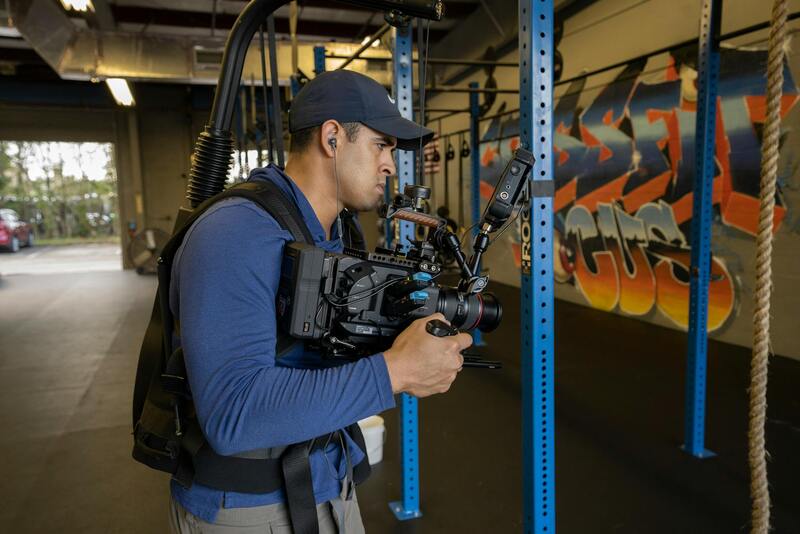
Furthermore, employing a stable tripod and, where necessary, additional stabilization equipment, such as gimbals or dollies, helps maintain camera stability throughout the shoot. This is particularly important for capturing long-duration scenes like busy street intersections or dockside activity. When shooting over extended periods, deferring to cameras with built-in interval shooting capabilities or integrating external intervalometers can streamline the process, reducing the potential for human error.
In challenging environmental conditions, such as windy days or humidity in Miami, protective measures become vital. Using weather-resistant housings and wind shields can safeguard your equipment, ensuring continuous operation without disruptions. Additionally, controlling internal camera temperature can prevent overheating during prolonged captures, especially with high-resolution sensors and extensive image sequences.
Finally, capturing multiple exposures and utilizing HDR techniques can enhance the dynamic range of your timelapse footage. This is especially beneficial when documenting scenes with high contrast, such as Miami's skyline at sunset or brightly lit cityscapes at night. Combining these exposures during the editing process results in footage that faithfully reproduces the scene's visual richness and depth.
Legal and Permitting Considerations in Miami
When planning to execute a timelapse recording project across Miami’s diverse urban landscape, understanding the procedural landscape for permits and official approvals is crucial. City ordinances and municipal regulations often outline requirements regarding the use of public spaces, particularly when deploying equipment that may obstruct pedestrian pathways or vehicular traffic. Securing necessary permissions involves engaging with local authorities, which may include the Miami Department of Transportation, the Office of Film & Entertainment, or other relevant agencies depending on the location and scope of the project.
To ensure a smooth process, it is advisable to compile detailed project proposals that outline the scope of work, equipment deployment plans, and safety measures. Clear documentation demonstrating the intended use of public spaces can expedite permit approval and help avoid potential disruptions or fines. In many cases, applications need to specify the duration of the shoot, especially for extensive long-term timelapses that span several days or weeks, to ensure that all logistical and safety concerns are addressed proactively.
Respecting local regulations extends beyond obtaining permits. It involves adhering to restrictions related to drone operations, noise ordinances, and nighttime filming. When employing aerial shots using unmanned aerial vehicles (UAVs), special certifications and adherence to specific altitude limits are often mandated to preserve airspace safety. Furthermore, filming near sensitive sites such as government buildings, private properties, or monuments typically requires additional coordination and approval from respective authorities or property owners.
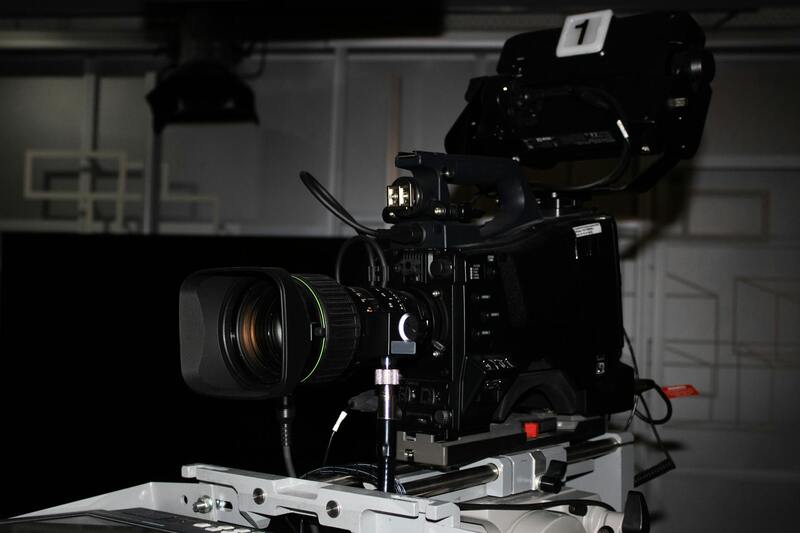
Developing a comprehensive understanding of these parameters is fundamental to executing a professional timelapse project. It ensures compliance with local laws and contributes to a positive collaboration with authorities and the community, ultimately resulting in a high-quality, disruption-free visual documentation of Miami’s iconic scenery, urban vitality, and evolving cityscape.
Exploring Methods for Voting on Timelapse Recording Quality
Assessing the quality of timelapse recordings requires a structured approach that ensures consistency and objectivity. To facilitate this, professionals often establish a comprehensive review process that involves multiple stakeholders, including project managers, visual editors, and technical specialists. These reviewers evaluate the footage based on specific criteria such as image clarity, stabilization, color accuracy, and overall visual narrative. Implementing a standardized checklist helps maintain uniformity throughout the review process, enabling teams to identify areas for improvement effectively.
Utilizing Technical Metrics for Evaluation
Beyond visual inspection, technical metrics play a pivotal role in measuring the quality of timelapse recordings. These include resolution metrics such as DPI and pixel density, which determine image detail, and dynamic range assessments, which evaluate the footage's ability to capture both shadows and highlights effectively. Additionally, analyzing exposure consistency across frames ensures smooth playback without unintended flickering or jitter. Advanced software tools can analyze these technical parameters, providing objective data that supports decision-making in post-production.
Feedback and Iterative Refinement
Creating a feedback loop where reviewers provide constructive critiques fosters continual enhancement of the timelapse output. This iterative process involves reviewing rough cuts, identifying discrepancies, and requesting re-shoots or adjustments to camera settings. For projects with tight deadlines or complex sequences, establishing clear communication channels is vital. Detailed annotations on specific scenes or frames streamline revisions, enabling efficient revisions without unnecessary delays.
Implementing Viewer Preference Testing
In addition to technical evaluation, gathering input from target audiences helps shape the final product. Conducting focus groups or soft launches allows stakeholders to provide insights into the emotional and visual impact of the timelapse. This feedback can inform adjustments in editing, pacing, or color grading to better resonate with viewers. Such user-centric testing ensures the finished timelapse aligns with project goals and audience expectations.
Documenting the Review Process for Consistency
Maintaining thorough documentation of review procedures, decisions, and revisions ensures transparency and repeatability in future projects. Digital logs or version control systems track changes, facilitating accountability and continuous improvement. When working within a team or collaborating across different departments, clear records help prevent miscommunication and ensure that quality standards are uniformly applied.