
Definition and Purpose of Construction Time Lapse Services
Construction time lapse services represent a specialized approach to documenting the progress of building projects through sequential photography captured over an extended period. These services utilize advanced camera technology and strategic positioning to record the transformation of construction sites from initial foundation work to project completion. The primary objective of employing construction time lapse services is to create a comprehensive visual record that vividly illustrates the development phases of a project, offering stakeholders an insightful overview of the entire process.
Such visual documentation serves multiple strategic purposes. For project developers and contractors, construction time lapse videos and images provide an effective means to monitor ongoing work, identify potential issues, and ensure milestones are met within set timelines. Additionally, these recordings offer valuable marketing content, showcasing project achievements to investors, clients, and the public. Time lapse footage also becomes an essential tool for communication among project teams, especially when coordinating complex tasks across multiple phases.
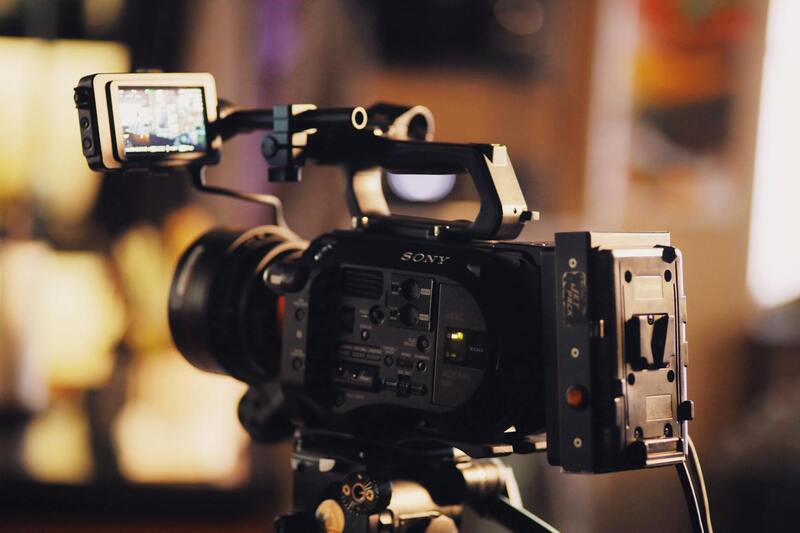
Unlike traditional photographic methods, time lapse services compile images into a seamless video sequence, highlighting the dynamic evolution of the construction site. This allows for an engaging presentation that emphasizes efficiency, craftsmanship, and timely project delivery. Moreover, they serve as critical references in resolving disputes or addressing project delays by providing an objective, chronological record of site activities.
In essence, construction time lapse services are a powerful tool that encapsulates the entire building process in a format that is both accessible and compelling. Their purpose extends beyond documentation to include project management, marketing, and stakeholder engagement, making them an integral component of modern construction practices.
How Construction Time Lapse Projects Are Executed
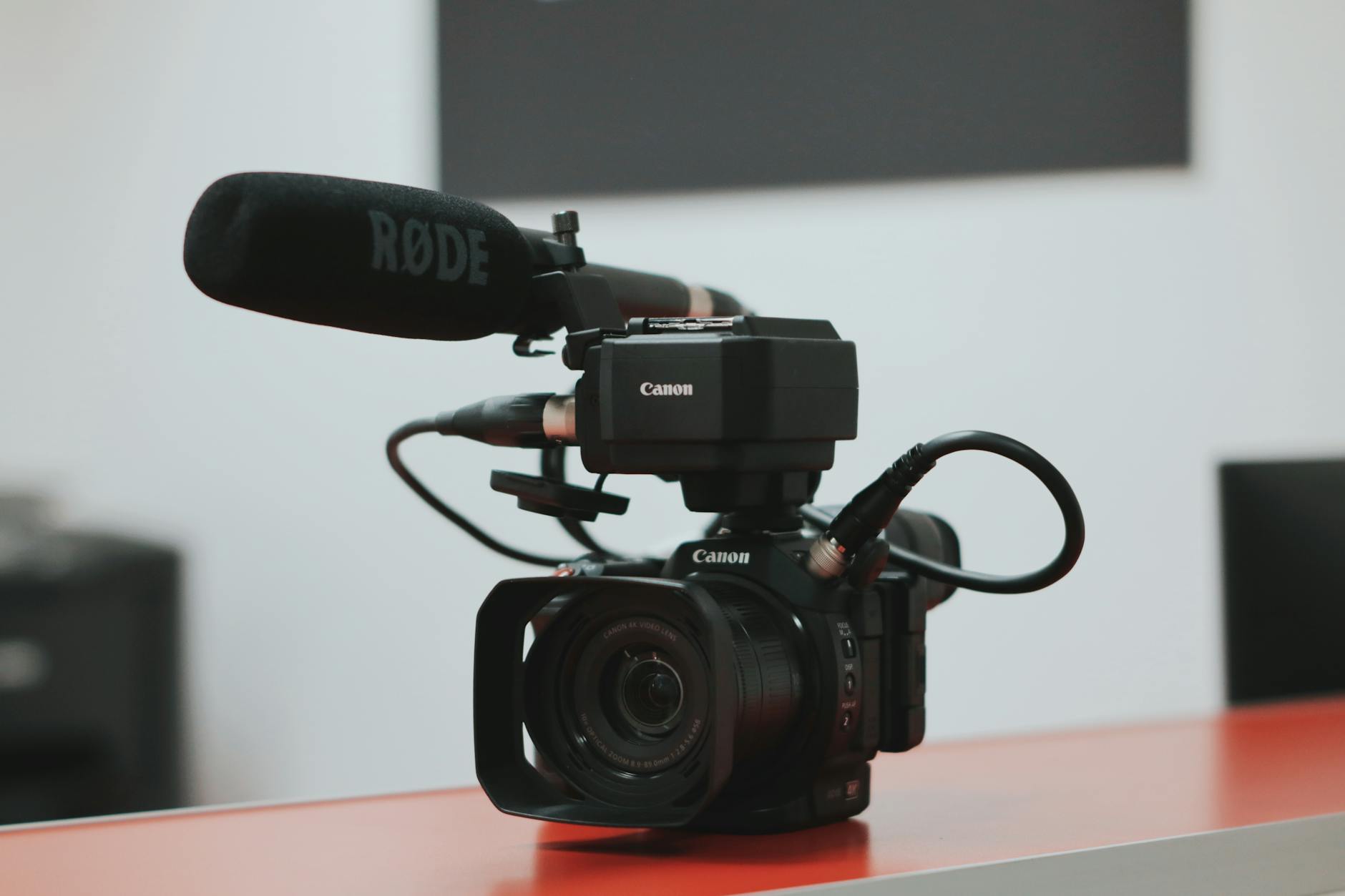
Executing a construction time lapse project involves a systematic approach that ensures comprehensive coverage of the entire building process. It begins with thorough planning, where the project scope, key milestones, and critical angles are identified. Stakeholders such as project managers, contractors, and videographers collaborate to determine the optimal locations for camera placement, capture schedules, and equipment requirements. This pre-production phase is vital to guarantee that the footage accurately reflects the construction progress and highlights significant phases such as foundation laying, structural assembly, and finishing touches.
Once planning is complete, the deployment of high-quality equipment takes center stage. Reliable cameras capable of withstanding varying weather conditions are installed at predetermined vantage points. These cameras are often mounted on secure fixtures to ensure stability throughout the project’s duration. Additionally, advanced time lapse devices equipped with programmable intervalometers are used to capture images at specific intervals—ranging from every few seconds to daily shots, depending on project length and detail requirements.
Throughout the construction timeline, the cameras operate autonomously, capturing images 24/7 if necessary, with minimal manual intervention. To facilitate smooth operation, remote monitoring and control systems are frequently employed, allowing technicians to adjust camera settings, troubleshoot issues, or review footage remotely. Regular maintenance checks are scheduled to ensure optimal functionality, and any necessary security measures, such as access controls and weather-proofing, are implemented to protect valuable equipment.
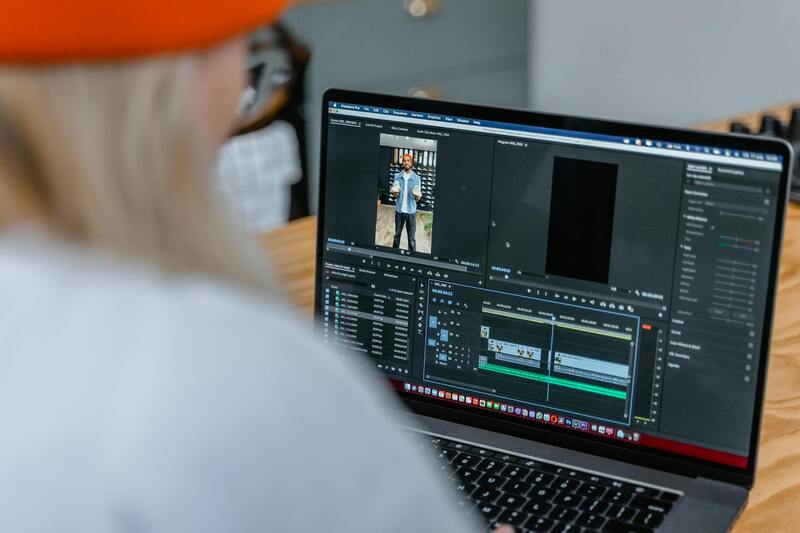
The captured images are then transferred to a dedicated editing suite where they are processed into time lapse videos. This editing process involves sequencing, color correction, stabilization, and integration of titles or annotations to enhance clarity and visual appeal. The timeline is fine-tuned to balance smoothness with chronological accuracy, ensuring that the final product presents the construction evolution in a compelling yet informative manner.
Modern construction time lapse services often utilize sophisticated software to compile images into high-definition videos efficiently. These tools enable the addition of key project milestones and timestamps, providing viewers with context and a clear understanding of the construction phases. The finished videos are delivered in formats suitable for various uses, including presentations, marketing materials, and online platforms. This comprehensive process underscores the importance of meticulous execution to produce professional and impactful visual documentation.
Equipment and Technology Involved
Construction time lapse services rely on a sophisticated array of equipment designed to capture high-quality footage under various site conditions. The core component is a strategically positioned camera system that can operate continuously over extended periods. These cameras often feature weather-resistant enclosures to withstand environmental elements such as rain, wind, and dust, ensuring consistent performance and durability. Advanced automation technologies enable scheduled captures at predetermined intervals—ranging from minutes to hours—allowing for a comprehensive record of the project’s progression.
Modern systems utilize high-definition digital cameras capable of delivering sharp, detailed images necessary for producing professional-grade videos. Many setups incorporate remote monitoring software, enabling project managers and videographers to oversee camera operation, troubleshoot issues, and adjust settings without physically accessing the site. This remote capability reduces operational costs and minimizes site disruptions.
In addition to the cameras themselves, auxiliary equipment such as power supplies, backup batteries, and weatherproof enclosures ensures uninterrupted operation. For larger or complex projects, multi-camera networks might be deployed to cover different sections of the construction site, capturing various angles and perspectives. These camera arrays are often connected via wireless or fiber optic networks to secure data transfer channels for real-time monitoring.

Definition and Purpose of Construction Time Lapse Services
Construction time lapse services involve capturing a series of images or footage over the duration of a construction project, which are then compiled into a continuous video that visually documents the entire building process. These services are designed to showcase the progression of construction activities, providing stakeholders with a comprehensive perspective on project development. They serve as valuable tools for project documentation, progress tracking, and promotional showcases, highlighting milestones and demonstrating the efficiency and scope of construction efforts.
Employing advanced camera systems and recording technology, construction time lapse services enable project managers, developers, and marketing teams to generate high-quality visual records of their projects. These recordings not only facilitate internal monitoring but also enhance transparency for clients, investors, and regulatory bodies. The visual narrative produced by time lapse videos effectively communicates the scale, complexity, and success of a construction project, making them indispensable in modern construction management and marketing strategies.
Key Benefits of Using Construction Time Lapse Services
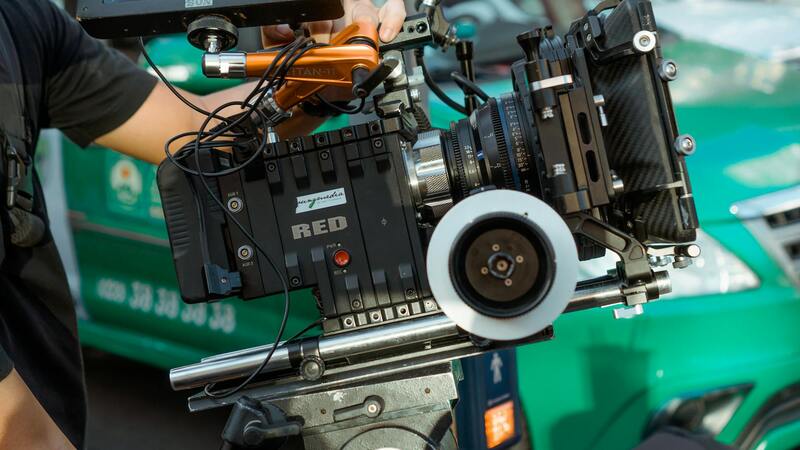
- Enhanced Project Documentation: Maintains a detailed visual record of every phase, useful for reporting and dispute resolution.
- Progress Monitoring: Enables real-time tracking of project milestones and identifies potential delays or issues early.
- Marketing and Public Relations: Produces compelling visual content for promotional campaigns, showcasing construction achievements to clients and the community.
- Stakeholder Engagement: Provides transparent insights to stakeholders, fostering trust and confidence in project execution.
- Safety and Quality Assurance: Offers visual evidence to monitor safety protocols and quality standards throughout construction.
How Construction Time Lapse Projects Are Executed
The deployment of construction time lapse services begins with thorough planning, including site assessment, camera positioning, and schedule mapping. High-definition cameras equipped with weatherproof enclosures are strategically installed across the construction site to capture vital activities from multiple angles. These cameras are often set to capture images at predefined intervals—ranging from minutes to hours—depending on the project scope and desired video length.
Remote monitoring software enables project teams to oversee camera operation, troubleshoot issues, and make adjustments without battlefield access to the site. Auxiliary equipment such as backup batteries and power supplies are employed to ensure continuous operation, regardless of weather or power fluctuations. In larger projects, multiple cameras may be networked via wireless or fiber optic connections, creating an integrated system that captures comprehensive footage of site activities.
Once the image data collection concludes, specialized software stitches the images into a seamless video, which can be customized with titles, annotations, and background music. The final product is then reviewed, edited, and delivered in various formats suitable for internal review, presentations, or marketing distribution.
Customization and Features of Construction Time Lapse Services
Construction time lapse services offer a variety of customization options designed to meet the unique requirements of each project. Clients can choose specific parameters such as shooting intervals, which determine how frequently images are captured—ranging from every few seconds to several hours. This flexibility allows for detailed documentation of critical construction phases or a broader overview of the entire project timeline.
Many service providers also provide live streaming capabilities, enabling stakeholders to view real-time footage of the construction site remotely. This feature is particularly useful for project managers, investors, and clients who need constant updates without physically visiting the site. Additionally, live streaming enhances transparency, fosters better communication among teams, and helps quickly address any ongoing issues as they arise.
Another significant customization is branding and presentation. Construction time lapse videos can be tailored with project-specific overlays, company logos, or thematic introductory and closing segments. Background music and voiceover annotations further enhance the professional appeal of the final product, making it suitable for promotional or client presentation purposes.
Moreover, some services permit integration with project management software, enabling automatic updates and scheduling that align with the construction timeline. This integration facilitates seamless project tracking, more accurate progress documentation, and synchronized multimedia outputs that reflect real-time development stages.
Implementing a Construction Time Lapse Service in Miami Projects
Introducing a construction time lapse service in Miami involves an initial assessment of project scope and site conditions. Strategic placement of cameras is crucial to ensure comprehensive coverage of key construction activities. For urban sites, elevated or rooftop mounting points often provide the best vantage points, while large-scale sites may require multiple camera installations to capture all critical angles.
Coordination with local authorities or site managers ensures that camera setups comply with safety and operational standards. Once the hardware is installed, configuration of shooting intervals, safety protocols, and remote access settings takes place to optimize data collection and monitor system health regularly.
During active construction phases, continuous data collection occurs, with regular checks to troubleshoot technical issues such as power failures, connectivity disruptions, or weather-related disturbances. After project completion, the collected images are processed into a coherent, high-quality video that showcases the project's evolution from groundbreaking to final inspection.
Adapting these services for Miami's distinct climate and urban landscape requires professional expertise in equipment selection and installation. Properly executed, time lapse videos not only serve as detailed progress records but also as impactful marketing tools to demonstrate project capabilities and attract future clients.

Legal and Privacy Considerations
Implementing a construction time lapse service in Miami requires careful attention to legal and privacy standards to ensure a smooth and compliant process. Always secure the necessary permissions before installing cameras on or around private property. This includes obtaining consent from property owners and clarifying the scope of surveillance to avoid potential misunderstandings.
Compliance with local regulations involves respecting privacy rights of individuals who may appear within camera footage. It is essential to position cameras to focus solely on the construction site, avoiding capturing images of neighboring private spaces or individuals where not specifically authorized. Clear signage informing about surveillance activities can be beneficial in maintaining transparency and trust.
In urban construction zones, especially in densely populated areas like Miami, restrictions on camera placement and operation times might exist. Consulting with local authorities or zoning boards helps in understanding these regulations and ensures adherence to city ordinances relating to public space monitoring.
Secure data management practices are also vital. Ensure that all footage is stored securely and access is controlled. If footage is intended for distribution or public viewing, consider protocols for anonymizing or editing sensitive content to protect individuals' privacy.
Maintaining comprehensive records of permissions, camera placements, and data management protocols strengthens compliance efforts. Employing staff or consultants familiar with local environmental and surveillance laws can considerably reduce risks associated with unauthorized monitoring or data breaches. As construction projects grow in size and complexity, these considerations become increasingly crucial for smooth project progression and reputation management.
Cost Factors and Return on Investment
The cost of deploying a time lapse service can vary based on several key factors, including the project's scale, duration, complexity, and the level of customization required. Investment often covers camera hardware, installation, and ongoing maintenance, as well as any software or platform access needed for viewing and editing footage. In Miami, where vibrant urban landscapes and diverse site conditions present unique challenges, sophisticated equipment might be necessary to ensure high-quality visuals across different weather and lighting scenarios.
Despite upfront costs, the return on investment (ROI) for construction time lapse services proves substantial in multiple ways. High-quality videos serve as powerful marketing assets, attracting potential clients and investors by showcasing the project’s progress and quality. They also facilitate internal project management by providing visual documentation, which can be crucial for addressing delays, disputes, or other issues that arise during construction.
Moreover, these videos offer impressive documentation for project milestones, warranty claims, and regulatory inspections. The ability to demonstrate consistent progress and adherence to schedules enhances stakeholder confidence and can lead to faster approvals and reduced oversight delays.
In terms of operational costs, choosing scalable service providers or modular equipment options allows for budget optimization. The use of remote monitoring and automated scheduling can reduce the need for frequent site visits, lowering overall expenses. When integrated strategically into project planning, construction time lapse services generate a measurable boost in project transparency and stakeholder engagement, ultimately contributing to timely project completion and financial efficiency.
Legal and Privacy Considerations
Integrating a construction time lapse service into a project involves careful attention to privacy policies, property access, and overall legal obligations related to recording and sharing footage. Ensuring compliance begins with establishing clear protocols for recording on-site activities, particularly when public or private property is involved. It is essential to verify property owner consent where footage captures areas outside the construction boundary, especially in densely populated settings like Miami, where urban development is continuous and extensive.
Property access rights must be clearly defined to prevent infringement on private ownership or restricted zones. This typically involves obtaining permissions or permits from relevant authorities or property owners before the commencement of filming. Proper signage and notifications can also serve as indicators to personnel and the public regarding ongoing recording activities.
When it comes to recording, it is crucial to adhere to sector-specific regulations related to privacy rights. This includes avoiding capturing unnecessary individuals or private events outside the construction site scope. Employing camera angles and technological features such as automatic blurring of identifiable faces or license plates can help respect privacy concerns while maintaining the integrity of the project documentation.
Sharing or distributing footage further entails understanding legal constraints associated with intellectual property rights. Content should be protected through secure storage and access controls, especially if it includes sensitive project details or proprietary methods. Contracts with service providers often specify the extent and limitations of footage use, aligning with industry standards and project-specific agreements.
By proactively addressing these considerations, project managers can prevent potential disputes and maintain a professional relationship with stakeholders, authorities, and the community. Proper legal and privacy compliance not only protects project entities but also demonstrates responsible use of surveillance technology in the build process.
Legal and Privacy Considerations
Implementing a construction time lapse service involves careful attention to legal and privacy issues to ensure responsible documentation. While recording ongoing work, it is essential to establish clear signage and notifications at the project site, informing all personnel and visitors about the presence of recording equipment. This transparency fosters compliance with privacy standards and maintains trust among stakeholders.
Respecting privacy rights requires selecting appropriate camera angles that focus solely on the construction site, avoiding unnecessary capture of individuals or private activities outside the designated area. Advanced technological features such as face recognition blurring or license plate anonymization can be employed to further minimize privacy concerns, enabling comprehensive project documentation without infringing on individual rights.
Protecting the footage through secure storage solutions and access controls is another critical aspect. Properly safeguarding sensitive project information prevents unauthorized viewing and distribution of proprietary data. When sharing completed videos with stakeholders, restrictions on use and distribution should be clearly outlined in contractual agreements with service providers, aligning with industry standards for confidentiality and property rights.
Understanding these legal and privacy considerations helps streamline project workflows and averts potential disputes. Clear policies and responsible use of technology reinforce the company's commitment to ethical practices and foster positive relations with authorities, community members, and clients alike. By proactively managing these aspects, project managers establish a professional and compliant approach to construction documentation, securing reputation and operational integrity.