
Overview of Time Lapse Video Services
Time lapse video services have become an essential tool for capturing the transformation of scenes over an extended period in a condensed format. This technique involves photographing a scene at set intervals and then stitching these images together to create a video that accelerates time. The resulting footage offers a unique perspective, illustrating processes that might take hours, days, or even months to observe in real-time.
Time lapse videos are characterized by their ability to reveal the progression of a scene with compelling clarity. They highlight changes in environments, construction progress, or natural phenomena with visual continuity that is both engaging and informative. The core feature of such videos is their capacity to condense lengthy durations into short, impactful visual stories, making complex processes accessible and easy to understand.
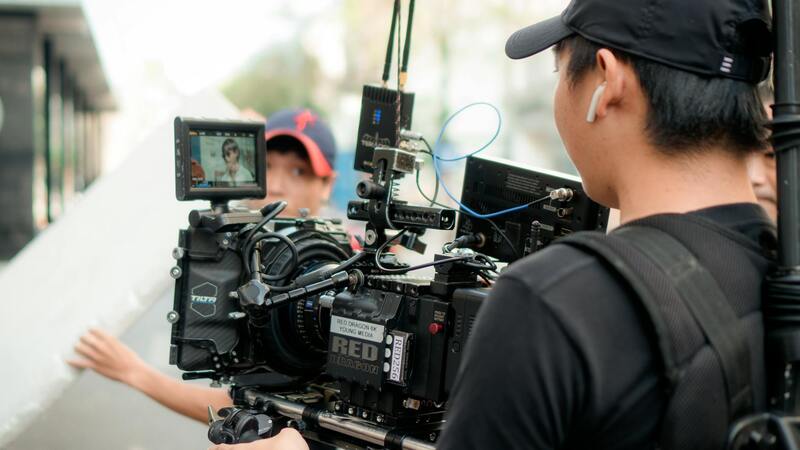
Applications across various industries demonstrate the versatility of time lapse videos. In construction, they document project milestones, providing stakeholders with ongoing visual updates. In real estate, they showcase development or renovation progress. Environmental agencies utilize this technology to monitor climate changes or natural events. Events, festivals, or corporate projects leverage time lapse footage to promote their activities, capturing the essence of the scale and scope of their events in a dynamic format.
Organizations recognize that high-quality time lapse videos can significantly enhance their visual storytelling, marketing, and documentation efforts. When executed professionally, these videos blend technical precision with creative storytelling, ensuring the message is delivered clearly and compellingly. The range and adaptability of time lapse services make them an invaluable asset for any industry seeking to visually communicate a process or transformation efficiently and stunningly.
Types of Time Lapse Video Techniques
Understanding the various methods of capturing time lapse footage is essential for selecting the appropriate approach for a project. Different techniques serve specific needs, offering distinct visual effects and levels of control that can significantly impact the final product.
Steady Frame Time Lapse
This traditional technique involves setting a camera to capture images at fixed intervals, maintaining a consistent position throughout the shoot. It is ideal for documenting static scenes where the camera remains stabilized, such as construction sites, architectural projects, or natural scenery. The result is a seamless sequence that showcases the progression over days, weeks, or months, providing viewers with a smooth visualization of development or change.
Accelerated TimeLapse
Accelerated time lapse is a method where footage is sped up to highlight transitions or processes that occur over extended periods. This approach emphasizes the passage of time in a condensed format. It is commonly used for events like sunset to sunrise sequences, cityscape changes, or crowded scenes, allowing viewers to grasp the duration and dynamics without long viewing periods.
Hyperlapse Technique
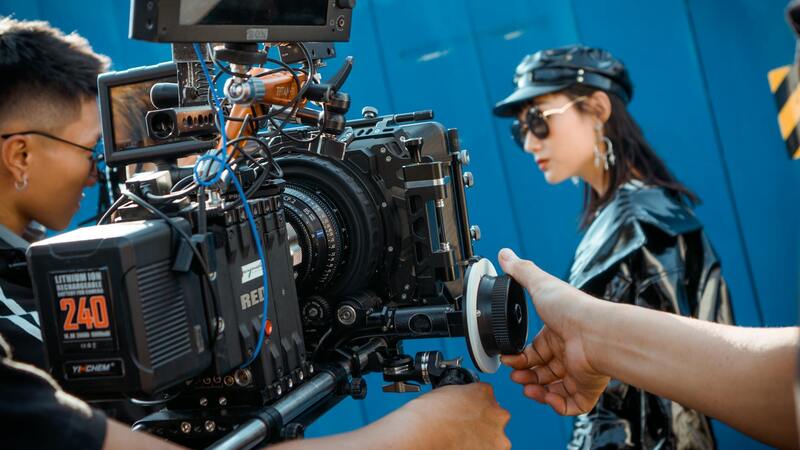
Hyperlapse videos are a dynamic variation of traditional time lapse, where the camera moves through space while capturing images at set intervals. This technique involves meticulous planning regarding camera movement, stabilization, and path. Hyperlapses are perfect for showcasing expansive cityscapes, scenic routes, or large-scale outdoor environments, providing a dramatic sense of motion and scale within the visual narrative.
Application-Specific Considerations
- Steady Frame: Suitable for projects prioritizing stabilization and clarity, such as construction or environmental monitoring.
- Accelerated: Best used when the focus is on illustrating the duration and transformation of a scene, ideal for time-sensitive updates or artistic presentations.
- Hyperlapse: Best for creating engaging, dynamic content where motion and perspective are key, often used in promotional videos or city explorations.
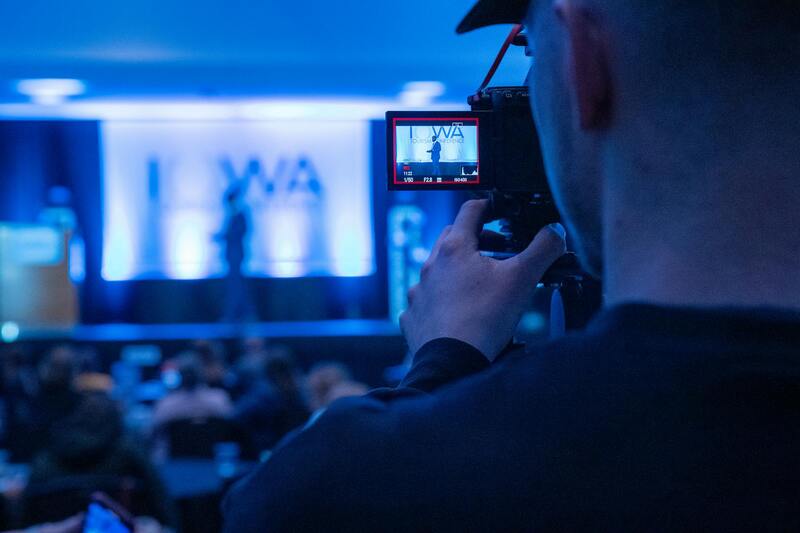
By choosing the appropriate technique, professionals can tailor the visual storytelling to meet the project’s objectives, ensuring optimal engagement and clarity for the target audience. The selection depends on the scene complexity, movement, and desired cinematic effect, making technical knowledge and experience crucial for achieving high-caliber results.
Overview of Time Lapse Video Services
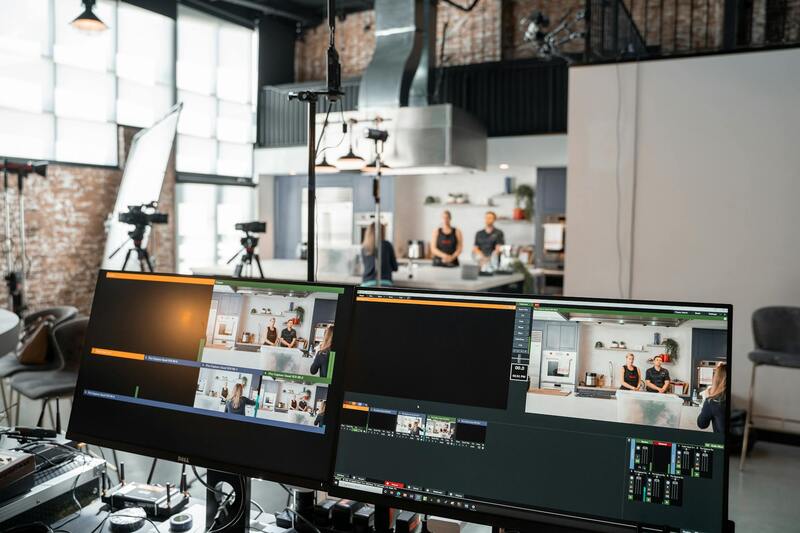
Time lapse video services have become an essential tool for capturing and showcasing ongoing processes and transformations over extended periods, condensed into a short, engaging video format. These services are invaluable across various industries, providing a unique perspective on changes that occur gradually but are best understood when visualized in accelerated form. Professional time lapse production involves careful planning, precision equipment, and sophisticated editing techniques to produce high-quality visuals that effectively communicate the desired message. Services in Miami, such as those offered by miamivideocompany.us, leverage advanced technology and experienced crews to deliver tailored solutions, ensuring that each project meets specific objectives, whether documenting construction progress, environmental changes, or artistic endeavors.
Types of Time Lapse Video Techniques
Understanding the various techniques available allows clients to select the most suitable approach for their projects. The primary methods include traditional time lapse, hyperlapse, and dynamic camera movements, each offering unique visual effects and storytelling capabilities.
Traditional Time Lapse
This method involves capturing images at set intervals over a prolonged period, then compiling the frames into a continuous sequence. It’s ideal for illustrating gradual changes in environments such as urban development, natural landscapes, or manufacturing processes. The resulting videos emphasize duration, revealing the progression from start to finish with clarity and impact.
Hyperlapse Technique
Hyperlapse takes this concept further by incorporating camera movement through space, creating a dynamic narrative that emphasizes scale and motion. This technique requires meticulous planning around camera stabilization, path design, and image consistency. Hyperlapses are particularly effective for visual storytelling in cityscapes, scenic routes, or large outdoor installations, providing viewers with a cinematic experience that combines motion, perspective, and time compression.
Application-Specific Considerations
Choosing the appropriate time lapse method depends heavily on the project's purpose and desired visual impact. For projects demanding clarity and stabilization, such as construction site monitoring or environmental changes, steady frame techniques are optimal as they ensure crisp, stable visuals. When the goal is to depict transformation over time, accelerated time lapse sequences are preferred for their ability to condense hours, days, or even months into a few captivating seconds. For promotional content, city exploration, or large-scale outdoor scenes, hyperlapse videos deliver engaging motion and perspective shifts that captivate viewers and convey a sense of scale and energy.
Proper selection of technique ensures the visual narrative aligns seamlessly with project goals, providing audiences with compelling storytelling that enhances understanding and engagement. Technical expertise is essential when executing these methods to maintain quality and effectiveness throughout the production process.
Key Equipment and Software for Creating Time Lapse Videos
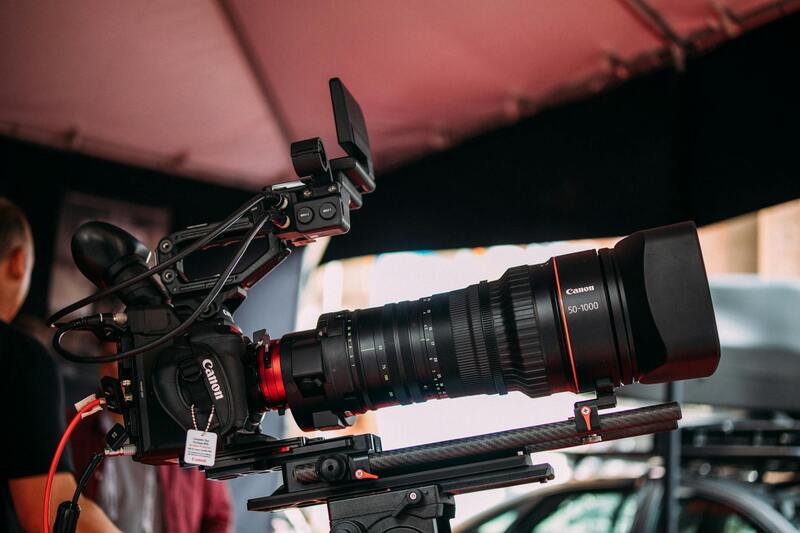
Producing high-quality time lapse videos requires precision craftsmanship combined with reliable, professional-grade equipment. The foundation begins with selecting the right camera, which should offer robust manual controls, high resolution, and good low-light performance to ensure clarity over extended shooting periods. DSLR and mirrorless cameras are popular choices due to their versatility and image quality, allowing for fine adjustments in exposure, focus, and frame rates.
Stabilization tools play a crucial role in maintaining consistent framing throughout the shooting process. Tripods are fundamental, but for dynamic shots or complex scenes, motorized gimbals or slider systems help achieve smooth motion. These devices are especially valuable when executing hyperlapse sequences or capturing scenes with significant camera movement, as they minimize shake and produce professional-looking footage.
In addition to hardware, a selection of high-capacity memory cards and reliable power sources is essential. Long shooting sessions demand ample storage and battery life to prevent interruptions. External power adapters or batteries with extended capacities can facilitate continuous operation without sacrificing footage quality.
Post-production is equally vital for elevating the final product. Advanced editing software offers a suite of tools for assembling, stabilizing, color grading, and adding effects to the footage. Adobe Premiere Pro, After Effects, and dedicated time lapse plugins enable editors to fine-tune each sequence, ensuring a seamless and visually appealing presentation. Incorporating techniques such as frame blending and motion interpolation can enhance motion fluidity, especially when aiming for slow-motion effects or smooth transitions.
Additional Considerations
- Consistent Intervalometer Settings: Ensuring uniform intervals between shots guarantees smooth motion and uniformity.
- Weather and Lighting Conditions: Monitoring environmental factors helps in planning shoots and adjusting settings for optimal results.
- Environmental Protection: Using weatherproof gear and protective filters protects equipment during outdoor shoots.
Hiring a Miami Time Lapse Video Service Provider
Partnering with a professional Miami time lapse video service provider ensures the creation of high-quality, visually compelling content that accurately represents your project’s scope and objectives. Experts in this field bring specialized knowledge in capturing dynamic scenes across diverse environments, from bustling cityscapes to tranquil natural settings. When evaluating potential providers, consider their portfolio to assess their proficiency in producing time lapse videos relevant to your industry or project type. An experienced team can advise on optimal shooting techniques, equipment choices, and post-production processes to achieve a seamless final product.
Clear communication and an understanding of your specific goals are critical when collaborating. A reputable provider will conduct thorough consultations to outline project timelines, technical requirements, and creative vision. They also utilize professional-grade equipment, ensuring the footage captured is of the highest standard, with excellent clarity, color accuracy, and stability. This meticulous approach guarantees the final time lapse video aligns with your branding, presentation, or marketing needs.
Cost Considerations and Hiring Tips
While cost is an important factor, it should not compromise the quality of the production. Top-tier providers often offer transparent pricing models based on project scope, duration, complexity, and post-production requirements. Request detailed estimates that break down each phase of the project, from pre-production planning and equipment setup to editing and final delivery. This transparency helps in making an informed decision aligned with your budget and expectations.
When selecting a service provider, review client testimonials and case studies to gauge their reliability and expertise. Ensure they possess the necessary licensure and insurance coverage to mitigate any unforeseen issues during the shooting process. Additionally, confirm their familiarity with the unique challenges of outdoor and urban environments typical in Miami, such as changing weather conditions and high-traffic areas. Skilled providers will have contingency plans and safety measures to execute shoots smoothly while safeguarding their equipment and personnel.
Key Equipment and Software for Creating Time Lapse Videos
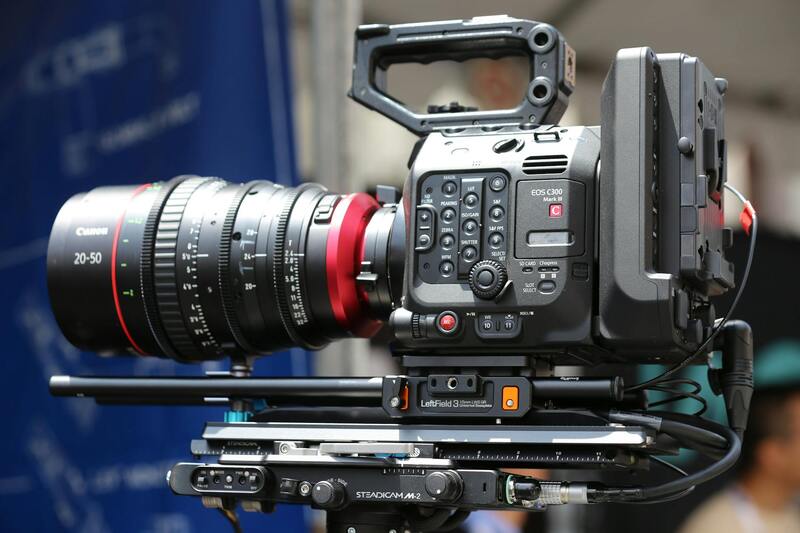
Producing compelling time lapse videos starts with the right combination of equipment and software. While modern advancements have made the necessary tools more accessible, professional-grade gear ensures optimal results, especially for commercial projects or clients seeking high-quality output.
At the core of any effective time lapse production is a sturdy camera capable of capturing high-resolution images over an extended period. DSLR and mirrorless cameras are preferred due to their manual control capabilities, interchangeable lenses, and superior image quality. They often support intervalometers—either built-in or external—that automate the sequencing of shots at precise intervals, ensuring consistency and smoothness in the final footage.
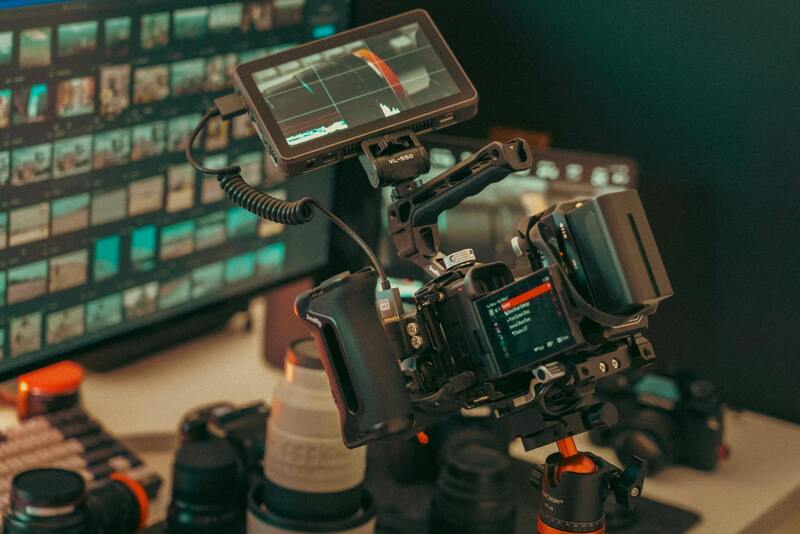
Beyond the camera, a reliable tripod or stabilizer is critical to prevent unwanted movement, which can distort the continuity of the footage. Stability ensures each frame aligns perfectly with the preceding ones, creating a fluid motion that accurately reflects the passage of time.
From a software standpoint, editing tools such as Adobe Premiere Pro, Final Cut Pro, or specialized programs like LRTimelapse facilitate the assembly and enhancement of captured images. These applications allow for adjustments in exposure, color grading, and stabilization, providing the flexibility to tailor the final product to specific aesthetic or branding standards.
Advanced software options also include features like keyframe editing, masking, and deflickering algorithms, which are vital for maintaining uniform brightness and colors throughout long sequences. Integration with smartphone or remote camera control apps further streamlines the shooting process, especially for dynamic or complex scenes.
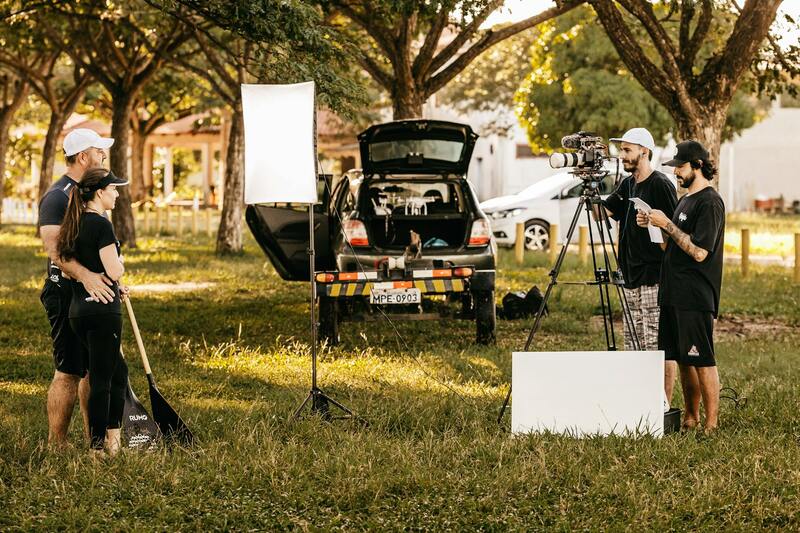
In addition to cameras and software, accessories such as extra batteries, high-capacity SD cards, weather-resistant enclosures, and remote monitoring devices are indispensable for outdoor shoots or extended sessions. These components help mitigate environmental challenges and ensure uninterrupted filming.
Additional Considerations for Equipment and Software
- Lens Selection: Wide-angle lenses are popular for cityscapes, landscapes, and architectural scenes, while telephoto lenses are suitable for capturing distant objects or compressing scenes for artistic effect.
- Timing and Intervals: Choosing the appropriate interval depends on the subject’s motion speed—faster scenes, like bustling urban activity, may require shorter intervals, whereas slow-moving scenes, such as star trails or sunrise shifts, benefit from longer intervals.
- Battery Management: Ensuring prolonged power supply through multiple batteries or portable chargers is crucial to avoid interruptions during lengthy shoots.
- Image Processing: Post-processing includes assembling images into video sequences, adding music or voiceovers, and applying stabilization or color correction to enhance visual appeal.
Key Equipment and Software for Creating Time Lapse Videos
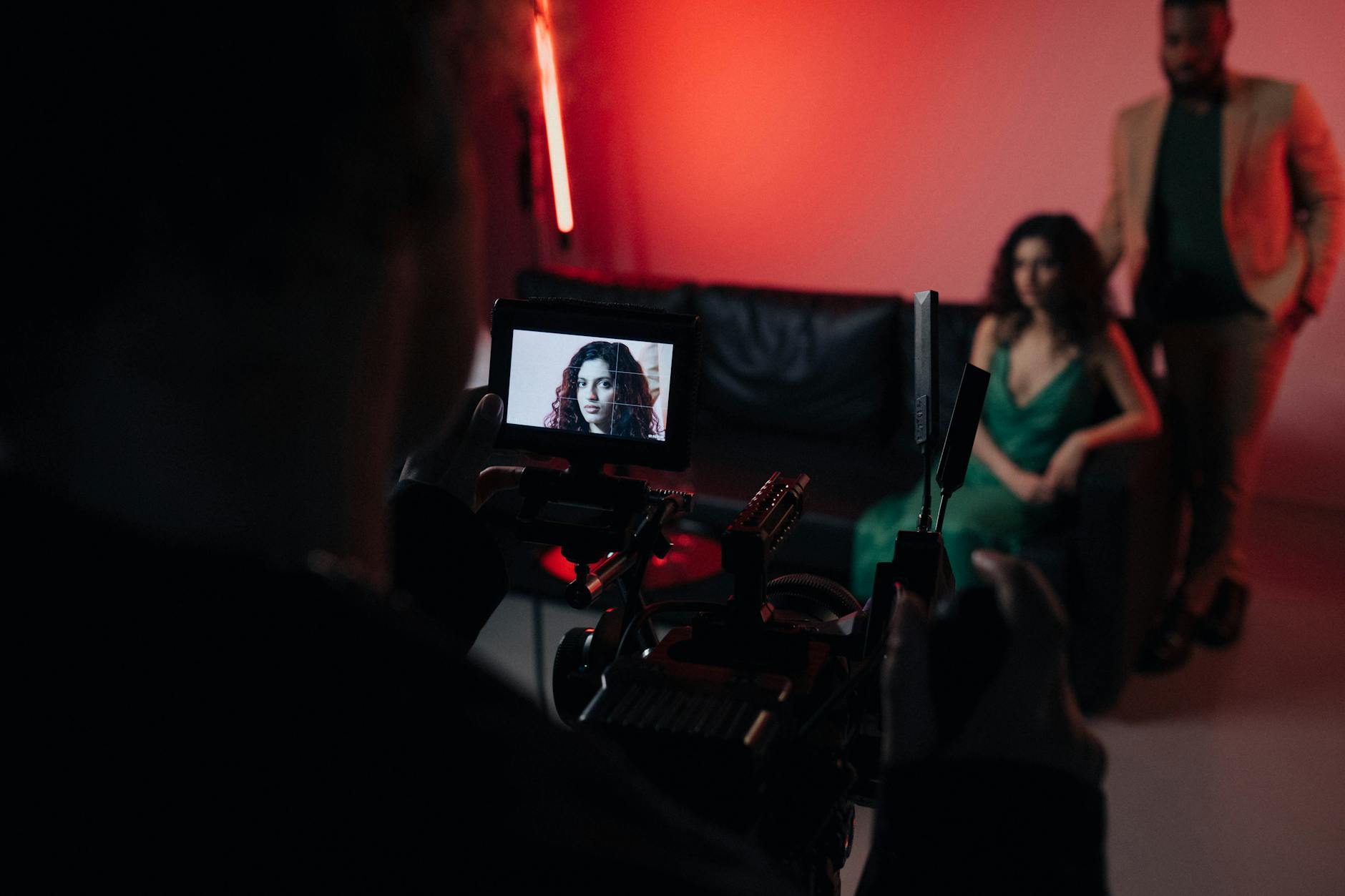
Producing high-quality time lapse videos hinges on selecting the right equipment and software tailored to the project's specific needs. The core hardware includes reliable cameras capable of capturing images at set intervals, with DSLR and mirrorless models often preferred for their durability and image quality. For outdoor shoots or extended sessions, weather-resistant enclosures safeguard equipment from environmental elements, ensuring uninterrupted operation.
In addition to the camera itself, accessories such as extra batteries and high-capacity SD cards are vital to support prolonged shooting durations. Remote monitoring devices permit real-time adjustments and oversight without physically being on location, which is particularly advantageous for difficult-to-access environments.
 igure>
On the software front, specialized applications enable meticulous assembly and editing of image sequences. Programs like Adobe After Effects, Lightroom, and dedicated time lapse tools allow for seamless sequence compilation, color correction, stabilization, and adding effects or overlays. The integration of these software solutions ensures that the final video is polished, visually engaging, and aligned with the intended message.
Steps Involved in Producing Time Lapse Videos
- Concept Planning: Establish the purpose, scene selection, and shot duration. Decide on the intervals between shots based on the speed of the subject or scene dynamics.
- Equipment Preparation: Set up cameras, ensure batteries and storage are adequate, and configure camera settings, including resolution, exposure, and interval timing.
- Filming: Execute the shoot, monitoring camera performance and environmental conditions. Use remote controls or monitoring tools to make real-time adjustments if necessary.
- Image Processing: Transfer images to a computer, then assemble and edit them using professional software. Apply necessary color correction, stabilization, and effects to enhance visual appeal.
- Finalization and Exporting: Export the completed video in the desired format, ensuring optimal quality for distribution across various platforms.
Applications of Time Lapse Videos in Miami Industries
Time lapse videos have become instrumental across various industries in Miami, providing innovative ways to showcase processes, developments, and transformations. These videos are particularly valuable in sectors such as construction, real estate, tourism, marketing, and events. For instance, in construction, time lapse footage captures the progression of building projects from groundbreaking to completion, offering a compelling narrative of development over days, months, or even years. Such visual documentation not only enhances project transparency but also serves as a powerful promotional tool for stakeholders and potential clients.
In the real estate market, Miami professionals leverage time lapse videos to demonstrate the evolution of property developments, providing prospective buyers with a dynamic view of property progress and neighborhood growth. This method enhances marketing strategies by engaging viewers and fostering a deeper connection with the project.
Tourism and hospitality sectors utilize time lapse videos to highlight vibrant cityscapes, festivals, or scenic locations, attracting travelers and visitors. These captivating visuals can effectively communicate the vitality and beauty of Miami's attractions, encouraging future visits.
Events such as concerts, festivals, or city celebrations benefit from time lapse coverage, capturing the energy and scale of these gatherings in a condensed, engaging format. This type of content is ideal for social media promotion and future event planning insights.
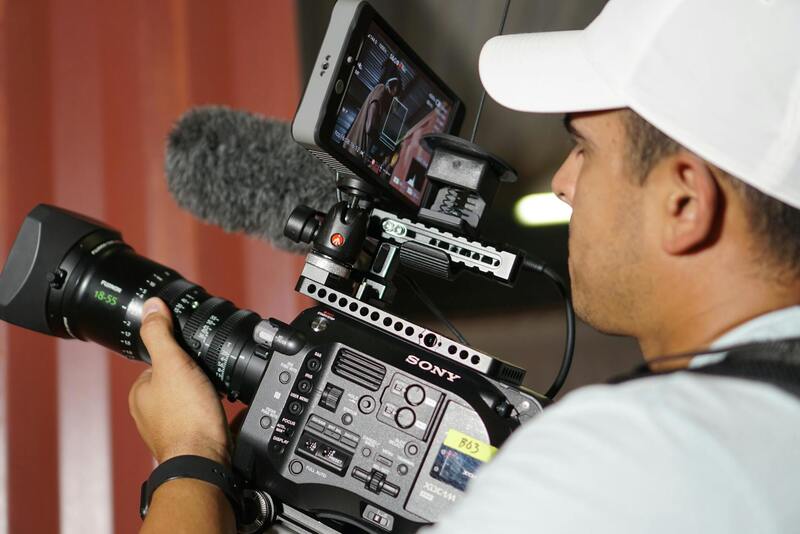
Additionally, in the realm of urban planning and infrastructure projects, time lapse videos facilitate documentation and public engagement by providing a visual record of progress and environmental changes. This not only aids in project management but also enhances transparency with the community.
Due to Miami’s dynamic landscape and rapid development pace, professional time lapse video services are increasingly sought after to produce high-quality, impactful visual stories. These videos serve as valuable assets in marketing campaigns, investor presentations, and community outreach, reinforcing the importance of leveraging specialized expertise and appropriate equipment to capture the essence of each project effectively.
By selecting a dedicated time lapse video service provider familiar with Miami’s unique environments and industry demands, businesses and organizations can ensure their projects are documented with precision, creativity, and professional integrity. From pre-production planning to post-production refinement, partnering with experienced local providers guarantees that the final product aligns perfectly with strategic objectives and desired visual standards.