Overview of Live Streaming in Miami
Miami has established itself as a vibrant hub for live streaming, reflecting both its cultural diversity and its role as a major economic center. The growth of the live streaming industry in this region is driven by an increasing demand from local businesses, event organizers, and content creators who seek to reach wider audiences instantly. Live streaming in Miami supports a variety of sectors including entertainment, sports, corporate events, tourism, and community activities. Its ability to deliver real-time content enhances engagement and provides opportunities for interactive experiences that traditional media cannot match.
The significance of live streaming in Miami extends beyond simple broadcasts; it contributes significantly to marketing strategies, audience expansion, and promotional efforts. For instance, live streams of music festivals, art shows, and charity events attract viewers locally and internationally, generating increased visibility and economic activity. Moreover, retail and hospitality businesses leverage live streaming to showcase new products, promote special offers, and connect directly with customers, thereby fostering stronger relationships and immediate interactions.
As mobile technology continues to evolve, the accessibility and quality of live streaming in Miami have improved drastically. High-definition broadcasts, low latency streaming, and user-friendly platforms are now commonplace, enabling content creators and businesses to produce professional-quality streams with relative ease. This technological advancement not only elevates the viewer experience but also opens new avenues for monetization and brand expansion.
Overall, the live streaming industry in Miami is a dynamic ecosystem that drives engagement, promotes local culture, and enhances commercial opportunities. Its strategic importance to the city's digital landscape highlights the ongoing shift toward real-time, virtual content delivery in today's connected world.
Technical Requirements for Miami Live Streams
Ensuring a seamless live streaming experience in Miami necessitates the setup of robust technical infrastructure. High-quality video and audio codecs, such as H.264 or H.265 for video compression and AAC for audio, are vital for maintaining clarity and reducing latency. Reliable internet connectivity is paramount; ideally, a dedicated fiber optic connection with symmetrical upload and download speeds of at least 20 Mbps for HD streams is recommended, especially during high-traffic events or large audiences.
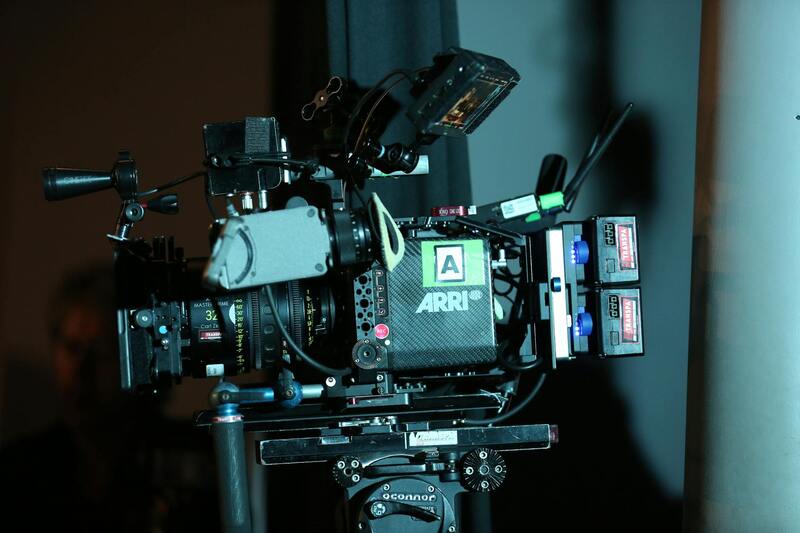
Equipment choices significantly influence the professionalism of the broadcast. Professional-grade cameras capable of capturing with high resolution and excellent color accuracy form the foundation. Complementary equipment like external microphones, audio mixers, and lighting setups enhance overall production quality. For Miami's vibrant and diverse event venues, portable and weather-resistant equipment may be essential for outdoor or dynamic environments.
Streaming platforms or content delivery networks (CDNs) act as the backbone of live broadcasts. Choosing a platform with scalable bandwidth, reliable uptime, and adaptive bitrate streaming capabilities ensures viewers receive a smooth experience regardless of device or network conditions. For Miami-based broadcasters, integrating with CDN providers that have regional servers can reduce buffering and latency.
Encoding hardware or software solutions must be compatible with chosen streaming platforms, supporting features such as multi-bitrate output and adaptive streaming. Additionally, live switchers facilitate transitions between camera angles or video sources, enabling dynamic production workflow.
Since Miami's event landscape varies from indoor conferences to outdoor festivals, portable broadcasting units or mobile live streaming kits provide flexibility and ease of setup. These units come with integrated encoders, multiple camera inputs, and battery power, making them suitable for on-location broadcasts.
Network stability and speed are key. Conducting thorough pre-event network tests ensures bandwidth sufficiency and minimizes interruptions. Backup internet options, such as cellular 4G/5G connections, add resilience to the streaming setup.
In summary, a successful Miami live stream hinges on high-quality broadcasting equipment, reliable internet connection, optimized encoding solutions, and scalable content delivery platforms. Adherence to these technical essentials guarantees a professional broadcast that meets the expectations of a diverse Miami audience or global viewers.
Technical Requirements for Miami Live Streams
Executing a flawless live stream in Miami requires meticulous attention to technical details that ensure seamless broadcasting. Critical to this process is selecting the right hardware and software solutions tailored to the specific needs of the event. High-definition cameras capable of streaming in 1080p or 4K resolution are fundamental, providing clarity and professionalism that meet viewer expectations. These cameras should support features like adjustable focus, optical zoom, and low-light performance, especially for outdoor or variable lighting conditions prevalent in Miami's diverse event settings.
Complementary to cameras are robust encoders, whether hardware or software-based. Encoders are responsible for compressing video feeds in real-time to facilitate smooth transmission over the internet. Adaptive bitrate streaming capabilities are particularly valuable in Miami, where network quality can fluctuate; they allow viewers to experience continuous playback regardless of connection speed. Additionally, multi-bitrate outputs enable content to be accessed seamlessly across various devices, from smartphones to desktops.
Reliable internet connectivity forms the backbone of any successful live stream. Miami's infrastructure offers multiple options, including fiber-optic connections, dedicated broadband, and cellular networks. Setting up backup internet sources, like 4G or 5G hotspots, ensures redundancy and uninterrupted broadcasting during unforeseen outages. Conducting comprehensive pre-event network tests is essential to verify bandwidth sufficiency and identify potential interference sources that could impair stream quality.
Switching between multiple video sources smoothly calls for professional live switchers. These devices or software solutions facilitate dynamic transitions, picture-in-picture effects, and layering of graphics or video feeds, enhancing the production value. Additionally, audio equipment such as high-fidelity microphones and mixers ensures clear sound quality, which is as vital as the visual component.
Finally, scalable streaming platforms are necessary to reach diverse audiences. These platforms support multi-channel streaming, live chat functionalities, and viewer analytics, providing comprehensive control over the broadcast and allowing real-time audience engagement. Integrating social media channels can expand reach and encourage interactive participation, making the Miami live streaming experience more engaging and professional.
Technical Considerations for Achieving High-Quality Miami Live Streams
Ensuring a seamless live streaming experience in Miami involves meticulous attention to technical details that influence broadcast quality and viewer engagement. High-quality video and audio are the foundation of professional streaming, which necessitates investment in cutting-edge equipment and infrastructure.
Video Capture and Encoding Solutions
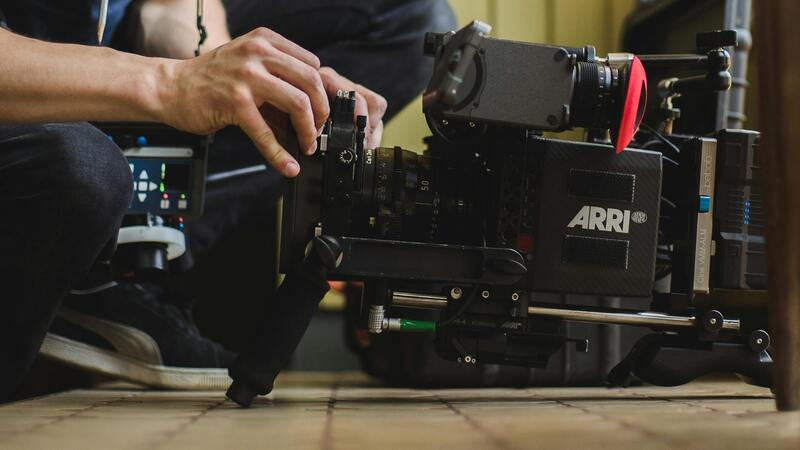
The choice of video capture devices directly impacts the clarity and resolution of your stream. Professional-grade cameras equipped with high-definition sensors ensure sharp images with accurate color reproduction. Compatibility with various input options allows integration with multi-camera setups, facilitating dynamic and engaging broadcasts.
Encoding hardware or software translates raw video signals into compressed formats suitable for streaming platforms. Hardware encoders generally provide consistent performance with lower latency, essential for live interactions. Implementing adaptive bitrate streaming adjusts video quality based on viewer bandwidth, reducing buffering and enhancing user experience.
Audio Quality and Management
Clear audio complements high-definition video, making it a critical component of effective live streams. Using high-fidelity microphones and professional audio mixers ensures crisp sound and minimizes background noise. Positioning microphones strategically, such as lavalier or shotgun mics, optimizes speech intelligibility for various environments and event types.
Connectivity and Network Stability
Reliable internet connectivity remains the backbone of any successful Miami live stream. Static IP addresses, dedicated broadband connections, and fiber-optic lines provide bandwidth stability, reducing interruptions. For added security and redundancy, deploying backup options like 4G or 5G hotspots guarantees uninterrupted streaming during network outages.
Pre-event network testing is crucial. Evaluating upload speeds, latency, and interference sources helps identify potential issues, allowing for adjustments beforehand. Utilizing Quality of Service (QoS) configurations prioritizes streaming data, ensuring smooth transmission even during network congestion.
Streaming Platforms and Optimization
Choosing scalable streaming platforms capable of handling high viewer volumes is essential. Platforms that support multi-channel distribution enable broadcasting across social media and dedicated websites simultaneously, expanding reach. Features like live chat and viewer analytics foster audience interaction and provide insights into viewer engagement.
Integrating social media channels such as Facebook, YouTube, or Instagram creates a cohesive streaming ecosystem, allowing real-time interaction and content sharing. Employing multi-camera switching, graphics overlays, and real-time subtitles enhances the professional appearance of your live stream, captivating your Miami audience and encouraging active participation.

Technical Requirements for Miami Live Streams
Executing a successful live stream in Miami necessitates adherence to specific technical standards to ensure clarity, stability, and a seamless viewing experience. Paramount among these are high-capacity internet connections. Fiber-optic lines are highly recommended due to their ability to deliver consistent upload speeds essential for high-definition broadcasts without lag or interruptions. Static IP addresses are advantageous for establishing reliable streams, as they facilitate stable connections with streaming platforms and reduce the risk of drops during live transmission.
Network redundancy is vital in densely populated areas like Miami, where network congestion can impede stream stability. Professionals often deploy backup solutions such as 4G or 5G hotspots, which activate automatically in case of primary connection failure, securing uninterrupted content delivery. Conducting comprehensive pre-event network testing allows technical teams to evaluate upload speeds, latency, and potential interference sources, thereby identifying and rectifying issues prior to the live event.
Quality of Service (QoS) configuration is another critical aspect, prioritizing streaming data over other network traffic to prevent disruptions during peak usage times. This ensures that your Miami live stream maintains high quality even amid network congestion. Furthermore, employing around-the-clock network monitoring during the live event enables immediate response to any connectivity problems, safeguarding the broadcast against unforeseen technical setbacks.
Key Factors in Planning a Live Stream in Miami
Planning for a lucrative and impactful live stream in Miami requires thorough attention to several critical factors. First, understanding the target audience helps tailor content, presentation style, and interaction strategies. Miami's diverse demographic demands an inclusive approach that considers language preferences and cultural nuances to maximize engagement.
Choosing the appropriate streaming platform is essential for aligning with your content goals. Platforms that support HD streaming, multi-channel distribution, and real-time analytics provide valuable tools for measuring audience interaction and engagement. Leveraging popular social media channels like Facebook, YouTube, and Instagram amplifies reach and facilitates seamless integration with existing marketing efforts.
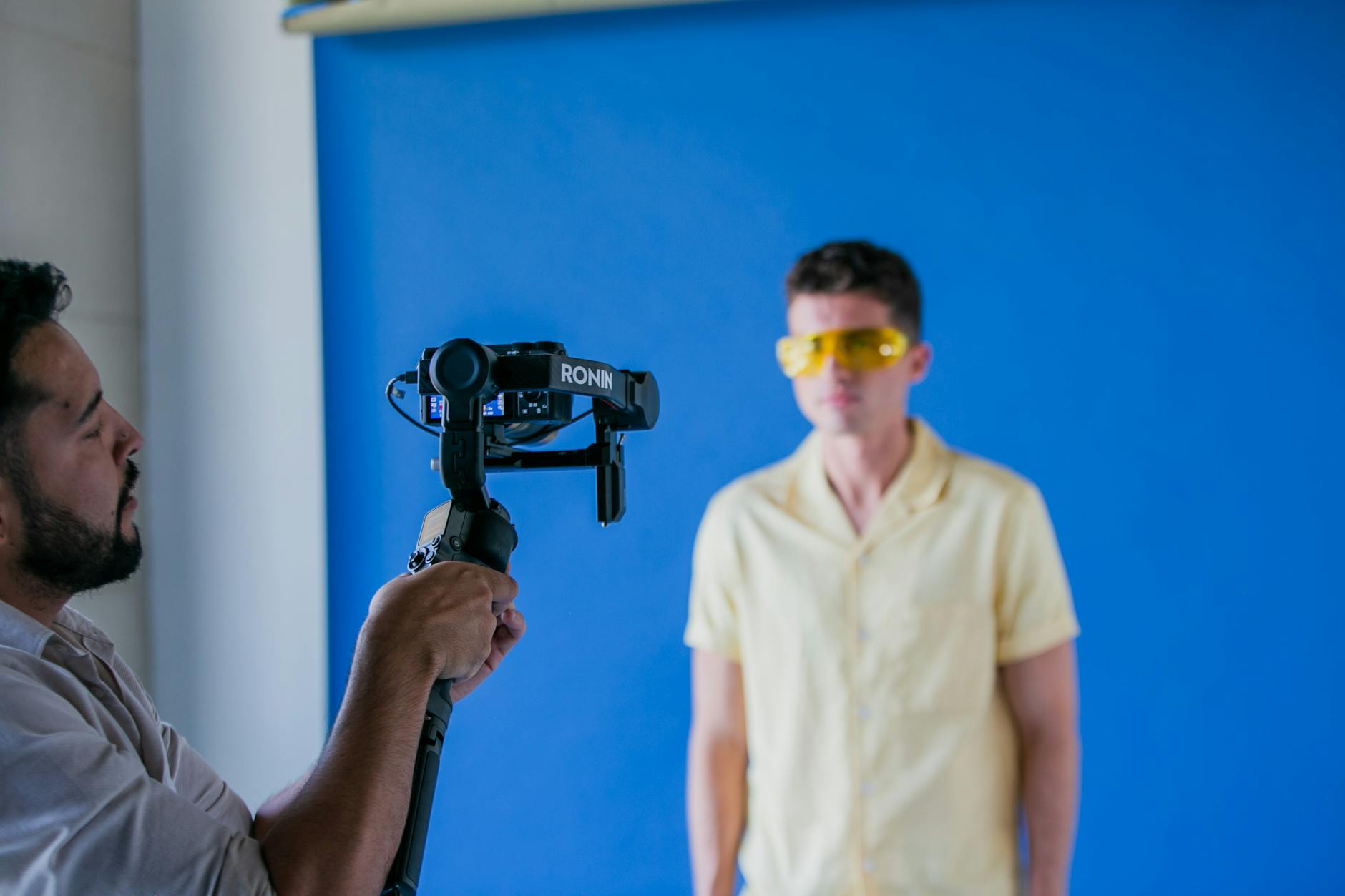
Visual presentation quality plays a pivotal role in capturing viewer attention. Multi-camera setups enable dynamic switching between different angles, creating a more engaging viewing experience. Enhancements such as graphics overlays, animated intros, or lower thirds can add professionalism and reinforce branding.
Timing also significantly influences viewer participation. Scheduling broadcasts during peak Miami hours, considering time zone differences, and promoting the event beforehand are strategies used to increase live attendance. Synchronized promotion across various platforms ensures that your audience is adequately informed and ready to tune in.

Legal and Regulatory Considerations
Navigating the legal landscape is a crucial aspect of executing a successful live stream in Miami. When broadcasting content, it is essential to obtain all necessary permits and licenses to ensure compliance with local standards and regulations. These may include permits related to audio-visual recording, public performance rights, and use of specific locations or properties during the broadcast.
Licensing agreements form the backbone of lawful streaming, especially when content involves copyrighted materials such as music, videos, or images. Securing permissions from rights holders prevents potential disputes and stream interruptions that could disrupt your live event. Additionally, content creators should review Miami-specific ordinances related to broadcasting, noise levels, and prohibited activities to stay within the legal boundaries. Maintaining transparency with your audience regarding consent and privacy policies is also paramount. If the live stream involves recording individuals or private properties, clear disclosures should be provided, and consent obtained when necessary. This approach not only reinforces trust but also aligns with best practices for responsible broadcasting.

Moreover, coordinating with local authorities or city officials can facilitate smoother operations, especially if your live stream involves footage of public spaces or events. Engaging with regulatory bodies beforehand helps clarify requirements, reduces delays, and ensures your Miami live stream proceeds without complications.
In summary, adherence to permitting practices, licensing agreements, and privacy considerations form the foundation for legally compliant live streaming. Working with experienced professionals familiar with Miami's regulatory framework can significantly streamline the process, ensuring that your broadcast remains within legal parameters while reaching your audience effectively.
Technical Requirements for Miami Live Streams
To ensure a high-quality live streaming experience in Miami, it is essential to meet specific technical standards. These standards encompass both hardware and software components that contribute to smooth broadcasting. Streaming devices should support high-definition output, with reliable internet connectivity being fundamental. A stable upload speed of at least 5 Mbps is recommended for HD streams to prevent buffering or interruptions.
Content creators and broadcasters should utilize professional-grade encoders, such as hardware encoders or software solutions capable of compressing live footage efficiently without sacrificing visual quality. Advanced streaming platforms often offer features like multi-bitrate streaming, which adjusts the stream quality based on viewer bandwidth, enhancing accessibility and viewer retention.
Ingress and egress networking are equally important. Having a dedicated bandwidth connection reduces latency and prevents the stream from being affected by local network congestion. For outdoor or mobile streams, utilizing cellular bonding technology helps maintain a stable connection across various locations in Miami.
Key Factors in Planning a Live Stream in Miami
- Event Venue and Location: Selecting appropriate venues with proper infrastructure can significantly impact stream quality. Outdoor events require additional considerations such as weatherproof equipment and backup power sources.
- Audience Engagement: Understanding the demographic and interests of Miami's diverse audience allows for tailored content that resonates and increases engagement levels.
- Content Scheduling: Timing your live streams to coincide with peak viewing hours in Miami maximizes reach. Consider local events, holidays, and cultural celebrations for strategic scheduling.
- Content Security: Protecting your stream from unauthorized access involves secure login credentials, encryption, and possibly geo-restrictions to control viewership.
- Backup Plans: Technical hiccups can occur unexpectedly. Preparing backup internet sources, secondary streaming devices, and alternative visual feeds help mitigate potential disruptions.
Role of Production Agencies in Miami Live Streaming
Professional production agencies in Miami play a crucial role in delivering high-quality live streams. These agencies bring together experienced technicians, camera operators, sound engineers, and content directors who manage every aspect of a broadcast from pre-production to live execution. Leveraging their local expertise ensures compliance with city-specific guidelines and an understanding of the logistical landscape.
Many agencies also offer comprehensive packages that include equipment setup, multi-camera management, live switching, real-time graphics, and post-event analytics. Their familiarity with Miami’s dynamic event environment allows them to execute complex live streams that incorporate multiple angles, audience interaction, and on-site branding.
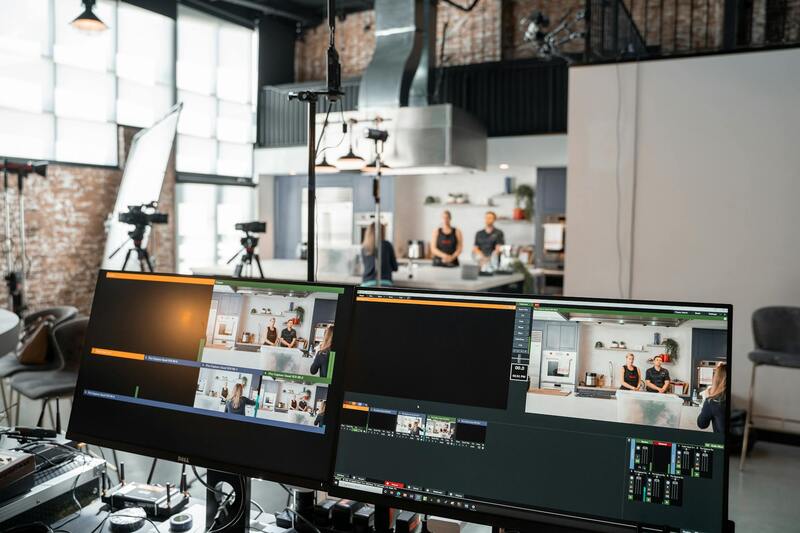
Engaging a skilled agency reduces the stress of technical management, freeing content creators to focus on delivering compelling content. Their expertise in remote broadcast technology, licensing compliance, and audience engagement strategies can elevate the overall quality and effectiveness of your live event in Miami.
Advanced Technologies and Emerging Trends in Miami Live Streaming
As Miami continues to grow as a vibrant hub for events, entertainment, and business, the landscape of live streaming is evolving rapidly. Innovations in technology and shifts in viewer engagement strategies are defining the future of live broadcasts in the region, offering more dynamic, immersive, and interactive experiences.
Emerging Technologies Shaping Live Streaming in Miami
- 4K and 8K Streaming Capabilities: Higher resolution streams are becoming increasingly accessible, providing viewers in Miami with crisp, detailed visuals similar to current broadcast standards. This advancement enhances the viewing experience for large audiences, especially during live concerts, sports events, and city festivals.
- Virtual Reality (VR) and Augmented Reality (AR): Integration of VR and AR technologies allows remote viewers to experience events as if they were physically present. In Miami, these technologies are being used for immersive city tours, real estate showcases, and interactive brand activations, creating engaging digital experiences.
- 5G Connectivity: The deployment of 5G networks across Miami enhances live streaming by reducing latency, increasing bandwidth, and supporting multiple high-quality streams simultaneously. This infrastructure is crucial for real-time interactions, multi-camera feeds, and high-definition broadcasts from crowded venues.
- AI-Driven Content Management: Artificial intelligence tools facilitate real-time video editing, captioning, and audience analysis. They help optimize stream quality, personalize viewer experiences, and provide valuable insights into viewer preferences and engagement patterns.
Adoption of New Platforms and Interactive Features
Platforms such as social media, dedicated streaming apps, and emerging live event platforms are gaining popularity for reaching Miami audiences. Live streaming on Instagram Live, Facebook Live, and Twitter allows for instant sharing and broad dissemination, while newer platforms like Twitch are expanding into event coverage beyond gaming.
Furthermore, interactive features like live polling, chat integration, virtual applause, and viewer participation modules are becoming standard. These functionalities encourage active participation during live streams, making viewers feel more connected to the event and increasing overall engagement metrics.
Data Analytics and Personalized Content
The collection of real-time analytics during live broadcasts enables content creators and marketers in Miami to understand viewer behavior deeply. Metrics such as viewer retention, engagement rates, geographic distribution, and interaction levels guide the tailoring of future content to better align with audience interests.
This targeted approach enhances the effectiveness of live streams, whether in promotional events, educational webinars, or city-wide festivals. As data-driven strategies become mainstream, Miami's live streaming scene will see more personalized and relevant content delivery, strengthening viewer relationships.