
Overview of Live Streaming in Miami
In recent years, Miami has swiftly become a focal point for dynamic live streaming activities, transforming the way local businesses, event organizers, and content creators engage with their audiences. The city's vibrant cultural scene, bustling corporate environment, and scenic outdoor venues create an ideal backdrop for real-time digital broadcasts that reach viewers both locally and globally.
Live streaming in Miami is more than a technological trend; it signifies a shift in communication and marketing strategies. Companies leverage live video to promote products, showcase events, and interact with customers in real-time, enhancing brand visibility and customer engagement. For event organizers, live streams offer the opportunity to extend their reach beyond physical attendees, drawing in remote audiences interested in everything from music festivals and sporting events to art exhibitions and corporate conferences.
Content creators, influencers, and media outlets in Miami utilize live streaming to produce authentic, immediate content that resonates with viewers. Whether broadcasting from iconic Miami beaches, bustling neighborhoods, or high-profile venues, live streaming allows these individuals and organizations to craft compelling narratives that captivate their audiences.
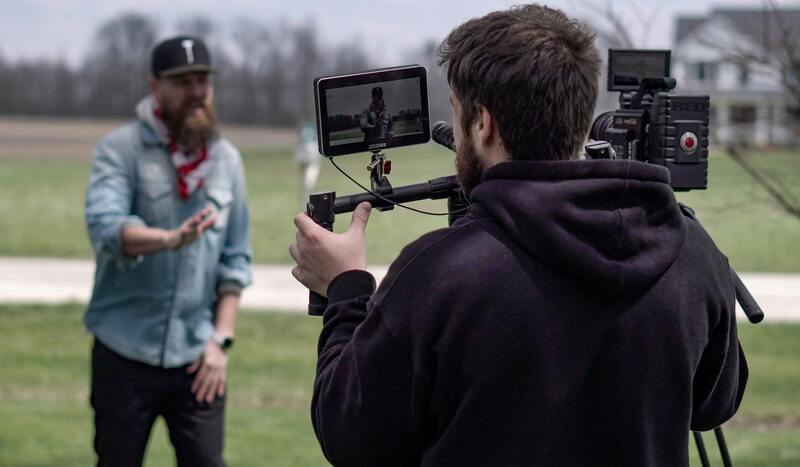
Furthermore, the integration of advanced streaming technology has made high-quality live broadcasts accessible to a broader range of users. This democratization of live video has fostered a more inclusive environment for creative expression, promotional activities, and community engagement across Miami’s diverse landscape. As live streaming continues to evolve, its impact on the local economy and digital communication strategies remains profoundly significant, positioning Miami as a growing hub of live broadcast activity.
Overview of Live Streaming in Miami
Miami has established itself as a vibrant hub for live streaming, driven by its dynamic cultural scene, bustling entertainment industry, and innovative business landscape. This city’s diverse locales—ranging from iconic beaches and lively neighborhoods to high-profile event venues—offer an ideal backdrop for real-time video broadcasting. Local organizations leverage live streaming to showcase their offerings, engage audiences globally, and enhance their visibility in competitive markets. The adoption of live broadcasting technologies in Miami facilitates direct interaction with viewers, creating authentic connections and amplifying engagement. For event organizers, live streaming extends the reach of concerts, festivals, corporate gatherings, and art exhibitions beyond physical attendees, making content accessible to remote audiences around the world. This approach not only broadens exposure but also contributes to building a loyal community of followers, subscribers, and supporters. Furthermore, technological advancements have significantly lowered the barriers for high-quality live production in Miami. As a result, small businesses, startups, and community groups can now produce professional-grade broadcasts without extensive overhead costs. Streamers use a combination of portable equipment, cloud-based services, and high-speed internet to craft seamless live content. The continuous evolution of these tools fosters an inclusive environment where creative professionals, marketers, and entrepreneurs can innovate and explore new avenues for storytelling and brand promotion. Miami’s live streaming scene is characterized by its adaptability and technological sophistication. The availability of reliable internet services, access to top-tier production equipment, and a wide array of service providers contribute to its growth. As digital content consumption continues to rise, the city’s live streaming ecosystem sustains its momentum, positioning Miami as a leading destination for high-impact live broadcasts that captivate global audiences.
Types of Live Stream Services Available in Miami
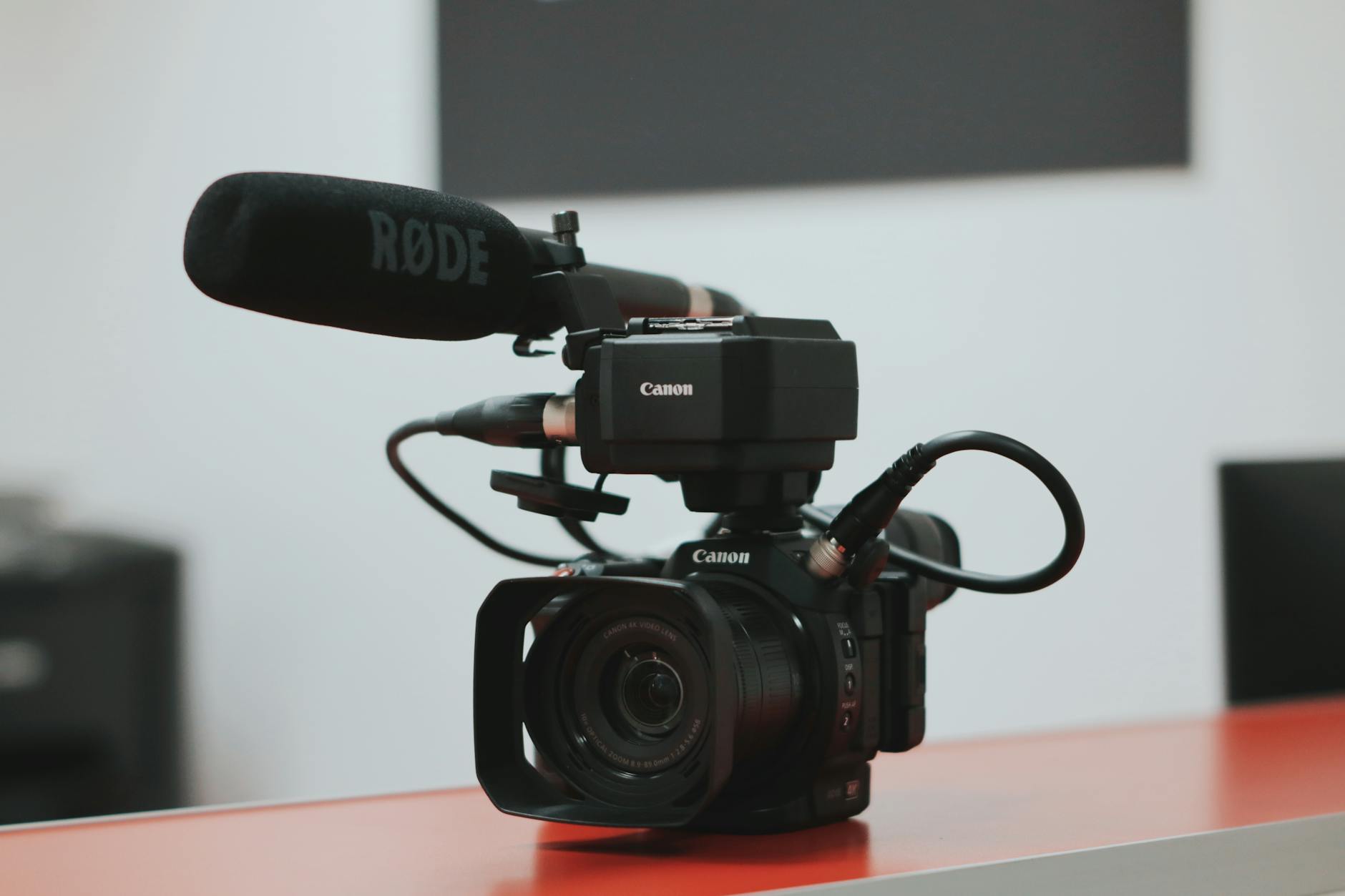
In Miami, a variety of live stream services are tailored to meet the diverse needs of clients, whether for corporate events, social gatherings, or entertainment purposes. These services can broadly be categorized into professional production, platform-specific streaming, and on-site versus remote solutions. Professional production services in Miami often involve a team of technical experts and high-end equipment. These providers handle planning, filming, editing, and broadcast management to ensure a polished final product. They are typically engaged for large-scale events such as music festivals, product launches, or conference panels, where production quality directly impacts viewer experience. Platform choices include popular options like Facebook Live, YouTube Live, Instagram Live, and custom RTMP solutions. Some Miami-based providers specialize in optimizing streams for specific platforms, ensuring maximum reach and compatibility across devices. These services cater to clients who want to leverage existing social media channels for promotional purposes. On-site streaming involves broadcasting directly from the event location using portable equipment, ideal for real-time coverage of concerts, neighborhood festivals, or sporting competitions. Remote streaming, by contrast, relies on a dedicated crew managing the broadcast from an off-site location, often utilizing cloud-based solutions for multi-camera setups or complex production needs. By blending these services, Miami organizers and content creators can select the most effective approach to meet their objectives and audience expectations, regardless of scale or complexity.
Key Features to Consider When Choosing a Miami Live Stream Provider
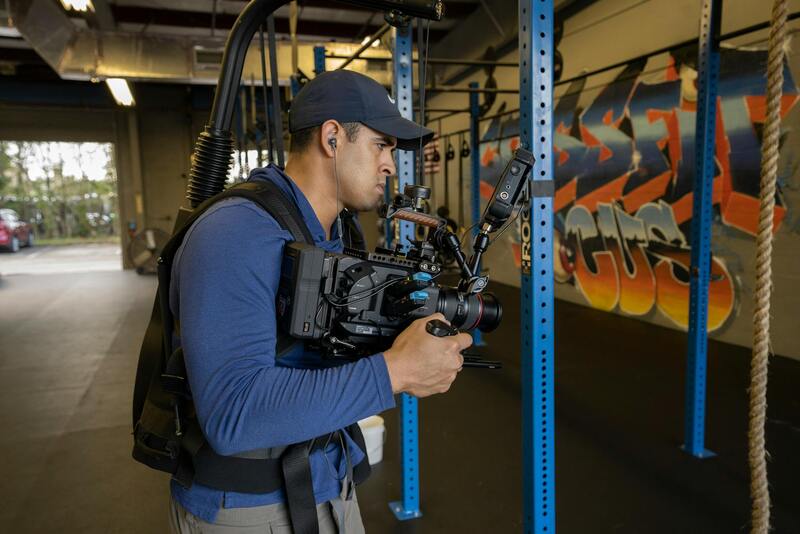
Selecting the right live stream partner in Miami involves evaluating several critical features to ensure a seamless and impactful broadcast.
- Technical Expertise: The provider should possess a deep understanding of streaming technologies, troubleshooting skills, and experience with diverse event types.
- Equipment Quality: High-quality cameras, audio equipment, and internet connectivity are essential for producing professional-grade content.
- Platform Compatibility: The ability to stream across multiple platforms and integrate with social media channels maximizes audience reach.
- Customization Options: Solutions that allow branding, overlays, multiple camera angles, and interactive features enable a personalized viewer experience.
- Scalability: Providers should accommodate varying audience sizes and adapt to different event scales without compromising quality.
- Support and Reliability: 24/7 technical support and backup systems mitigate risks during live broadcasts, ensuring consistent performance.
- Cost and Packages: Transparent pricing structures aligned with specific needs help in making informed decisions.
Overview of Live Streaming in Miami
Miami has emerged as a vibrant hub for live streaming, driven by its dynamic entertainment scene, diverse business environment, and a tech-savvy population that values instant access to content. The city's unique geographic location and extensive digital infrastructure make it an ideal location for hosting high-quality live events, whether they are cultural festivals, corporate conferences, or sporting events. Leveraging live stream technology allows organizers to reach broader audiences beyond physical boundaries, increasing engagement and participation. As live streaming becomes an integral part of Miami's media landscape, local providers have refined their offerings, ensuring seamless broadcasts that meet the high standards expected by viewers and content creators.
Current Trends Shaping Live Streaming in Miami
- Multiplatform Streaming: Content is simultaneously broadcast across various social media and streaming platforms, increasing reach and visibility.
- Interactive Features: Enhanced viewer engagement through real-time polls, Q&A sessions, and chat integrations.
- HD and 4K Quality: Demand for higher resolution streams to provide crisp visuals, especially for live performances and sports.
- Mobile-First Broadcasting: Optimization for mobile devices ensures accessibility for users on the go, aligning with Miami’s active lifestyle.
- Use of Drones and 360-Degree Cameras: Innovative filming techniques add dynamic perspectives and immersive experiences for viewers.
Impact of Live Streaming on Miami’s Cultural and Business Sectors
In Miami, live streaming plays a crucial role in amplifying the city’s cultural events, like Art Basel and Miami Fashion Week, by extending their reach globally. Businesses utilize live streams to showcase new products, host virtual tours, and conduct seminars, all while maintaining high engagement levels. This approach not only broadens the audience base but also enhances the city’s reputation as a forward-thinking and digitally connected marketplace. Additionally, live streaming supports the city’s vibrant nightlife and entertainment venues, enabling them to attract international audiences and increase revenue streams.
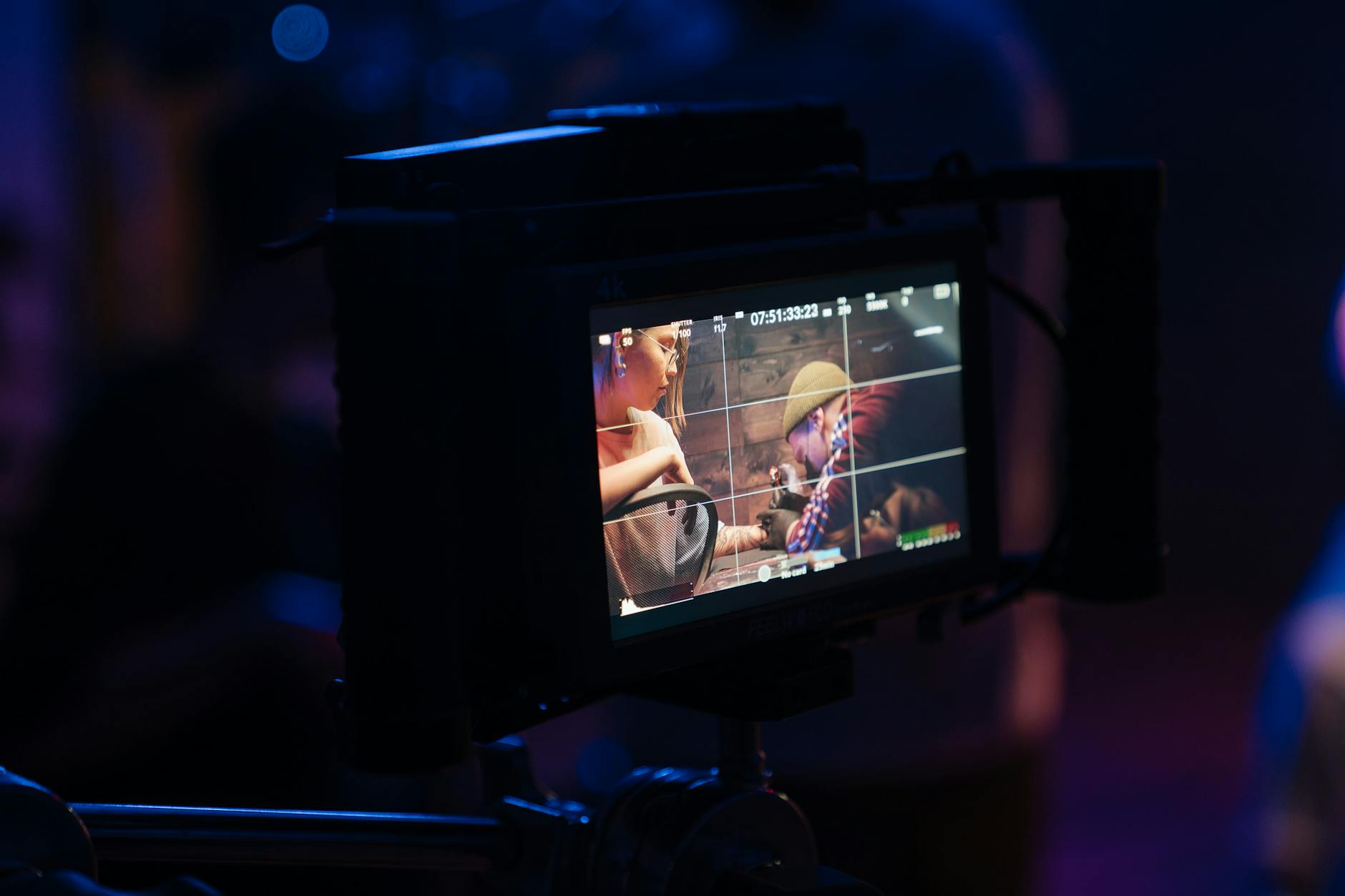
Considerations for Effective Live Streaming in Miami
Successful live streaming requires more than just good equipment; it involves strategic planning, technical proficiency, and a thorough understanding of the local audience’s preferences. Factors include selecting the appropriate technology to handle Miami’s bandwidth-intensive streams, choosing venues equipped with reliable internet infrastructure, and ensuring that the content resonates with the multicultural and diverse demographic. Collaboration with experienced providers familiar with Miami’s event landscape ensures smooth execution and maximum viewer satisfaction.
Ultimately, establishing a reliable, high-quality live streaming operation in Miami enhances brand visibility, boosts audience engagement, and opens new avenues for revenue and growth across industries.
Technical Aspects of Live Streaming in Miami
Implementing successful live streaming in Miami requires a comprehensive understanding of the technical components that ensure seamless delivery of content. High-quality broadcast production hinges on selecting the right equipment, reliable internet connections, and robust streaming platforms. Popular platforms are optimized to handle the city's high-density events and high-definition content, providing consistent streaming without interruptions.
One of the crucial technical considerations involves bandwidth management. Miami's vibrant event scene, coupled with the increasing demand for high-resolution video formats, necessitates high bandwidth capacity. Providers often utilize dedicated internet lines or bonded internet solutions to maintain stability during broadcasts. This ensures viewers receive a smooth experience without buffering delays or quality loss.

Video encoding technology is another essential aspect. Advanced encoders transcode the live footage into multiple formats and resolutions, allowing viewers to access streams that match their device capabilities and internet speeds. This adaptive streaming ensures accessibility for a diverse audience, including international viewers who tune in during Miami’s major events.
Audio quality is equally vital, especially for live performances, conferences, or sports events. High-fidelity microphones and professional audio mixing gear are employed to capture clear sound, while noise reduction technologies minimize background interference. Proper synchronization between audio and video streams maintains the overall production quality.
Lighting and camera technology also play a pivotal role. HD and 4K cameras, coupled with dynamic lighting setups, deliver visually engaging streams. Pan-tilt-zoom (PTZ) cameras provide flexible coverage of large venues and outdoor locations, allowing operators to switch angles effortlessly and keep viewers focused on the event’s key moments.
Moreover, choosing an appropriate streaming platform tailored for Miami’s event needs guarantees scalability and security. Many providers offer cloud-based solutions, facilitating on-the-fly adjustments and reliable distribution. Encryption and secure login features help protect proprietary content and sensitive event material.

Effective technical planning involves pre-event testing, backup systems, and real-time monitoring. Conducting dry runs allows teams to troubleshoot potential issues beforehand, while redundancy measures like backup internet connections safeguard against unforeseen disruptions. During the event, professional technical staff monitor the live stream, making real-time adjustments as needed to ensure optimal performance.
In sum, mastering the technical elements of live streaming in Miami is essential for delivering compelling content that captivates audiences locally and globally. Strategic equipment selection, network reliability, and expert execution combine to create an immersive viewing experience that elevates the city’s digital outreach efforts.
Technical Aspects of Live Streaming in Miami
Implementing successful live streaming in Miami requires a comprehensive understanding of the technical components that ensure high-quality broadcasts. Central to this process is the choice of encoding hardware and software. Reliable encoders transform raw video and audio inputs into streamable formats, with hardware encoders often favored for their stability and efficiency. Software encoders, meanwhile, offer flexibility and cost-effectiveness, especially suitable for smaller events or quick setups.
Bandwidth management is critical, given Miami’s vibrant event scene which often attracts large audiences. Securing dedicated high-speed internet connections minimizes latency and buffering issues, providing a seamless viewing experience. In areas with variable connectivity, backup internet solutions such as LTE or 5G hotspots serve as vital fail-safes, ensuring continuous coverage even amidst network fluctuations.

Video quality directly influences viewer engagement; thus, selecting the right camera technology is paramount. Professional-grade HD and 4K cameras with high dynamic range (HDR) capabilities deliver crisp, vibrant visuals that captivate audiences. Supplementing fixed cameras with pan-tilt-zoom (PTZ) units grants dynamic coverage of large or outdoor venues, allowing operators to swiftly adapt angles and focus on key moments.
Audio clarity is equally vital. High-fidelity microphones, mixers, and sound processors help produce clear, distortion-free audio, which enhances overall production value. External audio feeds can be integrated seamlessly into the broadcast, especially for live concerts or conferences where sound quality enhances viewer immersion.
Streaming platforms and protocols also play a significant role. Choosing a platform that supports adaptive bitrate streaming ensures viewers receive the best possible quality based on their internet speed. Protocols such as RTMP and HLS facilitate compatibility with various devices and networks, broadening audience access.
Security measures remain integral to safeguarding content. Encryption techniques protect streams from unauthorized access, while secure login systems restrict viewing to authorized audiences. Content delivery networks (CDNs) are often employed to distribute streams effectively across Miami and beyond, reducing latency and improving load capacity during high traffic periods.
On-site technical staff are essential for real-time monitoring and troubleshooting. During the live event, team members track stream health, address potential issues promptly, and coordinate with network providers to optimize bandwidth use. Pre-event testing, redundancy planning, and clear communication channels are vital components of the technical workflow, ensuring a resilient and high-quality streaming experience.
For Miami-based producers, integrating these technical elements harmoniously results in broadcasts that are not only engaging and professional but also resilient against common operational challenges. Whether streaming a corporate seminar, a music festival, or a sports event, attention to detail in technical planning directly correlates with audience satisfaction and overall success.
Technical Aspects of Live Streaming in Miami
Executing a high-quality live stream in Miami requires an in-depth understanding of the core technological components that underpin successful broadcasts. From internet infrastructure to broadcasting standards, each element plays a critical role in ensuring a seamless viewing experience for audiences located within Miami and around the globe.

Internet Infrastructure and Bandwidth
Miami benefits from a robust and extensive internet infrastructure, with fiber-optic networks providing high-speed bandwidth essential for live streaming. To achieve a smooth and stable broadcast, providers need to evaluate upload speeds, latency, and network reliability. A dedicated internet connection, preferably wired, minimizes disruptions and supports higher bitrate streams, particularly for large events with numerous viewers.
Broadcast Standards and Protocols
Compliance with established broadcast standards such as RTMP (Real-Time Messaging Protocol) and HLS (HTTP Live Streaming) ensures compatibility across various devices and platforms. RTMP serves as an effective transmission protocol for uploading streams to content delivery networks, while HLS allows for adaptive bitrate streaming, adjusting video quality dynamically based on viewer internet speed. These standards facilitate real-time, high-quality broadcasts suitable for diverse audiences in Miami and beyond.
Encoding and Compression Technologies
Proper encoding tools convert raw video footage into suitable formats for live streaming, balancing quality with file size to optimize delivery. High-efficiency codecs like H.264 or H.265 are widely used for their ability to deliver high-definition visuals without excessive bandwidth consumption. Advanced hardware encoders or cloud-based solutions provide scalability and flexibility, crucial during large events or when streaming multiple channels simultaneously.
Content Delivery Networks and Edge Servers
Deploying CDNs helps distribute stream content efficiently across Miami’s geographic area, reducing latency and buffering rates. Edge servers positioned strategically within the city ensure viewers receive content from the nearest possible source, enhancing load times and stream stability. These networks are vital for handling high traffic volumes during popular events or peak viewing hours.
Monitoring and Troubleshooting Tools
Real-time analytics and monitoring software detect potential issues before they impact viewers. Metrics such as bit rate, packet loss, and latency are continuously analyzed, enabling operators to adjust stream parameters promptly. Implementing redundant hardware and backup internet connections further ensures continuous broadcast even if primary systems encounter difficulties.
Content Security and Rights Management
Protecting streamed content from unauthorized access involves encryption and secure transmission protocols. Implementing digital rights management (DRM) solutions, HTTPS streaming, and tokenized access controls help safeguard proprietary content. These measures maintain viewer trust and uphold the integrity of the broadcast.

Technical Aspects of Live Streaming in Miami
Delivering a high-quality live stream in Miami requires a comprehensive understanding of the technical infrastructure and equipment involved. Ensuring reliable, clear, and uninterrupted broadcasts hinges on several key components designed to optimize performance within the city’s dynamic environment.
Bandwidth and Internet Connectivity
At the core of any successful live stream is a robust internet connection capable of supporting high data transfer rates. Miami's geographic location often necessitates the use of multiple internet service providers (ISPs) or dedicated fiber optic connections to ensure sufficient upload bandwidth. This prevents common issues like buffering or stream lag, particularly during high-traffic events or when multiple streams are routed simultaneously.
Encoding Hardware and Software
Efficient encoding setups are essential for converting raw video footage into streamable formats. Hardware encoders, such as professional-grade broadcast encoders, offer superior stability and quality management, particularly in large-scale events. Cloud-based encoding platforms are also popular for their scalability and ease of use, allowing content producers to manage streams remotely and adapt quickly to changing requirements.
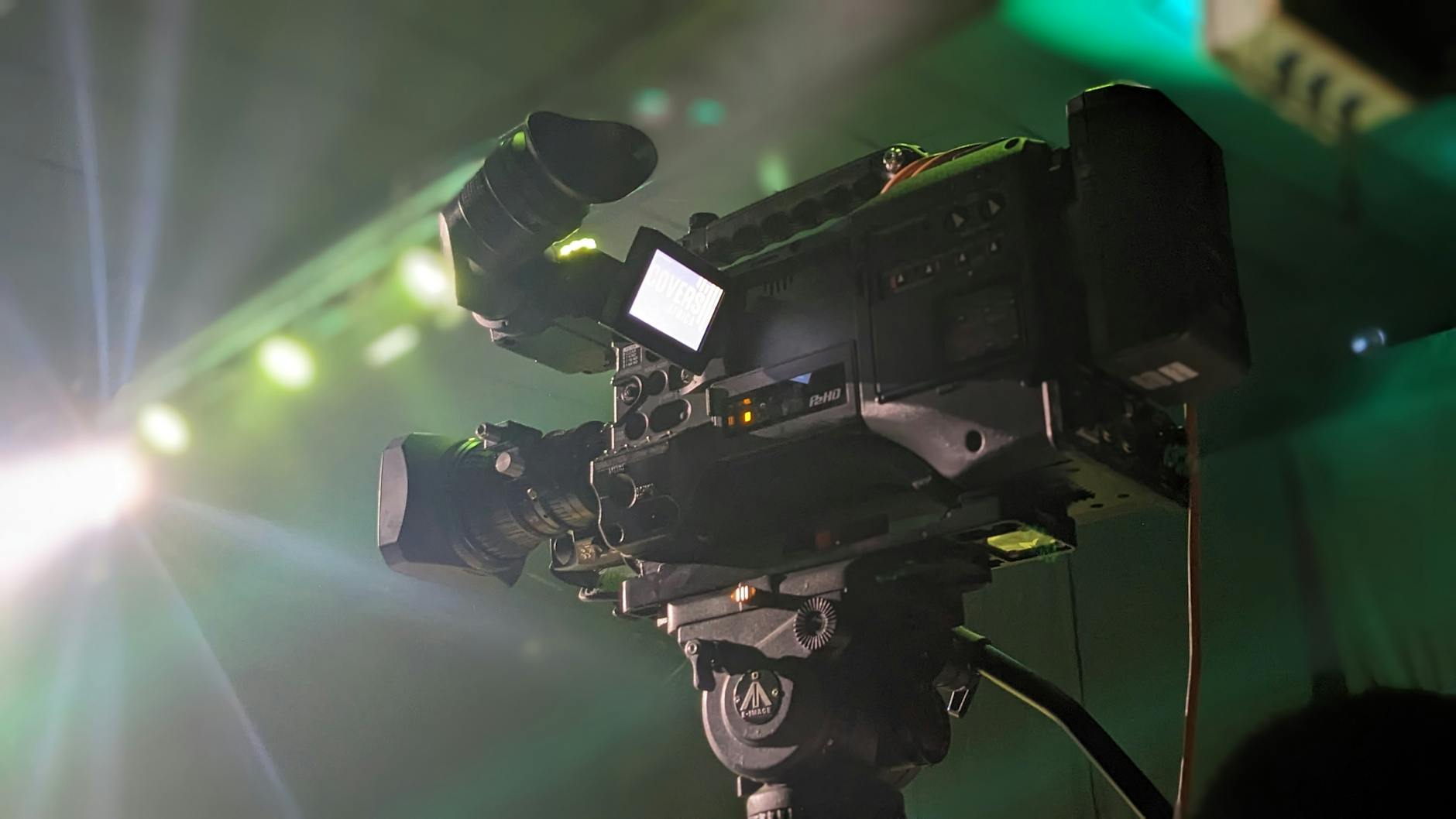
Content Delivery Networks and Edge Servers
To reach viewers efficiently across Miami and nearby regions, deploying Content Delivery Networks (CDNs) is critical. CDNs distribute streaming content via a network of strategically located edge servers, reducing latency and load times. This decentralization minimizes buffering, especially during high-demand periods like festivals or large conferences, ensuring every viewer receives a smooth experience.
Monitoring and Troubleshooting Tools
Continuous monitoring throughout the broadcast helps detect and resolve issues proactively. Tools that track metrics such as bit rate, latency, packet loss, and jitter enable operators to make real-time adjustments, preserving stream quality. Incorporating redundant hardware and backup internet connections further boosts reliability, avoiding interruptions during live events in Miami.
Content Security and Rights Management
Protecting streamed content involves layered security measures. Encryption protocols, HTTPS streaming, and tokenized access controls restrict unauthorized viewing. Digital Rights Management (DRM) systems help safeguard proprietary footage or branded content, maintaining exclusive access integrity.

Implementing these technological measures ensures a seamless and professional live streaming experience tailored to Miami’s unique market demands. From event coverage to corporate broadcasts, these components form the foundation of a reliable streaming service, capable of handling Miami’s diverse venues, audiences, and real-time engagement needs.
Exploring Innovative Technologies Enhancing Live Streaming in Miami
Miami’s dynamic event landscape and diverse audience demand continual advancements in live streaming technologies. Cutting-edge tools are transforming how content is delivered, ensuring higher quality, better interaction, and broader reach. A primary development is the integration of 4K and HDR streaming capabilities, offering viewers crystal-clear visuals and vibrant color accuracy, which is particularly beneficial for fashion shows, art exhibitions, and luxury brand events held in Miami.
Adaptive bitrate streaming remains a cornerstone, automatically adjusting the quality of the stream based on the viewer's internet speed. This innovation significantly reduces buffering and interruption, essential for maintaining professional standards during large-scale events such as Miami Art Week or Miami Music Week. Similarly, Content Delivery Networks (CDNs) designed specifically for live content ensure robust distribution, minimizing latency and preserving synchronization across geographically dispersed audience members.
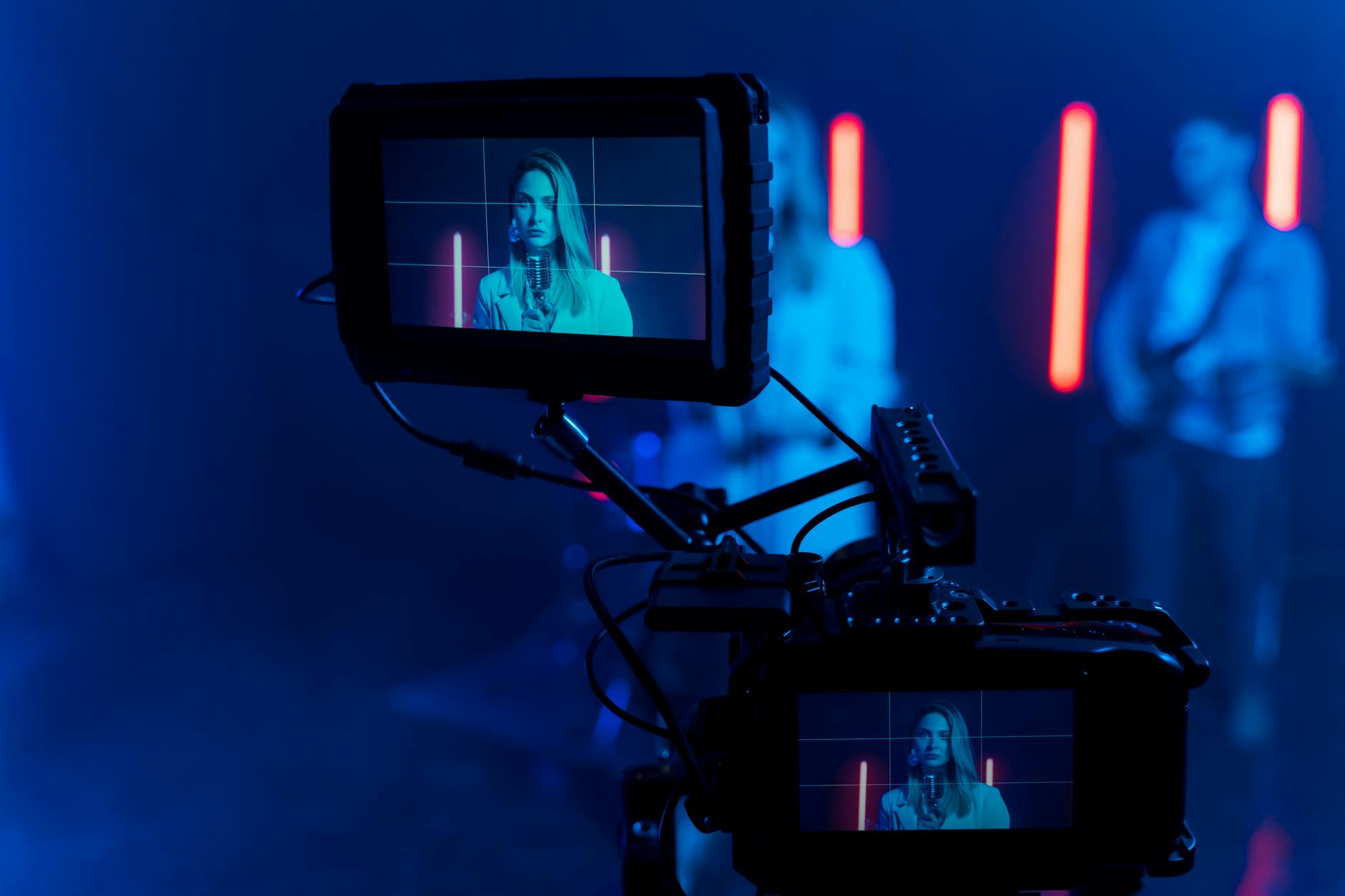
Emerging technologies like Multi-View streaming enable viewers to select multiple angles or camera feeds simultaneously. This feature enhances engagement for sports events, concerts, or fashion shows, giving audiences a more immersive experience. Additionally, augmented reality (AR) and virtual reality (VR) integration are beginning to make their way into Miami’s live broadcasts, creating interactive experiences that push the bounds of conventional streaming and encourage active participation.
Leveraging AI and Data Analytics in Live Streaming
Artificial Intelligence (AI) tools are increasingly utilized to optimize live streams, from automatic content tagging and highlight reel creation to real-time captioning and translation services. These innovations improve accessibility and audience engagement for Miami’s multicultural and multilingual demographic.
Furthermore, data analytics provide valuable insights into viewer behavior, allowing content creators and event organizers to tailor their productions effectively. Metrics such as viewer retention, engagement levels, and geographic distribution help refine future live streaming strategies, ensuring more precise targeting and content relevance.
Security Enhancements for Live Streaming in Miami
Security protocols are imperative for protecting high-profile events or proprietary content. The deployment of end-to-end encryption ensures that only authenticated viewers access streams, while watermarking discourages unauthorized copying or distribution. Multi-factor authentication and token-based access controls add layers of security that align with Miami’s emphasis on premium event experiences, safeguarding both providers and viewers.

As Miami continues to be a hub for international conventions, concerts, and corporate gatherings, the technology supporting live streams must stay ahead, providing seamless, secure, and engaging experiences tailored to the city’s vibrant event scene.