
Overview of Live Event Streaming Services
Live event streaming services have revolutionized the way organizations, brands, and organizers broadcast their events to audiences worldwide. These services facilitate real-time transmission of events such as conferences, corporate gatherings, concerts, sports competitions, and community festivals. By leveraging advanced internet technologies, live streaming enables content to be shared instantly, reaching viewers across different geographical locations without the need for physical attendance.
For event organizers, the ability to broadcast live events enhances audience engagement, broadens reach beyond physical confines, and creates new opportunities for interaction and content monetization. Audience members no longer have to be present in person; instead, they can participate remotely through various devices including smartphones, tablets, and desktop computers. This level of accessibility ensures high participation rates, increases brand exposure, and allows for detailed audience analytics which can inform future event planning.
Modern live streaming platforms integrate seamlessly with social media channels and website integrations, further extending the visibility of events to targeted demographics or specific communities. The immediacy and interactivity of live streams can include features such as live chat, Q&A sessions, and real-time polls, making the experience more dynamic and engaging for remote viewers. As the demand for instant access and high-quality broadcast experiences continues to grow, event organizers increasingly rely on professional live streaming services to deliver consistent, reliable, and immersive viewing experiences.
This expanding landscape underscores the importance of choosing the right technological solutions and providers that ensure smooth operation, excellent video quality, and minimal latency during events. Such services are no longer optional but essential tools for modern event management, especially as attendees and viewers expect seamless, continuous, and engaging broadcast experiences.
Technologies and Equipment Used in Live Streaming
To deliver a seamless and professional live event streaming experience, a combination of advanced technologies and reliable equipment is essential. These tools ensure high-quality video output, minimal latency, and consistent streaming performance, which are critical for engaging remote audiences and maintaining broadcast integrity.
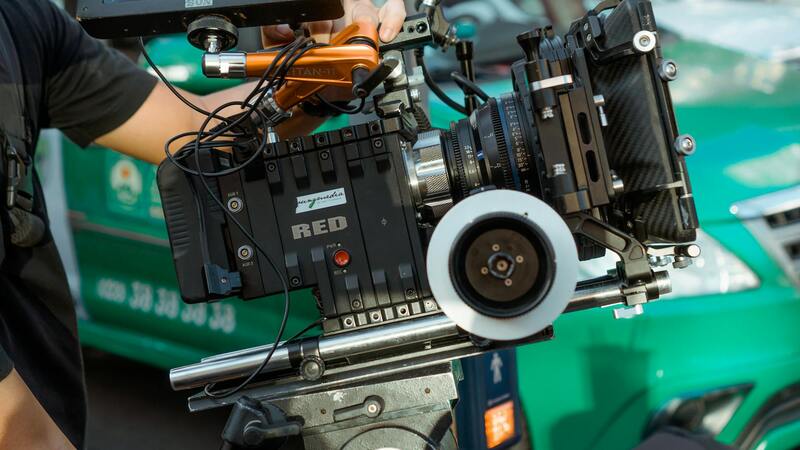
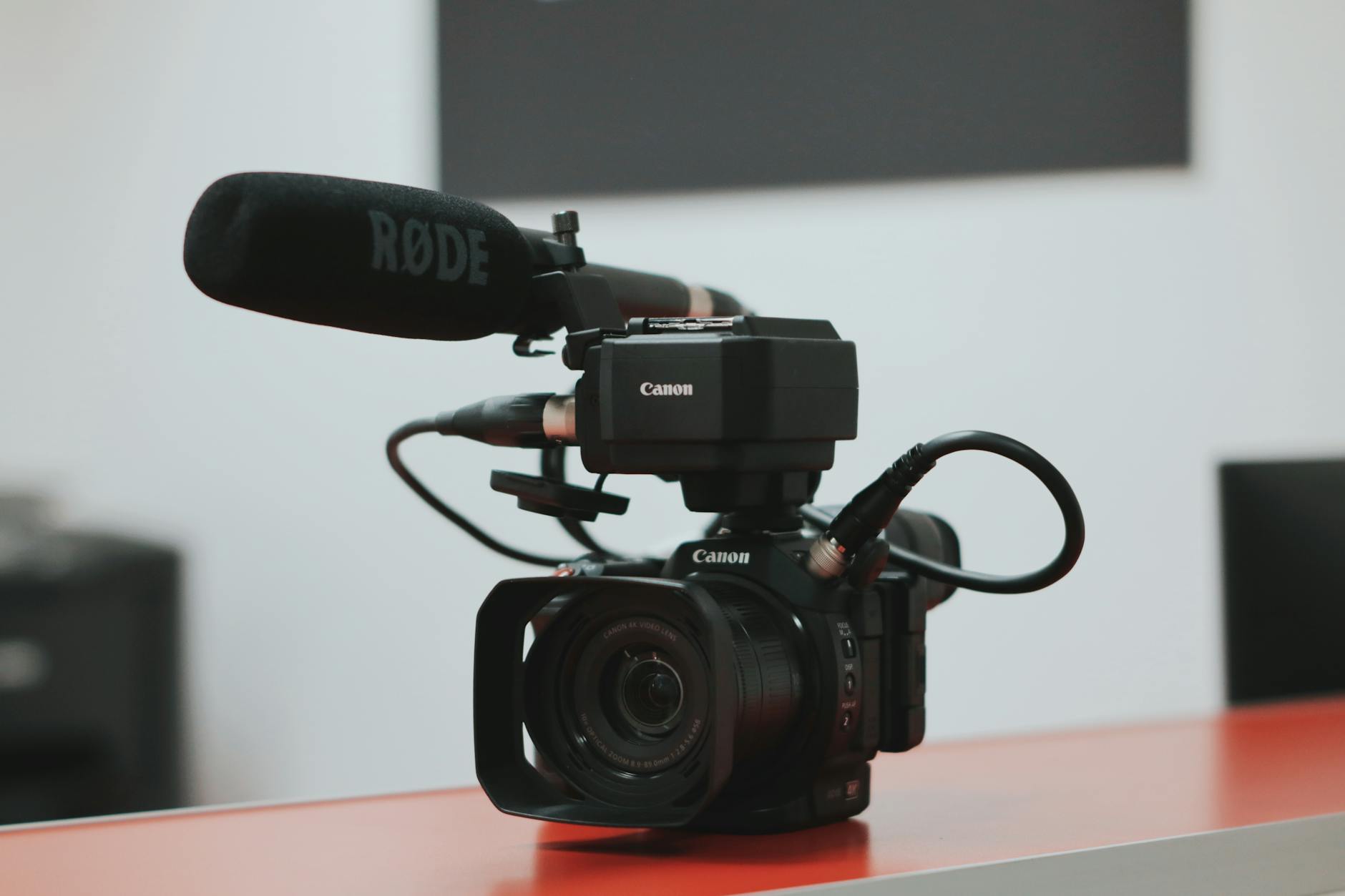
At the core of live streaming technology are cameras capable of capturing high-definition video. For larger events, multiple cameras are employed to provide various angles, close-ups, and wide shots, thereby enhancing viewer engagement. High-quality lenses and image sensors contribute to superior clarity, color depth, and overall visual fidelity.
audio quality is equally crucial. Professional-grade microphones, mixing consoles, and audio processors are used to capture and refine sound, ensuring clarity and synchronization with video feeds. This setup prevents audio lag and distortion, which can detract from the viewer experience.
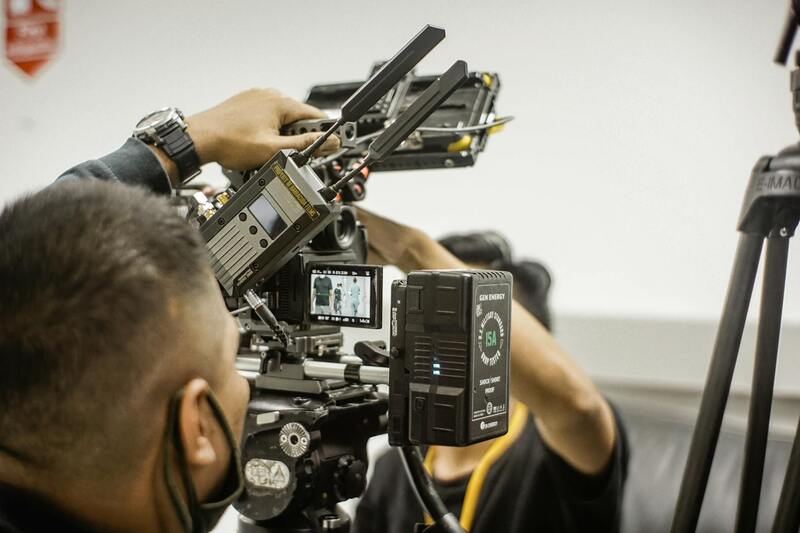
Stream encoding hardware or software converts raw audio and video signals into digital formats suitable for online broadcasting. Modern streaming encoders provide flexible control over resolution, bitrate, and transmission protocols, allowing customization based on network conditions and audience size.
Reliable internet connectivity is the backbone of successful live streaming. Dedicated high-bandwidth internet lines, often with backup connections, are used to maintain stable streams even during technical disruptions. Content Delivery Networks (CDNs) are integrated to distribute streams efficiently across the globe, reducing buffering and ensuring smooth playback.
Advanced hardware such as video switchers and streaming servers facilitate real-time production control, enabling operators to switch between camera feeds, incorporate graphics or overlays, and manage multiple streams simultaneously. These tools are essential for creating polished, engaging live broadcasts.
Furthermore, latency management technologies are employed to minimize delays between live events and their online broadcast. This is particularly important for live interactions such as real-time Q&A sessions or voting, preserving the immediacy of audience engagement.
Investing in appropriate equipment and integrated systems is fundamental for any organization aiming to deliver professional-grade live streams. This combination of hardware, software, and connectivity solutions forms the foundation of successful live event streaming operations, ensuring that every broadcast maintains high standards of quality and reliability for remote viewers across various devices and network conditions.
Overview of Live Event Streaming Services
Live event streaming services have transformed the way organizations and broadcasters deliver content to audiences in real time. These services facilitate the transmission of live video and audio directly over the internet, allowing viewers to participate from anywhere in the world. As the demand for instant access to live content increases, a range of specialized service providers has emerged to meet the needs of various sectors, including corporate events, sports, entertainment, and educational programs. Professional live event streaming services typically encompass end-to-end solutions, which include comprehensive planning, high-quality production, reliable transmission, and post-event analytics, ensuring a seamless experience for viewers and hosts alike.
Utilization of Specialized Infrastructure
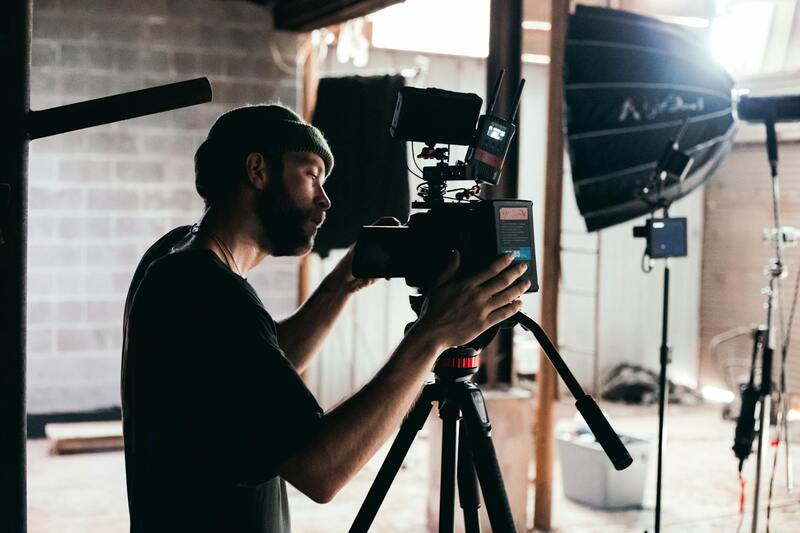
Implementing an effective live streaming solution involves a combination of cutting-edge technology and strategic planning. Service providers leverage high-speed internet connections, often with dedicated bandwidth and redundant pathways, to guarantee uninterrupted streams regardless of external network fluctuations. Content Delivery Networks (CDNs) play an integral role by distributing the live feed across multiple servers worldwide, reducing latency and buffering issues. This infrastructure ensures that live broadcasts maintain high resolution and stability, accommodating large audiences without compromising quality.
Moreover, professional live streaming deployments utilize advanced hardware such as video switchers, audio mixers, and streaming servers. These tools enable real-time content manipulation, allowing operators to switch between camera angles, incorporate on-screen graphics, and overlay real-time information. These components, combined with robust software solutions, afford the production team full control over the broadcast, resulting in visually engaging and technically seamless live events.
Streamlining Broadcast Operations
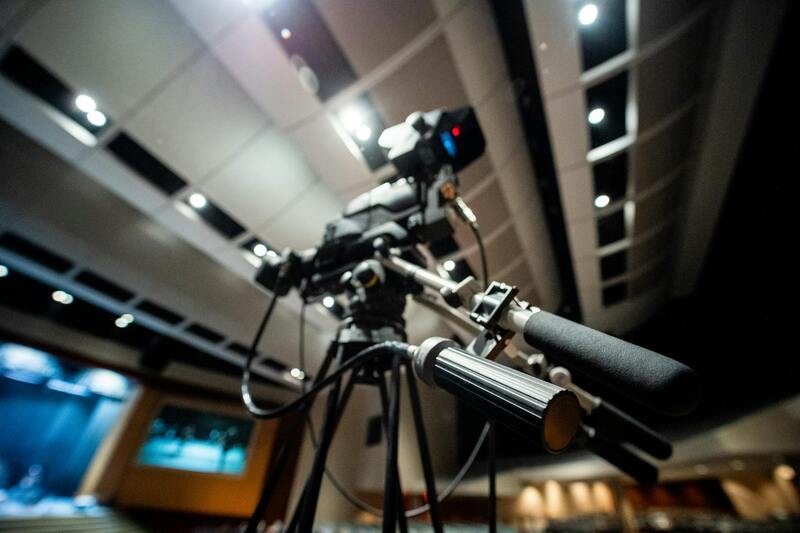
Operational efficiency in live streaming hinges on meticulous coordination among the production team, equipped with state-of-the-art hardware and software. Automated systems are often integrated to manage tasks such as encoding, transcoding, and quality control, which optimize bandwidth utilization and picture clarity. Additionally, latency mitigation technologies minimize the delay between the live event and its broadcast, allowing for interactive features like real-time chat, polling, and Q&A sessions that foster genuine audience participation.
Ensuring Compatibility and Accessibility
For a successful live event, compatibility across various viewer devices and internet conditions is vital. Service providers incorporate adaptive bitrate streaming—dynamic adjustment of video quality based on viewer bandwidth—ensuring the broadcast remains accessible to a broad audience on desktops, tablets, smartphones, and smart TVs. Accessibility features, such as closed captioning and multi-language options, further enhance viewer engagement and inclusivity.
Conclusion
The landscape of live event streaming is characterized by rapid technological advancements and escalating audience expectations. By harnessing sophisticated infrastructure, innovative hardware, and intelligent software, professional streaming services deliver compelling live experiences that resonate with viewers globally. These solutions not only elevate the quality and reliability of broadcasts but also unlock new opportunities for audience interaction, branding, and content monetization.
Overview of Live Event Streaming Services
Live event streaming services offer an innovative way to broadcast events to a global audience in real-time, providing high-quality video and audio transmission seamlessly across various devices. These platforms enable organizers to reach viewers who cannot attend physically, thereby extending the event’s impact beyond traditional boundaries. Professional live streaming services encompass a comprehensive suite of solutions that include content capture, encoding, transmission, and playback, ensuring a smooth and engaging experience for viewers, regardless of geographic location.

Optimized for large-scale and high-stakes events—such as concerts, conferences, sports competitions, and product launches—these services leverage cutting-edge technology to maintain clarity, synchronization, and minimal latency. They also incorporate features like multi-camera feeds, graphics overlays, and live chat interactions, making online viewership as dynamic and immersive as attending the event in person. As organizations increasingly turn to live streaming for their outreach and engagement strategies, selecting an efficient, reliable platform becomes essential for success.
Key Features of Professional Live Event Streaming
- High-Definition Quality: Support for HD, 4K, and even 8K streams to deliver crisp visuals that captivate audiences.
- Adaptive Bitrate Streaming: Automatically adjusts video quality based on viewer internet speeds, ensuring uninterrupted viewing experiences across various environments.
- Multi-camera Support: Enables multiple angles and perspectives, similar to a broadcast studio, enhancing storytelling and viewer engagement.
- Interactive Features: Live chat, Q&A, polls, and social media integration foster active participation from viewers.
- Secure Transmission: Robust encryption and access controls protect content from unauthorized viewing and piracy.
- Analytics and Reporting: Real-time data on viewer engagement, geographical distribution, and stream health inform future event planning and marketing strategies.
Technologies and Equipment Used in Live Streaming
Implementing professional live streaming involves specialized hardware such as professional encoders, video switchers, and high-definition cameras. Encoders transform video signals into digital formats compatible with streaming protocols. Software encoders provide flexibility for custom overlays and specific configurations. Multi-camera setups enable seamless switching between different feeds, offering diverse visual experiences. Additionally, reliable internet connectivity, often through bonded LTE or fiber optic links, is crucial to ensure consistent broadcast quality.
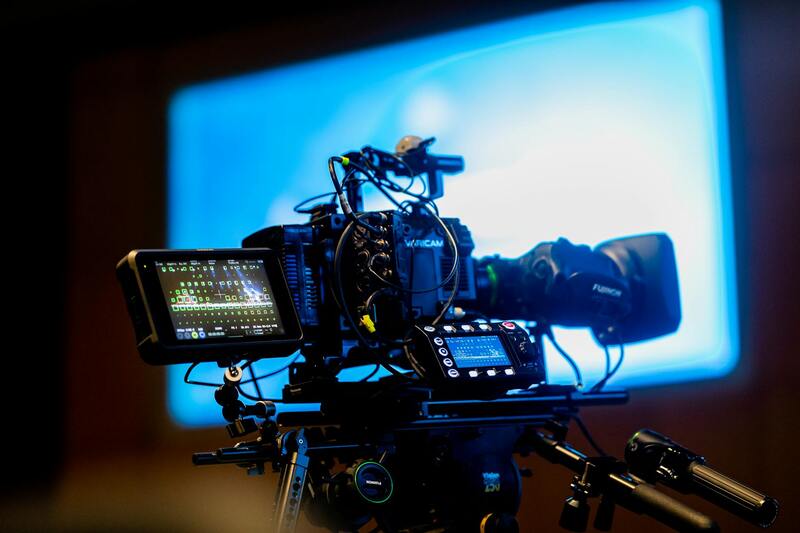
Furthermore, content delivery networks (CDNs) play a vital role in distributing high-bandwidth streams efficiently across regions. Latency-mitigation technologies, such as edge computing, help minimize delays, allowing for interactive features and real-time engagement. The continuous evolution of streaming codecs and hardware innovations ensures that live broadcasts stay ahead of increasing viewer expectations for quality and reliability.
Overview of Live Event Streaming Services
Live event streaming services have become instrumental in transforming the way audiences engage with events, conferences, performances, and corporate gatherings. These services enable organizers to deliver real-time video content worldwide, breaking geographical barriers and expanding audience reach. By utilizing robust infrastructure and cutting-edge technology, live streaming services ensure high-quality broadcast experiences that are accessible across multiple devices such as desktops, tablets, and smartphones.
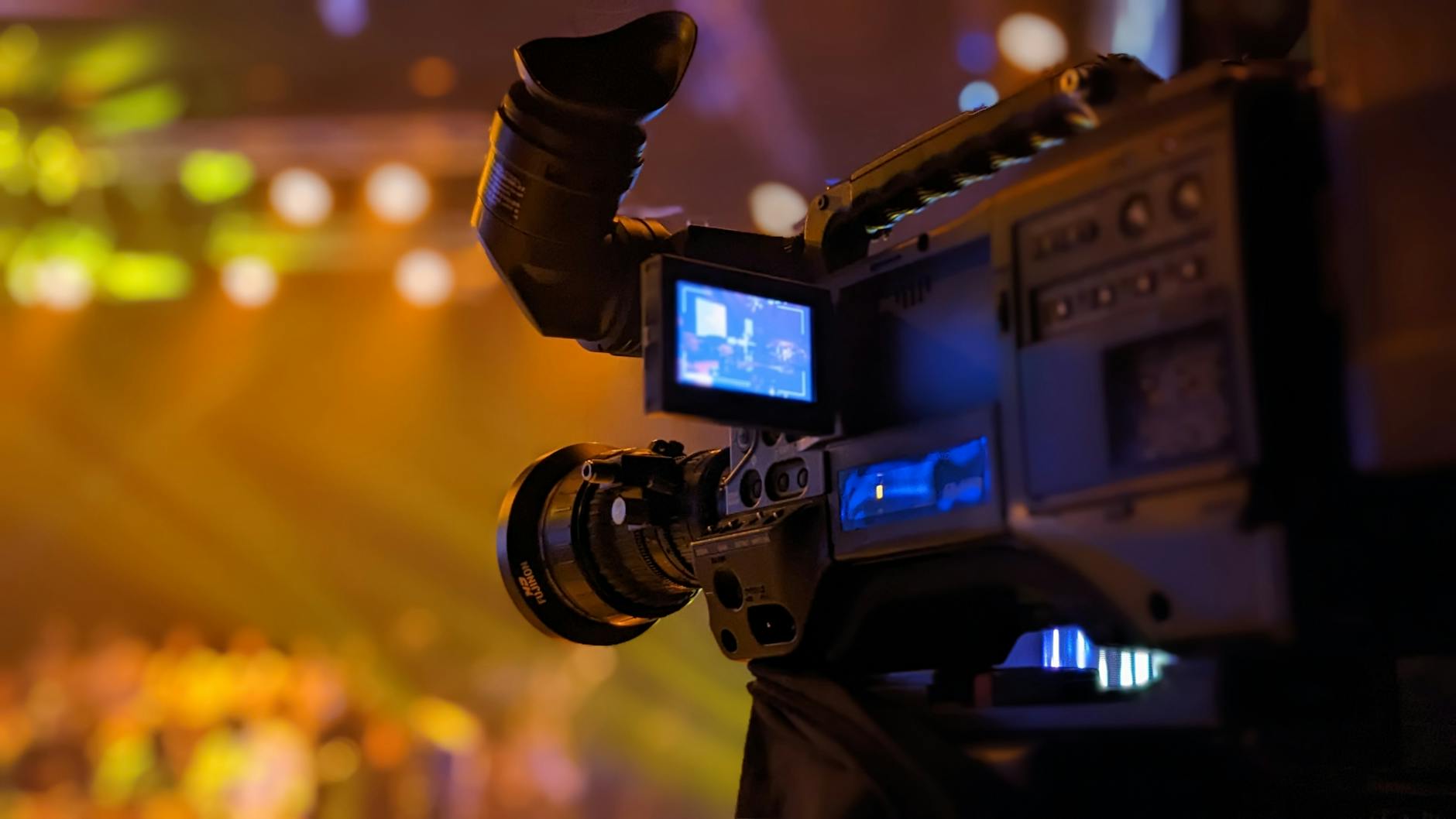
Providers offering live event streaming typically incorporate several core components: event encoding, transmission, content delivery, and playback. They employ sophisticated hardware and software setups to optimize video quality, minimize latency, and support interactive features like live chat and viewer polls. To adapt to the growing demand for reliable streaming, professional services utilize resilient cloud infrastructure and global Content Delivery Networks (CDNs), ensuring uninterrupted streams regardless of device or location.
Key Elements of Professional Live Event Streaming
- High-quality video production: Use of professional cameras, switchers, and lighting to capture the event vividly.
- Advanced encoding techniques: Employing hardware and software encoders to facilitate real-time compression and transmission.
- Reliable internet connectivity: Implementation of bonded internet links and fiber optics to maintain stable streams.
- Stream management tools: Software solutions for switching between feeds, overlay graphics, and adding multimedia elements.
- Audience interaction features: Live chat functions, polling, social media integration, and real-time feedback mechanisms.
Technologies and Equipment Used in Live Streaming
Executing a professional live stream depends heavily on specialized hardware and software designed for high performance. Encompassing professional-grade encoders, such as hardware encoder boxes or software-based solutions, these devices convert raw video signals into optimized digital streams compatible with streaming protocols.
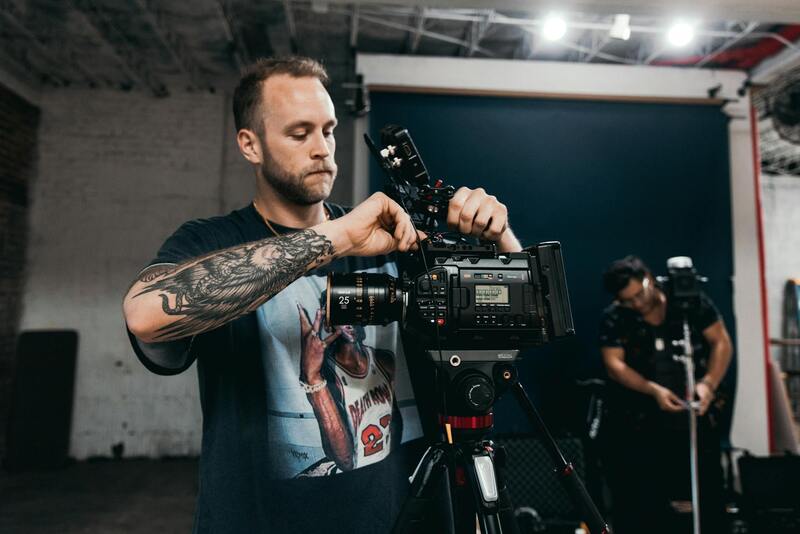
State-of-the-art video switchers facilitate multi-camera setups, allowing dynamic transitions and multi-angle perspectives that enhance viewer engagement. High-definition cameras provide crisp visuals, even in challenging lighting conditions. Reliable internet connectivity, typically enhanced through bonded LTE or fiber optic solutions, ensures consistent transmission without interruptions.
Delivering the content to distant audiences requires sophisticated content delivery mechanisms. Content Delivery Networks (CDNs) distribute streams across the globe efficiently, reducing buffer times and latency. Edge computing technologies further promote real-time interactions by minimizing delays, enabling features such as live Q&A or instant audience reactions.
As technology advances, new codecs and hardware innovations continuously elevate the quality and stability of live broadcasts. These improvements ensure that viewers experience seamless, high-definition content even during large-scale events with significant viewer numbers.
Overview of Live Event Streaming Services
Live event streaming services have revolutionized the way organizations and creators share experiences with audiences worldwide. These services enable real-time broadcasting of concerts, conferences, sports matches, religious gatherings, and corporate events, providing instant access regardless of geographical boundaries. For Miami-based production agencies, leveraging reliable live streaming platforms ensures that event coverage is conducted smoothly, with high-quality visuals and low latency. Such services often include comprehensive solutions that encompass video encoding, content delivery, and viewer engagement tools, streamlining the process from event setup to audience interaction.
Key Features of Professional Live Event Streaming
- High-Definition Broadcast: Supports 1080p, 4K, and higher resolutions, maintaining sharp visuals across devices.
- Multi-Platform Compatibility: Streams compatible with popular social media channels, dedicated websites, and custom apps.
- Adaptive Bitrate Streaming: Dynamically adjusts video quality based on viewers' internet speeds, minimizing buffering issues.
- Interactive Features: Includes live chat, polls, Q&A sessions, and instant reactions to foster engagement.
- Reliable Content Delivery: Utilizes Content Delivery Networks (CDNs) to distribute streams globally, reducing latency and buffering.
- Security Measures: Implements encryption and access controls to prevent unauthorized viewing and protect intellectual property.
- Stream Recording & Replay: Allows archived content for post-event viewing or review, providing additional value.
Technologies and Equipment Used in Live Streaming
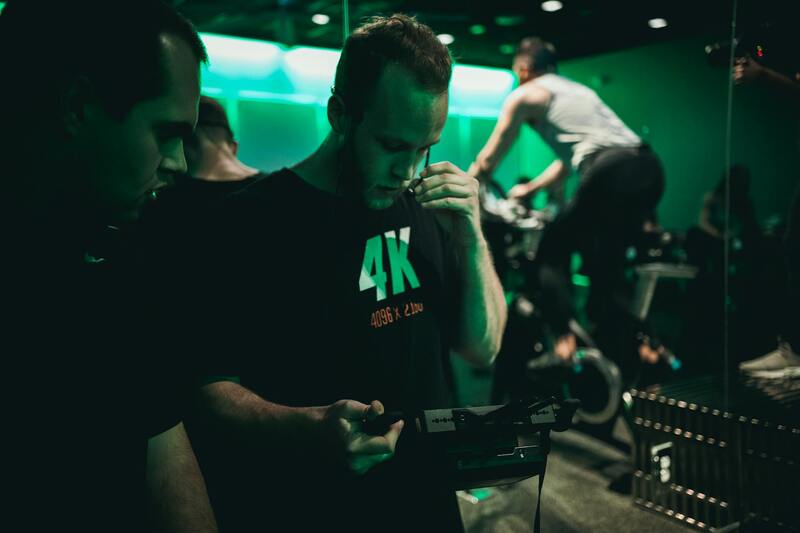
Delivering professional live streams demands advanced hardware and software components. Key equipment includes high-definition cameras capable of operating in various lighting conditions, hardware encoders that convert raw footage into digital streams, and video switchers that enable multi-camera transitions. Software-based encoders are also prevalent, offering flexibility and remote control options. A robust internet connection, often through fiber optic or bonded LTE solutions, is essential to maintain consistent stream quality. Additional tools such as audio mixing consoles, stabilization rigs, and back-up power sources ensure stability and high production standards. Emerging streaming codecs and hardware accelerators further enhance video quality and reduce latency, accommodating larger audiences without compromising performance.
Benefits for Miami Production Agencies
For agencies operating within Miami, utilizing live event streaming services provides numerous professional advantages. These include expanding the event’s reach beyond physical venues, increasing engagement with remote audiences, and providing measurable analytics on viewer behavior. High-definition streaming enhances the perceived production quality, thereby elevating agency reputation and client satisfaction. Moreover, integrated interactive tools allow for real-time audience participation, adding value and dynamism to events. Stream recording capabilities enable post-event marketing opportunities, content repurposing, and archival. With the evolving technological landscape, Miami agencies can stay ahead by adopting innovative streaming solutions, ensuring their events stand out in a competitive market.
Challenges in Live Event Streaming
Despite the numerous benefits, professional live streaming also faces notable challenges. Network stability remains a primary concern; interruptions or bandwidth fluctuations can compromise stream quality. Equipment failures or misconfigurations may disrupt the broadcast, requiring meticulous setup and testing prior to live events. Ensuring synchronization between multiple camera feeds and managing latency are technical hurdles that demand experienced operators. Content rights and privacy measures need careful planning to prevent unauthorized access or piracy. Additionally, managing large-scale live streams involves substantial logistical planning, including redundancy protocols and contingency strategies, to address unforeseen issues swiftly and maintain viewer trust. Overcoming these challenges hinges on employing state-of-the-art technology, thorough pre-event rehearsals, and having dedicated technical support teams.
Overview of Live Event Streaming Services
Live event streaming services have revolutionized how organizations, including Miami-based production agencies, broadcast events to global audiences. These services facilitate real-time transmission of visual and audio content through internet platforms, transcending geographical barriers and enabling vast viewer engagement. Leveraging robust infrastructure and cutting-edge technology, live streaming solutions ensure seamless delivery of concerts, conferences, sports tournaments, and other large-scale events. With the increasing demand for immediacy and interactivity, professional live streaming providers offer comprehensive solutions that encompass multi-camera setups, real-time editing, and audience interaction tools. These services are integral to expanding reach, enhancing engagement, and creating immersive experiences that captivate viewers regardless of their physical location.
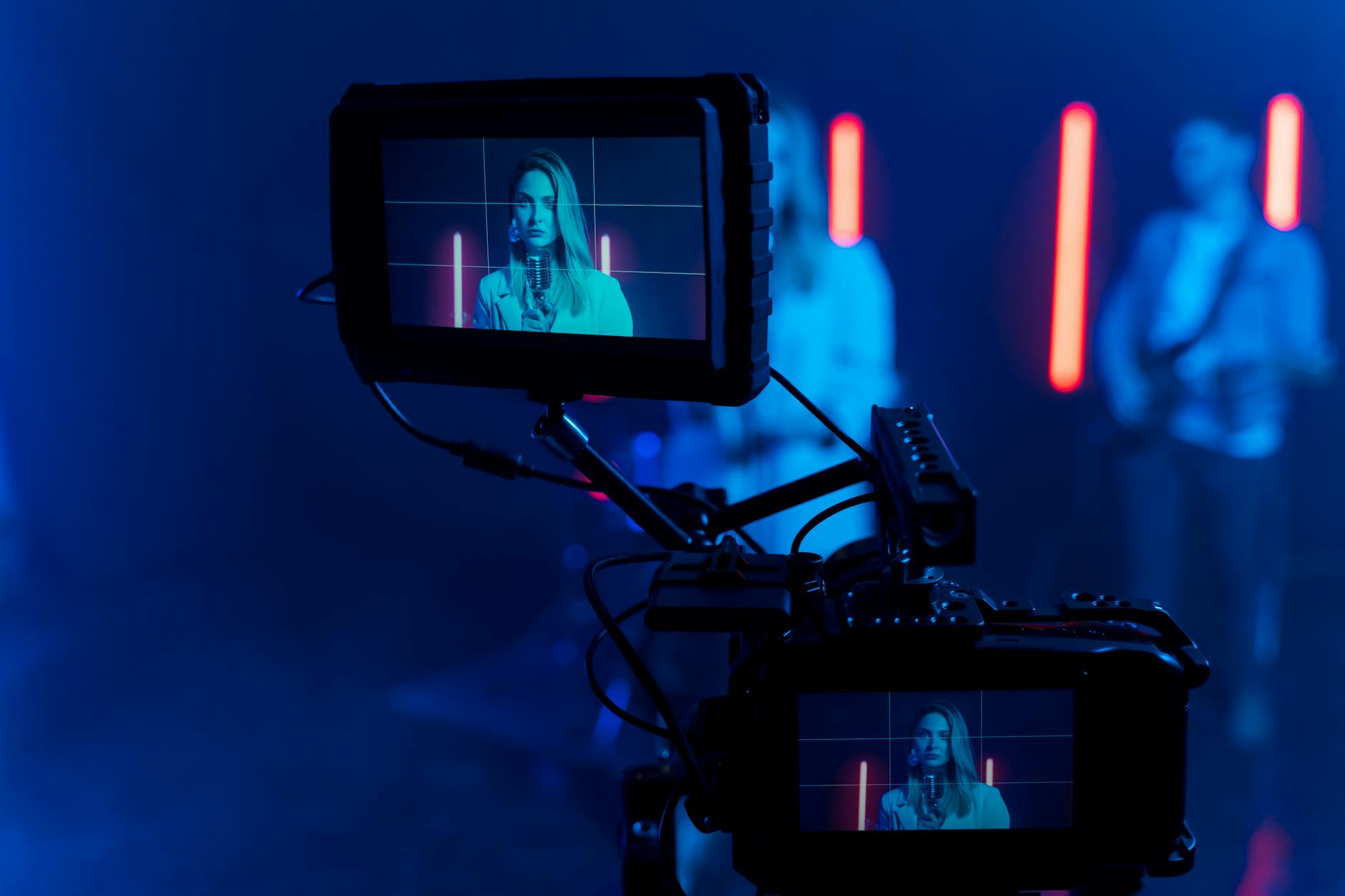
Key Features of Professional Live Event Streaming
Professional live event streaming services are distinguished by several critical features designed to deliver high-quality, reliable broadcasts. These include:
- High-Definition Video Streaming: Support for HD and 4K resolutions ensures clear, detailed visuals that meet viewer expectations for quality.
- Multi-Camera Feeds and Switching: Ability to incorporate multiple camera angles with real-time switching for dynamic coverage.
- Low Latency Transmission: Reduced delay between event occurrence and viewer reception enhances interactivity and engagement.
- Adaptive Bitrate Streaming: Dynamic adjustment of stream quality based on viewer bandwidth to prevent buffering.
- Audience Interaction Tools: Integration of live chat, polls, and Q&A features fosters real-time participation.
- Secure Content Delivery: Use of encryption and access controls to protect content integrity and privacy.
- Stream Recording and Archiving: Preservation of live sessions for on-demand viewing, marketing, and documentation.
- Technical Support and Monitoring: Continuous oversight ensures optimal performance and rapid response to technical issues.
Technologies and Equipment Used in Live Streaming
Effective live streaming hinges on sophisticated technology and quality equipment. Key components include:
- Encoders: Hardware or software devices that convert high-quality video signals into streamable formats. They handle compression to optimize bandwidth without sacrificing quality.
- Video Cameras: A mix of professional-grade cameras, including PTZ (pan-tilt-zoom) models, for capturing multiple angles and detailed images.
- Switchers and Video Mixers: Equipment that enables seamless switching between different camera feeds, adding graphics or overlays as needed.
- Audio Equipment: High-fidelity microphones and audio mixers ensure clear sound quality synchronized with video.
- Network Infrastructure: Dedicated high-bandwidth internet connections and backup options minimize disruptions and maintain stable streams.
- Content Delivery Networks (CDNs): Distributed servers that facilitate fast, reliable streaming across various regions, reducing latency and buffering.

Benefits for Miami Production Agencies
Miami production agencies integrating live event streaming services gain numerous strategic advantages:
- Expanded Audience Reach: Extends event access beyond physical venues, attracting international viewers and clients.
- Enhanced Client Offerings: Incorporating live streaming elevates service portfolios, making agencies more competitive in the local market.
- Real-Time Engagement: Facilitates immediate interaction with audiences through chat, polls, and social media integration.
- Content Repurposing: Recorded streams can be edited for promotional content, highlight reels, or promotional cutaways post-event.
- Data and Analytics: Audience metrics provide insights on viewer behavior, preferences, and engagement levels.
- Revenue Opportunities: Monetization through pay-per-view, sponsorship, and targeted advertising helps offset production costs.
- Operational Efficiency: Streamlined setup and remote broadcasting capabilities reduce logistical complexities and costs.
Challenges in Live Event Streaming
While live streaming offers substantial benefits, it also presents several technical and operational challenges. Maintaining a stable internet connection is paramount; bandwidth fluctuations can lead to buffering or stream interruptions. Equipment malfunctions or misconfigurations may cause disruptions during a broadcast, necessitating thorough pre-event testing and redundancy planning. Synchronizing multiple camera angles while managing latency requires skilled operators to ensure seamless transitions and minimal delay. Protecting content from unauthorized access involves implementing encryption, secure password protocols, and access restrictions. Logistical complexities arise when coordinating large-scale productions, especially in outdoor or unconventional venues where power sources and network infrastructure might be limited. Managing live audience interactions without technical hitches is also critical, requiring dedicated personnel to oversee chats and engagement features. Addressing these hurdles involves investing in cutting-edge technology, continuous training for technical staff, and meticulous planning to anticipate possible issues. Establishing backup systems, such as secondary internet feeds and power sources, helps maintain broadcast continuity even in the face of unforeseen problems.
Overview of Live Event Streaming Services
Live event streaming services have revolutionized how organizations and production agencies capture, broadcast, and share live experiences. These services enable seamless transmission of live video content to audiences across the globe via the internet, providing instant access to conferences, concerts, sports, corporate events, and more. Companies specializing in this domain leverage robust infrastructure and advanced technology to ensure high-quality streams that engage viewers in real time. They handle everything from content encoding, network management, and bandwidth optimization to multistream distribution across various platforms. Integral to their offering are features such as customizable branding, real-time analytics, multi-camera setups, and audience interaction tools, all tailored to meet the specific needs of live events. This streamlining of the broadcast process allows event organizers and production companies in Miami to deliver professional-grade content without geographical constraints.

Key Features of Professional Live Event Streaming
- High-Quality Video Transmission: Utilizing cutting-edge encoding technologies, professional streams support resolutions up to 4K, ensuring crisp visuals regardless of viewer device.
- Low Latency Streaming: Minimizing delay between event execution and viewer reception to facilitate real-time interaction and engagement.
- Multiple Platform Compatibility: Broadcasting simultaneously across social media, dedicated websites, and streaming platforms broadens audience reach.
- Scalable Bandwidth Usage: Dynamic bandwidth management ensures consistent stream quality amid varying internet conditions.
- Advanced Audio-Visual Integration: Professional sound mixing, multiple camera angles, and graphics enhance the overall viewer experience.
- Secure Streaming Protocols: Content encryption and access restrictions safeguard live broadcasts from unauthorized viewership.
- Real-Time Analytics & Engagement Tools: Data on viewer metrics and interactive features like chat and polls deepen audience involvement.
Technologies and Equipment Used in Live Streaming
Effective live event streaming depends heavily on sophisticated technology and specialized equipment. Key components include:
- Video Encoders: Hardware or software solutions that convert raw video feeds into compressed streams suitable for internet transmission.
- High-Speed Internet Connectivity: Dedicated fiber-optic lines or bonded internet connections ensure stable bandwidth, minimizing interruptions.
- Streaming Servers & CDN: Content delivery networks (CDNs) distribute streams globally, reducing latency and buffering issues.
- Multi-Camera Platforms: Remote-controlled cameras, robotic systems, and traditional setups facilitate multi-angle coverage.
- Audio Equipment: Wireless microphones, mixing consoles, and sound boards are critical for clear audio delivery.
- Monitoring & Control Interfaces: Software dashboards enable real-time monitoring, switching feeds, and troubleshooting during live broadcasts.
Benefits for Miami Production Agencies
Adopting professional live event streaming services provides Miami-based production agencies with several strategic advantages:
- Broadened Reach & Audience Engagement: Stream global audiences who cannot attend in person, expanding event visibility and impact.
- Cost Efficiency: Reduces logistical and physical setup costs associated with traditional event broadcasting.
- Enhanced Audience Interaction: Real-time chats, polls, and Q&A sessions foster active participation.
- Branding Opportunities: Custom graphics, overlays, and sponsorship integrations reinforce brand presence throughout the broadcast.
- Analytics & Performance Tracking: Post-event data guides future content strategies and audience targeting.
- Flexible Content Delivery: On-demand options post-broadcast extend the event lifespan and viewer engagement.
Challenges in Live Event Streaming
Despite significant technological advancements, Miami agencies must navigate several obstacles to deliver flawless streams. Maintaining a constant high-speed internet connection is vital; even minor fluctuations can cause buffering and reduce viewer satisfaction. Equipment failure, such as malfunctioning cameras or transmission hardware, can disrupt the broadcast unless supported by contingency plans. Synchronizing multiple video sources introduces latency issues that require skilled technical oversight to ensure seamless transitions. Content protection remains paramount—employing encryption and restricted access controls shields broadcasts from unauthorized viewing. Logistically, coordinating complex setups in outdoor venues or unconventional locations demands meticulous planning for power supplies and network infrastructure. Live interaction management needs dedicated personnel to oversee engagement features, avoiding technical hitches that could hinder audience participation. Addressing these challenges involves rigorous pre-event testing, investing in redundancy systems like backup internet feeds, and continuous staff training. Implementing such measures enhances reliability and minimizes disruptions during critical moments of a live event.
Best Practices for Successful Live Streaming
- Conduct thorough pre-event testing of all equipment, including cameras, microphones, encoders, and internet connections.
- Establish a detailed technical plan and assign a dedicated team to monitor live feeds and troubleshoot issues as they arise.
- Use high-quality, reliable hardware and ensure redundancy with backup systems like secondary internet connections or power sources.
- Prioritize bandwidth management, especially in busy urban environments like Miami, to prevent streaming interruptions.
- Maintain clear communication channels among technical staff, hosts, and audience moderators for smooth coordination.
- Implement security protocols to protect stream content, including encryption, password access, and IP restrictions.
- Optimize content for different devices by utilizing adaptive bitrate streaming to accommodate various screen sizes and internet speeds.
- Engage the audience through interactive features like live polls, Q&A sessions, and social media integration to boost participation.
- Ensure compliance with local regulations and obtain necessary permits when broadcasting in public or outdoor venues.
- Post-broadcast, analyze viewer data and feedback to evaluate the success and identify areas for improvement in future streams.
Choosing a Live Streaming Service Provider in Miami
When selecting a provider for live event streaming in Miami, it is critical to evaluate their technological expertise, industry experience, and portfolio of quality productions. A reliable provider should offer end-to-end solutions, from pre-event planning and equipment rental to live broadcast and post-event analytics. Local providers with a thorough understanding of Miami's infrastructure and venue-specific requirements can streamline logistics and ensure smoother execution. Look for providers that demonstrate adherence to high technical standards, transparency in service offerings, and a track record of successful events across diverse sectors such as corporate, entertainment, and government. Additionally, consider their capacity for customization, ability to handle high-density viewership, and commitment to security and compliance measures. Choosing the right partner ensures a professional broadcast that effectively translates your event's vision into an engaging, high-quality live experience.