
Understanding Live Broadcasts for Corporate Events
In the modern corporate landscape, live broadcasting has become an essential tool for reaching diverse audiences across multiple locations. The process involves transmitting a real-time video feed of a corporate event to viewers who are either onsite or remote, enabling organizations to share important announcements, product launches, training sessions, or annual meetings seamlessly. This method ensures consistent messaging, expands audience reach, and enhances engagement, all while maintaining a professional presentation.
Live broadcasting for corporate events is characterized by several core features that differentiate it from traditional recording or post-event video sharing. First, it offers immediacy, allowing organizations to connect with their audience during the event itself. This real-time aspect fosters immediacy and interaction, which are crucial for maintaining attention and relevance. Secondly, high-quality production values are often prioritized, involving professional cameras, audio equipment, and seamless switching to deliver polished visual content.
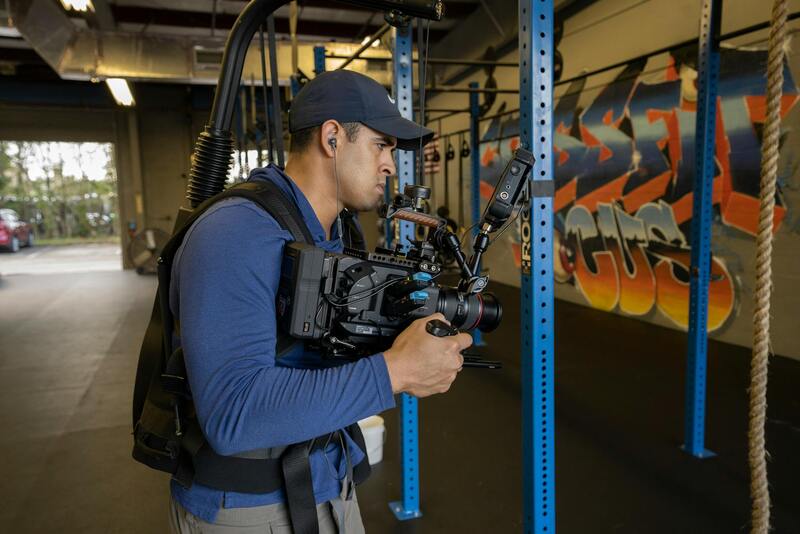
Advantages of Live Broadcasting for Businesses
- Expanded Reach: Connect with audiences across different geographical locations without the need for physical presence.
- Cost-Effectiveness: Reduce expenses associated with travel, venue space, and physical materials, while still ensuring comprehensive coverage of the event.
- Enhanced Engagement: Enable real-time interaction through chat, Q&A sessions, and polls, fostering active participation from remote viewers.
- Immediate Feedback and Interaction: Facilitate instant engagement, which can influence the event flow and content adjustments on the fly.
- Content Archiving: Recordings of live broadcasts serve as valuable assets for post-event marketing, training, or future reference.
In sum, live broadcasting for corporate events combines technology, strategic planning, and professional execution to create dynamic experiences that transcend traditional event limitations. When executed correctly, it significantly elevates a company’s communication strategy, ensuring that vital messages are delivered effectively to diverse, remote audiences.
Choosing the Right Technology and Equipment
Securing the appropriate technology and equipment is fundamental to delivering a seamless live broadcast of corporate events. High-definition cameras with versatile mounting options ensure clear visuals from multiple angles, capturing both speakers and audience engagement. Professional-grade microphones and audio mixers are vital for transmitting crystal-clear sound, which is crucial for maintaining viewer attention and clarity of the message.
To facilitate uninterrupted streaming, reliable encoders are used to compress video data efficiently without compromising quality. These encoders facilitate real-time transmission to the chosen streaming platform, ensuring low latency and minimum buffering. Additionally, having backup hardware, such as additional cameras, microphones, and power supplies, helps mitigate unforeseen technical difficulties during the broadcast.
The network infrastructure plays a pivotal role; a dedicated high-speed internet connection with sufficient bandwidth ensures smooth transmission. For venues where internet stability might be variable, utilizing bonded cellular networks or satellite internet solutions can provide auxiliary connectivity options.

Supplementary Technical Tools
- Video switchers for real-time scene changes and multi-camera setups
- Streaming software that allows for overlays, branding, and transitions
- Wireless transmitters for mobile cameras and on-the-go coverage
- Professional lighting systems to enhance on-camera visibility
Integrating Technology for a Cohesive Broadcast
Implementing a comprehensive technical setup involves integrating hardware, software, and connectivity solutions. Before the event, a detailed technical rehearsal helps identify compatibility issues and optimizes camera angles, audio levels, and streaming settings. Clear communication between technical teams ensures that everyone understands their roles, from camera operators to stream managers, to execute the broadcast flawlessly.

Ensuring Scalability and Flexibility
Scalable systems accommodate varying audience sizes and technical demands. Cloud-based streaming solutions provide the flexibility to adjust streaming quality dynamically, ensuring that differing bandwidth conditions do not compromise the broadcast. Additionally, portable equipment setups enable broadcasting from multiple locations or in venues with limited technical infrastructure, expanding the possibilities for corporate event coverage.
Official Methods to Broadcast Corporate Events Live
Broadcasting corporate events live involves the utilization of specialized platforms and secure infrastructure that guarantees a seamless viewing experience. Organizations committed to professionalism should prioritize established streaming methods that are designed for high-stakes environments. The foundational step is selecting a reliable streaming platform that offers high-definition broadcast capabilities, robust server infrastructure, and extensive bandwidth management features. These platforms often provide dedicated support and real-time analytics, which are essential for adjusting the stream in response to audience needs and technical performance.
Another key aspect involves leveraging content delivery networks (CDNs) to distribute the live feed efficiently across different geographical regions. CDNs help in reducing latency, decreasing buffering times, and maintaining consistent stream quality regardless of viewers' location. This approach is crucial for ensuring that stakeholders and remote audiences can engage fully with the event without interruptions.
The use of hardware encoders is a vital component in official live broadcasting setups. These devices encode high-quality video signals directly from cameras and audio sources into a digital format suitable for streaming. Combining professional-grade encoders with secure internet connections—preferably wired connections with redundant pathways—minimizes the risk of streaming failures. Additionally, employing firewalls and encryption protocols safeguards the broadcast feed from unauthorized access, ensuring that corporate content remains protected throughout the transmission process.

Utilizing Established Strategies for Live Event Streaming
Implementing brand-specific visual overlays and on-screen graphics via professional streaming software enhances the broadcast's clarity and branding consistency. These tools allow real-time adjustments to include corporate logos, event titles, or sponsor messages, thus maintaining a professional appearance. Moreover, integrating multiple camera angles through remote production techniques offers a dynamic viewing experience, replicating a broadcast-quality feel for remote audiences.
Pre-event planning should encompass the creation of detailed streaming schedules, rehearsals, and technical checks. Conducting trial runs ensures all audio-visual components synchronize correctly and that streaming parameters align with the expected audience size. Clear communication channels among technical staff, presenters, and producers are critical for addressing issues promptly during the live broadcast.
The chosen method of live broadcasting should support scalability, allowing organizations to expand or reduce broadcast quality based on audience size and available bandwidth. Leveraging cloud-based streaming solutions further enhances flexibility, enabling dynamic adjustments for varying network conditions. This adaptability is essential for maintaining a consistent, professional broadcast without technical hiccups.

Understanding Live Broadcasts for Corporate Events
Conducting live broadcasts of corporate events enables organizations to reach broader audiences with real-time engagement, ensuring that stakeholders, clients, and remote employees experience key moments as they happen. These broadcasts are grounded in robust technologies that facilitate high-quality streaming, which must be carefully selected to match the scale and scope of the event. Essential considerations include network stability, high-definition video capabilities, and seamless audio delivery, all critical for maintaining professional standards throughout the broadcast.
Live broadcasts serve multifaceted purposes: they can showcase product launches, share milestone celebrations, or deliver executive speeches with immediate impact. When effectively executed, these streams reinforce the company's brand image, foster transparency, and enhance stakeholder engagement. The ability to tailor broadcasts with branding overlays, on-screen information, and interactive features further elevates the viewer experience, creating a sense of participation regardless of physical location.
Choosing the appropriate platform for streaming is vital; the selection depends on your specific needs, such as audience size, desired interactivity, and ancillary features. High-capacity enterprise solutions or cloud-based streaming services are popular choices, offering scalability and stability. Furthermore, integrating these platforms with existing digital infrastructure allows for seamless synchronization of live content, ensuring a polished and cohesive presentation.


Choosing the Right Technology and Equipment
Selecting appropriate technology and equipment forms the backbone of a successful live broadcast for corporate events. It is crucial to prioritize high-quality video and audio sources to ensure a professional presentation that accurately reflects your brand and message. The core components include broadcast-grade cameras capable of delivering crisp, clear visuals, and microphones that capture sound with clarity, even in challenging environments. In addition, reliable encoders are necessary to convert raw video signals into optimized digital streams compatible with various streaming platforms.
For seamless integration, it's important to consider hardware and software that support multi-camera switching, real-time graphics, and instant replays. These features can enhance the visual appeal and engagement level of the broadcast. Furthermore, investing in high-speed internet connections with sufficient bandwidth and backup options minimizes the risk of streaming interruptions, ensuring a stable viewing experience for remote audiences.
Mobile broadcasting units are also valuable for events held in locations where infrastructure might be limited. These units come equipped with professional cameras, broadcasting hardware, and connectivity solutions, allowing for flexible and high-quality production on-site. Additionally, employing wireless transmitters and receivers can facilitate flexible camera placements without the clutter of cables, creating a more dynamic production environment.

Software solutions also play a vital role in the production process. Video switchers, live streaming software, and remote management tools enable producers to control multiple feeds, add overlays, and manage the overall presentation efficiently. Cloud-based production platforms are increasingly popular as they offer scalability, easier collaboration, and remote access, allowing for a more streamlined production process.
Production Team and Roles
Assembling a dedicated production team ensures that every aspect of the live broadcast runs smoothly. Each team member has specific responsibilities that contribute to the overall quality of the event. Key roles include:
- Director: Oversees the entire broadcast, making real-time decisions on camera angles, audio levels, and visual effects.
- Camerapersons: Manage the cameras, focusing on capturing key moments and maintaining visual continuity.
- Audio Technician: Ensures clear sound quality, manages microphones, and addresses any audio issues promptly.
- Technical Support: Monitors the streaming hardware and software, troubleshooting any technical problems instantly.
- Graphics Operator: Adds overlays, lower thirds, and animations to enhance visual engagement.
For companies lacking in-house expertise, partnering with a professional live production company can provide access to experienced personnel and cutting-edge technology, guaranteeing a polished and cohesive broadcast. This partnership enables your team to focus on content delivery while the technical professionals handle the production logistics.
Ensuring Broadcast Quality and Reliability
Maintaining high broadcast quality and consistent reliability are essential components of a professional corporate event livestream. These elements ensure that viewers experience seamless visuals and audio, reinforcing the company's image and message. To accomplish this, meticulous planning and technical precision are required at every stage of the broadcast process.
Optimizing Connection Stability
Implementing robust internet connections is fundamental to achieving uninterrupted streaming. Utilizing dedicated fiber or high-capacity broadband with redundancy options minimizes the risk of disconnects. In some cases, employing multiple internet sources and automatic failover systems ensures continuous streaming even if one connection experiences issues.
Monitoring Signal Strength and Quality
Constantly monitoring the transmission signals during the event helps identify potential disruptions early. Using professional-grade encoding equipment allows precise control over streaming quality, balancing resolution and bandwidth to adapt to network conditions. Employing advanced error correction protocols further safeguards against data loss, ensuring consistent audio-visual fidelity.
Implementing Quality Control Measures
Multiple quality control checkpoints before and during the live broadcast help identify and rectify issues proactively. Technical support teams continuously monitor stream health, feedback metrics, and viewer reports. Real-time adjustments to bitrate, resolution, or graphics can be made to maintain optimal broadcast standards.
Testing and Rehearsals
Thorough testing and rehearsals prior to the event are vital. Simulating the live environment helps identify potential technical challenges, allowing the production team to implement solutions in advance. These rehearsals include testing cameras, audio, internet connectivity, and streaming platforms, ensuring all components function cohesively during the actual broadcast.
Choosing Reliable Streaming Platforms
Partnering with reputable streaming providers is instrumental in delivering a stable viewing experience. Platforms with robust infrastructure, scalable bandwidth, and advanced security features reduce the risk of downtime or breaches. It is also important to select a platform that supports analytics, viewer engagement tools, and flexible streaming options to customize the broadcast for your audience.
Backup Solutions and Contingency Planning
Developing comprehensive contingency plans ensures preparedness for unexpected issues. Backup hardware, alternative streaming sources, and emergency communication channels are critical components. Having technical support on standby to troubleshoot problems quickly minimizes interruptions and maintains viewer trust.

Achieving excellence in broadcast quality and reliability involves combining advanced technology, diligent preparation, and skilled technical teams. When executed effectively, these measures guarantee that your corporate live event leaves a lasting positive impression while showcasing professionalism and innovation.
Stream Delivery and Multi-Platform Distribution
Ensuring a seamless broadcast of corporate events to a diverse remote audience requires meticulous attention to stream delivery methods and distribution channels. Utilizing multiple streaming platforms enhances reach and guarantees accessibility for viewers regardless of their preferred devices or locations. Selection of an appropriate delivery method hinges on factors such as event scale, audience size, and desired engagement features.
Optimizing Stream Quality Across Channels
To maximize viewer experience, professionals often employ multi-bitrate streaming. This approach involves providing several quality levels of the broadcast, allowing the viewer’s device and internet connection to automatically select the most suitable stream. Adaptive streaming technologies dynamically adjust quality to prevent buffering and ensure continuity, even during fluctuating network conditions.
Delivery Methods for Corporate Broadcasts
- Content Delivery Networks (CDNs): CDNs distribute your broadcast across multiple servers worldwide, reducing latency and load times, and ensuring a consistent viewing experience. Partnering with reputable CDN providers helps manage large audiences and unpredictable traffic spikes.
- Dedicated Streaming Servers: These on-premises or cloud-based servers act as centralized points for content distribution. They offer control over content security, encryption, and customization options, making them suitable for sensitive or proprietary corporate content.
- Hybrid Approaches: Combining CDN and dedicated servers enables flexibility, allowing businesses to optimize for reach and security simultaneously.
Multi-Platform Integration
Distributing your live broadcast across various platforms broadens accessibility. Many organizations embed streams into their intranet portals, corporate websites, and social media channels. Embedding a reliable video player on your company website not only provides branded viewing but also allows for integration with interactive features. Simultaneously, streaming to social media platforms like LinkedIn, YouTube, or Facebook can significantly increase event visibility. Ensuring that streaming content is compatible with both desktop and mobile devices enhances user experience and engagement.
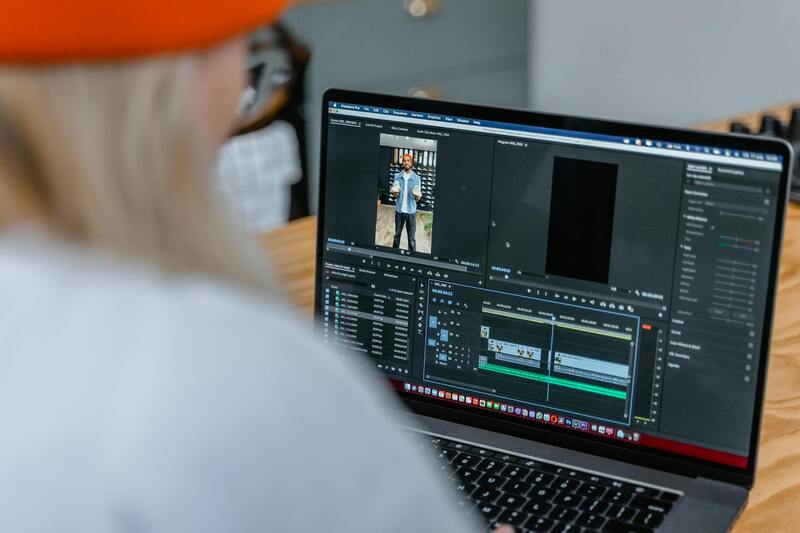
Monitoring and Analytics for Stream Optimization
During the broadcast, continuous monitoring of stream health is vital. Technical teams keep an eye on data such as buffer rates, viewer metrics, and geographic reach. Real-time analytics offer insights into viewer engagement and help identify potential issues immediately, enabling prompt resolution. Post-event analytics also assist in assessing performance, understanding audience preferences, and refining strategies for future broadcasts.
Security and Privacy Considerations
Protecting sensitive corporate content is essential. Encrypted streaming protocols, secure login processes, and access controls are implemented to restrict unauthorized viewing. Some organizations opt for private streams that require unique access credentials or tokens. Additionally, employing strict moderation and content filtering features can prevent disruptions from unwanted interference during the live event.
Advanced Strategies for Securing and Repurposing Live Broadcast Content
Successfully broadcasting a corporate event live extends beyond the moment of transmission. It encompasses robust security measures that guard against unauthorized access and ensure content integrity, alongside strategic content repurposing that maximizes value from the produced material. Implementing these approaches requires deliberate planning and execution tailored to the organization's objectives, technical environment, and audience preferences.
Implementing Robust Security Measures for Live Broadcasts
In high-stakes corporate environments, protecting live content from unauthorized interception or distribution is paramount. Utilizing encrypted streaming protocols such as HLS (HTTP Live Streaming) or MPEG-DASH helps safeguard data during transit, making it significantly more difficult for malicious actors to intercept or manipulate content. Encrypted streams ensure that only authorized viewers with correct decryption keys can access the broadcast.
Access control forms a core component of security. Setting up secure login portals with multi-factor authentication (MFA) adds layers of verification, confirming viewer legitimacy before granting access. Organizations can deploy personalized access tokens or passwords, ensuring that only designated attendees can view the event, especially when sensitive information is involved.

Utilizing Private Streaming Options
Private streaming services enable organizations to restrict viewing to specific audiences. These streams often require secure login credentials, unique links, or tokens that expire after a set period, reducing the risk of unauthorized sharing. Utilizing Virtual Private Networks (VPNs) or intranet streaming can further enhance security for internal corporate events.
Content Moderation and Monitoring
Active moderation tools help prevent disruptions during live streams. Automated moderation systems or dedicated personnel monitor chat channels, comment sections, and interactive features to filter out inappropriate content or spam. Real-time monitoring of stream health and viewer metrics not only ensures content security but also maintains broadcast quality, swiftly identifying potential technical or security issues.
Maximizing Content Value Through Repurposing and Internal Use
Post-event, the recorded footage can serve multiple strategic purposes. Converting live broadcasts into polished videos, highlight reels, or segmented modules allows organizations to extend the lifespan and reach of their content. These materials can be leveraged for ongoing marketing campaigns, internal training, or stakeholder updates.
Content Editing and Enhancement
After the live event concludes, professional editing can improve the visual and audio quality, add branding elements, captions, and interactive overlays. Creating bite-sized clips or snippets from the main broadcast facilitates targeted communication, making it easier to disseminate key messages across various channels.
Distribution and Internal Sharing
Legitimate and secure distribution channels ensure that stored content remains accessible only to authorized personnel. Internal portals, Learning Management Systems (LMS), and restricted corporate video libraries provide controlled environments for employees and stakeholders to access the content at their convenience.
Leveraging Recorded Content for Marketing and Engagement
Content repurposing extends the reach by sharing event highlights, key speaker sessions, or product launches across social media, websites, and email campaigns. Embedding videos into blogs, newsletters, or training modules creates ongoing engagement, supports knowledge sharing, and reinforces brand authority and credibility.

Ensuring Compliance and Ethical Content Use
Adhering to organizational policies and industry standards when repurposing content maintains professional integrity. Properly obtaining rights for third-party visuals, music, or data featured in the broadcast is essential to avoid legal complications. Clear guidelines for content editing and distribution help uphold the organization's reputation and ethical standards.
Archiving and Documentation
Maintaining organized archives of all broadcast recordings and related materials supports future reference, compliance audits, and strategic planning. Proper tagging and metadata tagging facilitate easy retrieval and usage of content for subsequent campaigns or internal reviews.