
Understanding Streaming Services for Event Productions
Streaming services for event productions have transformed the landscape of live broadcasting, offering innovative solutions to reach audiences beyond physical venues. These platforms enable real-time video transmission of events such as conferences, concerts, corporate meetings, and sports, delivering high-quality content directly to viewers across various locations. In Miami, a city known for its vibrant cultural scene and bustling business environment, leveraging a robust streaming platform is essential for maximizing event reach and engagement. The core of any effective streaming service involves transmitting live images and audio over the internet with minimal latency, ensuring viewers experience the event as if they were physically present. These services typically feature scalable infrastructure designed to handle high viewer volumes, adaptive streaming technologies to optimize viewing on different devices, and interactive tools to enhance audience participation. In the context of Miami’s diverse and dynamic event landscape, choosing the right streaming solution becomes pivotal. Whether broadcasting a local music festival, a corporate summit, or a citywide fair, event organizers must ensure their streaming service supports the necessary technical specifications and provides reliable delivery. The significance of these services extends beyond mere video transmission; they contribute to enhancing event visibility, increasing attendance (virtually or physically), and fostering broader community engagement. A well-implemented streaming solution also opens avenues for monetization through pay-per-view models, sponsorship integrations, or on-demand content offerings. As the demand for high-quality live broadcasts continues to surge, selecting a service that offers seamlessness, scalability, and robust technical support becomes a strategic priority for organizers aiming to elevate their events in Miami and beyond.

Key Features of Reliable Event Streaming Platforms
Choosing an effective streaming service for events hinges on the platform’s ability to deliver a seamless viewing experience, regardless of the event's scale or complexity. Essential features include high-definition video quality, which ensures viewers receive crisp, clear visuals that accurately represent the event's atmosphere. Adaptive bitrate streaming plays a crucial role here, dynamically adjusting video quality based on the viewer’s internet speed to prevent buffering and maintain continuity.
Scalability is another fundamental aspect, allowing the streaming service to accommodate fluctuating viewer counts without degradation in performance. This is especially important for large-scale events like concerts, festivals, or citywide celebrations, where audience numbers can vary rapidly.
Security measures such as encrypted streams and secure access controls protect content from unauthorized viewing and intellectual property theft. Multi-platform compatibility ensures that the stream is accessible across diverse devices—smartphones, tablets, desktops, and smart TVs—enhancing viewer convenience.
Reliability is paramount, with robust infrastructure supporting consistent delivery even during peak traffic times. Integrated analytics provide organizers with valuable insights into viewer engagement, geographic distribution, and viewing patterns, informing future event planning and marketing strategies.


Understanding Streaming Services for Event Productions
Implementing a streaming service for events requires a comprehensive approach that incorporates various technical and operational elements to ensure a seamless broadcast. Event organizers must evaluate platform capabilities such as video quality, latency, and scalability to match the specific demands of their occasion. High-definition streaming provides clarity and professionalism, which are essential for audience satisfaction, especially during large-scale or high-profile events.
The infrastructure supporting these platforms should be resilient, capable of handling fluctuating viewer numbers without degradation in stream quality. Content delivery networks (CDNs) are integral to distributing streams efficiently across different geographic locations, minimizing buffering and lag. This setup guarantees consistent and stable viewing experiences regardless of where the audience is tuning in from.
A vital aspect of effective event streaming involves security measures that protect the integrity of the broadcast. Access controls such as password protections, encrypted streams, and secure authentication channels prevent unauthorized access. These measures safeguard not only the content but also the intellectual property involved, maintaining the event's confidentiality and exclusivity.
Furthermore, platform versatility enhances viewer accessibility. A reliable streaming service is compatible across all major devices—smartphones, tablets, computers, and smart TVs—allowing audiences to engage through their preferred mediums. This cross-platform functionality significantly broadens reach and improves overall engagement rates.
Analytics tools embedded within streaming platforms serve as a strategic asset for organizers. They provide real-time data on viewer behaviors, including geographic locations, viewing durations, and engagement levels. These insights inform future marketing strategies, content adjustments, and scheduling decisions, transforming live streams into data-driven endeavors.

Beyond the core features, a user-friendly interface simplifies the setup process, reducing the technical barriers for organizers. Custom branding options, such as logo placement and thematic overlays, allow the event to maintain visual consistency, reinforcing branding efforts throughout the broadcast.
Overall, a robust event streaming platform combines advanced video processing capabilities, security protocols, multi-device compatibility, and analytical insights to create an effective broadcasting environment. These elements work together to enhance the professionalism, reach, and interactive potential of live event streaming, establishing a solid foundation for successful virtual and hybrid events.
Best Practices for Streaming Event Content Effectively
Implementing a successful streaming event requires adherence to proven strategies that enhance viewer engagement and ensure a seamless broadcast. Effective planning begins with comprehensive technical rehearsals, which help identify potential issues related to bandwidth, audio clarity, and video resolution. Conducting multiple test runs allows organizers to evaluate equipment performance and troubleshoot technical challenges before the live event.
Content quality remains central to audience satisfaction. Utilizing professional-grade cameras, microphones, and lighting guarantees that the visual and audio components meet high standards. It is vital to select a streaming platform capable of supporting high-definition output without interruptions, especially during peak viewership moments.

Strategic audience engagement enhances the overall experience of a streamed event. Employing interactive features such as live chat, polls, and Q&A sessions encourages real-time participation. These tools foster a sense of community among remote viewers, transforming passive watching into active involvement. Adequate moderation ensures that interactions remain respectful and relevant, maintaining a professional atmosphere throughout the event.
Another vital practice involves clearly communicating event details in advance. Sharing links, schedules, and any necessary access credentials helps remove potential confusion and ensures participants join smoothly. Providing multiple access points, such as embedded players on websites or dedicated apps, maximizes convenience and accessibility.
Furthermore, post-event engagement strategies should not be overlooked. Recording the streamed content for on-demand access extends the event’s lifespan and reaches audiences who could not attend live. Follow-up communications, including surveys or feedback forms, gather insights that inform improvements for future events. These efforts collectively strengthen the effectiveness of streamed events and build trust with viewers.

Utilizing secure streaming protocols and reliable delivery networks is essential for safeguarding content integrity and minimizing downtime. Choosing a platform that offers robust encryption and access controls adds an extra layer of security, ensuring that only authorized viewers can access the content. Consistent bandwidth management and content delivery network (CDN) integration help maintain stream stability during high traffic, preventing buffering or disconnections that could diminish viewer trust.
In summary, effective streaming of an event hinges on meticulous technical preparation, engaging content delivery, audience interaction, and diligent security measures. Implementing these best practices ensures a professional, reliable, and memorable virtual experience for all participants, ultimately advancing the event's success and reaching broader audiences than traditional formats alone.
Understanding Streaming Services for Event Productions
Streaming services for events have revolutionized the way organizers engage with audiences, offering a dynamic means to broadcast live content to diverse viewers across multiple locations. These platforms serve as essential tools in modern event production, enabling real-time interaction, expansive reach, and versatile content delivery. Whether hosting a corporate seminar, music concert, award ceremony, or community gathering, utilizing a dedicated streaming service ensures seamless content transmission that meets professional standards of quality and reliability.
Technical Foundations of Streaming Platforms
At their core, effective streaming services leverage advanced encoding technology that converts live or pre-recorded video into optimized formats suitable for online delivery. This process involves compressing raw footage to minimize bandwidth consumption without sacrificing visual fidelity. Reliable streaming platforms incorporate Content Delivery Networks (CDNs) that distribute content efficiently across global servers, reducing latency and buffering issues. Additionally, adaptive bitrate streaming automatically adjusts video quality based on viewers' internet speeds, ensuring a consistent viewing experience regardless of connection stability.
Compatibility and Accessibility Features
Leading streaming services support a broad spectrum of devices, including desktops, laptops, tablets, and smartphones, facilitating access for all audience members. Integration with popular social media channels enhances content dissemination and engagement, allowing viewers to share, comment, and participate actively during live streams. Platforms often include features like multi-language support, closed captioning, and customizable viewing options to cater to diverse audiences. Furthermore, polished user interfaces and intuitive navigation are critical components, ensuring seamless access from initial login to content consumption.
Security and Privacy Measures
Security remains a paramount concern for event organizers utilizing streaming services. Implementing secure streaming protocols such as HTTPS and HLS (HTTP Live Streaming) safeguards content during transmission. Access controls, including password protection, user authentication, and encrypted tokens, restrict unauthorized viewing. For events with sensitive or proprietary content, digital rights management (DRM) solutions provide an added layer of security. Regular security audits and compliance with data protection standards help maintain viewer trust and protect intellectual property rights.
Scalability and Performance Optimization
A superior streaming service must adapt to varying audience sizes without compromising stream quality. Scalability is achieved through cloud infrastructure that dynamically allocates resources based on server demand. Performance monitoring tools track real-time metrics such as buffering rates, downtime, and viewer engagement, enabling prompt troubleshooting. Implementing geographic load balancing ensures viewers across different regions can access streams smoothly, even during peak traffic periods.
Engagement Tools and Interactive Features
To elevate viewer experience, many streaming platforms incorporate interactive elements like live chat, polling, Q&A sessions, and virtual breakout rooms. These features foster a sense of community and participation, making virtual or hybrid events more engaging. Real-time analytics provide organizers with insights into viewer behavior, enabling targeted interactions and post-event follow-up. Customizable branding options, including overlays and logos, help maintain a professional appearance aligned with event themes.
Technical Support and Platform Reliability
Choosing a streaming service that offers comprehensive technical support is vital to ensuring uninterrupted event delivery. Reliable service providers maintain redundant systems and disaster recovery plans to mitigate unforeseen outages. Dedicated account managers or support teams facilitate smooth setup and troubleshooting during live events. Transparency regarding uptime guarantees and incident response policies contributes to confidence in the platform’s ability to handle critical production needs effectively.
Understanding Streaming Services for Event Productions
Choosing the appropriate streaming service for events requires a comprehensive understanding of the technological infrastructure that underpins live video delivery. These platforms utilize sophisticated encoding and distribution protocols to ensure high-quality video transmission to viewers across various locations. The core components include content delivery networks (CDNs), which distribute the video streams to multiple servers worldwide, reducing latency and buffering issues. Additionally, adaptive bitrate streaming plays a crucial role in dynamically adjusting video quality based on viewers' internet bandwidth, ensuring a seamless viewing experience regardless of connection speed. For event organizers, proficiency in these technical elements translates into reliable, scalable, and consistent streaming, which is vital for maintaining professionalism and audience engagement.
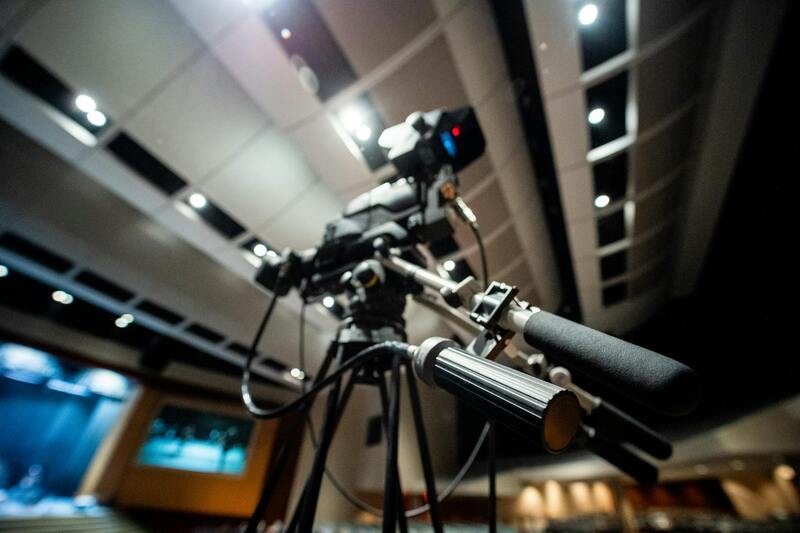
Beyond the technology, selecting an appropriate streaming service involves evaluating platform capabilities, ease of integration, and customization options. Platforms that support multi-device compatibility—from desktops to mobile devices—maximize accessibility. Also, features like multi-language support and closed captioning expand the reach and inclusivity of your event. An exemplary streaming platform provides detailed analytics, giving organizers insights into viewer behavior, engagement levels, and technical performance. These metrics are critical for post-event analysis and future planning, enabling continuous improvement of the streaming experience.
Key Features of Reliable Event Streaming Platforms
Reliability in streaming platforms is rooted in several key features that collectively guarantee the smooth execution of live events. First, high scalability allows the platform to handle fluctuating viewer numbers without degradation in quality or capacity. Adaptive streaming technologies further optimize video delivery based on individual connection speeds, preventing interruptions. Robust security measures, such as encrypted streams and access controls, protect the content from unauthorized access. Platforms with comprehensive technical support and real-time monitoring enable quick responses to any issues, ensuring minimal disruption. Additionally, the availability of interactive tools—such as live chat, polls, and Q&A—enhances audience engagement and interaction, which are crucial components of successful virtual events.
Benefits of Using Streaming Services for Events
Deploying dedicated streaming services for events offers numerous advantages that extend beyond simple content delivery. It significantly broadens the potential audience, removing geographical barriers and facilitating participation from anywhere in the world. This global reach often results in increased event exposure, brand visibility, and networking opportunities. Real-time analytics provided by streaming services enable organizers to measure engagement and gather valuable data on viewer preferences. Interactive features foster a sense of community, encouraging audience participation and feedback. Furthermore, professional streaming solutions often include branding customization, ensuring that the broadcast aligns seamlessly with corporate identity and event aesthetics. This amalgamation of technology and functionality enhances the overall perception and impact of the event.
Selecting a Streaming Service for Different Types of Events
The nature of your event heavily influences the choice of streaming service. For large corporate conferences, options with robust multi-camera support, detailed analytics, and branded overlays are essential. Live concerts require high-fidelity audio and video capabilities, along with minimal latency to synchronize visuals and sound. Hybrid events benefit from platforms that support multi-session streaming, interaction, and breakout rooms for networking. For educational seminars or workshops, platforms that include features like screen sharing, recording capabilities, and interactive polls improve participant engagement. Each type of event demands a tailored approach, ensuring the platform’s features align with event objectives, expected audience size, and technical requirements.
Integrating Streaming Services into Event Production Workflows
Effective integration of streaming services into existing event production workflows demands a systematic approach. Starting with pre-production planning involves coordinating with technical teams to set up streaming equipment, verifying internet connections, and conducting test runs. During the event, seamless coordination between camera operators, sound engineers, and IT support is crucial to maintain high production standards. Utilizing multistreaming capabilities enables simultaneous distribution across multiple platforms—such as social media, corporate websites, or dedicated apps—maximizing reach. Post-event activities include leveraging analytics data for follow-up outreach, tailoring future content, and assessing overall performance. Incorporating streaming into your workflow facilitates a cohesive virtual experience that complements physical aspects of the event and provides flexibility for hybrid models.
Legal and Security Considerations for Event Streaming
When deploying streaming services for events, it’s essential to implement comprehensive strategies that safeguard both the content and the audience. Ensuring proper management of content rights is vital; this involves securing necessary permissions, licenses, and clearances for all media included in the broadcast. Proper licensing not only aligns with intellectual property regulations but also fosters trust among content creators and rights holders.
Privacy concerns are paramount, especially when dealing with sensitive attendee information or proprietary content. Streaming platforms must adhere to established privacy standards by encrypting data streams, employing secure login protocols, and providing attendees with transparent privacy policies. Customizable access controls allow organizers to restrict content to designated audiences, preventing unauthorized viewing or redistribution.
 igure>
Cybersecurity measures are integral to maintaining a secure streaming environment. These include using end-to-end encryption, deploying firewalls, and consistently monitoring network traffic for suspicious activity. Utilizing a content delivery network (CDN) can enhance streaming stability and reduce latency, ensuring a consistent viewer experience while minimizing vulnerability points.
Furthermore, regular vulnerability assessments and cybersecurity audits should be institutionalized to identify and mitigate potential risks promptly. Creating contingency plans for technical failures or security breaches ensures a swift response, minimizing disruption and maintaining audience confidence.
In Miami, where high-profile events frequently utilize streaming services, implementing these legal and security measures is essential to protect content integrity, uphold attendee privacy, and ensure a seamless viewing experience. Choosing a platform provider that prioritizes security features and compliance can significantly streamline these efforts, enabling event organizers to focus confidently on delivering engaging virtual experiences.
Understanding Streaming Services for Event Productions
Streaming services for events have become indispensable tools for engaging audiences across physical and digital platforms. These platforms provide high-quality, reliable live television broadcasts that cater to a wide range of event types, including conferences, concerts, corporate meetings, and public festivals. The core advantage of utilizing dedicated streaming solutions lies in their ability to reach vast, geographically dispersed audiences without compromising on stream quality or stability.
Event organizers must consider various technical components to ensure seamless delivery. This includes robust encoding equipment, effective content management systems, and scalable bandwidth solutions to accommodate fluctuating viewer numbers. Advanced streaming platforms leverage content delivery networks (CDNs) to optimize distribution, reduce buffering times, and enhance overall viewer experience. Choosing a service that aligns with the specific requirements of each event—such as live polling, chat integration, or multi-venue streaming—further enhances audience engagement and satisfaction.

Key Features of Reliable Event Streaming Platforms
- High Scalability: Ability to support varying audience sizes without degradation in quality.
- Multiple Streaming Protocols: Support for protocols like HLS, DASH, and RTMP ensures compatibility across devices and networks.
- Adaptive Bitrate Streaming: Adjusts quality based on viewers’ internet speeds, minimizing buffering.
- Secure Access Control: Options for password protection, token-based authentication, and geo-restrictions ensure content is accessible only to authorized viewers.
- Integrated Analytics: Real-time insights into viewer engagement, dropout rates, and geographic distribution inform future event planning.
- Content Management: Easy-to-use interfaces for uploading, scheduling, and managing live or on-demand content.
- Customization & Branding: Platforms often allow for tailored player interfaces, incorporating corporate branding or event-specific themes.
Benefits of Using Streaming Services for Events
Implementing professional streaming platforms enhances event reach, allowing organizers to transcend geographical limitations and access larger audiences. Streamed events offer flexibility in viewing options, accommodating different time zones and schedules by providing on-demand content post-event. This also expands the lifespan of the content, allowing for long-term engagement and promotional opportunities.
Moreover, integration with interactive features such as live chat, Q&A sessions, and polls fosters direct audience participation, transforming passive viewers into active participants. The detailed analytics provided help organizers measure engagement levels and refine future event strategies, ensuring continuous improvement in content delivery and user experience.
Selecting a Streaming Service for Different Types of Events
The selection process must align the platform’s capabilities with the event’s nature and audience expectations. For corporate conferences, focus on platforms offering seamless multi-camera integrations, high-quality video, and secure access controls. Live music festivals or large-scale public events benefit from solutions with extensive scalability, robust CDN support, and low-latency streaming to ensure minimal delays across viewers.
For smaller, intimate gatherings or webinars, user-friendly interfaces and cost-effective plans are essential. Integration with existing event management tools, such as registration systems or ticketing platforms, streamlines the entire process from registration to live viewing. A comprehensive assessment of features, costs, and technical support options assists organizers in making informed decisions tailored to each event’s specific needs.
Integrating Streaming Services into Event Production Workflows
Successful integration requires meticulous planning and coordination among production teams, technical support, and service providers. Pre-event rehearsals are vital to test hardware setups, streaming configurations, and bandwidth capacity. Setting up dedicated control rooms equipped with mixers, encoders, and multiple camera feeds ensures professional-quality output.
Automation tools within streaming platforms can simplify workflows, allowing for scheduled broadcasts, live switching, and real-time content updates. It’s important to establish clear communication channels between on-site technical staff and virtual production teams to address issues swiftly during the event. Additionally, aligning streaming infrastructure with audiovisual systems, such as sound and lighting, guarantees a cohesive and immersive experience for viewers.

Challenges and Solutions in Event Streaming
Despite the advantages, event streaming presents challenges that demand proactive solutions. Network reliability remains a primary concern—any interruption can significantly impact viewer experience. To mitigate this, utilizing dedicated internet connections and redundant streaming pathways ensures continuous delivery.
Latency issues can diminish real-time interaction, especially during interactive sessions. Employing low-latency streaming technologies and optimizing content delivery paths minimizes delays. Technical difficulties during live broadcasts—such as audio-visual sync issues or equipment failures—necessitate comprehensive backup plans, including redundant hardware and pre-recorded content as interim solutions.
Furthermore, effective troubleshooting protocols, real-time monitoring, and dedicated technical support teams are essential for quick problem resolution. Regular staff training on troubleshooting procedures enhances the team’s readiness to address potential disruptions swiftly and efficiently.
Legal and Security Considerations for Event Streaming
While focusing on providing a seamless streaming experience, event organizers must prioritize content security and attendee privacy. Employing encryption protocols such as SSL/TLS during data transmission safeguards against interception. Content access can be restricted through password protections, tokens, or geo-fencing, preventing unauthorized viewing and distribution.
Implementing secure login systems and multi-factor authentication adds an extra layer of protection for attendees. Regular security audits, vulnerability assessments, and updates ensure the platform remains resistant to emerging threats. Data privacy policies need to be transparent, informing attendees about how their information is used and protected.
Event organizers should work with platform providers that prioritize cybersecurity features and compliance standards. Ensuring these measures are in place preserves the integrity of the event and maintains attendee trust, which are vital for continued success in the virtual landscape.