Understanding Live Event Video Coverage
Live event video coverage encompasses the real-time broadcasting and recording of various gatherings, such as corporate events, concerts, festivals, sports competitions, and conferences. Its primary objective is to capture the energy, atmosphere, and key moments of an event and deliver them to a broader audience through digital platforms. This method ensures that those who cannot attend in person can still experience the event as if they were there, fostering engagement and expanding the event’s reach beyond physical boundaries.
Implementing professional live event video coverage involves multiple stages, including pre-event planning, technical setup, live broadcasting, and post-event content management. Its role is crucial in capturing authentic moments, providing real-time interaction opportunities, and creating lasting digital records of significant occasions. For organizations aiming to maximize their event impact, utilizing top-tier video coverage is an essential element that enhances visibility, engagement, and brand reputation.
Effective live coverage combines skilled videography, cutting-edge broadcasting technology, and strategic content delivery. It requires a clear understanding of the event’s objectives, target audience, and platform-specific requirements. When executed properly, live event video coverage adds a dynamic layer to event promotion, sponsorship visibility, and stakeholder engagement, making it an indispensable tool for modern event management.
The Objectives of Live Event Video Coverage
- Real-Time Engagement: Connecting virtual audiences instantly through live streaming allows interaction via chat, polls, and social media integration.
- Expanding Reach: Sharing the live feed across multiple platforms enhances visibility beyond physical attendees.
- Documenting Events: Capturing high-quality footage creates valuable content for future marketing, promotional materials, or archival purposes.
- Driving Branding and Sponsorship: Professional coverage offers sponsorship exposure and reinforces brand messaging during the event.
- Ensuring Accessibility: Live streaming makes events accessible to individuals with mobility issues or geographical constraints.
Role of Professional Equipment and Expert Crew
The success of live event video coverage heavily depends on using the right equipment and experienced personnel. High-definition cameras, professional audio devices, stable streaming servers, and auxiliary tools like drone cameras or multiple camera angles enrich the viewer experience. Skilled videographers, directors, and technical operators work seamlessly to ensure smooth transitions, clear visuals, and reliable streaming quality, which are critical in maintaining audience engagement and delivering a polished broadcast.
Types of Live Events Suitable for Video Coverage
Several kinds of live events can significantly benefit from professional live video coverage, optimizing their outreach, engagement, and overall impact. Each event type requires tailored approaches to meet specific objectives and audience expectations, ensuring the broadcast enhances the event’s success and visibility.
Concerts and Music Festivals
Music events draw large audiences both onsite and online. Broadcasting concerts live allows fans worldwide to participate, increasing exposure and creating a broader fan community. High-quality video production captures the energy of performances, crowd reactions, and stage effects, providing immersive experiences for virtual viewers. For organizers, live coverage also offers opportunities for real-time social media integration, encouraging viewer interaction and subsequent sharing.
Conferences and Corporate Events
Business gatherings, seminars, and product launches often leverage live streaming to extend their reach beyond physical attendees. This method enables remote participation, which broadens the event’s impact across different geographical locations. Professionals can access keynote speeches, panel discussions, and interactive sessions without logistical constraints, fostering networking and knowledge sharing. Furthermore, recorded segments from these events can serve as valuable content for future marketing campaigns.
Sporting Events
From local tournaments to national championships, live coverage of sports competitions attracts passionate viewers. Multi-camera setups capture various angles, close-ups, and slow-motion replays, enhancing the viewing experience. This type of coverage supports betting applications, fan engagement, and sponsorship branding, making it a vital component for sports organizers seeking to maximize visibility and revenue.
Community and Cultural Events
Festivals, parades, and cultural celebrations foster community spirit and cultural exchange. Livestreaming these events broadens audience participation, especially for individuals unable to attend due to remoteness or mobility issues. Authentic coverage emphasizes the event's atmosphere, performances, and local significance, promoting cultural awareness and community involvement beyond the event day.
Religious and Spiritual Gatherings
Religious ceremonies and spiritual gatherings often engage a wider congregation through live streaming. This approach ensures inclusivity for members who cannot attend physically, such as those with health concerns or geographic barriers. Clear visuals and quality audio are crucial to conveying the solemnity and emotional resonance of these events, maintaining a sense of community regardless of physical distance.

In selecting live video coverage for different events, it is essential to consider the specific dynamics and audience expectations. Each event type benefits from specialized setups, comprehensive planning, and expert technical execution, ensuring seamless broadcasts that enhance event visibility and stakeholder satisfaction.
Understanding Live Event Video Coverage
Live event video coverage relies on a combination of advanced technology and strategic planning to deliver high-quality broadcasts that effectively engage viewers both onsite and online. The process begins with a clear understanding of the event's unique characteristics, target audience, and desired outcomes. Whether it’s a corporate conference, a music festival, a sports match, or a community celebration, each event type demands tailored technical setups and creative approaches to capture its essence authentically.
Successful live coverage expands beyond mere video transmission; it involves capturing the atmosphere, emotions, key moments, and behind-the-scenes insights that resonate with viewers. Properly executed live coverage enhances event visibility, encourages real-time interaction, and offers the potential for ongoing content utilization. By using a combination of multiple camera angles, professional audio, and immersive visuals, production teams can recreate the energy and significance of in-person attendance, ensuring the digital audience feels connected and engaged.
Equipped with specialized tools such as live switching software, real-time graphics, and reliable streaming platforms, professional coverage minimizes disruptions and maintains broadcast continuity. Moreover, the integration of social media feeds and viewer interaction features fosters a dynamic viewing experience, encouraging active participation. This comprehensive approach not only boosts audience engagement but also elevates the event’s overall profile, amplifying its message beyond physical boundaries.
Types of Live Events Suitable for Video Coverage
Many diverse event types benefit significantly from professional live video coverage, each with its specific needs and audience expectations:
- Corporate Conferences and Seminars: Conveying keynote speeches, panel discussions, and interactive sessions to delegates and remote participants enhances accessibility and global reach.
- Sports Events: Live streaming of matches, tournaments, and competitions provides real-time excitement for fans unable to attend in person, while also offering additional branding opportunities.
- Cultural Festivals and Community Gatherings: Sharing local traditions, performances, and celebrations fosters community pride and attracts wider audiences from various regions.
- Music and Entertainment Festivals: Capturing performances and behind-the-scenes moments helps extend the event’s lifespan online, driving future engagement and ticket sales.
- Religious and Spiritual Events: Broadcasts ensure inclusivity for congregants worldwide, preserving the spiritual experience and community connection regardless of location.
Each event type requires a thorough understanding of its dynamics to deliver a broadcast that captures its spirit and meets audience expectations. Employing versatile and reliable equipment, combined with expert technical execution, guarantees higher quality streams that accurately portray the event's atmosphere, ensuring online viewers receive an experience as immersive as being physically present.
Technical Aspects of Live Video Streaming
Achieving seamless live event video coverage relies heavily on managing various technical components that influence stream quality, stability, and viewer engagement. Central to this is a robust encoding setup, which converts the raw video feeds into a digital format suitable for real-time transmission. High-quality encoders equipped with adaptive bitrate technology ensure that streams remain smooth across all viewer devices and internet speeds, minimizing buffering and lag.
An essential element is the network infrastructure. A dedicated, high-bandwidth internet connection—preferably wired—reduces the risk of interruptions and supports the transmission of high-definition content. Redundant connectivity options, such as backup internet sources, are critical for maintaining broadcast reliability, especially during large-scale events.
Video sources, including professional cameras, drones, and point-of-view cameras, must be synchronized and calibrated to capture varied perspectives with optimal clarity and color accuracy. Simultaneously, audio quality must be preserved through high-fidelity microphones and sound mixing devices, as audio clarity significantly enhances viewer experience.
Furthermore, real-time monitoring systems are vital for supervisors to oversee stream health, identify potential issues instantly, and implement corrective measures swiftly. This often involves multiple monitoring screens displaying the live feed, encoder status, and internet connection metrics.
To facilitate multi-platform broadcasting, integration with Content Delivery Networks (CDNs) ensures wide dissemination without bottlenecks or delays. These networks distribute the live stream efficiently, reaching audiences via various devices and locations.
Technical Aspects of Live Video Streaming
Fail-safe live event video coverage hinges on a comprehensive understanding of core streaming technology components. Encoding stands as the backbone, responsible for converting raw audio and video signals into a compressed digital format suitable for transmission. Selecting the appropriate encoder settings, such as resolution, bitrate, and frame rate, influences both the quality of the live feed and the stability of the stream. Adaptive bitrate streaming dynamically adjusts quality based on the viewer's internet connection, ensuring minimal buffering and a continuous viewing experience.
Bandwidth management is critical. Sufficient upload speed at the event venue prevents interruptions, and dedicated internet lines are preferable to shared connections that might fluctuate during high traffic. Network stability often determines the success of live video coverage; thus, redundancies like backup internet sources or bonding multiple connections are advisable.
Streaming platforms serve as the conduit for content delivery, with choices ranging from all-in-one solutions to custom server configurations. Platforms like YouTube Live, Facebook Live, and specialized enterprise-level services offer features such as real-time analytics, multi-platform broadcasting, and integrated monetization options. To ensure a smooth transmission, content delivery network (CDN) integration disperses the stream efficiently, reducing latency and buffering for viewers across different geographical locations.
Monitoring tools provide live diagnostics, assessing stream stability, encoding health, and viewer metrics. These systems enable operators to detect issues early and implement remedies swiftly, preserving the quality and professionalism of the coverage. By maintaining optimal encoding parameters, managing bandwidth prudently, and utilizing reliable streaming services, broadcasters can deliver seamless live coverage that effectively captures the energy and significance of the event.
Technical Aspects of Live Video Streaming
Executing successful live event coverage hinges on meticulous attention to the technical infrastructure that enables seamless streaming. High-quality video production requires a combination of reliable hardware, robust network management, and professional streaming protocols. One of the most critical components is the encoding system, which compresses raw video footage into digital formats suitable for transmission over the internet. Modern encoders should support multiple bitrates and resolutions to accommodate various viewer devices and network conditions, ensuring a consistently smooth viewing experience.
To maximize streaming stability, employing dedicated hardware encoders or software solutions optimized for live broadcast is essential. These systems often include features such as auto-redundancy, which automatically switches to backup streams if the primary feed encounters issues, thereby avoiding disruptions. Additionally, proper configuration of settings like keyframes, bitrate, and resolution affects not only quality but also latency, which is vital for real-time interaction and viewer satisfaction.
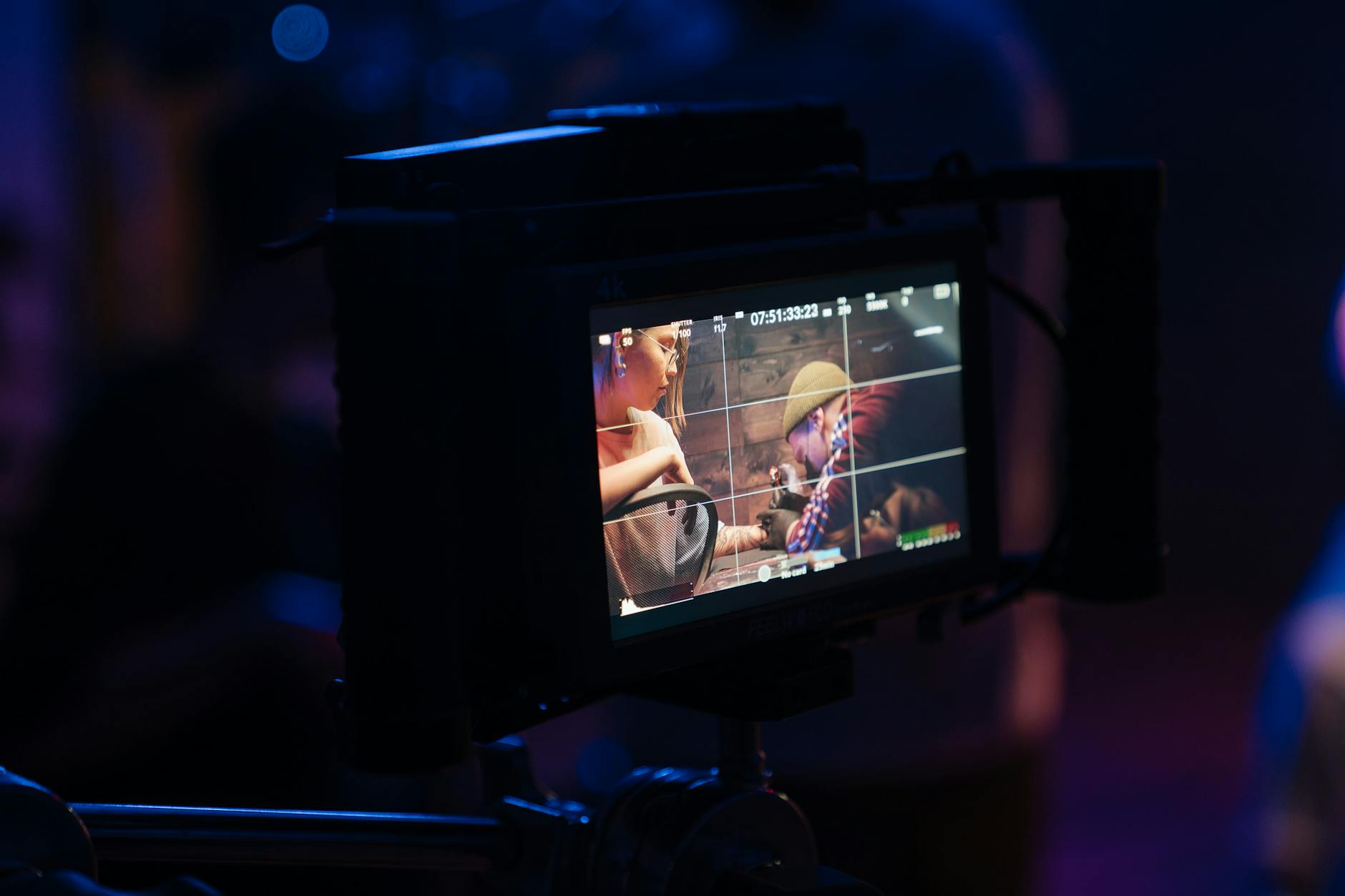
Network infrastructure plays a pivotal role in preserving the integrity of the live stream. A dedicated, high-bandwidth internet connection with symmetrical upload speeds is highly recommended to handle the large data throughput. If dedicated lines are unavailable, bonding multiple internet sources can create a pooled bandwidth that enhances resilience. This approach minimizes the risk of buffering, lag, or disconnections that can occur due to network congestion or fluctuations.
Content Delivery Networks (CDNs) are indispensable for distributing the live stream efficiently across vast geographical regions. CDNs replicate streams on multiple servers worldwide, reducing latency and ensuring that viewers receive content from servers close to their physical location. This reduces buffering times and improves overall streaming quality. Moreover, integrated monitoring tools are essential for real-time diagnostics. These tools track stream health, encoding performance, viewer engagement metrics, and network stability, enabling operators to intervene proactively when any issues are detected.
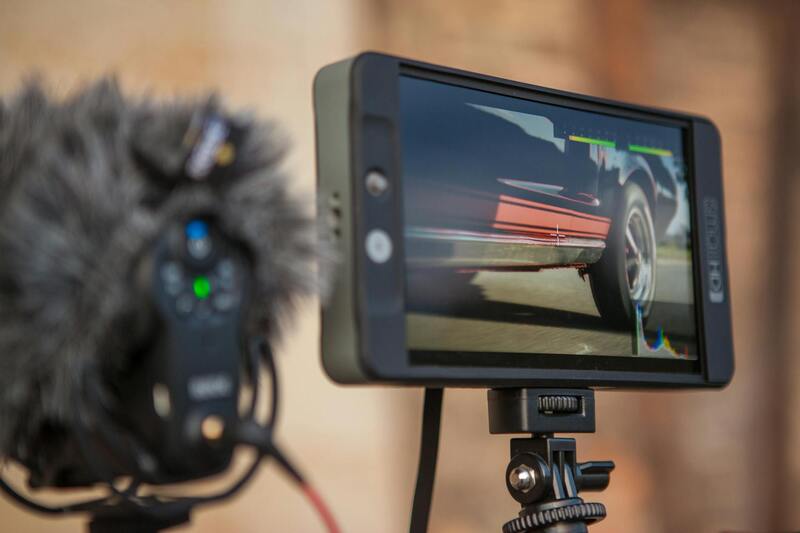
Another technical consideration is managing latency. Low-latency streaming protocols are vital for live interactions such as Q&A sessions, speaker introductions, or real-time polling. This is achieved through optimized encoding settings and leveraging streaming protocols like SRT (Secure Reliable Transport) or CMAF (Common Media Application Format) that prioritize minimal delay.
Integrating backup systems is equally crucial. Redundant power supplies ensure continuous operation of equipment, while secondary internet connections or satellite links serve as fallback options if primary connections fail. This layered approach guarantees uninterrupted coverage, showcasing professionalism and reliability during live events.
Advanced Technical Considerations for Live Event Video Coverage
Optimizing Streaming Protocols and Infrastructure
Achieving seamless live event coverage requires meticulous attention to the choice of streaming protocols and infrastructure. Protocols such as SRT (Secure Reliable Transport) and CMAF (Common Media Application Format) offer enhanced performance by minimizing latency and improving resilience against network fluctuations. These protocols facilitate adaptive bitrate streaming, which dynamically adjusts video quality based on real-time network conditions, ensuring viewers experience minimal buffering and consistent quality even during network inconsistencies.
In addition to selecting suitable protocols, the deployment of Content Delivery Networks (CDNs) plays a pivotal role. CDNs distribute the live stream across multiple geographically dispersed servers, decreasing the distance the data must travel and lowering latency. This results in reduced buffering times and a more synchronous viewing experience for audiences irrespective of their locations. Strong integration of monitoring tools within the CDN infrastructure enables real-time diagnostics, allowing operators to promptly identify and resolve streaming issues, maintain stream stability, and optimize viewer engagement.
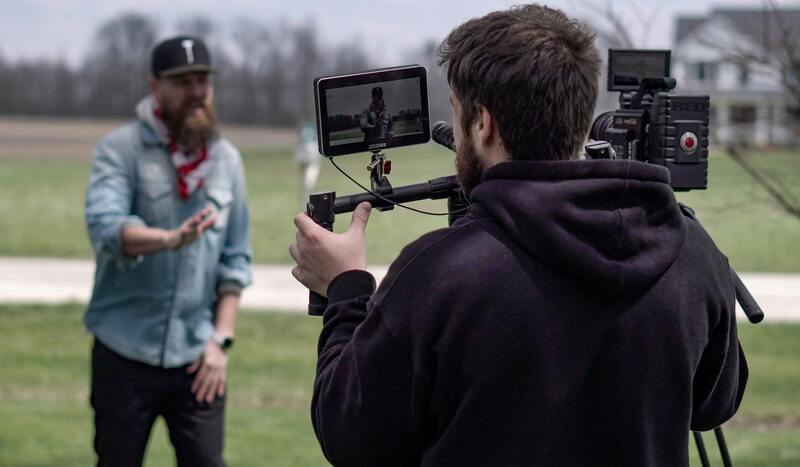
Implementing Redundancy and Backup Systems for Reliability
To uphold the integrity and smooth operation of live coverage, implementing redundancy measures is crucial. Redundant power supplies ensure that equipment remains operational even in the event of power failures, preserving the continuity of the broadcast. Multiple internet connections, including primary broadband and secondary satellite or cellular links, serve as fallback options. These backup systems activate automatically if the main connection encounters issues, preventing service interruptions and ensuring uninterrupted streaming.
Furthermore, maintaining real-time system diagnostics through advanced monitoring tools allows technical teams to proactively manage emerging issues. Network performance, encoding efficiency, and stream health are continuously tracked, enabling prompt action to rectify problems before viewers are impacted. This layered approach to infrastructure resilience exemplifies professionalism and enhances confidence among event organizers and audiences alike.
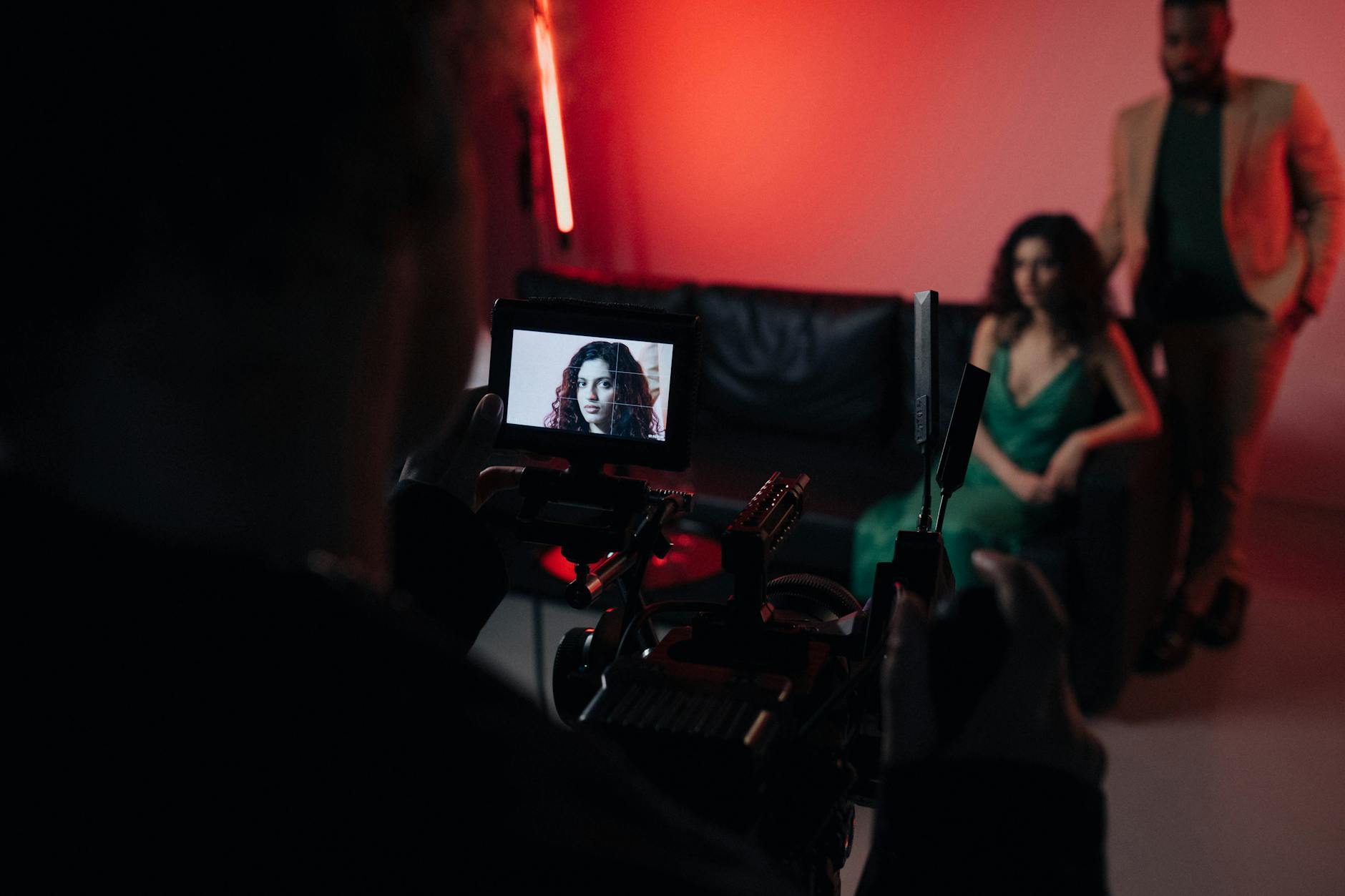
Addressing Latency and Interactive Features in Live Streaming
Reducing latency is vital for interactive elements such as live Q&A sessions, speaker introductions, and audience polling. Achieving low latency involves fine-tuning encoding settings and leveraging specific streaming transport mechanisms like SRT, which prioritize minimal delay while maintaining data integrity. Such measures create a more immersive and engaging experience for viewers, fostering real-time interaction that mimics in-person engagement.
Additionally, integrating real-time chat and feedback modules during the live broadcast enhances viewer participation. These features, when optimized with low-latency protocols, enable seamless interaction between presenters and audiences, adding value to the event coverage. Technical teams must continuously monitor and adjust stream parameters to balance high-quality video delivery with minimal delay, ensuring the live experience remains fluid and responsive.
Ensuring Legal and Secure Methods for Live Event Video Coverage
When undertaking live event video coverage, it is paramount to adhere strictly to authorized methods that respect all relevant rights and regulations. Professional broadcasting companies employ a comprehensive approach that combines technical expertise with rigorous compliance protocols. These methods include obtaining necessary permissions, licensing agreements, and adhering to industry best practices to ensure that all content is legally captured, streamed, and archived.
Utilizing licensed content distribution platforms forms a cornerstone of legitimate live streaming practices. These platforms provide verified infrastructure, ensuring that the stream is delivered through compliant channels that meet security and quality standards. Furthermore, content security measures such as encrypted transmission, digital rights management (DRM), and secure access controls are implemented to prevent unauthorized redistribution or piracy of the live footage.
 igure>
Official Equipment and Infrastructure
Employing certified, high-quality broadcasting equipment is essential for ensuring the integrity and security of a live coverage project. Professional-grade cameras, encoders, and streaming servers are utilized, all of which are maintained and operated by trained personnel. This equipment often features advanced encryption capabilities and compatibility with secure streaming protocols, which safeguard the content throughout the transmission process.
In addition, server infrastructure should be hosted within trusted data centers that comply with privacy and data protection standards. This ensures that the live stream remains resilient against breaches and unauthorized access, maintaining viewer trust and respecting the legal frameworks governing broadcast content.
Verification of Content Rights and Permissions
Before initiating the live transmission, it is critical to verify the rights and permissions associated with all content that will be broadcasted. This encompasses footage, music, logos, or any proprietary material. Proper documentation and licensing agreements are maintained to substantiate permissions, reducing the risk of content disputes during or after the event.
This step also involves coordinating with stakeholders such as event organizers, performers, and sponsors to confirm that all content shares align with their expectations and legal boundaries. Implementing an internal review process prior to the live broadcast helps identify potential issues proactively, ensuring consistent compliance throughout the coverage.
Use of Authorized Streaming Platforms and Tools
Reputable, authorized streaming services are integral to delivering live video content securely. These platforms often offer built-in content protection features, such as geo-restrictions and user authentication, which contribute to the safe delivery of live streams. Integrating reliable Content Delivery Networks (CDNs) guarantees that the broadcast reaches viewers efficiently while minimizing potential points of attack or interception.
Professional live streaming tools also include functionalities like real-time analytics and monitoring, which enable technical teams to oversee the stream’s performance and security continuously. By choosing established, authorized solutions, content providers can maintain control over their broadcasts and ensure they meet industry standards for legality and security.
Documentation and Record-Keeping
Maintaining thorough documentation of all licensing arrangements, permissions, and technical procedures is a vital part of compliant live event coverage. This documentation serves as proof of authorized content use and technical protocols, which can be crucial in addressing any questions about the legality or security of the coverage.
Additionally, secure archiving practices are employed for storing recorded streams and related materials, allowing for easy retrieval and review when necessary. This meticulous record-keeping underscores a commitment to professionalism and provides an audit trail that supports ongoing compliance efforts.