
Introduction to Live Webcasting Services
Live webcasting services have transformed the way businesses, organizations, and event organizers in Miami deliver content and connect with their audiences. Unlike traditional methods such as in-person gatherings or pre-recorded videos, live webcasting allows real-time broadcasting over the internet, reaching viewers anywhere with an internet connection. This technology is especially vital in a vibrant, dynamic city like Miami, where the demand for instant engagement and wide coverage continues to grow.
Webcasting provides a seamless platform to host conferences, seminars, product launches, religious services, educational programs, and community events. It bridges geographical distances, enabling remote audiences to participate as if they were physically present. For organizations aiming to expand their reach or enhance audience interaction, professional webcasting services ensure high-quality streams, reliable delivery, and tailored solutions to meet diverse event needs.
In Miami, where tourism, business, and cultural events thrive, webcasting creates opportunities to amplify your message beyond local boundaries. Whether promoting a new initiative or sharing important updates, live streaming offers immediacy and accessibility. As technology advances, webcasting continues to evolve, offering richer interactivity, improved video quality, and analytics to measure engagement.

Technical Aspects of Live Webcasting
Successfully executing a live webcasting event hinges on understanding the technical intricacies involved in delivering a seamless viewing experience. These technical aspects encompass a range of components that must operate harmoniously to ensure high-quality transmission and reliable connectivity. For professional-grade live webcasting, meticulous attention to these details is paramount.
At the core is the encoding process, where raw video and audio signals are compressed into digital formats suitable for live distribution. High-performance encoders are essential for maintaining clarity and reducing latency, especially when streaming to multiple viewers simultaneously. These encoders convert live signals into adaptable streams that can be distributed across various devices and bandwidth conditions.
Bandwidth management is another critical factor. A robust, high-speed internet connection with sufficient upload capacity minimizes buffering and lag. Professional webcasting providers often employ dedicated bandwidth solutions and backup networks to prevent interruptions, maintaining a steady stream regardless of external network fluctuations.
Multi-camera setups enrich the viewer experience by offering multiple angles and dynamic shot changes. This requires precise synchronization systems to ensure seamless transitions and consistent framing. The integration of switchers and real-time editing software enables operators to select camera feeds intelligently, adding graphics or overlays that enhance the presentation without disrupting the flow of the broadcast.
Latency, or the delay between the source and viewer, must be kept minimal to facilitate real-time interaction. Advanced streaming protocols such as HLS or DASH optimize delivery, but overall network quality and encoder settings play crucial roles in latency reduction.
Platform compatibility is equally vital. A professional live webcasting service employs adaptive streaming technology, which detects the viewer's device and bandwidth to deliver the optimal quality stream. Compatibility with multiple platforms—social media, websites, and mobile apps—broadens reach and accessibility.
Performance monitoring is ongoing during the broadcast through real-time analytics tools. These tools track viewer metrics, stream health, and engagement levels, enabling operators to make adjustments proactively. Post-event reports provide additional insights for future improvements.
Security measures, including encryption and protected streaming links, safeguard the content from unauthorized access. Ensuring data integrity and privacy is critical, especially for sensitive or proprietary broadcasts.
In essence, mastering these technical aspects allows webcasting providers in Miami to deliver high-quality, reliable live streams that captivate audiences and facilitate meaningful engagement. Professional expertise in encoding, bandwidth management, multi-camera operation, latency optimization, and platform integration ensures that each broadcast meets the highest standards of excellence.
Technical Aspects of Live Webcasting
To ensure seamless and high-quality broadcasts, understanding the core technical components of live webcasting is essential. This includes selecting the right hardware, software, and network configurations that work in harmony to produce a reliable streaming experience. An experienced live webcasting service employs professional-grade cameras, encoders, and audio equipment designed for live production. These tools capture the event with optimal clarity and sound quality, making the digital experience as compelling as attending in person.
The encoding process is pivotal, as this converts raw video signals into a digital format suitable for streaming. Advanced encoders utilize hardware or software solutions capable of handling multiple streams simultaneously, ensuring a consistent delivery even during high-traffic events. Proper encoding settings optimize resolution, bitrate, and frame rate to balance quality and bandwidth, which directly affects viewer experience.
Network bandwidth is another critical factor. The service provider assesses the available internet capacity and employs adaptive streaming technologies. These technologies dynamically adjust the quality of the stream based on the viewer’s device capabilities and network speed, reducing interruptions caused by buffering or lag.
Content delivery networks (CDNs) play a significant role in live webcasting by distributing the stream across multiple servers worldwide. This distribution minimizes latency and ensures that viewers, regardless of their location, receive a stable and smooth viewing experience.
The integration of real-time analytics tools enables operators to monitor stream health continuously. Metrics such as bit rate fluctuations, viewer engagement levels, and connectivity issues are tracked and addressed proactively, maintaining the broadcast’s integrity.
Security remains a top priority. Encrypted streaming protocols and access controls safeguard content from unauthorized distribution or hacking attempts. This is especially crucial when streaming sensitive corporate or proprietary information.
Additionally, compatibility across multiple devices—desktops, tablets, smartphones—requires adaptive streaming protocols. Ensuring that the stream can adapt to varying screen sizes and bandwidth conditions maximizes audience reach.

Technical Aspects of Live Webcasting
To ensure a seamless and professional live streaming experience, understanding the technical components involved in live webcasting is essential. High-quality video and audio encoding serve as the foundation, where professional-grade codecs compress the content efficiently without sacrificing clarity. This process optimizes bandwidth usage and ensures compatibility across diverse devices and network conditions.
The deployment of reliable streaming protocols, such as Real-Time Messaging Protocol (RTMP) and HLS (HTTP Live Streaming), plays a critical role in maintaining consistent delivery. RTMP is predominantly used for live encoding and transmission to the streaming server, while HLS is favored for end-user delivery, especially on mobile devices, due to its adaptive bitrate capabilities.
Adaptive streaming technology dynamically adjusts the quality of the video stream based on the viewer's internet bandwidth. This minimizes buffering and provides a smooth experience, even during fluctuating network speeds. Content delivery networks (CDNs) are integral to these operations, distributing the stream globally to reduce latency and server load.
Security measures are equally vital, encompassing encrypted transmission protocols and secure authentication methods to prevent unauthorized access. These precautions help protect sensitive content and ensure only authorized viewers can access the stream.
Furthermore, comprehensive analytics tools track viewer engagement and stream performance, enabling operators to make real-time adjustments. These insights facilitate a proactive approach to stream management, addressing potential issues before affecting the viewer experience.
Figure placeholder: 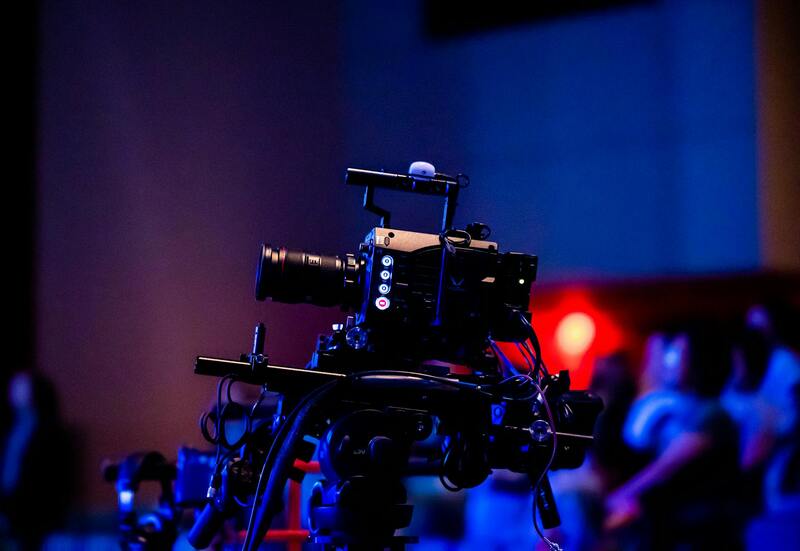
Technical Aspects of Live Webcasting
Implementing a successful live webcasting event hinges on understanding the core technical prerequisites. A stable and high-capacity internet connection is fundamental, ensuring uninterrupted data transmission. Typically, a dedicated broadband connection with symmetrical upload and download speeds facilitates smooth streaming without buffering or latency issues. It’s essential to monitor network performance continuously, especially during high-traffic events, to maintain optimal quality.
Stream quality heavily depends on selecting the appropriate streaming platform. These platforms offer features such as multi-platform distribution, scalable bandwidth, and compatibility with various devices and operating systems. A reliable platform minimizes downtime and provides seamless integration with content delivery infrastructure.
Essential equipment includes professional-grade encoders, high-definition cameras, and audio capture devices. Encoding hardware transforms raw audio-visual signals into digital data suitable for internet transmission. Modern software encoders offer ease of use and versatile settings, enabling broadcasters to adapt streams in real time. Meanwhile, camera and microphone quality directly influence viewer perception; high-resolution visuals and clear audio are non-negotiable for engaging broadcasts.

Synchronization of these elements is crucial, with real-time encoding and minimal latency ensuring a natural viewing experience. Redundancy systems, such as backup internet connections and secondary power supplies, safeguard against unforeseen technical failures, guaranteeing continuous broadcast flow.
Furthermore, adopting adaptive streaming protocols dynamically adjusts video quality according to viewer bandwidth conditions. This technology maintains smooth playback across devices and network environments, enhancing accessibility and user experience.
Security measures play a significant role, especially for sensitive or exclusive content. Encryption protocols and secure content delivery networks safeguard streams against unauthorized access and piracy. Additionally, access controls, such as password protection or secure tokens, restrict viewing to designated audiences.
Partnering with a proficient live webcasting provider in Miami ensures that these technical requirements are met with cutting-edge technology and expertise. Such providers incorporate advanced infrastructure, optimized encoding solutions, and comprehensive security protocols to deliver high-quality, reliable streams tailored to your specific event needs.

Introduction to Live Webcasting Services
Implementing a live webcasting service is a strategic way to reach a broader audience while maintaining high-quality content delivery. Live streaming allows organizations to broadcast events in real time, creating an interactive and immersive experience for viewers regardless of their geographical location. These services are particularly valuable for conferences, corporate meetings, product launches, and community events that seek to maximize engagement and visibility. Partnering with a reputable webcasting provider ensures that every aspect of the broadcast, from setup to execution, is handled with precision, professionalism, and adherence to best practices. As the demand for high-caliber live content continues to grow, leveraging a dedicated webcasting service becomes indispensable for organizations aiming to make a significant impact.

Key Features of Professional Webcasting
Professional webcasting services offer a comprehensive array of features designed to elevate the quality and reliability of live broadcasts. High-definition video and audio are fundamental, requiring advanced cameras, professional microphones, and encoders that ensure crisp visuals and clear sound. Adaptive bitrate streaming adjusts the quality based on viewers’ internet speeds, providing seamless viewing experiences across devices. Backup systems, including secondary internet lines and power sources, help mitigate technical disruptions. Security measures such as end-to-end encryption and access controls facilitate secure transmission, protecting sensitive content against unauthorized access. Additionally, real-time analytics provide insights into viewer engagement and broadcast performance, allowing for immediate adjustments if necessary. These features collectively enable a smooth, professional streaming process that engages audiences effectively and reduces technical risks.

Types of Events Suitable for Live Streaming
- Corporate Conferences and Seminars
- Product Launches and Demonstrations
- Educational Workshops and Lectures
- Religious Services and Spiritual Gatherings
- Community and Cultural Events
- Sports Competitions and Awards Ceremonies
Any event requiring real-time communication and wide outreach benefits from live webcasting. The dynamic nature of these broadcasts allows organizers to interact and engage audiences in a more personal way, regardless of physical distance or time zone differences.
Choosing a Live Webcasting Service Provider in Miami
Selecting the right local provider involves evaluating several factors to ensure reliable delivery and technical excellence. Establishing a provider’s technical capabilities, including infrastructure, bandwidth options, and security protocols, is critical. Service providers with extensive experience in webcasting should demonstrate a proven track record of successful executions for diverse event types. Local providers also offer the advantage of on-site support, which is invaluable during setup, live operations, and post-event wrap-up. Engaging with companies familiar with Miami’s audience and event norms guarantees a tailored approach, resulting in more effective audience engagement and content reach.

Technical Aspects of Live Webcasting
The backbone of a successful live webcast lies in the technical infrastructure. High-resolution cameras, professional encoders, and reliable streaming platforms form the core of a quality broadcast. Efficient encoding minimizes delay and ensures synchronization across multiple video streams and audio channels. Redundancy in internet connections via multiple service providers protects against unexpected outages, while backup power sources keep the broadcast live during electrical disruptions. Security protocols such as encryption and secure tokens are integral to safeguarding the content from unauthorized viewers. Adaptive streaming technologies are employed to optimize playback quality based on each viewer’s network conditions, ensuring smooth and consistent viewing experiences. Detailed planning and advanced infrastructure integration are essential in delivering a broadcast that meets the high standards expected by viewers and organizers alike.

Technical Aspects of Live Webcasting
Ensuring a seamless and professional live webcast requires meticulous attention to technical details that form the backbone of a high-quality broadcast. Critical components include high-resolution video capture, professional encoding hardware and software, and a robust streaming platform capable of handling concurrent viewers. The integration of multiple video sources—such as fixed cameras, mobile cameras, and screen sharing—demands efficient switching and syncing to maintain a coherent viewing experience. Professional encoders compress the video streams to optimize bandwidth usage while preserving image quality, which is essential for viewer satisfaction.
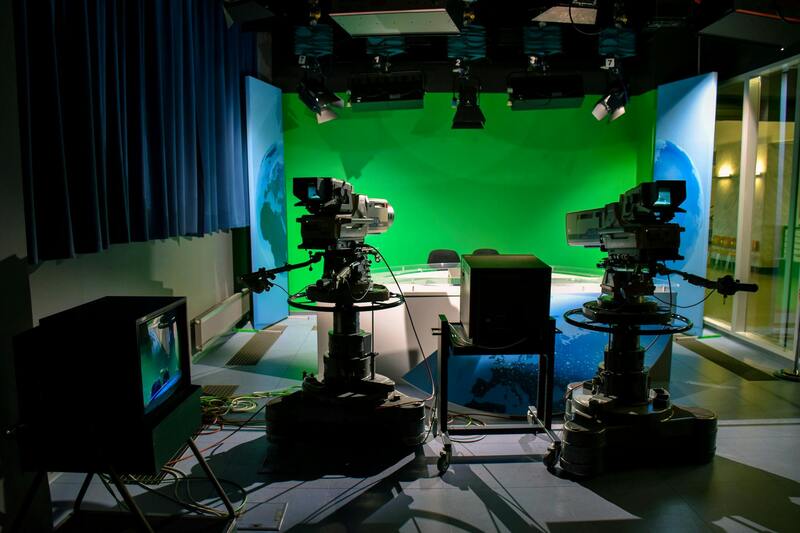
Redundancy in the internet connection is crucial, especially for live events where disconnections or bandwidth fluctuations can disrupt the broadcast. This often involves utilizing multiple internet service providers with automatic failover capabilities. Backup power supplies, such as uninterruptible power supplies (UPS) and generators, are also critical to maintain continuous broadcasting sessions during outages. Security measures like end-to-end encryption and access controls safeguard the streaming content from unauthorized viewing or tampering, preserving the integrity of the broadcast.
Adaptive streaming technologies dynamically adjust video quality based on each viewer’s network conditions, reducing buffering and improving overall experience. This feature ensures that audiences, regardless of their device or internet speed, receive a stable stream. Efficient content delivery networks (CDNs) distribute the webcast globally, minimizing latency and maximizing connection stability. These technical elements work in concert to produce a reliable, high-quality live webcast capable of engaging large audiences without technical hindrances.
An effective live webcasting setup also incorporates communication tools for real-time interaction between hosts and viewers. Chat functions, Q&A sessions, or live polls can significantly enhance engagement and make the webcast more interactive, fostering a sense of community even in virtual environments. Therefore, comprehensive planning and investment in advanced infrastructure are vital to meet the expectations of organizers and viewers alike, ensuring that every event is delivered flawlessly and professionally.
Ensure Professional Quality with Proper Equipment and Support
Achieving a seamless and high-quality live webcast relies heavily on choosing a provider that employs advanced broadcasting technology and professional-grade equipment. This includes high-definition cameras capable of capturing crisp visuals, professional microphones for clear audio, and reliable encoding hardware that manages live data transmission efficiently. A provider with experience in real-time troubleshooting can quickly address issues such as lag, buffering, or signal loss, minimizing disruptions during the event.

In addition to hardware, robust software solutions play a crucial role in managing live broadcasts. Content management systems integrated with streaming platforms allow seamless switching between cameras, overlays, and multimedia content, resulting in visually engaging presentations. A professional live webcasting service also offers technical support throughout the event, ensuring any issues are swiftly resolved, and the broadcast proceeds smoothly.
Effective Engagement Tools for Interactive Live Webcasts
Interactivity significantly enhances viewer experience and engagement during live events. Features such as real-time chat, Q&A sessions, polls, and audience feedback mechanisms create a dynamic environment where viewers feel involved. A skilled provider will incorporate these tools into the broadcast platform, enabling hosts to address questions, gather instant feedback, and foster a community atmosphere.

Moreover, integration with social media channels allows broadcasters to extend reach and facilitate broader audience participation. Sharing live moments, encouraging viewer comments, and promoting hashtags can amplify the event’s visibility, making it more impactful and memorable.
Security and Privacy Measures
Protecting the content and controlling access is paramount in professional live webcasting. Encryption protocols and secure streaming servers ensure that content remains confidential and is only accessible to authorized viewers. Implementing password protections, viewer authentication, and geo-restrictions help organizations control who can access the stream.
Conclusion
Partnering with a reputable live webcasting service provider in Miami guarantees a technically sound and professionally delivered event. From advanced equipment and robust software to interactive tools and security measures, a comprehensive approach ensures that your live broadcast is engaging, reliable, and secure. Proper planning, technical expertise, and a keen focus on audience experience are essential for maximizing the impact of your live streaming efforts.