
Overview of Remote Live Video Production
Remote live video production represents a sophisticated approach to broadcasting live events, where the production team operates from a remote location rather than onsite at the event venue. This method leverages advanced internet connectivity, high-definition streaming technologies, and robust broadcast equipment to deliver real-time video content to audiences across diverse platforms. It enables broadcasters to manage multiple camera feeds, audio inputs, graphics, and other production elements remotely, ensuring a seamless viewing experience for viewers regardless of their physical location. This innovative approach has gained widespread adoption, especially among Miami-based organizations seeking to enhance their event coverage and reach wider audiences without incurring the costs and logistical challenges associated with on-site production. The growing significance of remote live video production is driven by increasing demand for flexible, scalable, and cost-effective broadcast solutions that can adapt to the dynamic needs of modern events, such as conferences, sports competitions, concerts, and corporate webinars. In the Miami entertainment and corporate sectors, remote live production technologies allow for increased audience engagement, more interactive content, and broader dissemination of key messages. By utilizing this method, event organizers can ensure high-quality visuals and sound, even when their teams are geographically dispersed or when there are limitations on physical presence. As remote production tools continue to evolve, their integration into live event planning and broadcasting will remain essential for organizations looking to maximize their reach and impact in a competitive media landscape.
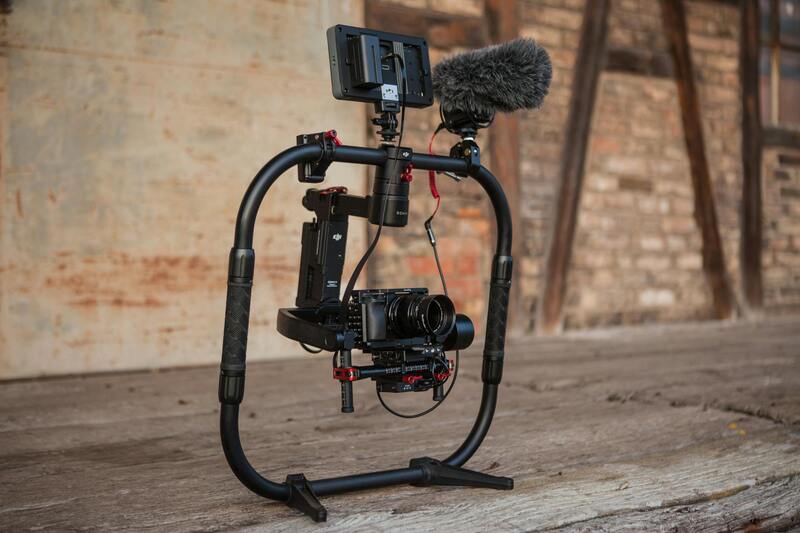
As the demand for remote live video production grows within Miami's thriving business and entertainment communities, companies specializing in this technology are increasingly vital. They provide comprehensive solutions, from initial planning and pre-production to the execution and post-event analysis, ensuring each live broadcast meets the highest standards of technical quality and viewer engagement. Understanding the core components and processes involved in remote live video production is essential for clients aiming to leverage this technology effectively for their upcoming events and broadcasts.
Key Technologies and Equipment
Implementing effective remote live video production hinges on a suite of cutting-edge technologies and robust equipment that ensures seamless transmission and high-quality output. Central to this setup are high-definition cameras, which are strategically positioned to capture various angles and aspects of the event with clarity and precision. These cameras can range from professional broadcast-grade units with 4K resolution capabilities to more compact, remote-controlled models that provide flexibility in shot selection without the need for extensive on-site staff.
In addition to cameras, audio quality is paramount. Wireless microphones, audio mixers, and digital audio processors are integrated into the production flow to guarantee crisp, clear sound. These devices help mitigate ambient noise and echo, ensuring that dialogue, music, and sound effects are delivered with professional fidelity.
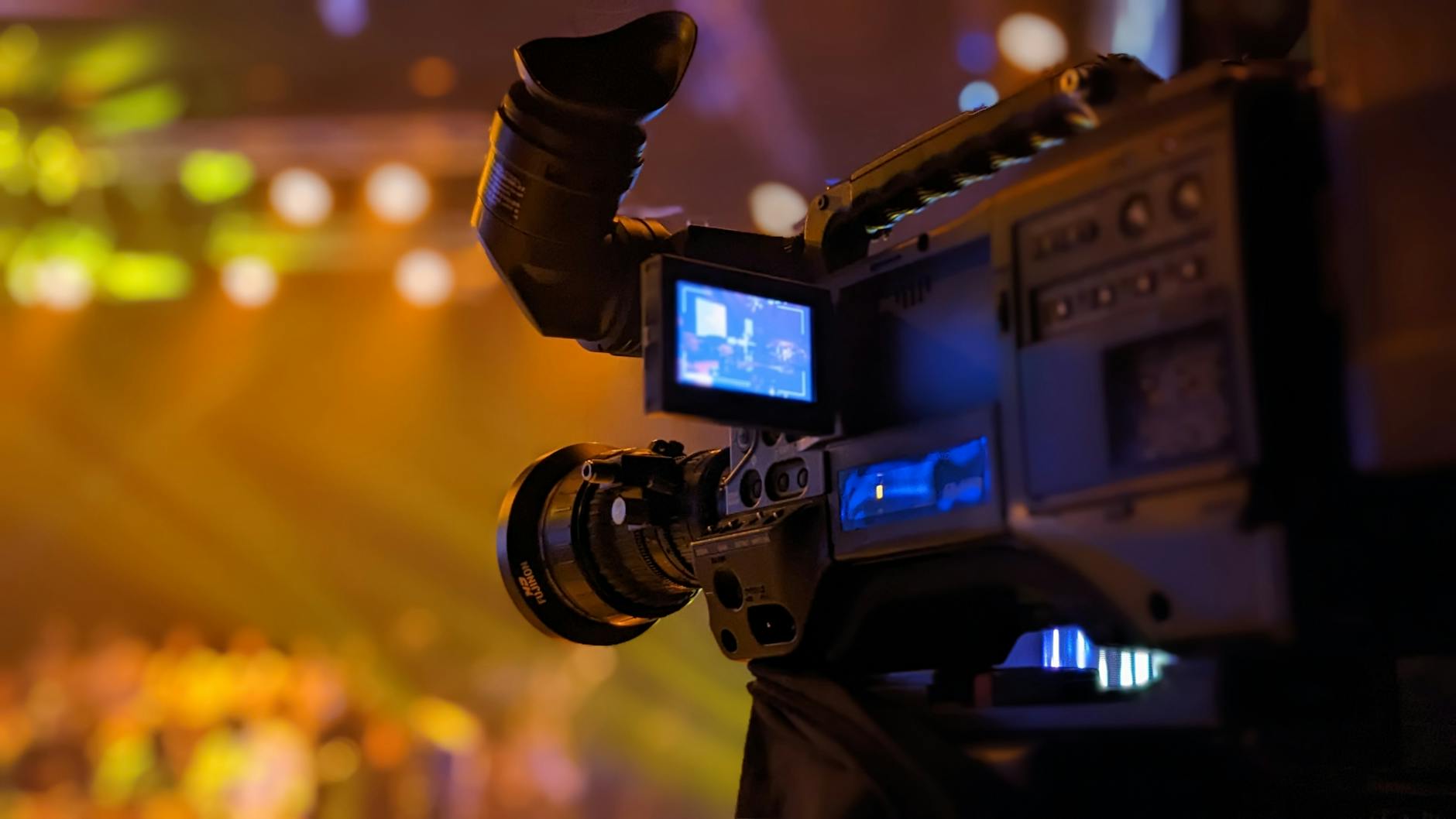
Streaming platforms and encoding software serve as the digital bridges between event venues and online audiences. They encode and compress raw footage into formats suitable for internet transmission, facilitating real-time broadcasting with minimal latency. Popular options include cloud-based streaming services and dedicated software encoders that support multiple input sources and adaptive bitrates, guaranteeing consistent viewer experiences across varied network conditions.
Professional broadcast switching and video mixing consoles perform real-time scene transitions, overlays, and graphics integration. This equipment allows producers to manage multiple camera feeds, insert live graphics or subtitles, and trigger pre-recorded content seamlessly during the broadcast, elevating the viewer's engagement and overall production value.

Moreover, robust networking equipment such as high-speed internet connections, network switches, and failover systems are crucial for maintaining uninterrupted stream quality. These tools reduce the risk of drops or lag, particularly during high-stakes live events.
Finally, remote production workflows increasingly rely on software tools for coordination, real-time monitoring, and analytics. Applications that enable remote collaboration among production team members ensure efficient operation despite geographical separation, support adaptive workflows, and provide valuable insights into audience engagement and broadcast performance.
In the Miami market, access to state-of-the-art equipment combined with expert operation is essential for delivering live broadcasts that meet the expectations of high-profile clients and discerning viewers alike. As technology continues to advance, staying abreast of the latest innovations and integrating them into production workflows will be key to maintaining competitive excellence.
Planning and Pre-Production Processes
Effective remote live video production begins with meticulous planning and pre-production preparations. This phase involves detailed coordination between all stakeholders, including clients, directors, camera operators, and technical teams. Key activities include defining the scope of the broadcast, establishing broadcast goals, and creating a comprehensive production plan.
During this stage, the production team conducts location assessments, ensuring that all technical requirements are met, such as internet bandwidth, power sources, and space arrangements for equipment. Developing a detailed schedule guarantees that each segment of the broadcast aligns with the overall timeline, reducing last-minute surprises.
Content planning is equally vital, including scripting, segment sequencing, and cue sheets. This planning ensures smooth transitions between different scenes or topics and allows for seamless integration of pre-recorded footage, graphics, and dynamic overlays. Furthermore, establishing communication protocols among team members, often through dedicated workflow management software, is essential for coordinated live operation.
Technical rehearsals are crucial in this phase to troubleshoot potential issues, test signal quality across different locations, and familiarize the team with broadcast equipment. Practicing various scenarios, such as switching between multiple camera feeds or handling unexpected disruptions, prepares the team for professional execution. All pre-production efforts set the foundation for a high-quality, uninterrupted live broadcast.
Execution of Remote Live Video Broadcasts
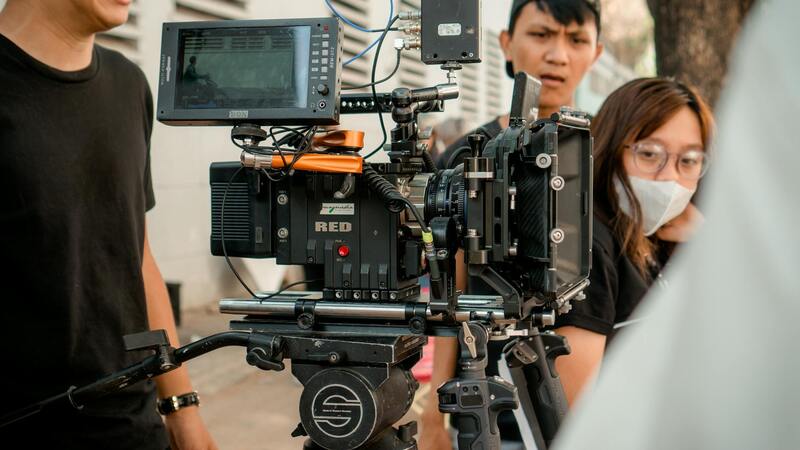
The initiation of a remote live video production involves a coordinated effort to monitor and adjust in real-time using advanced broadcast technology. The production control center, often operated by trained professionals, manages multiple video feeds, overlays, and graphics simultaneously.
At the core of execution is a high-speed, redundant internet connection that ensures data continuity. Network stability is maintained through failover systems and jitter buffers, which mitigate disruptions caused by fluctuating bandwidth. Live video feeds from multiple remote locations are transmitted securely to centralized switching stations.
During the broadcast, real-time video mixing is performed using sophisticated software that supports switching between camera angles, inserting graphics, and overlaying subtitles or telemetry data. Audio management, including balancing multiple sources and filtering out noise, complements the video feed.
Communication tools such as headsets, chat apps, and dedicated intercom systems enable seamless coordination among remote producers, camera operators, and technical support teams. This allows for immediate responses to unforeseen issues, such as a technical malfunction or to execute last-minute content changes.
Incorporating cloud-based monitoring platforms enhances the ability to oversee stream quality and audience engagement metrics remotely, ensuring that the broadcast maintains professionalism and technical excellence.
Challenges and Solutions in Remote Live Production
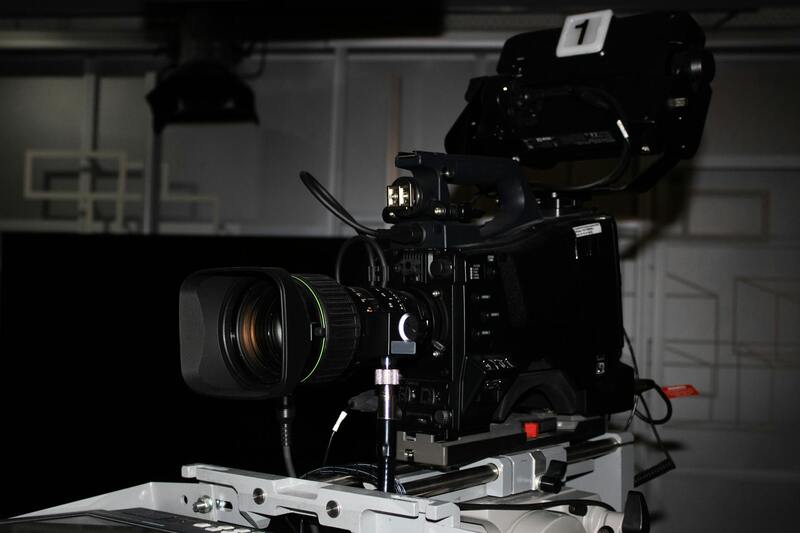
While remote live video production offers numerous advantages, it presents unique challenges that require strategic solutions. Common issues include network instability, signal latency, synchronization errors, and technical difficulties at remote sites.
To address network reliability, employing multi-path internet connections and dedicated bandwidth ensures redundancy. Implementing software-defined networking (SDN) and Quality of Service (QoS) protocols prioritizes broadcast traffic, reducing lag and buffering.
Latency, which affects synchronization between audio and video streams, can be minimized through optimized encoding settings and low-latency streaming protocols. Using dedicated hardware encoders and decoders at each location helps maintain consistent timing.
Maintaining coordination among dispersed teams is improved with cloud collaboration platforms that support real-time editing, feedback, and communication. Pre-configuration of equipment settings and comprehensive rehearsals further reduce operational errors.
Technical failures are mitigated through the deployment of portable backup units, including portable encoders and power supplies. Rapid troubleshooting protocols and on-site technician support are essential components of a resilient remote production environment.
Overall, proactive planning, advanced technology adoption, and skilled personnel are critical in overcoming the inherent obstacles of remote live video production.
Legal and Compliance Considerations
Executing remote live broadcasts in Miami necessitates strict adherence to legal standards and compliance guidelines to ensure smooth operation and avoid disruptions. Securing appropriate rights for all copyrighted content, including music, images, and footage, is fundamental.
Clear consent must be obtained from individuals appearing on camera, especially for high-profile events or sensitive scenarios. This includes releasing any necessary releases or permission forms, aligning with privacy regulations.
Broadcasting from different venues may also involve complying with local regulations regarding permits, copyright licensing, and content restrictions. Working with legal experts or experienced broadcast attorneys can streamline compliance efforts.
Data security is paramount in remote production workflows. Utilizing encrypted connections and secure data storage methods protects sensitive content and communication channels from unauthorized access.
Furthermore, adherence to industry standards for accessibility, such as captions or audio descriptions, enhances broadcast inclusivity. Establishing internal protocols for reviewing content before going live ensures content appropriateness and legal conformity.
Robust documentation, including transmission logs, consent forms, and licensing agreements, supports transparent operations and can be essential in case of audits or disputes.
Technical Methods for Securing Content and Ensuring Copyright Compliance
Implementing secure methods for content management and copyright compliance is essential in remote live video production. This involves a combination of industry-standard practices, state-of-the-art technology, and rigorous procedures to prevent copyright infringements and unauthorized access. Content owners often employ Digital Rights Management (DRM) systems that control access to media files, ensuring only authorized personnel can view or distribute the footage. DRM solutions provide encryption, licensing controls, and usage restrictions that protect intellectual property rights.
During live broadcasts, real-time watermarking can be applied to video streams. Watermarks serve as identifiers embedded directly into the video content, deterring unauthorized redistribution and providing a trail for tracking pirated content. These watermarks are typically invisible or semi-transparent, ensuring they do not interfere with viewer experience but remain detectable for enforcement purposes.
Secure transmission protocols are crucial for protecting data in transit. Utilization of End-to-End Encryption (E2EE) ensures that content remains confidential from the source to the destination. Protocols such as Secure Reliable Transport (SRT) or Real-Time Messaging Protocol (RTMP) with TLS encryption are standard for live video streaming, providing tamper-proof channels that defend against interception and unauthorized access.
Content verification tools are integrated into remote production workflows to monitor and confirm that only authorized material is broadcasted. Automated content recognition systems can flag copyrighted material, and compliance checks are conducted prior to going live to ensure all content adheres to licensing agreements.
Legal teams and compliance officers often oversee the licensing process, ensuring that all necessary rights and permissions are secured before broadcasting. This might include obtaining public performance licenses for music or visual content and verifying the authenticity of third-party content rights.
Operational procedures for content security also encompass secure storage solutions. Cloud storage platforms with encryption protocols and access controls restrict internal and external access, safeguarding pre-recorded segments and graphics until they are needed during the broadcast.
In addition to technological safeguards, comprehensive staff training ensures that everyone involved understands and adheres to security protocols. Regular audits, content audits, and compliance reviews help identify vulnerabilities and improve operational integrity. Through a combination of advanced technology, strict procedures, and ongoing education, remote live video production can maintain high standards of content security and copyright compliance, ensuring broadcasts are both professional and protected.
Execution of Remote Live Video Broadcasts
Successfully executing a remote live video broadcast requires meticulous coordination and the deployment of advanced technology to ensure a seamless viewer experience. The core aspects of this process include camera operation, video switching, audio management, and real-time streaming, each crucial to maintaining high production standards.
Camera Operation and Video Capture
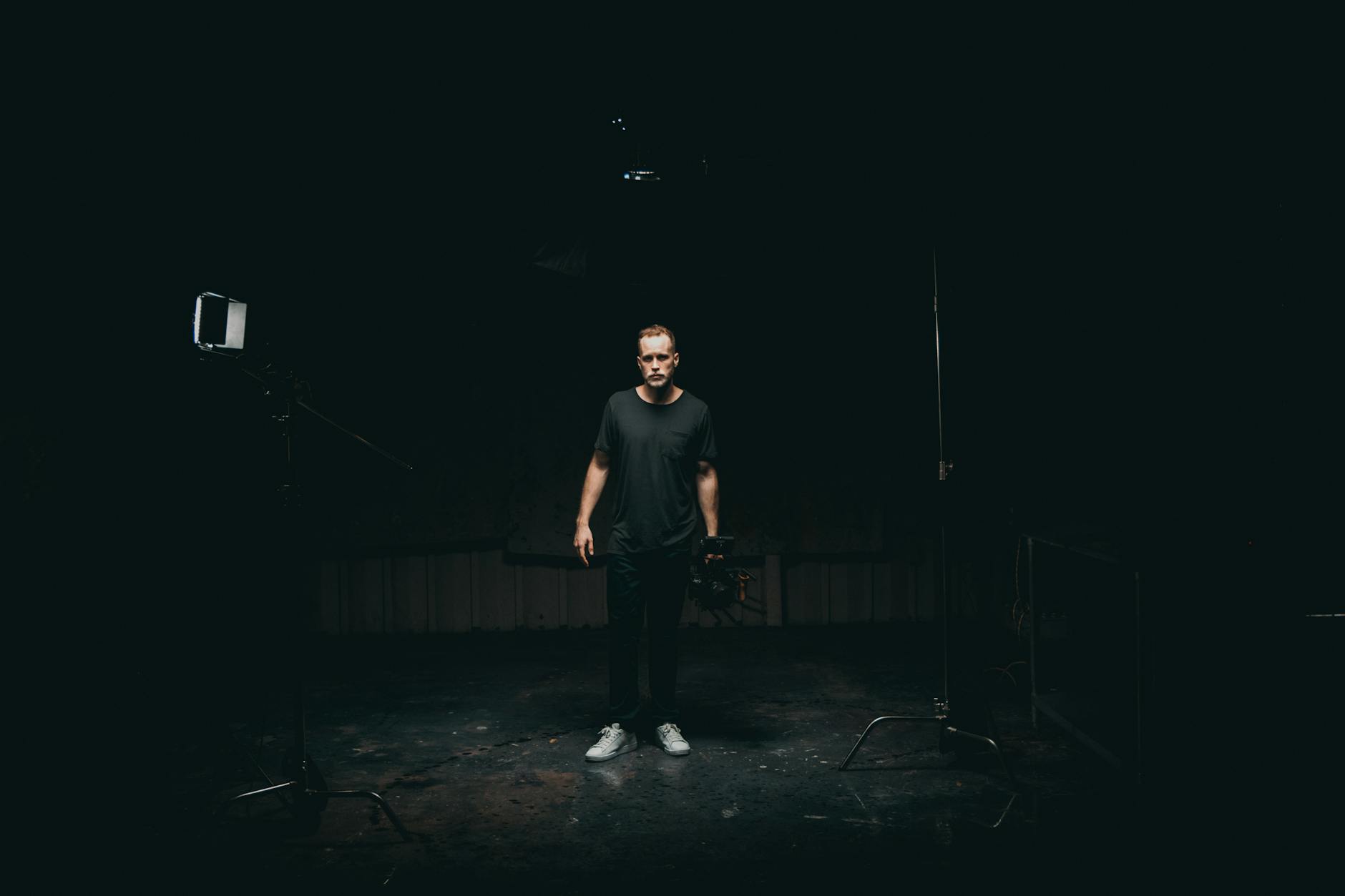
Remote productions rely on high-quality cameras strategically positioned at various locations. These cameras often include PTZ (pan-tilt-zoom) units, which allow remote operators to adjust framing, focus, and viewpoints dynamically during the broadcast. Reliable internet connectivity and low latency are essential to transmit uncompressed or minimally compressed video feeds to the central control hub. Operators must maintain clear communication with on-site personnel to coordinate shot compositions and transitions effectively.
Video Switching and Graphics Integration
At the core of live production is the video switching system, which seamlessly transitions between different camera angles, video sources, and pre-recorded segments. Professional switchers offer real-time editing capabilities, allowing producers to add overlays, graphics, lower thirds, and branding elements to enhance visual appeal. These tools enable a dynamic viewing experience and can be managed remotely via software interfaces, providing flexibility during unpredictable event circumstances.
Audio Management
Sound quality significantly influences the broadcast’s professionalism. Remote audio management involves live mixing of multiple audio feeds, including microphones, teleconferences, and pre-recorded sound bites. Digital audio mixers, which can be operated remotely, help ensure clarity, proper levels, and synchronization with video feeds. Monitoring audio quality continuously is crucial to avoid issues such as background noise, distortions, or delays that could detract from the viewer experience.
Real-Time Streaming and Transmission
 igure>
The core of remote live production is the robust transmission of the final composite stream to viewers across multiple platforms. Content Delivery Networks (CDNs) are utilized to distribute streams efficiently to large audiences, minimizing latency and buffering. Adaptive streaming technologies automatically adjust video quality in real-time, based on the viewer’s internet connection, optimizing both quality and stability.
Technical Redundancies and Backup Systems
To mitigate potential disruptions, systems are equipped with redundancies, such as backup internet connections, alternative streaming servers, and redundant hardware setups. These measures ensure that even if primary systems encounter issues, the broadcast can continue smoothly without noticeable interruptions to the audience.
Continuous Monitoring and Quality Assurance
Throughout the broadcast, technical teams monitor all signal paths, audio levels, and streaming health status. Automatic alerts notify operators of any anomalies, allowing prompt corrective measures. Quality assurance checks are performed at multiple stages to verify that streams meet visual and audio standards, maintaining the professional integrity expected from Miami-based clients engaging in remote live productions.
Execution of Remote Live Video Broadcasts
Successfully executing remote live video production for Miami clients requires meticulous coordination of multiple technical components. Post planning, the focus shifts to real-time management of equipment, signal integrity, and stream distribution to ensure seamless delivery to viewers across various digital platforms.
At the core of the operation is the coordination between the production crew, remote cameras, and streaming servers. Live feeds from multiple locations are captured using high-definition cameras equipped with professional-grade encoders that are capable of transmitting high-quality video over IP networks. These encoders compress and digitize the feed, optimizing it for network transmission while preserving visual clarity.
Maintaining robust connections is vital. Dedicated internet lines, such as fiber optic connections or point-to-point microwave links, are typically employed to ensure high bandwidth and low latency. In scenarios where primary connections face instability, automatic failover systems activate backup internet sources to prevent disruptions. This redundancy is critical in sustaining uninterrupted broadcasts for Miami clients who depend on reliable service.
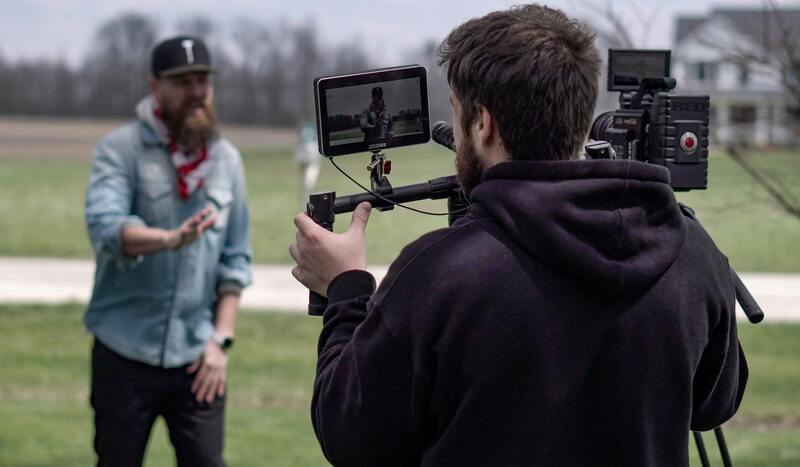
Once the signal is received at the central control hub, technicians perform real-time monitoring to verify picture quality, audio levels, and synchronization. Adjustments are made on the fly—such as color correction and audio balancing—to meet broadcast standards. The production team manages multi-platform distribution, sending the live feed to social media outlets, streaming services, and custom portals tailored to Miami clientele.
Adaptive bitrate streaming technologies play a crucial role by automatically adjusting video quality based on viewer bandwidth. This ensures a smooth experience for audiences, regardless of their internet speed, minimizing buffering and latency issues that could impair viewer engagement. Content Delivery Networks are extensively used to handle large viewerships efficiently and distribute streams across multiple regions without compromising quality.
Equally important are the backup systems. These include redundant encoders, multiple stream outputs, and alternate servers, which activate instantly if any primary system encounters problems. Continuous system health checks and alerts notify operators immediately of any anomalies or signal degradation, allowing rapid intervention to prevent potential broadcast failures.
Additionally, detailed pre-broadcast testing and rehearsals ensure that all equipment functions correctly and that contingency plans are in place. Quality assurance procedures involve verifying the synchronization of audio and video streams, checking for latency issues, and confirming that the final output conforms to client specifications and expectations for live event coverage in Miami.
Overview of Remote Live Video Production
Remote live video production has revolutionized how events are broadcast, enabling content creators, businesses, and broadcasters in Miami to deliver high-quality live streams from virtually anywhere. This approach leverages advanced telecommunications technology to facilitate real-time video capture, production, and distribution without the need for a centralized studio setup. It offers increased flexibility, cost-efficiency, and the ability to cater to geographically dispersed audiences seamlessly.
Key Technologies and Equipment
Implementing remote live video production depends heavily on a suite of sophisticated technologies and equipment designed for reliability and superior quality. Central to this setup are robust internet connections, often supplemented with bonded cellular or satellite links to ensure a stable transmission experience. Professional-grade cameras capture the live content, which is then processed through switchers, encoders, and streaming platforms.
Encoder devices are critical for compressing and transmitting video signals efficiently, supporting various streaming protocols and adaptive bitrate options that enhance viewer experience across different bandwidths. Production teams utilize multi-view monitors, audio mixing consoles, and real-time graphics systems to manage content dynamically, integrating multiple source feeds into a cohesive broadcast. Hardware such as remote-controlled robotic cameras and wireless audio systems further expand creative possibilities and coverage flexibility.
Benefits of Remote Live Video Production for Miami Clients
Clients across Miami benefit from remote live video production by gaining access to high-quality broadcast capabilities without geographical constraints. This approach significantly reduces logistical challenges, such as on-site setup and travel costs, while allowing for rapid deployment and scalability. Business events, concerts, sports, and corporate communications can reach larger audiences instantly, enhancing engagement and brand visibility.
Furthermore, remote production facilitates real-time collaboration with talent and technical teams positioned in different locations. It also allows for multi-platform distribution, ensuring content is simultaneously broadcast across social media, streaming networks, and corporate portals. Flexibility in production scheduling accommodates last-minute changes and live audience interactions, resulting in more dynamic and interactive broadcasts.
Planning and Pre-Production Processes
Successful remote live productions start with meticulous planning and pre-production activities. Clear communication channels are established early to coordinate technical requirements, content flow, and contingency plans. A comprehensive assessment of the venue, available internet bandwidth, and necessary hardware is conducted to preempt potential issues.
This phase involves detailed storyboard creation, camera placement planning, and testing of equipment and network stability. Content synchronization, timing cues, and backup strategies are finalized through rehearsals, ensuring all participants understand their roles and responsibilities. Additionally, obtaining necessary permissions, licenses, and rights clearance for content coverage in Miami is coordinated during this stage.
- Technical equipment calibration and testing
- Rehearsals with remote team members
- Content and graphics preparation
- Backup and contingency planning
Execution of Remote Live Video Broadcasts
During the broadcast, the production team continuously monitors video and audio signals, adjusting equipment settings as needed to maintain quality. Real-time signals are transmitted via secure, high-bandwidth connections, with encoder settings optimized for minimal latency. Multi-camera feeds are managed through remote switchers, allowing seamless transitions and dynamic coverage.
The integration of graphics, overlays, and live comments enhances viewer engagement and provides comprehensive storytelling. Audio levels are balanced meticulously to prevent distortion, ensuring clarity for remote audiences. Multiple distribution channels are synchronized to maximize reach while maintaining stream stability.
Behind the scenes, technical support staff vigilantly monitor system health, ready to troubleshoot any issues. Backup systems automatically take over if primary links fail, ensuring uninterrupted coverage. Post-broadcast, performance metrics and viewer analytics are analyzed to evaluate broadcast success and inform future improvements.

Legal and Compliance Considerations in Remote Live Video Production
Running remote live video productions involves a comprehensive understanding of the necessary permissions and rights to ensure smooth operations and avoid potential disruptions. Securing the appropriate clearances allows producers to broadcast content legally while respecting intellectual property rights, privacy, and contractual agreements. This process begins with meticulous planning that includes identifying all media sources, proprietary content, and participant permissions.
For productions involving multiple remote locations and participants, establishing documented consent is essential. This may include release forms for on-camera talent, permissions for copyrighted materials, and licenses for third-party content such as music, images, or footage. These documents serve as official records confirming that all legal considerations are addressed and that content dissemination aligns with applicable regulations.
Content distribution channels also require compliance with platform-specific policies and broadcasting standards. Ensuring material adheres to local broadcasting laws in Miami, as well as international regulations when reaching a global audience, prevents legal complications. Producers should stay updated on regional content restrictions, advertising guidelines, and data privacy laws affecting viewer interaction and data collection during live broadcasts.
Another crucial aspect involves contracts and partnerships. Clarifying rights and responsibilities with remote participants, content owners, and technological service providers helps streamline operations and mitigates potential disputes. Written agreements specifying rights to broadcast, distribution rights, and usage terms are vital components of a compliant production process.
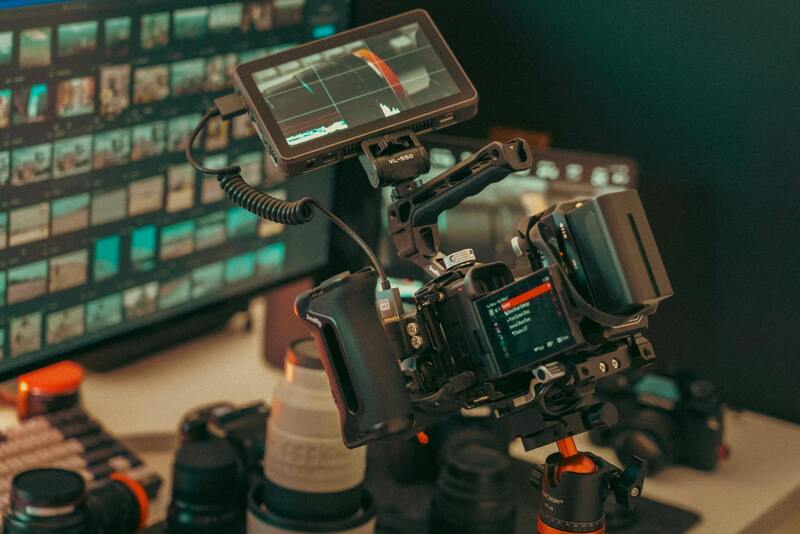
It is equally important that production teams work with legal professionals or compliance experts to review all permits, licenses, and contractual agreements before going live. This proactive approach minimizes the risk of delays, fines, or broadcast interruptions, maintaining the credibility and professionalism of the Miami-based production operation.
In conclusion, full adherence to proper permissions, licensing protocols, and contractual clarity underpins a successful remote live video broadcast. The careful management of these elements ensures your Miami projects operate smoothly within the boundaries of legal compliance, safeguarding your reputation and viewer trust in every broadcast.