
Understanding Event Livestreaming Services
Event livestreaming services have become an essential element for amplifying the reach and engagement of live events across various industries. These services encompass the professional capturing, broadcasting, and distribution of live event content via high-quality online streaming platforms. By leveraging advanced technology and industry expertise, event livestreaming allows organizers to extend their audience beyond physical attendees, making events accessible to viewers worldwide in real-time. This capability is particularly vital for conferences, corporate meetings, trade shows, concerts, sports events, and community gatherings, where seamless, high-definition live coverage enhances audience engagement and participant experience.
As live streaming continues to evolve, the importance of experienced service providers in ensuring smooth, reliable broadcasts cannot be overstated. They meticulously manage technical aspects, including camera operation, audio production, encoding, and transmission, to deliver a polished viewing experience. In addition, these services often include supplementary features such as multi-camera setups, interactive elements, live chat, and on-demand replays, further enriching the event's overall impact and reach. With the digital landscape's increasing importance, event livestreaming has become a strategic tool for organizations aiming to maximize visibility, foster community engagement, and generate measurable results from their live events.

More than just broadcasting; these services involve comprehensive planning, technical execution, and post-event analysis to ensure each event’s digital footprint is impactful. They are tailored to meet the specific needs of different occasions, ensuring high-quality video and audio delivery, minimal latency, and reliable streaming stability. Such services are crucial for organizations that prioritize professional presentation and extensive reach, highlighting their importance in today’s dynamic event landscape.
Understanding Event Livestreaming Services
Event livestreaming services have become a pivotal aspect of modern event management, providing an avenue for organizations to reach wider audiences with high-quality, real-time content. These services encompass a comprehensive suite of technical and logistical solutions that ensure seamless delivery of live broadcasts across diverse platforms. Their core function is to encode and transmit live footage from physical locations to viewers across the globe via the internet, allowing for instant engagement regardless of geographical barriers.
Beyond simple transmission, professional livestreaming providers in Miami utilize a range of sophisticated tools and techniques to enhance the viewing experience. This includes deploying high-definition cameras capable of capturing crisp visuals from multiple angles, using advanced audio systems to deliver clear sound, and employing reliable encoding hardware to optimize stream stability. They also integrate multi-camera setups, allowing for dynamic switching during broadcasts to maintain audience interest and provide different perspectives.
Interactive features are increasingly integrated into live streams, enabling real-time chat, polls, and Q&A sessions that foster engagement and participation. Additionally, supplementary elements like on-demand replays and highlights are often included, ensuring that content remains accessible beyond the live event itself. These capabilities are vital for organizations looking to maximize their reach, foster community involvement, and generate measurable engagement metrics.
Operational excellence in livestreaming requires meticulous planning and technical proficiency. Providers must manage various components such as bandwidth allocation, encoding settings, camera positioning, and sound balance, ensuring minimal latency and optimal visual quality. This process involves thorough pre-event consultations to understand specific goals and technical requirements, as well as carefully orchestrated real-time management during the live broadcast.
Having dependable event livestreaming services is crucial for organizations that aim to elevate their events’ visibility and impact. Whether hosting a corporate conference, concert, or community gathering, well-executed live streaming can dramatically amplify the event’s reach, facilitate audience interaction, and provide valuable data insights. As digital content consumption continues to grow, the role of professional livestreaming solutions in delivering polished, engaging broadcasts will only become more significant.
Equipment and Technology Requirements
Successful event livestreaming demands a comprehensive array of equipment and advanced technology to ensure seamless transmission and high-quality output. Core components include high-definition cameras capable of capturing detailed visuals from multiple angles, which enhance viewer engagement through dynamic perspectives. These cameras should be equipped with reliable zoom, focus, and stabilization features to adapt to various event settings.
Audio quality plays a pivotal role in engaging the audience. Professional-grade microphones, audio mixers, and soundboards are necessary to capture clear narration, music, and environmental sounds. Proper sound balancing ensures that the live stream maintains an optimal audio experience, avoiding issues like feedback or muffled audio.
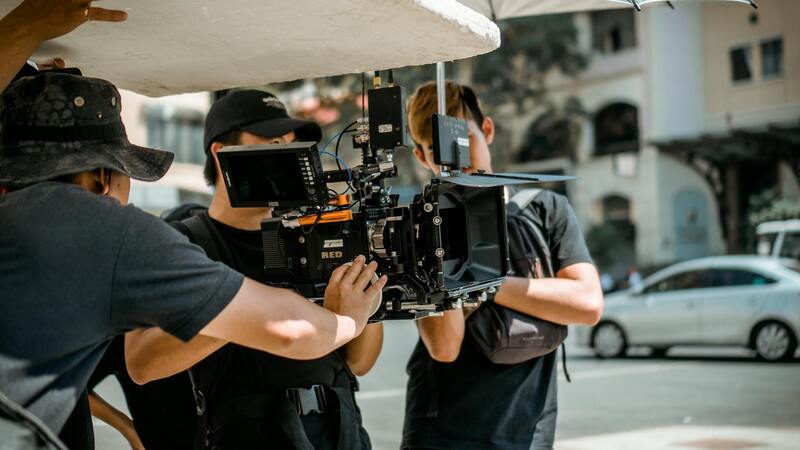
Encoding hardware and streaming servers form the backbone of broadcast quality. They handle compression and transmission, managing data flow to prevent buffering and latency. Reliable internet connectivity with sufficient bandwidth is crucial; typically, dedicated fiber-optic connections are preferred to guarantee consistent streaming without interruptions.
Lighting equipment tailored for indoor or outdoor environments further enhances visual clarity. Proper lighting minimizes shadows and dark areas, allowing cameras to produce crisp images even in challenging conditions.
Planning and Pre-Event Preparation
Meticulous pre-event planning sets the foundation for an effective livestream. This involves collaborating with event organizers to understand the schedule, format, and specific technical needs. A detailed production plan should outline camera placements, audio setups, and the network infrastructure required to support the stream.
Equipment testing and rehearsals are indispensable steps to identify and resolve potential technical issues beforehand. This process helps ensure all gear functions correctly, and the streaming team is familiar with the event flow and key moments.
Creating a detailed run sheet facilitates a synchronized workflow among technical staff, presenters, and hosts, preventing delays and ensuring a smooth broadcast.
On-Site Livestream Production Management
During the event, real-time management is vital. This involves overseeing equipment operation, managing multiple camera feeds, and coordinating audio quality to achieve a cohesive viewing experience. Skilled technicians monitor internet stability, adjust camera angles as needed, and handle live switching to highlight critical segments.
The production team also manages ancillary elements such as graphics, overlays, and subtitles that add professionalism to the broadcast. Efficient communication among team members ensures quick responses to any unforeseen issues, minimizing disruptions.
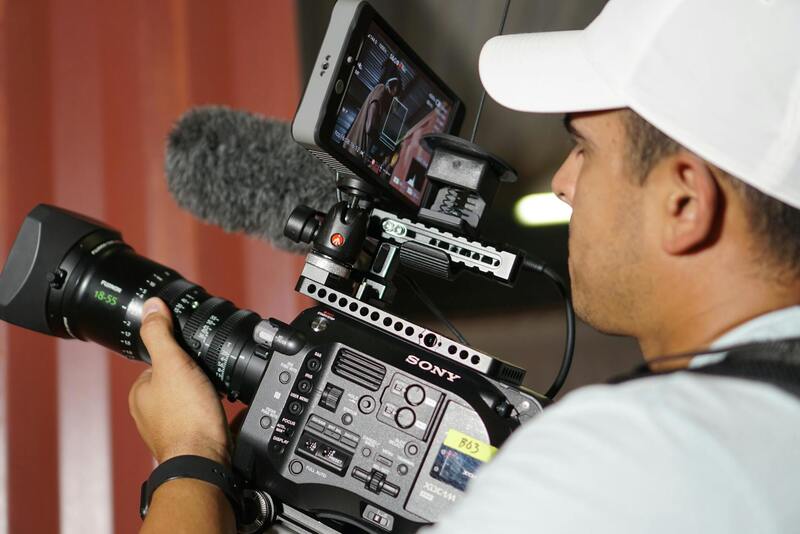
Contingency plans are implemented to address potential technical failures, including backup internet connections and spare equipment, ensuring continuity of the live stream regardless of unforeseen challenges.
Post-Event Services and Video Archiving
After the live event, high-quality recordings are processed and archived for future distribution or on-demand viewing. Post-production services may include editing highlights, adding graphics, or integrating viewer feedback.
Secure storage solutions facilitate easy access to archived footage, enabling organizations to repurpose content for marketing, training, or internal review. Detailed analytics, such as viewer engagement metrics and geographic distribution, provide valuable insights into audience behavior and content performance.
Follow-up communications, including sharing recorded content and gathering viewer feedback, enhance audience retention and foster ongoing engagement with the event’s community.
Understanding Event Livestreaming Services
Event livestreaming services serve as vital tools for organizations seeking to broadcast live events reliably and professionally. These services encompass a comprehensive range of solutions, including high-definition video transmission, synchronized audio, real-time graphics, and on-screen overlays to enrich the viewing experience. Leveraging advanced streaming platforms and infrastructure, they enable seamless delivery of content across multiple devices and networks, ensuring audiences in Miami and beyond can access events without interruption.
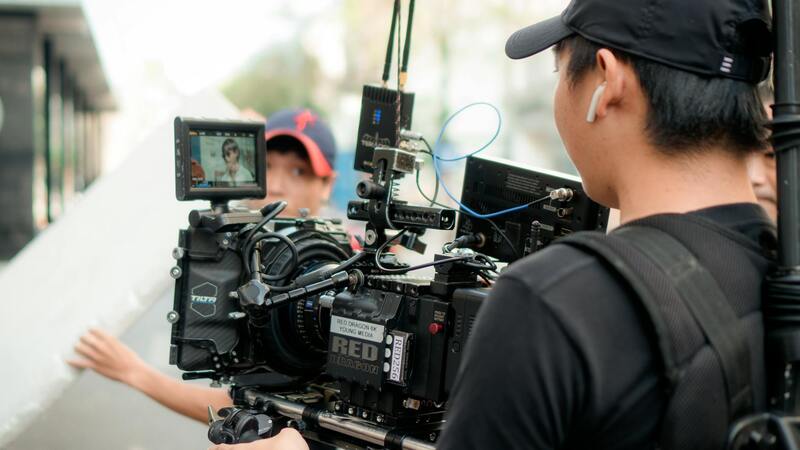
Such services cater to diverse events—ranging from corporate conferences and product launches to concerts and educational seminars. They incorporate features like multi-camera setups, live switching, and synchronized audio to replicate the dynamism of in-person experiences. With robust content delivery networks (CDNs), these solutions efficiently manage large viewerships, minimizing latency and buffering issues. The integration of multi-platform streaming ensures content reaches audiences via social media, dedicated websites, or streaming portals, broadening audience reach and engagement.
The importance of choosing a specialized provider in Miami becomes evident in maintaining the quality and reliability essential for professional-grade events. Local providers bring expertise in managing regional network infrastructures and provide on-site support, which is crucial for the smooth execution of live streams. As technology advances, these services are increasingly incorporating features such as interactive chat, real-time analytics, and customizable branding to meet specific objectives and audience expectations.

Key Features of Professional Livestreaming Solutions
- High-Definition Video Production: Multiple camera angles, live switching, and HD quality ensure a professional presentation.
- Reliable Internet Connectivity: Redundant internet connections and bandwidth management prevent stream interruptions.
- Real-Time Graphics and Overlays: Engaging visuals, branding, and informational overlays enhance viewer comprehension and retention.
- Audience Interaction: Live chats, polls, and Q&A sessions foster engagement and community involvement.
- Post-Event Analytics: Data on viewership, engagement metrics, and geographic distribution inform future event planning and marketing strategies.
- Scalability and Flexibility: Solutions designed to accommodate varying audience sizes and formats, from small webinars to large festivals.
- Security Measures: Encryption and access controls protect content integrity and privacy.
Utilizing such features ensures that the livestream aligns with professional standards, providing a polished experience that reflects positively on the hosting organization. In Miami, events can capitalize on these capabilities by working with providers familiar with regional infrastructure and audience expectations.
Planning and Pre-Event Preparation
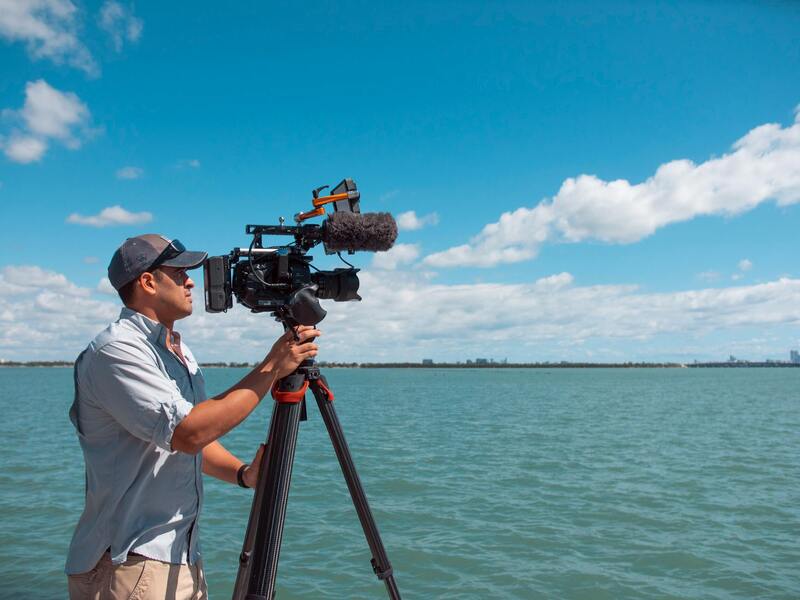
Effective planning is fundamental to the success of any livestreamed event. It involves meticulous coordination among technical teams, content creators, and organizers. This process begins with defining clear objectives, target audience, and broadcast formats. Selecting appropriate technical equipment, such as cameras, microphones, and encoding devices, lays the groundwork for a high-quality broadcast.
Pre-event activities include scouting the venue for optimal camera placement, testing internet connectivity, and rehearsing transitions and graphics. Ensuring all stakeholders are aligned on the schedule and roles minimizes on-the-fly adjustments. Additionally, legal clearances, content permissions, and licensing are arranged well in advance to avoid disruptions during the live event.
Mock runs and technical dry runs are conducted to identify potential issues and refine operational protocols. The integration of contingency plans, like backup internet lines and spare hardware, forms an essential part of risk management. Promoting audience engagement through pre-event marketing and instructions on how to access the livestream also enhances viewer participation.
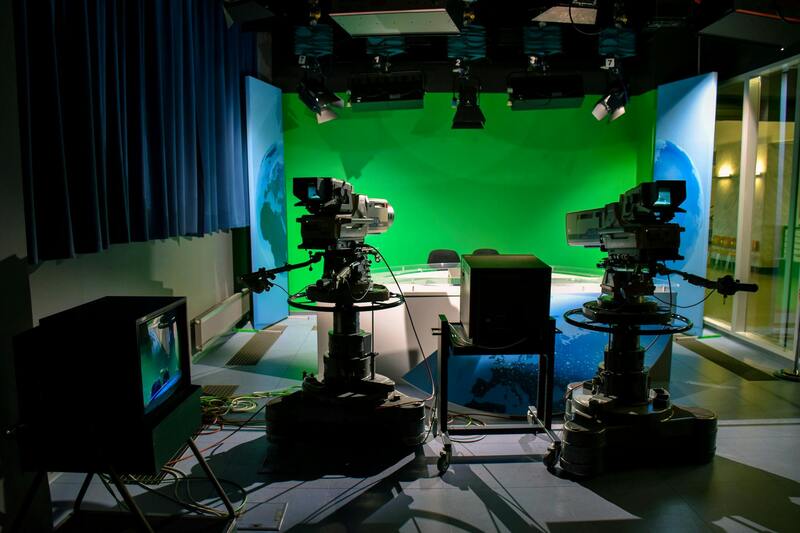
Ensuring Quality through Proper Equipment and Technology Setup
For successful event livestreaming, deploying the right equipment is critical. This involves selecting high-definition cameras capable of capturing detailed visuals from multiple angles, which can be particularly advantageous for live performances, conferences, or product launches. Utilizing professional-grade microphones ensures clear and consistent audio, which is indispensable for audience engagement and understanding.
Encoding devices play a pivotal role in transmitting high-quality video streams to online platforms without latency issues. The choice of streaming software should offer real-time switching, overlay graphics, and interactive features such as chat moderation or Q&A integrations. Reliable internet connectivity, with sufficient upload speeds and backup options like secondary lines, safeguards against unexpected disruptions.
Furthermore, deploying hardware that supports multiple input sources and allows for sophisticated production workflows can elevate the overall quality of the livestream. Integrated monitoring tools provide real-time feedback on stream stability and quality, enabling technical teams to make swift adjustments as needed. Firewalls, network security measures, and data encryption are vital components to protect the broadcast from interference or unauthorized access.
In addition to core hardware, the implementation of auxiliary devices such as wireless transmitters, stabilization rigs, and portable lighting can improve mobility and visual clarity during on-site shoots. Carefully coordinated technical protocols and staff training ensure that equipment functions optimally during the event, minimizing the risk of technical failures.
Setting Up the Infrastructure for a Flawless Broadcast
Venue considerations are equally important. Assessing internet infrastructure, power supply, and accessibility beforehand allows for tailored solutions that can accommodate live production demands. Power backups, such as generators or uninterruptible power supplies (UPS), prevent interruptions caused by outages, especially in outdoor or large-scale venues.
Image Placeholder 1: Equipment setup for live streaming event
Having a dedicated technical support team onsite ensures swift resolution of issues during the event. Regular maintenance checks, pre-event tests, and calibration of equipment contribute to the reliability of the broadcast. Ensuring that all hardware and software are updated to the latest versions minimizes compatibility or security risks.
Investments in robust infrastructure, state-of-the-art technology, and highly skilled technical personnel translate into high-quality live streams that meet or exceed viewer expectations. The combination of comprehensive planning, advanced equipment, and on-site expertise forms the backbone of professional event livestreaming services.
Understanding Event Livestreaming Services
Event livestreaming services have become an essential component for modern event management, enabling organizations to broadcast live events to a global audience with real-time interaction and engagement. These services utilize specialized hardware, software, and network infrastructure to ensure seamless transmission, high-definition video quality, and minimal latency. The core of professional livestreaming involves multi-camera setups, encoding platforms, and robust content delivery networks (CDNs) that facilitate smooth broadcasting regardless of the event size or venue complexity. The integration of multi-platform streaming capabilities allows organizations to reach audiences across various social media channels, websites, and mobile applications simultaneously, amplifying the reach and impact of each event. This approach not only enhances visibility but also provides valuable data analytics to gauge viewer engagement and optimize future content. Additionally, live subtitles, graphics, and interactive elements can be incorporated during the broadcast to improve viewer experience and accessibility. In a competitive marketplace like Miami, leveraging reputable event livestreaming services ensures that your event maintains a professional standard, fostering brand credibility and audience loyalty.
Key Features of Professional Livestreaming Solutions
- High-Quality Video Transmission: Utilization of high-definition cameras, encoding hardware, and reliable internet connections ensures crisp visuals and smooth playback.
- Multi-Platform Compatibility: Support for streaming across various social media networks, websites, and dedicated apps maximizes audience reach.
- Interactive Elements: Live chat, polls, and Q&A features foster engagement and real-time communication with viewers.
- Customizable Branding and Graphics: Incorporation of logos, overlays, and on-screen information enhances professionalism and brand consistency.
- Redundancy and Backup Systems: Fail-safe measures like backup internet lines and hardware prevent broadcast interruptions.
- Post-Event Video Archiving: Secure storage of recorded streams for on-demand access, promotional content, or future reference.
Choosing a Livestreaming Provider in Miami
When selecting a livestreaming provider in Miami, it is critical to evaluate their technical expertise, reliability, and experience with events similar to yours. An effective provider will offer comprehensive consultations to understand your event's unique requirements, from the venue layout to the expected audience size. It is advisable to review their portfolio, client testimonials, and platform capabilities. The provider’s familiarity with Miami’s venues, internet infrastructure, and local regulations can significantly impact the success of the broadcast. Additionally, transparent pricing, clear communication, and dedicated technical support are essential factors to consider. Engaging with a provider that offers customized solutions aligned with your event goals ensures a smooth production process and a professional final product.
Post-Event Services and Video Archiving
After the live event concludes, the focus shifts to effective post-event services that maximize the value of your broadcast. Professional event livestreaming providers typically offer comprehensive archiving options, ensuring that high-quality recordings of your event are securely stored and easily accessible for future use. These archived videos serve multiple purposes, including promotional content, training materials, or on-demand viewing by attendees who may have missed the live broadcast. Securing the digital files in multiple formats and locations enhances redundancy and ensures long-term availability.
Many service providers facilitate seamless delivery of the archived content through dedicated online portals, branded landing pages, or integration with your existing content management systems. This approach allows for flexible distribution, whether for internal review, marketing campaigns, or social media sharing. Additionally, some providers offer supplementary post-event editing, such as creating highlight reels, teasers, or edited versions tailored to specific audience segments. The incorporation of metadata and tagging enhances searchability, making it easier for viewers to locate pertinent content efficiently.
The management of video rights and licensing is also a crucial aspect of post-event services. Professional providers ensure that all materials are handled in accordance with copyright standards, protecting your brand and content assets. They may also offer options for encrypted access or password-protected libraries to restrict viewing and maintain control over content distribution.
Furthermore, many providers assist in analyzing engagement metrics derived from viewer data collected during the live stream. These insights can include viewer demographics, engagement levels, and drop-off points, guiding future event planning and promotional strategies. Combining detailed analytics with archived content enables organizations to refine their approach, increase audience retention, and measure overall success effectively.
In addition to digital storage, some providers offer physical media options such as USB drives or Blu-ray copies of the event recording. These tangible assets are valuable for archival purposes, distribution to stakeholders, or inclusion in promotional kits. The flexibility to customize delivery methods and formats aligns with diverse organizational needs and enhances the overall post-event experience.
Post-Event Video Delivery and Rights Management
After the live broadcast concludes, effective content delivery and rights management are essential components of comprehensive event livestreaming services. Professional providers often facilitate secure digital delivery options, such as encrypted download links or password-protected online galleries, ensuring that the content reaches authorized viewers efficiently without compromising security. These delivery methods support seamless distribution to stakeholders, participants, or the broader audience, extending the reach and impact of the event.

Simultaneously, meticulous rights management safeguards the event’s intellectual property. Experienced livestreaming providers handle licensing rights and access permissions with precision, ensuring compliance with copyright regulations. They often implement digital rights management (DRM) technologies or encrypted streaming protocols to restrict unauthorized viewing or redistribution.
Furthermore, professional services include comprehensive archiving solutions, enabling easy retrieval of event recordings for future use. These archives remain accessible via secure online portals or stored on physical media such as USB drives or Blu-ray discs, as per client preference. Such options facilitate long-term storage, stakeholder sharing, or inclusion in marketing and promotional materials.
Another critical aspect of post-event services involves detailed analytics. These insights include viewer demographics, engagement metrics, and behavioral patterns. Analyzing this data helps organizers and content creators understand audience preferences, optimize future events, and enhance content strategies. With real-time and retrospective analytics, organizations can gauge success and identify areas for improvement, ensuring continuous enhancement of their livestreaming efforts.

Technological Advances and Future Trends in Livestreaming
The landscape of event livestreaming continues to evolve with technological innovations that improve quality, interactivity, and accessibility. High-definition streaming with ultra-low latency has become more prevalent, enabling near-instant engagement and participation. The integration of 5G connectivity further supports stable, high-speed transmissions across diverse locations, reducing buffering issues and ensuring a smooth viewing experience.
Interactive features such as real-time chat, polls, Q&A sessions, and augmented reality (AR) overlays enhance viewer engagement and foster a more participatory event environment. These tools are increasingly incorporated into professional livestreaming setups to create immersive experiences that resonate with audiences.
Artificial intelligence (AI) and machine learning algorithms are also being leveraged for content optimization, real-time captioning, and personalized viewer recommendations. Such advancements help broadcasters tailor content delivery to audience preferences, increasing satisfaction and retention.
Data security remains paramount, with updated encryption standards and secure transmission protocols safeguarding content integrity and privacy throughout the streaming process. As the demand for scalable and reliable livestreaming solutions grows, providers are continuously investing in cutting-edge infrastructure and software to meet the evolving needs of their clients.
Summary
The capabilities surrounding post-event content distribution, rights management, analytics, and emerging technological trends represent the culmination of a well-rounded, professional event livestreaming service. These components work together to maximize event impact, protect content assets, and derive actionable insights that inform future projects.