
Understanding Live Video Production
Live video production is a sophisticated process that involves the capturing, editing, and broadcasting of video content in real-time. It plays a pivotal role in modern communication strategies across various sectors, including corporate events, entertainment, education, and community functions. In the vibrant city of Miami, where innovation and connectivity thrive, live video production has become an essential tool for engaging audiences and amplifying brand presence.
The core of live video production encompasses several critical components. These include high-quality video capture devices such as professional cameras and microphones, sophisticated switching and mixing consoles, and robust streaming platforms that enable seamless broadcasting to viewers across multiple channels. The process demands meticulous planning, technical expertise, and execution to ensure a smooth and engaging viewer experience.
For businesses and event organizers in Miami, live video production offers numerous advantages. It allows for real-time interaction with audiences, providing immediate feedback and dynamic engagement. Additionally, live streaming extends the reach of events beyond physical boundaries, making it possible to connect with global audiences. This technology is particularly vital during large-scale conferences, product launches, and cultural festivals, where real-time coverage can significantly enhance visibility and impact.
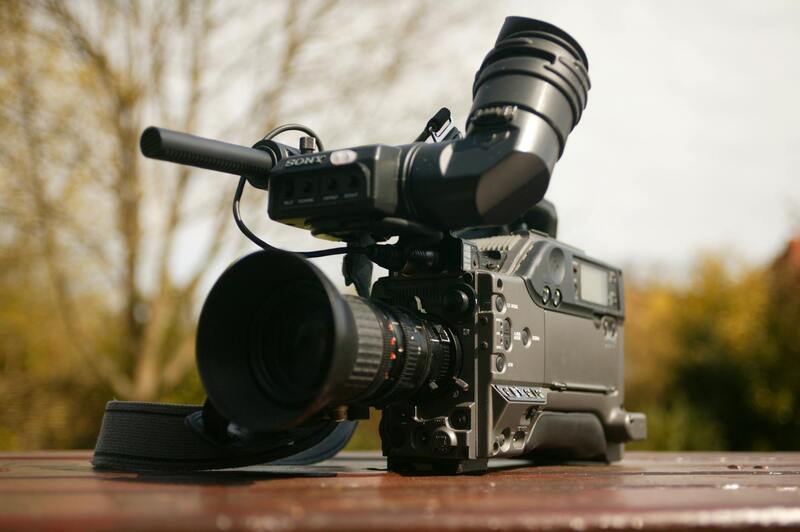
Understanding the intricacies of live video production reveals its importance as a professional method for delivering compelling content. It combines the art of storytelling with advanced technology, ensuring that every event or broadcast achieves its intended goal with clarity and professionalism. For Miami-based organizations aiming to elevate their outreach, investing in proper live video production practices is a strategic move that can yield lasting benefits in audience engagement and brand recognition.
In the following sections, we will explore the essential elements that comprise effective live video production, the various types of live broadcasts suited to different needs, and the criteria for selecting the right equipment. Providing detailed guidance on planning, executing, and post-processing live content, this series aims to serve as a comprehensive resource for businesses in Miami seeking to master live video production.
Key Elements of Live Video Production
Effective live video production hinges on the seamless integration of multiple core elements, each playing a vital role in ensuring broadcast quality and viewer engagement. These elements require meticulous planning and execution to deliver a professional, polished live stream that resonates with audiences and meets organizational objectives.
Professional Cameras and Video Equipment
The backbone of any live video broadcast is its visual capture system. High-definition cameras equipped with professional lenses, stabilizers, and remote control capabilities enable smooth, crisp footage. Multiple camera setups are often employed to provide dynamic viewing angles, close-ups, wide shots, and replays, creating a more immersive experience for viewers.
Cooling systems, proper mounting, and camera positioning are equally important to minimize technical issues during the broadcast. Advanced cameras with optical zoom features allow for detailed shots without sacrificing image quality, essential for capturing key moments during events or performances.
Quality Audio Capture
Clear, high-fidelity audio significantly enhances the perceived professionalism of a live stream. This involves utilizing professional microphones such as lapel, shotgun, or handheld dynamic mics, depending on the setting. Audio mixers and processors are crucial for balancing sound levels, reducing background noise, and ensuring consistent audio quality.
- Wireless microphones for mobility and flexibility
- Mixers to handle multiple audio sources
- Audio processors for noise reduction and equalization
Lighting for Optimal Visibility
Proper lighting setup ensures that subjects are clearly visible and the video quality remains consistent under varying conditions. LED panels and softboxes are commonly used, with attention given to eliminating shadows and highlighting key areas. Color temperature adjustments prevent unwanted color casts, maintaining a natural or desired aesthetic that aligns with the event's branding or mood.
Switching and Video Mixing
Professional live production employs video switchers to toggle between multiple video feeds seamlessly. Switchers allow operators to add transitions, overlays, and graphics, enhancing the visual storytelling aspect. A skilled technical director performs real-time editing, ensuring that the most relevant views are broadcast to the audience at the right moments.
Streaming Technologies and Platforms
Choosing the right streaming infrastructure is essential for stability and quality. High-bandwidth internet connections, dedicated encoders, and resilient streaming platforms prevent interruptions or buffering issues. Advanced codecs and adaptive streaming techniques dynamically adjust quality based on viewers' device and network conditions, delivering a smooth experience.
Integrating automated streaming tools, multi-platform distribution, and DVR functionalities can expand reach and viewer engagement across multiple channels. These technologies enable flexible scheduling, live chat, and viewer analytics, further enhancing the broadcast's effectiveness.

Maintaining all these elements at an optimal level requires a dedicated team of audiovisual professionals. From setup to troubleshooting, their expertise ensures that technical aspects do not impede the flow of the broadcast, allowing content creators to focus on delivering compelling stories and engaging audiences.
Methods for Ensuring High-Quality Live Video Production
Achieving optimal quality in live video production requires meticulous planning, the deployment of proven methodologies, and adherence to best practices. To maximize production value and viewer satisfaction, professionals utilize a combination of technical setups and operational strategies that are proven to work consistently across diverse live events.
Pre-Production Preparation
Successful live video production begins well before the event starts. This phase involves detailed planning to set clear objectives, selecting appropriate equipment, and preparing scripts or storyboards. Conducting site surveys ensures the technical infrastructure can support the necessary audio-visual setup, including adequate lighting, sound, and internet connectivity. Pre-event rehearsals are crucial to confirm synchronization between cameras, audio sources, and streaming platforms, reducing unexpected hiccups during the live broadcast.
Technical Setup and Equipment Calibration
Investing in high-quality equipment is essential. This includes professional-grade cameras capable of capturing crisp images under various lighting conditions, reliable audio devices, and robust video switchers for seamless transitions. Proper calibration of lighting, camera settings, and audio levels ensures consistent output throughout the broadcast, maintaining a professional appearance that aligns with brand standards. Backup equipment and redundant systems for internet connectivity and power supply serve as safeguards against potential disruptions.
Onsite Operations and Crew Coordination
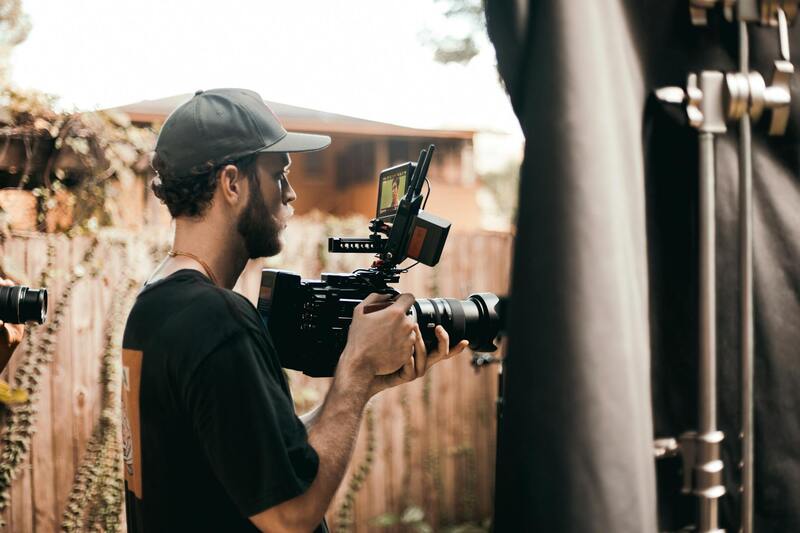
An experienced crew, including camera operators, technical directors, audio engineers, and streaming specialists, work collectively to execute the live production. Clear communication channels and predefined roles enable synchronized operations. Real-time monitoring of video feeds and stream quality allows quick adjustments to minor issues without affecting the overall broadcast. Skilled personnel can respond promptly to technical challenges, ensuring a seamless audience experience.
Utilizing Reliable Streaming Protocols and Platforms
The choice of streaming platform and protocol directly influences the smoothness of the live broadcast. Technologies such as RTMP (Real-Time Messaging Protocol) and HLS (HTTP Live Streaming) are preferred for their stability and compatibility. Utilizing dedicated encoders tailored for live production helps maintain high video and audio quality. Additionally, adaptive bitrate streaming dynamically adjusts quality based on viewer bandwidth, reducing buffering and enhancing engagement for audiences with varying internet speeds.
Engagement and Interaction Features
Interactive elements like live chat, viewer polls, and social media integrations foster viewer engagement and promote a more dynamic experience. These features require reliable interfaces and moderation support, integrated seamlessly into the live stream. Analytics tools also provide insights into viewer behavior, allowing content creators to adapt content strategies in real time or for future productions.
Post-Production and Content Optimization
Post-production involves editing recorded segments to create highlight reels, promotional content, or on-demand videos, extending the value of the live event. Adding branding, captions, and calls-to-action helps reinforce messaging and encourages viewer interaction beyond the live broadcast. Repurposing live content across multiple platforms enhances reach and visibility, ensuring the investment in live production translates into long-term engagement.
Implementing Secure and Reliable Streaming Protocols
Streaming quality and stability are vital components of successful live video production. Prioritizing robust protocols such as RTMP (Real-Time Messaging Protocol) ensures a continuous and high-quality data transfer from the encoder to the streaming server. RTMP is widely supported across various platforms and hardware, making it a dependable choice for live events. To enhance viewer experience, adaptive bitrate streaming, often implemented via HLS (HTTP Live Streaming), adjusts video quality in real-time based on the viewer's internet bandwidth. This prevents frustrating buffering and ensures that viewers receive the best possible quality within their network constraints.
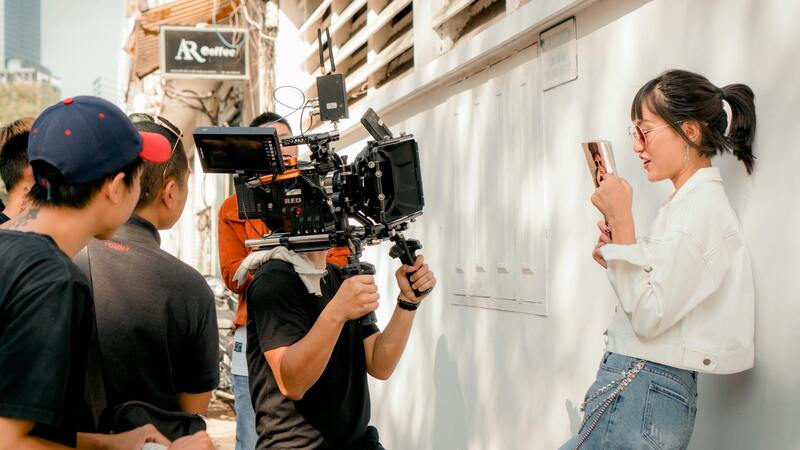
Choosing the right encoding hardware and software is critical. Dedicated hardware encoders provide consistent performance and are often preferred for high-profile events, while software encoders offer flexibility and are cost-effective for smaller productions. Reliable streaming servers and content delivery networks (CDNs) are essential to distribute the live content seamlessly across geographic regions, minimizing latency and buffering. Implementing secure protocols with encryption standards safeguards the transmission against disruptions, maintaining the integrity and confidentiality of the broadcast.
Utilizing Content Delivery Networks and Multisource Integration
Content Delivery Networks play a crucial role in dispersing live video streams across multiple regions, reducing load times and buffering for viewers regardless of location. Effective CDN implementation involves selecting a provider with extensive global reach and high bandwidth capacity, ensuring that the stream remains consistent and high-quality even during peak traffic. Multi-source integration allows the combination of different input feeds—such as multiple cameras, graphic overlays, and pre-recorded segments—delivering a cohesive and professional broadcast.
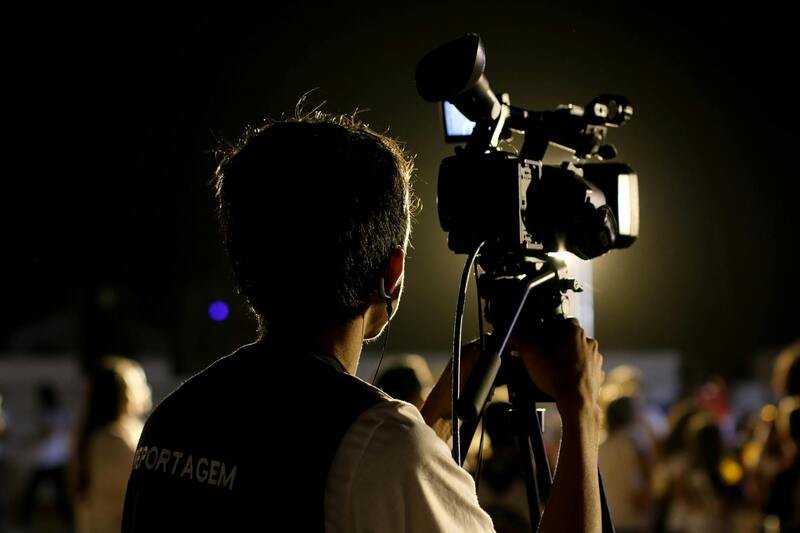
Furthermore, managing multiple sources demands a comprehensive switcher system that seamlessly transitions between feeds, overlays graphics, and incorporates live inserts. These switchers can range from simple hardware units to advanced software platforms capable of handling complex live workflows. Ensuring all sources are synchronized and high-quality before broadcast is essential to deliver a polished production that resonates with the audience.
Optimizing Audio and Visual Quality for Maximum Impact
High-quality visual outputs depend on the selection of professional-grade cameras with features suitable for live environments, such as high frame rates and low light capabilities. In addition, lens choice and camera placement significantly impact visual storytelling and viewer engagement. Using multiple camera angles provides dynamic perspectives, making the live event more engaging.
Audio quality often determines the overall perception of the broadcast. Employing high-fidelity microphones, proper sound leveling, and real-time audio mixing ensures clear dialogue, music, and sound effects. Acoustic treatment of the environment and noise suppression technologies further refine audio clarity.
Final Considerations for Equipment and Technology
- Evaluate the scope of the project—size of the event, number of cameras, and complexity of graphics—to determine appropriate gear.
- Invest in reliable, scalable hardware and software solutions that can adapt as the production demands evolve.
- Prioritize integration capabilities, ensuring all equipment and platforms work cohesively for a seamless live experience.
Executing Live Video Production
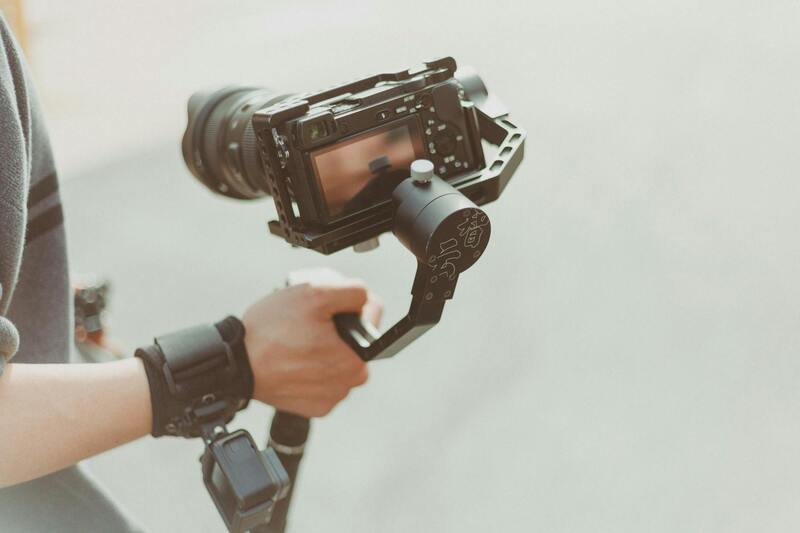
Implementing a flawless live video production requires meticulous execution of every planned element. The process begins with rigorous rehearsals, where technical teams synchronize visual and audio components, test equipment functionalities, and fine-tune camera angles and transitions. This step helps identify potential issues and resolves them prior to the actual event, ensuring a smooth broadcast. During the live event, real-time monitoring is crucial. Operators must diligently oversee camera feeds, audio levels, graphics overlays, and transitions to maintain high-quality output. Prompt problem-solving skills are essential to handle unforeseen technical glitches or disruptions swiftly and efficiently. Operators should keep contingency plans in place, such as backup connections, alternate camera feeds, and redundant power supplies, to minimize any live interruptions. Communication between the production crew, directors, and on-camera talent must be seamless, facilitated by reliable intercom systems, to synchronize cues and respond to real-time demands seamlessly. The use of professional switching and mixing equipment enables smooth transitions between multiple sources, enhancing viewer engagement and maintaining a cohesive broadcast flow.
Post-production and Content Repurposing
Once the live event concludes, the focus shifts to post-production processes that enhance the content for future use. Raw footage can be edited to produce highlight reels, promotional snippets, or full-length versions for on-demand viewing. Effective editing involves color correction, audio enhancement, and the addition of graphics or special effects to improve visual appeal. The repurposed content can be distributed across multiple platforms, including social media, corporate websites, or streaming channels, to maximize reach and engagement. Archives of live sessions serve as valuable resources for content marketing, training materials, or upcoming event promotions. Additionally, analyzing audience metrics and viewer engagement during the live broadcast provides insights to optimize future productions, ensuring continuous improvement and audience satisfaction. Metadata tagging, transcript generation, and search engine optimization practices enhance content discoverability, helping brands and organizations expand their digital footprint in a competitive online environment.
Choosing a Miami-Based Live Video Production Partner
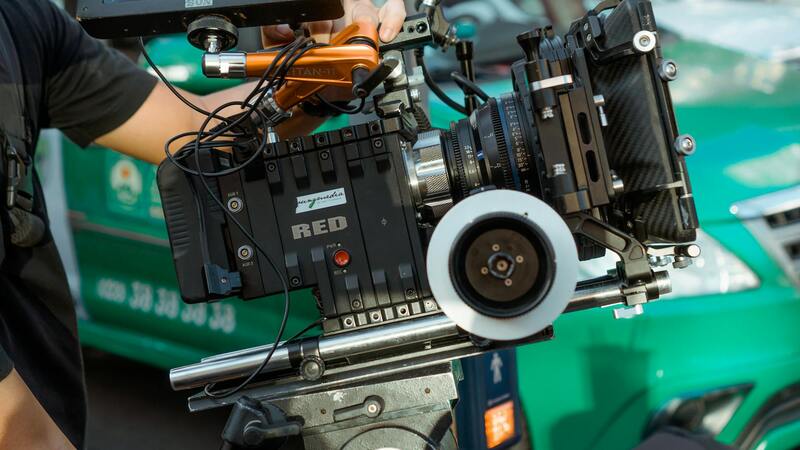
Partnering with a local live video production provider in Miami can greatly enhance the quality and professionalism of your broadcasts. Local companies offer expertise rooted in the regional market, understanding local venues, infrastructure, and audience preferences. They have access to state-of-the-art equipment and experienced crews familiar with diverse event types, from corporate conferences to entertainment festivals. A Miami-based production team can offer personalized consultation, ensuring that your specific objectives are met with tailored solutions. Proximity also allows for on-site management and rapid responses to logistical challenges, fostering smoother execution. Additionally, working with a local provider simplifies coordination, scheduling, and access to specialized resources, making the entire process more efficient. Their reputation within the community and familiarity with regional characteristics often translate into a more authentic and appealing live video experience for your target audience, ultimately driving higher engagement, brand visibility, and ROI.
Executing Live Video Production
Executing a live video production involves a series of carefully coordinated technical and creative steps to ensure a seamless broadcast. During the event, a team of skilled professionals manages multiple tasks concurrently to deliver a polished final product. Camera operators capture footage from various angles, providing dynamic visuals tailored to the event's needs. Modern live productions often utilize multiple cameras to offer viewers diverse perspectives, whether on stage, audience reactions, or close-ups of speakers and performers.
Switching between these camera feeds is a crucial component handled by an experienced director or technical director. This process, known as live switching, involves selecting the best camera angles in real-time, often synchronized with the event's rhythm and content. High-quality switchers support transitions such as cuts, fades, and picture-in-picture effects, enhancing the viewing experience and maintaining viewer engagement.
Audio management is equally critical in live video production. Audio engineers oversee microphones, audio feeds from presentations, and background music to ensure clear sound without feedback or distortion. Proper mixing creates an immersive experience, allowing viewers to hear every detail, whether in commentary, interviews, or the on-stage performance.
Real-time streaming to multiple platforms requires a robust encoders and servers capable of handling high data loads without interruption. It is essential to choose reliable streaming solutions that adapt to bandwidth fluctuations, especially during large-scale events. This process involves encoding the video into formats compatible with various delivery channels and ensuring that latency is minimized so viewers experience minimal delay.
Coordination among team members during the event is vital. Clear on-site communication ensures that technical issues are addressed swiftly and that content remains consistent and engaging. The technical team continuously monitors stream quality, making necessary adjustments to prevent disruptions, such as buffering or video freezing, which could diminish viewer satisfaction.
Post-event, the captured content can undergo further processing for on-demand use, content analysis, or promotional purposes. High-quality live production leverages advanced equipment and experienced personnel to deliver a compelling broadcast that resonates with the target audience, elevating brand presence and driving engagement effectively.
Understanding Live Video Production
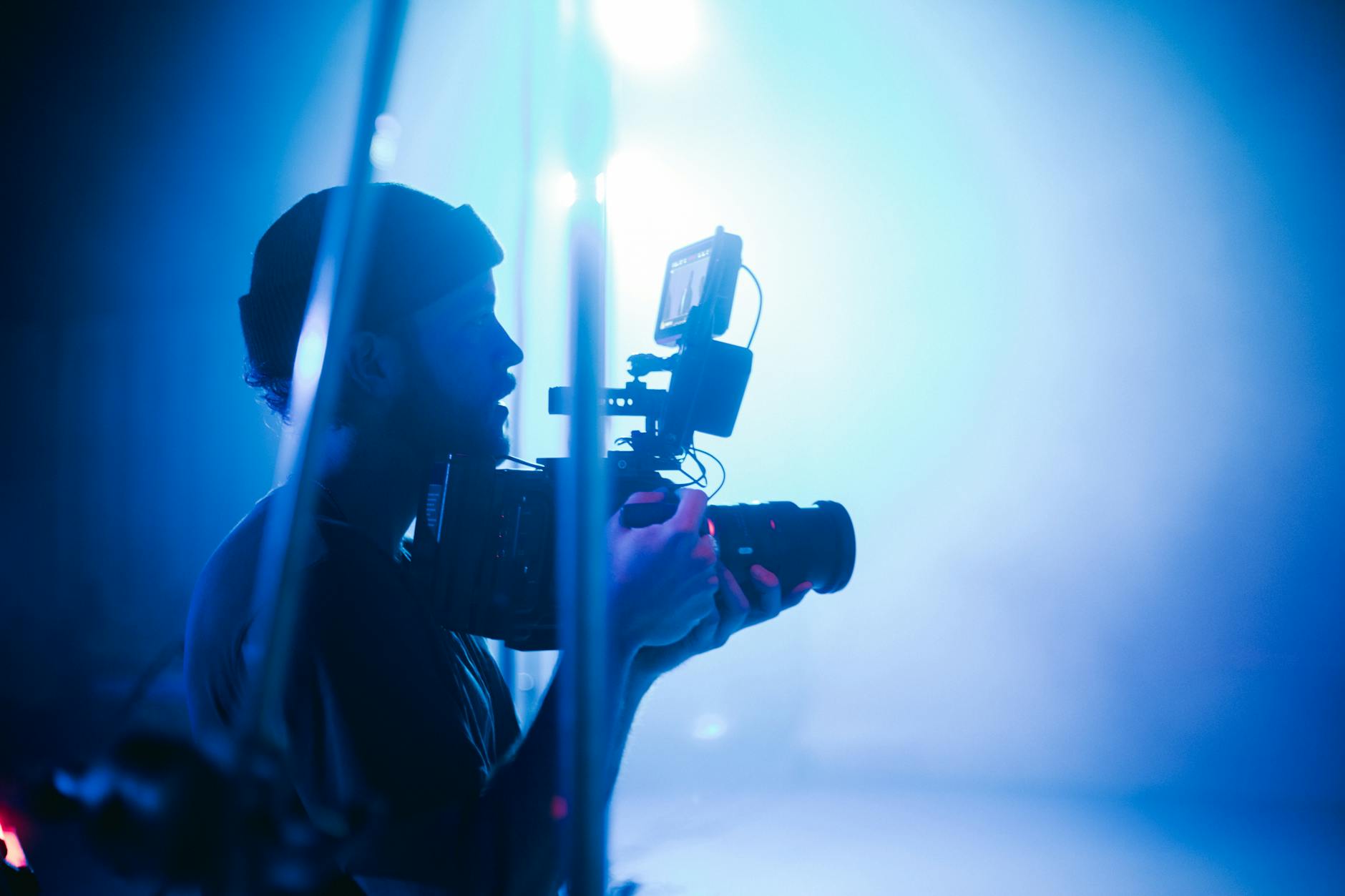
Live video production involves capturing real-time video footage and broadcasting it to an online audience through various streaming platforms. It combines technical expertise, creative vision, and seamless coordination to deliver engaging and high-quality broadcasts. The process starts with careful planning, including script development, shot composition, and equipment setup, ensuring that every element aligns with the event's objectives. During the live broadcast, a team of specialized professionals manages camera operations, audio mixing, and switching between different visual sources to create a dynamic viewing experience. Attention to detail in live video production ensures that viewers receive clear visuals, crisp audio, and uninterrupted streams, fostering higher engagement and viewer retention.
Key Elements of Live Video Production
- Quality Equipment: High-definition cameras, reliable encoders, and advanced audio systems are fundamental for capturing sharp visuals and clear sound.
- Skilled Technical Team: Experience in operating production gear, managing live feeds, and resolving technical issues swiftly under pressure.
- Pre-planned Shots and Scripts: Detailed shot lists and scripts ensure smooth flow and timing during live events.
- Effective Communication: On-site coordination between camera operators, directors, and audio engineers ensures cohesive execution.
- Reliable Streaming Infrastructure: Robust internet connections, backup servers, and adaptable encoding solutions prevent interruptions and buffering issues.
Types of Live Video Productions
- Corporate Events: Conferences, seminars, and product launches requiring professional presentation and branding.
- Concerts and Performances: Live music shows, theater productions, and artistic performances that demand high visual and audio quality.
- Sports and Recreation: Live coverage of sporting events, competitions, and outdoor activities to engage fans and remote viewers.
- Educational Sessions: Webinars, workshops, and training sessions designed for real-time interaction and distance learning.
- News and Media: Breaking news, press conferences, and interviews that require immediate dissemination and accurate reporting.
Choosing the Right Equipment and Technology
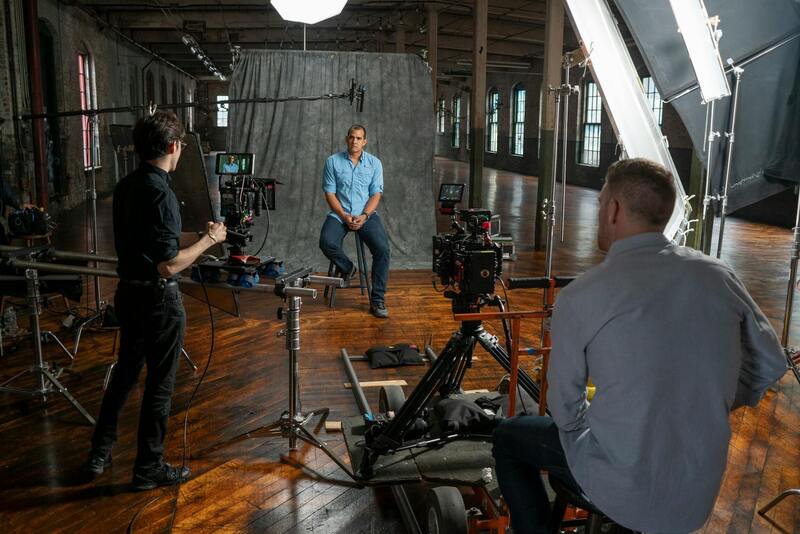
Selecting appropriate equipment is critical for producing compelling live video content. High-definition broadcast cameras with adjustable lenses provide crisp visuals suitable for various lighting conditions. Video switchers enable real-time transition between camera feeds, creating a professional appearance and maintaining viewer interest. Audio mixers with multiple input channels ensure clear sound quality, balancing microphones, ambient sounds, and pre-recorded segments seamlessly. Reliable encoders convert live video signals into streaming formats compatible with platforms like YouTube, Facebook, or dedicated servers, ensuring minimal latency and smooth delivery.
Additionally, investing in network infrastructure capable of handling high data loads is vital. This includes high-speed internet connections with dedicated bandwidth and backup options to prevent disruptions. Advanced streaming solutions incorporate adaptive bitrate technologies that adjust quality based on viewer bandwidth, optimizing the experience for all users. For larger productions, multi-camera setups with remote control capabilities, wireless transmission, and integrated teleprompters can significantly enhance operational flexibility and broadcast quality.
Advanced Techniques in Live Video Production
In the realm of live video production, continuous technological advancements and innovative methodologies are shaping how content creators deliver engaging live streams. For producers aiming to elevate their offerings, adopting advanced techniques can make a significant difference in viewer engagement and overall production quality.
Utilizing Multi-Camera Angles and Robotics
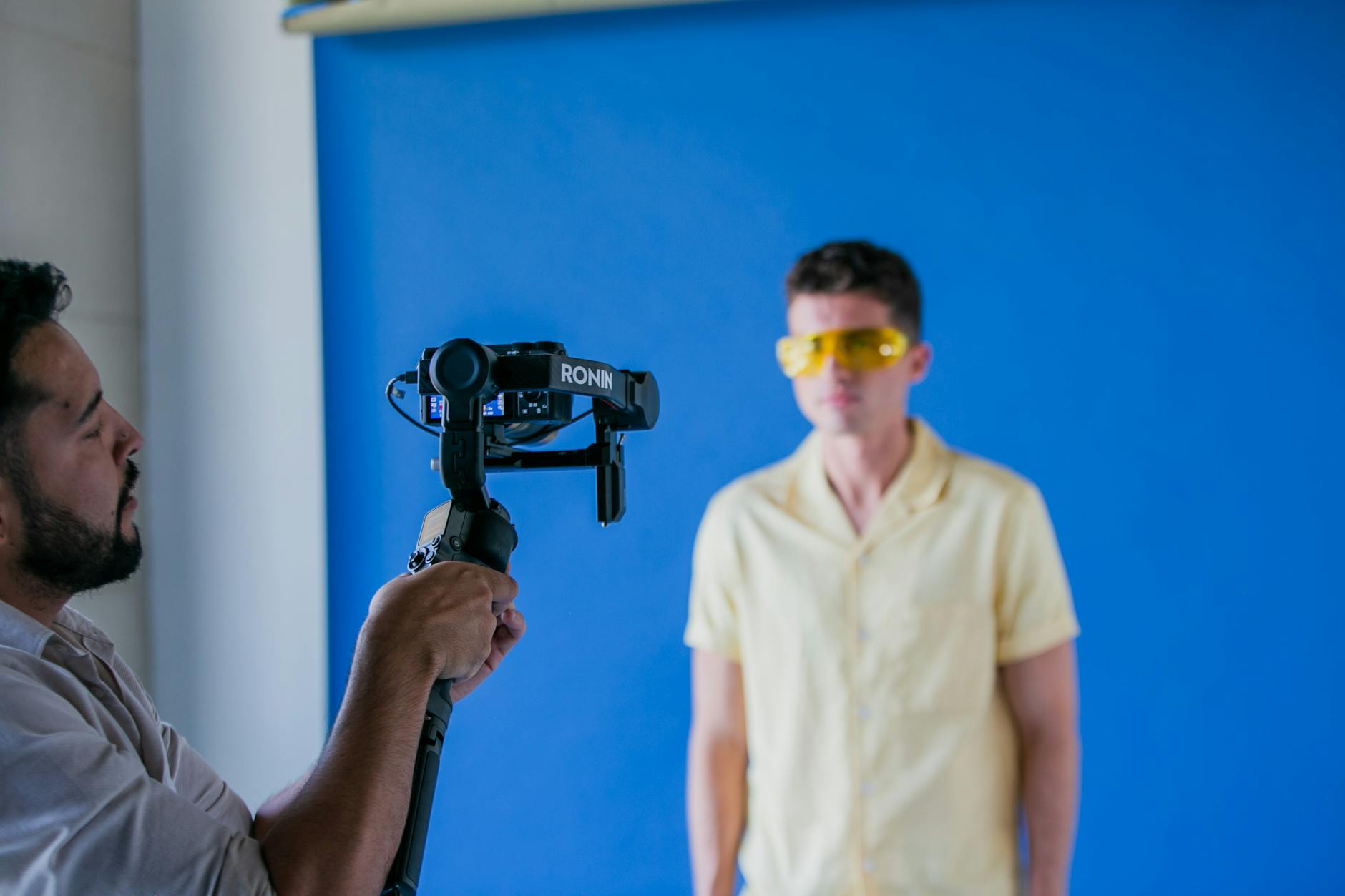
Implementing multiple camera angles allows for dynamic live productions that keep audiences visually engaged. Skilled operators can switch between wide shots, close-ups, and creative angles to highlight key moments or speakers. For larger productions, robotic camera systems enable precise, remote control camera movements, reducing the need for multiple camera operators and ensuring consistent shot stability. These systems can be pre-programmed with specific choreography, allowing for seamless transitions during critical event moments.
Implementing Real-Time Graphics and Overlays
Real-time graphics, such as lower thirds, branding overlays, or live score updates, enrich the visual experience and add a professional polish to broadcasts. High-quality graphics engines integrated into production workflows allow for the dynamic insertion of content without disrupting the live feed. This capability is particularly beneficial for sports events, webinars, or award ceremonies, where timely information delivery is critical.
Leveraging Live Streaming Protocols and Cloud-Based Solutions
Choosing the right streaming protocols is essential to ensure high-quality, low-latency broadcasts. Protocols such as SRT (Secure Reliable Transport) facilitate stable transmission over potentially unstable networks, reducing buffering and stream interruptions. Cloud-based live production platforms provide scalability and flexibility, enabling remote collaboration among production teams, centralized control, and quick deployment, which is especially advantageous for multi-location events or when on-site equipment is limited.
Implementing Audience Interaction and Engagement Features
Integrating live chat, polls, Q&A sessions, and social media feeds into the broadcast enhances viewer participation and creates a more immersive experience. These features can be managed using software tools that overlay interactions directly onto the live video feed, making the event more interactive. For corporate webinars or product launches, audience engagement tools help gauge viewer interest and capture feedback in real-time, contributing to more effective communication and relationship building.
Optimizing for Multiple Platforms and Devices
To maximize reach, live video streams must be adaptable for various platforms such as social media, dedicated websites, or streaming services. Adaptive bitrate streaming technology automatically adjusts the quality based on the viewer’s device and bandwidth, ensuring smooth playback across smartphones, tablets, desktops, and smart TVs. Uniform branding and consistent visual standards across platforms reinforce professional presentation and brand recognition.
Employing these advanced techniques in live video production enhances the overall quality, interactivity, and reliability of broadcasts. Strategic integration of innovative technologies not only elevates the viewer experience but also positions content creators and organizations at the forefront of live streaming excellence, especially when executed with a trusted Miami-based partner specializing in comprehensive live video solutions.