
Overview of Event Live Streaming Services
Event live streaming services have revolutionized the way organizations, corporations, and entertainment entities broadcast their activities to audiences around the world. These services utilize advanced digital technology to transmit real-time video and audio content across the internet, making it possible for viewers to experience events as they happen, regardless of their location. In the vibrant city of Miami, where events attract diverse crowds and international attendees, leveraging expert live streaming solutions can significantly enhance engagement and extend an event's reach beyond physical confines.
Live streaming services for events are integral to modern event planning and execution, offering high-quality broadcast capabilities that ensure a seamless viewing experience. Whether it is a corporate conference, a music festival, a sports competition, or a community gathering, professional live streaming ensures that the event’s message and excitement are captured and shared efficiently. This technology allows organizers to maximize audience participation, boost visibility, and create new opportunities for interaction and content monetization.
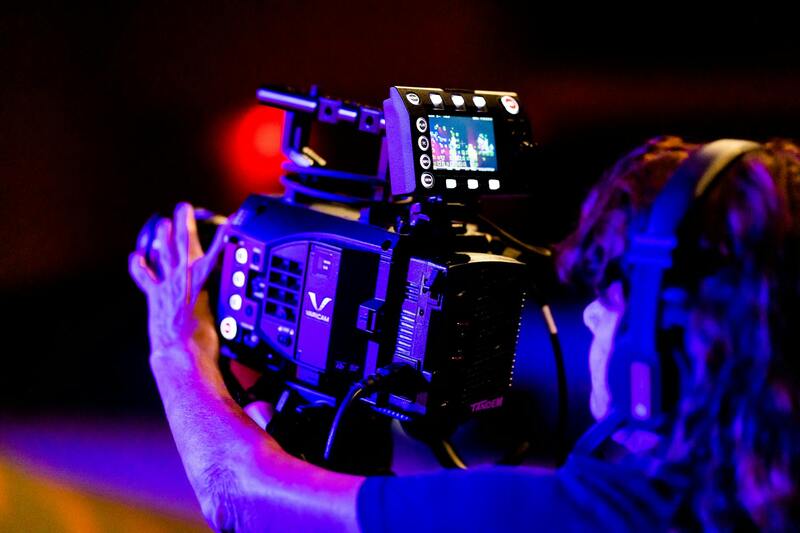
Choosing the right live streaming service is an essential component in event planning. It involves selecting providers equipped with reliable streaming infrastructure, skilled technicians, and comprehensive support systems, all of which contribute to the success of an event broadcast. For Miami-based events, local providers often offer tailored services that understand the unique logistical and technical needs of the region's dynamic event scene.
Types of Events Suitable for Live Streaming
- Corporate Conferences and Seminars
- Music and Entertainment Festivals
- Sporting Events, Including Marathons and Competitions
- Community and Cultural Celebrations
- Educational Workshops and Public Lectures
- Product Launches and Corporate Announcements
Implementing live streaming for these events not only broadens their audience base but also enriches attendee interactions. The flexibility of live streaming allows for multiple camera angles, expert commentary, and interactive features such as live chats, polls, and Q&A sessions, elevating the overall event experience.
Key Features of Professional Live Streaming Services
- High-definition Video and Audio Quality
- Multi-platform Streaming Compatibility
- Real-time Monitoring and Support
- Secure and Encrypted Transmission
- On-demand Content Accessibility Post-event
- Customizable Branding and Graphics
These features ensure that Miami events delivered via live streaming are of professional caliber, enabling organizers to reach audiences effectively and improve overall event impact. Selecting a service with robust features tailored to specific event needs can make all the difference in audience engagement and the success of the broadcast.
Types of Events Suitable for Live Streaming
Offering high-quality live streaming services opens opportunities for a diverse range of events. From corporate gatherings to community celebrations, live streaming ensures a wider reach and enhanced engagement. Notable event types that benefit from professional live streaming include:
- Weddings and Personal Celebrations: Sharing significant moments with distant family and friends in real-time.
- Corporate Conferences and Seminars: Facilitating remote attendance while maintaining a professional ambiance.
- Music and Entertainment Festivals: Allowing global audiences to enjoy performances live, creating a shared experience beyond physical boundaries.
- Sporting Events and Competitions: Broadcasting live action to fans who cannot be physically present, maintaining high viewer engagement.
- Community and Cultural Celebrations: Showcasing local traditions and festivals to a broader audience, fostering cultural awareness.
- Educational Workshops and Public Lectures: Providing accessible learning opportunities for participants worldwide.
- Product Launches and Corporate Announcements: Reaching target markets instantly and maximizing visibility through live event coverage.
Each of these event types benefits from tailored live streaming solutions that include multi-camera setups, professional audio integration, and real-time interaction features. The incorporation of interactive components such as live chats, polls, and Q&A sessions enhances audience participation, making virtual attendees feel more involved and connected. Ensuring visual clarity and uninterrupted transmission is critical, which is why leveraging professional-grade streaming equipment and skilled operators is essential for achieving an optimal viewer experience.
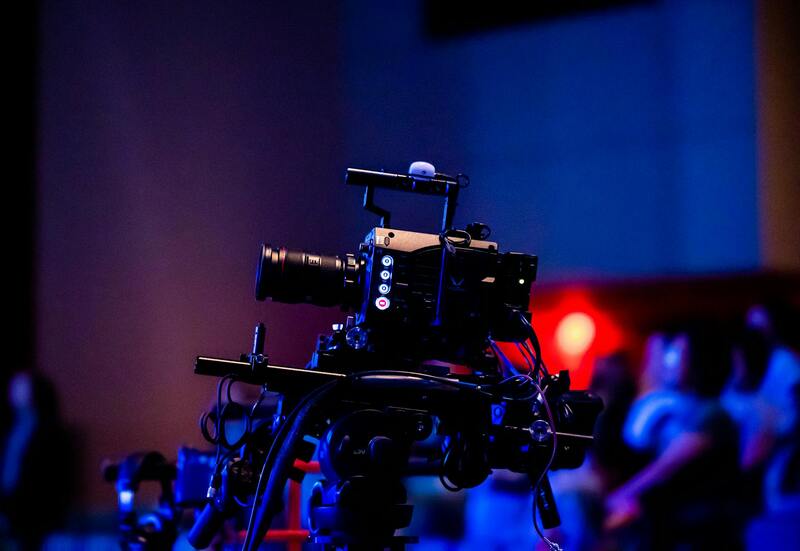
Moreover, integrating multi-platform broadcasting ensures the event content is accessible on various devices and channels. This includes popular social media platforms, dedicated streaming websites, or embedded player options on organizational portals. Such versatility increases the event’s exposure and allows organizers to target specific demographic segments more efficiently. Beyond broadcasting, add-on services like post-event video on demand and analytics further enhance the overall value of live streaming implementations, providing insights into viewer engagement and preferences for future event planning.

Overview of Event Live Streaming Services
Event live streaming services have revolutionized how organizations, brands, and communities share their key moments with audiences around the world. By providing real-time digital broadcasts, these services ensure that participants can experience the event from anywhere, regardless of geographical boundaries. Utilizing high-definition video and professional audio, live streaming creates immersive experiences that mirror traditional in-person attendance.
The backbone of these services is a sophisticated infrastructure that supports seamless delivery, low latency transmission, and adaptive streaming to accommodate varying internet speeds and device capabilities. Advanced encoding technology compresses the video signal efficiently while preserving clarity, ensuring viewers enjoy crisp visuals without lag or interruption.
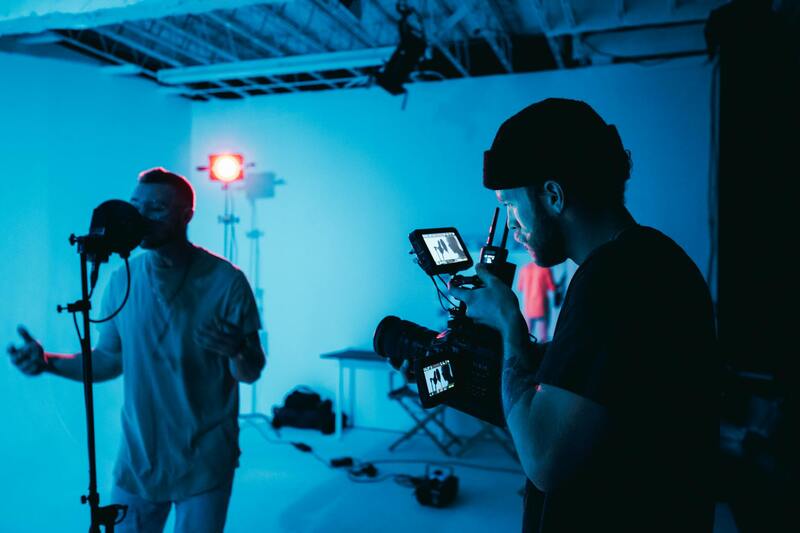
Professional live streaming providers offer a comprehensive range of features, including multi-camera setups, dynamic switching, professional lighting, and audio-visual synchronization, all managed by experienced technical crews. These elements combine to produce broadcast-quality content that elevates the perceived value and professionalism of the event.
In addition to the core video feed, many services incorporate interactive features such as live chats, viewer polls, and Q&A sessions. These tools foster engagement, allowing virtual attendees to participate actively and feel more connected to the event. The integration of multiple platforms, from social media to dedicated streaming portals, broadens exposure and simplifies access for diverse audiences.
Furthermore, when organizing large-scale or multi-location events, live streaming services can coordinate multiple feeds, provide professional graphics, and manage simultaneous broadcasts. Post-event content, including on-demand videos and comprehensive analytics, add significant value by enabling organizers to evaluate engagement metrics and plan future initiatives more effectively.
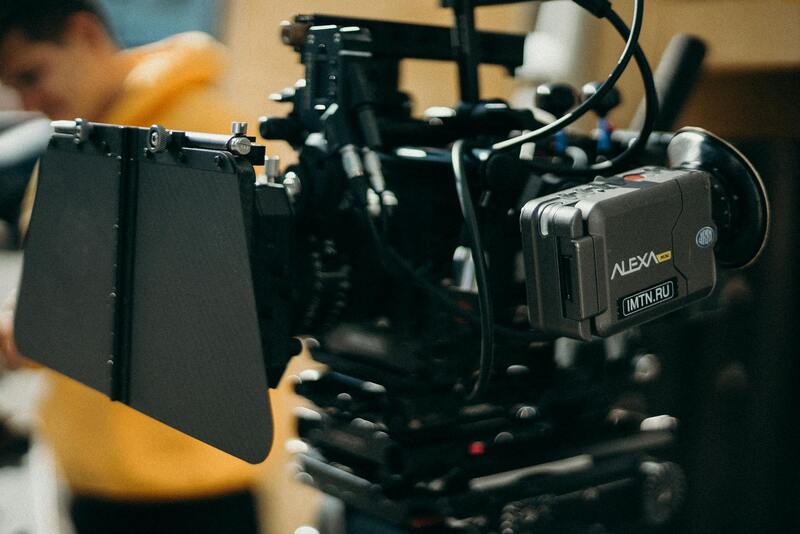
Overall, these services serve as vital tools for expanding reach, increasing audience participation, and delivering high-quality content in a cost-effective manner. Their adaptability ensures they cater to a wide range of event types, from corporate seminars and educational conferences to cultural festivals and charity events.
Types of Events Suitable for Live Streaming
Many different types of episodes can benefit from live broadcasting, including:
- Corporate Events: Product launches, company town halls, and executive addresses can be broadcast live to engage internal and external stakeholders effectively.
- Conferences and Seminars: Virtual access to keynote speeches, panel discussions, and networking sessions extends the event’s reach and accessibility.
- Concerts and Performances: Music festivals, theatrical productions, and art exhibitions gain worldwide visibility through live streams.
- Sports Events: Local matches and amateur competitions can attract niche audiences and build local community spirit.
- Fundraisers and Charity Events: Facilitating online donations and broadening supporter participation amplifies the event’s impact.
Overview of Event Live Streaming Services
Event live streaming services serve as a comprehensive platform for broadcasting live content over the internet, enabling organizers to reach audiences beyond traditional physical boundaries. These services incorporate a range of technological capabilities, from high-definition video delivery to multi-camera setup integration, ensuring a seamless and professional viewing experience. They facilitate real-time interaction through chat features, Q&A sessions, and social media integration, fostering greater engagement among viewers. With robust encoding and streaming infrastructure, these services can efficiently handle high-volume traffic, ensuring minimal latency and maximum reliability. They often include additional tools such as stream scheduling, remote production support, and post-event analytics, empowering organizers to maximize event impact and evaluate audience engagement effectively.

Consumers increasingly prefer interactive, high-quality live content, which has driven the evolution of these technologies. Whether hosting a corporate webinar, a cultural festival, or a sports tournament, professional live streaming services enable consistent delivery of captivating content that can be tailored to meet specific event goals. They incorporate adaptive streaming technologies to adjust video quality based on viewers’ internet bandwidth, ensuring uninterrupted playback across various devices. The automation of workflows, including real-time encoding, multi-platform distribution, and viewer analytics, minimizes operational burdens and allows organizers to focus on content quality and audience engagement.
Types of Events Suitable for Live Streaming
Multiple event categories can benefit markedly from professional live streaming solutions, particularly when combined with strategic planning, to maximize outreach and interaction.
- Corporate Events: From product launches to internal town halls and press conferences, live streaming ensures target audiences stay informed and engaged regardless of their location. This method also allows for real-time feedback and Q&A, fostering transparent communication.
- Conferences and Seminars: Virtual attendance options expand reach globally, enabling attendees to participate in keynote speeches, workshops, and networking sessions from any device. Features like multiple camera angles and live polling enrich the participant experience.
- Concerts and Artistic Performances: These events gain a broader audience when streamed live, increasing visibility for artists and cultural organizations. High-quality audio-visual setup is essential to maintain the event's artistic integrity online.
- Sports Events: Live coverage of local and amateur sports competitions can galvanize community support and create new revenue streams through online ticketing and sponsorship opportunities.
- Fundraising and Charitable Initiatives: Streaming allows nonprofits to effectively tell their story, engage donors, and facilitate instant donations, expanding the event’s reach and impact beyond geographical limitations.

Choosing the right live streaming approach depends on the event's scale, audience, and desired interaction level. It’s essential to select a service providing scalable bandwidth, customizable streaming players, and multiple platform integration for reach maximization. In addition, features like secure streaming options, physical and virtual event synchronization, and post-event content management further contribute to a successful live broadcast. These elements collectively enhance the overall quality and professionalism of the streaming experience, effectively translating physical events into compelling virtual experiences adaptable to diverse audiences.
Technical Requirements for Successful Live Streaming
Achieving high-quality live streaming for Miami events necessitates precise technical arrangements to ensure a seamless broadcast. These requirements encompass a combination of professional equipment, stable internet infrastructure, and optimized bandwidth management.
Essential Equipment for Live Streaming
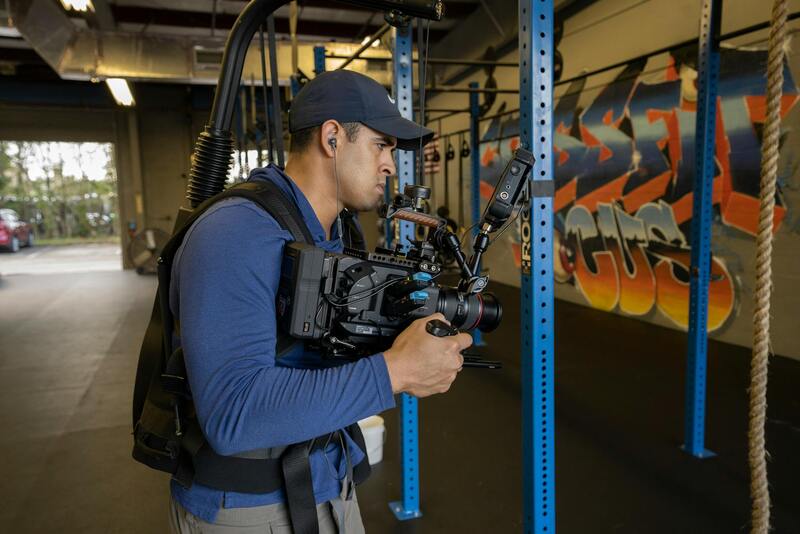
- High-Definition Video Cameras: Professional-grade cameras capable of capturing clear, crisp images are vital. Multiple cameras can be employed to provide varied angles, enhancing viewer engagement.
- Audio Equipment: Clear sound is crucial; thus, high-quality microphones and audio mixers are utilized to capture and balance audio levels effectively.
- Encoding Hardware or Software: Encoders convert raw footage into streamable formats. Hardware encoders are preferred for their reliability, while software-based solutions offer flexibility for smaller setups.
- Lighting Equipment: Proper lighting ensures visual clarity, especially for indoor or evening events, reducing noise and shadowing effects.
- Stable Streaming Hardware: Livestreaming switches, video mixers, and auxiliary devices coordinate multiple sources for a cohesive broadcast experience.
Internet Connectivity & Bandwidth Considerations
Reliable and high-speed internet is fundamental. A dedicated fiber-optic connection or high-capacity wireless link minimizes latency and buffering. Prior to event day, bandwidth testing should be conducted to determine the required upload speeds for smooth streaming, generally aiming for at least 3-6 Mbps for HD content. During the event, a backup internet connection provides an added layer of security against unexpected disruptions.
Additional Technical Elements
- Streaming Platform Compatibility: The chosen service must support integration with popular platforms like Facebook Live, YouTube, or custom websites, ensuring streamlined dissemination.
- Content Management Systems: Systems for on-the-fly content adjustments, such as switching cameras or adding overlays, contribute to a professional presentation.
- Security Protocols: Encrypted streams and secure login methods protect confidential content and prevent unauthorized access.
- Remote Monitoring & Support: Dedicated technical support ensures issues can be swiftly identified and resolved, maintaining broadcast quality throughout.
 igure>
Technical Requirements for Successful Live Streaming
Implementing a smooth and engaging live stream in Miami demands adherence to specific technical standards that bolster broadcast quality and reliability. A crucial element is robust internet connectivity; high-speed, dedicated connections minimize latency and buffering issues, which are critical during high-profile or time-sensitive events. For optimal results, event organizers should perform bandwidth tests prior to the event to determine the minimum upload speeds needed—typically around 3-6 Mbps for HD quality. To prevent disruptions caused by unforeseen outages, investing in a secondary backup internet connection ensures continuous streaming even if the primary line encounters difficulties.
igure>
Another key element is the selection of appropriate hardware and software tools. Professional-grade streaming hardware, such as dedicated switches, video mixers, and auxiliary devices, facilitate multi-camera setups and seamless transitions. Integrating a robust content management system allows operators to modify overlays, switch camera angles, and insert pre-recorded content effortlessly, maintaining a dynamic and professional presentation.
Compatibility and Security
Compatibility with popular streaming platforms is essential. The chosen service must support integrations with platforms such as Facebook Live, YouTube, and other proprietary or custom websites, allowing for wide dissemination of content without technical hurdles. Security measures, including encrypted streams and secure login protocols, safeguard sensitive or proprietary event content against unauthorized access.
Remote Monitoring & Technical Support
During live events, real-time monitoring by trained technical staff ensures the production remains flawless. These experts can swiftly troubleshoot and resolve issues, whether related to network stability, hardware malfunctions, or stream quality. The presence of responsive technical support not only minimizes downtime but also enhances confidence in managing large-scale or complex broadcasts.
Modern live streaming setups also incorporate remote management tools. These allow operators to oversee broadcast parameters and make real-time adjustments from offsite locations, providing additional flexibility and control. High-resolution audio and video, synchronized with real-time data feeds, elevate the overall production quality and viewer engagement.
Technical Requirements for Successful Live Streaming
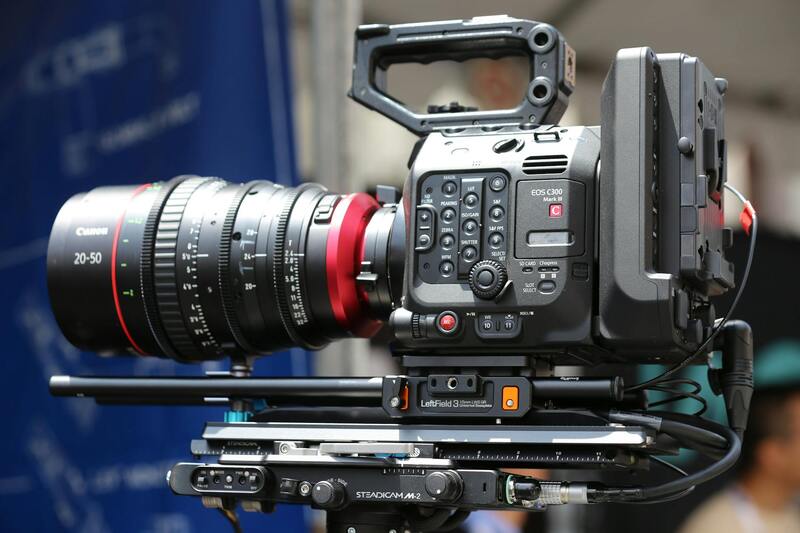
Implementing a successful live streaming event in Miami demands meticulous attention to technical requirements that ensure a seamless broadcast experience. Both hardware and software components should be selected based on the scale of the event and the desired production quality. High-definition (HD) cameras are fundamental, as they deliver crisp visuals that captivate viewers. These cameras should be configured for multi-angle shots, allowing for dynamic transitions and engaging content presentation. To complement high-quality video feeds, reliable and high-bandwidth internet connections are crucial. Fiber-optic internet is preferred for its stability and speed, minimizing latency and buffering during the live broadcast.
 igure>
Audio quality significantly impacts viewer engagement; therefore, professional-grade microphones and audio mixers are employed to deliver clear, balanced sound. Audio feeds should be synchronized with video streams, maintaining lip-sync and consistent sound levels. Adequate lighting is essential, especially in indoor venues, to improve image clarity and color accuracy. Proper lighting setups prevent shadows and reduce noise, which could impair the viewing experience.
Encoding hardware or software is used to compress video streams for efficient transmission without compromising quality. Hardware encoders, integrated into streaming devices, provide robust and consistent encoding, while software solutions like OBS or vMix offer flexible options for customization and overlay management. The encoding settings should be optimized based on the available bandwidth and target resolution, ensuring smooth delivery across different devices and platforms.
Content management systems allow for real-time editing and overlay adjustments, such as logos, tickers, or live comments, making the broadcast more interactive and professional. Simultaneous streaming to multiple platforms — including social media, dedicated streaming pages, and internal networks — expands reach and engagement. Security measures, including stream encryption and secure login credentials, protect sensitive content from unauthorized access.
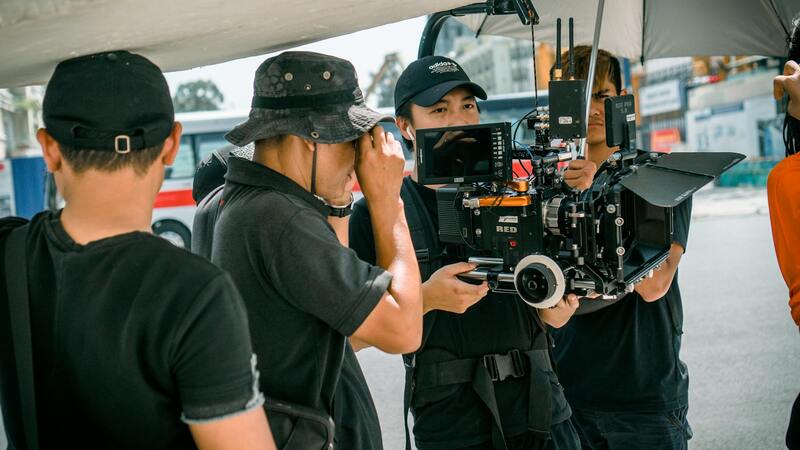
Remote monitoring tools enable operators to oversee the stream's technical health from offsite locations. These systems provide real-time analytics and alerts for potential issues, allowing immediate intervention. Having backup hardware and redundant internet connections acts as a safeguard against unforeseen technical failures, ensuring uninterrupted streaming even during hardware malfunctions or connectivity disruptions.
 igure>
Overall, aligning these technical components and practices creates a resilient infrastructure capable of delivering professional-level live streams, reinforcing the importance of expert planning and execution for Miami-based events. When executed correctly, these setups not only meet audience expectations but also elevate the event’s reputation through a seamless viewing experience.
Technical Requirements for Successful Live Streaming
Achieving a seamless live streaming experience for Miami events hinges on meticulous technical planning and execution. A robust setup begins with high-speed, reliable internet connectivity capable of handling the bandwidth demands of high-definition streams. Typically, a dedicated internet line with sufficient upload speed—often 10 Mbps or higher—is recommended to prevent lag or buffering issues during the broadcast.
Hardware selection is equally crucial. Professional-grade cameras, audio mixers, and encoders ensure the production quality meets audience expectations. Encoders convert video signals into streams compatible with various platforms, with software or hardware encoders chosen based on the complexity and scale of the event.
Additional considerations include effective lighting, clear audio, and stable mounting equipment for cameras. These elements collectively enhance visual clarity and audio fidelity, resulting in a polished presentation that captivates viewers.
Content Management and Multi-Platform Streaming
Content management systems enable real-time overlay adjustments—such as branding, scoring, or live comments—making broadcasts more engaging and interactive. These tools also facilitate simultaneous streaming to multiple destinations, including social media channels, private websites, and internal networks, thus maximizing audience reach.
Security and Monitoring
Implementing encryption and secure authentication protocols helps safeguard sensitive content. Remote monitoring tools provide real-time insights into stream health, allowing operators to address issues swiftly. Redundant internet connections and backup hardware serve as fail-safes, ensuring continuity even in case of technical disruptions.
Visual Representation of the Technical Setup

Integrating these technical components into the live streaming workflow creates a resilient infrastructure capable of delivering high-quality broadcasts. Effective management of these elements not only ensures smooth streaming but also elevates the event’s professional stature, fostering viewer trust and engagement. When properly orchestrated, the technical infrastructure becomes a powerful tool in showcasing Miami’s vibrant event scene to a global audience.