
Overview of Video Webcasting Services
Video webcasting services have become an essential component for effectively reaching audiences in the digital age. These services facilitate the live streaming of events, presentations, corporate meetings, and special occasions directly over the internet. By broadcasting content in real-time, organizations in Miami can engage a broader audience, including remote participants who are unable to attend physically. Webcasting leverages advanced video transmission technologies to ensure high-quality, uninterrupted streaming experiences tailored to the needs of diverse clients.
The core function of video webcasting services involves capturing live footage through professional cameras, encoding the video signals into digital formats, and transmitting them via secure streaming platforms. This process demands a blend of specialized hardware and software designed to optimize visual clarity, audio fidelity, and stream stability. For events spanning from corporate webinars to community festivals, webcasting offers a dynamic solution that amplifies reach and enhances engagement.
In Miami, a vibrant hub for commerce, culture, and innovation, the demand for reliable webcasting solutions is increasing steadily. Organizations, whether local startups, established corporations, or nonprofit entities, recognize the strategic value of broadcasting their messages to both local and international audiences. These services support various event formats, including conferences, product launches, training sessions, religious services, and public forums.
Choosing a competent webcasting provider involves considerations of technological capabilities, experience in the field, and a keen understanding of client objectives. The right service will offer comprehensive packages that encompass everything from pre-event planning to post-event analytics. As live streaming technology continues to evolve, Miami-based webcasting companies are staying ahead by integrating innovations such as multi-camera setups, interactive features, and compatibility with multiple devices.
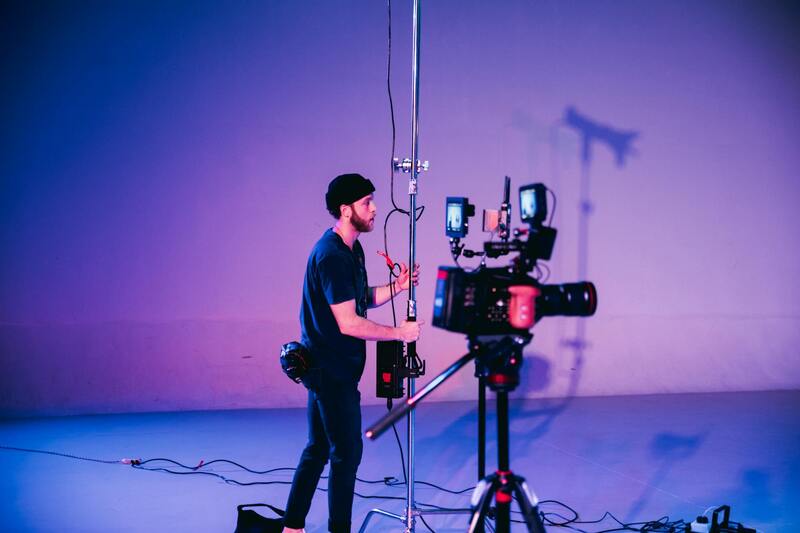
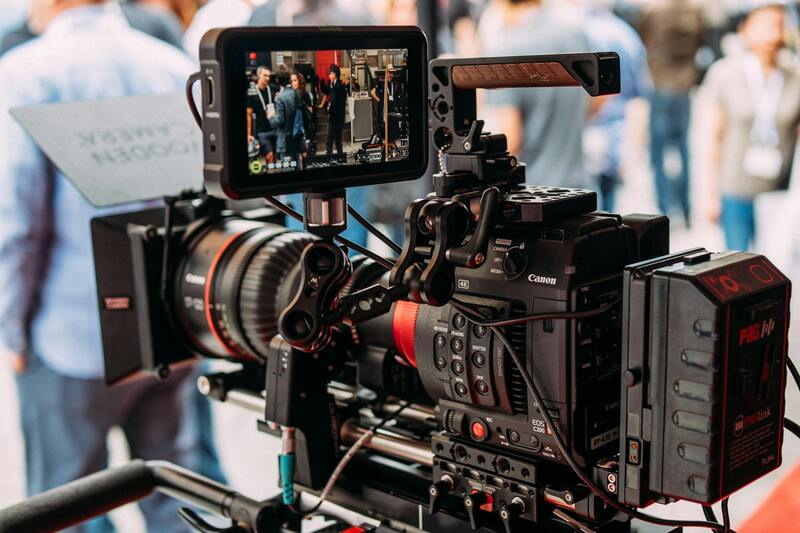
Figure 1 below illustrates the general setup involved in professional video webcasting, highlighting the components crucial for delivering a seamless streaming experience.
Types of Webcasting Technologies and Platforms
Choosing the appropriate webcasting technology is critical to ensuring a successful live stream that meets organizational goals. Various platforms and tools are available, each with distinct features suited to different event types and audience sizes. Understanding these options allows clients to tailor their webcasting approach for optimal engagement and reliability.
Primarily, there are three main types of webcasting technologies used in professional video streaming:
- Dedicated Enterprise Platforms: These platforms are designed to handle large-scale broadcasts, supporting high-definition streaming, multi-camera setups, interactive features, and integration with marketing or CRM systems. They often provide end-to-end solutions including analytics, monetization options, and security features, making them ideal for corporate conferences, product launches, and large public events.
- Consumer-Grade Streaming Services: Platforms such as social media live streams (e.g., Facebook Live, YouTube Live) are accessible and easy to deploy but may lack advanced technical capabilities. They are suitable for smaller or informal events where broad audience engagement is prioritized over technical customization.
- Hybrid Solutions: Combining elements of enterprise and consumer platforms, hybrid solutions provide flexibility and scalability. These may include third-party encoding software integrated with mainstream streaming services, delivering a balanced mix of professional quality and ease of use.

Key Technologies Impacting Webcasting Efficacy
Innovations continue to shape the landscape of video webcasting, ensuring higher production quality, audience interaction, and device compatibility. Notable advancements include:
- Multi-Camera Live Switching: Enables dynamic presentation by switching seamlessly between multiple camera feeds, offering a professional broadcast appearance.
- Adaptive Bitrate Streaming: Adjusts stream quality based on viewer bandwidth, reducing buffering and improving user experience across various internet speeds.
- Interactive Features: Incorporates real-time polls, Q&A sessions, chat functions, and viewer engagement tools, fostering active participation from remote audiences.
- Mobile Optimization: Ensures content is accessible and performs well on smartphones and tablets, expanding reach to users on multiple devices.
- Security Protocols: Implements encryption and access controls to safeguard broadcast content and control distribution, especially important for sensitive or proprietary material.
Choosing the Appropriate Platform for Your Needs
Matching the right webcasting platform to your specific event requirements involves assessing factors such as audience size, desired level of interaction, technical complexity, and budget constraints. For example, a corporate conference with high production values will benefit from a dedicated enterprise platform offering detailed analytics, multiple camera feeds, and security features. Conversely, a nonprofit organization hosting a community webinar may opt for a straightforward live stream on social media platforms, prioritizing accessibility and ease of use.
Expert consultation from a webcasting service provider can aid in selecting the most suitable technology infrastructure. They will evaluate your goals, target audience, and types of content to recommend a platform that balances functionality, scalability, and cost-effectiveness.
Types of Webcasting Technologies and Platforms
In the realm of video webcasting services, a variety of technologies and platforms are employed to cater to diverse event needs and audience sizes. Understanding these options is essential for selecting an optimal solution that aligns with your event objectives, technical capabilities, and budget considerations.
Streaming platforms form the backbone of most webcasting solutions. These include dedicated enterprise-level platforms, social media streaming services, and hybrid solutions that combine multiple channels. Enterprise platforms often provide advanced features such as multiple camera feeds, detailed analytics, robust security, and customization options suitable for large-scale corporate events, webinars, and conferences. Examples include professional-grade broadcast platforms that support high-definition streams, multiple engagement tools, and integrated content management.
For smaller or informal events, social media streaming services like Facebook Live, YouTube Live, and LinkedIn Live offer accessible, user-friendly options. They allow organizations to reach broad audiences without requiring extensive technical setup, making them popular choices for community events, product launches, and educational sessions.

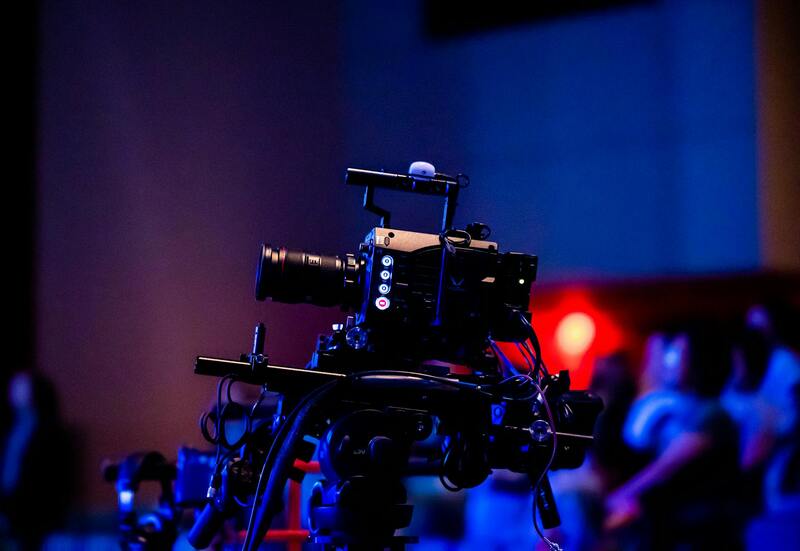
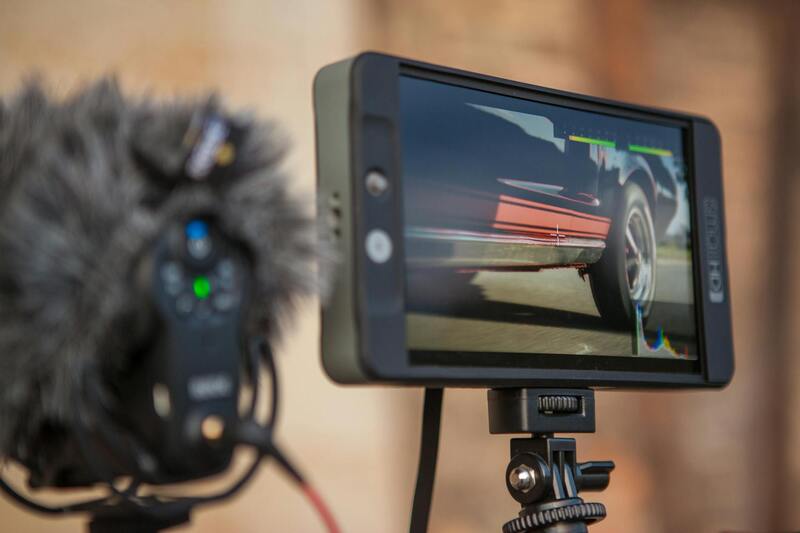
Hardware used in video webcasting varies from simple consumer-grade webcams to professional broadcasting equipment. Entry-level webcasts may rely on DSLR cameras, microphones, and basic mixing consoles. More complex productions utilize multiple high-definition cameras, professional video switchers, encoders, and dedicated streaming servers. These are essential for events requiring high production quality and seamless transitions between multiple video sources.
Software solutions encompass encoding applications, digital audio mixers, and content management systems. These tools enable operators to control broadcast quality, integrate graphics or branding, and manage live interactions. Notable software options include open-source encoders like OBS Studio, as well as commercial solutions with enhanced features designed for enterprise use.
Choosing the appropriate combination of hardware and software hinges on the scale of the event, desired production quality, and the team's technical expertise. Proper integration of these elements ensures a stable webcast with high visual and audio fidelity, minimizing disruptions and enhancing viewer engagement.
Ensuring Seamless Connectivity and Technical Support
High-quality video webcasting services depend heavily on robust internet connections and technical expertise during the event. Reliable bandwidth ensures uninterrupted streams, reducing buffering and latency issues that can frustrate viewers. For larger events, dedicated high-capacity internet lines, often with backup solutions, are essential to maintain consistent streaming quality.
Technical support teams play a crucial role in managing the webcast, troubleshooting potential issues in real-time, and adjusting settings to adapt to unforeseen circumstances. Teams experienced in live broadcasting can quickly resolve hiccups, coordinate camera operations, oversee audio management, and handle any software or hardware glitches, contributing to a polished event presentation.
Integrating Interactive Features to Enhance Viewer Engagement
Modern webcasting services go beyond just streaming video; they incorporate audience interaction tools that significantly boost engagement. Live polls, Q&A sessions, chat functionalities, and social media integration allow viewers to participate actively, fostering a sense of involvement and community during the webcast.
For organizations aiming for higher engagement, choosing platforms that support live interactions and analytics can provide valuable insights into viewer behavior and preferences. These features not only enhance the viewer experience but also enable event organizers to gather feedback and measure success effectively.

Optimizing for Different Devices and Viewing Environments
An essential aspect of successful webcasting is ensuring that content is accessible across various devices including desktops, tablets, and smartphones. Responsive streaming solutions automatically adjust video quality based on the viewer's bandwidth and device capabilities, providing a consistent experience regardless of circumstances.
Additionally, the setup may include adaptive bitrate streaming, which dynamically changes the video resolution. This helps prevent buffering issues for audiences with unstable internet connections, a common challenge in diverse viewing environments such as outdoor events or regions with limited internet infrastructure.
Security and Privacy Measures for Webcast Content
Implementing security protocols is vital when streaming sensitive or proprietary information. Encryption technologies, secure login procedures, and access controls safeguard the webcast content from unauthorized viewers. For private corporate meetings or confidential product launches, these measures ensure that the content remains protected from external interference.
Some webcasting solutions offer customizable access permissions, allowing organizers to regulate who can view the stream and interact. Additionally, watermarked or branded content can further deter unauthorized sharing or recording of the webcast.

Post-Event Analytics and Content Management
Successful webcasting includes comprehensive post-event analysis to evaluate engagement metrics, viewer demographics, and content performance. Platforms that provide detailed analytics enable organizers to assess the effectiveness of the webcast, informing future event strategies.
Moreover, professional webcasting services often include content hosting and on-demand options, allowing viewers to access the recorded event after the live broadcast. This extends the reach of the event and provides valuable content for marketing, training, or internal communication purposes.

Key Considerations for Selecting a Webcasting Service
Choosing the right video webcasting services requires careful evaluation of several critical factors to ensure a seamless and effective broadcast. One of the foremost considerations is platform compatibility. The preferred service should support a variety of devices, including desktops, tablets, and smartphones, to maximize viewer access and engagement. Cross-device functionality guarantees that the stream remains accessible, regardless of the viewer's preferred hardware, thereby increasing participation rates.
Another important aspect is scalability. As event attendance can fluctuate, a robust webcasting solution must handle peak traffic without compromising streaming quality. Service providers should offer flexible bandwidth options and infrastructure scaling capabilities to accommodate large audiences during high-demand periods.
Security features are paramount, particularly when broadcasting confidential or proprietary content. The selected platform should incorporate encryption technologies, secure login protocols, and user authentication measures to prevent unauthorized access. Those hosting sensitive meetings or product launches benefit greatly from customizable access controls, enabling organizers to specify who can view or participate in the webcast.

Ease of use and setup processes are also vital. The platform should offer intuitive interfaces for event organizers, reducing the learning curve and enabling efficient content management. Features such as pre-scheduled broadcasts, easy link sharing, and real-time chat support simplify the execution process.
Additionally, integration capabilities with other tools such as CRM systems, social media platforms, and analytics dashboards enhance the overall effectiveness of webcasts. These integrations facilitate audience tracking, engagement analysis, and post-event reporting, providing deeper insights into viewer behavior and event success.
Lastly, customer support and technical assistance are essential components. Reliable service providers offer 24/7 support for troubleshooting issues, ensuring that technical difficulties are promptly addressed. This support minimizes disruptions and maintains the professional quality of the webcast.
Planning and Executing a Successful Webcast
Effective planning is crucial for delivering a seamless webcasting experience that meets the expectations of both organizers and viewers. Careful attention to logistical details, content preparation, and technological setup ensures that the webcast runs smoothly from start to finish.
One of the first steps involves defining the objectives of the webcast, whether it's a corporate presentation, product launch, training session, or large-scale conference. Clearly outlining the goals helps determine the necessary features, duration, and audience engagement strategies. Establishing a timeline for the event allows organizers to coordinate content creation, test technical components, and prepare contingency plans.
Content preparation is equally important. Presenters should rehearse in the actual streaming environment to familiarize themselves with the platform's features, such as screen sharing, slide transitions, and multimedia integration. High-quality visuals and clear audio are essential for maintaining audience attention, so investing in professional recording equipment and ensuring proper lighting conditions are recommended.
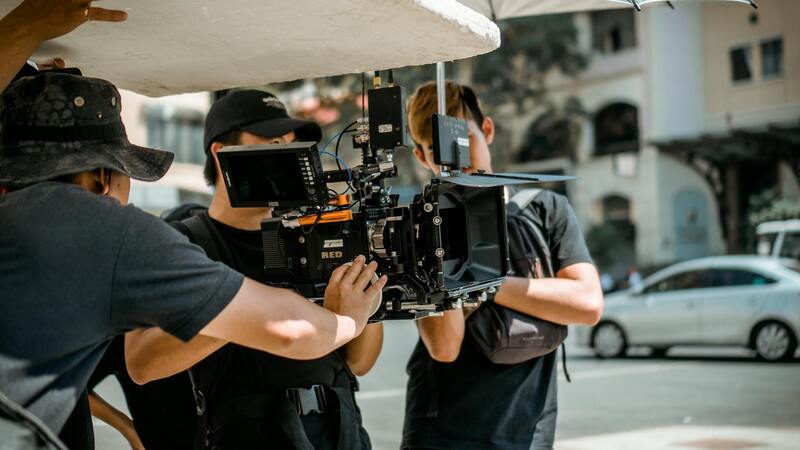
Technical setup includes verifying internet connectivity, encoder configurations, and compatibility of hardware and software. Conducting multiple test runs helps identify latency issues, audio-visual synchronization problems, or platform-specific bugs. Ensuring a reliable internet connection with sufficient bandwidth minimizes risks of buffering or disconnections during the live event.
During the broadcast, moderators play a vital role in managing viewer interactions, monitoring chat functions, and troubleshooting unforeseen issues promptly. Utilizing real-time analytics provided by the webcasting platform allows organizers to track viewer engagement, identify peak participation times, and gather valuable data for post-event analysis.
Post-event activities, such as archiving the webcast, analyzing viewer data, and distributing recorded content, extend the impact of the event and help measure its success. Feedback collection from attendees informs future improvements, ensuring each webcast is more engaging and technically refined than the last.
Cost Factors and Budgeting for Webcasting Services
Effective budgeting for webcasting services requires a comprehensive understanding of various cost components, which collectively influence the overall expenditure of an event. The primary factors include production quality, event scale, technical equipment, and the fees charged by service providers in Miami.
Production quality plays a pivotal role in determining the cost structure. High-definition video streams, multi-camera setups, professional lighting, and high-fidelity audio equipment significantly enhance the viewer experience but also increase expenses. The level of post-production editing, on-screen graphics, and custom branding also contributes to the overall budget, especially for events that demand a polished and visually engaging presentation.
The scale of the event impacts costs as well. Larger audiences require more robust infrastructure, higher bandwidth, and scalable streaming solutions to prevent disruptions. For example, a webcast targeting thousands of viewers necessitates advanced encoding systems, Content Delivery Network (CDN) integrations, and comprehensive server capacity, all of which incur additional costs.
Technical equipment investments are another critical element. High-quality cameras, professional audio mixers, encoding hardware or software, and backup systems are essential for ensuring smooth streaming without interruptions. In addition, dedicated personnel for technical setup, monitoring, and troubleshooting during the event may be required, adding to the overall budget.
Service provider fees in Miami are influenced by factors such as the complexity of the service package, the duration of the webcast, and any customized features requested. Some providers offer tiered packages that include basic streaming, on-demand content, and advanced interactivity options. Transparent communication with the service vendor helps in aligning expectations and avoiding unforeseen expenses.
Budget Optimization Strategies
- Define clear objectives to determine essential features versus optional enhancements.
- Compare multiple service providers to assess value and offerings.
- Leverage existing equipment where possible to reduce hardware costs.
- Schedule rehearsals to identify technical requirements and minimize last-minute expenses.
- Consider future scalability needs to prevent costly upgrades for subsequent events.
By carefully evaluating these elements and planning accordingly, organizations can efficiently allocate resources and maximize the impact of their webcasting efforts within their budget constraints. A strategic approach ensures a seamless streaming experience that engages audiences while maintaining cost-effectiveness and technical excellence in Miami's dynamic digital environment.
Best Practices for Ensuring High-Quality Webcast Broadcasts
Establishing a Robust Technical Setup
Achieving a professional and seamless webcast relies heavily on a comprehensive technical infrastructure. This includes utilizing high-definition cameras, reliable microphones, and robust internet connections to facilitate uninterrupted streaming. Employing redundant systems, such as backup internet links and power supplies, can mitigate risks associated with technical failures. Testing equipment thoroughly prior to the event ensures all components perform optimally, minimizing potential disruptions during the live broadcast.
Implementing Effective Content Delivery Strategies
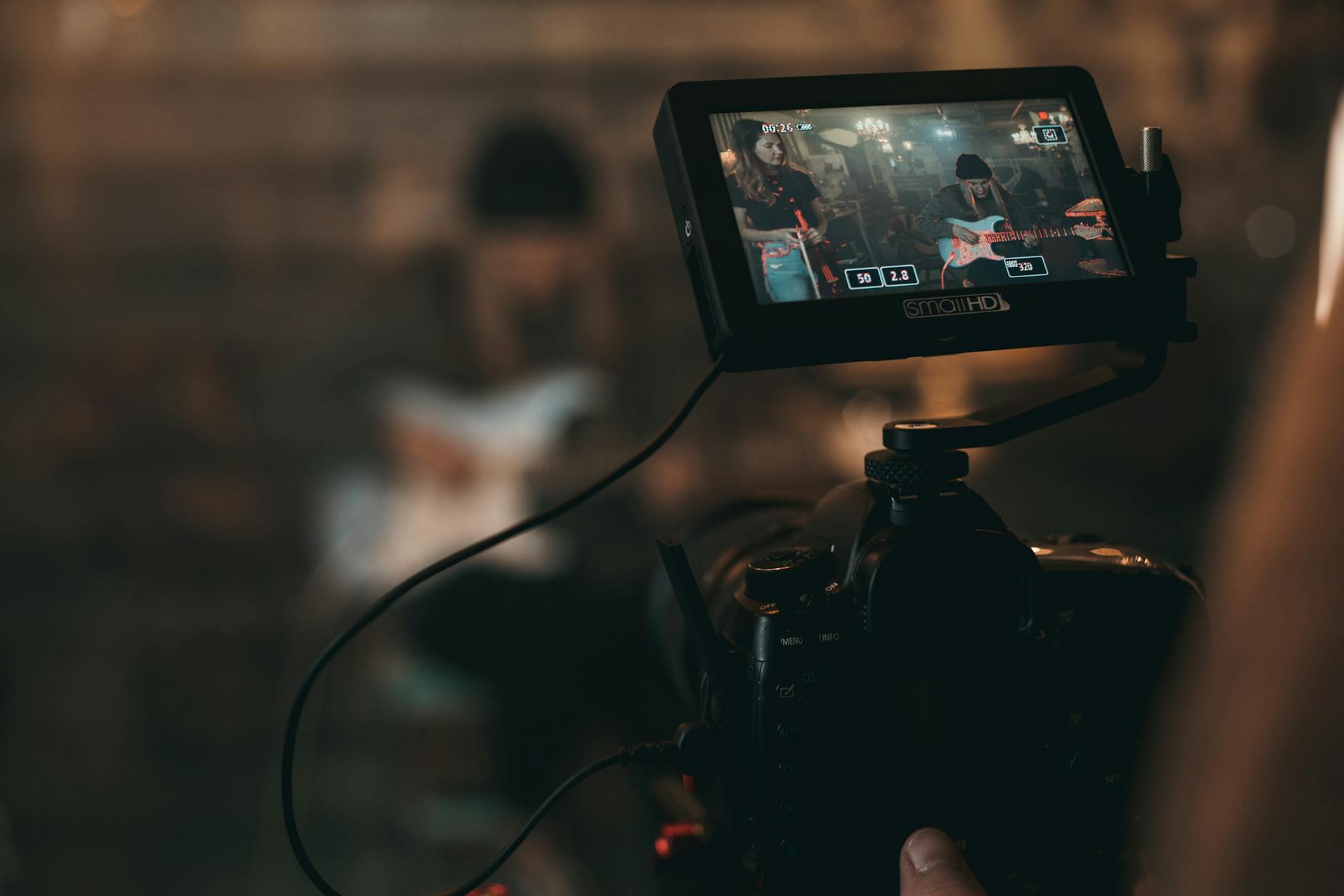
Content presentation significantly impacts audience engagement. Utilizing multiple camera angles, incorporating dynamic graphics, and integrating real-time chat interactions can create an immersive viewing experience. Coordinating with professional production teams ensures smooth transitions and synchronized audio-visual elements. Clear communication with presenters about their cues and timing aids in maintaining a polished broadcast. Additionally, leveraging adaptive streaming technology allows viewers with varying bandwidths to access content without decline in quality.
Optimizing Audience Engagement and Interaction
Engagement tools such as live polls, Q&A sessions, and social media integrations foster active participation. A well-designed webcast platform provides intuitive navigation and accessibility features to accommodate diverse audiences. Post-event analytics and feedback surveys offer insights into viewer satisfaction and areas for improvement. Providing on-demand access post-broadcast extends the reach of the content, enabling audiences to revisit key moments or catch up on missed segments.
Adhering to Industry Standards and Best Practices
Consistent adherence to technical standards and best practices enhances the credibility of the webcast. This includes implementing secure streaming protocols to protect content integrity, complying with accessibility standards to accommodate all viewers, and ensuring data privacy measures are in place. Regular staff training on newest technologies and procedural updates helps maintain high standards of production quality. Establishing clear roles and responsibilities among the webcast team ensures efficient coordination during live events.
Monitoring and Continual Improvement
Real-time monitoring of streaming quality and audience metrics enables immediate troubleshooting when issues arise. Post-event reviews facilitate identification of technical or content gaps, guiding strategic improvements for future sessions. Incorporating emerging technologies such as 4K streaming, augmented reality, or virtual reality can further elevate webcast experiences. Staying informed about advancements in streaming software and hardware equips organizers with innovative tools for delivering captivating content that meets evolving audience expectations.