
Overview of Live Stream Event Services
In the dynamic landscape of event hosting, live stream event services have become essential for reaching broader audiences with high-quality, real-time video content. These services allow organizations, businesses, and individuals in Miami to broadcast events to viewers regardless of their physical location. Whether it's a corporate seminar, a music concert, a community festival, or an educational workshop, professional live streaming ensures that the event’s message and experience are accessible to a wider demographic.
Live stream event services encompass a comprehensive approach to event broadcasting, combining advanced technology, strategic planning, and technical expertise. The primary purpose is to deliver seamless, uninterrupted live video that captures the event’s essence, maintains viewer engagement, and provides a professional presentation. This leads to increased visibility, audience interaction, and overall event impact, making live streaming an invaluable tool for modern event promotion and execution.
By utilizing tailored solutions offered by specialized providers, event organizers in Miami can enhance their event's reach, generate real-time feedback, and create lasting digital content that can be repurposed for marketing or archival purposes. The proliferation of high-speed internet and sophisticated streaming platforms has significantly lowered barriers for effective live broadcasting, allowing quality production even for events with limited technical resources.
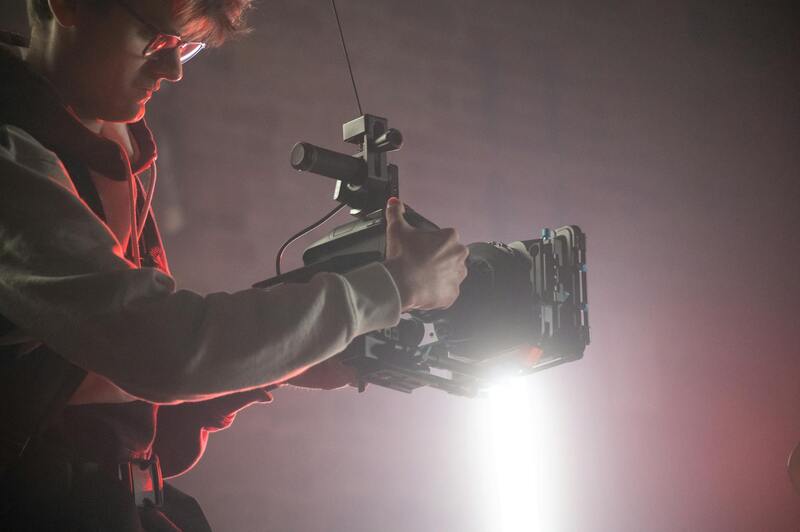
Employing professional live stream event services not only elevates the event experience but also facilitates broader engagement through social media integration, chat features, and multi-platform distribution. This ensures that your event remains impactful, memorable, and accessible to all, wherever participants are located.
Types of Events Suitable for Live Streaming
- Corporate Conferences and Seminars
- Music and Cultural Festivals
- Business Launches and Product Demos
- Educational Workshops and Lectures
- Religious Services and Community Gatherings
- Sports Events and Competitions
- Nonprofit Fundraisers and Campaign Events
- Trade Shows and Exhibitions
Every event type benefits from the strategic application of live streaming, enabling organizers to extend their reach beyond physical boundaries while maintaining high production standards. Leveraging reliable, professional services ensures that every broadcast maintains clarity, stability, and engagement, enhancing the overall success of the event.
Key Features of Professional Live Streaming
When engaging with a live stream event service provider, several essential features distinguish high-quality broadcasts from basic transmissions. These features are designed to optimize viewer engagement, ensure technical reliability, and deliver a seamless viewing experience. Understanding these core aspects helps organizers select the right partner to meet their specific needs.
- Multi-Platform Compatibility: Ensuring broadcasts are accessible across various devices such as desktops, tablets, and smartphones. Advanced streaming solutions support multiple platforms simultaneously, including social media channels, dedicated websites, and streaming platforms, broadening audience reach.
- High-Definition Video and Audio: Delivering crisp image quality and clear sound is paramount. Professional services utilize high-definition cameras, quality microphones, and robust compression algorithms to maintain clarity even in complex environments.
- Real-Time Engagement Tools: Incorporating features such as live chat, polls, and Q&A sessions encourages viewer participation, making the broadcast more interactive and dynamic.
- Multiple Camera Angles and Graphics: Utilizing several cameras allows for varied perspectives, while graphics, lower thirds, and branding overlays enhance presentation professionalism and audience retention.
- Latency Management and Stability: Minimizing delay between the event and live broadcast ensures audience synchronization and engagement. Stable transmission prevents interruptions, buffering, or quality drops during the event.
- Backup and Redundancy: Implementing backup streams and redundant systems guarantees continuous broadcast even if technical issues arise, maintaining consistent viewer experience.
- Post-Event Content Management: Providing recordings, highlight reels, and downloadable content helps extend the event's lifespan and value, enabling further marketing and archival use.
Equipment and Technology Used in Live Streaming
Successful live streaming hinges on the integration of advanced equipment and technology tailored to the scope and scale of the event. Providers leverage modern tools that guarantee clarity, reliability, and flexibility throughout the broadcast process.
- Video Capture Devices: Professional-grade cameras, including PTZ (pan-tilt-zoom) cameras, allow for versatile shots and automated control. In smaller settings, high-definition Camcorders or DSLRs may suffice.
- Audio Equipment: Lavalier microphones, shotgun microphones, and audio mixers ensure clear sound capture from speakers, performers, or live sources.
- Encoding Hardware and Software: Hardware encoders or dedicated software solutions convert high-definition signals into streamable formats in real-time, ensuring minimal latency and optimal quality.
- Network Infrastructure: Robust, high-speed internet connections with dedicated bandwidth minimize interruptions. LAN connections are preferred over Wi-Fi to optimize stability.
- Streaming Platforms and CDN Integration: Connection with multiple Content Delivery Networks (CDNs) supports smooth content delivery across geographic locations, accommodating large viewerships effortlessly.
- Lighting and Stage Equipment: Proper lighting setups and staging equipment ensure visual clarity and professional aesthetics, critical for high-profile streams.
- Monitoring and Control Systems: Real-time monitoring tools oversee stream health, audio levels, and technical parameters, allowing operators to make instant adjustments when needed.
Planning and Executing a Live Stream Event
Achieving a successful live stream demands meticulous planning and coordination. Effective execution starts with defining clear objectives and extends through technical setup, rehearsals, and real-time management. The following stages are critical for a seamless broadcast:
- Pre-Production: This phase involves outlining the event format, developing a detailed production plan, creating a shot list, and deciding on required graphics and overlays. Content rehearsals ensure familiarization with the setup and timing.
- Technical Setup: Setting up cameras, audio systems, lighting, and streaming hardware according to the pre-defined plan. Testing all equipment and connections before the event day minimizes the risk of failure.
- Rehearsals: Conducting dry runs allows the team to identify potential issues, synchronize camera angles, and refine cues for transitions or graphics. This step ensures all technical and creative elements are aligned.
- Go-Live: During the event, technical staff monitors the live feed, manages camera and audio switching, and responds swiftly to any issues. Communication between team members remains vital for smooth operation.
- Post-Event Processing: After the broadcast, editing highlights, extracting clips, and collecting viewer feedback help assess success and identify areas for improvement. Archiving recordings adds value for future use.
Overview of Live Stream Event Services
Live stream event services encompass a comprehensive suite of solutions designed to broadcast events seamlessly over the internet. These services provide organizations, event organizers, and content creators with the tools and expertise necessary to reach audiences globally in real-time. By utilizing advanced broadcasting hardware, software, and robust internet infrastructure, live stream providers ensure high-quality, uninterrupted transmissions that adapt to various event formats and scale.
Effective live streaming combines audio-visual technology, reliable internet connectivity, and professional production techniques. This synergy guarantees a dynamic viewing experience, whether for corporate conferences, entertainment shows, sports competitions, or community events. The meticulous coordination of technicians, content planners, and technical staff plays a vital role in transforming traditional events into engaging digital experiences accessible from any device.
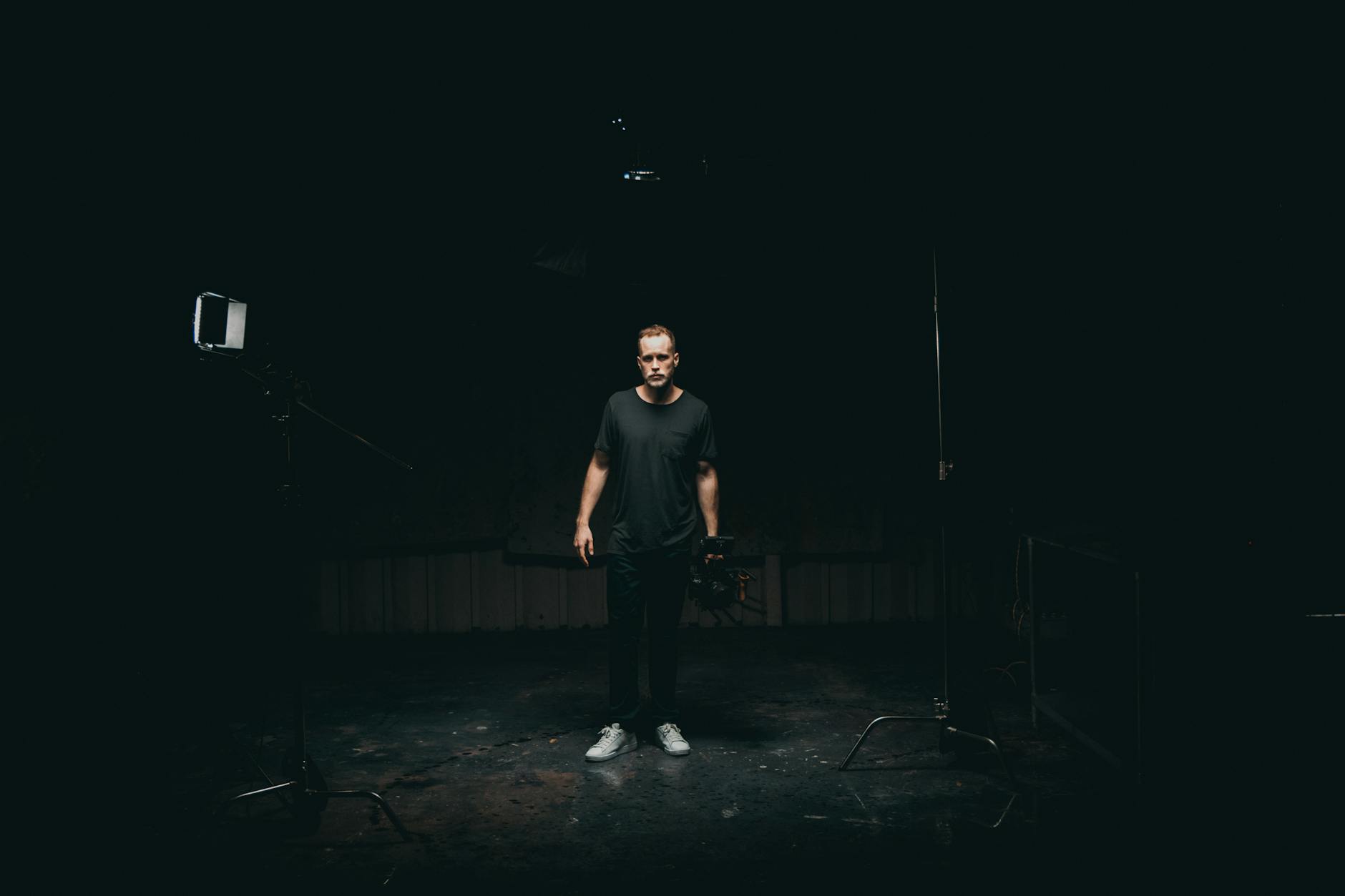
Providers typically offer end-to-end solutions that include pre-event planning, content creation, real-time broadcasting, and post-event analysis. Leveraging scalable technology, these services adapt to the complexity and scope of each event, from small meetings to large-scale festivals. The goal remains consistent: to deliver reliable, high-definition content that meets audience expectations and enhances overall event engagement.
Key Components of Live Stream Event Services
- Technical Infrastructure: High-speed internet, encoders, cameras, and audio equipment ensure crisp audiovisual quality and minimal latency.
- Production Support: Experienced technicians manage switching between camera feeds, graphics overlays, and on-screen annotations in real-time.
- Platform Compatibility: Compatibility with multiple streaming platforms such as YouTube, Facebook Live, and dedicated CDN networks enhances reach and accessibility.
- Interactive Features: Incorporation of live chat, polls, and Q&A sessions improves viewer participation and engagement.
- Content Security: Encryption, access controls, and CDN distribution maintain broadcast safety and prevent unauthorized viewing.
Using these core components, live stream services transform traditional events into vibrant, interactive broadcasts capable of extending their influence well beyond physical venues. Professionals in this field continuously adapt to advances in technology, ensuring that each broadcast meets evolving audience expectations and industry standards.
Image Placeholder
Equipment and Technology Used in Live Streaming
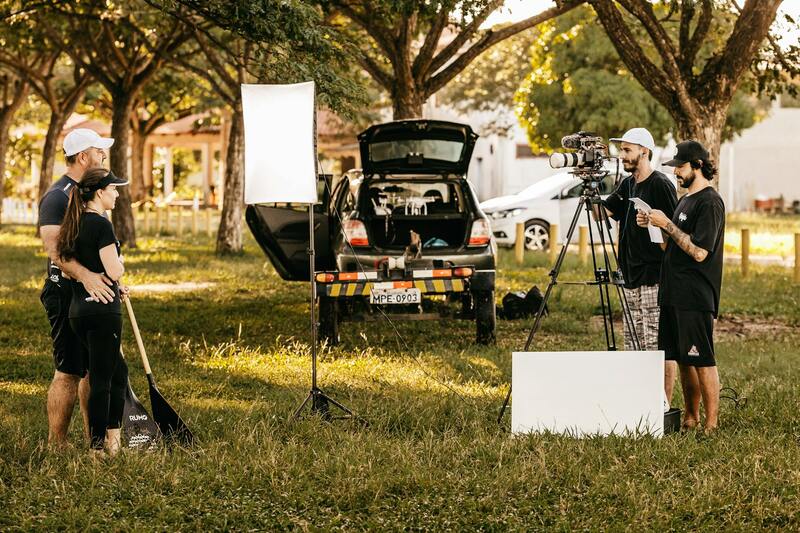
Delivering a seamless live streaming experience hinges on the deployment of advanced technology and equipment designed for high performance and reliability. Professional-grade cameras, for instance, provide crystal-clear visuals with various options for optical zoom and focus adjustments, capturing every moment with precision. High-fidelity microphones and audio mixers are integral to ensure sound clarity, capturing speech, ambient sounds, and music without distortion. Encoders play a crucial role by converting raw audio and video signals into optimized digital streams suitable for internet transmission, supporting multiple formats and resolutions.
In addition, robust streaming platforms and content delivery networks (CDNs) facilitate widespread distribution, minimizing buffering and latency issues. These platforms often include integrated analytics, security features, and compatibility options, making them versatile for diverse event needs. For optimal results, professionals also incorporate auxiliary equipment such as switchers for real-time scene changes, graphics generators for overlays and branding, and backup hardware to ensure uninterrupted broadcast in case of unforeseen technical difficulties.

Equipment and Technology Used in Live Streaming
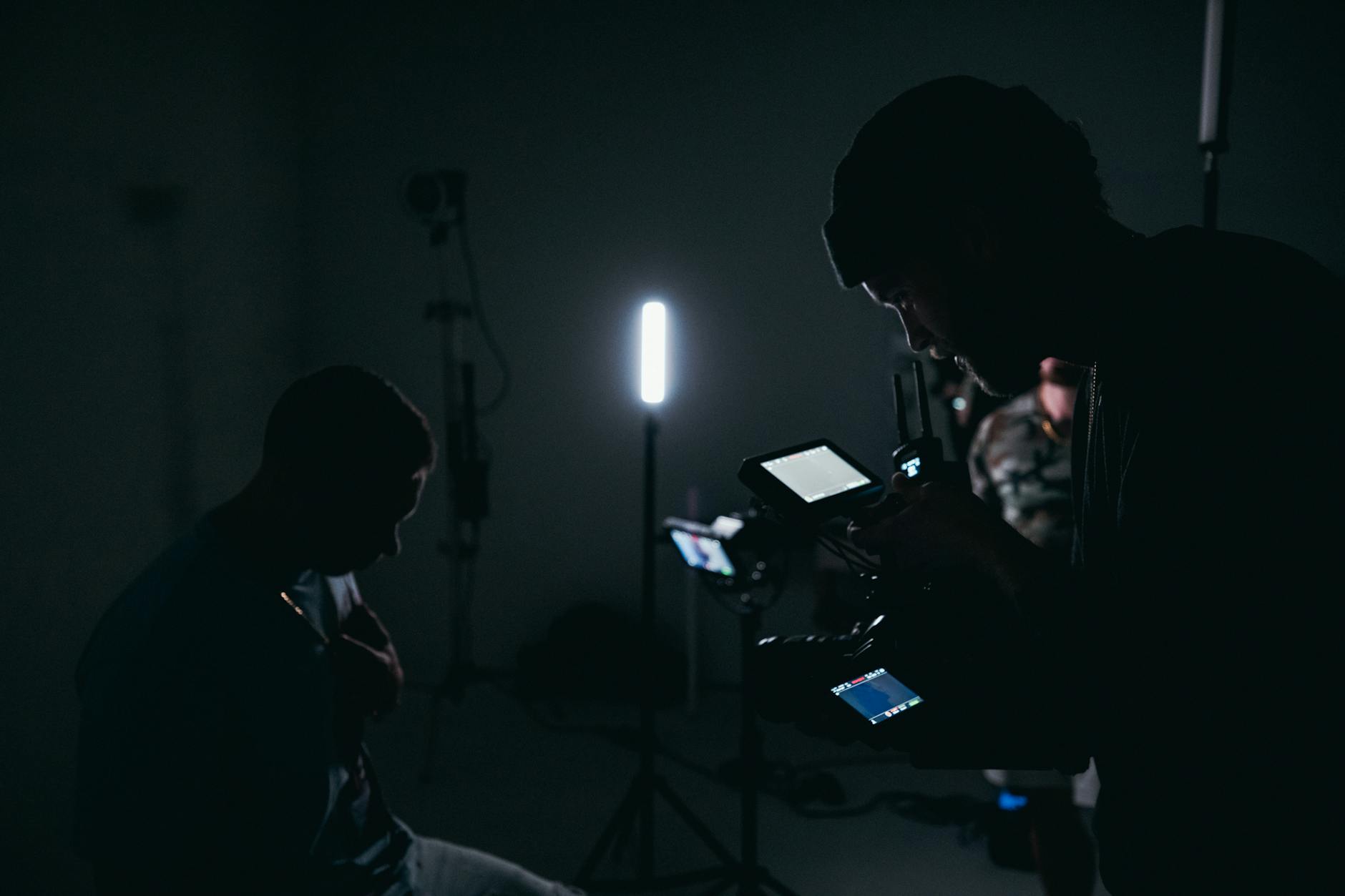
Effective live streaming depends heavily on the sophistication and reliability of the equipment employed. High-quality cameras are central to ensuring crisp, clear video outputs that maintain professional standards. Modern broadcast-grade cameras equipped with 4K resolution capabilities provide detailed imagery, allowing viewers to experience the event as if they were physically present. Additionally, multi-camera setups enable dynamic shot selection, capturing different angles and enhancing viewer engagement through seamless switching during the broadcast.
Encoding hardware plays a critical role by converting video signals into a digital stream that can be transmitted over the internet. Hardware encoders are typically preferred for their stability and ability to handle high data throughput, reducing lag and buffering issues. Software encoders, while more flexible and cost-effective, require robust processing power and a reliable internet connection to match the output quality of hardware solutions.
Switching and mixing equipment, such as live production switchers, allow operators to seamlessly integrate multiple camera feeds and visual effects, creating a dynamic viewing experience. Audio quality must not be overlooked; professional-grade microphones, audio mixers, and sound processing hardware ensure clear, balanced sound, which is vital for audience retention and engagement. Connectivity solutions including bonded cellular networks, fiber optic connections, and high-speed internet ensure uninterrupted streaming, especially in large venues or remote locations where network stability is paramount.
Furthermore, integration of real-time analytics and monitoring tools helps production teams track performance metrics and troubleshoot issues instantly, minimizing disruptions. Virtual reality (VR) and 360-degree camera setups are also emerging as innovative tools to enhance immersion, offering viewers a more interactive and engaging experience. Adoption of these advanced technologies showcases a commitment to delivering high-quality content that stands out in the competitive digital landscape.
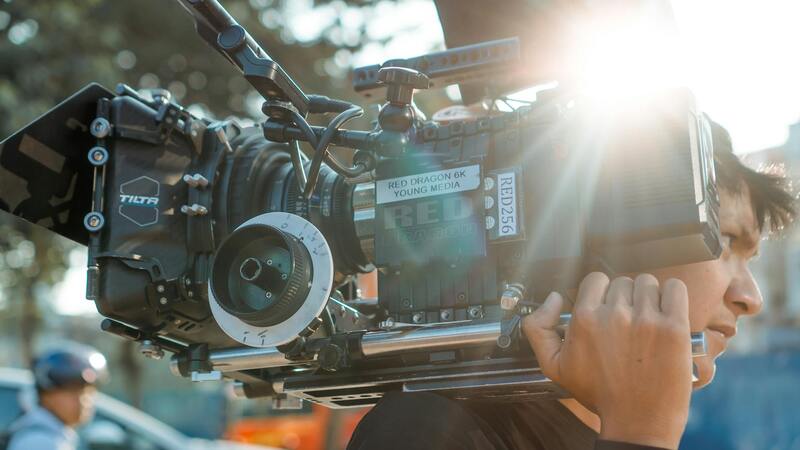
Choosing the right combination of cameras, encoders, audio devices, and connectivity options depends on the event’s scope, expected audience size, and desired quality level. Expert installation and operation are essential to maximize equipment capabilities and ensure a smooth, professional broadcast. As technology continues to evolve, staying informed about emerging innovations allows content creators and event organizers to future-proof their streaming setups, delivering consistently high-caliber live experiences to their audiences.
Overview of Live Stream Event Services
Live stream event services have revolutionized the way organizations, performers, and brands connect with their audiences. These services enable real-time broadcasting of events over the internet, providing a seamless experience that mirrors in-person attendance. Professional live streaming encompasses a comprehensive suite of solutions designed to ensure high-quality video and audio output, robust connectivity, and engaging viewer interaction.
Utilizing state-of-the-art infrastructure and skilled production teams, live stream services coordinate everything from content planning and technical setup to post-event analytics. This integrated approach guarantees that every detail, from camera angles to sound clarity, is optimized for optimal viewing across various devices and platforms. Whether it’s a corporate webinar, a major sports event, or a cultural festival, a dedicated live stream event service elevates the event’s reach and impact, ensuring it resonates with a global audience.
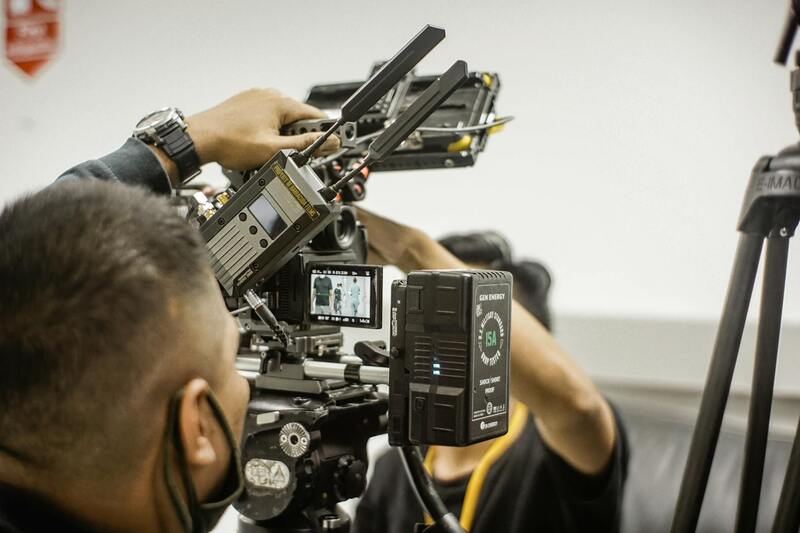
Furthermore, these services offer comprehensive support including content security, multi-platform streaming, and interactive features such as live chat and viewer polls. The integration of real-time analytics allows organizers to monitor viewer engagement and troubleshoot technical issues promptly, enhancing the overall broadcast quality. As digital consumption continues to soar, partnering with experienced providers ensures consistent delivery of captivating live content that maintains the audience's interest and strengthens brand presence.
Types of Events Suitable for Live Streaming
- Conferences and Business Seminars
- Concerts and Cultural Festivals
- Sports Events and Competitions
- Webinars and Educational Workshops
- Charity Events and Fundraisers
- Religious Services and Ceremonies
- Product Launches and Corporate Announcements
Each event type benefits from tailored streaming strategies that prioritize audience engagement, technical reliability, and visual presentation. For instance, conferences often require multiple camera angles and live captioning, while concerts focus on high-definition visuals and immersive audio. Proper planning and execution ensure that every live event maintains a professional standard, captures the intended atmosphere, and reaches the widest possible audience.
Key Features of Professional Live Streaming
Essential components of an effective live stream include high-definition video quality, crystal-clear audio, and seamless connectivity. Advanced encoding technologies work behind the scenes to compress and transmit content efficiently, adapting to varying internet speeds and device capabilities. Additionally, real-time switching between multiple camera angles creates a dynamic viewing experience, capturing different perspectives and details of the event.
Interactive features are vital for audience engagement. Live chat functions, Q&A sessions, and social media integration encourage viewer participation and foster a sense of community. This interactivity not only enhances viewer retention but also provides immediate feedback for event organizers, guiding adjustments to improve ongoing broadcasts.
Security measures such as encrypted streams and access controls protect content from unauthorized distribution. Reliable transmission hardware, backup internet connections, and professional-grade encoders further enhance broadcast stability and quality.
Equipment and Technology Used in Live Streaming
- Professional Cameras (4K and HD options)
- Video Switchers and Slider Systems
- High-Quality Microphones and Audio Mixers
- Encoders and Streaming Hardware
- Reliable Internet Connections (fiber optics, bonded cellular networks)
- Graphics and Overlay Software
- Audience Interaction Platforms
The selection of equipment depends on the event’s requirements, expected audience size, and venue infrastructure. Expert installation and calibration are crucial for maximizing performance. Modern live streaming technology also embraces innovations such as 360-degree cameras, VR integration, and cloud-based streaming platforms to deliver immersive experiences that differentiate brands and captivate viewers.
Cost Considerations and Service Packages
When planning a live streaming event, understanding the cost structure and available service packages is essential for aligning the broadcast with your budget and event objectives. The pricing for live stream services typically varies based on several key factors, including event complexity, anticipated audience size, technical requirements, and the level of customization desired. Standard packages often cover basic streaming services, equipment use, and technical support for straightforward events such as seminars or small conferences.
For more complex events—such as large corporate gatherings, product launches, or multi-camera productions—service providers offer enhanced packages that include advanced video switching, multiple camera angles, professional audio setups, real-time graphics, and interactive features. These high-end packages present a more immersive experience to viewers but naturally come at a higher investment. Additionally, services like on-site filming, pre-production planning, post-event analytics, and social media integration may be bundled into premium packages or offered as add-ons.
Understanding the distinct features of each package can help you select the optimal solution that fits your needs while maintaining budget efficiency. Commonly, service providers present transparent pricing models, often providing customized quotes based on specific event requirements. It's advisable to consult with professionals who can assess your event parameters and recommend tailored solutions that balance quality, reach, and cost-effectiveness.
Additional cost factors include venue logistics—such as space for equipment setup, power supply, and internet connectivity—as well as staffing needs, like technicians and event hosts. Some providers also charge for on-demand editing and post-event content delivery, especially for recorded highlights or promotional materials. Being aware of these elements ensures that there are no surprises during the planning process and that your event will be executed smoothly within your financial parameters.
Overview of Live Stream Event Services
Live stream event services have revolutionized the way organizations, businesses, and individuals connect with audiences. These services provide a seamless platform to broadcast live events across digital channels, ensuring real-time engagement and broad reach. From corporate webinars and product launches to concerts and community gatherings, professional live streaming ensures that your message reaches viewers regardless of their location. By utilizing high-quality audio-visual equipment, robust internet connections, and specialized streaming software, these services deliver high-definition content with minimal latency, creating an engaging experience for viewers. Partnering with experienced providers guarantees a polished presentation that maintains the integrity of your event, prevents technical issues, and enhances viewer interaction.
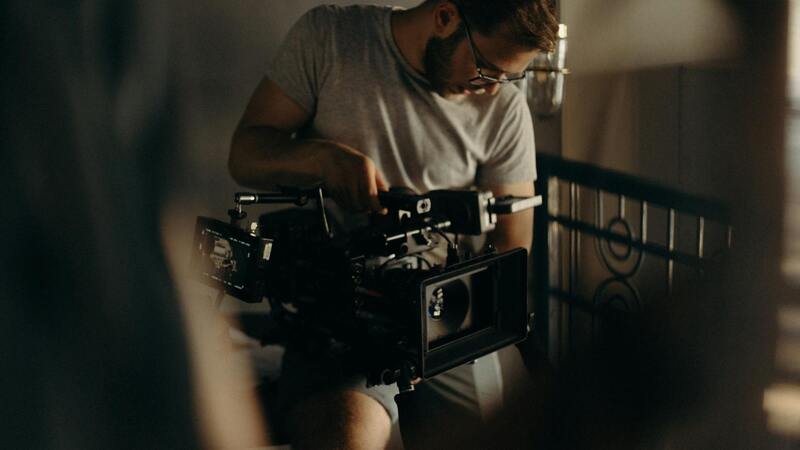
In Miami, the demand for live stream event services continues to grow, driven by the need for accessible virtual participation and expanding digital audiences. Professional providers offer end-to-end solutions, managing everything from pre-event planning and technical setup to live broadcasting and post-event analytics. They ensure the production meets high standards of quality, reliability, and security, providing clients with peace of mind that their event will be broadcast without interruption or compromise. These providers also offer customized solutions tailored to specific event goals and target audiences, integrating branding, interactive features, and multi-platform distribution to maximize impact.
Types of Events Suitable for Live Streaming
- Corporate Meetings and Webinars: Facilitate remote participation for staff, clients, and stakeholders in seminars, shareholder meetings, and training sessions.
- Conferences and Trade Shows: Extend the reach of industry events to global audiences through live broadcasts.
- Product Launches and Demonstrations: Showcase new offerings to a wider audience with engaging, real-time presentations.
- Concerts and Cultural Events: Provide virtual access to performances and exhibitions, increasing accessibility and attendance.
- Educational Workshops and Classes: Enable interactive learning experiences for students and professionals from anywhere.
- Religious Services and Community Gatherings: Connect congregations and community groups with virtual services and events.
Customizable Solutions to Fit Diverse Event Needs
Each event type requires specific technical configurations and interactive features to maximize participation and engagement. Professionals can adapt their services to include live Q&A sessions, polling, chat integration, multiple camera angles, and high-quality audio enhancements, ensuring that virtual attendees experience the event as dynamically as in-person audiences.
Key Features of Professional Live Streaming
- High-Resolution Video: Deliver crisp, clear visuals through 4K or HD streaming options tailored to your event’s requirements.
- Multiple Camera Angles: Create a dynamic viewing experience with different perspectives, seamlessly switching between shots during the broadcast.
- Professional Audio Equipment: Ensure clear sound quality using high-end microphones, audio mixers, and soundproofing techniques.
- Real-Time Graphics and Overlays: Enhance visual appeal with branded graphics, live captions, and interactive elements.
- Engagement Features: Incorporate live chat, polls, and Q&A sessions to foster audience interaction.
- Secure Streaming Platforms: Protect your content with encrypted streams and access controls, managing who can view the event.
- Multi-Platform Distribution: Broadcast simultaneously across various channels such as social media, websites, and dedicated apps to maximize reach.
Equipment and Technology Used in Live Streaming
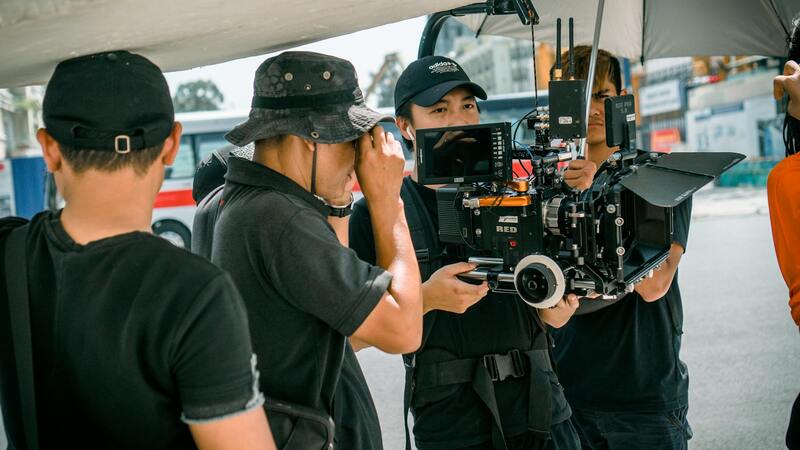
Effective live streaming relies on a combination of advanced hardware and robust software solutions. This includes high-definition cameras capable of capturing detailed images from multiple angles, professional-grade microphones to ensure pristine audio, and dedicated streaming encoders that convert feed signals into online-compatible formats. Additionally, reliable internet connectivity, often with backup solutions, is critical to prevent interruptions. Production control units manage camera switching, overlays, and graphics, while transmission servers handle the distribution across multiple platforms. Livestreams are often managed through platforms like dedicated streaming services or custom deployment via private CDNs, allowing for scalable, high-quality broadcasting that caters to various audience sizes and technical needs.
Planning and Executing a Live Stream Event
- Define Objectives and Audience: Establish clear goals for the event and identify your target viewers to tailor the content and distribution strategy accordingly.
- Create a Detailed Plan: Develop a comprehensive timeline covering pre-production, setup, rehearsals, the live broadcast, and post-event follow-up.
- Technical Setup and Testing: Conduct pre-event tests to ensure all equipment functions correctly, internet stability, and audio-visual synchronization.
- Content Preparation: Prepare scripts, presentation visuals, and any interactive elements or media that will be integrated during the broadcast.
- Rehearsals: Run full rehearsals with the technical team and presenters to troubleshoot potential issues and fine-tune the production process.
- Live Execution: Monitor the broadcast continuously, adjusting camera shots, managing overlays, and engaging viewers in real-time.
- Post-Event Activities: Analyze viewership data, gather feedback, and provide recorded content or highlights for ongoing engagement.
Benefits of Hiring a Miami Production Agency for Live Streaming
Partnering with a specialized production agency in Miami ensures professional-level quality and technical expertise, critical for successful live streaming. These agencies bring extensive experience in handling diverse event formats, scalable solutions, and advanced equipment to deliver seamless broadcasts. They manage everything from technical setup and live directing to content management and post-production. This approach reduces the risk of technical failures, enhances the visual and audio quality, and ensures viewers have a consistent, engaging experience. Additionally, local agencies have a deep understanding of the regional market, allowing for tailored solutions that maximize local outreach and engagement. Their expertise extends to integrating interactive features, optimizing multimedia content, and managing multiple distribution channels effectively.
Cost Considerations and Service Packages
Live streaming costs vary depending on the complexity of the event, equipment requirements, and the scope of services provided. Basic packages may include camera operation, streaming setup, and distribution across a single platform, suitable for smaller events with straightforward needs. Premium packages offer high-end production features such as multiple cameras, custom graphics, interactive components, and multi-platform streaming, ideal for larger or more sophisticated events. Service providers typically offer customizable quotes based on your specific event parameters, ensuring transparency in pricing. Key factors influencing cost include venue logistics (space, power, internet), staffing needs (technicians, hosts), and post-event production or content delivery. Exploring different package options and discussing your objectives with providers can help optimize investment and achieve your desired event outcomes while maintaining adherence to budget constraints.
Future Trends in Live Streaming Services
Emerging technologies are shaping the future of live streaming by providing more immersive and interactive experiences. Advances such as 4K and 8K streaming will deliver even higher visual fidelity, enriching viewer engagement. Interactive features like augmented reality overlays, real-time polls, and virtual participation are increasingly being integrated to make virtual events more participatory. Enhanced social media integrations enable broadcasters to reach target audiences directly through platforms they already use, increasing accessibility and engagement. Additionally, the development of AI-driven analytics will provide deeper insights into viewer behavior, allowing event organizers to refine content and marketing strategies continually. As technology evolves, the emphasis on user experience and interactive capabilities in live streaming will become even more prominent, ensuring that virtual events remain compelling and impactful across various industries and event types.