
Overview of Livestreaming Production
Livestreaming production has become an essential element for a diverse range of events, marketing initiatives, and corporate communications across Miami’s vibrant media landscape. As digital consumption continues to surge, organizations in Miami strategically leverage live broadcasting to reach wider audiences, enhance brand visibility, and foster real-time engagement. This technology enables viewers to experience conferences, product launches, performances, and internal corporate updates as they happen, bridging the gap between physical and virtual participation.
The increasing reliance on live streaming reflects a broader shift in content delivery—favoring immediacy, authenticity, and interaction. Businesses utilize professionally produced livestreams to not only broadcast key moments but also to create immersive experiences that resonate with their target audiences. Whether it’s a high-profile corporate event, a music festival, or an educational seminar, the quality of the livestreaming production influences viewer engagement and overall perception.
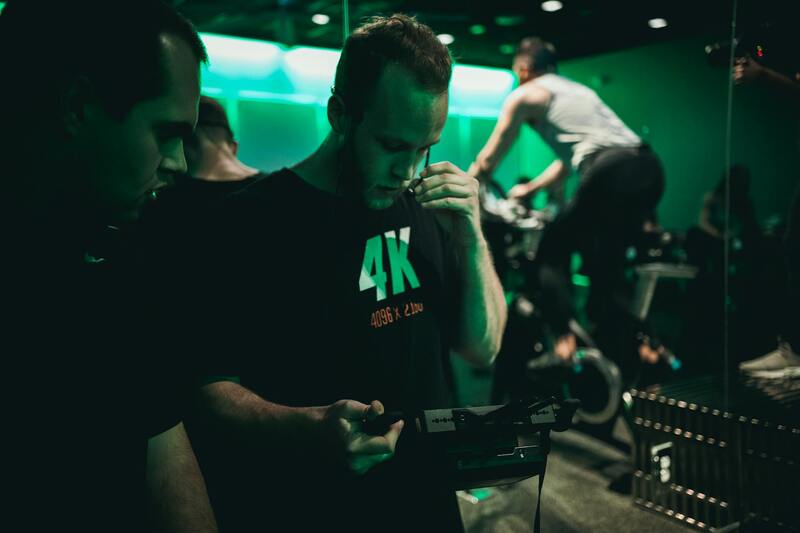
In Miami, a city renowned for its dynamic entertainment, business innovation, and cultural diversity, livestreaming production combines cutting-edge technology with creative storytelling. Professionals in this field not only ensure seamless broadcast delivery but also craft compelling visual narratives that align with clients' branding and messaging strategies. This approach helps organizations stand out in a crowded digital environment, cultivating loyalty and expanding their influence within local and global markets.
Given the importance of professionalism and technical expertise in livestreaming production, partnering with experienced providers is crucial. These specialists manage everything from pre-event planning and on-site setup to post-broadcast analysis—ensuring a smooth, reliable, and visually engaging live stream experience. As Miami continues to grow as a media hub, the demand for expert livestreaming production services remains strong, driven by a need for high-quality content that delivers measurable results.
Key Components of Livestreaming Production
Effective livestreaming production hinges on the integration of several critical components that work together to deliver a seamless and engaging broadcast. At the foundation are high-definition cameras capable of capturing clear, professional-quality visuals from multiple angles, ensuring dynamic coverage of the event. These cameras should be accompanied by robust audio equipment, including lavalier microphones, shotgun mics, and sound mixers, to deliver crisp and clear sound, minimizing background noise and ensuring audience understanding.
Lighting is another vital element, with professional-grade setups designed to enhance visibility and highlight key moments without causing glare or unwanted shadows. Proper lighting creates a visually appealing environment that maintains consistency, even in varying ambient conditions.
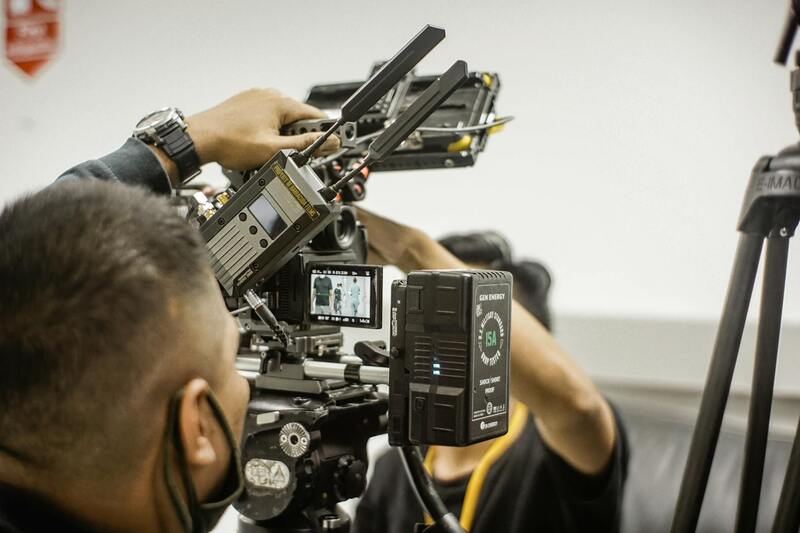
In addition to visual and audio components, streaming hardware such as encoders, switches, and routers are necessary to facilitate real-time data transmission. Encoders convert high-quality video signals into streamable formats, while switches enable seamless management of multiple camera feeds. Reliable internet connectivity, often supported by dedicated or bonded internet solutions, ensures uninterrupted streaming without buffering or dropouts.
Supplementary tools, including video switchers, graphics generators, and live scoreboards, contribute to a polished final product that can include overlays, annotations, or branding elements to enhance viewer engagement. The integration of these components must be meticulously planned and executed, often by experienced production teams, to guarantee that the final livestream achieves the desired quality standards.
Furthermore, backup systems for critical equipment, redundant internet connections, and real-time monitoring tools are incorporated into the production setup, addressing potential technical issues proactively. The combination of advanced hardware, strategic planning, and skilled operation underpins the success of professional livestreaming initiatives, particularly in fast-paced environments like Miami’s vibrant event scene.
Effective Use of Multiple Transmission Channels and Ensuring Optimal Stream Performance
In the arena of livestreaming production, utilizing multiple transmission channels significantly enhances the reliability and quality of the broadcast, especially within dynamic environments such as Miami’s vibrant event landscape. This approach involves deploying primary and secondary internet connections—such as fiber optics and bonded cellular networks—to create redundant pathways for data transmission. Such redundancy minimizes the risk of stream interruption caused by network fluctuations or outages. The integration of load balancing devices ensures that the stream seamlessly switches between these channels without noticeable latency or buffering, providing a smooth viewing experience for audiences regardless of unforeseen network issues.
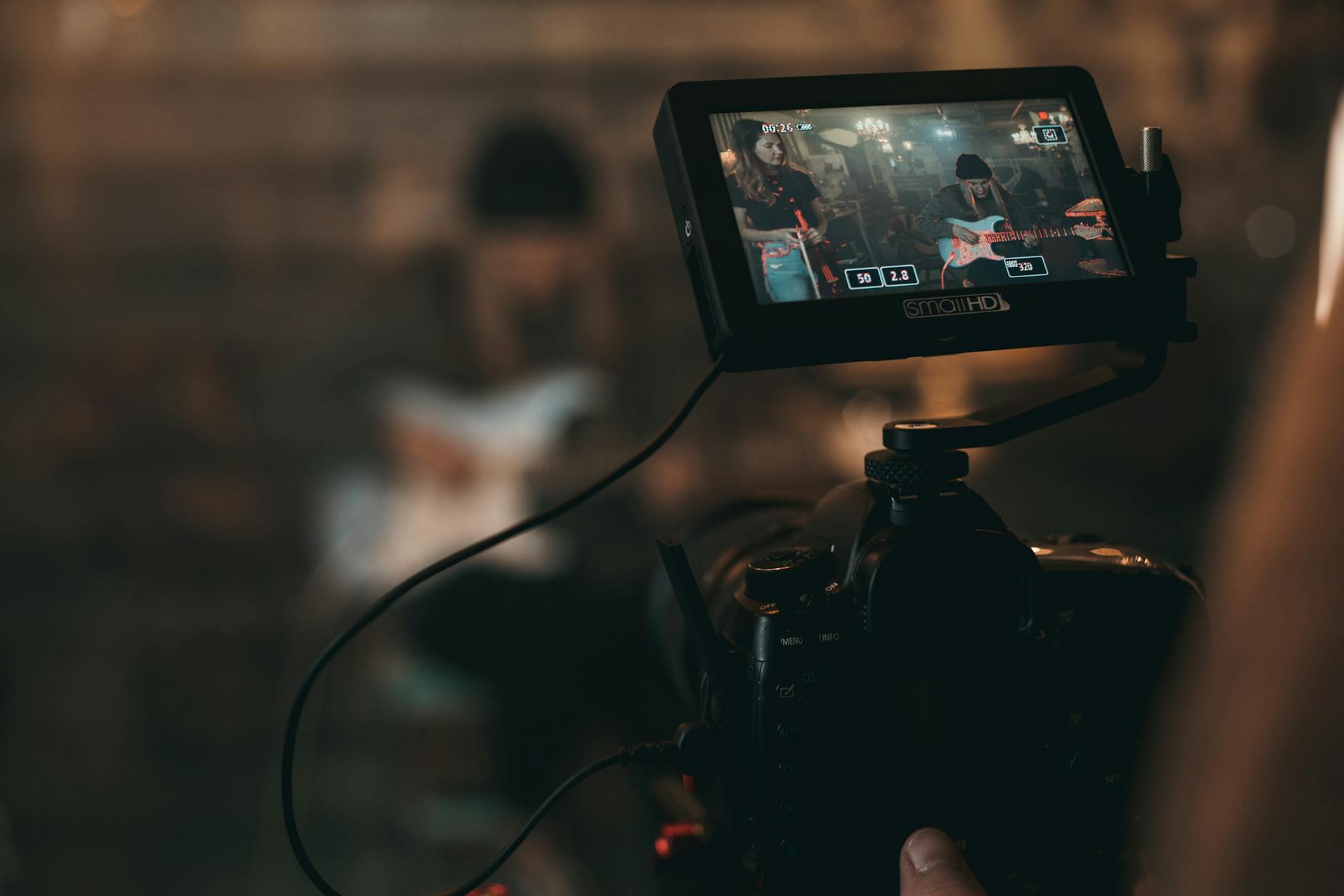
Beyond internet redundancy, implementing edge servers and content delivery networks (CDNs) closer to the target audience optimizes delivery speed and reduces latency. These technologies distribute the streaming content across multiple nodes, ensuring viewers experience minimal buffering even during peak traffic periods. Advanced encoding strategies, including adaptive bitrate streaming, dynamically adjust video quality based on viewer bandwidth, maintaining clarity without sacrificing stability.
Technical optimization extends to configuring streaming platforms appropriately. Selecting platforms with low-latency features, robust security protocols, and scalable infrastructure supports a professional presentation. High-performance encoders, properly configured for the chosen streaming platform, are critical, as they influence both the video quality and the stability of the transmission process. Regular network assessments and real-time monitoring tools are essential components that enable operators to identify and address performance issues instantly, safeguarding the integrity of the livestreaming process.
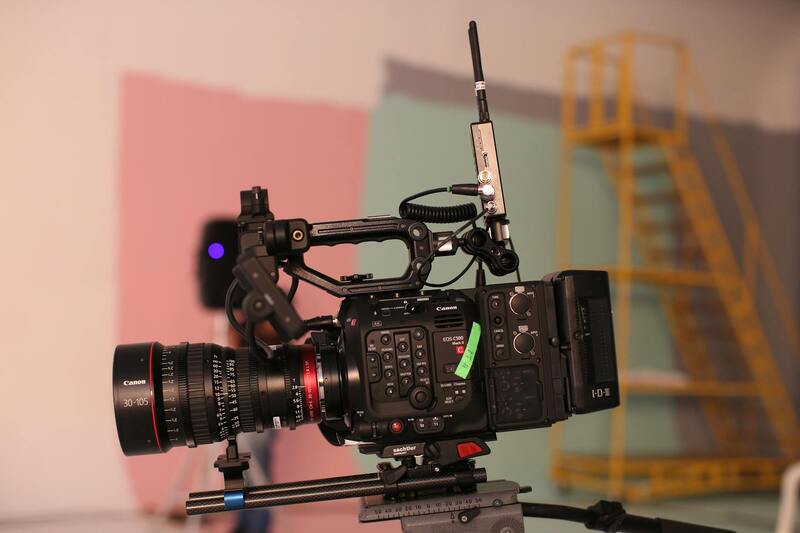
The deployment of these methods requires a strategic approach, combining thorough site assessments, precise technical setups, and skilled operational oversight. This comprehensive process ensures that livestreams conducted during Miami’s high-profile events, such as conferences, music festivals, or cultural celebrations, meet the highest standards of quality and reliability. Combining cutting-edge hardware, strategic planning, and proactive troubleshooting creates a resilient broadcast environment that supports live engagement and maximizes audience reach.
Production Workflow and On-Site Setup
Executing a seamless livestream requires meticulous planning and precise execution of on-site technical setups. The foundation of a successful live broadcast lies in the strategic placement of equipment to capture the event from multiple angles, ensuring comprehensive coverage and engaging visuals. Camera placements should be determined based on event scale, audience size, and focal points, with professional-grade cameras positioned to minimize obstructions and optimize framing.

Audio systems play a pivotal role in livestream quality, necessitating the use of advanced mixers and multiple microphones to pick up ambient sounds, speeches, and performances clearly. Sound checks and calibrations are executed prior to the event to balance levels and reduce noise interference, ensuring viewers experience crisp, distortion-free audio.
Lighting configurations should be tailored to enhance visibility and prevent shadows or overexposure, especially during multi-camera shoots or indoor settings. The deployment of professional lighting equipment, such as LED panels and spotlights, allows technicians to adapt to varying ambient conditions and achieve consistent visual quality throughout the event.
Robust internet connectivity is the backbone of smooth livestreaming. Dedicated fiber-optic lines or high-speed wireless solutions are preferred to accommodate the high bandwidth demands of live video transmission. Redundant internet sources should be established to provide failover options in case of connectivity issues, maintaining uninterrupted broadcast quality.
On-site technicians are responsible for managing and adjusting these systems in real time, utilizing monitoring tools that track video and audio signals, network performance, and equipment status. This proactive oversight mitigates potential issues, preserves broadcast integrity, and delivers a polished live experience to viewers across Miami and beyond.
Coordination and Communication
Effective communication channels among camera operators, audio engineers, lighting technicians, and remote producers are crucial for synchronized operation. Utilizing intercom systems, real-time chat platforms, and coordinated checklists ensures all team members are aligned throughout the event, facilitating swift responses to any technical adjustments or unforeseen challenges.
Pre-event rehearsals are critical to evaluate setup configurations, test connectivity, and refine live cues. These simulations help identify potential bottlenecks and allow the technical team to streamline procedures for the actual broadcast, ultimately delivering a cohesive and high-quality livestream.
Encoding, Streaming Platforms, and Optimization
Effective encoding methods are essential for delivering high-quality live streams that are both visually impressive and technically reliable. Video encoders compress raw footage into formats suitable for internet transmission, balancing file size with visual fidelity. Hardware encoders are often preferred for their dedicated processing capabilities, providing consistent performance, whereas software encoders offer flexibility and ease of updates. Selecting the right encoder depends on the event's scale, available infrastructure, and specific quality requirements.
Once the video is encoded, choosing an appropriate streaming platform ensures the content reaches the target audience seamlessly. Popular options include dedicated enterprise-grade solutions as well as platforms that cater to broader audiences. These platforms offer features like adaptive bitrate streaming, which adjusts video quality based on viewers' internet speed, ensuring a buffer-free experience across different devices and network conditions.
Optimization tactics are crucial for maintaining stream stability and high visual standards. Proper bitrate settings should align with the available bandwidth, avoiding excessive compression that degrades image quality or insufficient compression that causes buffering. Content delivery networks (CDNs) distribute the stream across multiple servers to minimize latency and reduce load on a single source, resulting in smoother delivery. Additionally, real-time monitoring tools should be employed during broadcasts to detect and resolve issues promptly, such as network congestion or encoder errors.
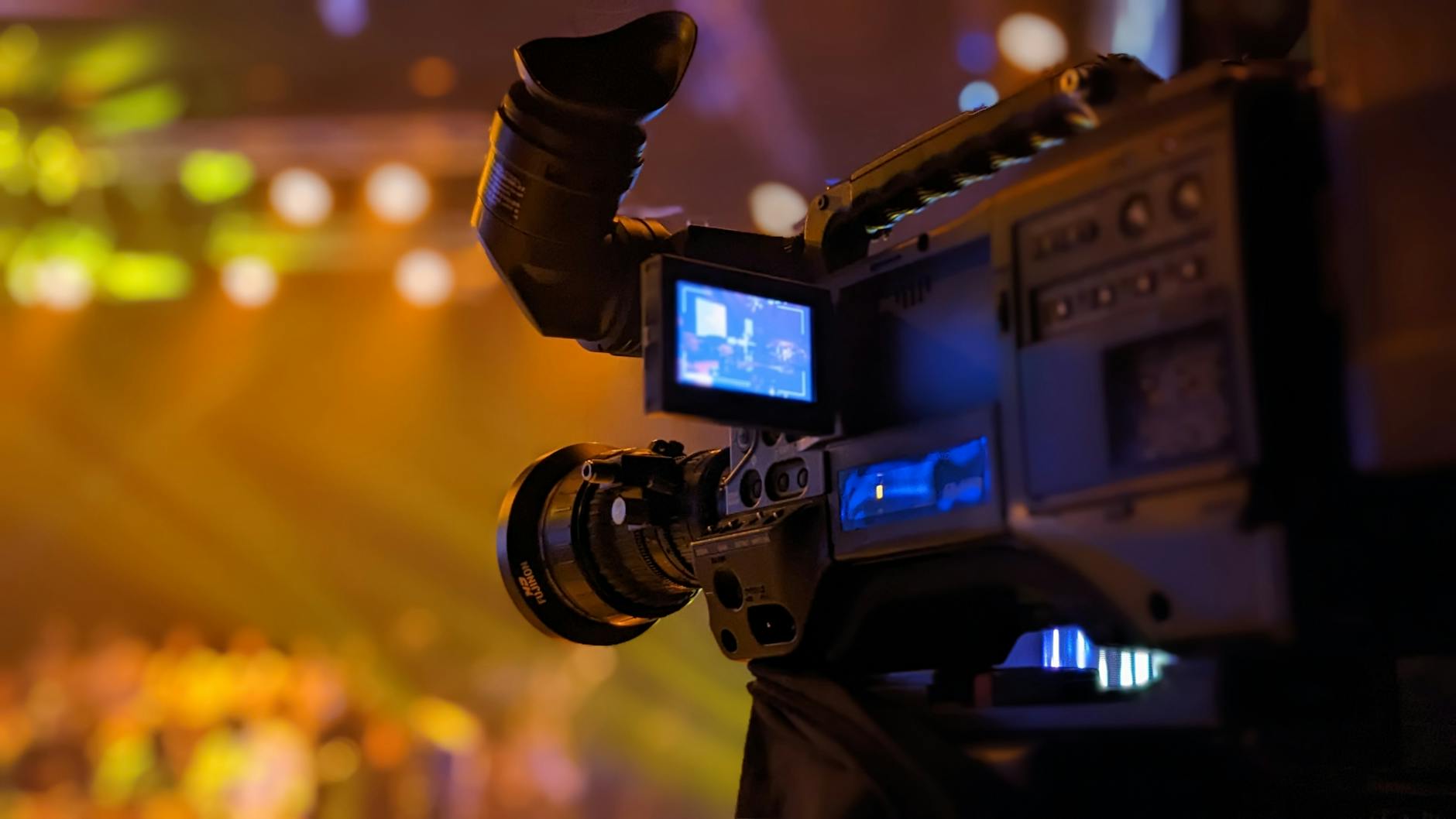
Adaptive streaming technology adapts the video quality dynamically, providing viewers with the best possible experience regardless of their connection speed. It is also vital to pre-test the entire streaming setup under conditions that mimic actual event circumstances, including bandwidth simulations and device diversity testing. This foresight ensures all components—from encoding settings to CDN configurations—are finely tuned, reducing the risk of disruptions and delivering professional-grade live content to audiences in Miami and beyond.
Technical Challenges and Troubleshooting in Livestreaming Production
Executing a professional livestream involves navigating a variety of technical challenges that can impact the quality and reliability of the broadcast. Understanding common issues and their solutions is essential for maintaining a seamless experience for viewers and ensuring the integrity of the content delivered.
Common Technical Challenges
- Network Instability: Fluctuations in bandwidth can disrupt the stream, causing buffering or loss of video. This issue is particularly prevalent in areas with inconsistent internet connections.
- Encoder Failures: Hardware or software encoder crashes can halt the broadcast unexpectedly. Encoder misconfigurations can also lead to poor image quality or synchronization problems.
- Hardware Malfunctions: Issues with cameras, microphones, or associated peripherals can degrade audiovisual quality or cause technical interruptions.
- Content Latency: Delays between the live event and its broadcast may result from poorly optimized encoding or network bottlenecks, adversely affecting real-time engagement.
- Platform-Specific Errors: Certain platforms might impose restrictions or experience outages, affecting stream visibility or access.
Practical Troubleshooting Strategies
- Pre-Broadcast Testing: Conduct comprehensive tests under conditions mimicking the live environment. Examine all hardware, software, and network parameters to identify potential issues beforehand.
- Redundancy Systems: Implement backup encoders and additional internet connections. Failover configurations ensure the stream continues smoothly if primary systems encounter problems.
- Network Optimization: Prioritize streaming traffic within your local network, utilize wired connections over Wi-Fi, and coordinate with internet service providers for bandwidth guarantees during critical moments.
- Regular Equipment Maintenance: Schedule routine inspections and updates for all hardware components, including cameras, microphones, and encoders, to minimize unexpected failures.
- Monitoring Tools: Leverage real-time analytics to track stream health. Tools that monitor bitrates, latency, and error reports enable rapid response to issues.
- Stream Archiving and Backup: Record the live event locally as a backup, ensuring content preservation in the event of streaming disruptions.
Implementing a Robust Troubleshooting Protocol
Having clear troubleshooting procedures facilitates swift action when issues arise. This includes outlining steps for identifying errors, assigning responsible personnel, and having ready-to-deploy solutions such as switching to backup equipment or resetting network devices. Communication protocols should also be established to keep all team members informed during technical difficulties, minimizing delays and maintaining a professional standard throughout the broadcast.
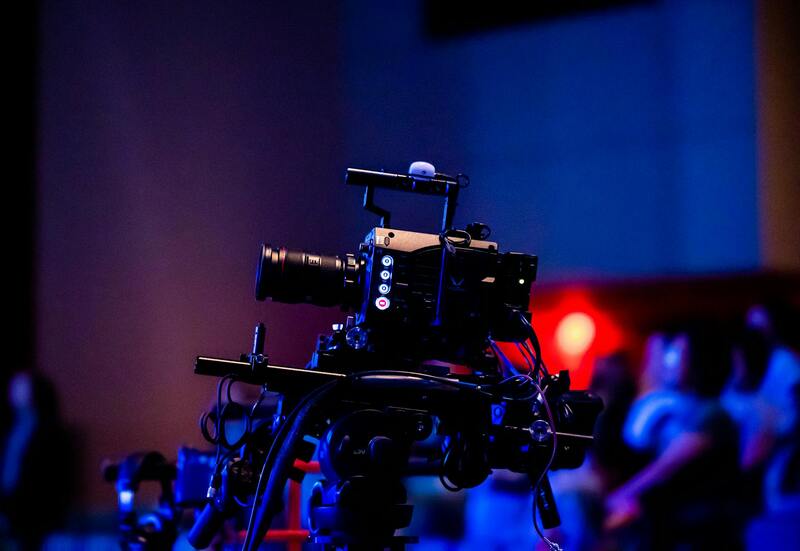
Technical Challenges and Troubleshooting in Livestreaming Production
Despite meticulous planning and robust infrastructure, technical issues may still arise during a livestream. Anticipating potential problems and implementing systematic troubleshooting procedures are essential for ensuring uninterrupted content delivery. Common challenges include signal interruptions, hardware malfunctions, and encoding errors. Addressing these swiftly requires a comprehensive understanding of the livestreaming workflow and the ability to adapt quickly to unforeseen circumstances.
Identifying Common Technical Issues
- Signal Loss or Degradation: Interruptions caused by unstable internet connections or hardware failures can lead to buffering or disconnections. Monitoring tools should alert the team immediately if bitrate drops significantly or if latency spikes.
- Hardware Failures: Malfunctioning cameras, microphones, or encoders can disrupt the quality or continuity of the stream. Regular maintenance and pre-event testing are vital to minimize such occurrences.
- Encoding Errors: Incorrect configuration of encoding settings can result in poor video quality, synchronization issues, or stream crashes. Continuous calibration and adherence to platform recommendations help avoid these issues.
- Audio/Video Sync Issues: Discrepancies between audio and video streams can diminish viewer experience. Troubleshooting entails verifying input sources and adjusting synchronization settings.
Implementing Troubleshooting Protocols
The cornerstone of effective livestream management lies in having clear troubleshooting protocols. These should include definitive steps for diagnosing issues, such as:
- Confirming network stability and bandwidth availability.
- Checking the status of all connected hardware components.
- Verifying encoder configurations and software updates.
- Switching to backup equipment when necessary.
- Resetting or reconfiguring network devices in case of persistent connectivity problems.
Designating roles within the production team can streamline problem resolution. For instance, a dedicated technical operator might focus solely on monitoring stream health, while a backup operator is prepared to switch hardware components or reroute feeds at a moment’s notice.
Maintaining Communication During Technical Difficulties
Efficient communication is crucial when troubleshooting technical issues. Establishing a protocol for internal updates ensures all team members are informed of current statuses and actions being taken. Simultaneously, transparent communication with clients or stakeholders is vital to manage expectations, especially if issues impact live broadcast segments.
Preventative Measures to Minimize Disruptions
- Redundancy Systems: Use backup encoders, multiple internet sources, and redundant power supplies to prevent complete failure.
- Network Optimization: Prioritize live streaming data on local networks, avoid heavy bandwidth usage during critical streaming windows, and secure dedicated connections with service providers.
- Regular Equipment Maintenance: Schedule routine inspections, updates, and testing to ensure all hardware operates correctly before the event.
- Training and Simulations: Conduct dry runs and training sessions to familiarize technicians with troubleshooting procedures and establish confidence in handling issues swiftly.
- Real-Time Monitoring: Deploy analytics tools that track stream quality metrics, providing early warning signs of potential problems and enabling proactive responses.
Documentation for Continuous Improvement
Documenting issues and resolutions helps refine troubleshooting protocols over time. Maintaining logs of incidents and corrective actions provides valuable insights into recurring problems and system vulnerabilities. This systematic approach fosters ongoing improvements in live production workflows and enhances overall stream reliability.
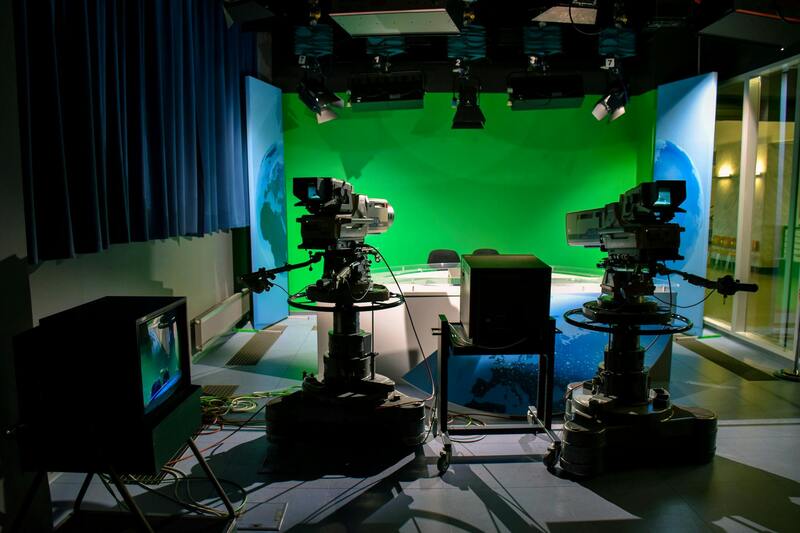
Post-Production and Content Republishing
After the live broadcast concludes, the focus shifts to post-production that ensures the content reaches a wider audience and maintains its impact. This phase involves editing, enhancing, and organizing the recorded footage for various distribution channels. High-quality editing includes trimming unnecessary segments, adding graphics or overlays, integrating branding elements, and correcting color or sound issues that may have arisen during the live event. Consistent branding and clear messaging are crucial to reinforcing the event’s objectives and audience engagement.
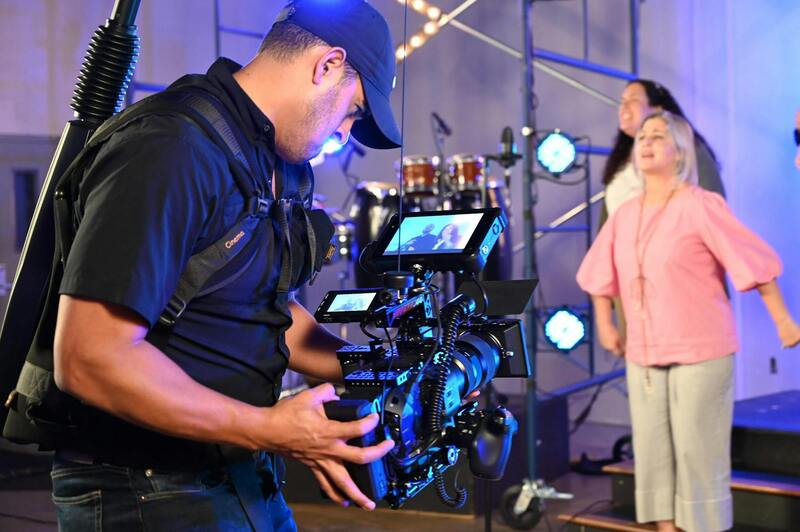
For content republishing, it is essential to prepare multiple formats optimized for different platforms—such as social media, YouTube, or corporate websites. This includes creating shorter clips for promotional purposes, highlights of key moments, or full recordings for on-demand viewing. Metadata, such as titles, descriptions, tags, and timestamps, should be meticulously crafted to improve search engine visibility and accessibility across digital spaces.
Additionally, implementing a robust content management system (CMS) streamlines the process of uploading and categorizing video assets. When the republished videos are optimized for various devices and bandwidth conditions, audience engagement and retention tend to increase significantly. Effective distribution also involves strategic scheduling to maximize viewership, especially during peak online activity times.
Measuring the performance of republished content is another critical step. Analytics tools can provide insights into viewership statistics, engagement rates, and viewer demographics. These metrics inform future livestreaming strategies, highlighting what worked well and identifying areas for improvement. Regularly updating content with captions, transcriptions, and subtitles enhances accessibility and comprehension, further broadening the potential audience base.
Proper post-event workflows ensure that valuable footage is not underutilized. This includes creating a repository of high-quality video assets, producing supplementary content such as behind-the-scenes clips, and generating promotional materials based on the event highlights. Such practices extend the lifespan of the livestreaming investment and foster continued engagement with the target audience.