
Overview of Live Webcasting Services in Miami
In the vibrant city of Miami, live webcasting services have become an essential tool for reaching broader audiences in real-time. Whether it’s a corporate conference, a cultural festival, or a community event, the ability to broadcast live over the internet ensures that content can be accessed instantly by viewers regardless of their location. This technology leverages high-quality video streaming to deliver seamless experiences, allowing organizers to expand their reach beyond physical attendance and create more engaging, interactive events. Miami’s dynamic media landscape and its reputation as a hub for both entertainment and business make live webcasting a critical component in event planning and execution.
Employing reputable live webcasting services also enhances the professionalism of events, providing a polished presentation that aligns with the high standards expected by audiences and stakeholders. These services facilitate real-time interaction, Q&A sessions, and audience engagement, making live events more participatory and memorable. For businesses, live streaming is an effective marketing and communication tool, helping to showcase products, deliver keynote speeches, or conduct virtual tours. For organizations and cultural institutions, it provides a platform to foster community involvement and cultural exchange on a global scale.
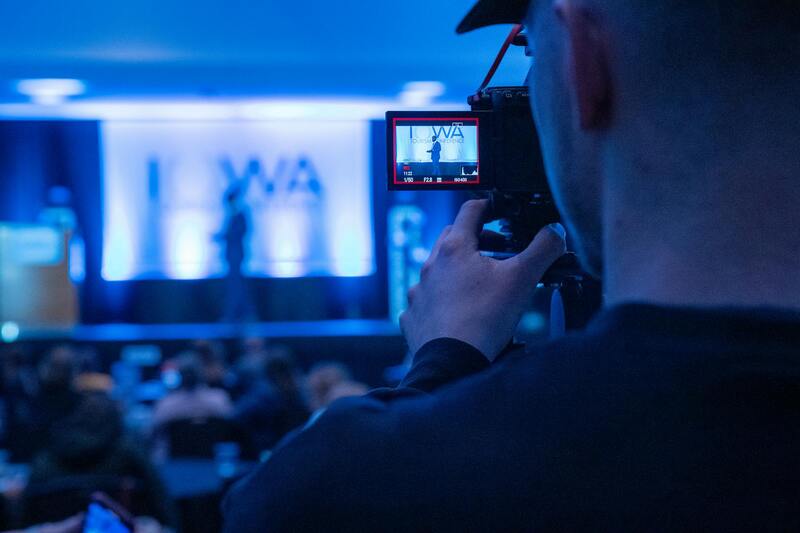
Miami’s diverse population and its position as a global gateway emphasize the importance of professional webcasting solutions. These services help bridge geographical gaps, allowing for inclusive participation and wider dissemination of key messages. As technology advances, the scope of webcasting continues to expand, integrating features such as multi-camera setups, real-time analytics, and interactive chat functions. For event organizers in Miami, selecting a reliable live streaming partner means ensuring their content is delivered smoothly, securely, and with top-tier production quality. The professional webcasting landscape in Miami supports a variety of event formats—from small corporate meetings to large-scale public festivals—making it a vital component in today’s event strategy.
In an era where immediacy and accessibility are paramount, live webcasting services serve as a bridge between physical presence and digital accessibility. They empower creators, companies, and institutions to connect with their audiences authentically and effectively, fostering stronger community ties and expanding their influence. As Miami continues to grow as an international hub, the demand for sophisticated, reliable live streaming solutions will only increase, reshaping how events are experienced and shared across the city and beyond.
Key Features of Professional Webcasting Services
Effective live webcasting services incorporate a range of sophisticated features designed to deliver seamless, high-quality broadcasts suitable for diverse event types. These features are essential to ensure that the online viewing experience is engaging, reliable, and capable of meeting the specific needs of event organizers and their audiences.
- Multi-Camera Production: The integration of multiple cameras allows for dynamic viewing angles, providing a cinematic feel that enhances professionalism. This setup enables the focus on speakers, audience reactions, or detailed close-ups, elevating viewer engagement.
- Real-Time Video Switching: Facilitates professional presentation by switching seamlessly between different camera feeds, graphics, or video sources in real time. This feature ensures a polished broadcast that maintains viewers' interest throughout the event.
- Interactive Chat and Audience Engagement Tools: Engaging viewers during the broadcast fosters community and active participation. Live chat, polls, and Q&A sessions enable direct communication streams between hosts and audiences.
- Stream Security and Privacy Controls: Protecting content from unauthorized access is pivotal. Services often include encryption, password protection, and geo-restriction features, ensuring that the broadcast reaches the intended audience securely.
- High-Definition Streaming Capabilities: Delivering content in HD or 4K resolution guarantees a crisp, clear viewing experience. This is crucial for visual-heavy content like product launches, art exhibitions, or performances.
- Real-Time Analytics and Reporting: Access to live viewership data, viewer engagement statistics, and performance metrics helps organizers assess the event’s impact and refine future strategies.
- Scalable Infrastructure: High-capacity servers and bandwidth management allow the broadcast to support large audiences without buffering or interruptions, accommodating the growing demand in Miami’s vibrant event scene.
- Flexible Platform Compatibility: Compatibility across multiple devices and operating systems ensures viewers can access streams via desktops, laptops, smartphones, or tablets, enhancing accessibility.
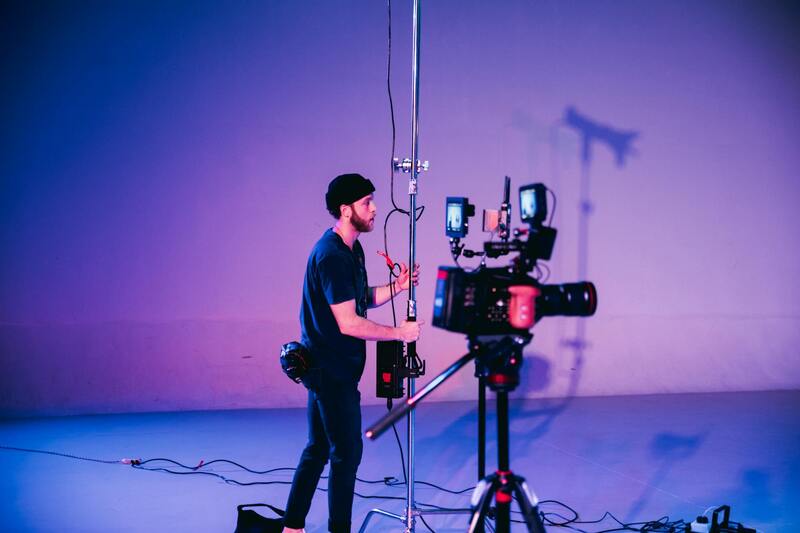 igurecaption> High-quality live streaming setup with professional equipment
Types of Events Suitable for Live Streaming in Miami
Miami’s diverse and dynamic event landscape benefits greatly from professional webcasting solutions. The variety of events that can be effectively broadcast live includes corporate conferences, cultural festivals, sports tournaments, educational seminars, religious gatherings, product launches, and community initiatives.
- Corporate Conferences and Business Meetings: Live streaming extends the reach of corporate events, allowing remote stakeholders, partners, and employees to participate from anywhere in the world seamlessly.
- Music and Art Festivals: Showcasing local talent and international acts to a global audience helps Miami establish itself as a cultural hub, attracting fans and enthusiasts worldwide.
- Sports Events: From local tournaments to major competitions, streaming allows fans to follow their favorite teams in real time, enhancing engagement and viewership.
- Educational Seminars and Workshops: Academic institutions and training organizations can broadcast lectures and workshops to reach students and professionals beyond physical barriers.
- Religious Services and Community Gatherings: Faith organizations and community groups leverage webcasting to maintain connectivity and inclusivity among congregants and members who cannot attend in person.
- Product Launches and Business Expositions: Launch events in the Miami metropolitan area can generate broader exposure and media coverage through live streaming, maximizing impact and customer engagement.
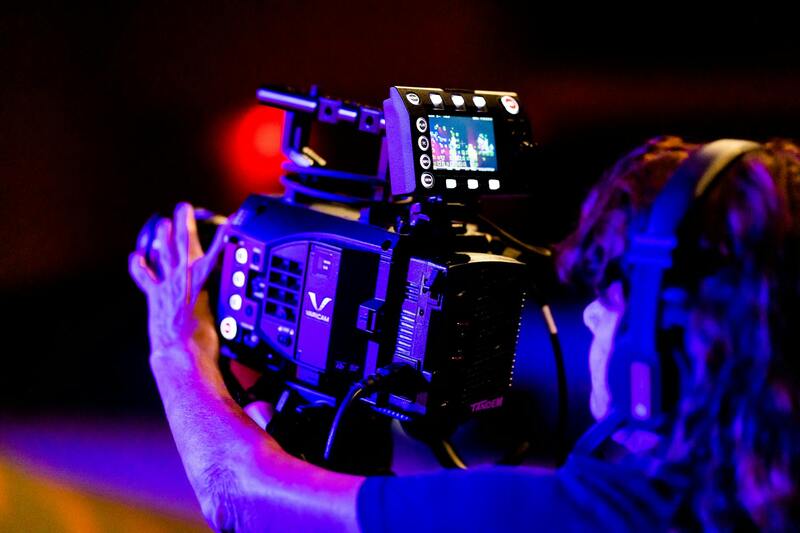
Choosing the right live webcasting service tailored to the specific type of Miami event ensures optimal delivery and audience engagement. Considering event scale, audience location, content type, and interaction level are critical factors in selecting an appropriate provider and technology setup.
Technical Considerations for Successful Webcasting
Executing a live webcasting event in Miami requires meticulous attention to technical details to guarantee a seamless experience for viewers. High-definition video quality forms the backbone of professional webcasting, ensuring content appears crisp, vibrant, and engaging across various devices. Implementing multi-camera setups allows producers to capture different angles, closer shots, and audience reactions, enhancing the overall production value. Reliable audio is equally vital; clarity and balanced sound levels prevent distractions and maintain viewer immersion.
A robust internet connection, typically with dedicated upload bandwidth, is crucial for transmitting high-quality streams without interruption. Network stability reduces latency issues and prevents buffering, which can disengage audiences. Additionally, stream encoding hardware or software should be capable of handling multiple streams simultaneously, especially for larger events with high viewership capacities.
Real-time interaction features, such as live chat, Q&A sessions, polling, or social media integration, foster engagement and create a dynamic viewing environment. These functionalities require compatible platforms and reliable servers to manage incoming data effectively.
Platform compatibility ensures the live stream reaches viewers seamlessly across desktops, tablets, and smartphones. Compatibility with major streaming platforms—such as YouTube Live, Facebook Live, or specialized webcasting solutions—maximizes reach and audience interaction. Encryption and security measures protect streams from unauthorized access, ensuring the content’s integrity and adherence to privacy standards.
Lastly, comprehensive testing before the event starts is paramount. Simulating the webcast, checking audio-visual sync, stream stability, and interaction functionalities helps identify potential issues and correct them proactively, resulting in a professional and error-free live presentation.
Technical Considerations for Successful Webcasting
Implementing a seamless live webcast in Miami requires meticulous attention to technical parameters that influence broadcast quality and reliability. Bandwidth capacity plays a pivotal role; providers must ensure sufficient upload speeds to handle high-definition streams without lag or buffering. For large-scale events, dedicated internet connections with symmetrical bandwidth are recommended to maintain stream stability throughout the broadcast.
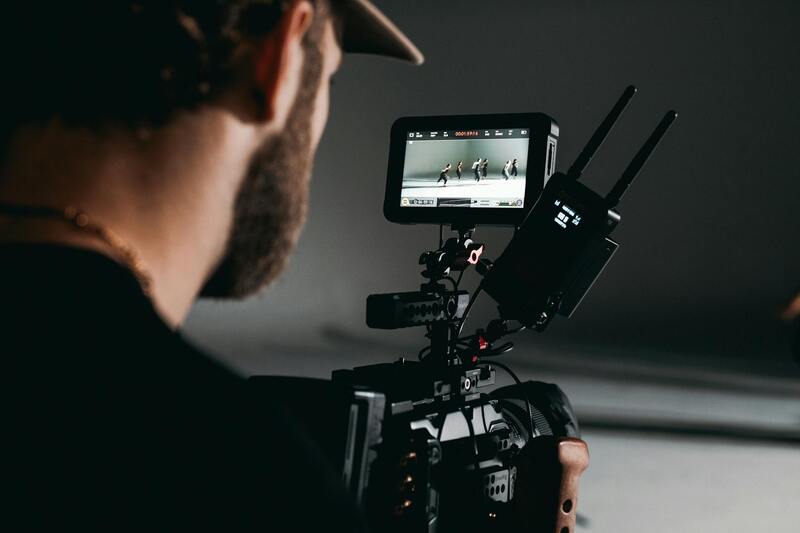
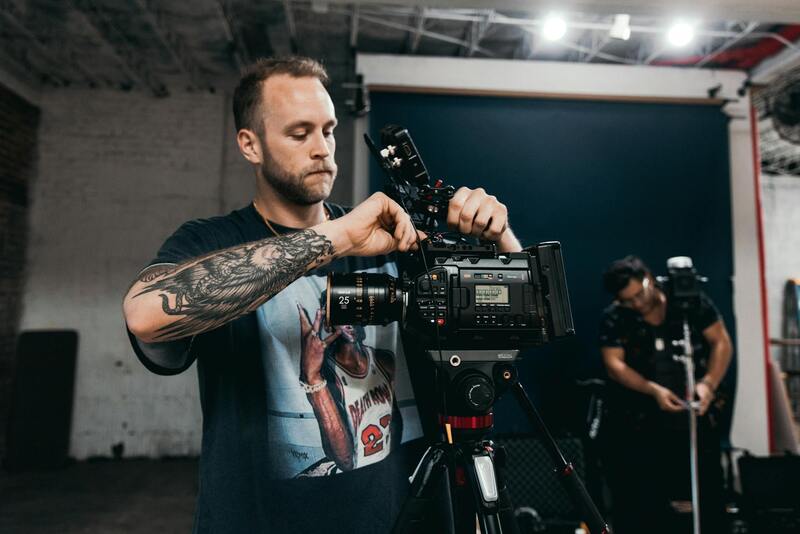
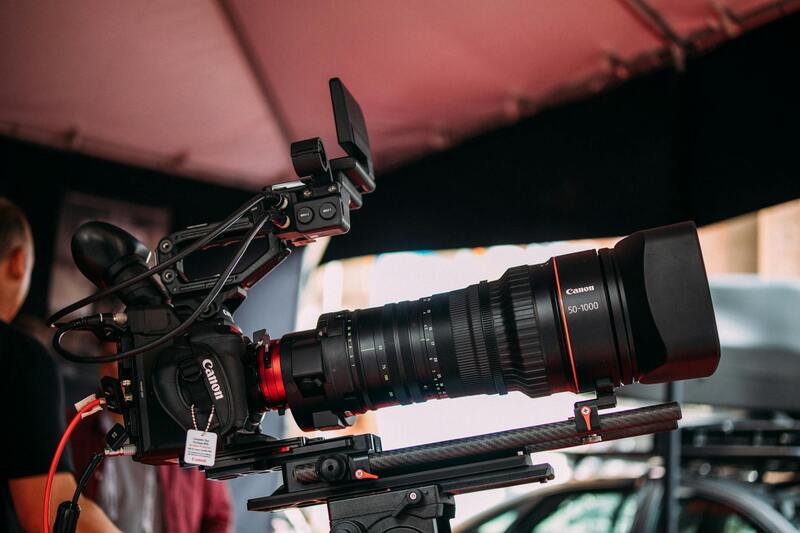
Equipment selection is equally critical. High-definition cameras with professional-grade encoding hardware or advanced streaming software are necessary to capture and transmit clear, crisp visuals. Audio quality should not be compromised, which means utilizing professional microphones and audio mixers to prevent disturbances or background noise from detracting from the viewer experience.
Encoding settings must be optimized for the target audience's devices and network conditions. Adaptive bitrate streaming dynamically adjusts video quality based on viewer bandwidth, reducing buffering issues and providing a smoother experience for all viewers. Additionally, robust Content Delivery Networks (CDNs) distribute streams across multiple servers globally, minimizing latency and ensuring quick access from Miami and beyond.
Network redundancy and backup solutions are crucial. Having secondary internet connections or mobile hotspot options guarantees continuity if the primary connection fails. Furthermore, detailed pre-event testing involving all technical components—audio, video, streaming platforms, and interactivity features—can identify potential issues before the live event, ensuring flawless execution and minimizing disruptions.
Security measures, such as encrypted streams and secure login options, protect sensitive content and maintain the integrity of the broadcast. Employing reliable streaming platforms capable of handling high concurrent viewers without degradation is vital for large Miami events, whether corporate, religious, or entertainment-focused.
Finally, data analytics tools can be integrated into the streaming platform to gather real-time viewer metrics. Understanding viewer engagement levels, geographic distribution, and device preferences helps optimize future webcasting strategies, making subsequent events even more impactful and tailored to the Miami audience.
Technical Considerations for Successful Webcasting
Effective live webcasting in Miami requires meticulous attention to technical details that ensure a seamless viewing experience. Central to this is selecting high-definition (HD) streaming capabilities with sufficient bit rates to accommodate the expected viewer count without buffering. A stable and high-speed internet connection is fundamental; ideally, a dedicated fiber optic line capable of supporting large data uploads and downloads is preferred for professional-grade broadcasts.
Audio quality is equally critical. Using professional-grade microphones and sound mixing equipment guarantees clarity and intelligibility, especially in noisy or large venues. Implementing audio synchronization with video streams prevents mismatched audiovisual elements, which can distract viewers and diminish the engagement level.
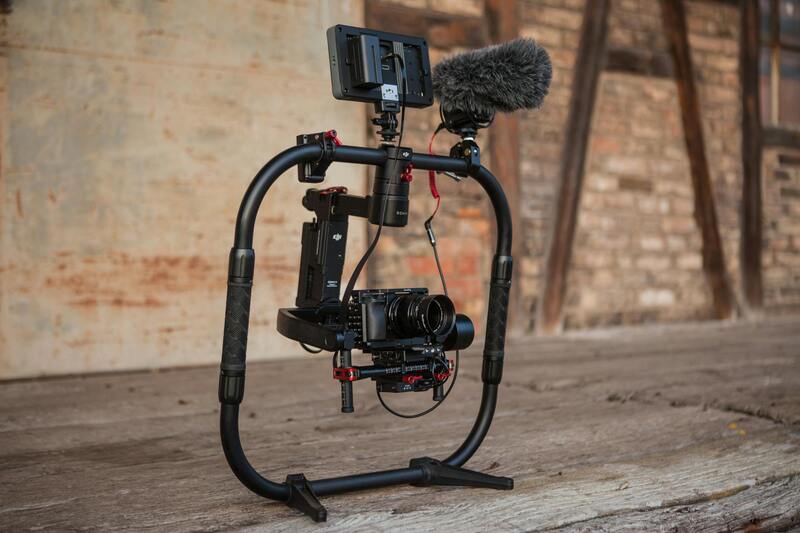
Video encoding hardware must be capable of real-time compression that preserves image quality while minimizing latency. Multi-camera setups, with strategically placed cameras offering different angles, provide dynamic visuals that keep the audience engaged. These should be managed by experienced operators or automated systems equipped with preset scene transitions to maintain a polished presentation.
Addressing network reliability involves establishing redundant internet connections through different providers or via mobile hotspots, ensuring continuity if primary connections falter. Pre-event testing of all equipment, including encoders, switches, and connectivity, is crucial for identifying and resolving potential issues before the live broadcast begins.
Stream security practices, such as encrypted data transmission and controlled access via secure login credentials, safeguard sensitive content. For larger venues or high-profile events, employing Content Delivery Networks (CDNs) ensures content distribution remains smooth, even under significant viewer load, by distributing streams across multiple servers across the globe.
Monitoring tools should be integrated to track stream health continuously. These tools provide real-time alerts on issues like dropped packets, buffering problems, or quality degradation, allowing immediate corrective actions. This proactive approach minimizes viewer dissatisfaction and maintains professional standards throughout the event.
Moreover, advanced analytics integrated with streaming platforms can offer insights into viewer behavior, engagement levels, and geographic distribution during the event. Such data helps refine future strategies and optimizations for subsequent live streams, targeting Miami audiences more effectively with tailored content and improved delivery methods.
Technical Considerations for Successful Webcasting in Miami
Achieving a flawless live streaming experience in Miami requires meticulous attention to technical aspects that influence the quality and reliability of the broadcast. A fundamental factor is internet bandwidth, which must be sufficient to handle high-definition video and real-time data transmission. Typically, streaming professionals recommend internet speeds of at least 10 Mbps for HD quality, though higher bandwidth may be necessary for ultra HD streams or larger audiences.
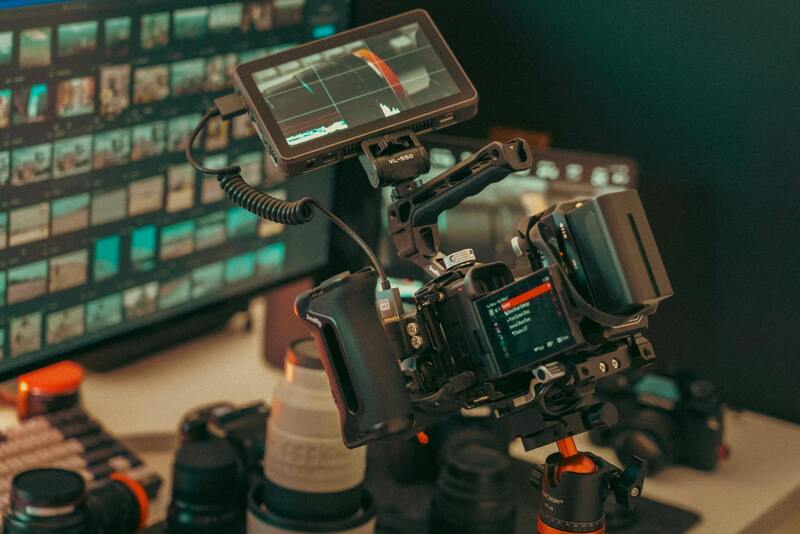
Audio-visual equipment also plays a pivotal role. High-quality cameras, professional-grade microphones, and encoders are essential for capturing and transmitting clear, crisp content. In addition, the choice of encoding hardware or software should support a variety of formats and resolutions, allowing for adaptable streaming that can cater to different audiences and device types.
Platform compatibility is equally vital. The chosen webcasting platform must support multiple devices and browsers, providing seamless access whether viewers are watching via desktops, tablets, or smartphones. Compatibility also extends to integrating seamlessly with Content Delivery Networks (CDNs) to distribute content effectively across diverse geographic locations.
Additional technical considerations include ensuring robust power backup solutions, implementing redundant internet connections, and employing reliable streaming software that offers features like adaptive bitrate streaming. This allows the stream to automatically adjust quality based on viewers' network conditions, reducing buffering and enhancing viewer experience.
Moreover, pre-event testing should encompass all technical components to detect and resolve potential issues before broadcasting. This includes testing internet stability, audio/video synchronization, platform integration, and stream security protocols. By rigorously inspecting each element, organizers can preempt against disruptions and maintain high standards during live events.
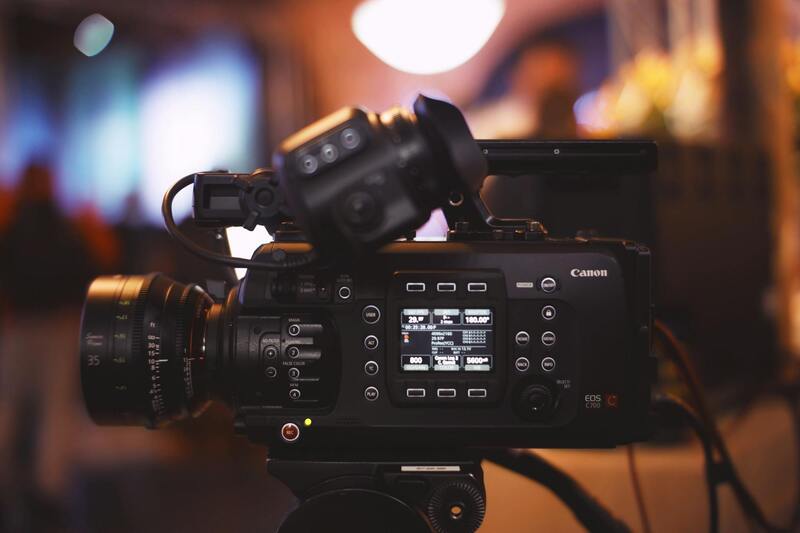
Real-time monitoring tools are invaluable for maintaining stream health during the event. These tools issue alerts on network performance, packet loss, or latency issues, enabling immediate intervention. Coupled with advanced analytics, these insights help event organizers make data-driven decisions to optimize current and future broadcasts, ensuring every live stream in Miami meets the highest standards of quality and reliability.
Technical Considerations for Successful Webcasting
To ensure a seamless live broadcast in Miami, a comprehensive understanding of technical requirements is essential. High-quality internet connectivity forms the cornerstone of any successful webcast; therefore, dedicated fiber-optic connections or redundant internet sources are highly recommended to prevent interruptions. Equipping your setup with enterprise-grade switches and routers facilitates stable data flow and minimizes latency.
Audio and video equipment quality directly impacts viewer engagement. Professional-grade cameras with high resolution capabilities, coupled with external microphones, provide clear visuals and crisp sound, essential for retaining audience interest. Proper lighting setups not only enhance visual quality but also reduce post-production correction needs.
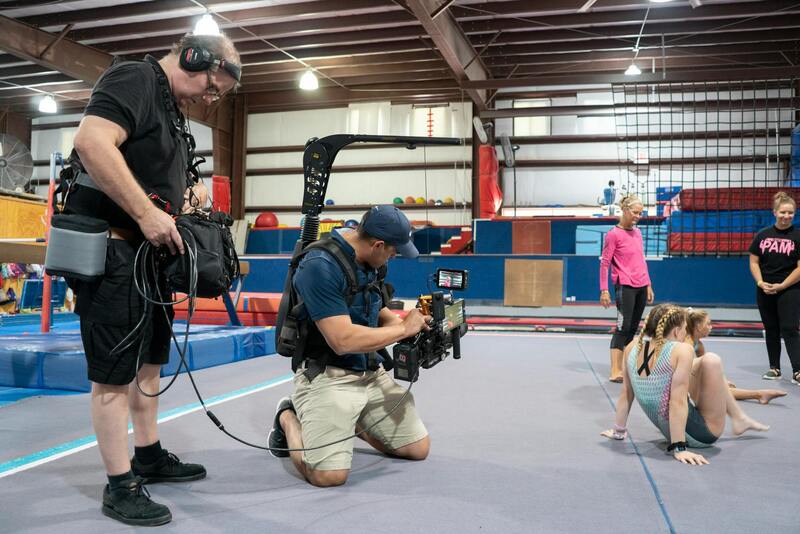
Software solutions for encoding and streaming play a pivotal role. Using reliable encoding software that supports adaptive bitrate streaming ensures smooth playback regardless of viewers’ internet speeds. This technology dynamically adjusts stream quality to avoid buffering, a critical feature for engaging Miami audiences who connect via various devices and connections.
Implementing Content Delivery Networks (CDNs) helps optimize distribution, reducing latency across geographic locations. Technical setups should also include power backup solutions like UPS systems to maintain operational stability during power outages. Redundant hardware and internet sources act as safeguards against technical failures, preserving stream integrity.
Rigorous pre-event testing is indispensable. Testing internet stability, audio/video synchronization, and platform compatibility prior to the live event can identify potential issues. This process encompasses checking all equipment, verifying network configurations, and ensuring that streaming platforms are set up correctly. Additionally, security protocols such as encrypting streams and using secure login methods protect content from unauthorized access.
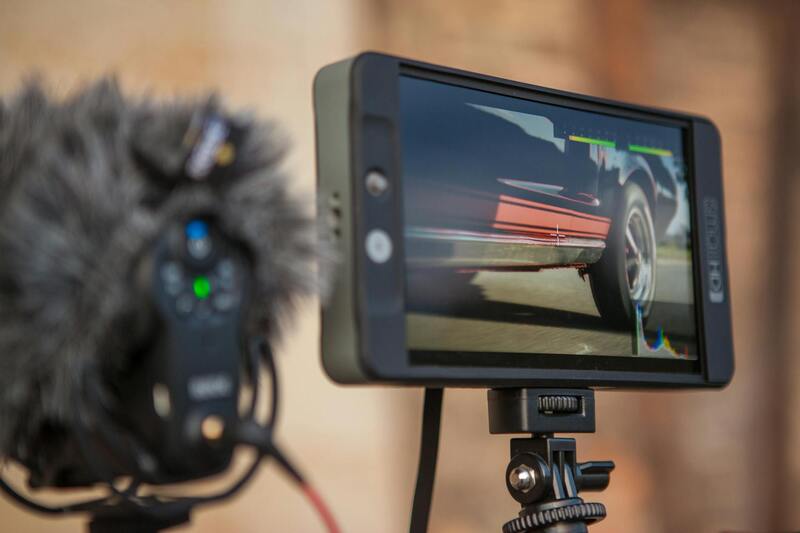
During the broadcast, real-time monitoring tools are crucial. These systems track metrics like bandwidth utilization, stream latency, and viewer engagement. Immediate alerts on technical anomalies allow on-site teams to respond swiftly, minimizing downtime. Advanced analytics further provide insights into viewer demographics, device types, and viewing patterns, informing future broadcasting strategies.
By meticulously managing each technical element, event organizers can deliver high-quality live streams that meet viewer expectations and enhance the reputation of Miami-based events. From hardware setup and software configuration to ongoing monitoring, attention to detail ensures a professional virtual presentation that resonates with audiences and achieves desired communication goals.
Technical Considerations for Successful Webcasting in Miami
Executing a flawless live webcast in Miami demands meticulous attention to a range of technical elements that ensure high-quality delivery and an engaging viewer experience. This involves understanding the core infrastructure required, such as reliable hardware, stable internet connections, and advanced streaming platforms that can handle high bandwidth demands. The selection of equipment—such as professional-grade cameras, audio mixers, and encoders—forms the backbone of seamless broadcasting. Ensuring that all hardware is correctly configured and tested prior to the event reduces the risk of technical disruptions during the live stream.
Similarly, robust internet connectivity is critical. Preferably, multiple internet sources, including wired Ethernet connections and 4G/5G backup options, should be in place to mitigate potential disruptions. Load balancing between these sources helps maintain uninterrupted streaming, especially during high-traffic events. Network security measures, such as encrypted streams and secure login credentials, safeguard content from unauthorized interception, safeguarding both the event’s integrity and its proprietary material.
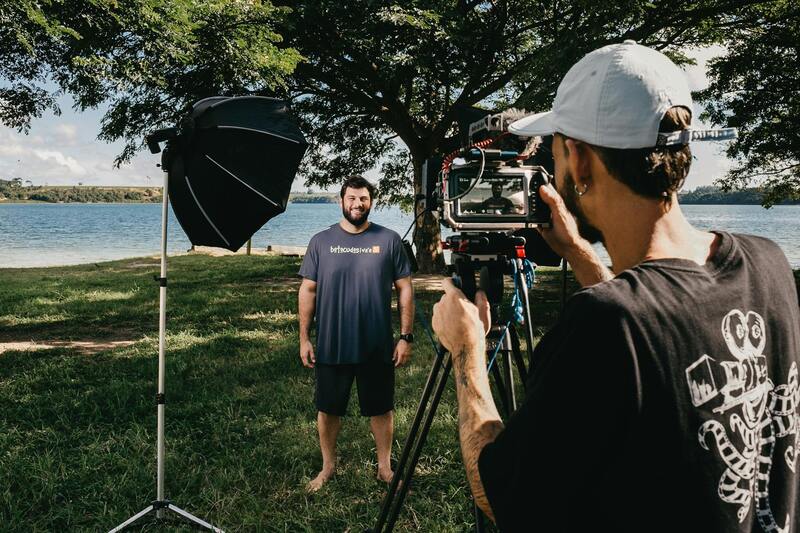
Pre-event technical rehearsals are indispensable for troubleshooting potential issues before the live event commences. These tests verify internet stability, synchronization of audio and visuals, and compatibility with chosen streaming platforms. Testing also includes verifying that all equipment functions correctly under real-world conditions, simulating the actual event environment as closely as possible.
During the event, real-time monitoring and support are crucial. This involves using advanced systems to track stream health, viewer engagement, and technical parameters such as latency and buffering issues. Immediate response to potential problems minimizes viewer frustration and preserves the professionalism of the broadcast. Event organizers should establish a dedicated technical support team that can swiftly address any unexpected issues, from network interruptions to equipment malfunctions.
In terms of content delivery, adaptive bitrate streaming or multi-bitrate encoding ensure viewers with varying internet speeds can access the stream smoothly. This technique dynamically adjusts the quality of the video feed based on the viewer’s connection, preventing buffering and enhancing overall engagement. Incorporating backup plans, such as redundant encoders and multiple streaming platforms, guarantees continuous broadcasting in case of primary platform failure.
Another key aspect is the integration of analytics tools. These tools provide detailed insights into viewer behavior, engagement levels, and device preferences, which are vital for post-event assessment and planning future streams. Data such as peak viewer times, geographic distribution, and engagement duration inform content strategies, helping organizers optimize future live webcasts for Miami audiences.
Investing in proper technical infrastructure and rigorous preparation protocols ensures that live webcasting services in Miami consistently meet high standards. This commitment to technical excellence not only enhances viewer satisfaction but also solidifies the event’s reputation as a professionally produced virtual experience, capable of reaching broad audiences with clarity and reliability.