
Overview of Live Event Broadcast Companies
Live event broadcast companies play a pivotal role in elevating the reach and impact of events by delivering professional live streaming services. In the vibrant Miami event landscape, these companies serve as essential partners for a wide array of gatherings, including corporate conferences, entertainment festivals, sports competitions, and cultural exhibitions. Their core function revolves around capturing high-quality video and audio feeds from live events and transmitting them seamlessly over digital platforms, ensuring that audiences can experience the event in real-time regardless of their physical location.
These organizations specialize in managing the intricate technical aspects of live broadcasting, including signal acquisition, processing, and transmission. They bring to the table a blend of technical expertise and creative vision, crafting broadcast experiences that are engaging, reliable, and visually compelling. Within Miami’s dynamic event industry, live event broadcast companies often work closely with event organizers, marketing teams, and media outlets to tailor services that meet specific audience engagement goals.
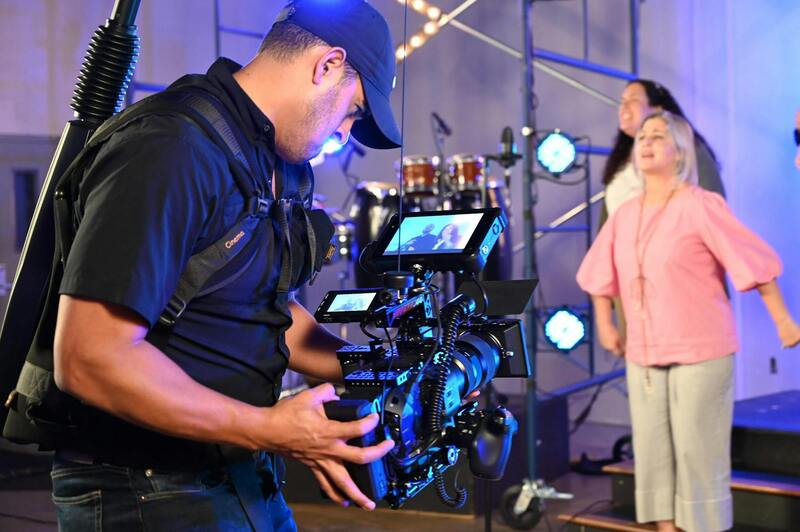
Their contributions extend beyond mere video transmission. These companies often provide comprehensive production solutions, including camera operation, live switching, instant replays, graphics, and streaming platform management. Their ability to handle complex live production workflows while maintaining high standards of quality and stability directly influences an event's success and its capacity to reach a broader audience.
In Miami's competitive event scene, selecting the right live broadcast partner is crucial. With deep local knowledge and a network of experienced technicians, these companies can anticipate logistical challenges, navigate urban-specific regulations, and optimize the technical setup for optimal performance. Their expertise ensures that every broadcast is executed flawlessly, expanding the event’s visibility and engagement across multiple digital channels.
Ultimately, live event broadcast companies serve as vital connectors between live experiences and remote audiences. Their professionalism and technical finesse help events transcend geographical boundaries, increasing exposure and resonating with diverse viewer demographics. This capability underscores the growing importance of specialized broadcast companies in elevating Miami’s event industry to a global stage.
Technology and Equipment Used in Live Event Broadcasting
Executing a high-quality live broadcast demands cutting-edge technology and reliable equipment. Miami’s live event broadcast companies invest in the latest tools to deliver seamless streams that meet the highest standards. Central to this setup are professional-grade cameras capable of capturing detailed footage in various lighting conditions, including HD and 4K resolutions to ensure crisp imagery for viewers. These cameras are often mounted on gimbals, dollies, or robotic systems to enable dynamic shots, enhancing the visual experience.
Complementing camera technology are sophisticated switchers that allow operators to seamlessly transition between multiple video sources, creating a polished broadcast. This multi-camera switching is critical for covering dynamic events, such as sporting matches, concerts, or conferences, where multiple angles contribute to viewer engagement.
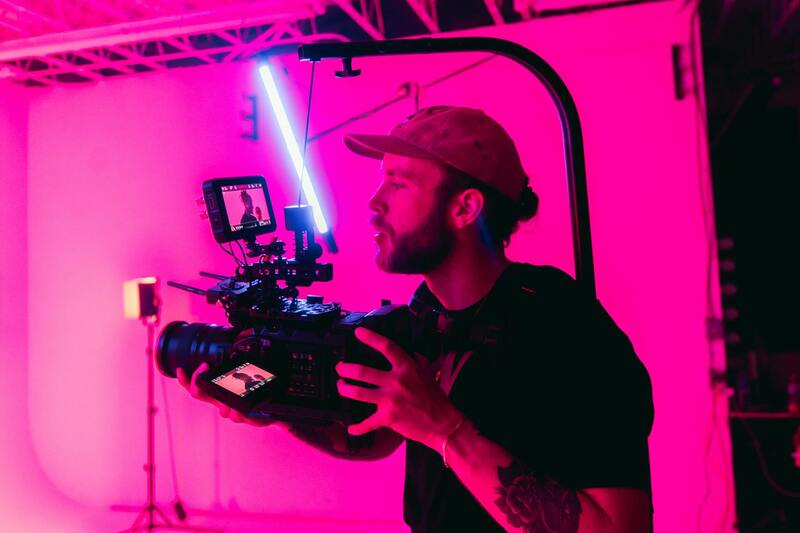
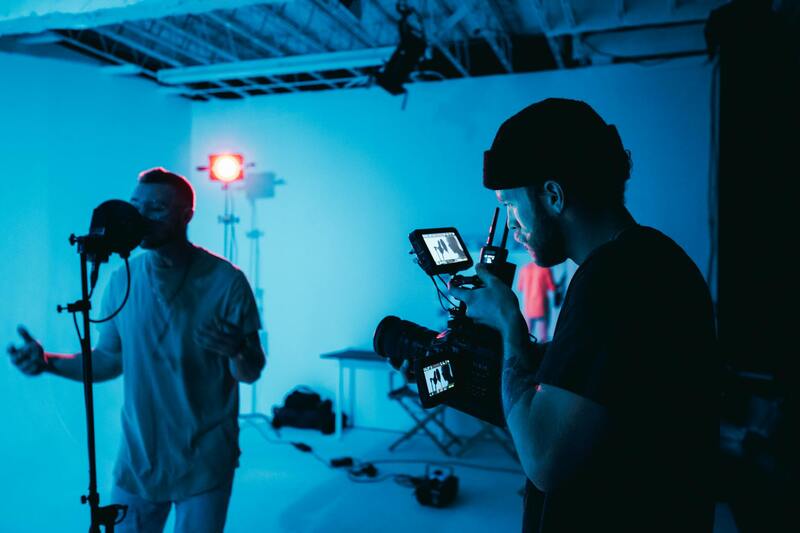
Audio quality is equally important, and professional audio equipment—including wireless microphones, mixers, and soundboards—renders clear, balanced sound that complements the visuals. Wireless systems provide mobility and flexibility, allowing hosts, speakers, or performers to move freely without losing audio fidelity.
Streaming hardware, such as encoders and servers, convert video signals into digital formats compatible with various streaming platforms. These encoders are designed for low latency transmission, minimizing delays and ensuring real-time interaction. Additionally, backup systems are vital; redundant hardware ensures that technical issues do not disrupt the broadcast, maintaining a consistent viewer experience.
Graphics and overlay systems play a crucial role in branding and information dissemination during a live event. Real-time graphics, such as score updates, speaker bios, or event branding, enhance the broadcast’s professionalism and viewer engagement.
Finally, control room setups equipped with advanced software facilitate live switching, graphics integration, and stream monitoring. These facilities offer full control over the production, allowing experienced technicians to respond swiftly to any technical challenges.
Investing in state-of-the-art technology is fundamental for Miami’s live event broadcast companies to deliver high-quality, engaging, and reliable streams. Their comprehensive approach to equipment ensures they can handle events of any size and complexity, providing a fully managed service tailored to each client's needs.
Types of Live Event Broadcast Services Offered
Live event broadcast companies in Miami provide a diverse range of services tailored to meet the specific needs of each event. Their offerings typically include multi-camera streaming, which enables comprehensive coverage with multiple perspectives, enhancing the viewing experience for remote audiences. These companies also offer synchronized audio feeds, ensuring clear, high-quality sound that captures every nuance of live performances, speeches, or panel discussions.
Another vital service is the integration of real-time graphics and overlays, which help communicate essential information such as event schedules, speaker names, sponsor branding, and social media interactions. This element improves audience engagement and sustains a professional appearance throughout the broadcast.
Standard offerings often extend to live streaming across multiple platforms simultaneously, allowing for maximum reach and visibility. Companies also provide on-site technical support, which includes setup, monitoring, and troubleshooting to maintain broadcast integrity throughout the event. Additionally, many firms offer post-event services like editing, rebroadcast, and content archiving to maximize the value of the event after the live transmission.
Incorporating interactive features such as live chats, polls, and viewer engagement tools is becoming more prevalent, enabling audiences to participate actively during the broadcast. These features not only foster interaction but also provide immediate feedback, which can be crucial for high-profile or corporate events.
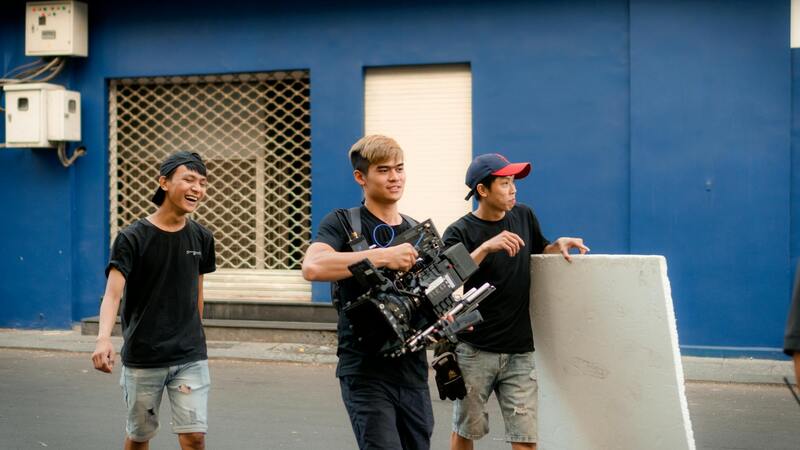
Whether it’s a corporate conference, music festival, sports event, or community gathering, Miami-based live event broadcast companies are equipped to handle various scales and types of occasions. Their solutions are designed to ensure seamless execution, high-definition streaming, and engaging viewer experiences, making them a key partner in today’s digital event landscape.
Comprehensive Approaches to Content Delivery in Live Event Broadcasting
Delivering a flawless live event broadcast requires meticulous planning, sophisticated technology, and expert execution. To ensure a seamless experience, companies leverage advanced content delivery strategies that optimize viewer access across various devices and platforms. This includes setting up a robust Content Distribution Network (CDN) that minimizes latency and buffering, enabling viewers to enjoy high-quality streams regardless of their geographic location. Additionally, adaptive bitrate streaming techniques are employed to automatically adjust video quality based on the viewer's internet speed, maintaining uninterrupted viewing experiences during live transmissions.
Security Measures and Reliability Enhancements
Ensuring the security and reliability of live broadcasts is paramount. Companies utilize encryption protocols and secure servers to prevent unauthorized access and protect sensitive content. Redundant streaming setups are often implemented, including backup encoders and failover servers, to guarantee continuity even if technical issues arise. Moreover, dedicated technical support teams monitor streams in real-time, swiftly addressing any disruptions to maintain the integrity of the broadcast. These measures are vital for high-stakes events such as corporate earnings calls, award ceremonies, or major sporting competitions.
Analytics and Audience Engagement Tools
Data analytics have become integral to evaluating broadcast performance and audience behavior. Professional live event broadcast companies incorporate analytics platforms that track viewer metrics such as view count, geographic distribution, engagement duration, and interaction rates. Such insights enable content organizers to refine their strategies for future events. Engagement tools such as real-time polls, viewer chats, and social media integration foster greater interaction, transforming passive viewers into active participants. These interactive features enhance the overall experience, encouraging more meaningful engagement and community building around the event.
Post-Broadcast Content Management
Post-event services are a key component of comprehensive live broadcast offerings. After the event concludes, recordings are often edited for highlight reels, promotional content, or on-demand access. Content archiving not only provides ongoing value but also extends the reach of the event beyond its live window. Professional companies ensure that all recorded material is stored securely and accessible on various digital platforms, supporting future marketing campaigns, training initiatives, or archival purposes.
Specialized software tools and cloud-based storage solutions enable smooth post-broadcast workflows, making it easier to manage large volumes of content efficiently. Employing these methods ensures that every aspect of the event—from live delivery to aftermath—is handled with technical precision and strategic insight, maximizing the event’s impact and reach.
Advanced Technologies and Equipment Utilized by Live Event Broadcast Companies
Efficiency and image quality in live event broadcasting hinge significantly on the deployment of cutting-edge technology and sophisticated equipment. Professional live event broadcast companies invest heavily in high-definition cameras, including 4K and 8K broadcast-grade units, which deliver crystal-clear visuals essential for engaging viewers. These cameras are strategically positioned to capture key moments from multiple angles, providing a comprehensive perspective that enhances the viewer experience.
Beyond video capture, state-of-the-art audio equipment such as wireless microphones, directional and ambient microphones, and digital mixing consoles ensure pristine sound quality. Clear audio is vital for maintaining viewer engagement, especially in events where speech, music, or ambient soundscapes are integral to the experience.
Complementing these are advanced video switchers and multi-camera control systems, which facilitate seamless transitions, picture-in-picture displays, and layering effects. This setup allows production teams to craft dynamic presentations, even during fast-paced or complex event sequences.
Reliable transmission equipment such as satellite uplinks, fiber optic connections, and 4G/5G cellular bonding solutions ensure uninterrupted broadcasting, regardless of geographic challenges. These tools are crucial for maintaining a stable stream, particularly in outdoor or remote locations where traditional internet infrastructure may be limited.
Furthermore, cloud-based streaming platforms and content delivery networks (CDNs) enable efficient distribution of live feeds across multiple channels and audiences worldwide. These systems support real-time monitoring and quality control, allowing operators to detect and address issues instantly, maintaining a high standard of broadcast quality throughout the event.
Meticulous Planning and Coordination in Live Broadcasts
The success of a live event broadcast depends heavily on detailed planning and coordination among various teams. Pre-event preparations involve comprehensive site assessments, technical rehearsals, and logistics scheduling to align all elements seamlessly. This preparatory phase ensures that all equipment functions correctly, bandwidth requirements are met, and audiovisual cues are synchronized.
During the event, project managers oversee the execution of plans, coordinating between camera operators, sound engineers, technical directors, and on-site personnel. Clear communication protocols and contingency plans are established to address unforeseen challenges swiftly, minimizing disruptions and maintaining broadcast fidelity.
Real-time monitoring systems are employed to track the performance of the live feed, enabling immediate adjustments to camera angles, audio levels, and stream quality. These measures ensure the broadcast remains engaging, professional, and smooth from start to finish.
Effective coordination extends beyond the technical realm to include content management, social media interaction, and audience engagement strategies, all tailored towards maximizing reach and impact. This comprehensive approach ensures that each live event not only meets logistical expectations but also resonates strongly with online viewers, creating memorable experiences and fostering ongoing community interest.
Technological Innovations Enhancing Live Broadcast Quality
Advancements in technology continuously elevate the standards of live event broadcasting, especially in a bustling metropolitan hub like Miami. Modern broadcast companies leverage high-definition cameras, 4K and even 8K streaming capabilities, and multi-camera setups to deliver crystal-clear visuals that capture every detail of the event. These high-resolution feeds ensure that online viewers experience the event as vividly as the attendees, enriching visual storytelling and engagement.
In addition, the deployment of ultra-reliable transmission protocols, such as bonded cellular technology and fiber optic connections, minimizes latency and maximizes stability during live streams. These technologies are vital for maintaining a seamless viewing experience despite fluctuating network conditions. Professional technical teams also utilize advanced switchers and real-time audio mixers that adapt dynamically to changing signals, ensuring impeccable sound quality. Such equipment not only enhances the overall production value but also allows creative flexibility in camera angles, graphics integration, and audience interaction features.
Another significant technological component involves the use of content delivery networks (CDNs) and adaptive bitrate streaming. These tools optimize the broadcast for different devices and bandwidth capacities, ensuring that viewers, whether watching on a smartphone, tablet, or large screen, receive the best possible quality without interruptions. The integration of cloud-based management systems further simplifies the control of live streams, allowing remote operators to oversee and adjust broadcast parameters instantaneously.
Security and Data Protection in Live Streaming
Given the critical nature of live event broadcasts, maintaining security and data integrity is paramount. Miami-based live broadcast companies implement robust encryption protocols for both the data transmission and access controls. This prevents unauthorized streaming or content theft, safeguarding intellectual property and sensitive event material. Additionally, real-time monitoring systems detect and mitigate potential cyber threats, ensuring the broadcast remains secure and uninterrupted.
These companies also follow strict data management practices, securely handling personal information of attendees and viewers, and ensuring compliance with relevant privacy standards. Such measures foster trust among clients and audiences, reinforcing the reputation of the broadcast provider as a dependable partner.
Post-Event Analysis and Content Repurposing
The capabilities of live broadcast companies extend beyond the live event itself. Post-event analysis involves reviewing broadcast metrics such as viewer counts, engagement levels, and technical performance data. This insight helps optimize future broadcasts, identify areas for improvement, and tailor content to audience preferences. Furthermore, recorded segments can be edited and repurposed for promotional videos, social media snippets, or on-demand content, thus extending the event’s reach and impact.
Many Miami broadcast companies also offer digital archiving solutions that ensure the preservation and easy retrieval of high-quality recordings for future use or sponsorship opportunities. This comprehensive approach — from technical excellence to post-event content management — makes professional live event broadcasting a strategic asset for organizations seeking impactful visual communication.
Enhancing Event Reach with Advanced Broadcast Technologies
To ensure the success of live event broadcasts, companies leverage a range of sophisticated technological solutions. This includes high-definition video cameras positioned strategically around the venue to capture every key moment with clarity and precision. These cameras are often complemented by multiple audio pickup devices, such as wireless microphones and shotgun microphones, to deliver crisp sound that complements the visual content. Advanced switchers and video mixers are employed to seamlessly transition between different camera feeds, creating a dynamic viewing experience for remote audiences.
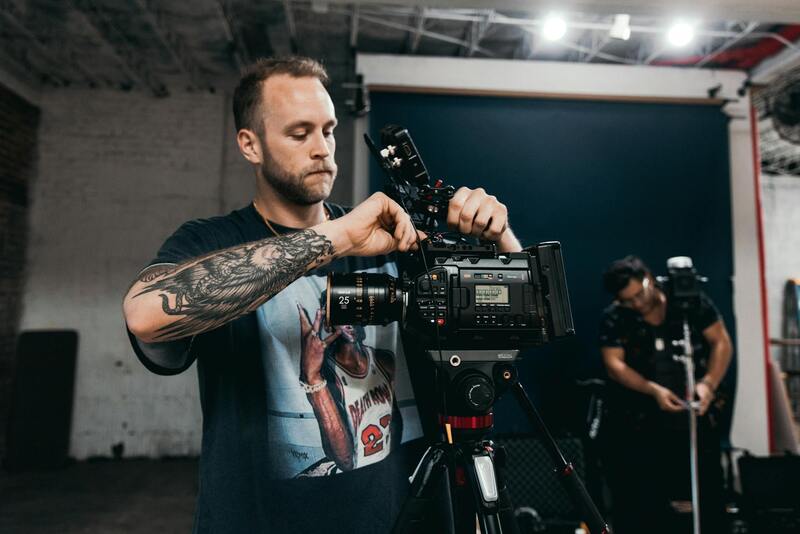
Moreover, streaming hardware such as encoders and servers play a vital role in delivering high-quality content in real-time. These devices compress and transmit video data efficiently, minimizing latency and buffering issues. To ensure uninterrupted broadcasting, backup systems and redundancy protocols are installed, allowing for immediate switchovers in case of technical failures.
Role of Software Solutions in Live Broadcasting
Beyond physical equipment, specialized software applications facilitate various aspects of live broadcasting. Content management systems enable real-time graphic overlays, lower thirds, and branding elements, enhancing the professionalism of the stream. Additionally, remote control software allows producers to manage multiple camera feeds, adjust audio levels, and trigger visual effects without being physically present at the venue. Content delivery networks (CDNs) further distribute the live stream across multiple servers, ensuring wide accessibility and high availability for viewers across different regions.
Ensuring Reliable Internet Connectivity
Reliable internet connectivity forms the backbone of any successful live event broadcast. Companies utilize dedicated fiber-optic lines or 4G/5G bonding solutions to provide stable upload speeds required for high-quality streaming. Employing multiple internet sources in tandem enables load balancing and failover capabilities, reducing the risk of service disruptions. Prior to the event, rigorous testing of internet connections is performed to identify potential bottlenecks or vulnerabilities, ensuring the technical foundation is solid and capable of supporting the live broadcast's demands.
Integration of Audience Interaction Tools
The inclusion of interactive features, such as live chats, polls, and Q&A sessions, enhances viewer engagement. Many broadcast companies integrate these tools directly into their streaming platforms, allowing audiences to participate actively in the event. Such interactions not only increase viewer retention but also provide valuable feedback that can influence the ongoing broadcast or future event planning.

In summary, the confluence of cutting-edge hardware, robust software solutions, and reliable connectivity forms the foundation of professional live event broadcasts. Miami-based companies invest heavily in these technologies to deliver seamless, high-quality streams that capture the essence of live gatherings and extend their reach beyond physical confines, providing audiences with immersive, engaging experiences regardless of location.
Impact of Content Delivery Systems and Platform Compatibility
Successful live event broadcasting hinges significantly on the deployment of advanced content delivery systems and platform compatibility. Professional live event broadcast companies utilize sophisticated content management and delivery networks to ensure that streams are transmitted smoothly and without interruption. These systems are designed to optimize bandwidth usage, manage data loads efficiently, and adapt dynamically to network fluctuations, ensuring consistent video quality regardless of audience size or internet conditions.
Platform compatibility broadens the reach of live events by supporting a range of devices and operating systems. Companies meticulously test streams across desktops, mobile devices, tablets, smart TVs, and streaming platforms to guarantee seamless viewing experiences. This comprehensive approach minimizes technical issues such as buffering, latency, or resolution drops, thereby maintaining viewer engagement and satisfaction.
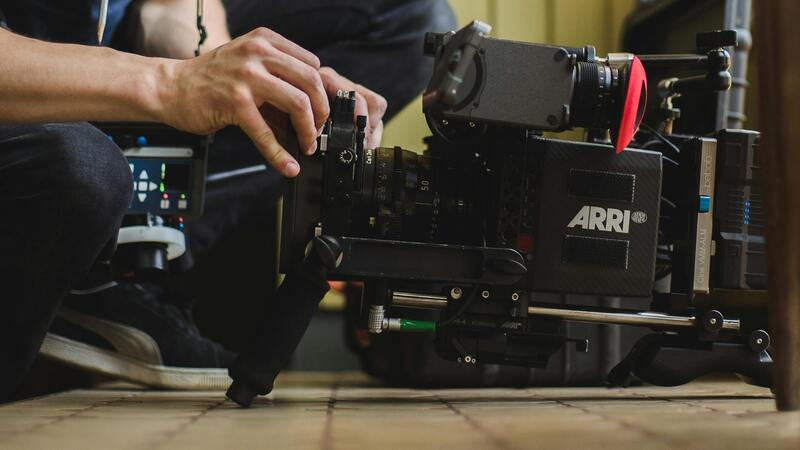
The integration of adaptive streaming technologies, like Dynamic Adaptive Streaming over HTTP (DASH) and HTTP Live Streaming (HLS), further enhances accessibility. These protocols automatically adjust media quality based on the viewer’s device capabilities and network conditions, maintaining uninterrupted playback and high visual fidelity. This adaptability is particularly crucial for large-scale live events that attract audiences from varied geographic regions with different internet infrastructures.
Security and Content Protection
To safeguard content integrity, professional live event broadcast companies implement advanced encryption protocols and digital rights management (DRM) systems. These measures protect intellectual property, prevent unauthorized access, and ensure that only authenticated viewers can access the streams. Robust cybersecurity practices are also established to defend against cyber threats, such as hacking attempts or service disruption attacks, which could compromise the broadcast quality or availability.
Analytics and Audience Insights
Modern broadcasting platforms incorporate comprehensive analytics tools that monitor viewer behavior, engagement levels, and geographic distribution in real-time. These insights help event organizers refine content delivery strategies, tailor audience engagement approaches, and measure overall success. By leveraging detailed data, live event broadcast companies continuously optimize their services to deliver more personalized and impactful viewing experiences.
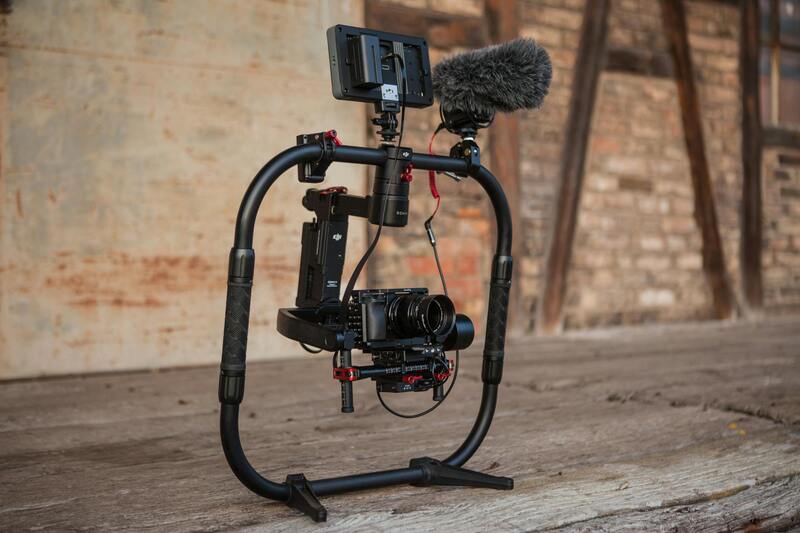
In summary, the deployment of cutting-edge content delivery systems and ensuring platform compatibility are fundamental components of professional live event broadcasts. These elements work in harmony to provide resilient, high-quality streams that meet the evolving expectations of modern audiences, ensuring that every event is accessible, secure, and engaging across all digital avenues.