
Understanding Event Live Streaming Services
Event live streaming services have revolutionized the way organizations, companies, and individuals share their moments of significance. These services facilitate the real-time broadcasting of events over the internet, allowing audiences to experience live proceedings from remote locations without being physically present. This capability is particularly vital for events that attract a geographically diverse audience, such as conferences, concerts, festivals, sports competitions, and corporate meetings.
At its core, a professional live streaming service integrates high-quality video capture, seamless transmission, and reliable distribution platforms. These services utilize advanced encoding technology to convert raw video footage into streams that can be efficiently transmitted over the internet. The content is then delivered through content delivery networks (CDNs) that ensure minimal latency and buffering, providing viewers with a smooth viewing experience. This process requires technical expertise and optimized infrastructure, especially for high-profile or large-scale events.
By utilizing official live streaming solutions, event organizers can extend their reach far beyond physical boundaries. This enables remote audiences to participate actively, whether through live chat features, social media integration, or interactive viewing portals. As a result, live streaming not only amplifies the event's visibility but also enhances engagement and participation, creating a broader impact and increased return on investment.
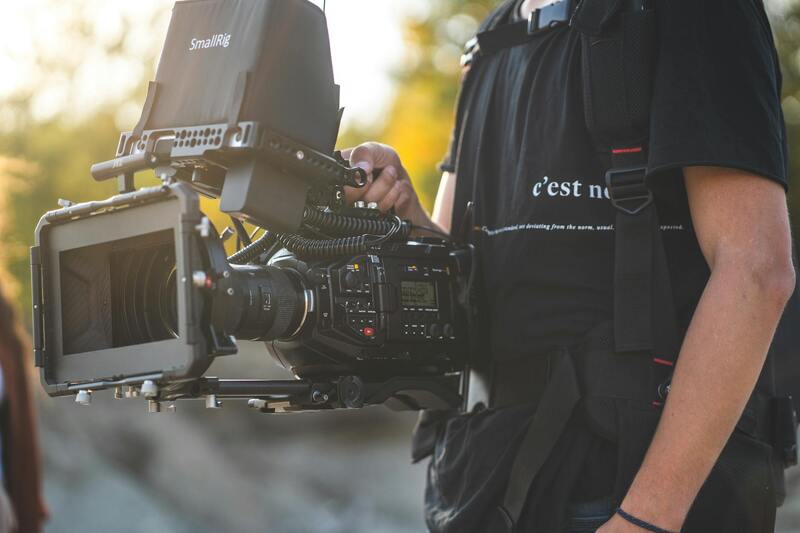
Moreover, unlike pre-recorded content, live streaming offers an authentic viewing experience, capturing the atmosphere and energy of live events. This immediacy fosters a sense of inclusion among viewers, encouraging real-time interaction and feedback. For Miami-based events, utilizing a reputable live streaming service ensures that content is delivered professionally, enhancing the event's reputation and audience satisfaction.
In addition to broadcasting, modern live streaming services often include features like multi-platform distribution, customizable branding, analytics, and security options. These tools assist organizers in managing content delivery and understanding viewer engagement, paving the way for more targeted marketing strategies and improved event planning in the future.
Understanding Event Live Streaming Services
Key Features of Professional Live Streaming Solutions
When selecting an event live streaming service, several core features ensure a seamless and high-quality broadcast. High-definition (HD) video quality is fundamental, enabling viewers to experience the event as vividly as possible. This often involves multi-camera setups that capture different angles, providing a dynamic viewing experience that mimics in-person attendance. Reliable streaming platforms are crucial to maintain continuous playback without buffering or interruptions, which is especially important for large-scale or high-profile occasions.
Interactive elements also play a vital role in engaging remote audiences. Features such as live chat, real-time polls, and social media integration create opportunities for viewers to participate actively, fostering a sense of community and involvement. Customizable branding options allow organizers to personalize the viewing experience, aligning it with event themes, sponsors, or organizational identity.
Security measures, including encrypted streams and access controls, safeguard content against unauthorized viewing or sharing. Additionally, robust analytics tools provide insights into viewer behavior, engagement levels, and geographic distribution. These data points are invaluable for refining marketing strategies and planning future events.

Benefits of Live Streaming for Miami Events
Live streaming significantly expands the reach of Miami-based events, allowing audiences from around the globe to participate virtually. This capability not only drives greater visibility but also increases revenue opportunities through expanded ticket sales, sponsorships, and advertising. For organizers, it offers an efficient way to deliver content in real-time, reducing logistical constraints associated with physical venues.
Remote viewing also creates opportunities for immersive experiences. Integrating multi-platform streaming ensures accessibility across various devices, including smartphones, tablets, and desktop computers. Real-time interactivity, such as chat functions and social sharing, enhances audience engagement and encourages active participation.
Furthermore, live streaming provides valuable content recordings that can be repurposed for marketing, educational materials, or future promotional campaigns. It fosters inclusivity by removing geographical barriers, making events accessible to a diverse global audience.

Choosing a Live Streaming Service Provider in Miami
For Miami event organizers, selecting an esteemed live streaming service provider demands careful evaluation of several factors. The provider’s technical expertise and infrastructure capacity determine the quality and reliability of the broadcast. It’s essential to verify that the service is capable of supporting the expected viewer volume and offers scalable solutions should audience size increase.
Experience in handling different types of events—from corporate conferences and music festivals to sports tournaments—is also a key consideration. A provider with a proven track record in Miami ensures familiarity with local internet infrastructure and regional compliance requirements.
The scope of services offered, including content production support, multi-platform distribution, branding customization, and analytics, should align with the specific needs of the event. Transparent pricing models and detailed service level agreements (SLAs) help clarify deliverables, ensuring a smooth partnership.
Finally, robust security protocols and support services are critical to address technical issues promptly during the event. References or case studies demonstrating successful past projects can provide additional assurance of the provider’s capabilities.

Technical Considerations for Live Streaming Events
For organizers in Miami aiming to deliver a seamless live streaming experience, understanding and implementing key technological elements is essential. The backbone of any professional live stream lies in high-quality video capture, reliable encoding, and robust transmission protocols. Selecting appropriate hardware such as cameras, microphones, and streaming encoders ensures clear visuals and crisp audio, vital for engaging viewers.
Bandwidth capacity and internet stability are critical factors that influence broadcast quality. A consistent, high-speed internet connection prevents interruptions, buffering, or degraded video quality. Many providers utilize dedicated fiber connections and backup internet options to mitigate risks associated with network fluctuations.
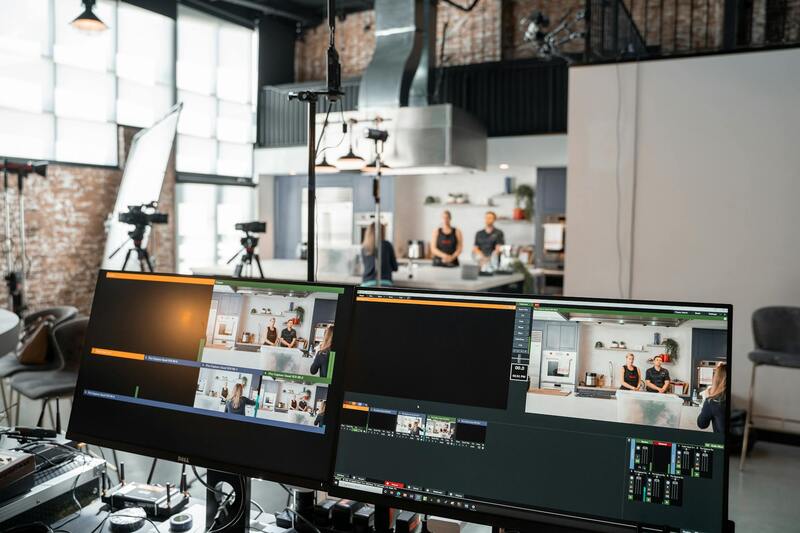
Content Delivery Networks (CDNs) play a pivotal role in ensuring that live streams reach viewers across Miami and beyond without latency issues. By distributing the video data closer to the viewer's location, CDNs improve streaming speed and reduce delays. These networks facilitate multi-platform distribution, allowing audiences to access the event via websites, social media channels, or dedicated apps.
Video/audio synchronization, adaptive bitrate streaming, and real-time analytics are also important technical features that enhance user experience and enable organizers to monitor stream performance continuously. Streaming platforms equipped with these functionalities provide valuable insights into viewer statistics, geographic distribution, and engagement levels.
Before the event, comprehensive testing routines should be conducted to troubleshoot potential technical challenges. Employing redundant systems, such as backup encoders and secondary internet feeds, ensures continuity even in the face of unforeseen issues.

Leveraging these technological strategies will substantially improve the reliability and quality of your live streams, thus maximizing audience engagement and delivering a professional viewing experience that effectively captures the essence of your Miami event.
Technical Considerations for Live Streaming Events
Successful execution of an event live streaming campaign in Miami demands meticulous attention to technical details that directly influence broadcast quality and reliability. Here are critical aspects to consider when planning your live stream:
- Bandwidth Capacity: Adequate upload speeds are essential to handle high-definition video transmission. Insufficient bandwidth can result in buffering, pixelation, or complete stream interruptions. It is recommended to conduct pre-event bandwidth testing to ensure your internet connection can sustain the required data throughput.
- Encoding Equipment: The choice of encoder—software or hardware—must align with your event’s scale and quality expectations. Hardware encoders tend to provide more stability during high-volume streams, whereas software solutions offer flexibility and easier integration with existing systems.
- Redundancy Systems: Implement backup encoders and secondary internet connections to safeguard against technical failures. When primary systems encounter issues, redundancy solutions seamlessly take over, ensuring continuity of the live broadcast.
- Audio and Video Quality Settings: Optimal configuration of bitrates, resolution, and frame rate is necessary to balance quality and bandwidth constraints. Adaptive bitrate streaming dynamically adjusts quality levels based on viewers’ internet speeds, preventing interruptions across diverse devices and connection qualities.
- Testing and Dry Runs: Comprehensive pre-event testing minimizes risks. Conduct all technical rehearsals at the event venue, testing the entire streaming pipeline, including camera setups, lighting, internet connectivity, and encoding equipment. Address any issues proactively to avoid disruptions during the live event.

Real-Time Monitoring and Troubleshooting
Monitoring tools are vital for tracking stream performance during the event. These platforms offer real-time analytics on viewer engagement, stream health, and latency metrics. Immediate troubleshooting capabilities can resolve issues swiftly, maintaining a smooth viewer experience.
Advanced live streaming services often incorporate features such as multi-platform compatibility, content encryption, and interactive elements like live chat or Q&A sessions, enhancing engagement and overall event impact.

Technical Considerations for Live Streaming Events
Executing a seamless live stream at a Miami event requires meticulous planning around technical infrastructure. Essential equipment includes high-definition cameras capable of capturing various angles and dynamic scenes, professional-grade audio gear to ensure clear sound quality, and encoders that efficiently compress live footage for transmission. The choice of streaming platform must be compatible with the hardware and support the desired features such as multi-bitrate streaming and adaptive quality adjustments.
Internet bandwidth stands as one of the most critical elements for an uninterrupted stream. A dedicated fiber optic connection is highly recommended to provide the necessary upload speed, minimizing latency and connection drops. It is prudent to have a backup internet connection, such as a 4G/5G hotspot or secondary fiber connection, ready to switch over instantly should the primary connection experience issues.
Platform compatibility plays a vital role in ensuring the live stream reaches the intended audience across various devices and operating systems. Selecting a service that supports embedding on multiple websites, mobile responsiveness, and compatibility with popular streaming players contributes to broader accessibility. Additionally, content encryption methods can safeguard the broadcast from unauthorized access, maintaining the integrity of proprietary material.
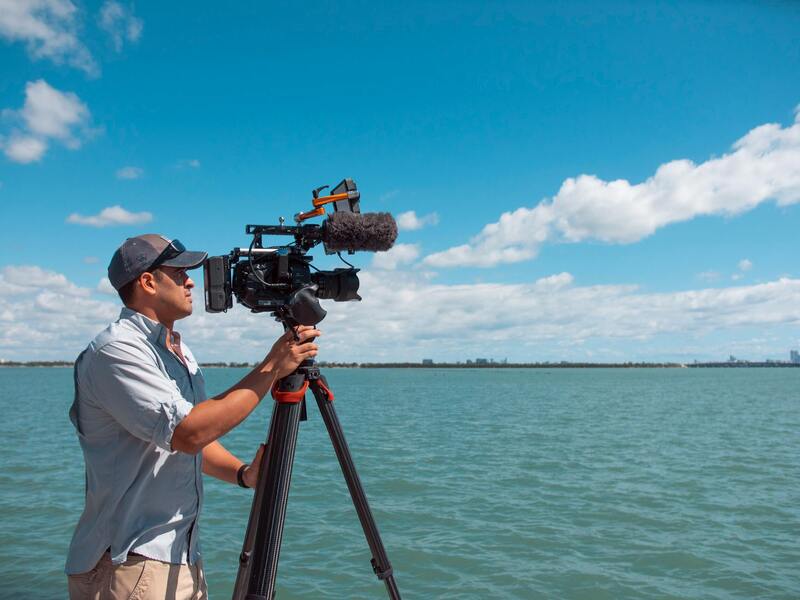
Creating effective backup plans is equally crucial. This includes having spare hardware such as additional cameras, microphones, and encoders ready for quick replacement. Regularly testing all equipment before the event ensures readiness and helps identify potential technical faults. Conducting a thorough rehearsal mimicking actual event conditions allows for adjustments in streaming settings and synchronization of all components.
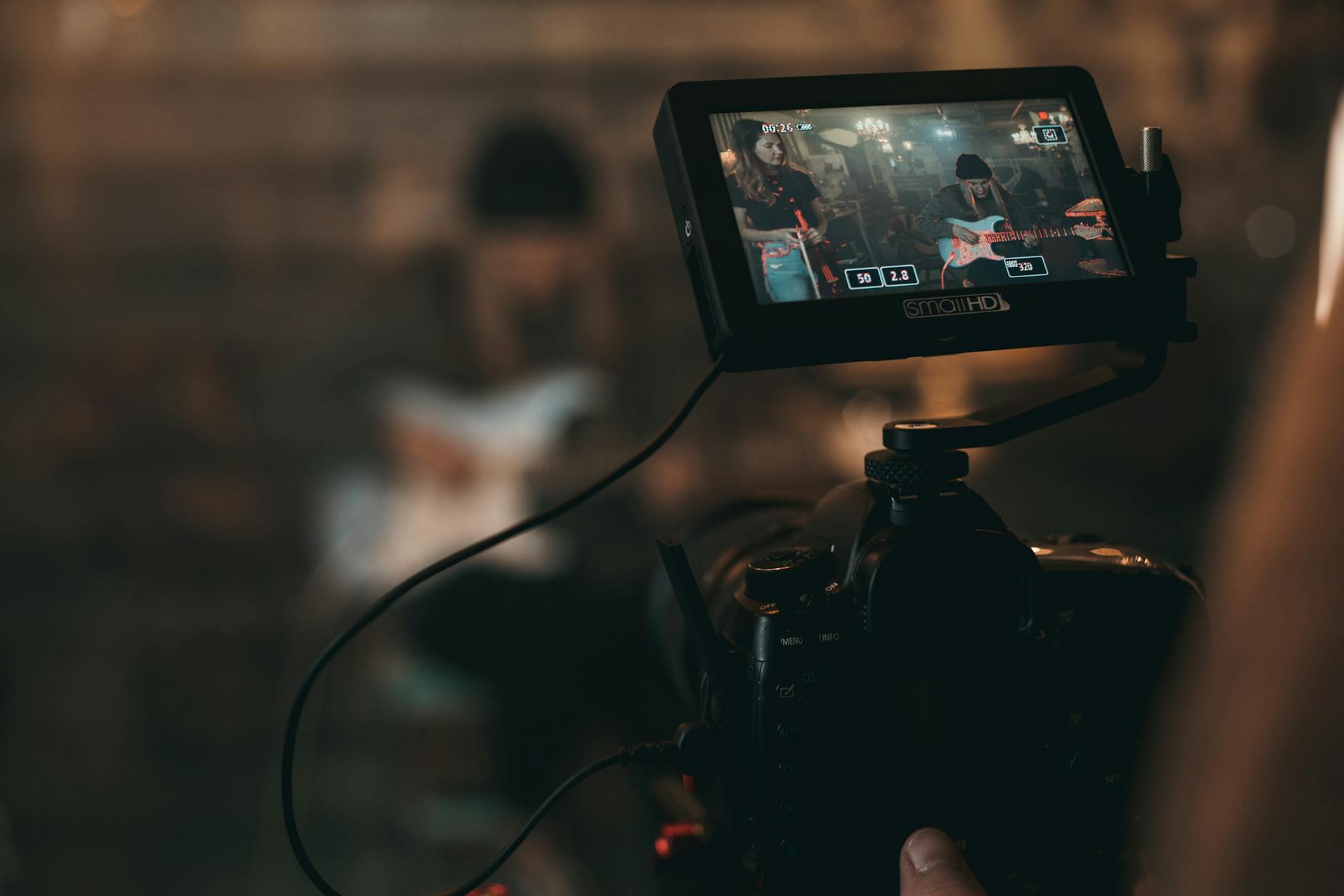
Moreover, the choice of streaming platform should accommodate scalability and integration capabilities to support future growth or increased viewer demand. Compatibility with social media platforms can enhance reach and real-time engagement, while integration with event management systems can streamline workflows. Regular updates and maintenance of streaming infrastructure are also necessary to adapt to evolving technology standards and security protocols.
In summary, a comprehensive approach covering high-quality equipment, robust internet solutions, platform flexibility, and thorough testing forms the backbone of a successful live streaming operation. Such preparation ensures that Miami-based events can be broadcast with professionalism and reliability, attracting wider audiences and elevating the event’s impact.
Legal and Privacy Aspects of Live Streaming
When broadcasting events via a professional event live streaming service, understanding and adhering to relevant legal and privacy considerations is paramount. Securing the rights to stream all content, including videos, images, and music, avoids disputes and ensures a smooth broadcast. This involves obtaining necessary permissions from copyright holders or rights organizations, especially for copyrighted music, footage, or performances included in the event.
Respecting individual privacy is equally crucial. Participants, speakers, and attendees should be made aware if their image, voice, or personal information is being captured and subsequently broadcasted. Implementing clear consent protocols, such as consent forms or explicit announcements, helps in maintaining transparency and trust.
Additionally, compliance with data protection standards—such as collecting minimal personal data and safeguarding it through secure storage—is essential. This ensures that viewers’ data remains protected against unauthorized access or misuse.
From a technical perspective, employing secure streaming protocols and encryption methods shields the broadcast from interception or unauthorized redistribution. Firewalls, virtual private networks (VPNs), and encrypted channels help safeguard the live stream, especially for sensitive or private events.

It’s also advisable to establish a comprehensive legal framework with the service provider. Such a framework clearly defines responsibilities, rights, and restrictions relating to content rights, privacy, and data security. This proactive approach minimizes risks and ensures the event adheres to all applicable policies and regulations.
By maintaining strict control over the content rights, consent processes, and data security measures, organizers can prevent potential legal complications, protect attendee privacy, and uphold the integrity of the live streaming broadcast.
Understanding Event Live Streaming Services
Event live streaming services have become an integral part of modern event planning and execution, providing a seamless platform for broadcasting live content to audiences regardless of their geographic location. These services utilize advanced streaming protocols, high-quality video transmission, and user-friendly interfaces to facilitate real-time engagement. They are designed to accommodate various types of events, including corporate conferences, concerts, trade shows, and community gatherings, ensuring that every moment is accessible to remote viewers with minimal latency and maximum reliability.

Traditionally, live streaming involved simple video broadcast tools that often suffered from connectivity issues and limited scalability. Today, professional solutions integrate cloud-based architectures, adaptive bitrate streaming, and multi-channel broadcasting capabilities. These advancements allow event organizers to deliver high-definition content across multiple devices, including smartphones, tablets, and desktops, with consistent quality. Additionally, comprehensive analytics and viewer engagement tools provide insights into audience behavior, enabling organizers to tailor content for enhanced interaction.
Key Features of Professional Live Streaming Solutions
- High-Definition Video Transmission: Ensures crisp, clear visuals that captivate audiences.
- Multi-Platform Compatibility: Supports simultaneous streaming across different devices and platforms.
- Interactive Features: Incorporates live chat, Q&A, and polls to foster audience engagement.
- Secure and Reliable Infrastructure: Uses encryption, redundancies, and content delivery networks (CDNs) to maintain stream stability.
- Custom Branding and Content Control: Allows organizers to personalize the viewer experience and manage intellectual property rights.
- Real-Time Analytics: Provides data on viewer demographics, engagement rates, and viewership metrics.
Benefits of Live Streaming for Miami Events
Broadcasting events live in Miami expands their reach significantly, capturing not only local audiences but also viewers from across the globe. It enhances accessibility, allowing attendees who cannot physically attend to participate virtually. This inclusiveness can boost overall event attendance, augment audience engagement, and provide valuable exposure for brands and organizers. Moreover, live streaming facilitates post-event content repurposing, extending the lifespan of event recordings for marketing and archival purposes.
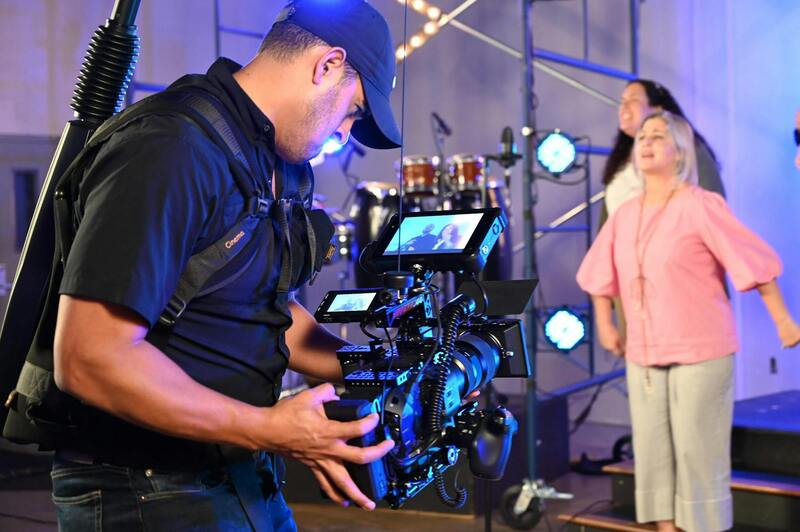
In the competitive Miami event landscape, professional live streaming opens avenues for innovative content delivery, interactive experiences, and tailored audience engagement strategies. These benefits create a compelling case for integrating live streaming into the core planning and execution phases of any event, ensuring broader visibility and heightened attendee satisfaction.
Choosing a Live Streaming Service Provider in Miami
Selecting the right service provider is essential to realize the full potential of live streaming. Organizers should assess providers based on their technical capabilities, experience with similar events, and ability to customize solutions. It is crucial to evaluate their infrastructure, such as data centers, CDN partnerships, and support systems, to guarantee stability and quality throughout the broadcast. Transparency regarding procedures, data handling, and customer support responsiveness also plays a vital role in making an informed decision.
Furthermore, providers should offer scalable packages that can accommodate events of varying sizes, from intimate gatherings to large-scale conferences with thousands of attendees. The ability to seamlessly integrate with existing event technology platforms and marketing channels ensures a cohesive experience for organizers and audiences alike.
Legal and Privacy Aspects of Live Streaming
Ensuring that live streaming events adhere to appropriate legal standards and privacy protocols is crucial for safeguarding all stakeholders involved. This involves meticulous management of content rights, obtaining necessary permissions, and respecting intellectual property laws related to visuals, music, and proprietary materials used during the event. Organizers should implement clear guidelines and agreements with speakers, performers, and content providers to ensure transparency about recording, distribution, and audience engagement practices.
Data privacy is a significant consideration, especially with audience interactions and participation. Live streaming platforms in Miami typically incorporate secure data handling practices designed to protect attendee information, prevent unauthorized access, and comply with industry standards. Implementing access controls, encryption, and secure login procedures help maintain the integrity of the broadcast and safeguard user data.
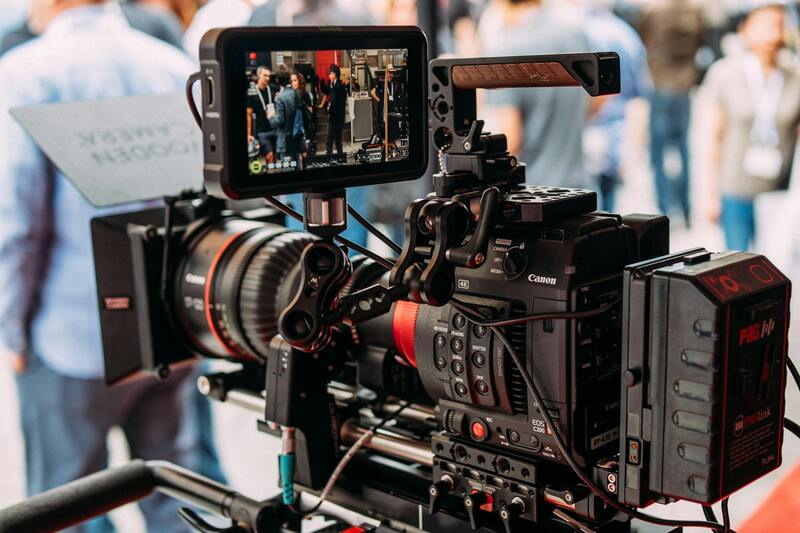
Another critical aspect involves clearly communicating privacy policies and terms of use to participants and viewers. This transparency not only fosters trust but also aligns with best practices for responsible broadcasting. When hosting live streams of Miami events, organizers should work closely with legal consultants and broadcast specialists to ensure all content and platform usage align with existing regulations and industry standards.
Data Security and Audience Engagement
- Implement robust cybersecurity measures, including encryption and secure servers, to prevent data breaches.
- Use access controls such as passwords, tokens, or geo-restrictions to limit viewership to authorized audiences.
- Regularly update streaming software and infrastructure to patch vulnerabilities and maintain a high level of operational security.
- Maintain comprehensive audit logs of streaming activity to monitor and review access and data handling procedures.
Emphasizing these legal and privacy considerations not only enhances the professionalism of your event but also reinforces your commitment to responsible content management. As Miami continues to grow as a hub for diverse and dynamic events, prioritizing these aspects ensures that your live streaming initiatives are credible, compliant, and trusted by your audience and partners alike.