
Overview of Conference Live Streaming Services
Conference live streaming services have revolutionized the way organizations, businesses, and institutions broadcast their events to a global audience. These services enable real-time transmission of conference content via the internet, allowing viewers to participate from anywhere in the world. This method of broadcasting has become essential not only for expanding reach but also for enhancing accessibility, engagement, and information dissemination.
Live streaming of conferences ensures that attendees who cannot physically attend the event can still experience the proceedings, keynote speeches, panel discussions, and interactive sessions as they happen. This immediacy fosters broader participation, increases visibility for the hosting organization, and helps to leverage the full potential of the event's content.
Furthermore, advancements in streaming technology have made it possible to deliver high-definition videos with minimal latency. These improvements contribute to a seamless viewing experience, essential for maintaining viewer engagement and ensuring that the content remains impactful. As the demand for high-quality, reliable streaming grows, choosing the right conference live streaming service becomes a critical component of event planning.
In today’s digital landscape, conference live streaming serves as a vital bridge between physical and virtual participation. It provides an efficient avenue for information exchange, networking, and professional development, enabling organizations to extend their reach well beyond traditional limits. The integration of live streaming into conference strategies enhances overall event value and can significantly boost the exposure and impact of the content shared.
Key Features of Effective Conference Streaming
- High-definition video quality for clear visuals
- Low latency to ensure real-time interaction
- Multi-platform compatibility for diverse devices
- Reliable signal stability with minimal buffering
- Scalable infrastructure for larger audiences
- Advanced content security options
- User-friendly interface for hosts and viewers

Choosing a Conference Live Streaming Provider
Selecting the appropriate provider is a critical step in ensuring the success of your conference streaming. When evaluating potential partners, organizations must prioritize providers who demonstrate a robust infrastructure capable of handling large-scale audiences with minimal latency and high reliability. Providers should offer tailored solutions that cater specifically to the unique requirements of conferences, including branding opportunities, multi-camera support, and seamless integration with existing event platforms.
Key criteria for selecting a conference live streaming provider include their track record of delivering consistent, high-quality streams, availability of technical support during live events, and flexibility in customizing streaming options. It is vital to examine their ability to address bandwidth limitations, especially for international audiences spread across multiple regions. Providers should also offer comprehensive security protocols to protect content and prevent unauthorized access.

Technology and Equipment Requirements
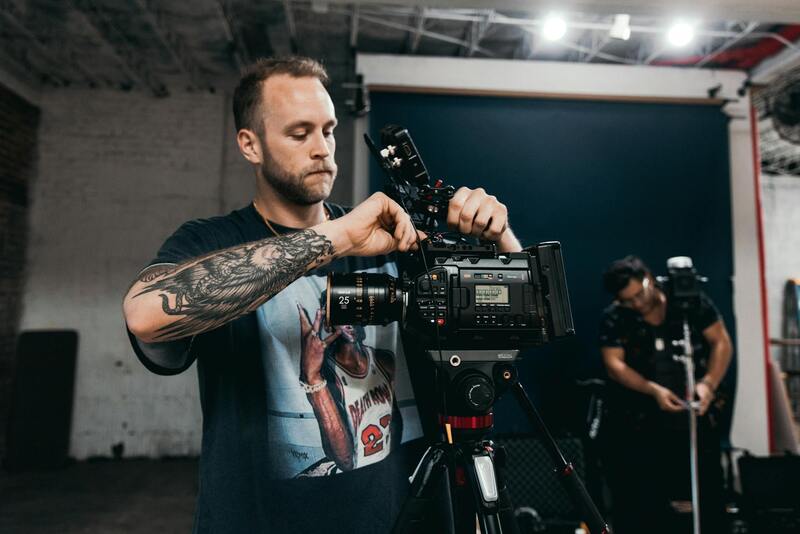
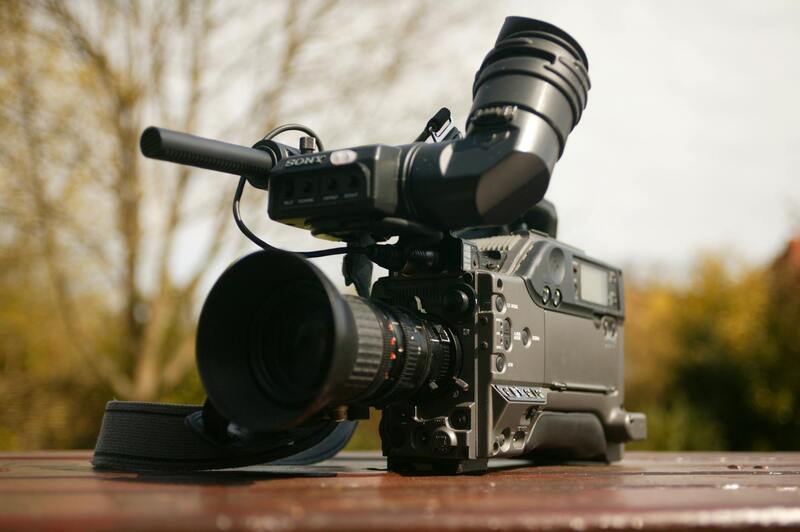
To achieve a professional-grade conference stream, organizations need to invest in reliable technology and equipment. This includes high-definition cameras capable of capturing clear visuals from multiple angles, professional audio equipment for crisp sound quality, and encoders that efficiently compress and transmit digital signals. Additionally, high-speed internet connections with sufficient bandwidth are essential to support uninterrupted streaming.
Utilizing redundant systems enhances stability, reducing the risk of technical failures during the event. This might involve backup internet connections and duplicate hardware components. Cloud-based content delivery networks (CDNs) play a vital role in distributing streams efficiently across different regions, minimizing buffering and lag.
Integrating Interactive Features
Enhanced engagement during conferences is achieved through the integration of interactive functionalities within the streaming platform. Live Q&A sessions, real-time polls, chat modules, and virtual networking lounges foster active participation and facilitate meaningful interaction among attendees.
To implement these features effectively, providers should support user-friendly interfaces and seamless integration with various communication tools. For instance, enabling chat functions synchronized with live video enables attendees to ask questions directly to speakers, increasing engagement levels.
Additional interactive elements such as breakout rooms for smaller discussions or virtual exhibitor booths can enhance the overall experience. These features not only make the event more dynamic but also extend networking opportunities beyond physical boundaries.

Legal and Content Considerations
Managing content rights and ensuring proper licensing is crucial in live streaming conferences. Organizations should verify that they possess the necessary permissions for all media, including videos, images, and music incorporated into the presentation. This prevents potential copyright infringements and ensures legal compliance.
Implementing secure streaming protocols safeguards content from unauthorized access and piracy. Watermarking, encrypted streams, and access controls are effective methods for protecting intellectual property.
Furthermore, organizations must be aware of regional regulations that may influence content distribution, such as data privacy laws and broadcasting rights. Collaborating with experienced legal teams or content security specialists can streamline this process and help maintain smooth, compliant operations.

Overview of Conference Live Streaming Services
Conference live streaming services have become essential tools for organizations seeking to broaden their reach and maximize engagement during professional events. These services facilitate the transmission of high-quality video and audio content over the internet, enabling audiences from diverse locations to participate in real-time. By leveraging dedicated streaming platforms, organizations can ensure seamless delivery, reliable connectivity, and broad accessibility. The adoption of live streaming services allows for greater flexibility in event hosting, offering options for both large-scale conferences and smaller corporate meetings.
Modern conference live streaming services provide integrated solutions that support various formats and scales of events. These platforms often come with features such as multi-camera switching, real-time captions, and multi-platform broadcasting capabilities. Many services also support on-demand content, allowing attendees to revisit sessions or access recordings post-event. This multi-faceted approach enhances the overall conference experience, making content more accessible and engagement more interactive.
Key Benefits of Conference Live Streaming Services
- Extended Reach: Reach audiences across multiple regions, removing geographical barriers.
- Cost Efficiency: Reduce expenses associated with venue hire, travel, and physical setup.
- Increased Engagement: interactive features such as live Q&A, polling, and chat foster active participation.
- Content Flexibility: Provide on-demand access to sessions, increasing content value.
- Data Analytics: Gather insights on audience behavior and preferences to improve future events.
Employing professional live streaming services guarantees a smooth, high-quality transmission that maintains professionalism and audience interest throughout the event. The choice of provider plays a critical role in securing reliable bandwidth, advanced technical support, and comprehensive security measures to protect your content and intellectual property.

Technology and Equipment Requirements
To ensure a seamless and professional conference live streaming experience, the selection of appropriate hardware and software is crucial. High-definition cameras are the cornerstone of quality video capture, enabling clear visuals for remote viewers. It is advisable to use multiple cameras to provide varied angles, especially for key speakers and panel discussions. Professional-grade encoders are essential for compressing the video signal efficiently without sacrificing quality, and they facilitate the transmission of live feeds to streaming platforms.
Reliable internet connectivity forms the backbone of a successful conference stream. A dedicated high-bandwidth connection with a stable upload speed minimizes buffering and latency issues. Redundant internet connections, such as an additional wired or wireless link, can serve as backups to prevent interruptions. Hardware such as external audio mixers and high-quality microphones enhance sound clarity, ensuring that speech and presentations are intelligible to remote audiences.
On the software front, advanced live streaming platforms offer features like multi-camera switching, real-time graphics insertion, and social media integration. Choosing software that integrates seamlessly with your hardware setup streamlines production workflows and improves viewer experience. Additionally, cloud-based streaming solutions can provide scalability and on-demand content management, allowing for flexible scheduling and archiving.

Integrating Interactive Features
Enhancing viewer engagement through interactive features is a significant aspect of effective conference streaming. Live chat functionalities enable attendees to communicate with speakers or event organizers, fostering a sense of community and real-time participation. Polling tools allow the host to gather instant feedback, while Q&A sessions empower the audience to direct questions to presenters directly.
Additionally, incorporating social media sharing options encourages viewers to broadcast highlights and key moments, widening event visibility. Some platforms also support virtual breakout sessions or networking lounges, replicating the interactive spirit of in-person events. When these features are integrated thoughtfully, they not only elevate the viewer experience but also provide valuable data that can inform future event planning.

Legal and Content Considerations
When planning a professional conference live stream, it is essential to adhere to established guidelines and best practices concerning content management and distribution. Ensuring proper licensing and permissions for all multimedia elements, including videos, images, music, and proprietary material, safeguards the event from potential disruptions or legal complications. Obtaining clearances from content owners before broadcasting helps prevent copyright infringements that could alter the event’s integrity and impact its reputation.
Additionally, it is vital to develop a comprehensive rights management strategy. This involves tracking owned content and licensing agreements to ensure compliance across all platforms where the recording or live stream may be published or shared. Accurate attribution and proper use of copyrighted material contribute to maintaining a professional standard and uphold the trust of your audience.

Content moderation also plays a critical role. During live streams, especially those with interactive features like chat or Q&A, it’s important to proactively monitor and moderate interactions to foster a respectful and constructive environment. This helps in managing inappropriate comments or spam and ensures that attendees feel comfortable engaging throughout the event.
Furthermore, establishing clear terms of use and privacy policies informs viewers about data handling practices, respecting user privacy and compliance with relevant regulations. Transparency about how audience information and interaction data are managed builds credibility and enhances viewer trust.
Documenting all content rights agreements and moderation policies provides a clear framework for all stakeholders involved. This preparation minimizes the risk of interference with the event’s smooth operation and supports the delivery of consistent, high-quality content to your remote audience.
Technology and Equipment Requirements
Achieving a professional and seamless conference live stream relies on the deployment of suitable technology and equipment. The foundation begins with high-quality video cameras capable of capturing clear, sharp visuals from various angles. These cameras should support high-definition streaming standards, such as 1080p or 4K, to ensure every detail is visible and engaging for remote viewers. In addition to cameras, professional audio equipment is crucial. Lavalier microphones or boundary microphones are preferred to capture clear sound from speakers and panelists without background noise. Audio mixers can help balance multiple sound sources, ensuring consistent volume levels throughout the event. A robust internet connection forms the backbone of live streaming success. It is recommended to use dedicated, wired connections to minimize latency and avoid potential disruptions caused by Wi-Fi interference. Upload speeds should comfortably exceed the bandwidth requirements of the streaming platform, with a buffer to accommodate any unforeseen variances. Encoding hardware or software is necessary to convert raw video footage into a streamable format compatible with various platforms. Hardware encoders, such as standalone devices, provide reliability, while software encoders can be more flexible and cost-effective for certain setups. Proper lighting plays a pivotal role in producing visually appealing streams. Lighting setups should be evenly distributed and sufficient to illuminate speakers and presentation materials clearly, avoiding shadows and glare. Finally, auxiliary equipment like screen sharing tools, multiple camera switching systems, and battery backups (UPS) for essential gear help ensure a continuous and professional broadcast, even during technical difficulties.

Integrating Interactive Features
To enhance engagement and foster a more dynamic experience, conference live streams benefit from incorporating interactive features. Live chat functionalities allow attendees to communicate in real time, ask questions, and provide feedback, creating a sense of community despite the remote setting. Moderation tools should be implemented to monitor interactions, prevent spam, and maintain a respectful environment. Live Q&A sessions are an excellent method to involve the audience directly, offering opportunities for real-time clarification and deeper involvement. Polls and surveys can also be integrated seamlessly to gather immediate opinions or feedback on specific topics or session content. Another effective feature is the use of virtual breakout rooms or discussion sections, which enable small group interactions and networking. These virtual spaces can simulate in-person networking, fostering connections among attendees. Furthermore, overlays, real-time notifications, and branding elements can be customized to align with the event’s theme and reinforce branding. The use of interactive dashboards displaying speaker bios, event schedules, or session summaries can also enhance attendee experience. Implementing these interactive tools necessitates a reliable streaming platform that supports such features securely and smoothly. Proper planning and testing prior to the event ensure that technical issues are minimized, and attendees enjoy a seamless interactive experience.
Legal and Content Considerations
When organizing a conference with live streaming services, understanding and adhering to proper content management practices is vital. Ensuring that all material shared during the event complies with intellectual property laws and licensing agreements safeguards the integrity of the presentation and prevents potential disputes. This involves obtaining necessary permissions for copyrighted images, videos, music, and any third-party materials used within the stream.
Effective management of presentation content also includes implementing secure distribution methods. This typically involves encrypted streams and secure access controls to prevent unauthorized viewing or recording of the session. Such measures help maintain the confidentiality of sensitive information and protect proprietary content.

Another critical aspect is the management of attendee access. Virtual event platforms often include authentication protocols, such as login credentials or single sign-on (SSO) tools, to verify participant identities. This not only provides a smooth experience for attendees but also enhances the control over who views the content, reducing the risk of unauthorized sharing.
For events involving multiple speakers or sessions, clear guidelines and contractual agreements should be established regarding the use and distribution of recorded materials. This ensures that all parties are aware of and agree to how content will be handled post-event.
Monitoring and Compliance
Active monitoring during the live stream can prevent breaches or misuse of content. Assigning dedicated moderation staff or utilizing automated systems to flag inappropriate or unauthorized activity fosters a respectful and lawful streaming environment.
Additionally, keeping an accurate record of content rights, permissions, and distribution agreements is essential. This documentation not only helps in resolving any disputes but also streamlines the process of content management for future events.
Ensuring Compliance and Content Security in Conference Live Streaming
Maintaining the security of streamed content and ensuring proper management of rights and access are vital components of a successful conference broadcast. Organizations must implement strategies that protect proprietary information and respect content ownership rights, utilizing aligned systems and practices throughout the streaming process.
Implementing Content Protection Measures
Encrypted streams are fundamental to safeguarding live conference content from interception or unauthorized redistribution. Advanced encryption protocols, such as Secure Real-Time Transport Protocol (SRTP) or Transport Layer Security (TLS), provide a secure channel for content dissemination. These measures help prevent unauthorized access during transmission, ensuring that only authenticated viewers can access the stream.
Beyond encryption, content security can be strengthened through digital rights management (DRM) technologies. DRM allows content providers to set permissions regarding who can view, copy, or distribute streamed materials. It also facilitates the restriction of recording or downloading capabilities, thereby protecting intellectual property.
Access Control and Attendee Authentication
Effective access control is crucial for limiting stream viewership to registered participants. Implementation of robust authentication methods, such as login credentials, single sign-on (SSO), or two-factor authentication (2FA), ensures that only authorized individuals can join the session. This minimizes risks associated with guest sharing or unauthorized access.
Virtual event platforms often incorporate secure login portals that tie access to verified user profiles. By maintaining detailed records of attendee registrations and access permissions, organizers can tailor content delivery and enforce viewing restrictions if necessary. Clear instructions and communication about access protocols ahead of the event support smooth participation and reduce onboarding issues.
Content Rights Management and Post-Event Handling
Clear contractual agreements should be established prior to the event concerning the use, recording, and distribution of the conference content. These protocols delineate the rights of speakers, organizers, and participants, ensuring everyone understands permissible usage. For recorded materials, encrypted storage and controlled distribution channels should be employed to prevent unauthorized sharing.
Additionally, maintaining an organized record of permissions, licensing agreements, and content rights is instrumental for consolidating compliance. This documentation streamlines resolution processes should disputes arise and simplifies management for future streaming activities.
Monitoring and Moderation for a Secure Environment
Active monitoring during the live stream enhances security and helps detect any potential misuse or breach. Employing dedicated moderators, automated detection tools, or AI-based monitoring systems facilitates real-time oversight. These measures can promptly flag suspicious activity or inappropriate conduct, thereby preserving a respectful and compliant streaming environment.
Furthermore, implementing real-time chat moderation and audience engagement controls prevents disruptive behavior, fostering a professional and orderly virtual conference space. Consistent oversight ensures that the streaming experience remains seamless and aligned with organizational standards of conduct and content management.