
Overview of Streaming Live Video Services
Streaming live video services have become an integral component of modern digital communication, transforming the way businesses, organizations, and content creators engage with their audiences. These platforms enable real-time broadcasting, allowing for immediate interaction and engagement with viewers regardless of geographical barriers. As a result, live streaming has emerged as a powerful tool for marketing, customer support, product launches, and virtual events.
For Miami production agencies, incorporating live video streaming into their service portfolio presents a significant opportunity to deliver dynamic, engaging content to clients spanning various industries such as hospitality, fashion, real estate, and entertainment. The ability to capture live events, conferences, or behind-the-scenes footage and broadcast it in high quality enhances brand visibility and fosters authentic connections with viewers.

Additionally, the evolving landscape of streaming technology emphasizes the importance of reliable, scalable, and user-friendly solutions that meet diverse client needs. From small business product showcases to large-scale live concerts, live streaming platforms serve as versatile tools capable of supporting various formats and interactive features. This versatility allows Miami production agencies to tailor their services, delivering customized streaming experiences that resonate with target audiences and strengthen client relationships.
Fundamentally, live streaming technology simplifies the process of content delivery, ensuring that organizations can broadcast their message instantaneously with minimal latency. As businesses seek innovative ways to enhance engagement and drive growth, the significance of robust live video services continues to rise, solidifying their role as a cornerstone of comprehensive digital strategies in the Miami market and beyond.
Equipment and Technology Requirements for Professional Live Streaming
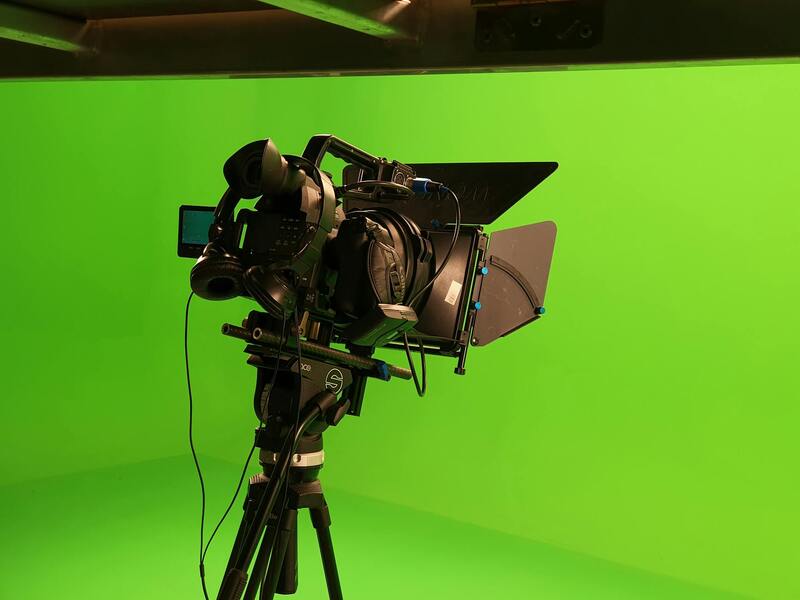
To ensure seamless broadcast quality and minimize technical difficulties, selecting the appropriate equipment and technology is paramount when delivering live video content. High-resolution cameras capable of capturing clear, detailed images in various lighting conditions form the cornerstone of professional streaming setups. These cameras should support HD or 4K video output, accommodating different types of content, from corporate presentations to live concerts.
Audio quality also plays a vital role in viewer engagement. Utilizing professional-grade microphones and audio mixers helps capture clear sound, reducing background noise and echo, which can detract from the viewing experience. Wireless microphones and lavalier options are common in dynamic event settings, providing mobility without sacrificing audio fidelity.
A robust encoding device is necessary to convert live camera feeds into digital formats suitable for streaming. Hardware encoders are preferred for their stability and consistency, especially during long broadcasts. Additionally, some platforms support software encoders, which are often flexible and cost-effective but may require powerful processing hardware to avoid buffering or lag.
Reliable internet connectivity is perhaps the most crucial element of live streaming infrastructure. A dedicated high-bandwidth connection with symmetrical upload and download speeds ensures smooth transmission without interruptions. Many professionals opt for fiber-optic internet or bonded internet solutions that combine multiple networks to enhance bandwidth and reliability.
To distribute the stream effectively, video encoders are integrated with streaming software or hardware that compresses and encodes video signals in real-time. These encoders also enable stream management, such as switching between different camera angles, adding graphics, or overlaying branding elements.
Support for multiple input sources allows for versatile content creation. This includes the ability to incorporate pre-recorded footage, slideshows, or live feeds from other locations, enriching the broadcast and maintaining viewer interest.
Overview of Streaming Live Video Services
Streaming live video services have revolutionized the way content creators, businesses, and organizations connect with their audiences in real-time. These platforms enable the transmission of live broadcasts to viewers across various devices, facilitating immediate engagement and interactive experiences. The core essence of these services lies in their ability to deliver uninterrupted, high-quality video streams that resonate with viewers and support diverse content types, including events, tutorials, product launches, and more.

Choosing a suitable streaming service requires an understanding of their underlying architecture, streaming protocols, and compatibility with different devices and operating systems. Top-tier platforms leverage advanced encoding technologies, adaptive bitrate streaming, and strong content delivery networks (CDNs) to ensure viewers experience minimal latency and high-quality visuals regardless of their location or network conditions. As live video content continues to grow exponentially, these services are becoming essential tools for digital marketing, event hosting, education, and entertainment industries.
Key Features of Live Streaming Platforms
Modern live streaming platforms offer an array of features designed to optimize broadcast quality, viewer interaction, and ease of use. These include:
- Scalable Infrastructure: Capable of handling large audiences without degradation in stream quality.
- Multi-Platform Compatibility: Stream to websites, social media channels, and dedicated apps simultaneously.
- Real-Time Analytics: Insights into viewer engagement, geographic distribution, and stream health.
- Content Management: Tools for scheduling, editing, and managing live broadcasts efficiently.
- Monetization Options: Support for ads, pay-per-view, or subscription models to generate revenue.
- Interactive Features: Chat, polls, and Q&A sessions to foster audience participation.
- Security Measures: DRM, encryption, and access controls to protect content and prevent unauthorized sharing.

These features collectively contribute to a seamless streaming experience, enabling content creators and organizations to deliver professional broadcasts that meet audience expectations and expand reach effectively. The selection of a platform should consider the specific requirements of the content, target audience, and desired interactivity level, ensuring the service aligns with overall digital strategy.
Streaming Live Video Services: Content Strategies for Effective Broadcasts
Developing a robust content strategy is fundamental for maximizing the impact of live streaming efforts. This involves meticulous planning of broadcast schedules, engaging programming, and leveraging platform features to foster a loyal viewer base.
Crafting Engaging Live Content
Successful live broadcasts depend on content that resonates with the target audience. Content creators should focus on delivering value, whether through educational insights, entertainment, or exclusive behind-the-scenes glimpses. Authenticity plays a vital role; audiences are drawn to presentations that feel genuine and relatable. Incorporating dynamic visuals, varied camera angles, and compelling narratives enhances viewer engagement and sustains interest throughout the broadcast.
Scheduling Broadcasts Strategically
Consistent timing helps establish viewer expectations and builds habitual viewing. Analyzing audience analytics allows broadcasters to identify peak activity periods, ensuring that content is scheduled when engagement is highest. Announcing upcoming streams in advance, via integrated platform notifications or social media, increases viewership and anticipation.
Utilizing Interactive Features to Boost Engagement
Interactivity transforms passive viewers into active participants. Features such as live chat, polls, and question-and-answer sessions foster a sense of community and encourage real-time feedback. Implementing these tools effectively requires a dedicated moderator to facilitate interactions, address viewer comments, and maintain a welcoming environment. Additionally, incorporating gamified elements or giveaways can incentivize participation and increase retention.

Leveraging Multi-Platform Distribution
Broadcasting simultaneously across various channels significantly broadens reach. Many live streaming platforms support multi-platform outputs, allowing content to be embedded on websites, shared across social media, and streamed through dedicated apps. This multi-channel approach ensures that diverse audience segments can access the content through their preferred platforms, increasing engagement opportunities.
Monitoring and Adjusting Based on Analytics
Ongoing analysis of live stream data offers valuable insights into viewer behavior. Metrics such as concurrent viewers, engagement rates, geographic locations, and device types inform content adjustments and strategic decisions. Regularly reviewing this data enables broadcasters to refine their content, optimize scheduling, and enhance overall viewer satisfaction.
Implementing a Feedback Loop for Continuous Improvement
Actively soliciting viewer feedback through post-broadcast surveys or live comment analysis provides direct insights into audience preferences. Incorporating this feedback into future broadcasts demonstrates responsiveness and fosters loyalty. Additionally, experimenting with different formats, topics, and interactive features keeps content fresh and relevant, encouraging viewers to return for future streams.
Legal and Privacy Considerations
When utilizing streaming live video services, understanding the legal and privacy frameworks that govern content dissemination is essential. Ensuring compliance with applicable laws and best practices helps protect operators from potential disputes and maintains viewer trust.
Copyright and Licensing
Content creators must secure the appropriate rights before broadcasting copyrighted material, such as music, video clips, or proprietary visuals. This involves obtaining licenses from rights holders or using content that is within the public domain. Unauthorized use of protected material can lead to takedown notices, legal action, and damage to reputation. Live streaming platforms often have provisions or tools for managing content rights, but responsibility ultimately rests on the broadcaster to verify content legality.
Content Distribution Rights
Broadcasting original content requires clarity on distribution rights, especially when streaming across multiple platforms. Understanding where and how the content is shared ensures compliance with licensing agreements and prevents infringement issues. Broadcasters should document permissions and maintain records of rights acquired, particularly when involving third-party creators or collaborators.
Digital Privacy and Data Security
Live streams collect a variety of viewer data, including IP addresses, engagement metrics, and possibly personally identifiable information. Adherence to privacy standards involves informing viewers about data collection practices through clear privacy policies and obtaining necessary consents, particularly if sensitive information is involved. Secure transmission protocols are necessary to prevent data breaches and unauthorized access, ensuring that viewer information remains protected throughout streaming sessions.
Regional Regulations and Content Restrictions
In Miami and broader Florida jurisdictions, local laws may impose restrictions on certain types of content or broadcasting practices. Regulators might enforce rules related to obscenity, hate speech, or misinformation. Broadcasters should familiarize themselves with regional statutes and comply with content guidelines to avoid penalties or shutdowns. This includes being cautious with politically sensitive or controversial material and adhering to broadcast standards for decency.
Audience Engagement and Moderation
Interactive live streams often involve real-time comments and viewer participation. Moderating these interactions helps prevent the spread of inappropriate content and ensures a positive environment. Many platforms provide moderation tools, including keyword filters and user bans. Establishing clear community guidelines and actively managing live interactions bolster overall content quality and protect the broadcaster's reputation.
Strategies for Promoting Live Video Content
Maximizing the visibility and engagement of your live streaming endeavors requires a multifaceted promotion strategy that leverages various digital channels. One of the most effective approaches involves cross-platform integration, ensuring your live streams are accessible and discoverable across multiple social media networks and digital touchpoints.
Begin by creating teaser content or short promotional clips that highlight key moments or topics of your upcoming live sessions. Sharing this content through your official social media accounts, such as Twitter, Facebook, Instagram, and LinkedIn, can build anticipation and encourage viewers to mark their calendars. Incorporate relevant hashtags and keywords to enhance discoverability, particularly within local communities or niche interest groups.
Embedding your live streams directly into your website or blog pages provides a centralized location for your content. Use dedicated landing pages optimized with SEO best practices, including descriptive titles, meta descriptions, and keyword-rich content that aligns with viewer search intent. Embedding the live stream player on these pages helps drive traffic from your existing audience and improves overall site engagement metrics.
Furthermore, cultivating a presence on niche platforms or industry-specific forums can connect you with targeted audiences. Engage actively in online communities, participate in relevant discussions, and provide value-added insights alongside your streaming schedule. This targeted outreach can significantly increase attendance and interaction during live sessions.
Implement notification systems to alert registered viewers about upcoming streams. Email newsletters, app notifications, and countdown timers on your website serve as effective reminders that boost real-time viewership. Consistent scheduling and transparency about broadcast timings foster a loyal audience base that anticipates your content regularly.
Finally, consider partnering with other content creators or influencers within your sector to expand reach. Collaborative promotions, co-hosted streams, or guest appearances bring diverse audiences together and amplify your message. Building strategic alliances not only enhances visibility but also enriches the content quality through varied perspectives.
By employing a comprehensive marketing approach that combines live embedding, cross-platform promotion, targeted outreach, and strategic collaborations, you can significantly enhance the reach and impact of your live streaming initiatives. Ensuring your content aligns with viewer interests and maintaining consistent communication builds a robust community around your broadcasts, fostering sustained growth and engagement over time.
Integration with Social Media and Websites
Seamless integration of your live streaming content with various digital platforms is vital for maximizing reach and engagement. Official streaming live video services often provide built-in tools and APIs that allow broadcasters to embed live streams directly into their websites or share them across multiple social media channels effortlessly. This integration ensures a consistent viewer experience and helps in consolidating audience interactions from different digital touchpoints.
Embedding live streams on your website provides visitors with immediate access to your content without navigating away, increasing the likelihood of engagement. Utilize HTML embed codes supplied by your streaming provider to integrate the stream into specific pages, ensuring they align visually with your site design. Additionally, leveraging custom players or widgets can enhance functionality, such as adding chat features, event schedules, or call-to-action buttons that direct viewers to other relevant content or subscription options.
Beyond your website, sharing live video links on platforms like Facebook, Twitter, Instagram, LinkedIn, and TikTok can exponentially increase your audience. Each platform has unique features to promote broadcasts, including Stories, posts, and dedicated live sections. Scheduling posts ahead of your stream alerts your followers and encourages real-time participation. Moreover, using platform-specific features like Facebook’s Live Connect or Instagram’s IGTV enhances visibility and engagement metrics.

Strategically, consider also adding shareable links and call-to-action prompts during your broadcast to motivate viewers to spread the stream further. Embedding social share buttons within the video player or on your website's sidebar enables viewers to easily distribute your content within their networks, expanding your visibility organically.
Implementing comprehensive analytics tools offered by many leading live streaming platforms helps monitor how well your integrations perform. These insights can reveal which channels contribute the most traffic or engagement, guiding you to optimize your distribution strategy continually. By maintaining a consistent posting schedule and engaging actively with your audience across all platforms, you build a cohesive broadcasting ecosystem that fosters loyalty and sustained growth.
Choosing a Live Streaming Service Provider
Criteria for Selecting a Reliable Platform
When evaluating live streaming platforms, strategic consideration of multiple factors ensures the selection aligns with your content delivery goals and operational needs. The ideal provider offers a balance of robust features, cost-effectiveness, comprehensive technical support, and customization options tailored for professional productions in Miami.
One of the primary considerations is the platform’s ability to deliver high-quality streams with minimal latency, ensuring viewers experience seamless broadcasts regardless of their device or internet connection. A reliable encoder integration, adaptive bitrate streaming, and support for multiple resolutions are essential components for maintaining a professional standard of delivery.
Key Features to Consider
- Scalability: The platform should accommodate your audience size, whether you’re hosting an intimate webinar or a large-scale event.
- Content Customization: Ability to incorporate branding elements, overlays, and interactive features to engage viewers effectively.
- Analytics and Reporting: Comprehensive data collection tools to measure viewer engagement, geographic distribution, and viewership trends.
- Security Measures: Features such as encrypted streams, access controls, and password protections to safeguard content and viewer privacy.
- Integration Capabilities: Compatibility with social media, content management systems, and other digital tools used for marketing and analysis.
Cost and Technical Support
Budget considerations are crucial; however, prioritizing quality and support ensures smooth operation during broadcasts. Platforms that offer dedicated customer service, training resources, and troubleshooting assistance can be invaluable, especially during live events where technical issues must be resolved swiftly.
Assessing Suitability for Miami Production Needs
Given Miami’s vibrant event scene, broadcasters benefit from platforms that provide regional support, flexible hosting options with local data centers, and adaptive streaming capabilities suited for diverse audience demographics. Compatibility with mobile devices and social media integration is particularly important to reach the region’s affluent and tech-savvy viewers.
Prioritizing platforms that continuously update their technology ensures your live streams remain competitive, engaging, and accessible across all viewing environments. Carefully comparing provider features, checking references from other content creators, and conducting trial runs can help solidify your decision and optimize your live streaming presence in the Miami market.