
Overview of Live Streaming for Events
Live streaming has revolutionized the way events are experienced, providing a dynamic platform to broadcast content to a global audience in real-time. In the context of events, live streaming involves transmitting live video and audio feeds over the internet, allowing viewers to participate remotely from anywhere in the world. This method enhances accessibility, broadens reach, and offers an immersive experience that blends visual, audio, and interactive elements.
For event organizers, live streaming opens new avenues for engagement, allowing them to reach audiences beyond physical limitations such as geography or capacity constraints. It facilitates real-time interaction through chat functions, polling, and social media integration, fostering a sense of community among remote viewers. Attendees benefit from the convenience of virtual participation, enabling participation in conferences, performances, or ceremonies without the need for travel or accommodation expenses. Broadcasters and content providers, on the other hand, gain access to sophisticated tools and infrastructure that ensure high-quality transmission, brand visibility, and audience analytics.
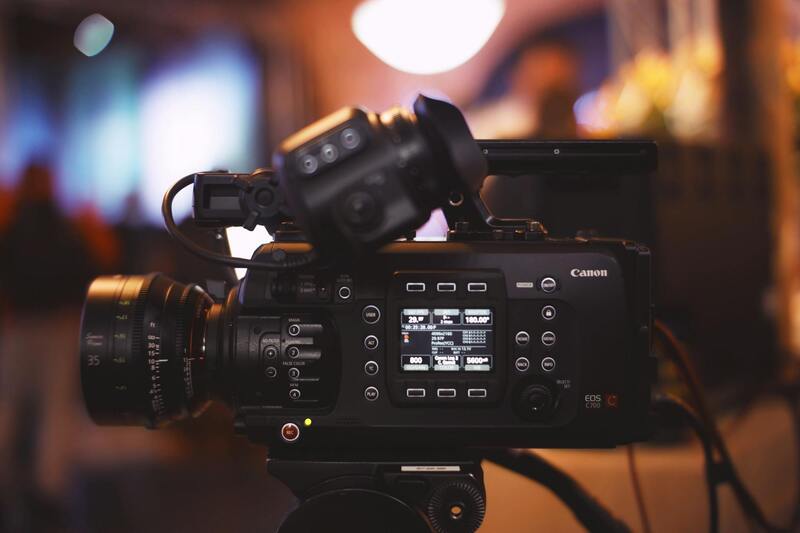
Reliable live streaming relies on a combination of robust technology, high-quality equipment, and skilled personnel. With the right setup, events can achieve seamless broadcasting, minimizing delays and technical disruptions. The evolution of internet bandwidth, advancement in streaming hardware, and user-friendly platforms have made high-definition live streaming more accessible for diverse event types, from corporate conferences to large-scale festivals.
Furthermore, live streaming extends the lifespan of an event by enabling post-event replay options, ondemand viewing, and content distribution across multiple channels. This creates continuous engagement and maximizes return on investment for organizers and sponsors. As the demand for virtual and hybrid events grows, understanding the foundational aspects of live streaming becomes essential for creating compelling, professional, and far-reaching event experiences.
Types of Live Streaming Services Available for Events
Choosing the appropriate live streaming service is pivotal for delivering a high-quality experience tailored to your event's specific needs. Different platforms and technologies excel in accommodating various event sizes, formats, and audience engagement levels. Broadly, services can be categorized into several types, each offering unique benefits and features.
- Dedicated Event Streaming Platforms: Specialized platforms such as Vimeo Livestream, Wowza, or IBM Cloud Video are designed specifically for event broadcasting. They support large audiences, provide reliable servers, and often include features like multiple camera feeds, real-time analytics, and audience interaction tools.
- Social Media Live Tools: Platforms like Facebook Live, YouTube Live, and LinkedIn Live enable event organizers to reach broad audiences quickly. These services are accessible and easy to deploy but might lack some advanced features necessary for large or complex events.
- Hybrid Streaming Solutions: Combining dedicated platforms with social media broadcasting allows for broader reach while maintaining high production standards. These solutions support simultaneous streaming across multiple channels, maximizing audience engagement.
- Custom Streaming Solutions: For highly specialized events, organizations may opt for custom-built solutions that integrate multiple technologies. These setups are managed by professional production teams to ensure tailored functionalities, such as branded player interfaces or integrating secondary feeds for audience interactivity.
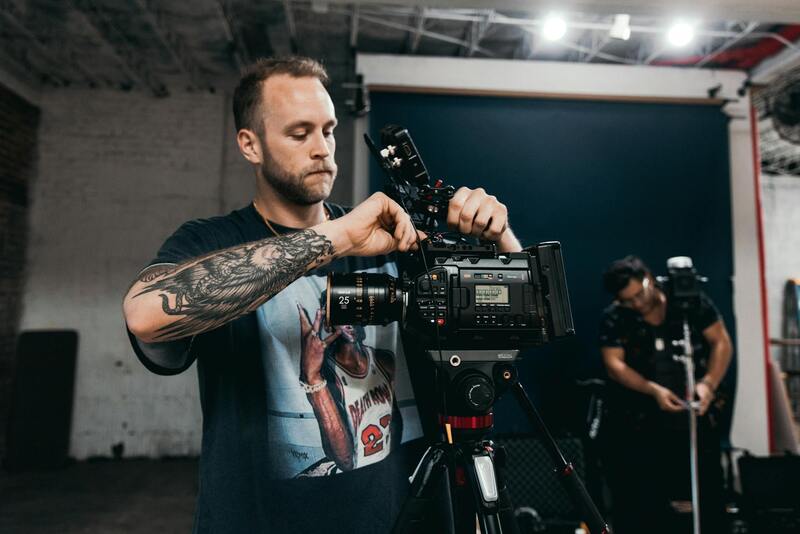
Event organizers must evaluate these options based on their expected audience size, technical complexity, and desired level of interaction. Balancing affordability with functionality ensures the event’s success and maximizes audience reach and engagement.
Overview of Live Streaming for Events
Live streaming has become an indispensable component of event planning, offering organizations the ability to connect with global audiences in real-time. Whether hosting a corporate conference, a music festival, or a community celebration, delivering high-quality live content allows for enhanced engagement, broader exposure, and increased participation. Organizers need to understand the various streaming options available to select the most suitable solutions that align with their event's scope, technical requirements, and audience expectations.
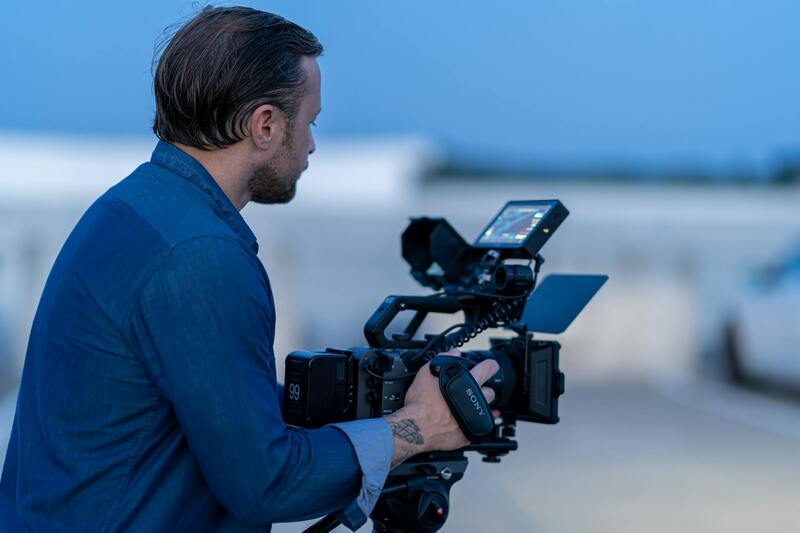
Types of Live Streaming Services Available for Events
Choosing the right streaming service is crucial for the success and impact of an event. The main categories include:
- Dedicated Event Streaming Platforms: Platforms like Vimeo Livestream, Wowza, and IBM Cloud Video provide specialized solutions designed specifically for large-scale event broadcasting. They support multiple camera feeds, offer robust server infrastructure, and include advanced features such as real-time analytics, audience interaction, and multi-platform streaming. These platforms are suitable for events with substantial attendance and complex production requirements.
- Social Media Live Tools: Channels such as Facebook Live, YouTube Live, and LinkedIn Live offer accessible, easy-to-use options for live streaming. They enable rapid deployment and broad reach, making them excellent for smaller or less formal events. However, they might lack some of the advanced customization and interactivity features required for larger or more intricate productions.
- Hybrid Streaming Solutions: Combining dedicated platforms with social media broadcasting extends an event's reach while maintaining high-quality production standards. This approach allows simultaneous streaming across multiple channels, maximizing audience engagement across diverse platforms and devices.
- Custom Streaming Solutions: For highly specialized events, custom-built streaming setups tailored to specific needs are often preferred. These solutions involve integrating various technologies to create a seamless broadcast experience, including branded video players, secondary feeds, live chat, and interactive elements. Managed by professional production teams, these setups are designed to ensure a polished and engaging viewer experience.
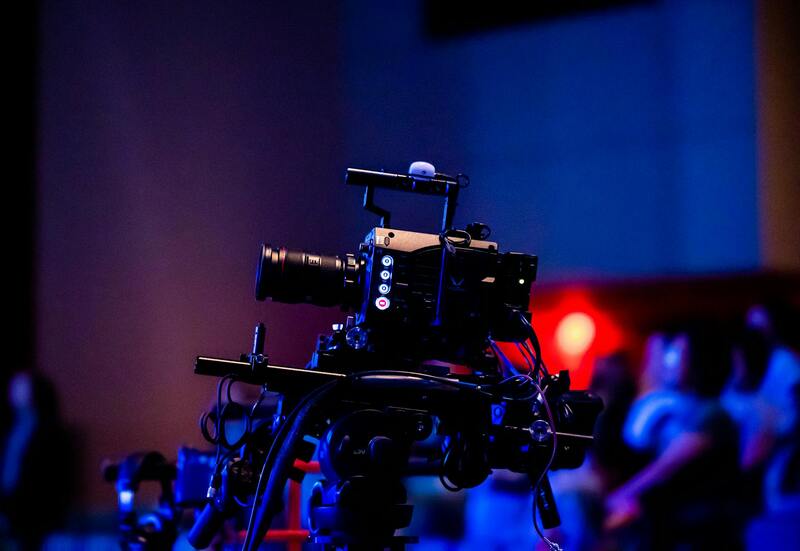
Evaluating Suitable Streaming Options
Event organizers should assess their goals, audience size, technical capacity, and desired engagement level when selecting a streaming service. Larger events with complex production needs typically benefit from dedicated or custom solutions, whereas smaller gatherings or community events may find social media live tools sufficient. Striking a balance between affordability and functionality ensures smooth delivery and maximized reach, ultimately contributing to the event’s success.
Overview of Live Streaming for Events
Live streaming for events has become an essential component of modern event management, providing a dynamic way to reach audiences that are geographically dispersed. It allows organizers to broadcast their events in real-time, offering viewers immediate access regardless of their location. This form of digital broadcasting enhances accessibility, inclusivity, and audience engagement, effectively expanding the event's reach beyond physical constraints. As technology continues to evolve, the quality and reliability of live streams have improved significantly, enabling event organizers to deliver professional-grade content that can include live interviews, panel discussions, performances, and interactive sessions.

Effective live streaming also provides valuable opportunities for real-time interaction, allowing audiences to participate via live chats, polls, or Q&A segments. This interaction fosters a sense of community and increases viewer retention and satisfaction. Furthermore, with recorded streams being available after the event, organizers can extend the lifespan of their content for promotional or educational purposes. The integration of live streaming into event planning demands a strategic approach, encompassing technology, content presentation, and audience engagement strategies.
Types of Live Streaming Services Available for Events
Choosing the right live streaming service depends on the specific needs of the event, including its size, complexity, and desired viewer experience. Several primary categories of streaming services are available:
- Social Media Live Tools: Platforms such as Facebook Live, Instagram Live, and YouTube Live offer accessible and straightforward broadcasting solutions. They are ideal for smaller events, community gatherings, or promotional activities. These services facilitate easy setup, audience interaction through comments, and broad reach without extensive technical requirements.
- Dedicated Streaming Platforms: Platforms like Vimeo Livestream, Brightcove, and DaCast cater to more professional events requiring high-quality video, custom branding, and additional features such as audience analytics and monetization options. These services often include tools for multi-camera setups, real-time editing, and secure access, making them suitable for large conferences, seminars, or corporate events.
- Hybrid Streaming Solutions: Combining dedicated services with social media channels, hybrid solutions enable simultaneous streaming across multiple platforms. This approach maximizes audience reach and engagement while maintaining high production standards. Organizers can leverage broader social media audiences while providing a polished experience on dedicated platforms.
- Custom-Built Streaming Solutions: For complex or highly specialized events, custom streaming setups are designed with tailored features such as integrated branding, multiple feeds, interactive elements, and professional-grade graphics. These solutions usually involve a team of technical experts and production professionals to manage seamless broadcasts tailored exactly to the event’s requirements.
Image Placeholder
Each of these options is chosen based on the specific objectives, expected audience size, technical capabilities, and budget available. Proper evaluation ensures the selected streaming service aligns with event goals, providing a compelling and engaging experience for viewers while maintaining high broadcast quality.
Technical Requirements for Live Streaming Events
Ensuring a smooth live streaming experience for events necessitates meticulous attention to technical setup and infrastructure. The complexity of the setup varies with the scale and nature of the event, but several core components are universally essential to deliver high-quality broadcasts.
High-Quality Video and Audio Equipment
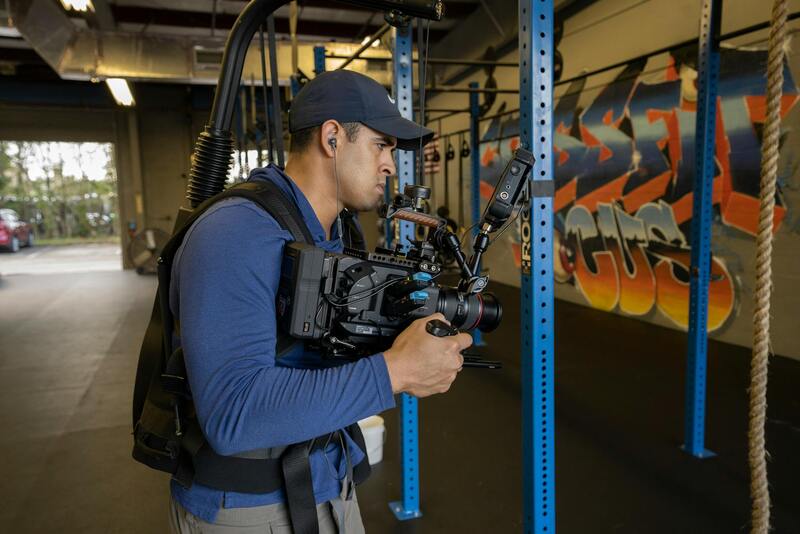
For professional live streams, investing in high-definition cameras capable of capturing clear, crisp footage is critical. Multiple camera angles can enhance viewer engagement, especially for large conferences or multi-room events. Complementing the video setup, advanced microphones and sound engineers ensure crystal-clear audio, minimizing background noise and ensuring spoken content is comprehensible.
Reliable Internet Connection
A stable, high-bandwidth internet connection is paramount. Any fluctuations or interruptions in connectivity can lead to buffering, quality degradation, or even stream outages. Many event organizers prefer dedicated fiber-optic connections to guarantee consistent upload speeds and minimize latency, which is essential for real-time interactions and audience engagement.
Streaming Hardware and Software
Equipment such as video switchers, encoders, and streaming engines form the backbone of a professional broadcast setup. Hardware encoders are often preferred for their reliability and ability to handle high data loads, while software encoders provide flexibility and ease of use. Advanced streaming software includes features like multistreaming, real-time editing, and branding overlays, which enhance the overall presentation.
Content Delivery Networks (CDNs)
To reach a broad audience without buffering or delays, leveraging a content delivery network (CDN) is advisable. CDNs distribute the stream across multiple servers worldwide, reducing latency and ensuring high availability. This infrastructure is vital for large-scale events with global audiences, offering resilience against traffic surges and technical issues.
Monitoring and Support
Continuous monitoring during the event allows technical teams to promptly address any issues that arise. Employing dedicated support staff, including network engineers and audiovisual technicians, safeguards the broadcast from unforeseen problems. Pre-event testing and rehearsals are also crucial in identifying potential technical constraints and rectifying them beforehand.
 igure>
Additionally, incorporating backup systems such as secondary internet links, redundant power supplies, and alternative hardware ensures the event remains unaffected by technical failures. This level of preparedness minimizes disruptions and sustains viewer engagement throughout the broadcast.
Roles of a Production Agency in Live Streaming Events
In the landscape of live streaming for events, partnering with a professional production agency can significantly elevate the quality and success of the broadcast. These agencies bring a comprehensive suite of services that encompass everything from pre-event planning to post-broadcast analysis, ensuring a seamless experience for both organizers and viewers.
Pre-Event Planning and Consultation
One of the primary responsibilities of a production agency is to collaborate with clients during the initial planning stages. This includes understanding the event’s objectives, target audience, and key messages. The agency then develops a tailored streaming strategy that aligns with these goals, considering factors such as venue setup, audiovisual requirements, and preferred platforms. Detailed planning helps anticipate potential technical challenges, enabling strategic solutions to be implemented proactively.
Technical Setup and Equipment Management
Executing a professional live stream requires meticulous technical arrangements. Production agencies typically oversee the entire setup, including high-quality cameras, professional audio equipment, lighting, and streaming hardware. They also handle network configurations, ensuring stable internet connections, and set up backup systems to prevent disruptions. Advanced encoding solutions and content delivery optimizations are employed to deliver a high-definition, buffer-free broadcast to a global audience.
Content Production and Multi-Camera Operation
During the event, production agencies assign skilled technical staff to manage live camera feeds, switch between multiple angles, and incorporate multimedia elements such as graphics, captions, and live overlays. This multi-camera operation creates a dynamic viewing experience, mirroring a professional broadcast studio. Additionally, these teams monitor the technical quality throughout, making real-time adjustments to maintain visual and audio standards.
Post-Event Services and Analytics
Beyond the live broadcast, agencies often provide post-event services, including performance analytics and viewer engagement reports. Insights gained from data such as viewer demographics, peak engagement times, and platform performance help organizers evaluate the success of the event. This information guides future live streaming strategies and ensures continuous improvement.
Enhanced Engagement and Audience Interaction
Production agencies also facilitate interactive features like live chat moderation, real-time polls, and multimedia integration. These tools foster audience participation, increase retention, and create a more immersive experience. Skilled moderation ensures a safe and positive environment for viewers to engage with content and hosts alike.
Technical Support and Troubleshooting
Throughout the event, technical teams provide real-time support, addressing any issues that may arise quickly and effectively. Their presence reduces the risk of technical failures that could compromise the broadcast, safeguarding the event’s professionalism. Pre-event rehearsals and dry runs allow teams to identify and resolve potential problems, ensuring a smooth live stream.
Why Choose a Professional Production Agency?
- Expertise in handling complex setups and ensuring broadcast quality
- Access to state-of-the-art equipment and technology
- Dedicated support for troubleshooting and contingency planning
- Enhanced audience engagement capabilities
- Efficient project management from planning to post-broadcast analysis
Technical Requirements for Successful Live Streaming Events
Effective live streaming of events necessitates a solid understanding of the technical prerequisites. At the core, a stable high-speed internet connection is indispensable to transmit high-quality video without interruptions. Organizers should ensure sufficient upload bandwidth tailored to the desired video resolution and audience size, often requiring dedicated fiber-optic connections or reliable business internet plans.
Equipment setup plays a crucial role in maintaining professional standards. This includes high-definition cameras capable of delivering clear visuals, professional microphones for crisp audio, and encoders that convert AV signals into digital streams. Many providers opt for hardware encoders for maximum reliability, although software solutions can suffice for smaller events.
Additionally, a robust streaming platform must be selected, capable of handling the anticipated viewer load while providing features such as multi-platform streaming, real-time analytics, and interactive tools. Backup systems, such as secondary internet connections and redundant streaming servers, are vital to minimize downtime in case of technical failures.
Pre-event testing is essential to identify and resolve potential issues proactively. Conducting dry runs allows the production team to verify camera angles, audio levels, encoding settings, and internet stability. This meticulous preparation safeguards the integrity of the broadcast, ensuring seamless delivery during the actual event.
Roles of a Production Agency in Live Streaming Events
Collaborating with a professional production agency elevates the quality and reliability of live streams. These agencies bring extensive expertise in managing complex technical setups and coordinating various components—audio, video, graphics, and transmission. They typically assign dedicated teams comprising directors, camera operators, sound engineers, and technical support staff to oversee each aspect of the broadcast.
An agency’s responsibilities include pre-event planning, equipment setup, live switch management, and immediate troubleshooting. Their experience in handling unexpected issues reduces stress for organizers and enhances overall broadcast professionalism. Moreover, they often provide analytics post-event, delivering valuable insights into viewer engagement and technical performance.
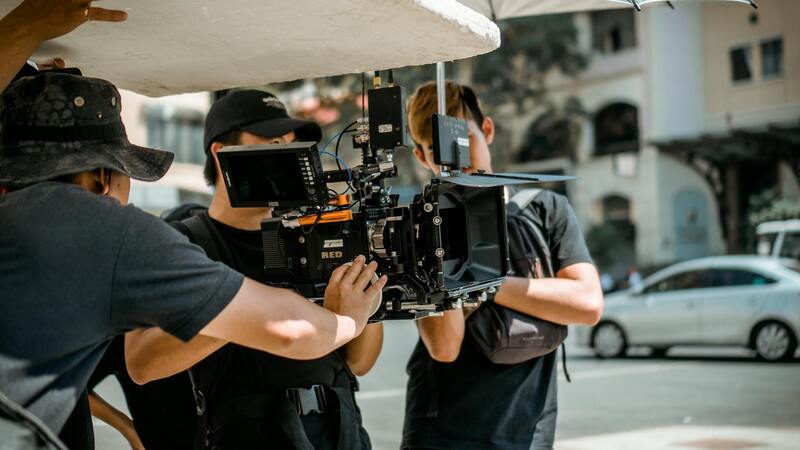
Another key role is managing interactive features—such as live chats, polls, and Q&A sessions—that foster a dynamic connection with viewers. The production team also ensures compliance with broadcast standards and safety protocols, maintaining a secure environment for the virtual audience. Overall, partnering with experienced professionals guarantees a polished and impactful event delivery.
Technical Setup and Monitoring During Live Events
Ensuring a smooth live streaming experience requires meticulous technical preparation and continuous monitoring throughout the broadcast. Organizations should prioritize a robust infrastructure that supports high-quality video and audio transmission, including reliable internet connections, redundant hardware, and professional streaming platforms that can handle peak viewership without interruption.
Pre-event testing is crucial. This involves conducting dry runs to verify equipment functionality, test streaming quality, and troubleshoot potential issues. During the event, dedicated technical staff should monitor bandwidth usage, signal integrity, and stream health in real time. This proactive approach allows for immediate intervention if disruptions or quality degradations occur, minimizing viewer frustration and potential data loss.

Post-Event Analytics and Feedback
After completing a live streaming event, analyzing performance metrics provides valuable insights into audience engagement, technical performance, and overall success. Platforms often offer data on viewer counts, drop-off points, geographical reach, and interaction rates such as chat participation and poll responses.
Gathering feedback from viewers, speakers, and technical teams further enhances understanding of what worked well and areas needing improvement. Implementing these insights into future events optimizes workflows, enhances streaming quality, and increases viewer satisfaction.
Data Utilization for Continuous Improvement
- Identifying peak engagement times to schedule future broadcasts.
- Refining visual and audio quality based on viewer feedback.
- Enhancing interactivity features to boost real-time participation.
Investing in comprehensive analytics empowers event organizers to create more impactful virtual experiences, fostering sustained audience engagement and brand loyalty over time.