
Understanding Live Event Production in Miami
Miami stands as a vibrant hub for live events, characterized by its diverse cultural influences, energetic atmosphere, and innovative entertainment scene. Producing a successful live event in this bustling city requires a comprehensive understanding of local trends, audience expectations, and industry standards that shape the event landscape. The city’s unique environment demands attention to detail, from the selection of suitable venues to the integration of innovative technology, ensuring that each event resonates with attendees and leaves a lasting impression.
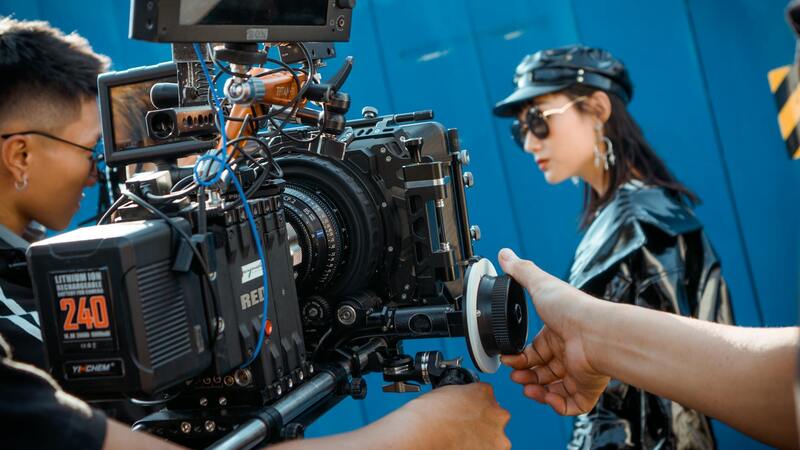
Miami’s live event production industry is driven by a blend of entertainment, corporate gatherings, and community celebrations. These events are distinguished by a high level of professionalism and a commitment to delivering immersive experiences. Local trends favor technological integration, environmentally sustainable practices, and culturally inclusive content. Successful producers recognize the importance of aligning event themes with regional interests, whether through music, art, or culinary showcases, while ensuring logistical excellence.
In addition to understanding audience expectations, event planners must stay abreast of industry standards concerning safety, accessibility, and technical quality. As Miami continues to attract international visitors and diverse demographics, event production must be adaptable, incorporating multilingual elements and culturally relevant content. This combination of local insight and industry expertise is crucial for creating events that stand out and meet the high standards connected with Miami’s lively scene.
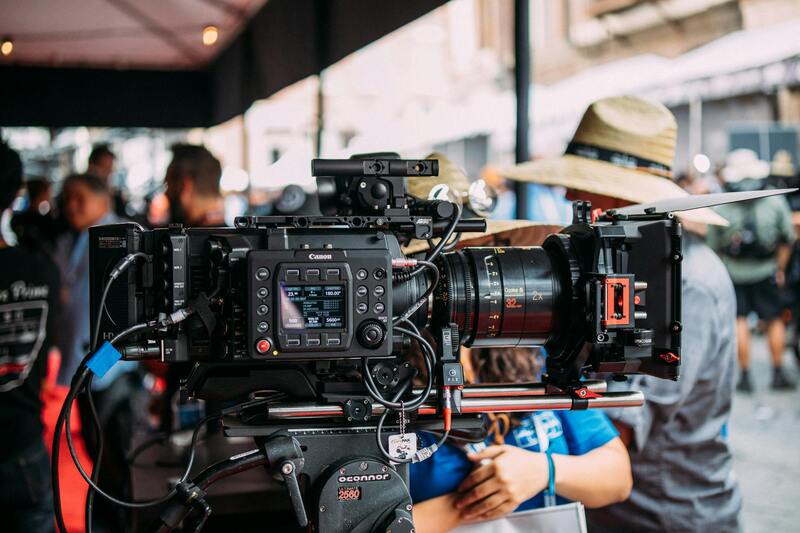
Overall, understanding the intricacies of live event production in Miami involves a strategic approach that fuses creativity, technical proficiency, and cultural awareness. Producers who master these elements are capable of delivering extraordinary experiences that capitalize on Miami’s reputation as a premier destination for entertainment and innovation. This foundation ensures that every aspect of the event — from concept to execution — aligns with industry excellence and audience satisfaction, setting the stage for memorable and impactful live productions.
In-Depth Technical Preparation and Equipment Setup
Achieving the best possible live event experience hinges on the meticulous selection and deployment of advanced audiovisual and staging technology. High-quality sound systems, lighting rigs, and visual projection equipments are fundamental in creating immersive environments that captivate attendees. Innovative technologies such as LED walls, 3D projection mapping, and synchronized light displays allow producers to craft visually stunning narratives that resonate with diverse audiences.
For overall production success, a comprehensive understanding of technical specifications and compatibility between various equipment components is essential. Pre-event technical rehearsals enable teams to troubleshoot issues, refine synchronization, and ensure seamless integration of all elements. Furthermore, real-time monitoring systems may be employed during the event to address any technical anomalies promptly, maintaining the integrity of the production and preventing disruptions.
Strategic Venue Selection and Effective Setup
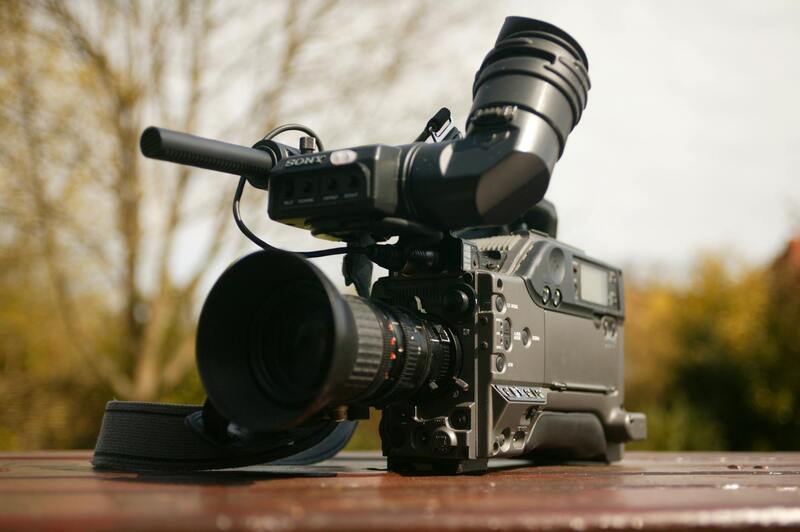
The venue serves as the foundation of a successful live event, demanding a thorough evaluation process that considers size, layout, acoustics, accessibility, and infrastructure. An ideal venue aligns with the event’s scale and thematic objectives, providing sufficient space for staging, audience movement, and technical installations. Accessibility features, including transportation options, wheelchair ramps, and clear signage, are vital in accommodating all attendees.
The setup process involves detailed planning for stage design, audience flow, and technical infrastructure, ensuring all elements integrate harmoniously. Coordinated efforts between venue staff and production teams facilitate smooth load-in, installation, and testing phases. Proper cable management, safety protocols, and contingency plans are also integral to minimizing potential delays or hazards during setup and the event itself.

Delivering Engaging Content and Live Entertainment
Content is the core driver of audience engagement at live events. Utilizing a diverse mix of performances, speakers, or multimedia presentations keeps attendees actively involved and enhances overall experience. High-impact visuals, dynamic lighting, and compelling storytelling are integrated to complement live performances, creating a multisensory environment.
The choice of entertainment varies based on event theme, target demographics, and regional preferences. Collaborations with local artists or cultural groups can deepen regional relevance, fostering a deeper connection with the audience. Furthermore, real-time interaction tools such as social media integration, live polls, or Q&A sessions amplify attendee participation and foster a sense of community during the event.
Cutting-Edge Technology and Equipment
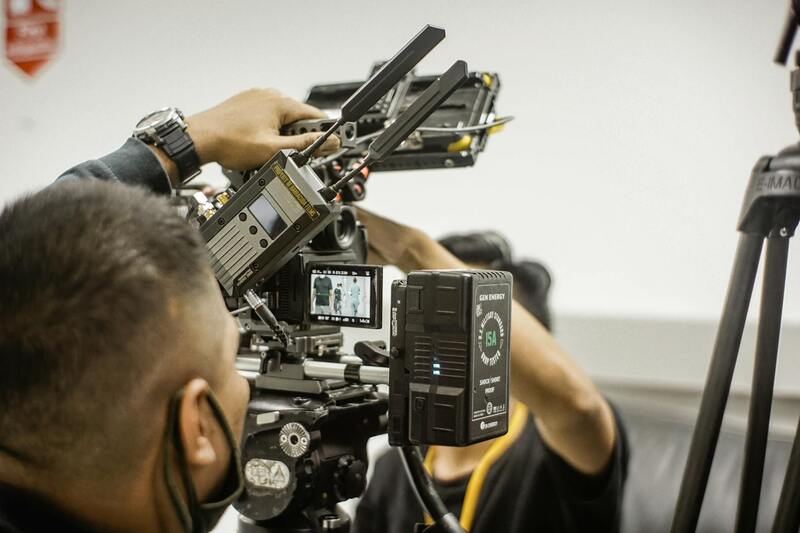
Implementing the latest technological advances is crucial for delivering memorable live event experiences in Miami. High-definition LED screens, 4K projectors, and immersive sound systems create compelling visual and auditory environments that captivate attendees. Interactive elements, such as augmented reality (AR) experiences or virtual reality (VR) zones, can enhance engagement by providing innovative ways to connect with content.
Sound engineering plays a pivotal role; professional-grade microphones, digital mixing consoles, and wireless audio systems ensure clarity and freedom of movement for performers and speakers. Lighting systems, including programmable LEDs and moving head fixtures, add dynamic visual effects that synchronize seamlessly with the event’s theme and rhythm, elevating the overall atmosphere.
Staging technology also advances, employing motorized lifts, modular platforms, and automated rigs that facilitate flexible set designs and quick scene changes. These innovations support complex production requirements while maintaining safety and efficiency during setup and operation.
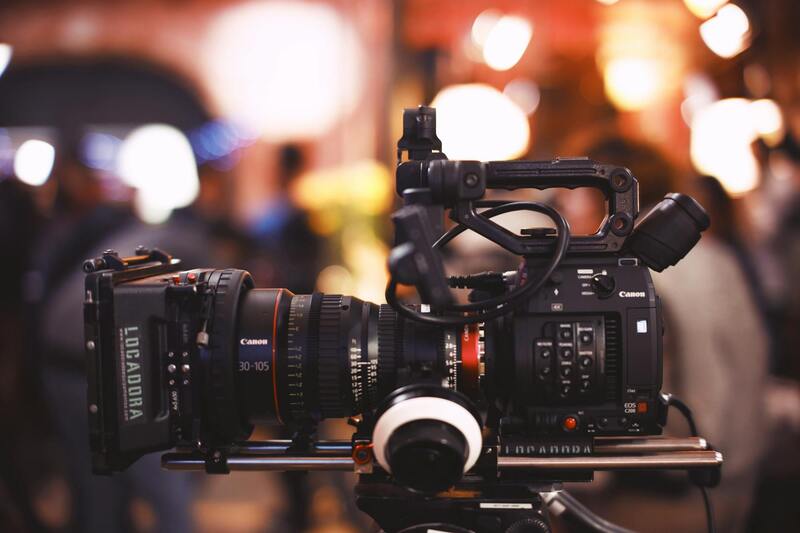
Another emerging trend involves integrating live streaming technology, allowing remote audiences to participate in real-time. This approach broadens reach and engagement, making events accessible beyond the physical venue. High-speed internet and content delivery networks (CDNs) are essential components, ensuring seamless broadcast quality without latency issues.
Moreover, event management platforms and software solutions streamline operations, from attendee check-in to real-time analytics. These tools enable organizers to monitor engagement levels, troubleshoot technical issues promptly, and adapt on the fly to audience responses.
Choosing the right combination of these cutting-edge technologies ensures a professional, engaging, and smooth live experience tailored to Miami’s vibrant event scene.
Criteria for Selecting Optimal Venues in Miami
Choosing the right venue is fundamental to the success of a live event in Miami. The ideal location must combine accessibility, capacity, and amenities to create an environment conducive to both performers and attendees. Proximity to transportation hubs such as major highways, public transit, and parking facilities enhances attendee convenience and can significantly influence overall turnout. Additionally, venues with versatile layouts and adaptable spaces accommodate varied show formats and thematic setups.
Security features and safety compliance are also critical factors, ensuring that all crowd management protocols are met and that attendees feel secure throughout the event. Soundproofing, acoustic properties, and environmental controls further contribute to the overall experience, especially for events with intricate sound and lighting needs.
When selecting a venue, understanding the technical infrastructure is paramount. An accessible venue equipped with high-capacity power sources, state-of-the-art audio-visual capabilities, and robust internet connectivity simplifies operational logistics and reduces setup challenges.
A comprehensive site visit ensures all technical and logistical considerations are addressed in advance. Examining sightlines, acoustics, loading access, and backstage facilities allows organizers to tailor the event layout optimally, ultimately fostering a seamless experience for both performers and audiences.
Expertise in Audio-Visual and Technical Aspects
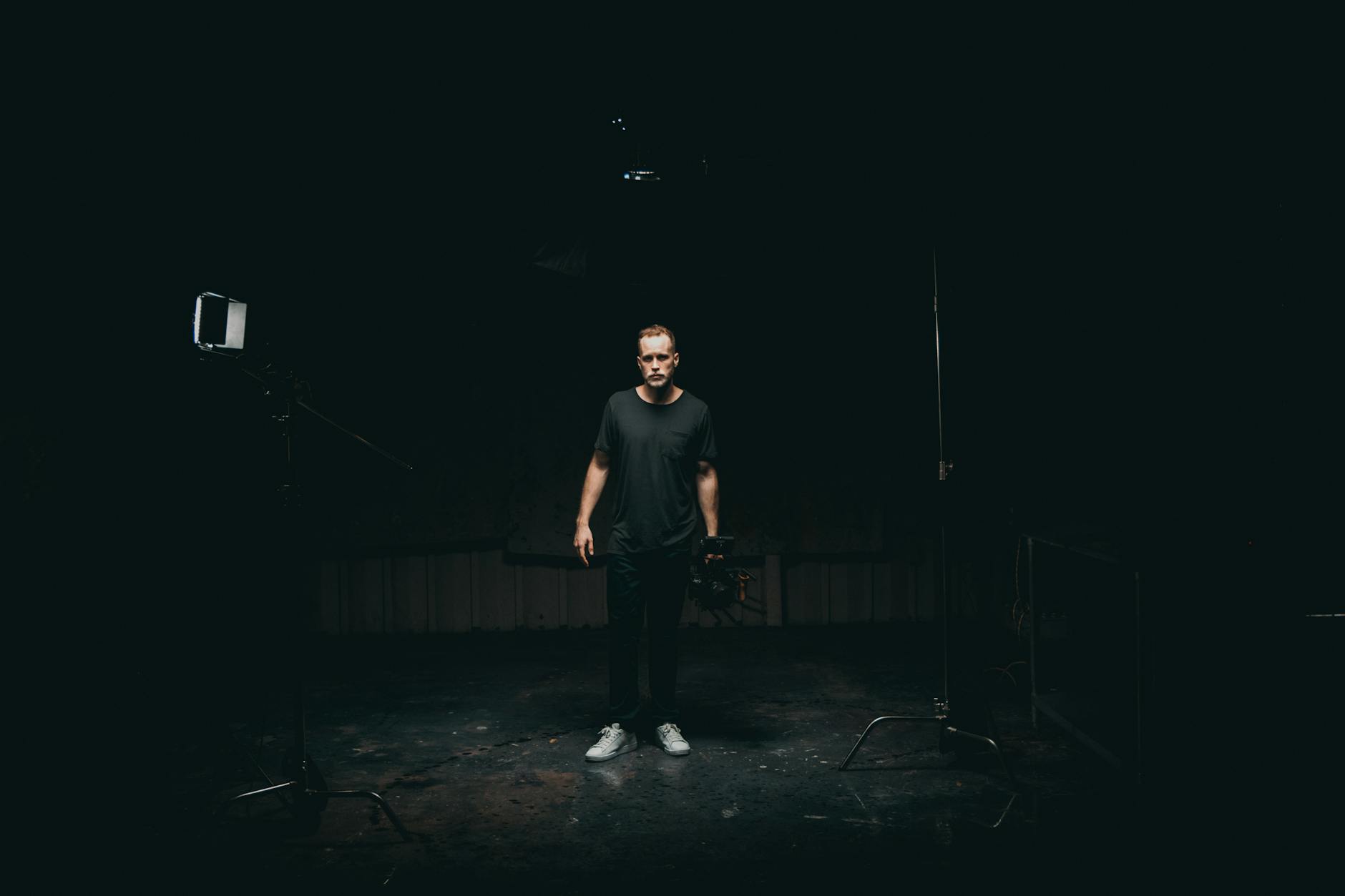
Delivering a flawless live event hinges significantly on the mastery of audio-visual and technical elements. Employing high-quality sound systems, professional lighting rigs, and versatile video displays ensures that every performance or presentation reaches the audience with clarity and impact. Experienced technical teams must precisely coordinate and execute setups, calibrate equipment, and perform real-time adjustments to adapt to evolving event dynamics.
Implementing advanced camera systems and live streaming technology can extend the event’s reach beyond the physical venue, providing real-time quality broadcasts that attract remote participation. Synchronization across all technical platforms—such as audio, video, and lighting—presents a seamless experience for attendees, while redundancy measures safeguard against equipment failure.
Meticulous planning for power management, cable organization, and safety precautions minimizes operational risks. Regular testing and troubleshooting sessions are essential before the event, ensuring that technical systems operate smoothly during peak times. This detailed focus on AV and technical elements elevates the overall quality, contributing to a compelling, professional audience experience.
Seamless Integration of Multi-Platform Content Delivery
Effective live events often incorporate multi-platform content delivery to maximize engagement and visibility. This includes synchronized social media feeds, interactive polls, and audience Q&A sessions that foster real-time interaction. For events with multi-stage setups or multiple content sources, seamless integration ensures consistency and fluidity in presentation.
Dedicated control rooms and skilled digital operators manage content flow, adjusting visuals and audio based on cues and audience reactions. Incorporating visual effects, branded graphics, and dynamic overlays adds a polished touch that enhances audience immersion.
Specialized Equipment and Technological Innovations
Investing in recent technological innovations can distinguish your live event in Miami. Technologies such as 4K projection, drone videography, augmented reality overlays, and holographic displays create immersive environments that wow attendees. These cutting-edge tools enable producers to push creative boundaries, delivering memorable experiences that resonate long after the event concludes.
Incorporating innovative equipment requires meticulous planning and skilled operators to optimize output. Regular training sessions keep the team up-to-date with new technology, ensuring seamless operation and the ability to troubleshoot complex setups quickly.
Soundproofing and Acoustic Optimization
In urban environments like Miami, managing soundscape challenges is critical. Soundproofing measures, including acoustic panels and strategic venue design, prevent external noise interference and contain the event’s audio within the designated space. Proper acoustical treatments enhance speech clarity and music quality, contributing to a more engaging and comfortable environment.
Sound engineers employ advanced tools for audio mixing and feedback suppression, balancing multiple sources to achieve a harmonious sound profile. These technical interventions ensure that every performance, announcement, and interaction is delivered with precision.
Implementing Professional Staffing and Coordination for Seamless Execution
At the core of a successful live event in Miami is a team of highly skilled professionals dedicated to orchestrating every facet of the production. From event managers to technical specialists, each staff member plays a vital role in ensuring a smooth experience for both organizers and attendees. The recruitment process must focus on selecting individuals with proven expertise in live event management, sound and lighting engineering, stage management, and customer service. Their proficiency in handling unforeseen situations and their ability to adapt swiftly are critical components that contribute to an event’s overall quality.
Clear, concise communication channels are essential for coordinating different departments—such as production, hospitality, security, and technical support. Utilizing advanced communication tools like radios, headsets, or integrated event management software can streamline interactions throughout the setup, execution, and breakdown phases. This minimizes errors, reduces downtime, and ensures that everyone remains aligned with the event’s timeline and objectives.
Effective coordination is further enhanced through detailed planning and contingency strategies. Pre-event briefings prepare staff on their specific responsibilities, emergency procedures, and customer engagement protocols. Assigning clear roles and responsibilities prevents overlaps and gaps in coverage, which is crucial when managing large crowds or complex setups. An organized floor plan, timing schedules, and designated points of contact help streamline operations, supporting a cohesive team effort that delivers an outstanding experience for attendees.
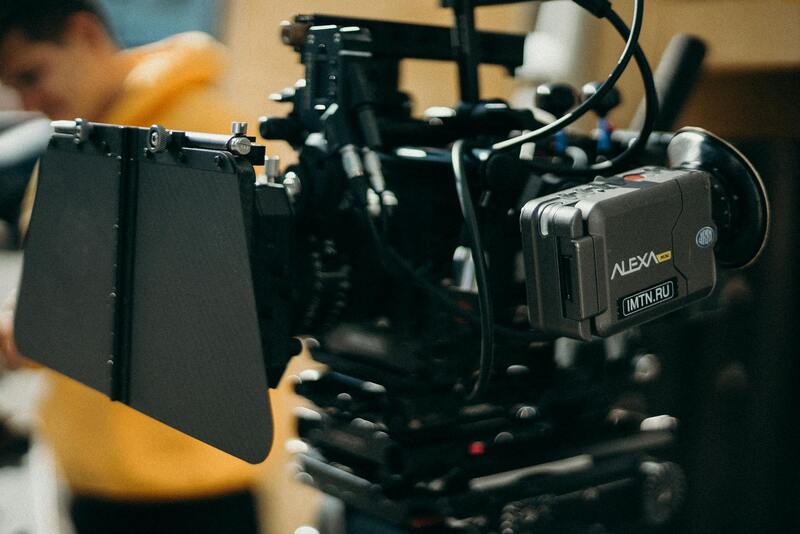
Moreover, training sessions and regular drills bolster the team’s readiness, especially when integrating new equipment or innovative staging concepts. Continuous professional development ensures staff members are familiar with the latest best practices and technological advancements. Investing in a well-trained, coordinated team directly translates into fewer disruptions, higher safety standards, and a more engaging environment that keeps audiences captivated from start to finish.
Professional Staffing and Coordination for Live Events
Hosting a successful live event in Miami hinges greatly on the caliber of professional staffing and the precision of coordination among team members. A meticulously assembled team, including event managers, technical specialists, security personnel, hospitality staff, and stage crew, ensures that each element of the event operates seamlessly. These professionals work in harmony to execute the event's plan while adapting swiftly to unforeseen circumstances or last-minute adjustments.
Effective communication is the backbone of successful event execution. Utilizing digital tools such as real-time communication platforms, integrated scheduling software, and dedicated walkie-talkies helps team members stay connected throughout the event. This constant flow of information facilitates rapid decision-making and quick responses to any issues that arise.
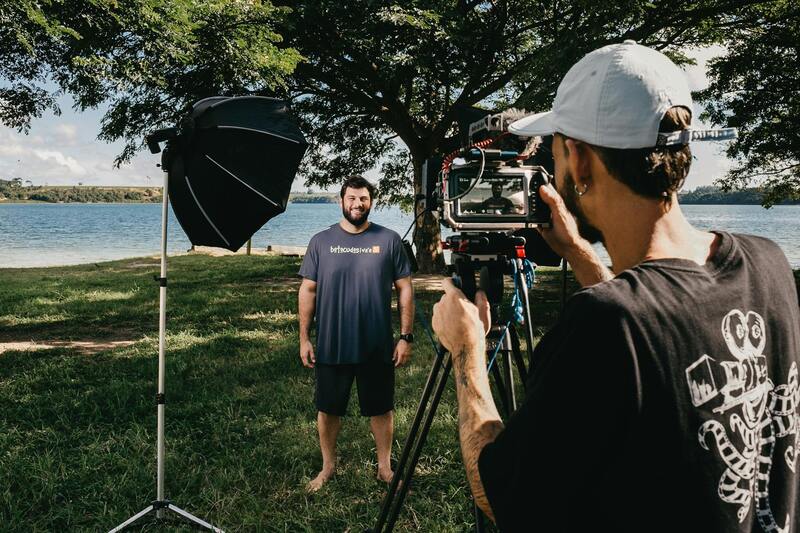
Preparing staff before the event begins through comprehensive briefings is essential. These sessions cover roles and responsibilities, safety procedures, emergency protocols, and customer service expectations. Clearly defined roles minimize confusion and overlap, ensuring each team member knows their tasks and how they fit into the broader event timeline.
Assigning specific points of contact for different operational areas creates accountability and streamlines communication. For example, designating a lead technician for audiovisual elements, a floor manager for guest flow, and a security supervisor helps maintain order and quick problem resolution. Regularly scheduled briefings and debriefings facilitate feedback exchange, continuous improvement, and preparedness for future productions.
Staff training and contingency planning are crucial components. Conducting drills and review sessions fosters familiarity with complex setups, emergency procedures, and equipment handling. This proactive approach reduces downtime and technical glitches, elevates safety standards, and enhances overall event quality.
Furthermore, leveraging skilled specialists such as stage managers, technical directors, and crowd control coordinators ensures each segment of the event aligns with the artistic and logistical vision. Their expertise contributes to maintaining a high-energy atmosphere, while also guaranteeing safety and compliance with local regulations.
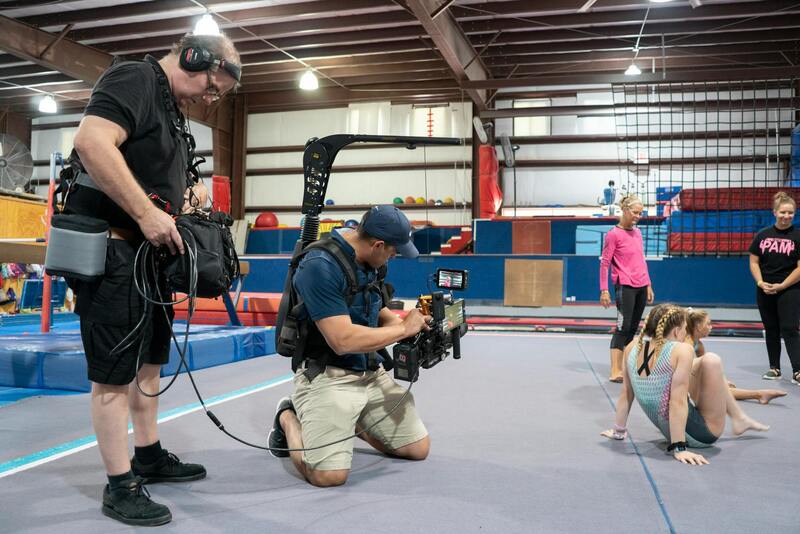
In high-stakes environments like live concerts, conferences, and festivals, the ability to adapt swiftly is paramount. Whether dealing with technical failures, audience management challenges, or scheduling delays, a well-trained, coordinated team can implement contingency plans efficiently. This agility not only prevents disruptions but also demonstrates professionalism and dedication, significantly enhancing attendee satisfaction.
In essence, the foundation of a memorable live event in Miami is laid through meticulous planning, skilled staffing, and synchronized operations. Assembling a team of dedicated professionals equipped with the right tools, training, and communication protocols ensures the event’s vision is brought to life flawlessly, leaving a lasting impression on attendees and stakeholders alike.
Ensuring Security and Safety During Live Events in Miami
Maintaining a secure environment is fundamental to the success of any live event in Miami. Implementing comprehensive safety protocols not only protects attendees, staff, and performers but also ensures compliance with local standards. Effective security measures involve detailed risk assessments prior to event day, identifying potential hazards related to crowd control, equipment, and venue access points. Employing a combination of trained security personnel, advanced surveillance systems, and controlled access points helps monitor and manage crowd flow efficiently.
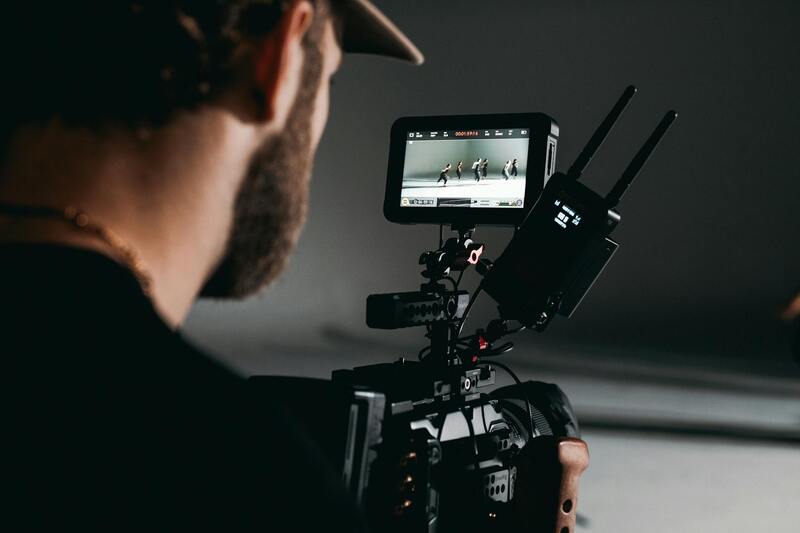
Security teams are responsible for managing entry checks, screening for prohibited items, and responding swiftly to any emergencies. Establishing clear communication channels between security staff, event coordinators, and emergency services ensures coordinated responses to incidents. On-site first aid stations and trained medical personnel should be readily accessible to address health-related issues quickly, minimizing the potential for serious complications.
Implementing Emergency Preparedness Plans
- Develop detailed evacuation procedures that are communicated clearly to all staff and prominently displayed at the venue.
- Conduct regular emergency drills involving staff and, where appropriate, the audience to familiarize everyone with evacuation routes and protocols.
- Coordinate with local emergency responders to ensure rapid assistance if needed.
Audience Management Strategies
Controlling crowd density and movement is vital to prevent congestion and ensure smooth flow during ingress and egress. Utilizing crowd management barriers, signage, and designated pathways helps direct pedestrian traffic effectively. Additionally, real-time crowd monitoring technology enables event organizers to identify and address issues proactively before they escalate, thus safeguarding overall event experience.
Lighting and Communication Systems
Proper, bright lighting in critical areas such as pathways, exits, and emergency zones enhances visibility and reduces accidents. Reliable communication through radios, public address systems, and digital alerts ensures that staff can coordinate responses swiftly during unforeseen circumstances. Transparency with attendees about safety procedures and exit routes fosters trust and cooperation throughout the event.
Closing Remarks on Safety Protocols
Ultimately, the careful integration of these security and safety methods allows event organizers to focus on delivering a memorable live experience. Proactive planning, skilled personnel, and state-of-the-art technology collectively create a resilient environment where everyone can enjoy the event confidently, knowing their well-being is prioritized.